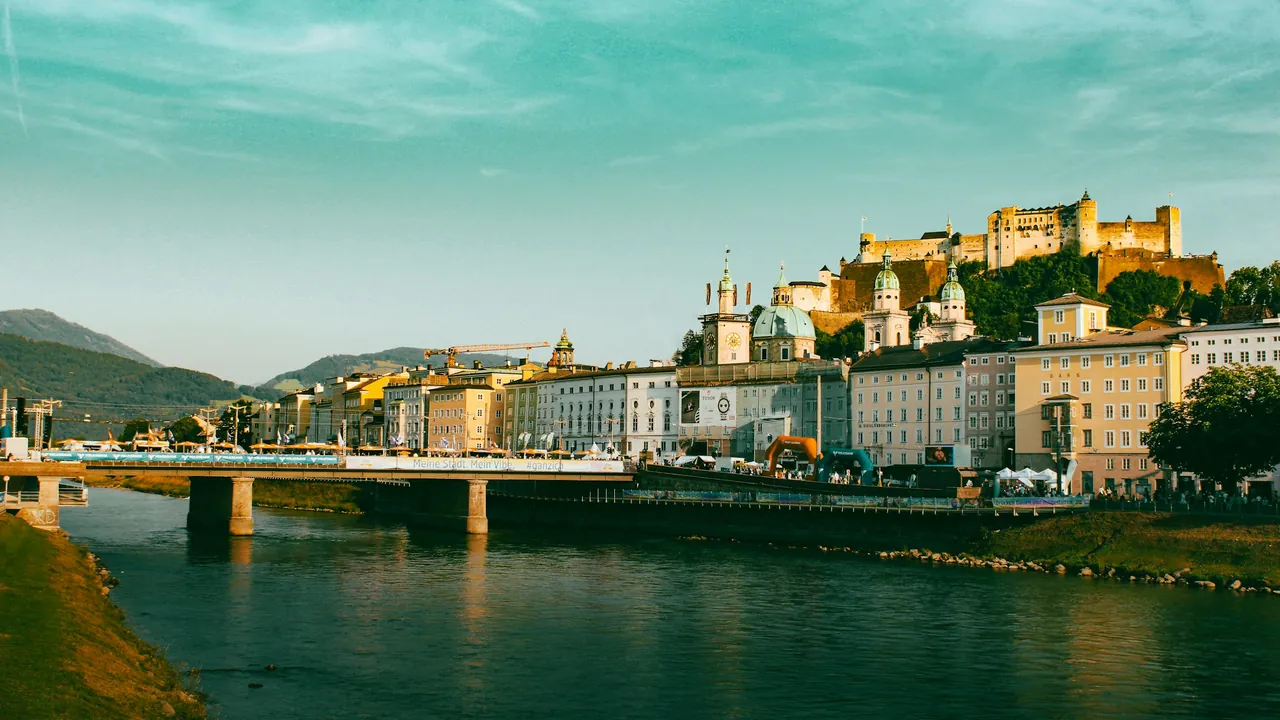
Austria
Best time: May to Oct; Dec to Mar for skiing
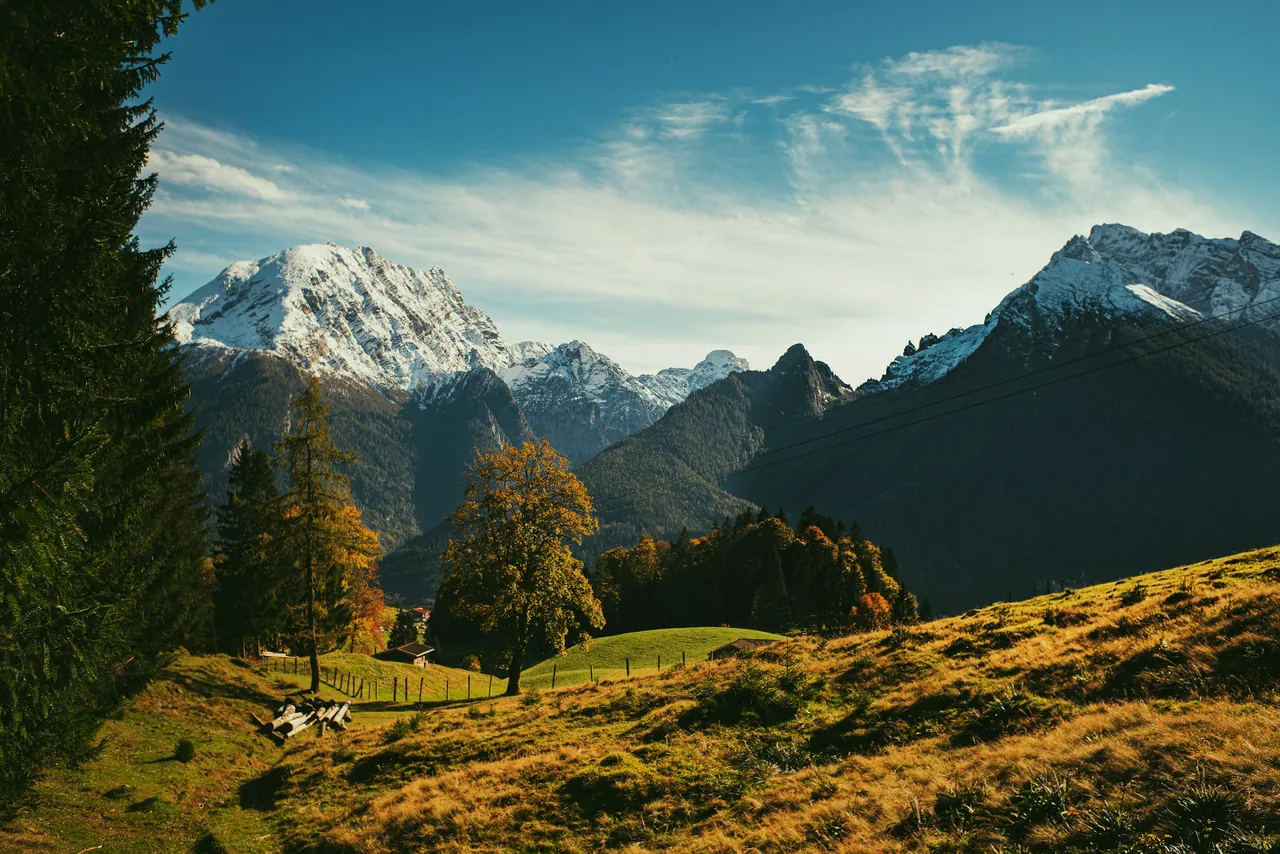
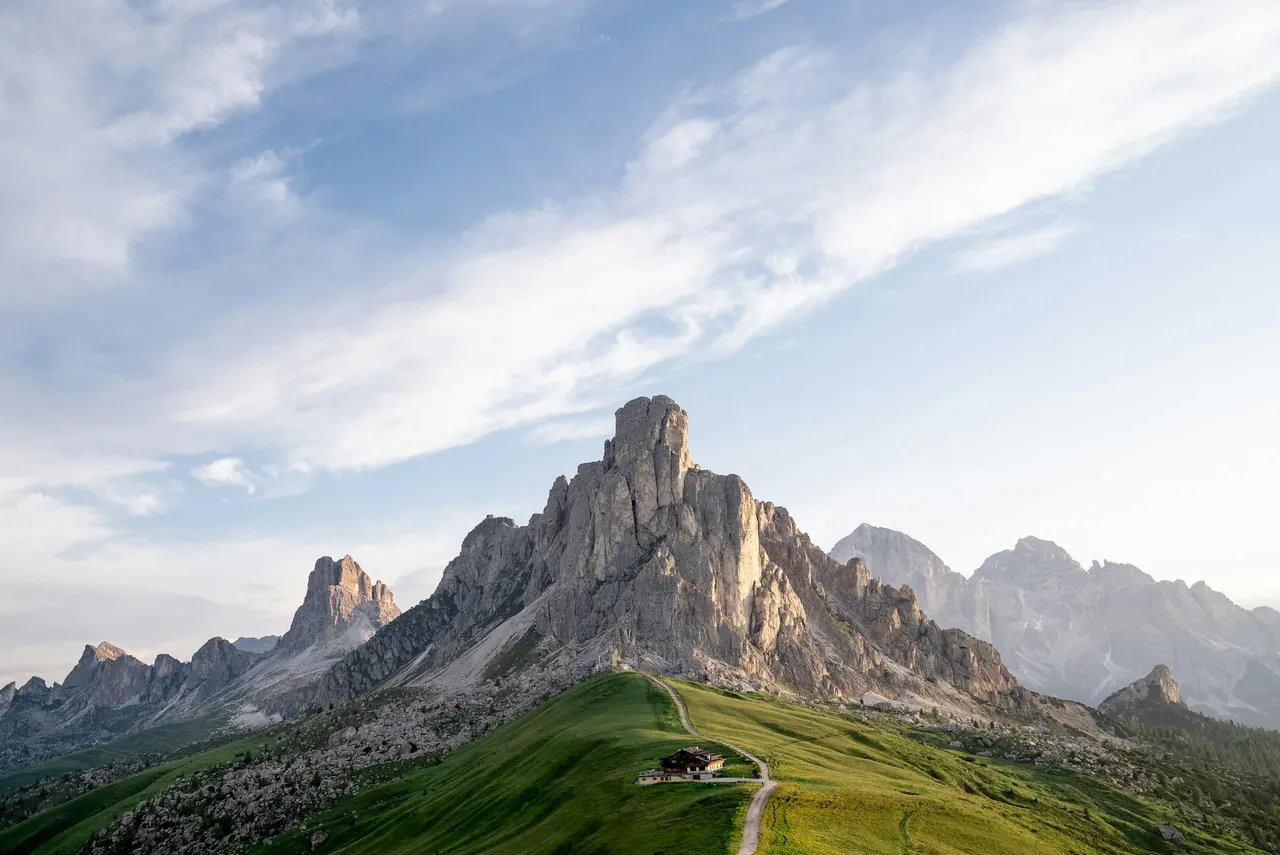
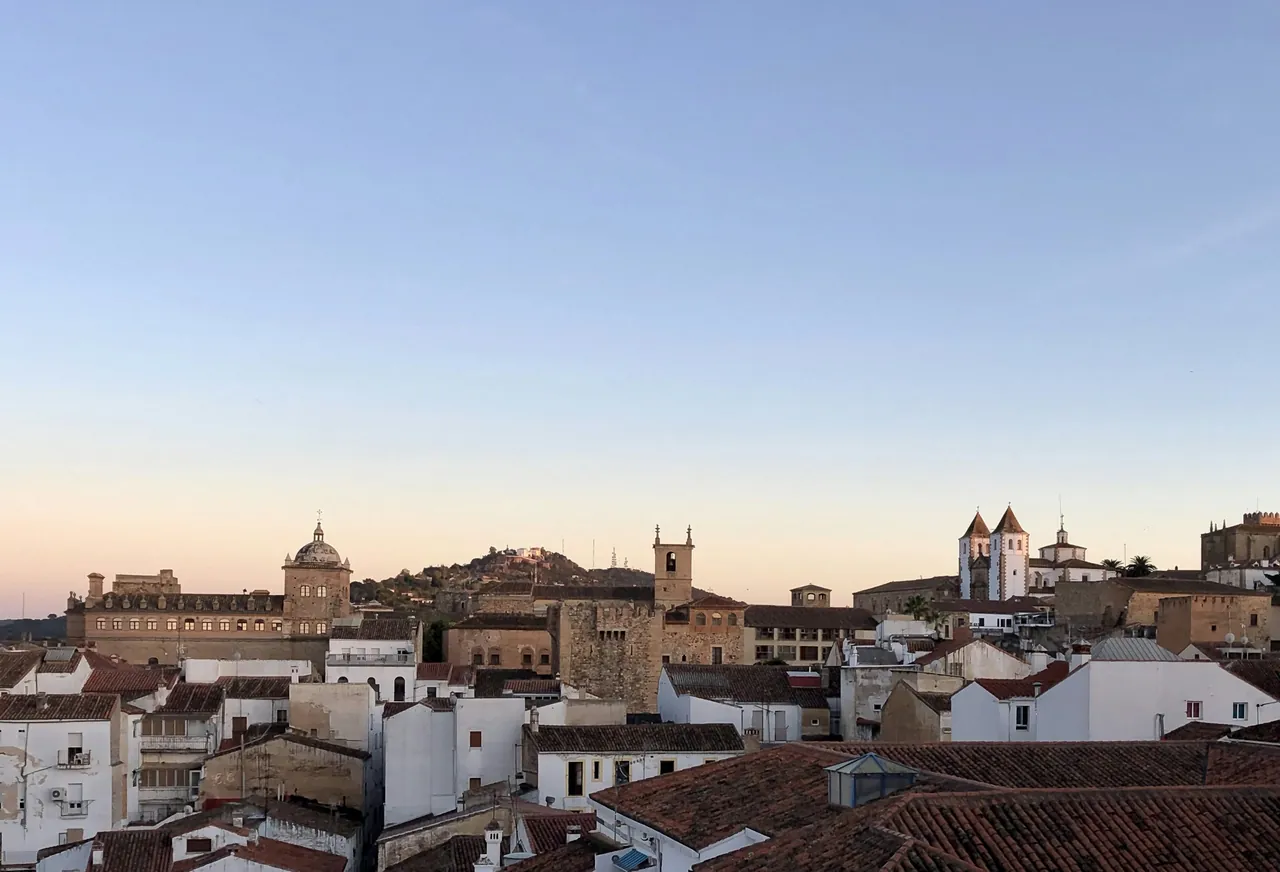
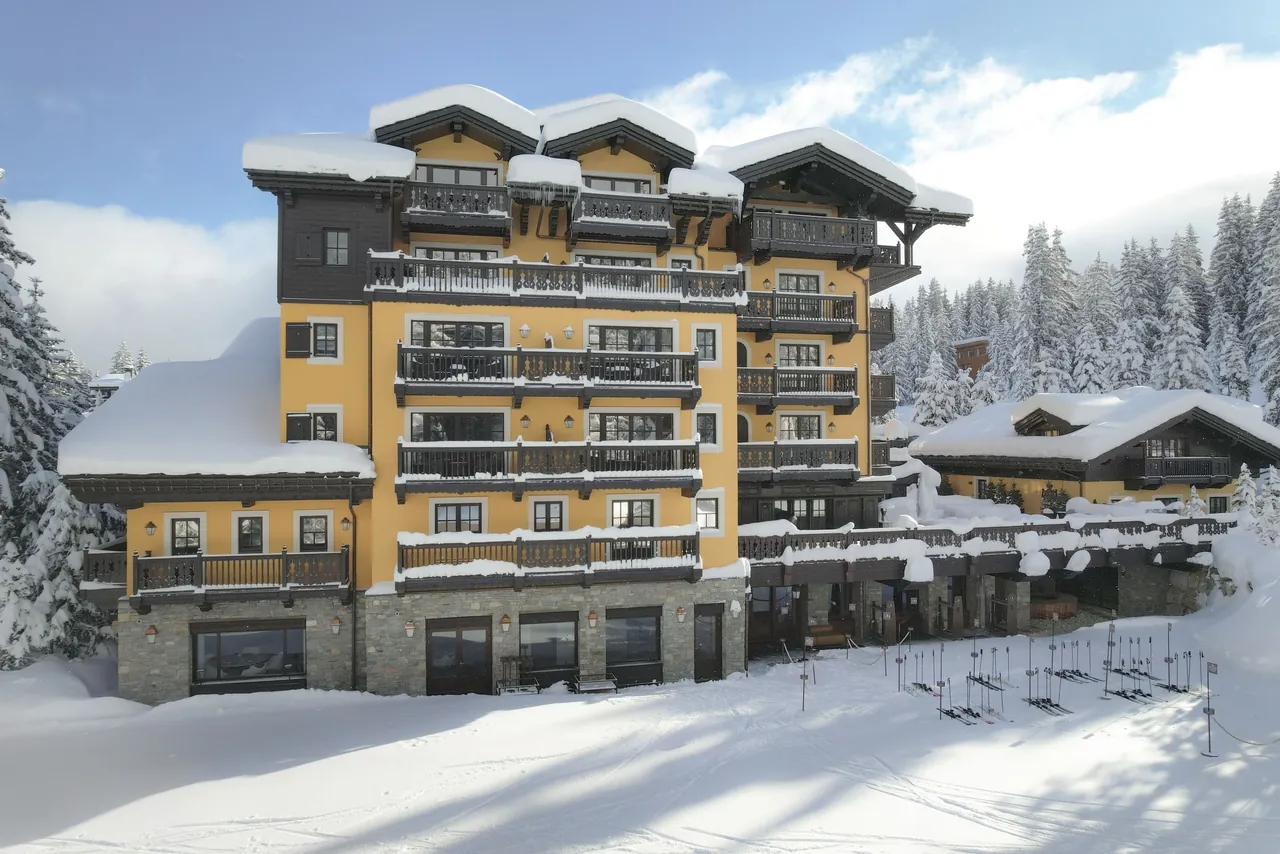
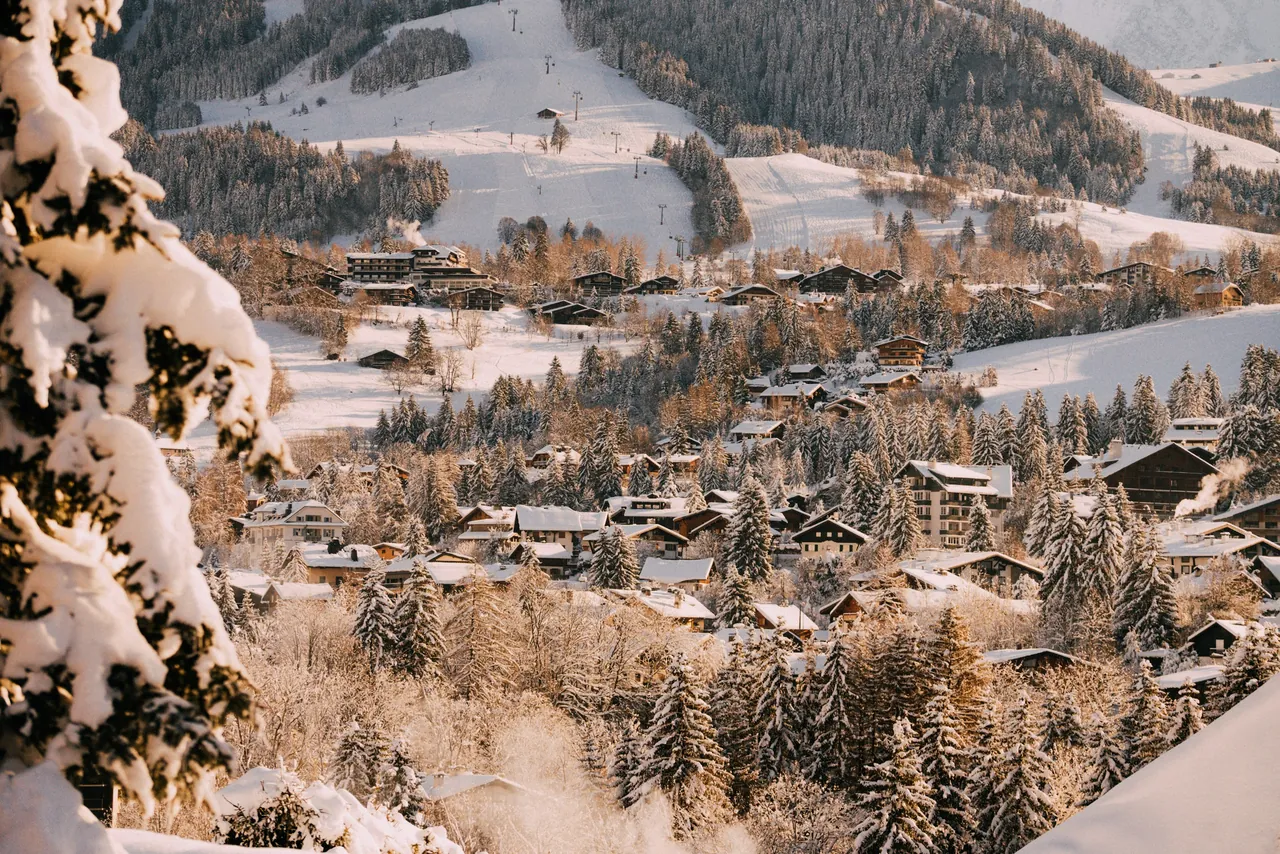
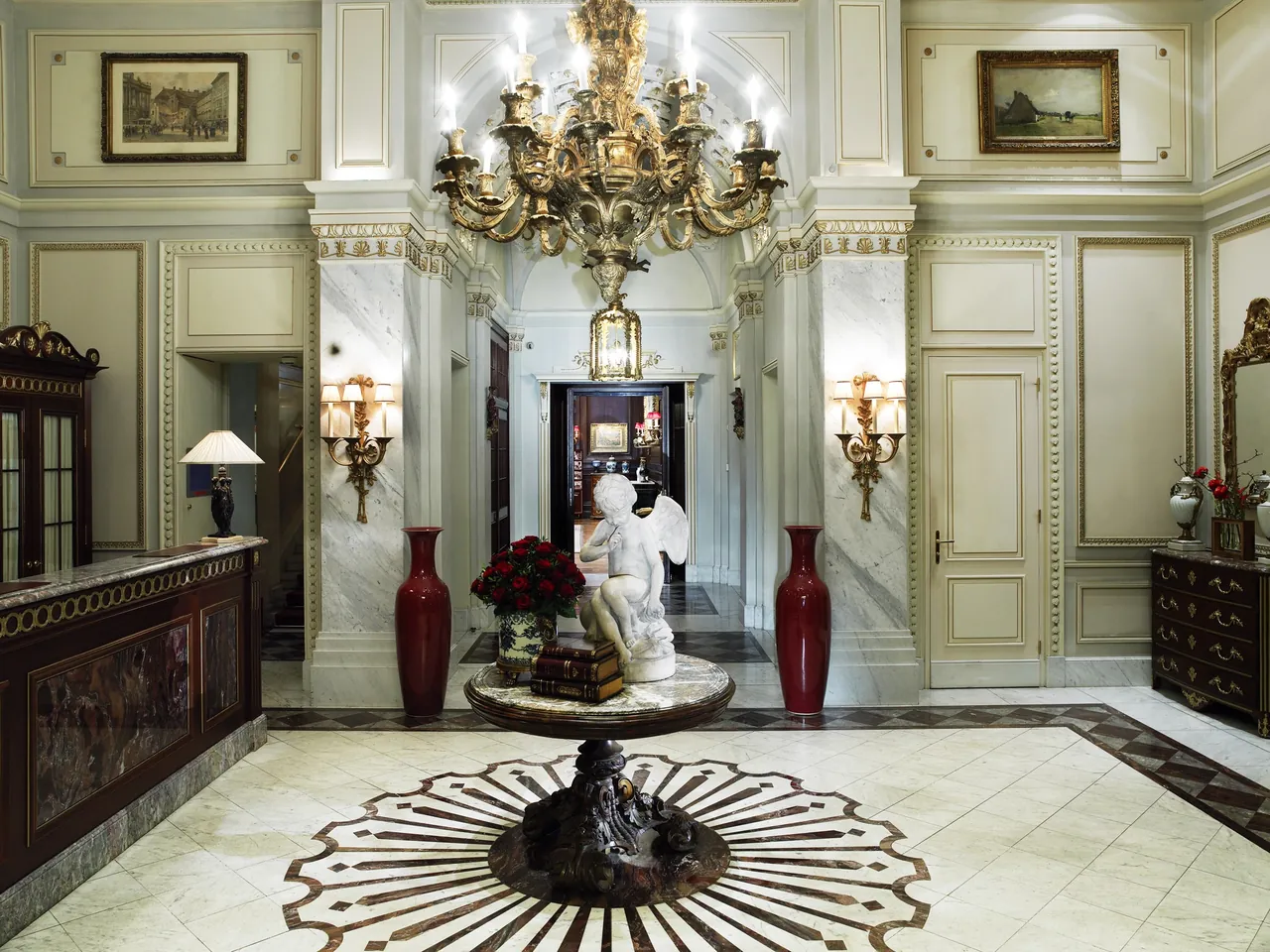
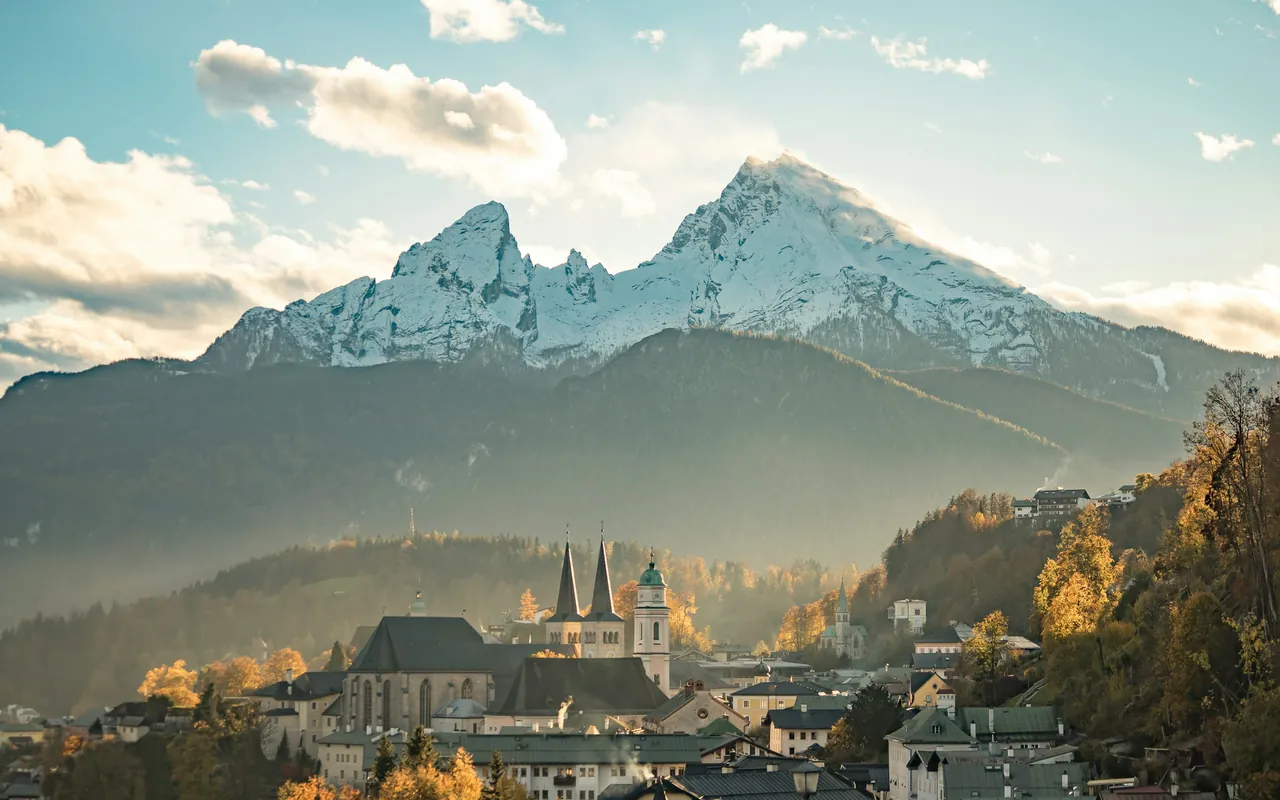
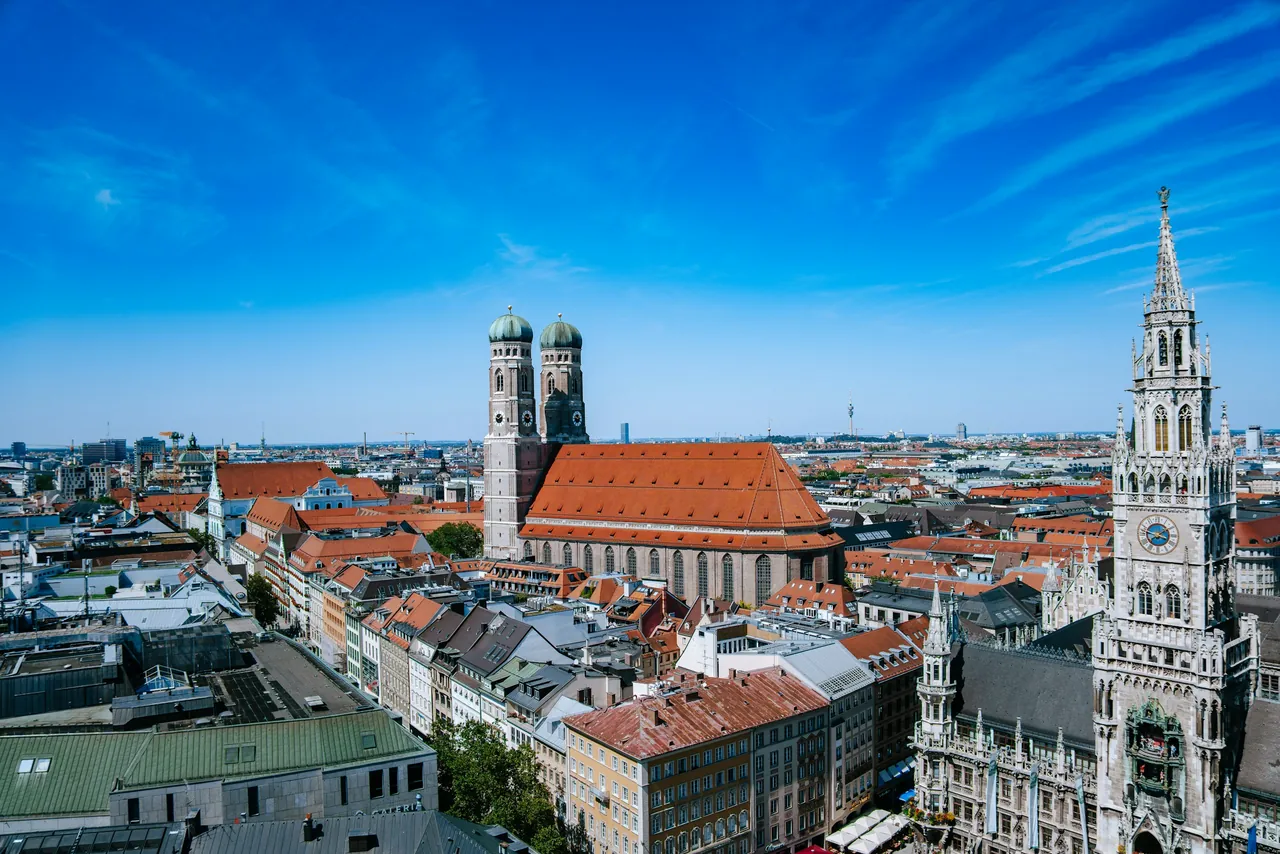
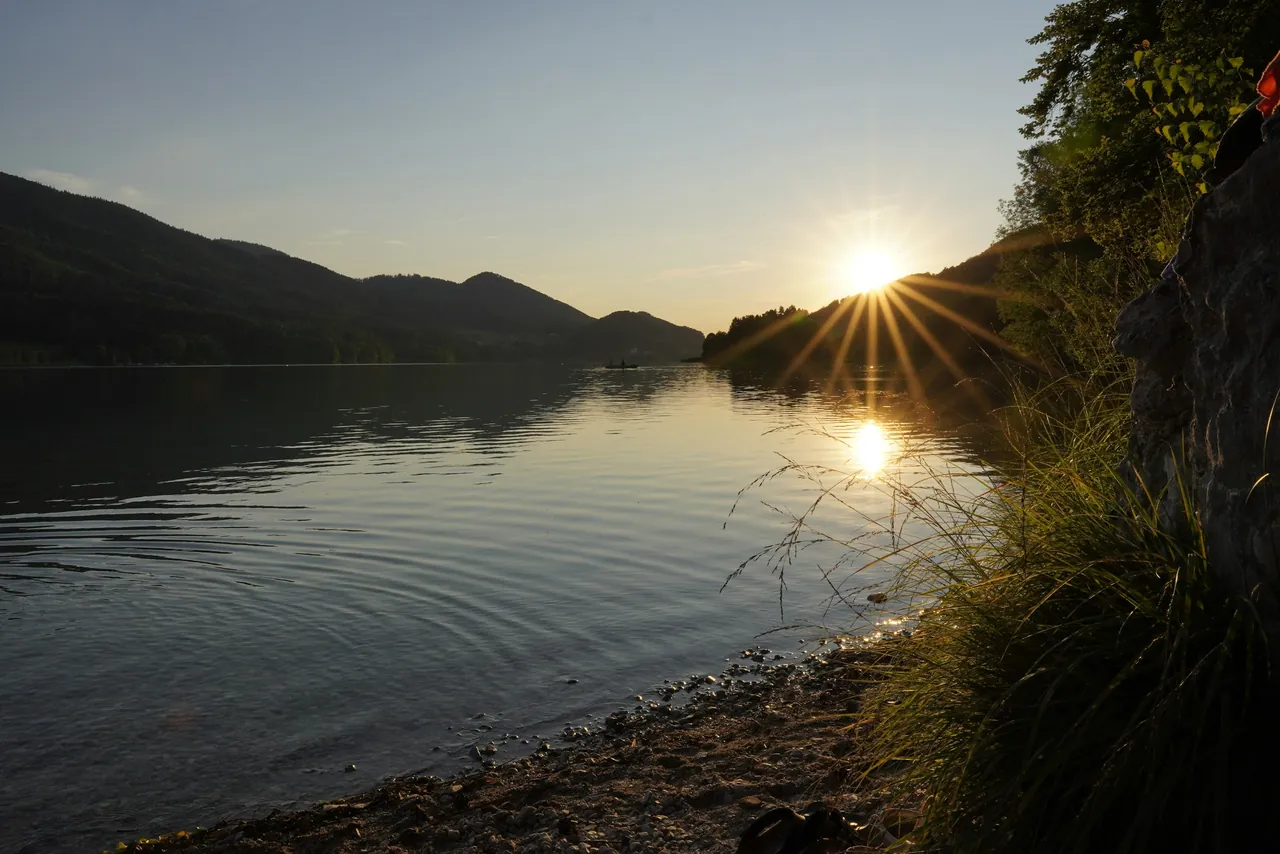
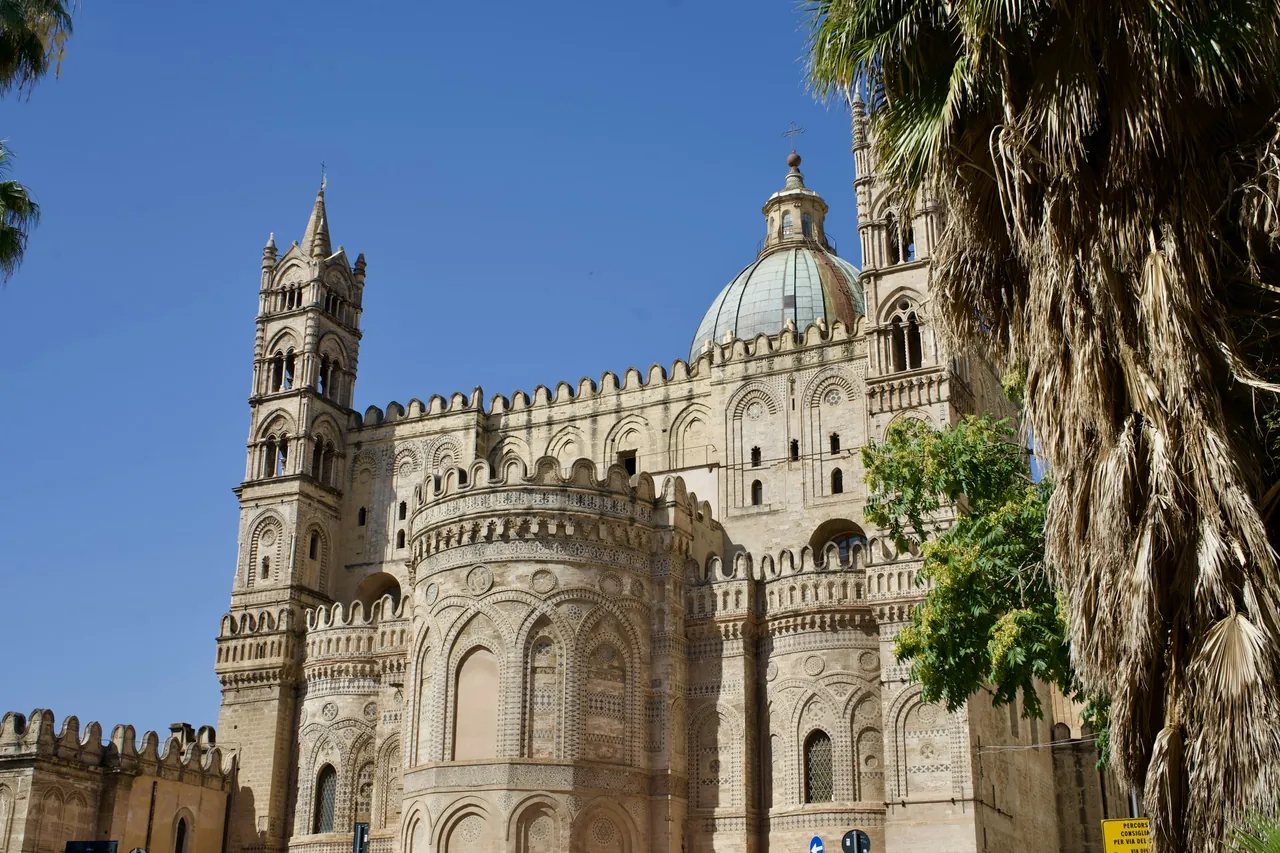
Austria splits between the high Alps of Tyrol and Salzburger Land and the imperial cities further east. Vienna sets the cultural tone with its palaces, museums and winter ball season, Salzburg carries Mozart's name, and the Wachau Valley strings together river towns such as Dürnstein, Krems and Melk. Summer belongs to the lakes and mountain trails of the Salzkammergut and around Mondsee. In winter the snow is reliable from late November in Tyrol and Salzburger Land, and thermal spas sit close to the slopes. At the table, think Wiener schnitzel and Sachertorte.
Belgium
Best time: Apr to Jun, Sep to Oct
Belgium packs a great deal into a small country. In Flanders, the northern half, the art cities of Bruges, Ghent, Antwerp, Leuven and Mechelen lie within easy reach of one another, each shaped by centuries of craftsmanship and the work of the Flemish Masters. Brussels mixes grand old squares with a lively contemporary art scene. Beyond the cities there are castles, gardens, quiet cycling country and 67 kilometres of North Sea coast, and Ypres, where the First World War is still remembered. The food culture is serious: chocolate, fries, moules and a very long list of beers.
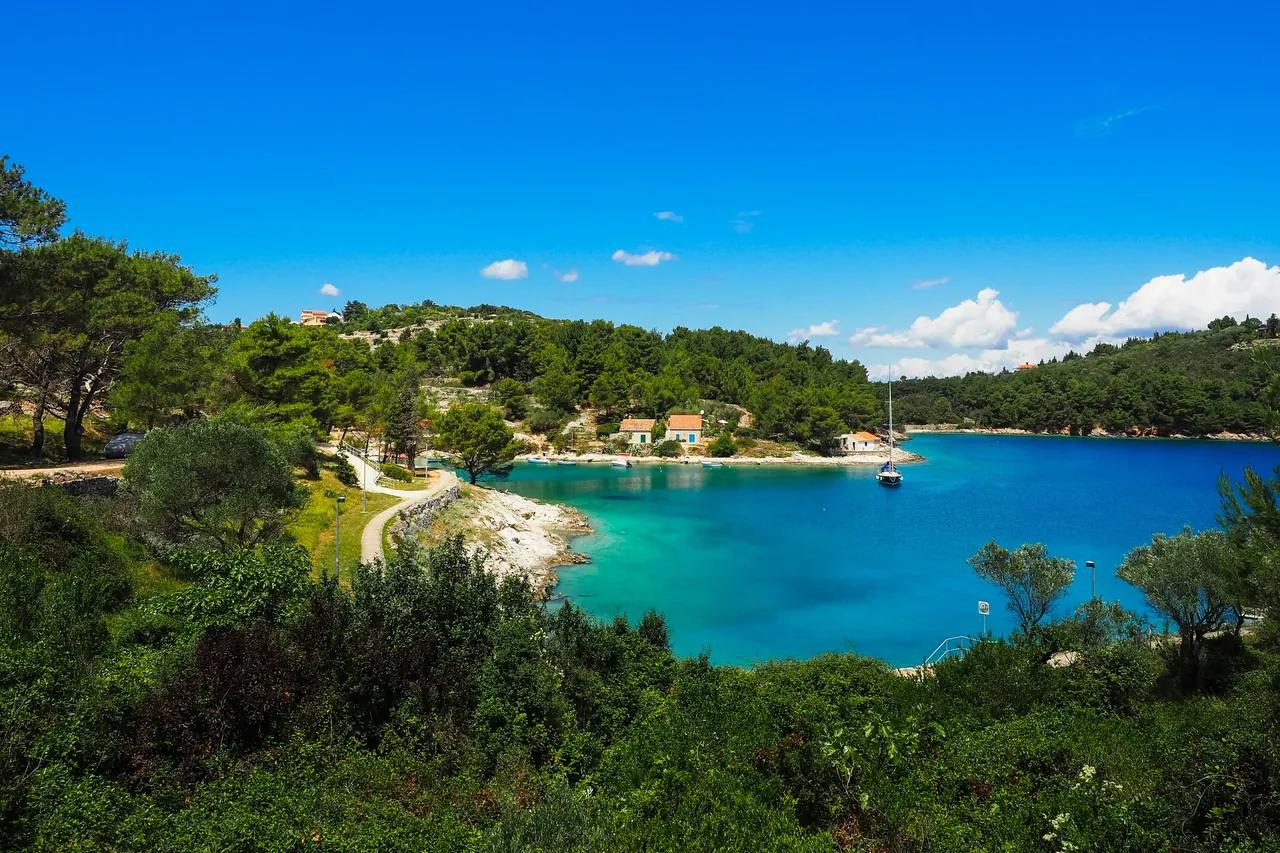
Croatia
Best time: May to Jun, Sep to Oct
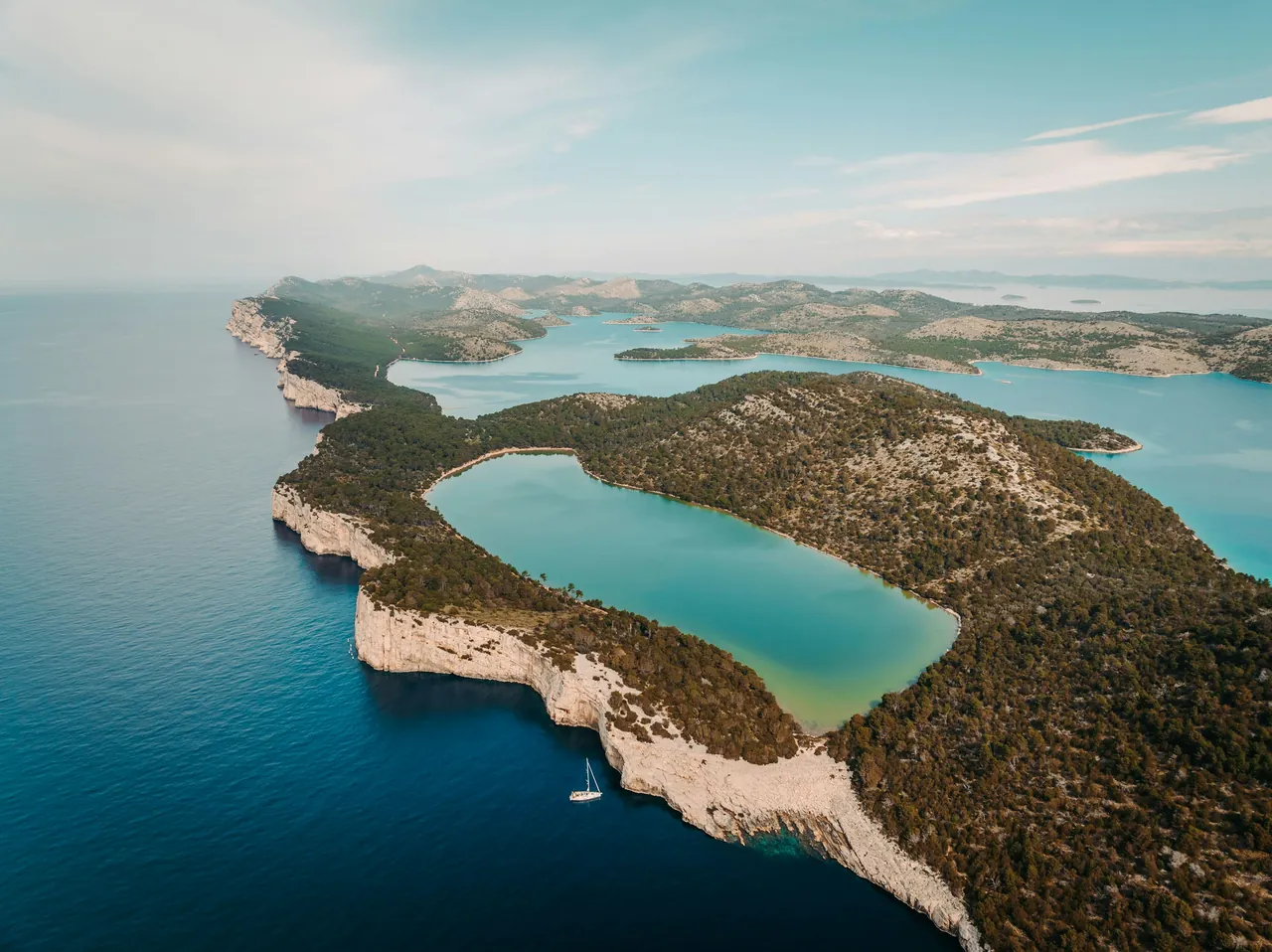
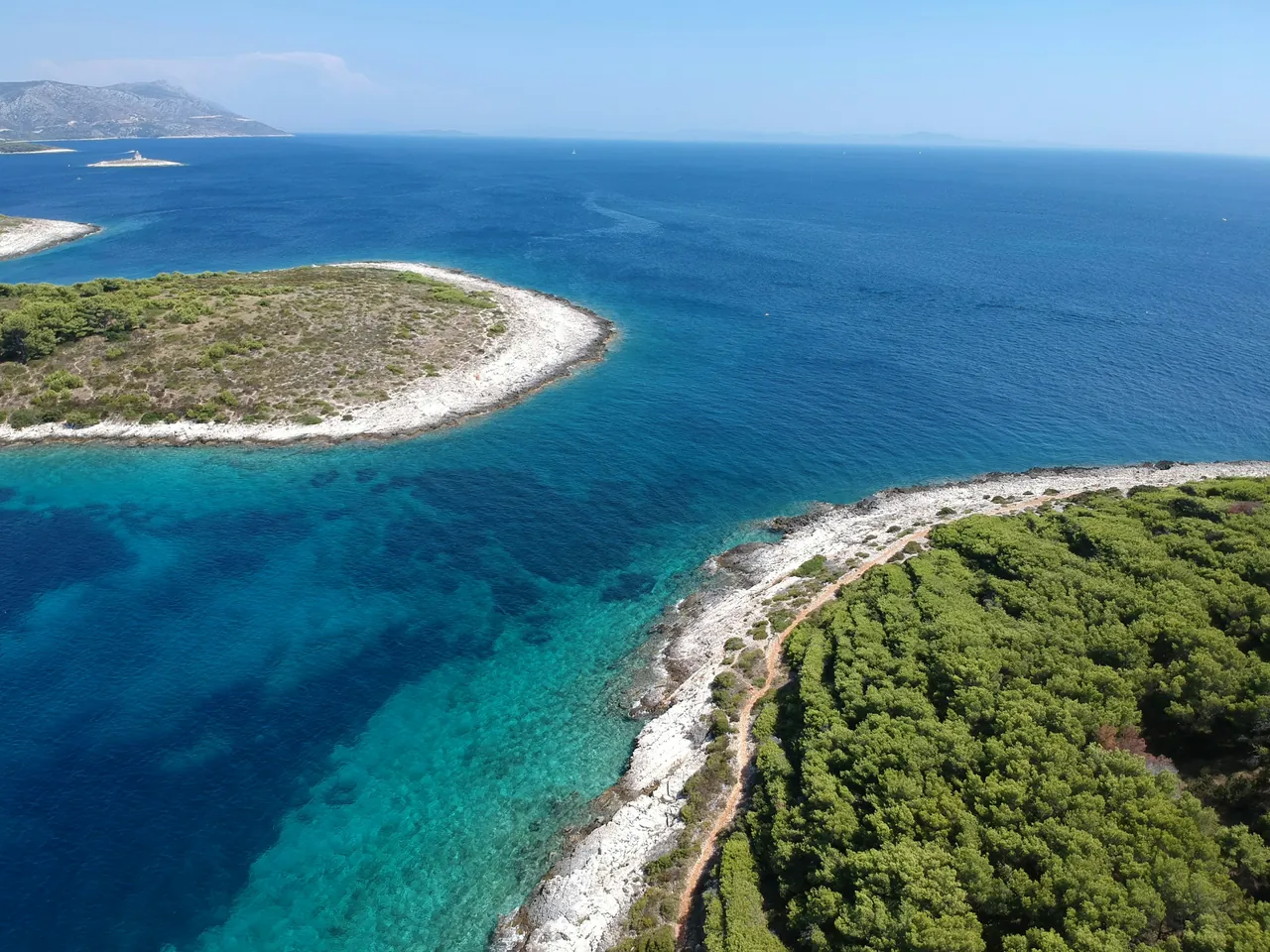
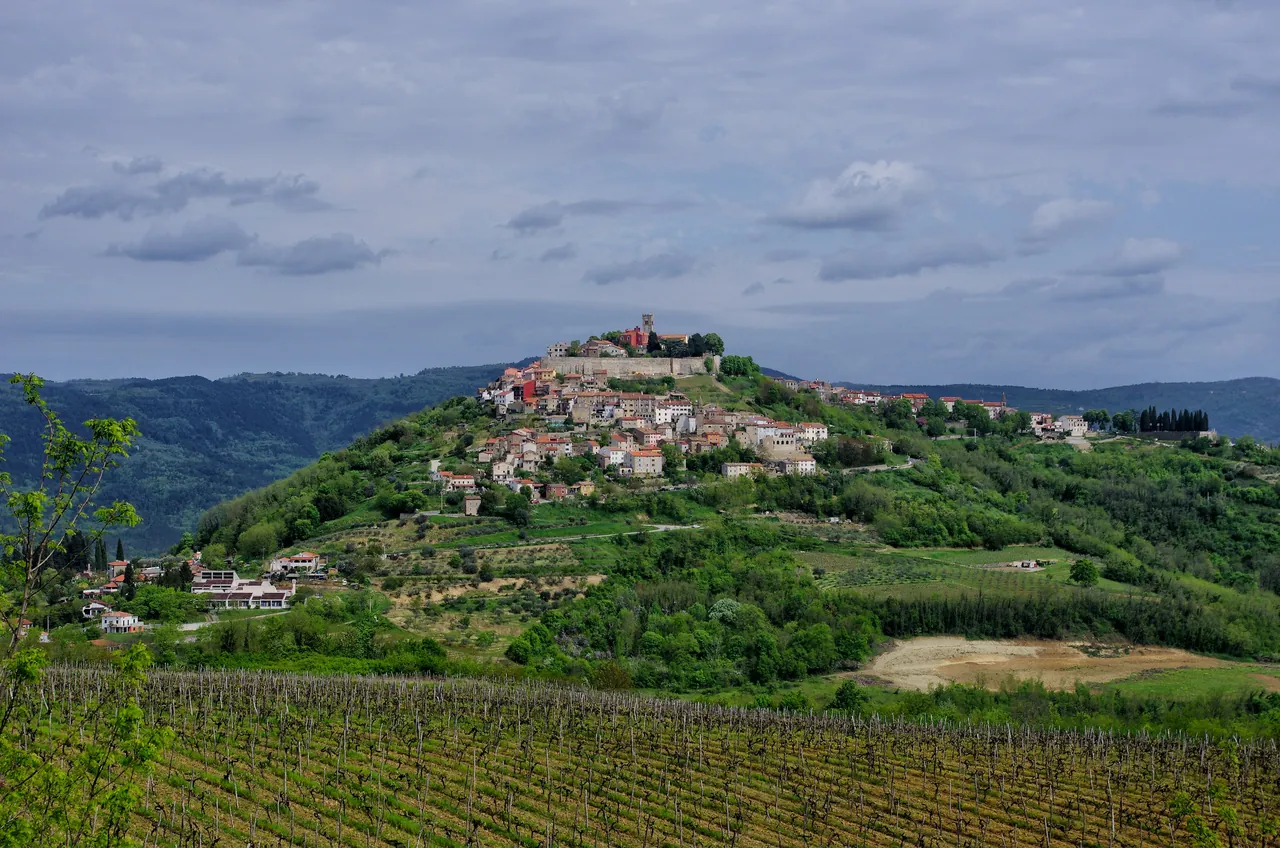
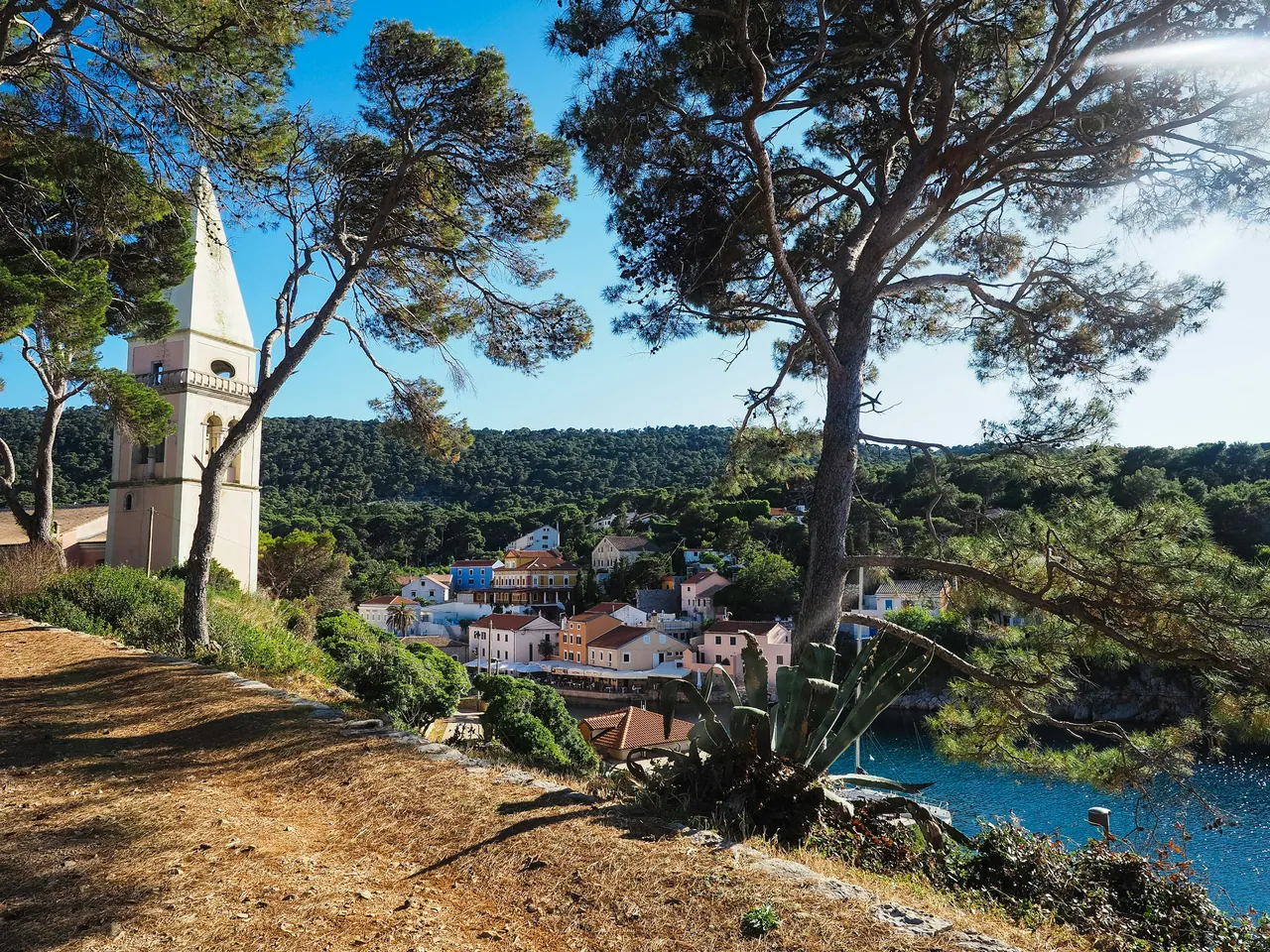
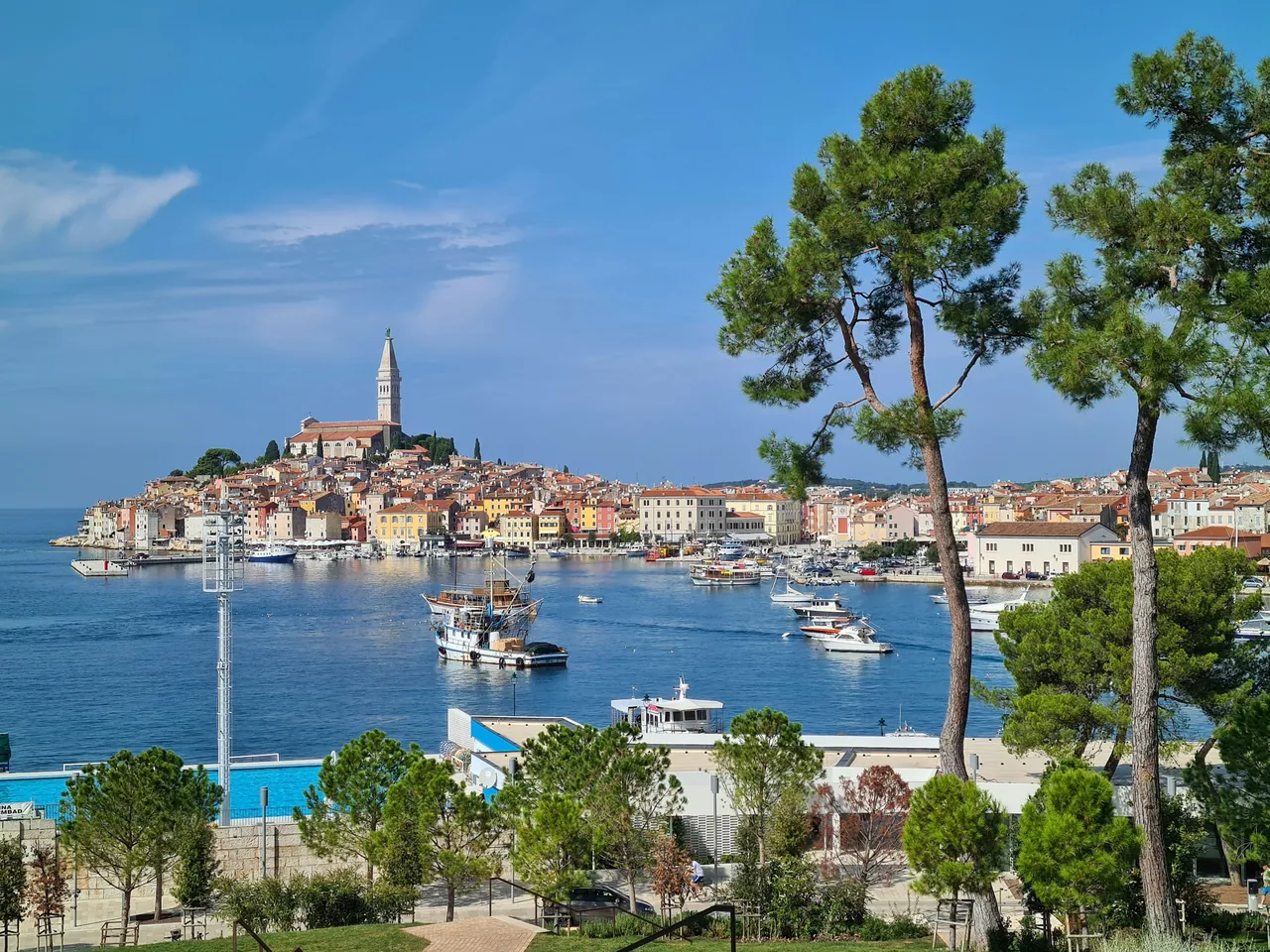
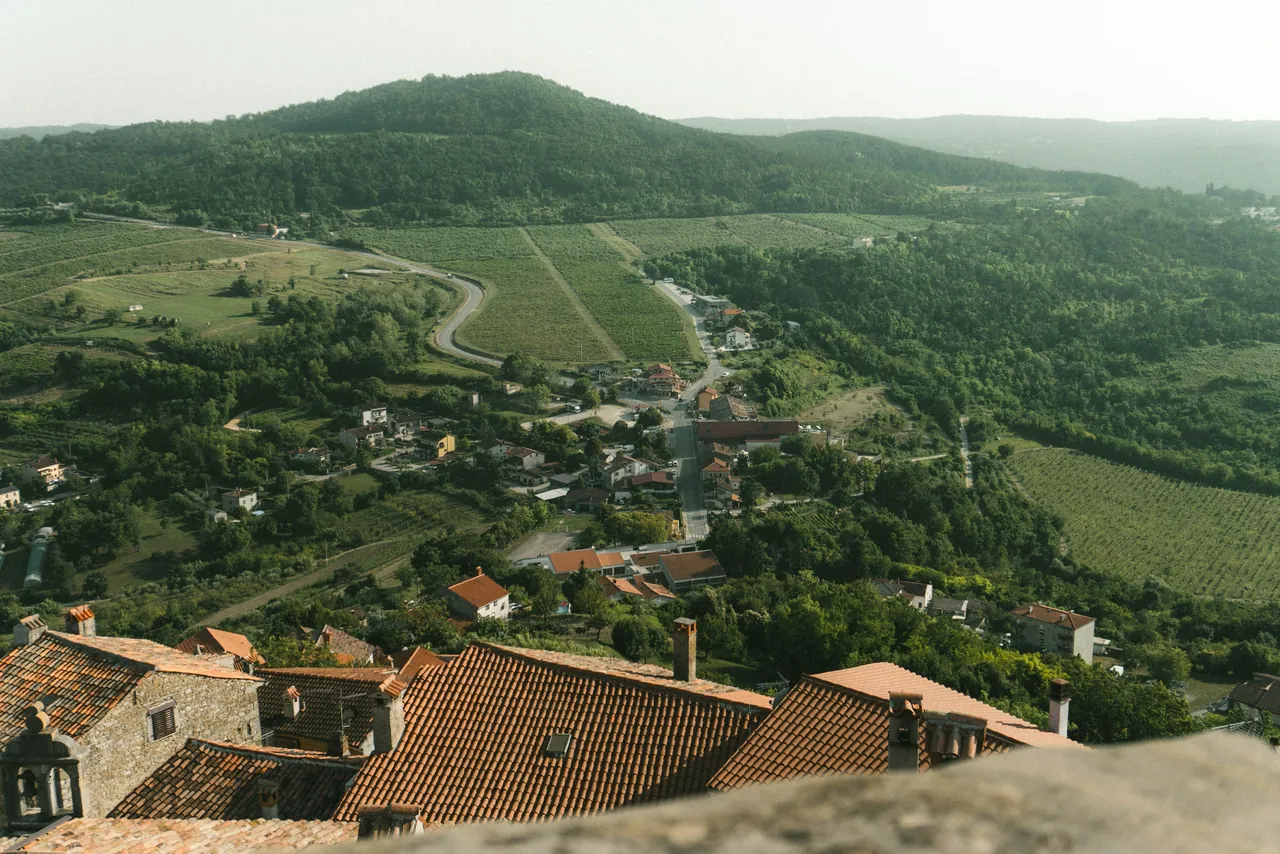
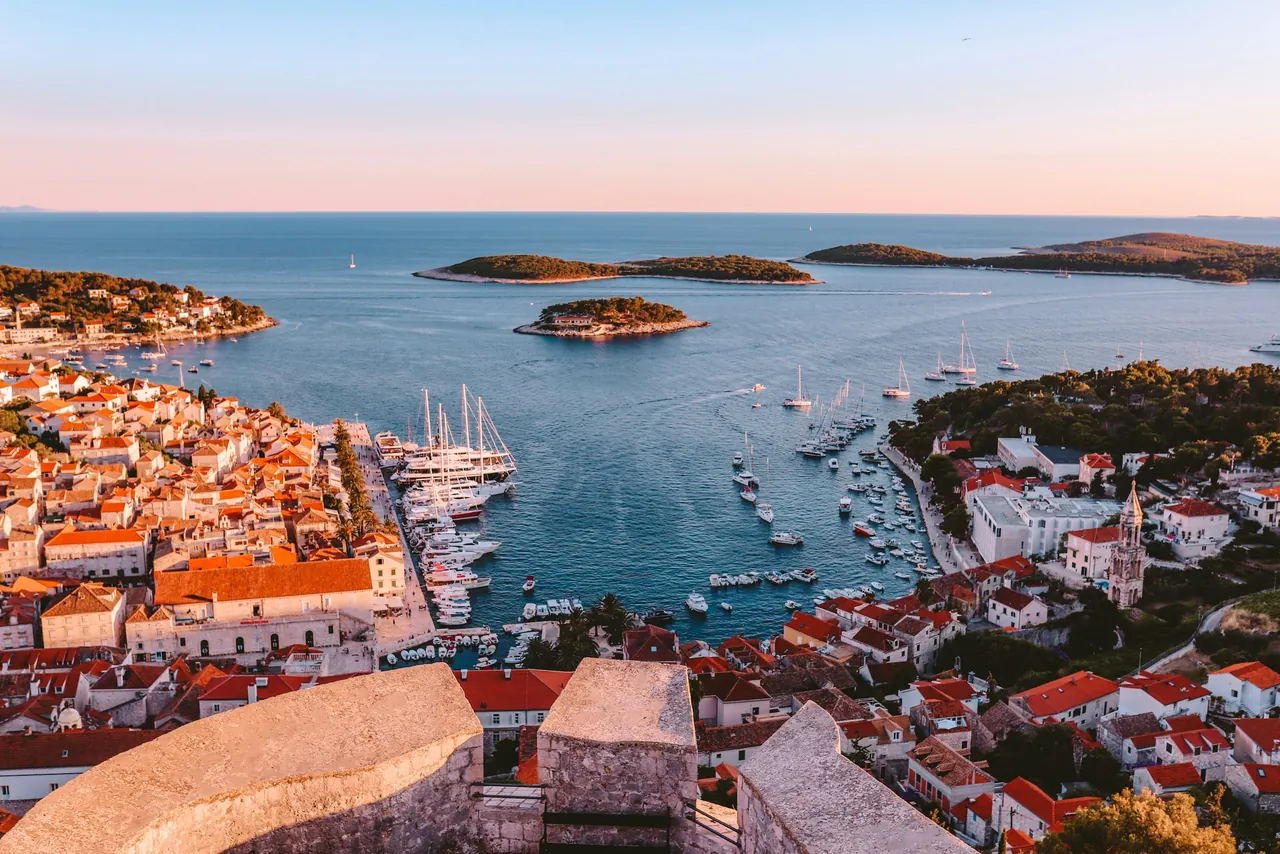
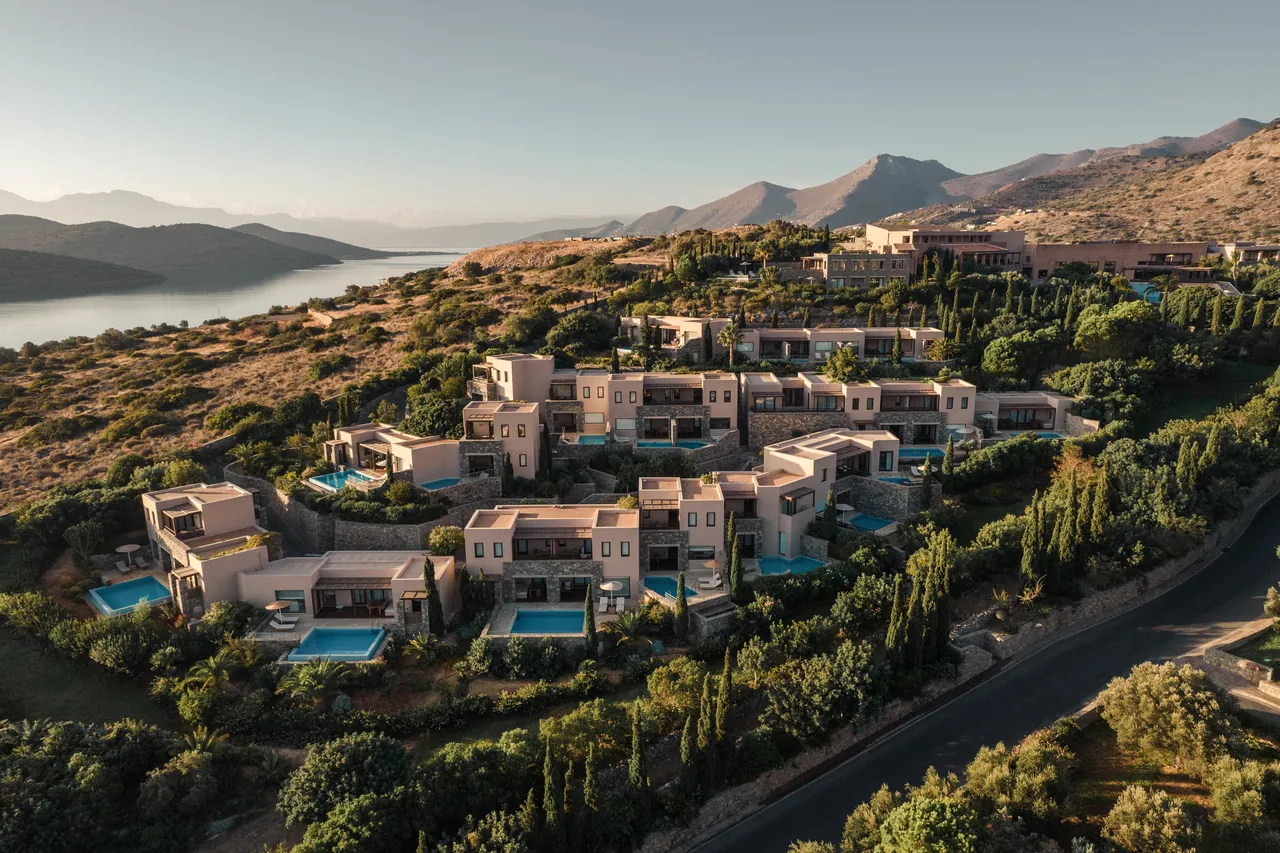
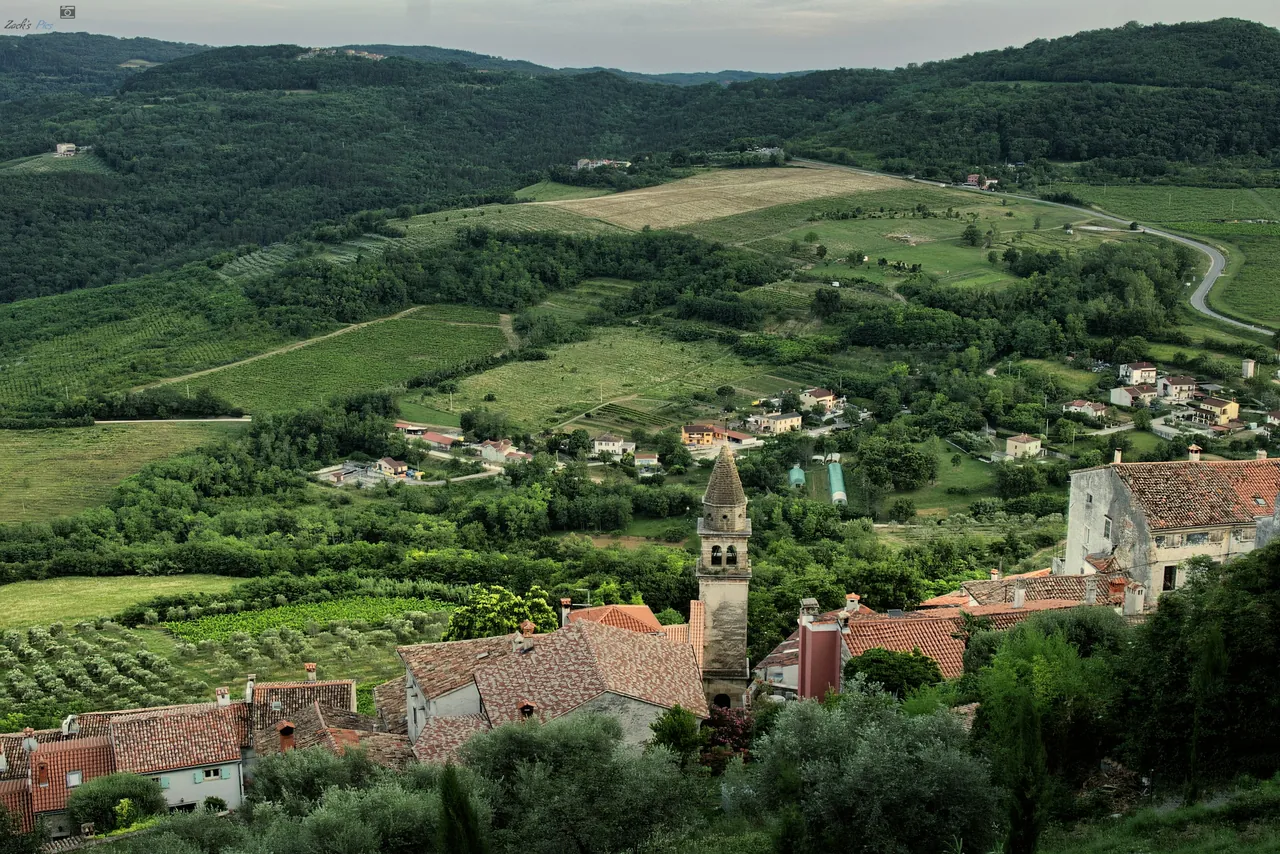
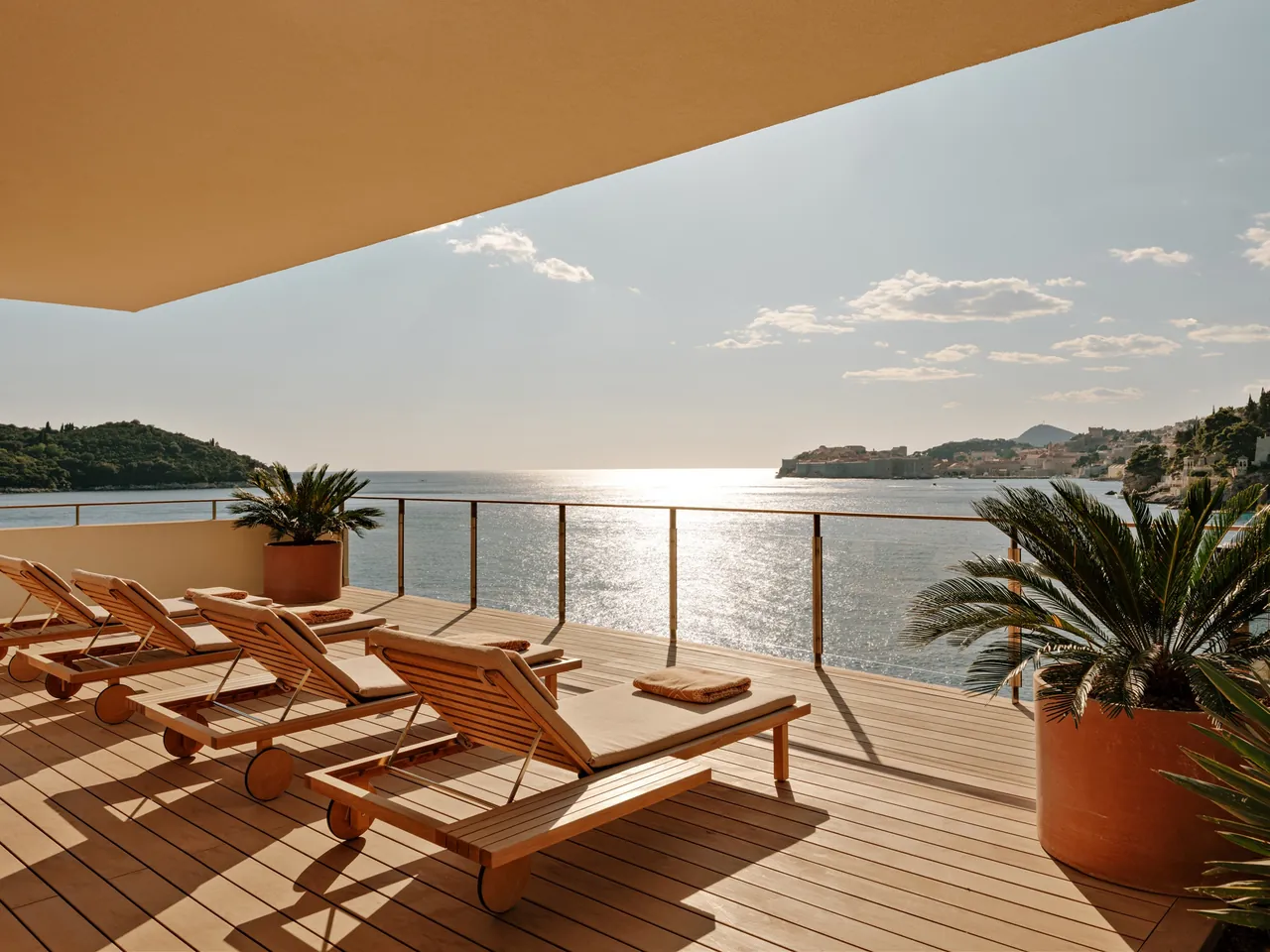
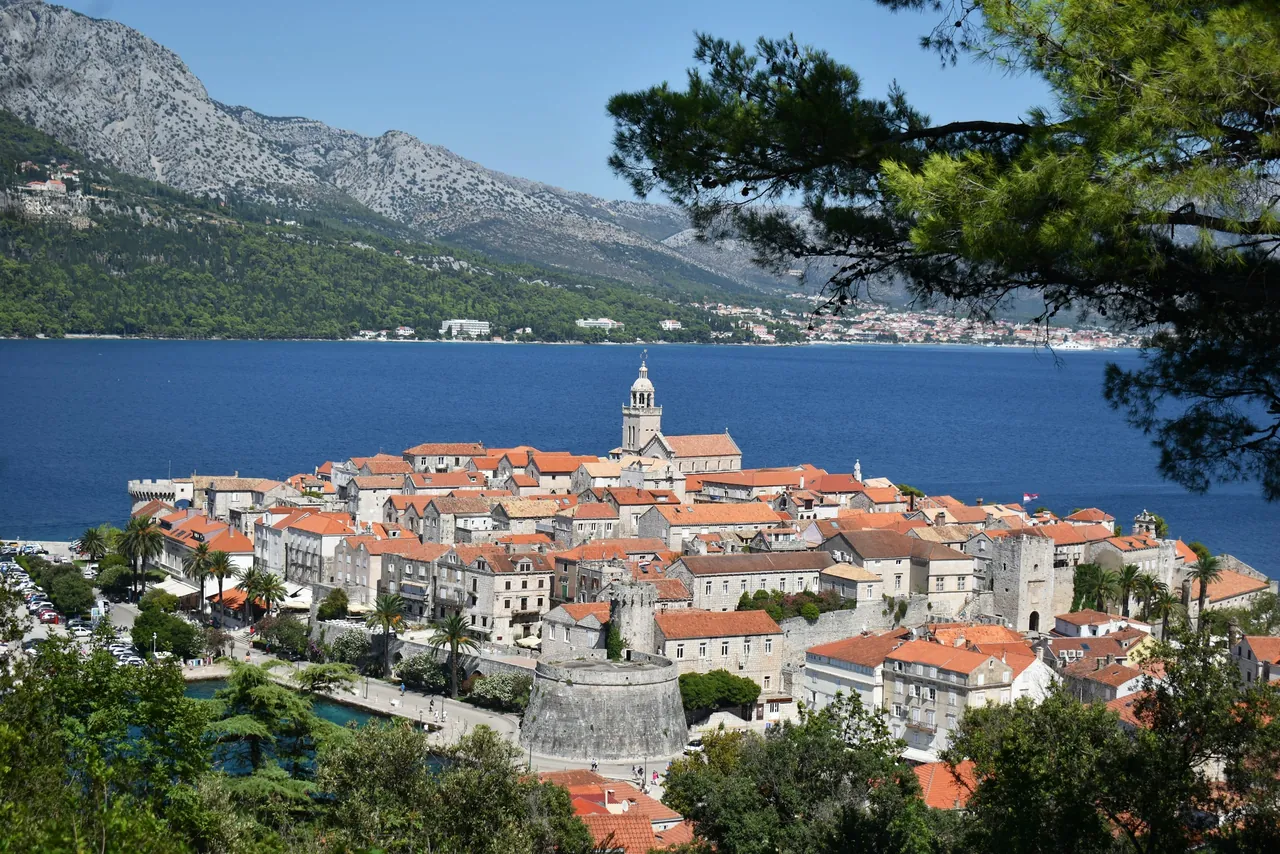
Croatia has 1,244 islands and the most indented coastline in the Mediterranean, which makes it a natural place to travel by boat. Dubrovnik's walled old town anchors the south, with Mljet, Korčula and the wine country of the Pelješac peninsula close by. Split, Hvar, Brač and Vis form the heart of Dalmatia. In the north, Istria brings hill towns, Roman Pula, olive oil and white truffles in autumn. Inland there are eight national parks, including Plitvice, where 16 lakes are linked by travertine waterfalls, and the seven waterfalls of Krka.
Cyprus
Best time: Mar to May, Sep to Nov
Cyprus sits in the far east of the Mediterranean and is one of the Mediterranean's true year-round destinations. Summers are long and dry, sea temperatures stay above 22°C from June to November, and even midwinter averages six hours of sunshine a day. The coast runs from Limassol, with its promenade and wine villages, to Larnaca, the longest continually inhabited part of the island, and the mosaics and archaeology of Paphos. Inland, the pine-covered Troodos mountains hide Byzantine churches and traditional villages, and Nicosia pairs a walled old city with a modern capital.
Czech Republic
Best time: May to Jun, Sep to Oct
Czechia is a small country with a dense map of castles, chateaux and medieval towns. Prague is the obvious start, but the rest repays time: Český Krumlov, Kutná Hora, Karlovy Vary and the sandstone rock towns of Bohemian Switzerland National Park in the north. South Moravia is wine country, with a wine salon at Valtice Chateau and villages around Mikulov. Beer and breweries are part of the culture everywhere, and autumn brings harvest festivals and St Martin's feasts.
Denmark
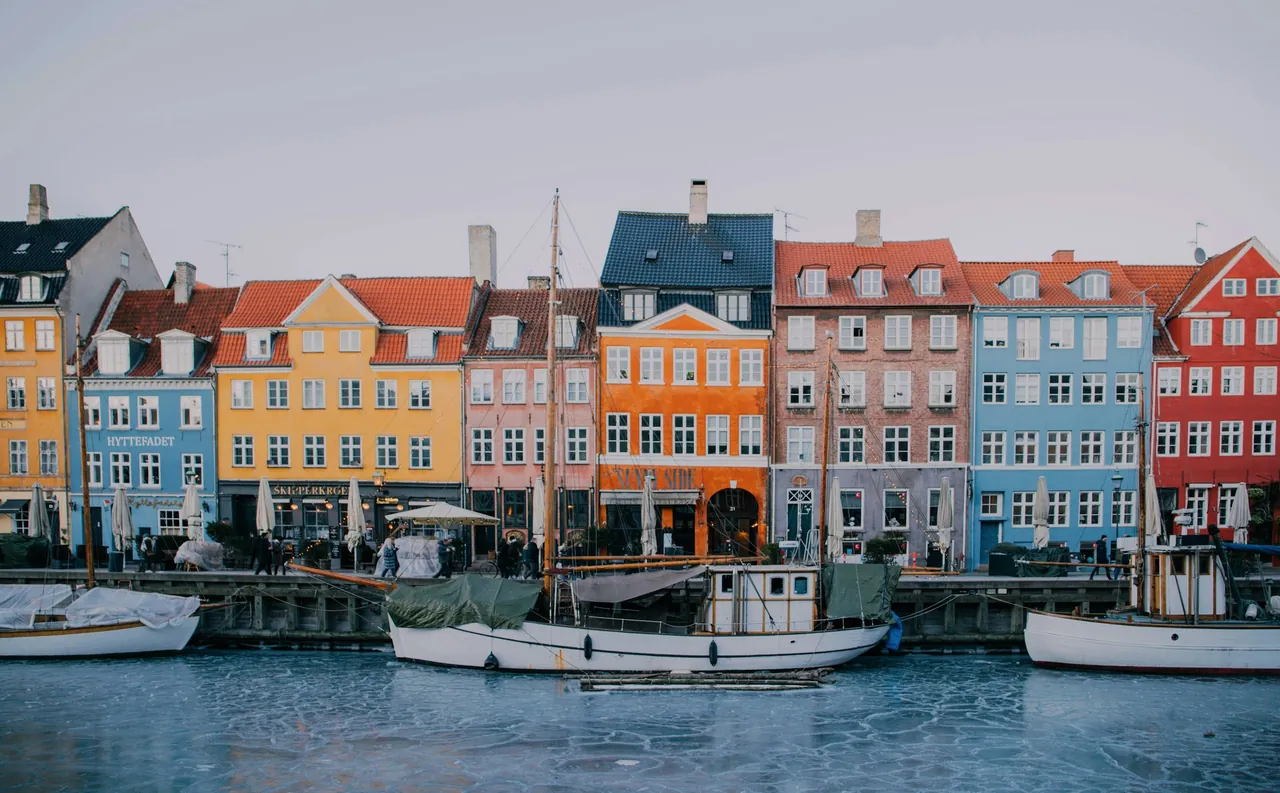
Best time: May to Sep; late Nov to Dec for Christmas
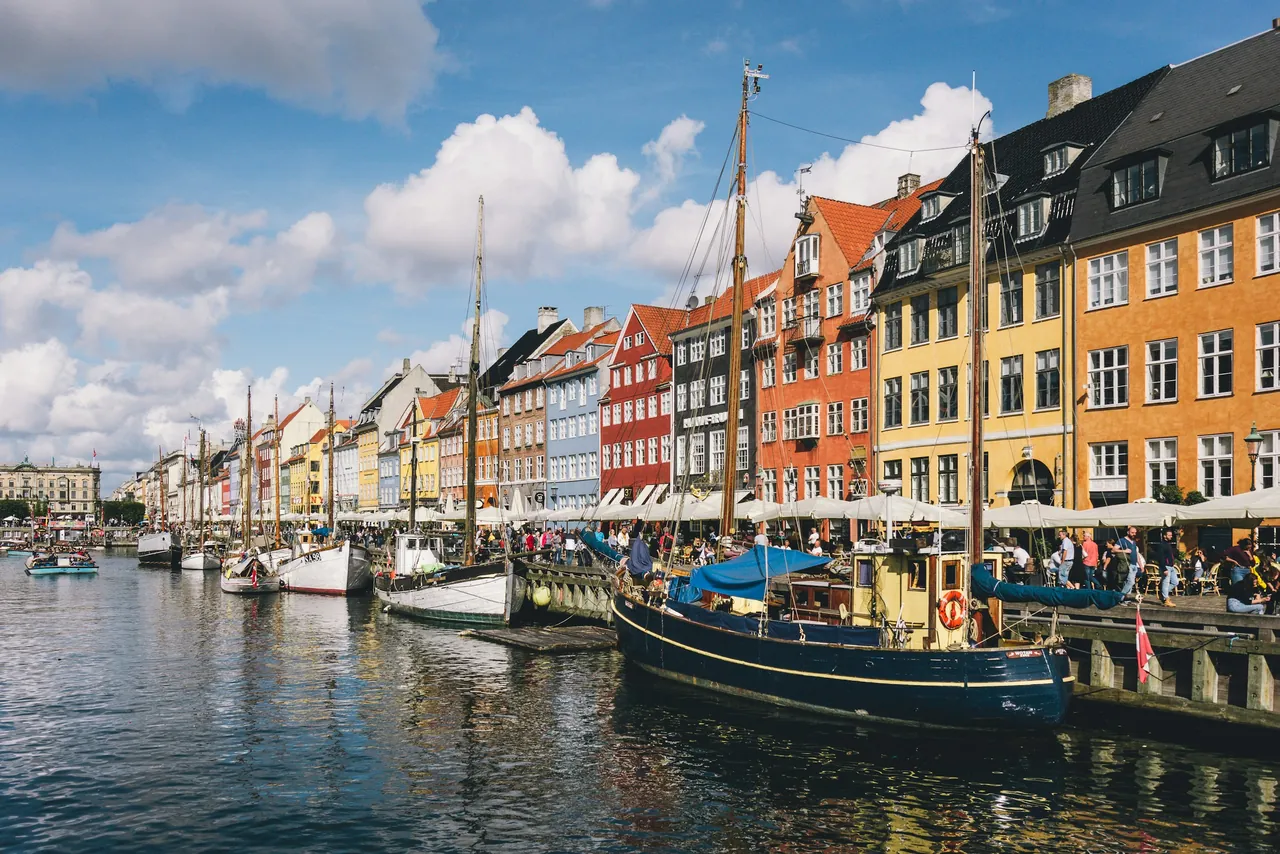
Denmark is a country of 444 islands, long beaches and open skies, and its cities are small enough to walk or cycle. Copenhagen has clean harbour water you can swim in, a driverless metro and a Dining Week each February. Aarhus sits among beaches and forests, Odense on Funen is the birthplace of Hans Christian Andersen, and Ribe is the oldest town in the country. Spring brings cherry blossom and fresh beech leaves, summer the long light evenings, and winter the Christmas markets, Tivoli and castles under frost.
Estonia
Best time: Jun to Aug; late Mar to Apr for the floods
Estonia is one of the least crowded countries in Europe, and that sense of space is the point. Tallinn is a short ferry ride from Finland and Sweden, and in midsummer its white nights barely darken. Pärnu is the summer capital on the coast, while the islands of Saaremaa, Muhu and Hiiumaa move at a slower, rural pace. No point in the country is more than 10 kilometres from a bog. In early spring, Soomaa National Park floods into a fifth season, explored by canoe. Manor houses, saunas and forest food complete the picture.
Finland
Best time: Dec to Mar for Lapland; Jun to Aug for the south
Finland stretches almost 1,200 kilometres from south to north, so the seasons arrive at different times in different places. Lapland is the draw in winter, when snow lies for around 200 days, husky and reindeer sledding run through silent forest, and the northern lights appear from late August to April. October, November, February and March are among the stronger months for aurora. Summer is for Helsinki, Turku and the Lakeland, with the midnight sun, lakeside cottages and saunas. Nordic design, market halls and foraged forest food give the cities their flavour.
France
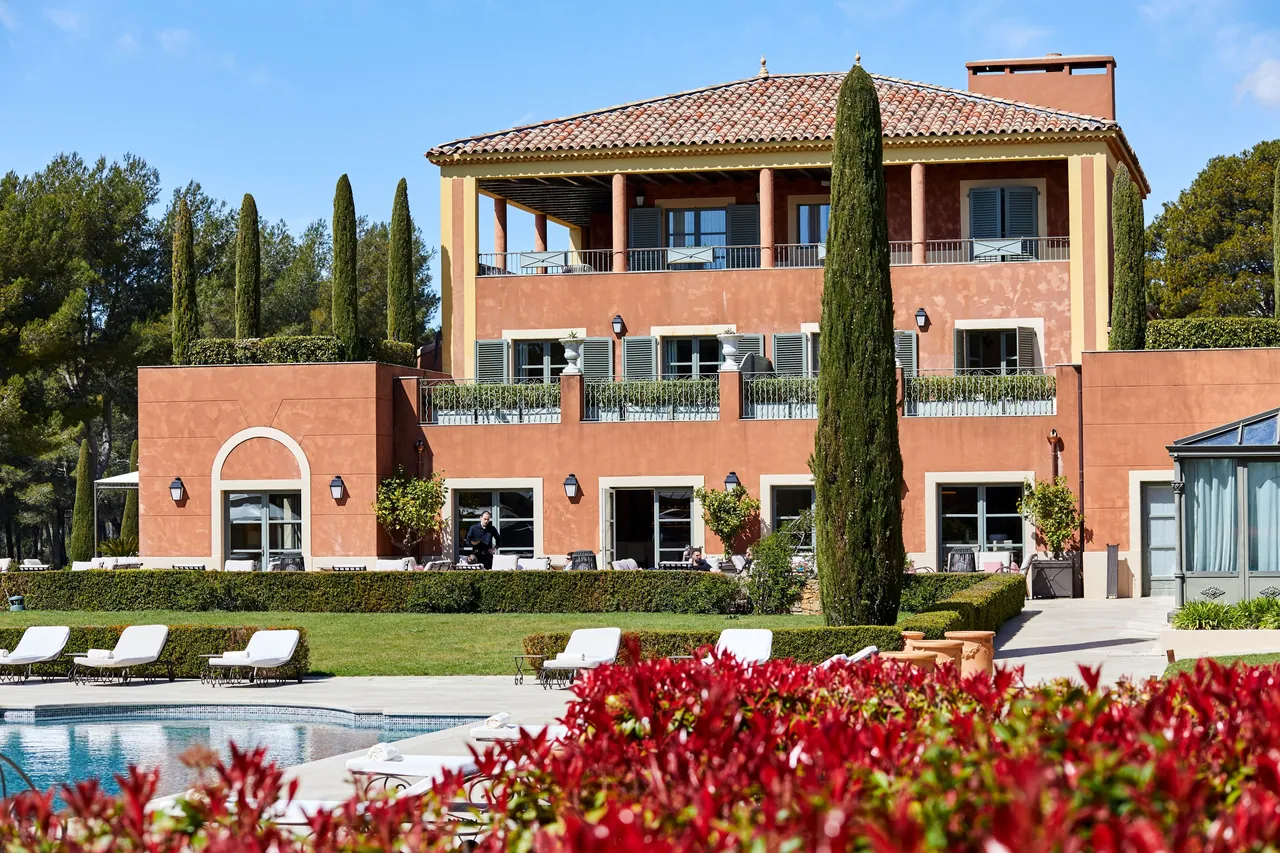
Best time: Apr to Jun, Sep to Oct
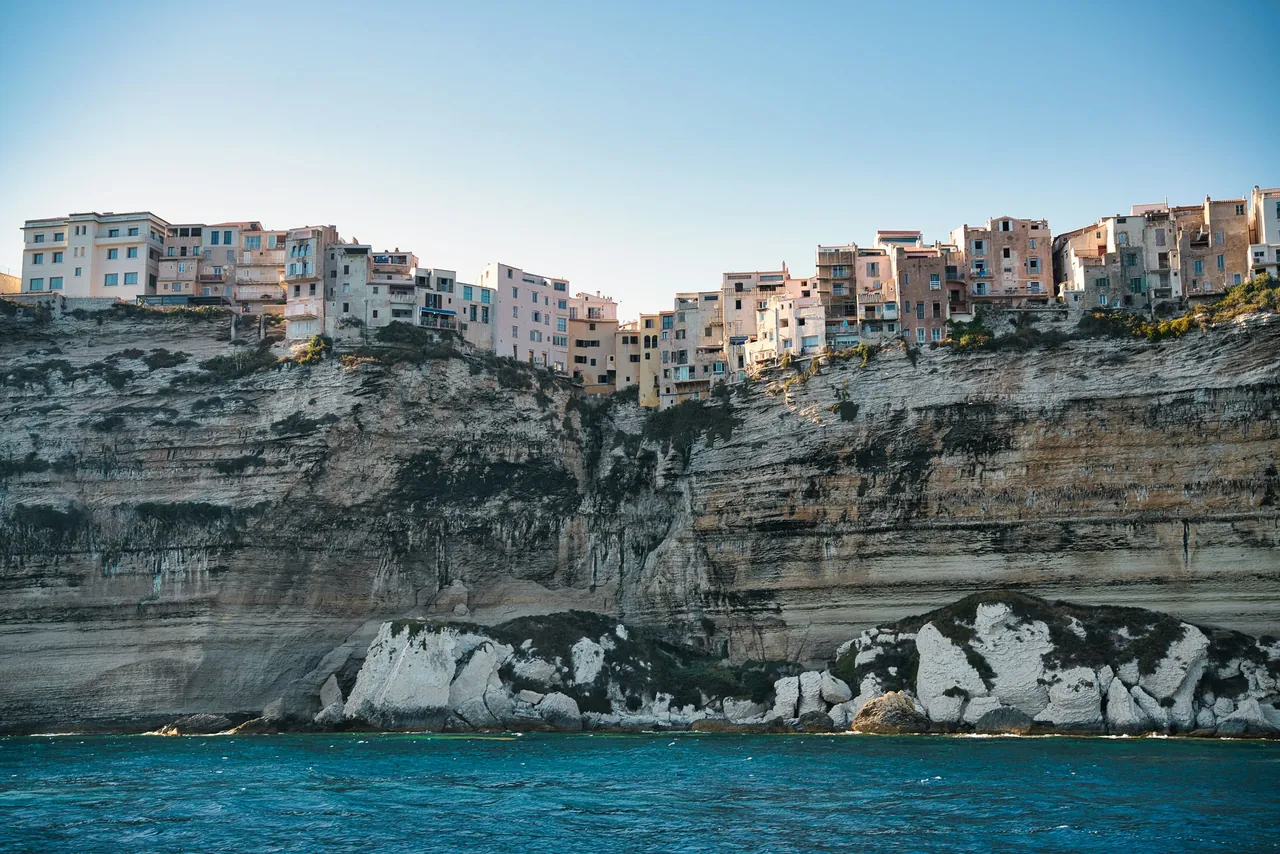
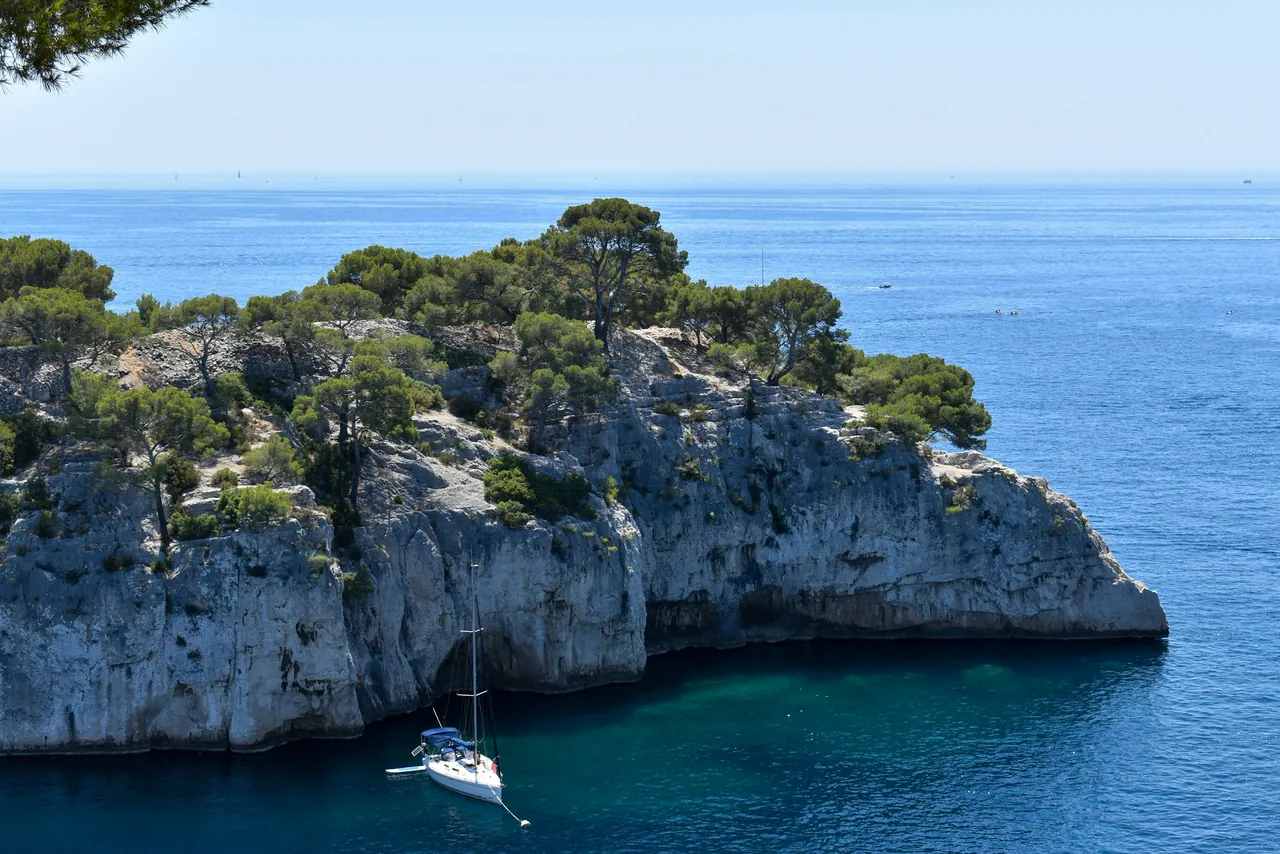
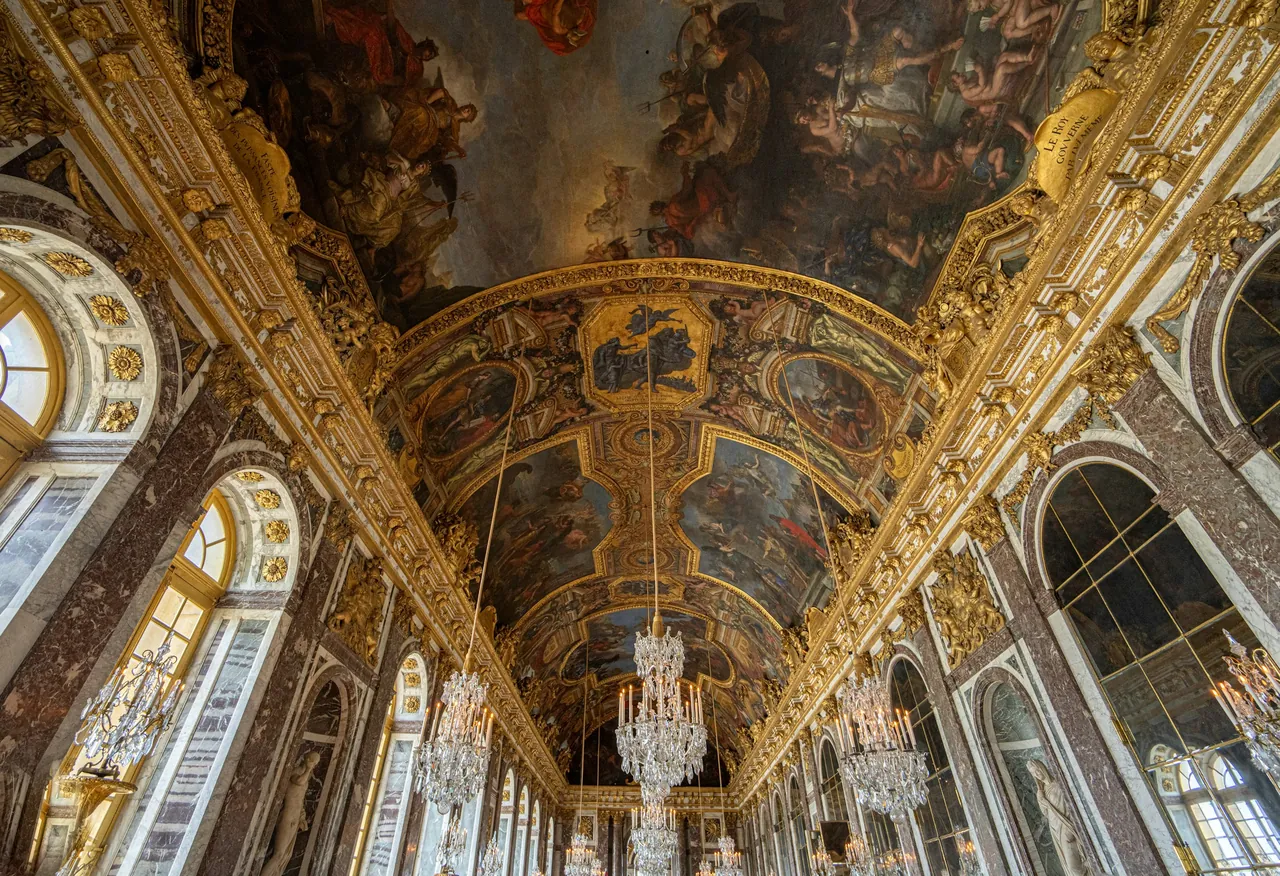
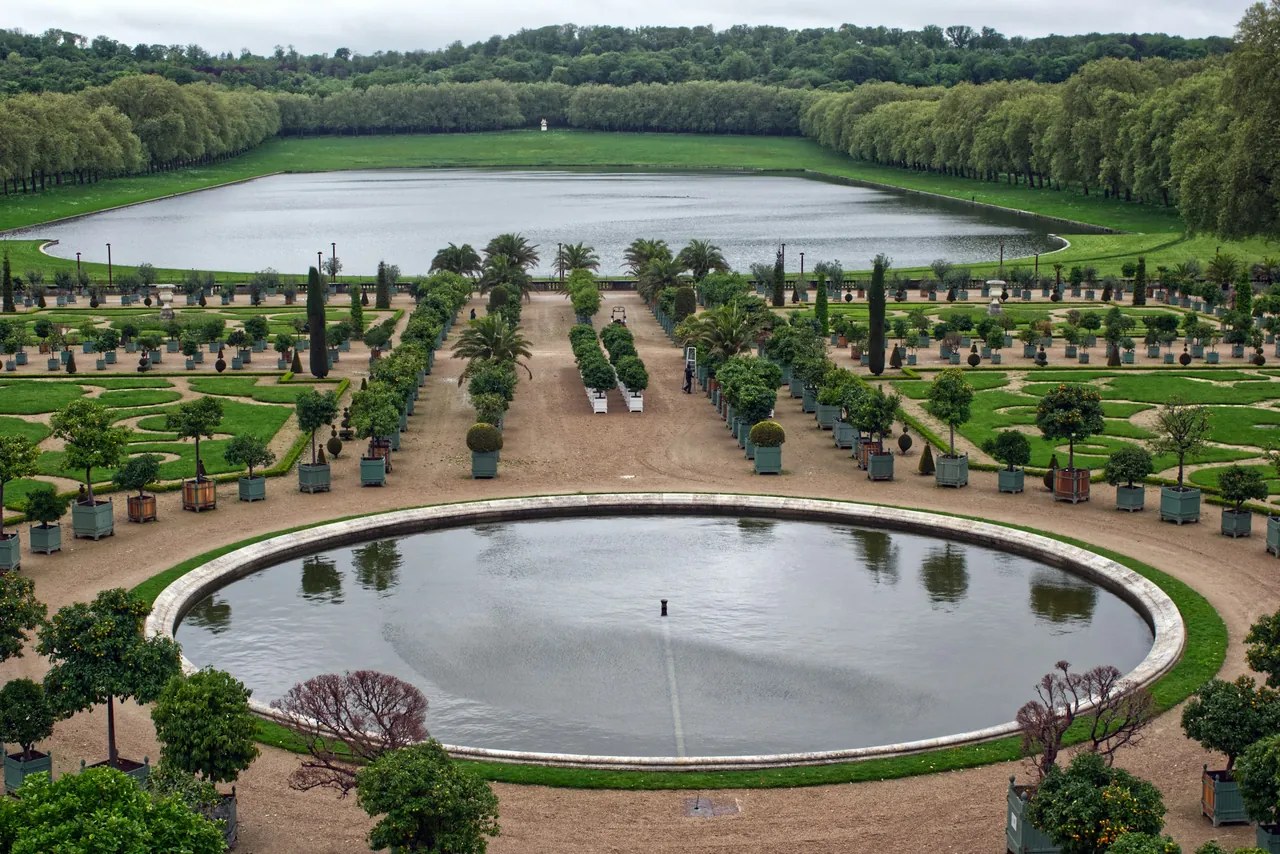
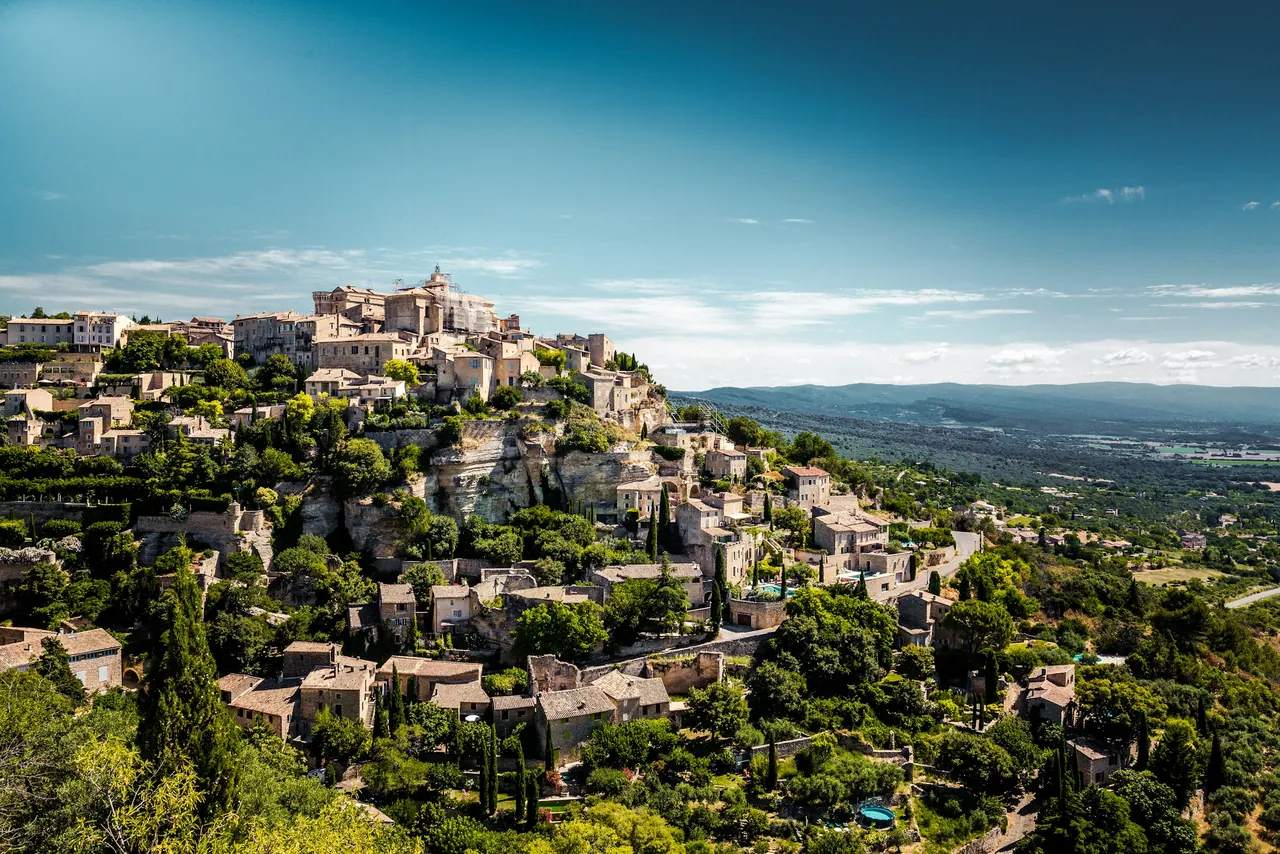
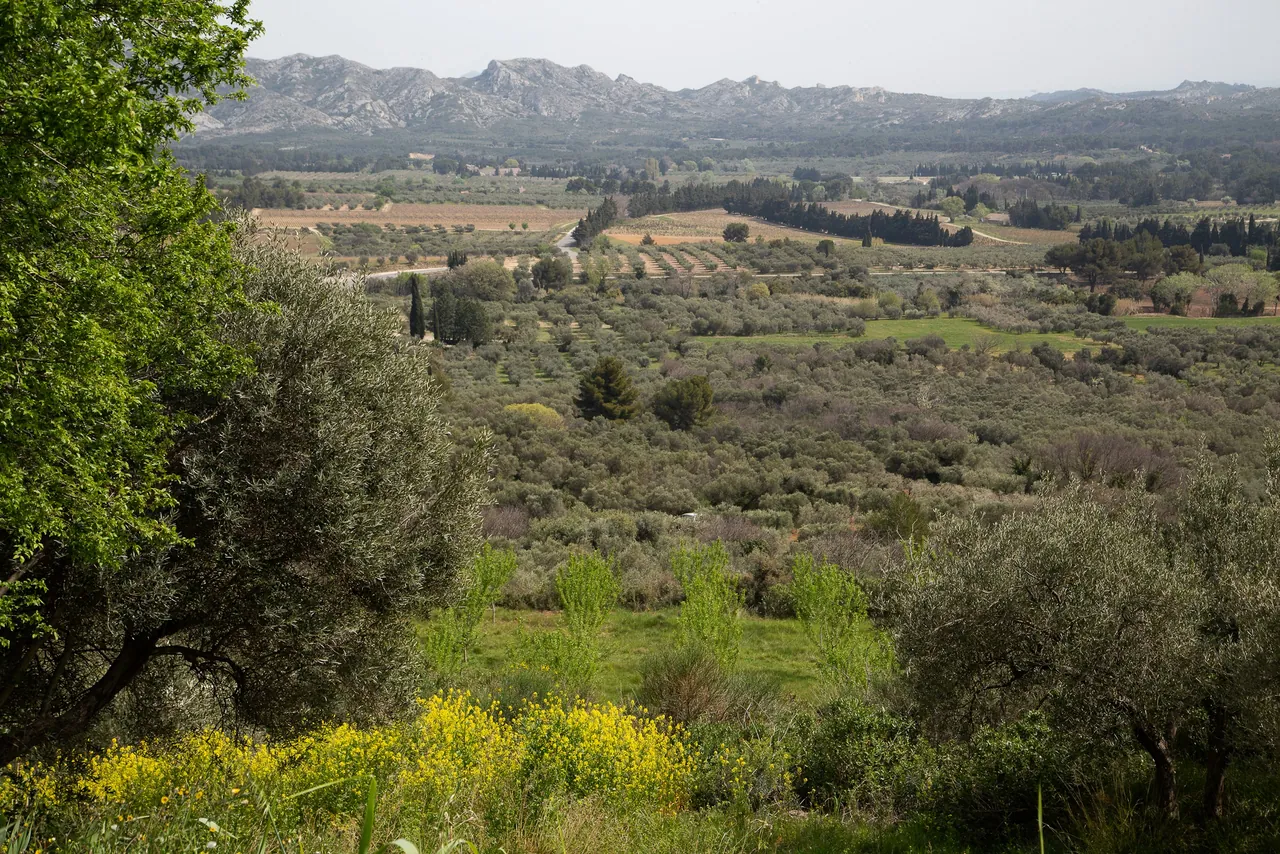
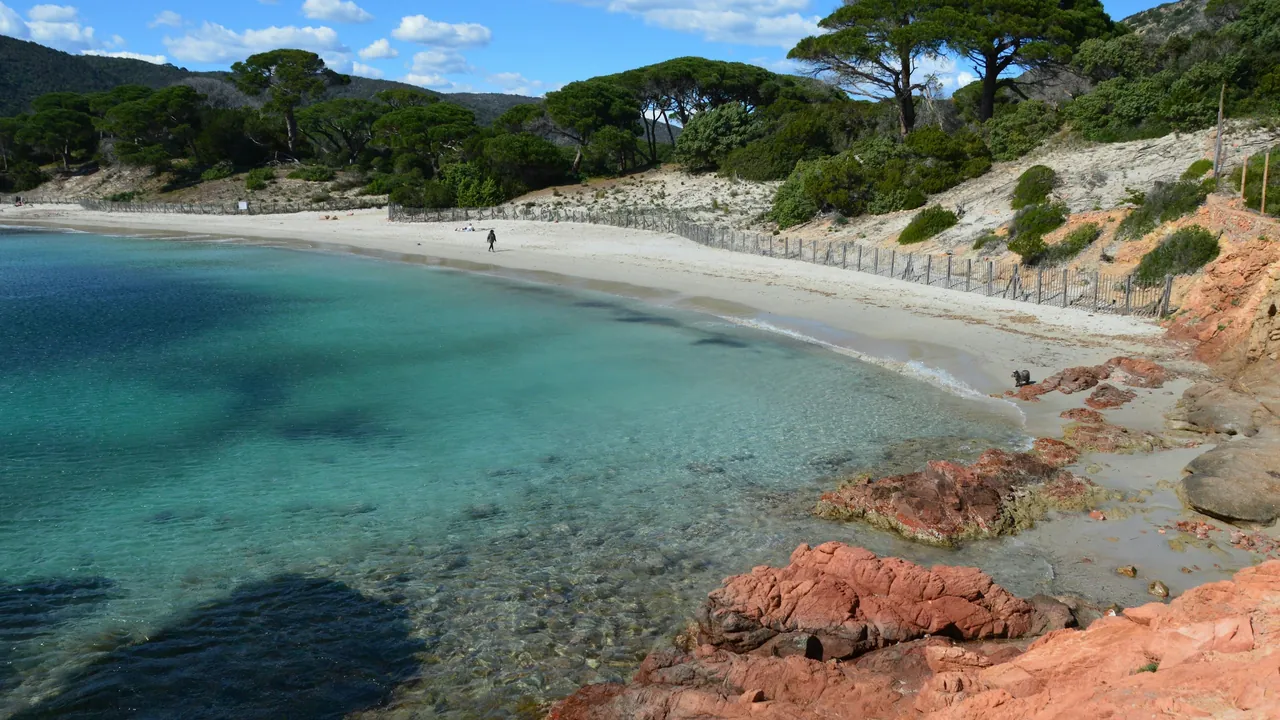
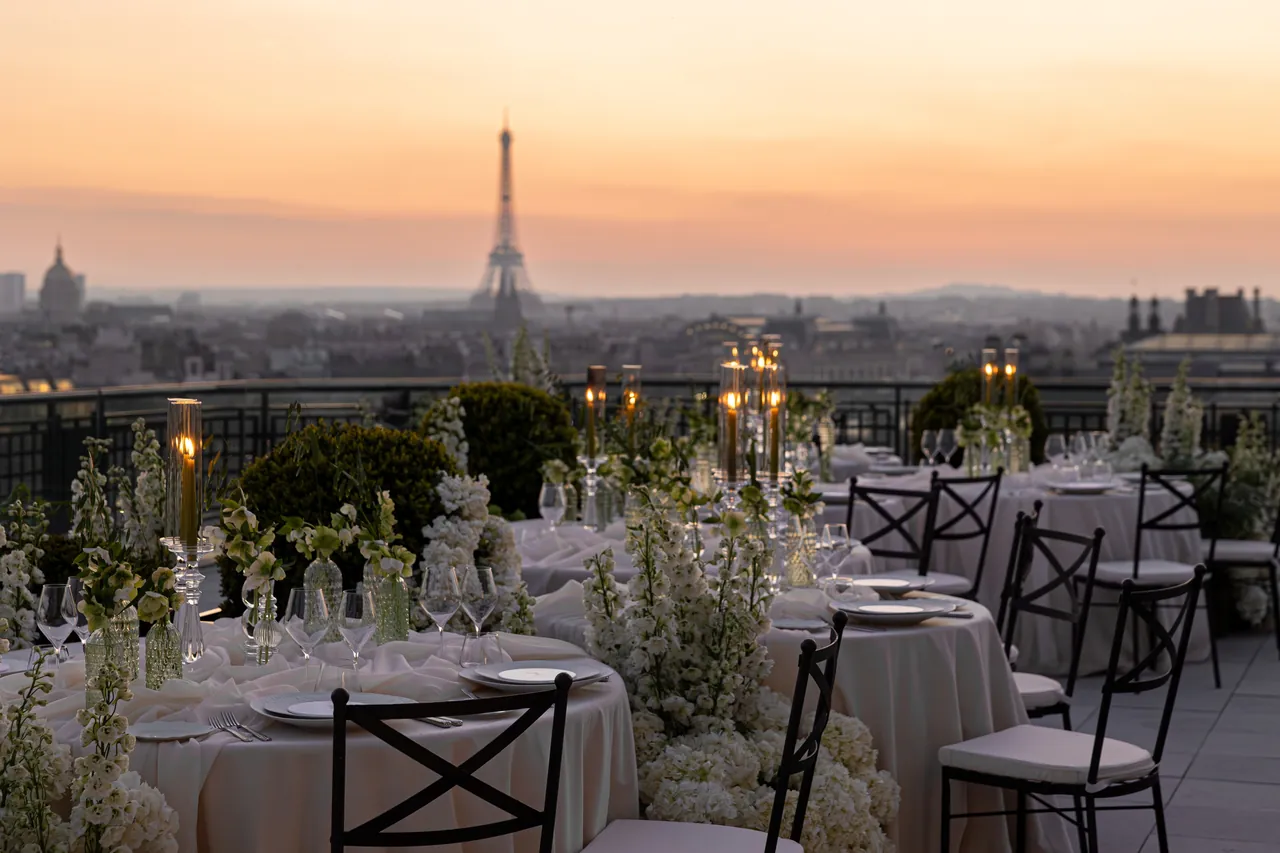
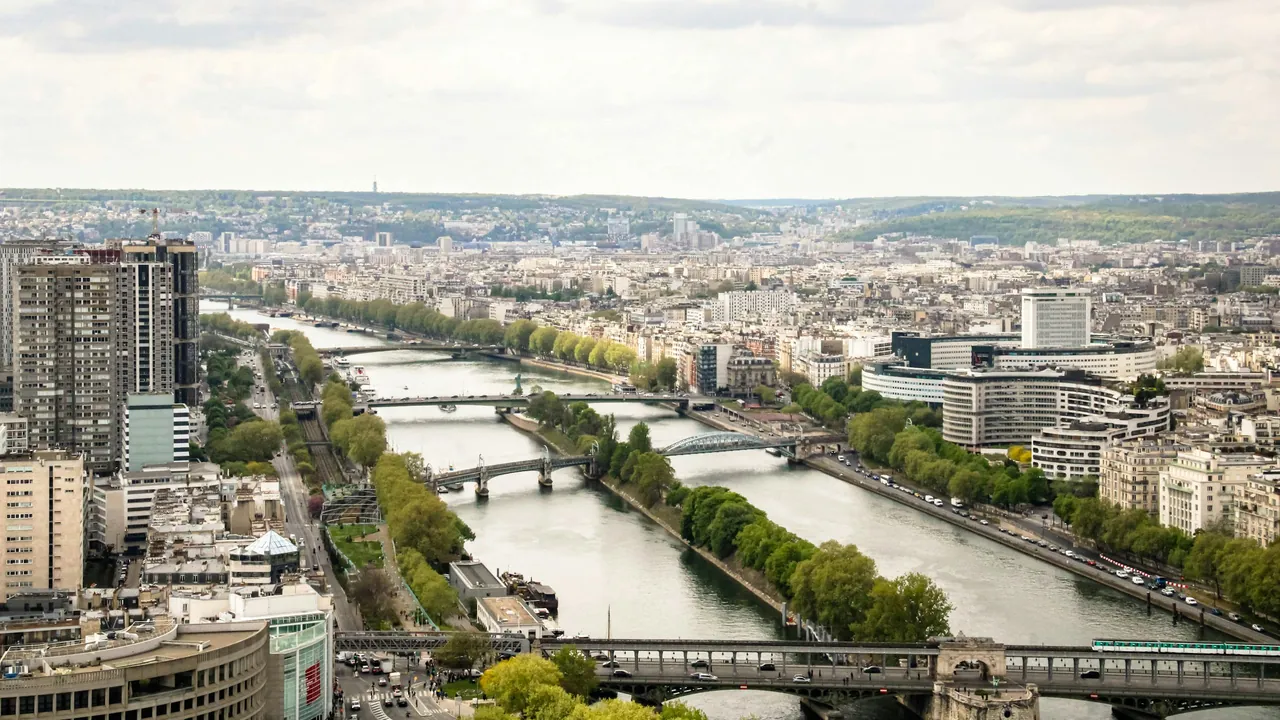
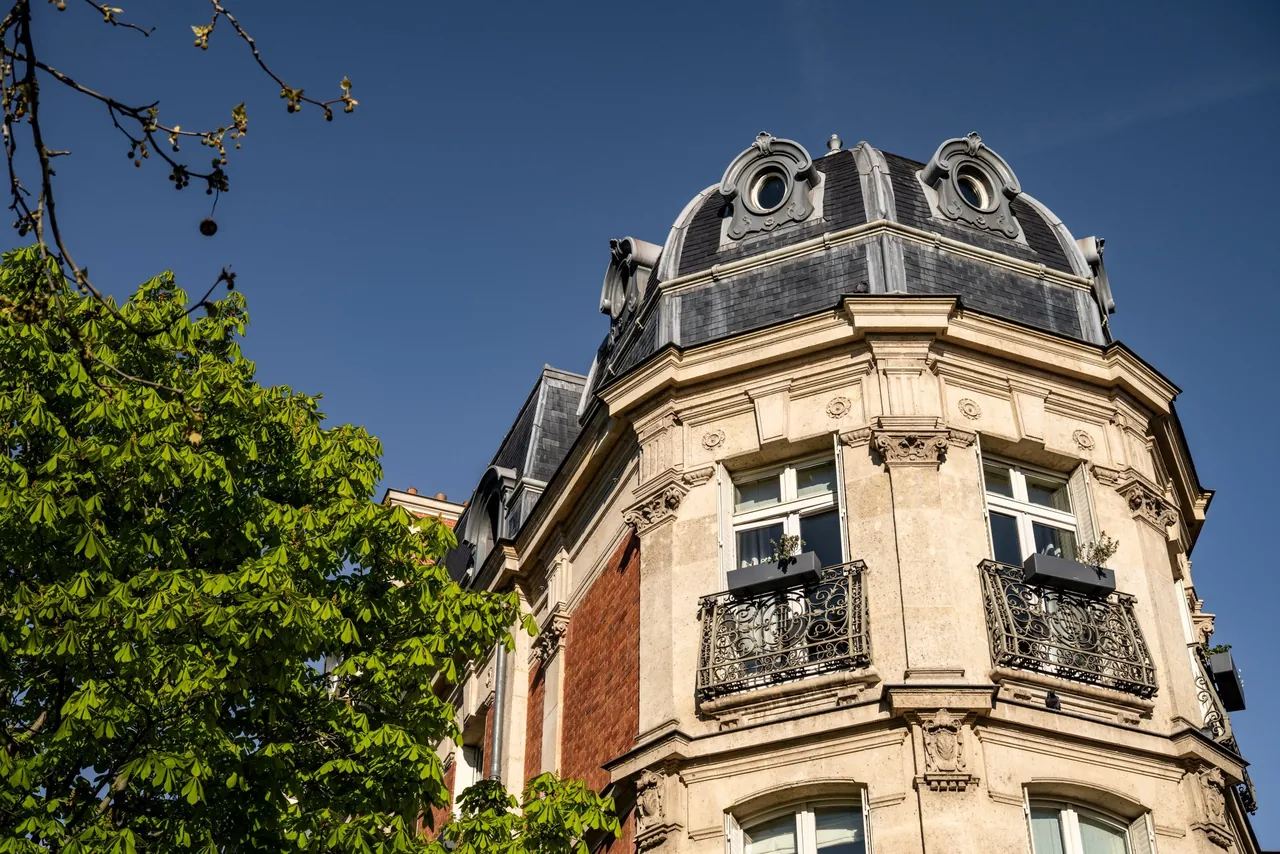
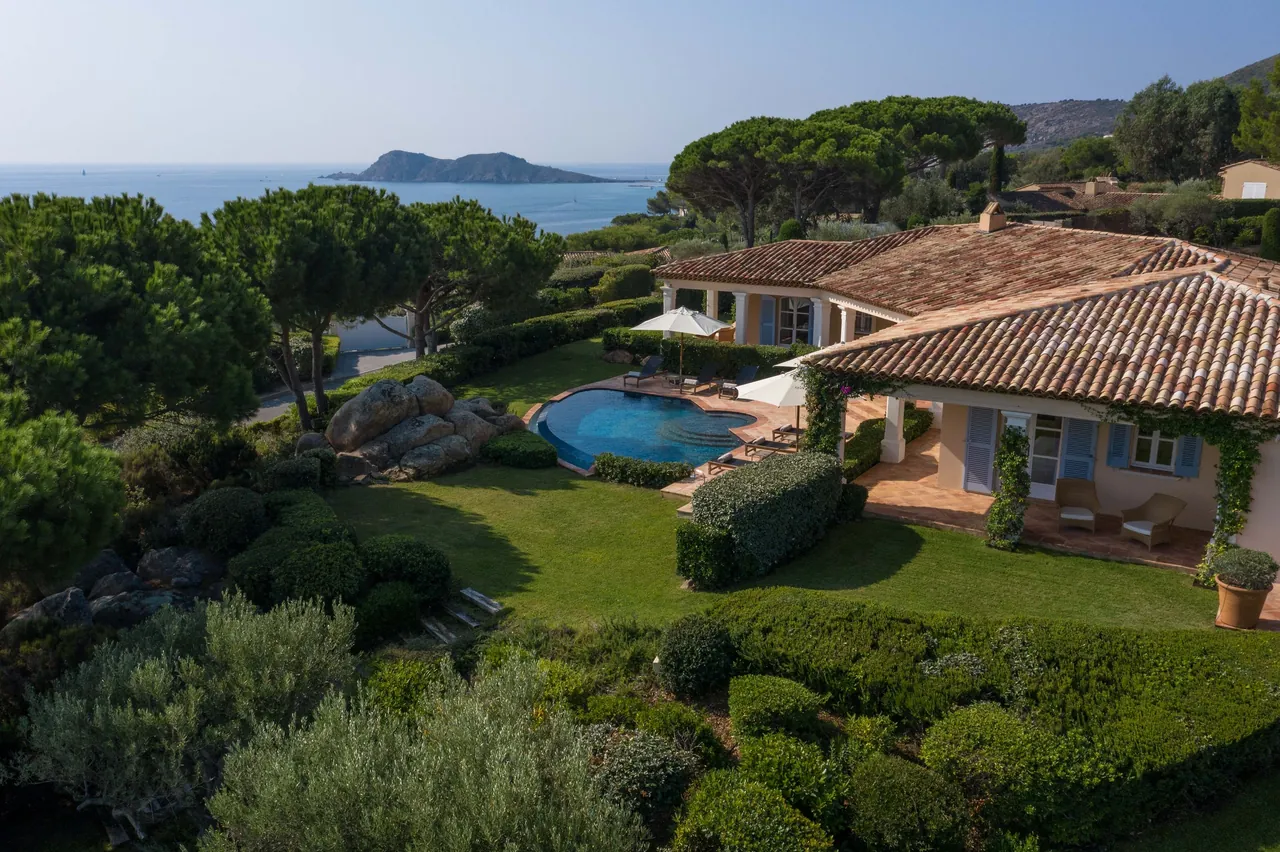
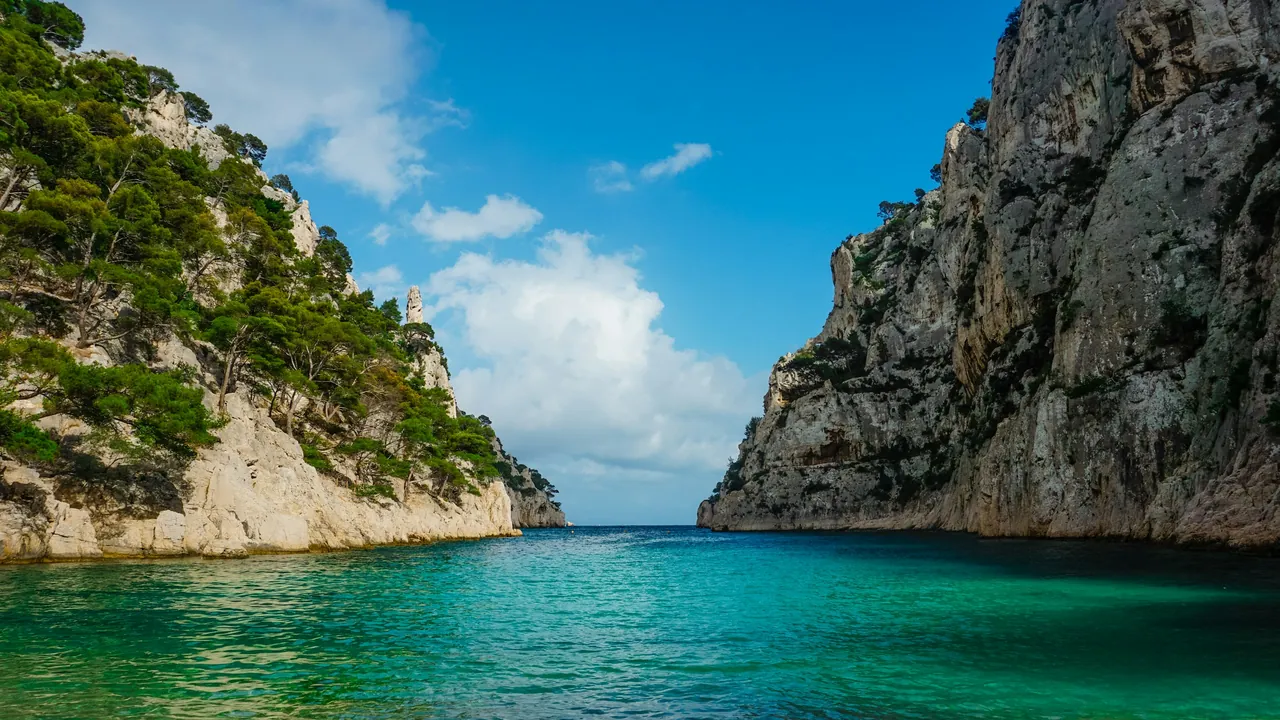
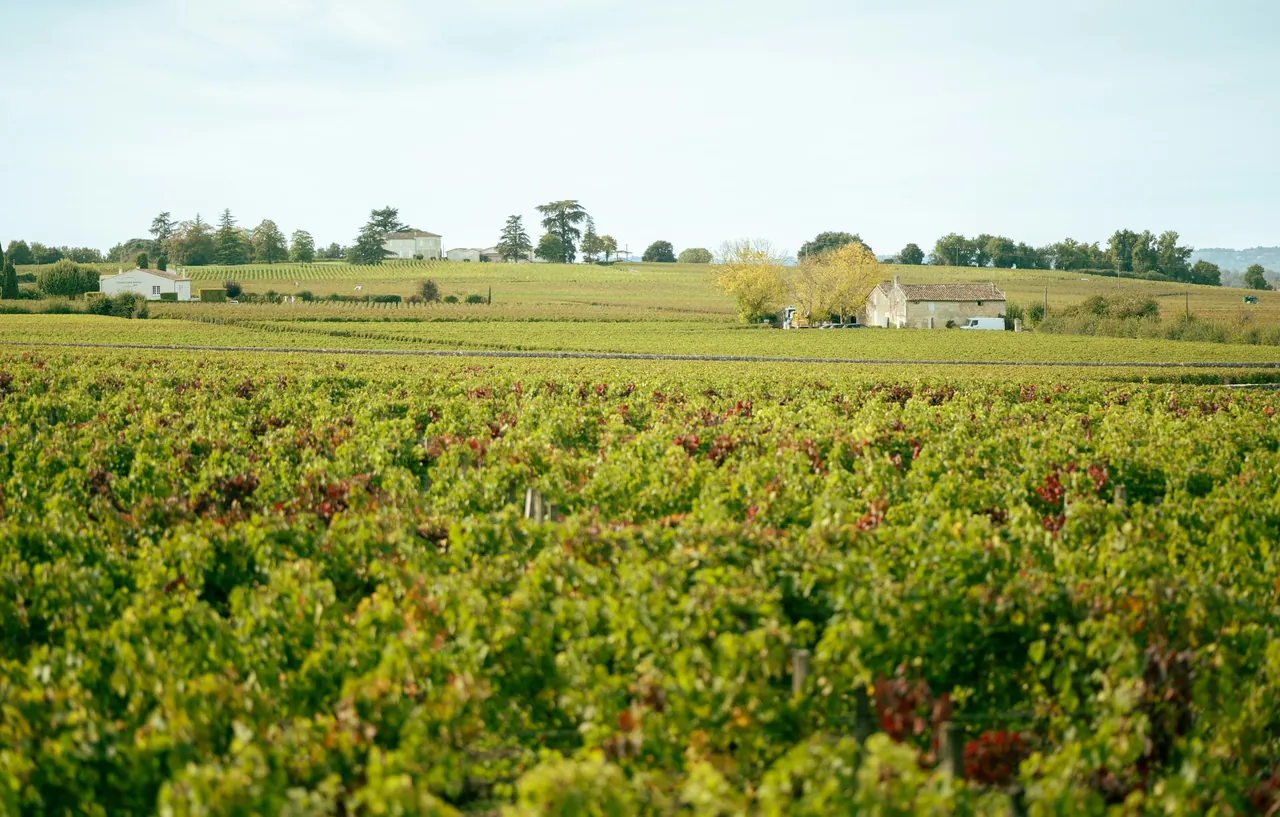
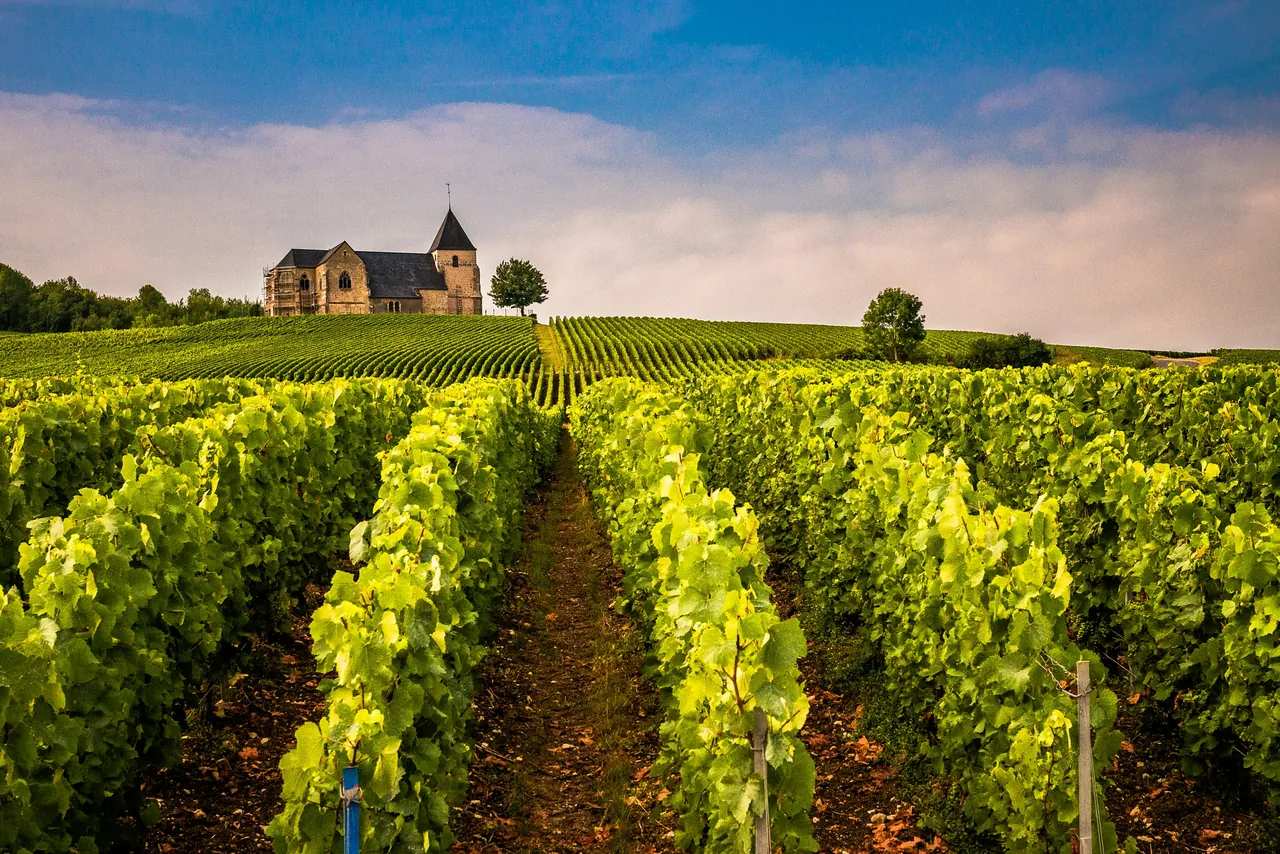
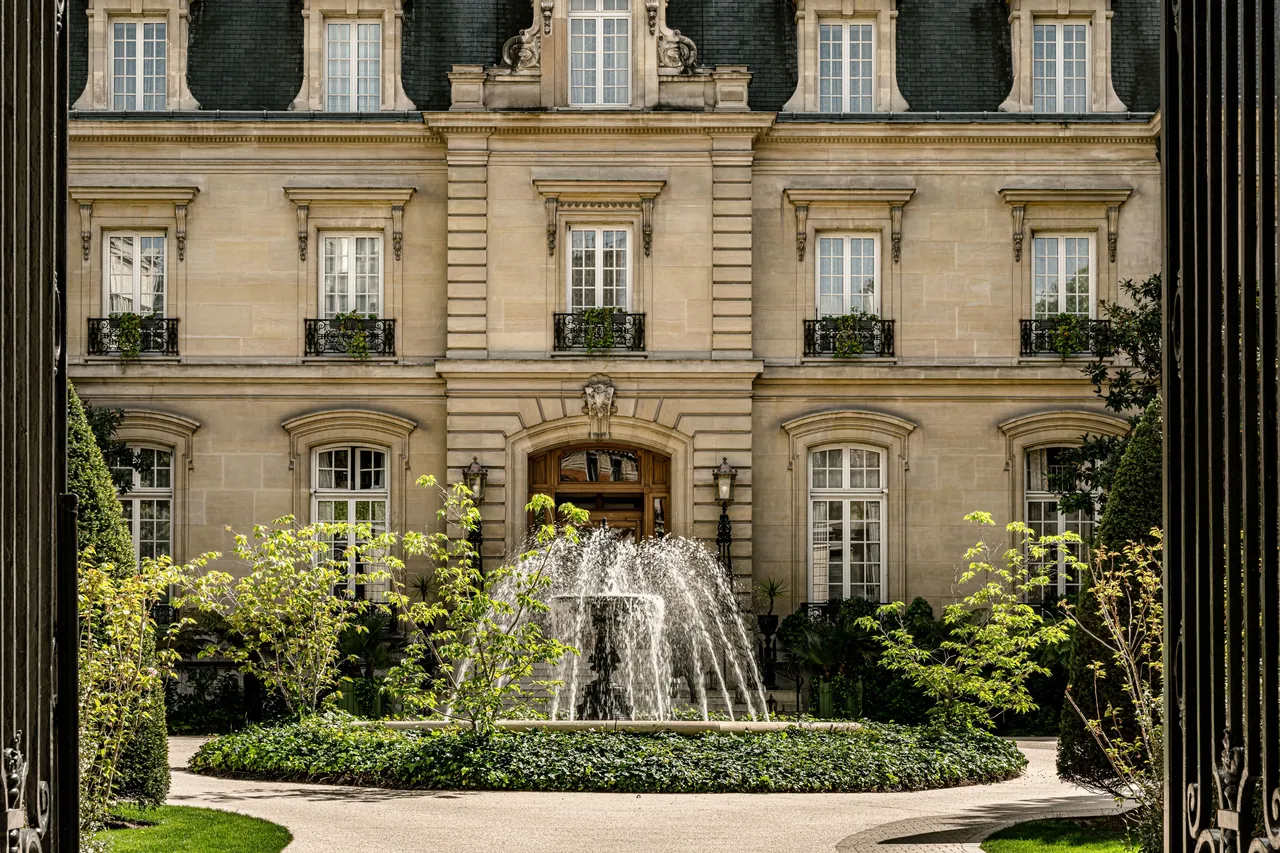
France offers more variety than most countries can hold. Paris, Lyon, Bordeaux and Strasbourg lead the cities, each with its own table. The countryside is where France slows down: the châteaux of the Loire Valley, the Dordogne, the villages of Provence, the coast of Brittany and Normandy, where Monet's light shaped Impressionism. The south coast runs from Nice to St Tropez, Corsica sits offshore, and Burgundy and Champagne are wine country. Food is treated as living heritage, with regional dishes and seasonal produce at its heart. Spring, with gardens in bloom and outdoor cafés filling, comes before the summer crowds.
Germany
Best time: May to Oct; late Nov to Dec for Christmas markets
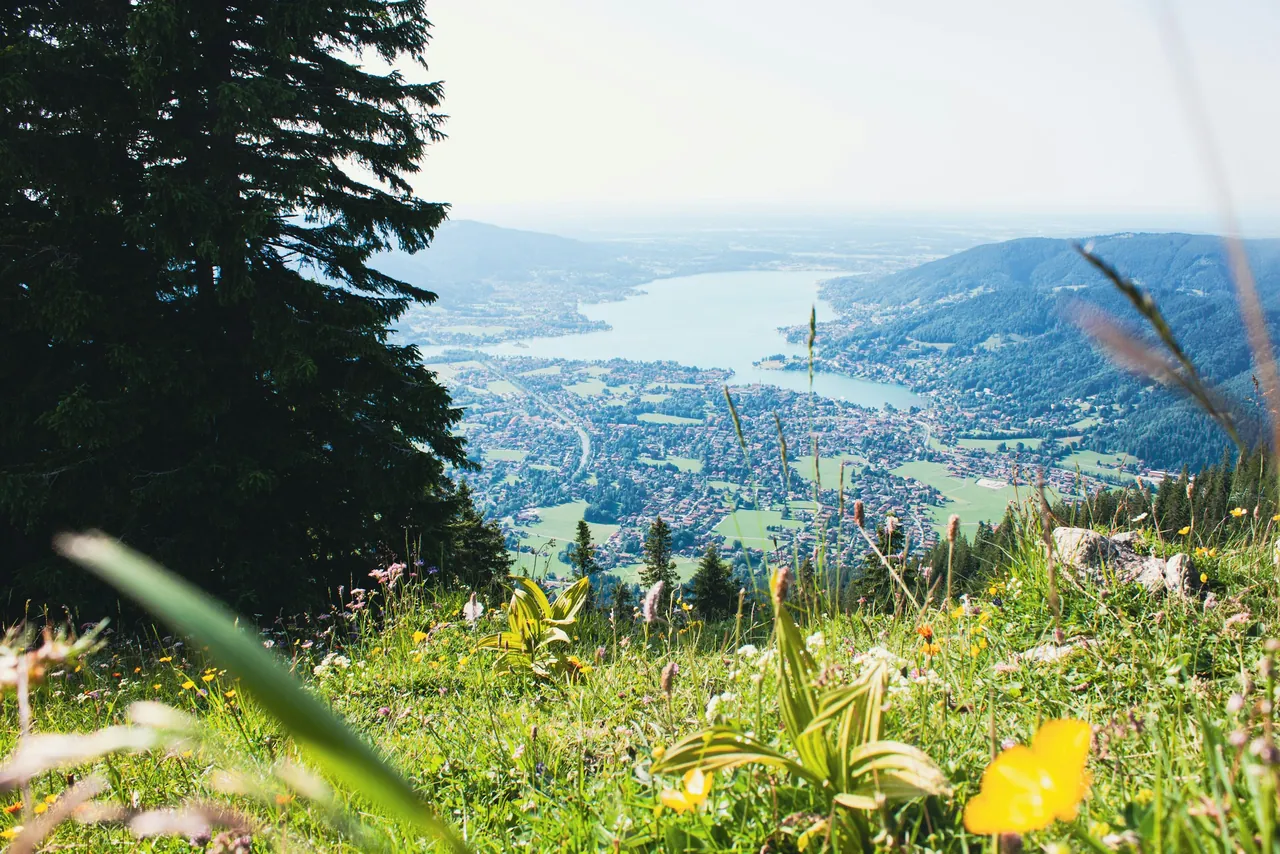
Germany is a country of regions, and each has its own character. Berlin brings politics, history and late nights. Bavaria brings the Alps, lakes such as the Chiemsee and summer beer gardens. The Rhine Gorge is lined with castle ruins and vineyards above Rüdesheim, the Black Forest has its own high road, and Bamberg, Regensburg and Quedlinburg preserve whole old towns. In the north, Jasmund National Park guards the chalk coast of Rügen. Each season has its moment: asparagus in spring, swimming lakes in summer, the wine harvest in autumn and Christmas markets in winter.
Greece
Best time: May to Jun, Sep to Oct
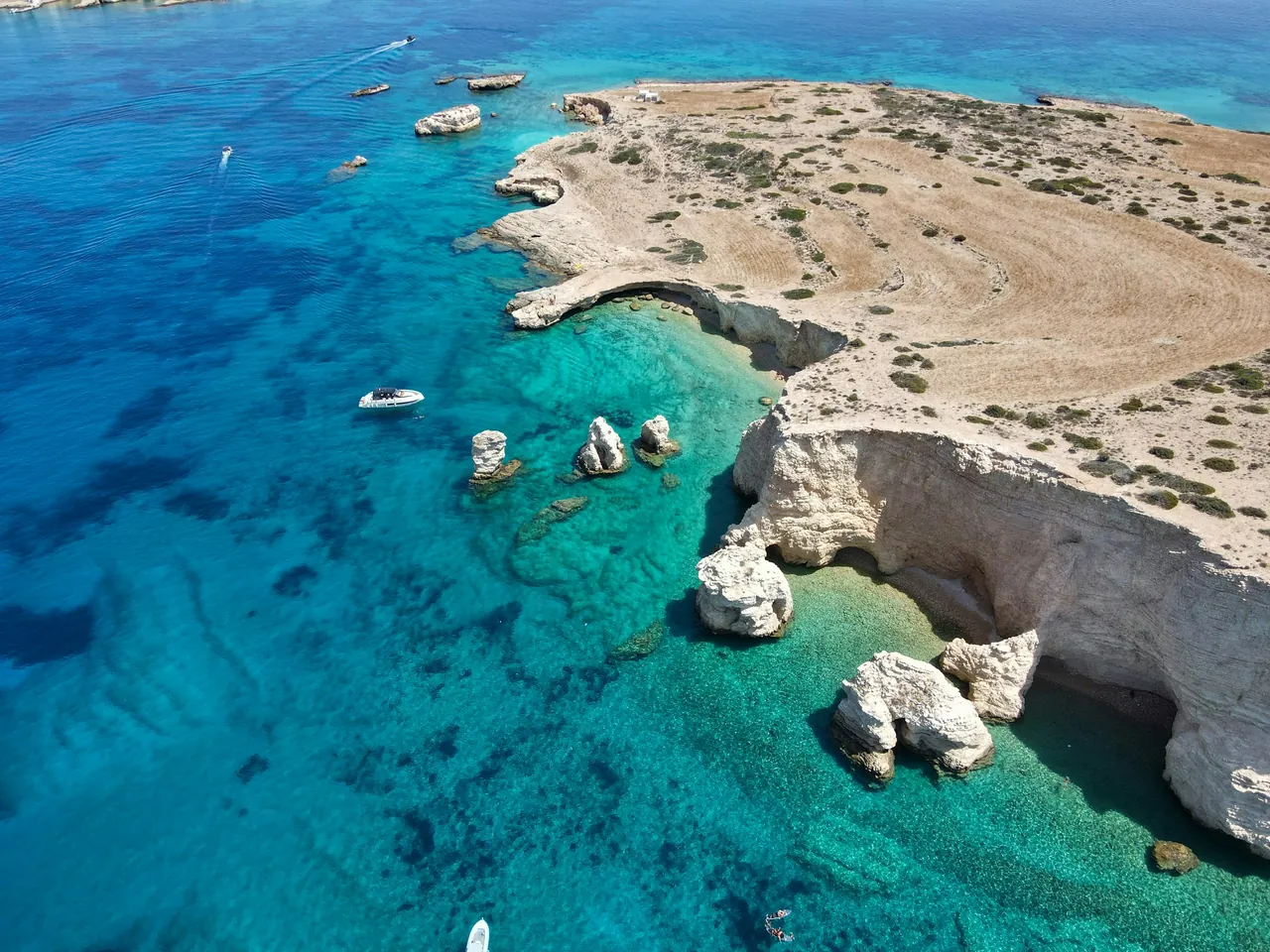
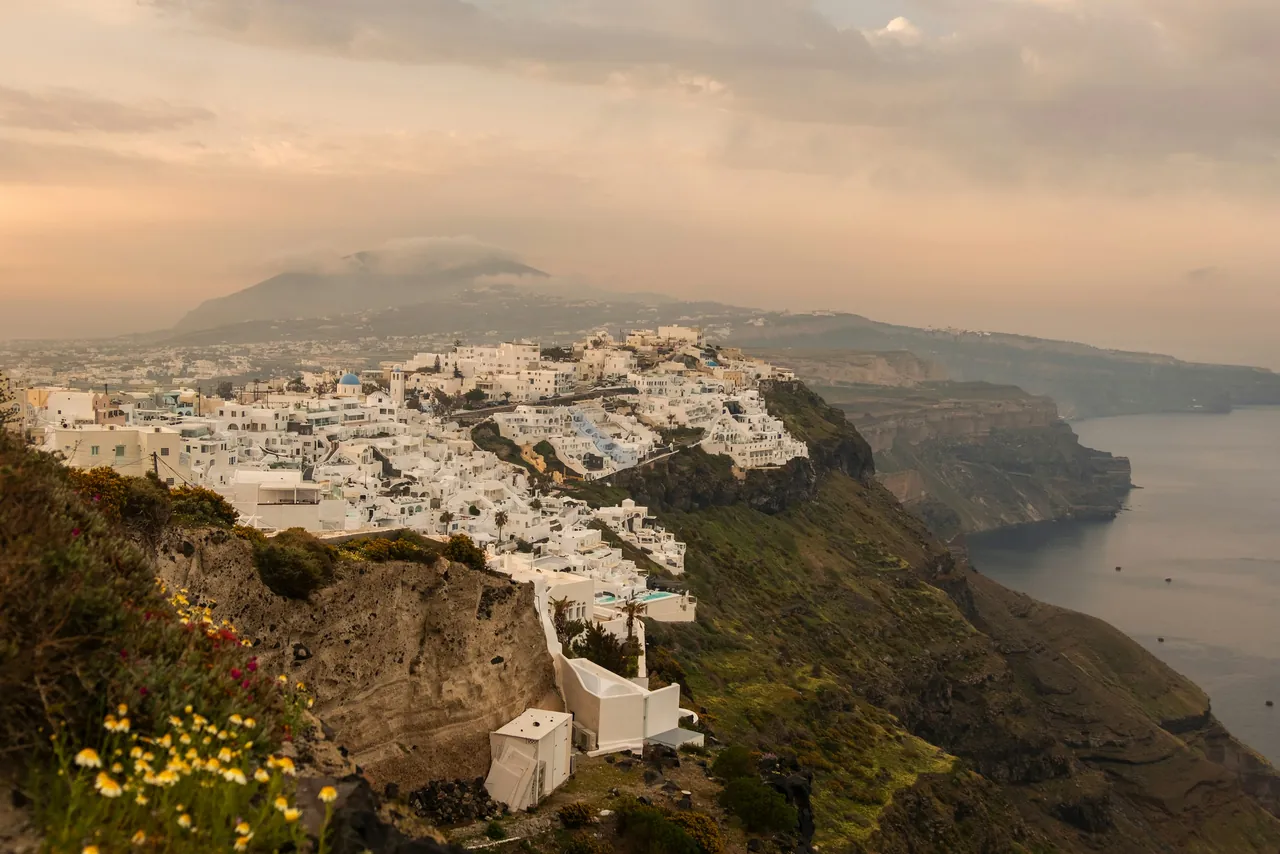
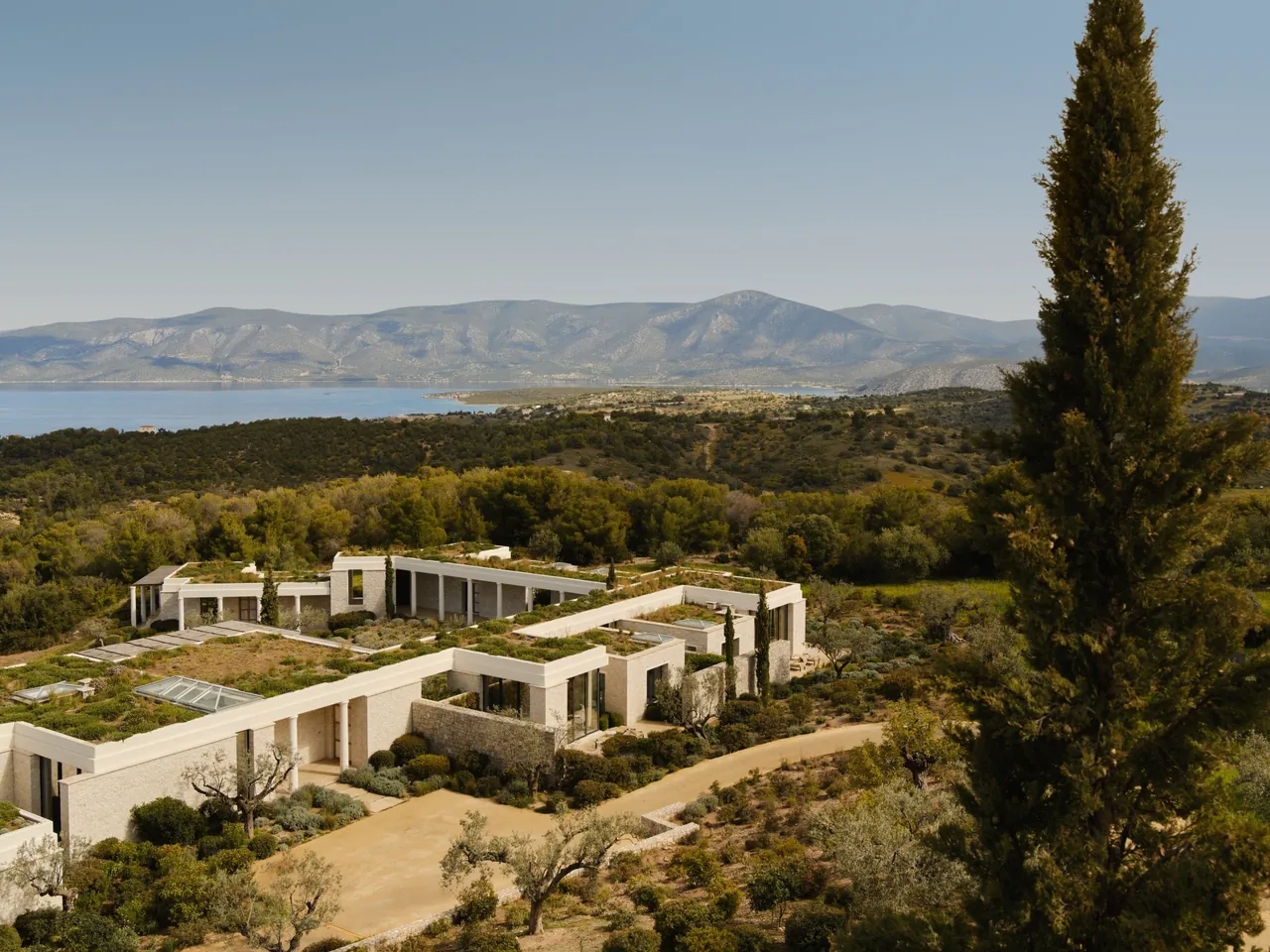
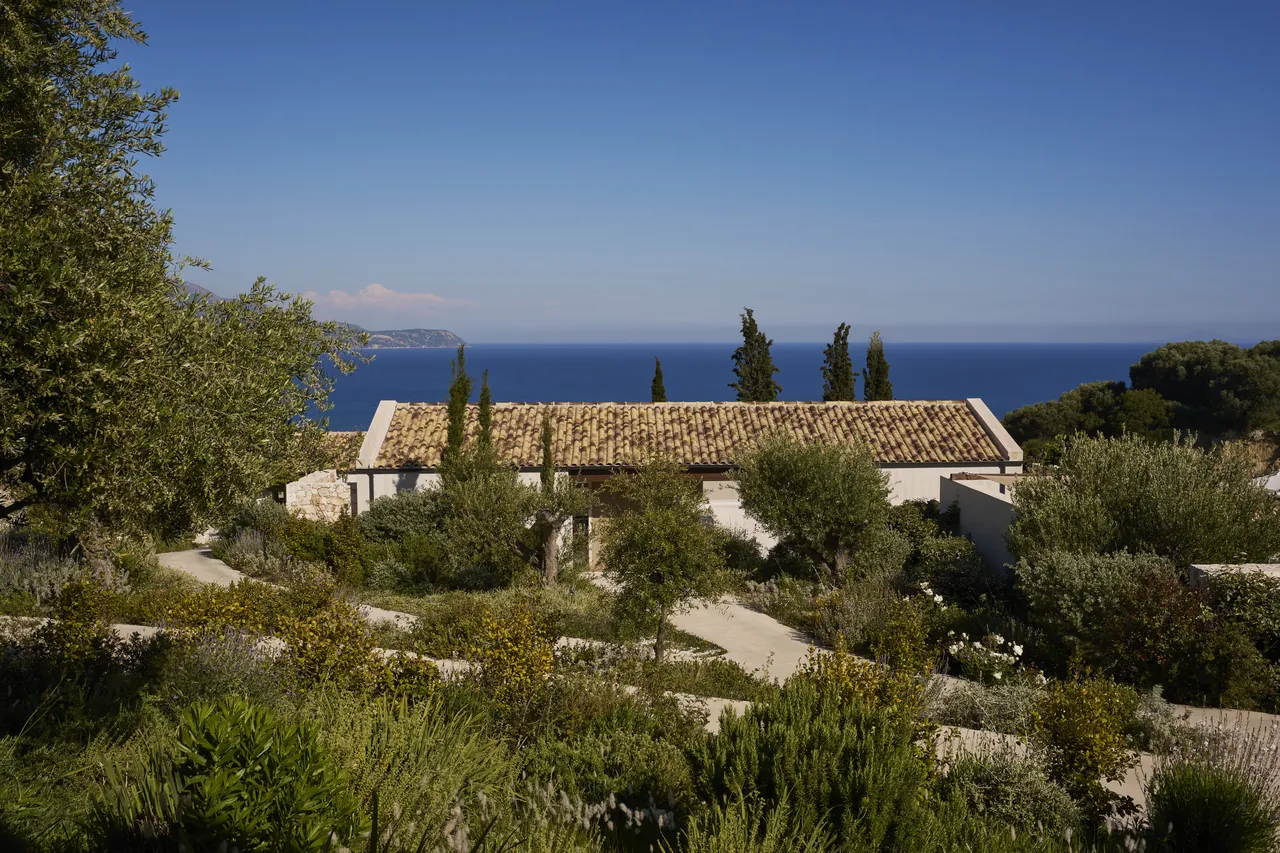
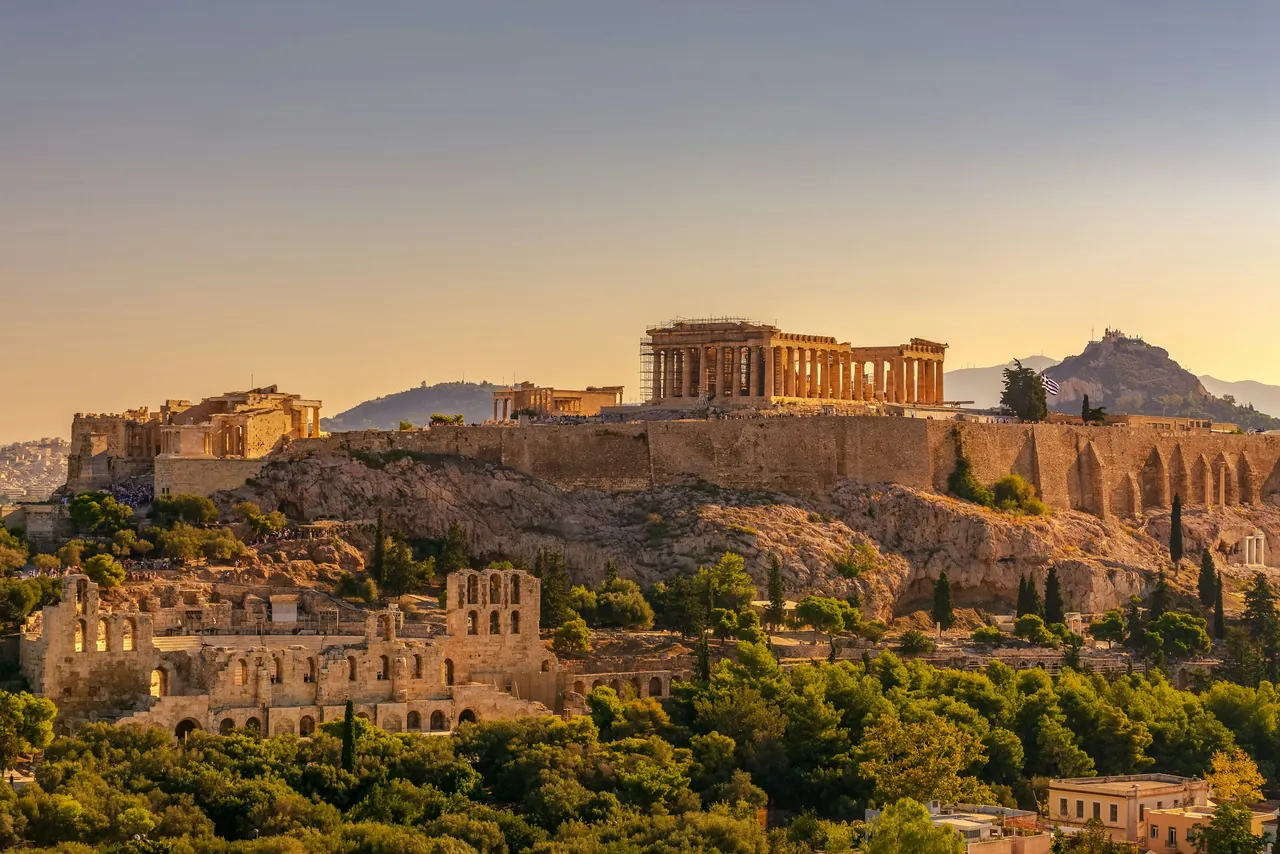
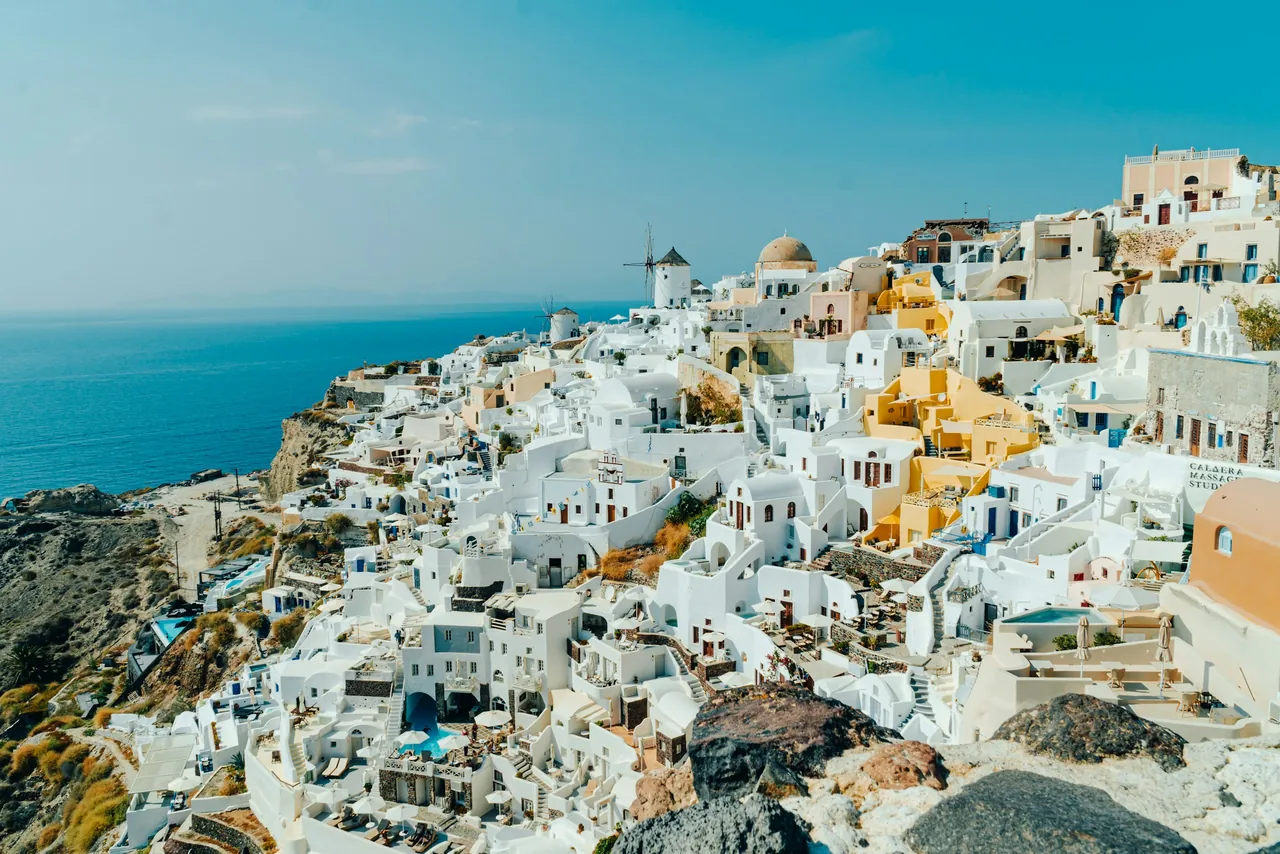
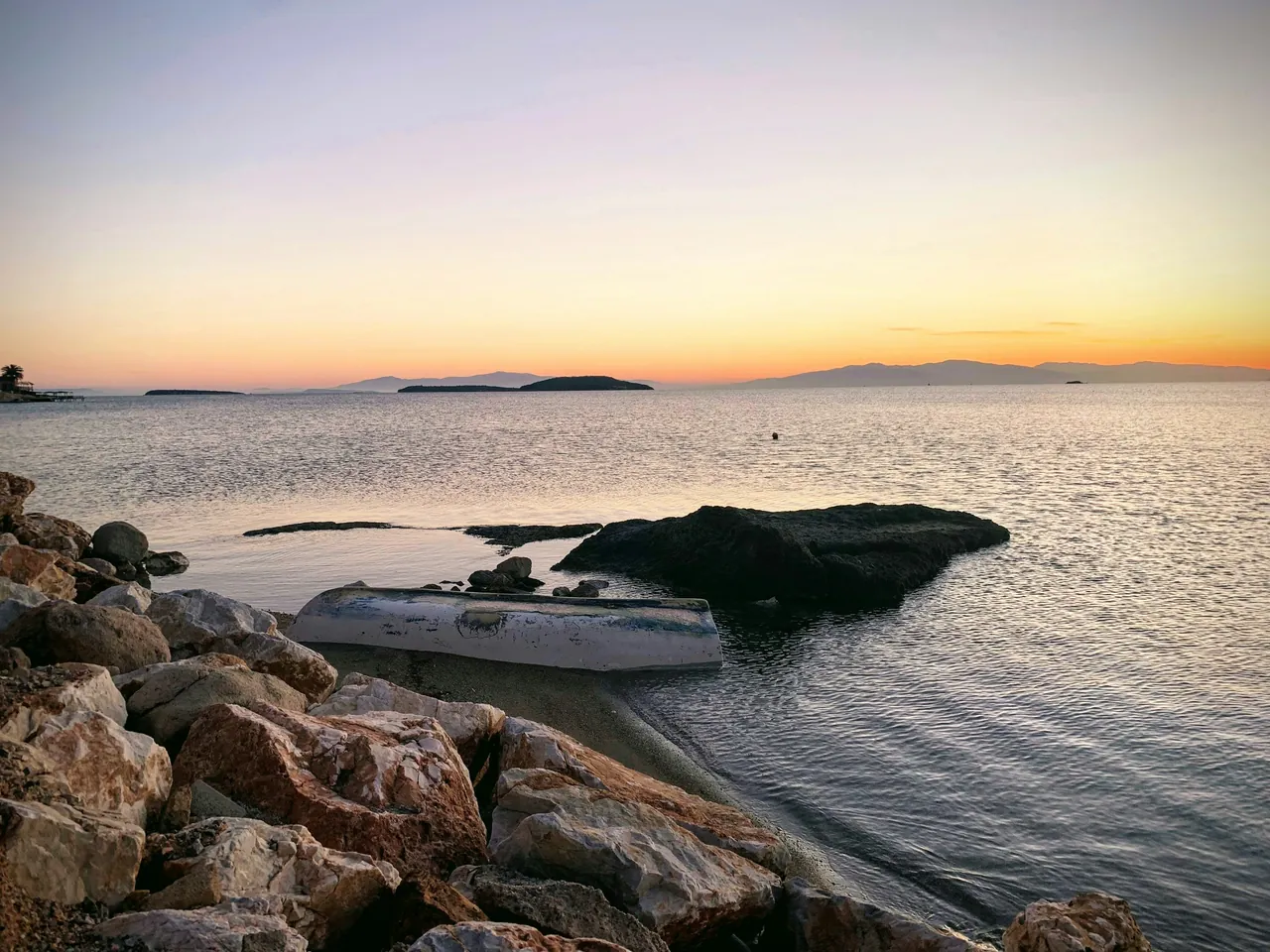
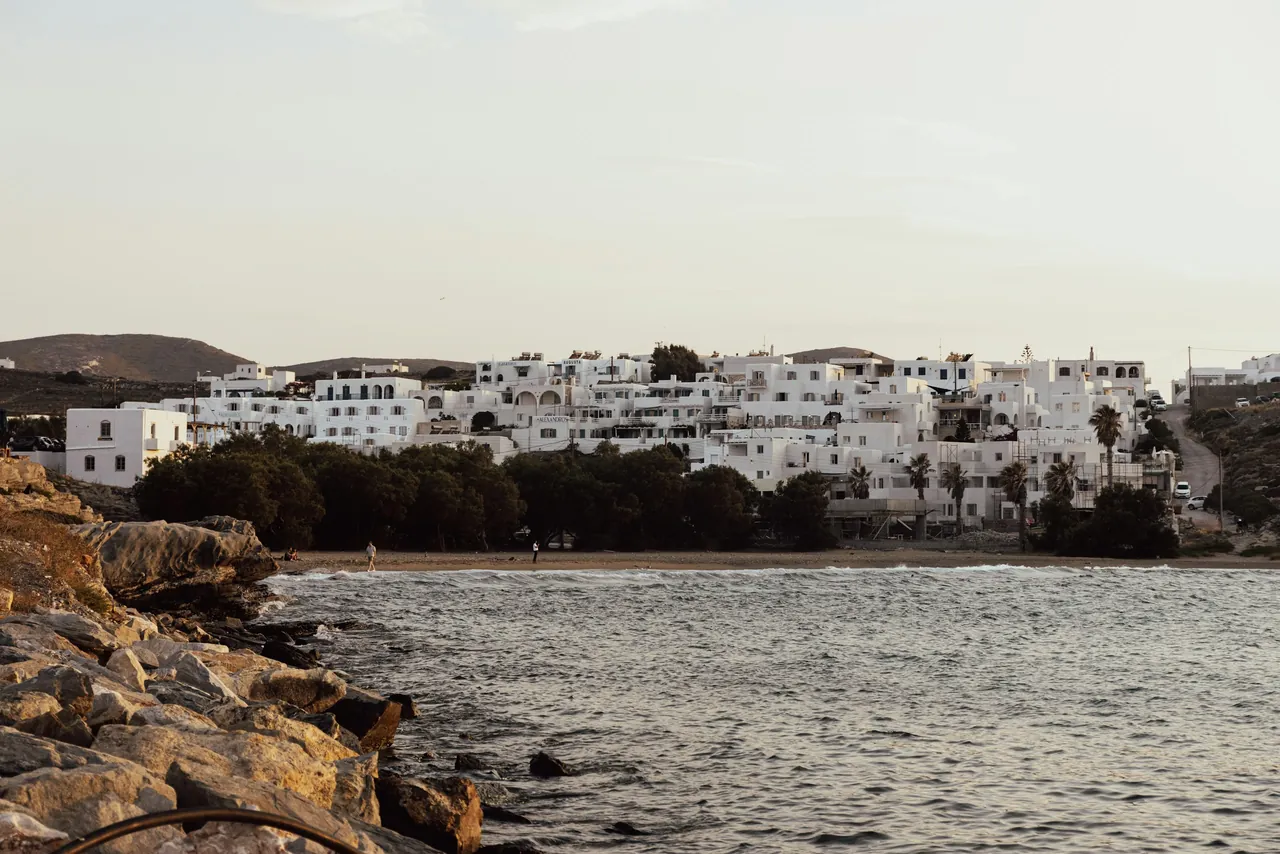
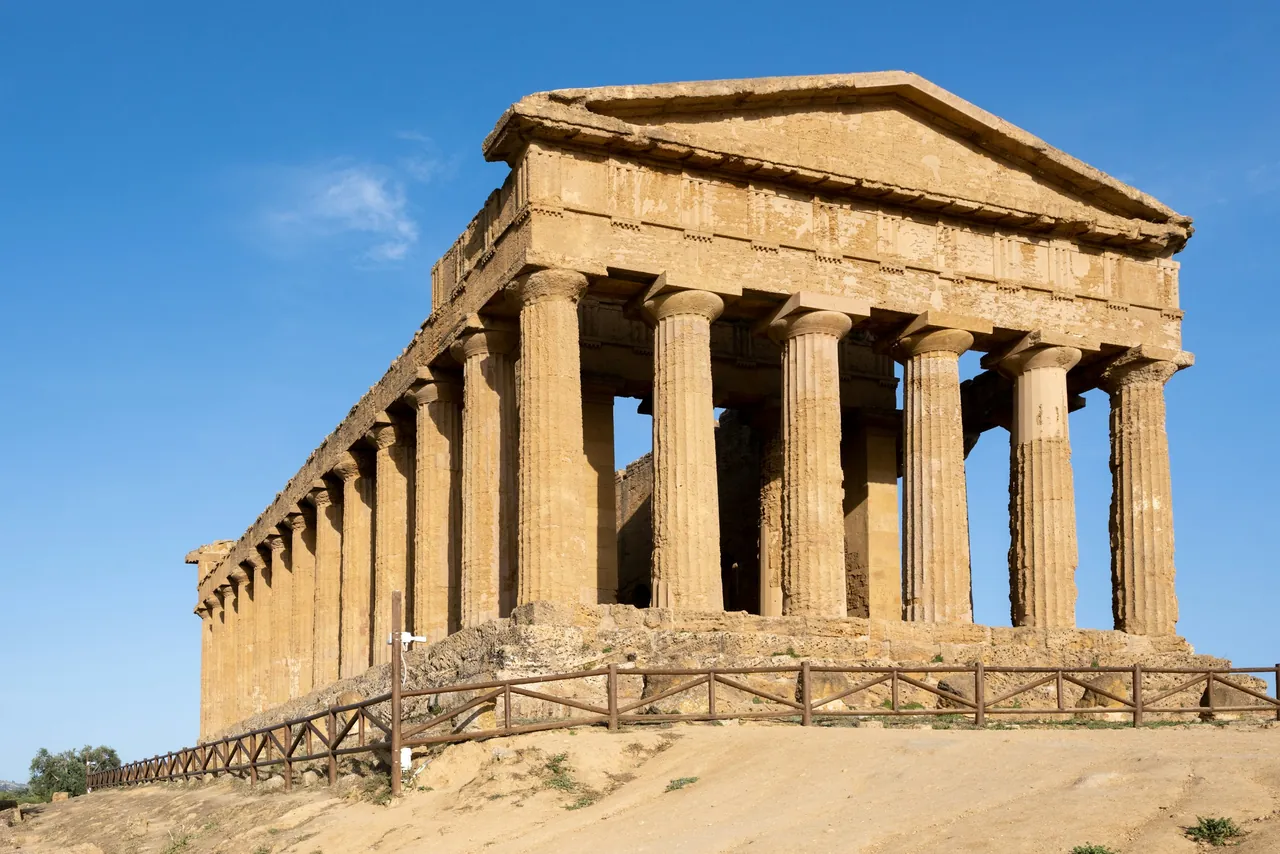
Greece divides its time between the mainland and the sea, and the climate follows. Summers are dry and hot, cooled on the islands by the meltemi wind, while winters are mild on the lowlands and the mountains take snow. The ancient sites are the foundation of any journey, alongside the monasteries of Meteora, Mount Olympus and the medieval stronghold of Monemvasia. Crete, Corfu and the Ionian Islands, and the volcanic Aegean islands, each feel distinct. On the mainland, Macedonia has wine routes around Naoussa, and the Peloponnese leads south to Monemvasia.
Greenland
Best time: Jun to Sep; Feb to Apr for sledding
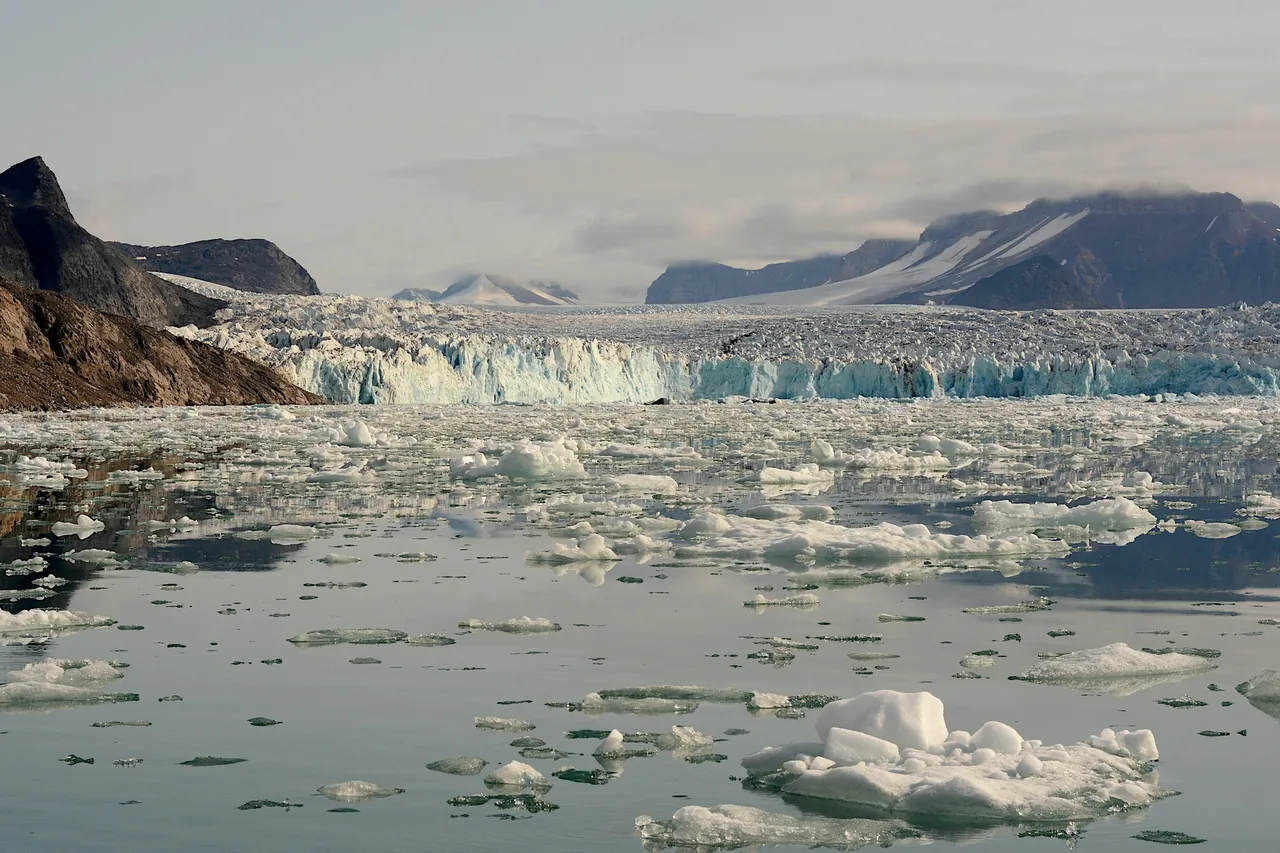
Greenland is the world's largest island, with 81 per cent of it under an ice sheet, and the climate changes sharply from one fjord to the next. Summer is short and bright: by June the midnight sun is in full swing in the north, and the months that follow suit kayaking, hiking, whale watching and sailing among icebergs. Disko Island has black beaches, hot springs and basalt columns. From September the northern lights return and the mosquitoes are gone. Winter brings polar darkness, dog sledding above the Arctic Circle, ice fishing and, early in the year, the return of the sun.
Hungary
Best time: May to Jun, Sep to Oct
Hungary is a country of thermal water, architecture and wine. Budapest is the centre of things, home to a quarter of the population and known for its thermal baths and art. Beyond the capital, the Danube Bend holds towns such as Szentendre and Visegrád, Lake Balaton draws summer visitors, and the wine regions run from Eger to Villány, Mád and Tarcal. The climate is temperate continental, with July the sunniest month. Autumn is often the most pleasant time to visit, with summer warmth lingering and less rain than spring.
Iceland
Best time: Jun to Aug; Sep to Mar for northern lights
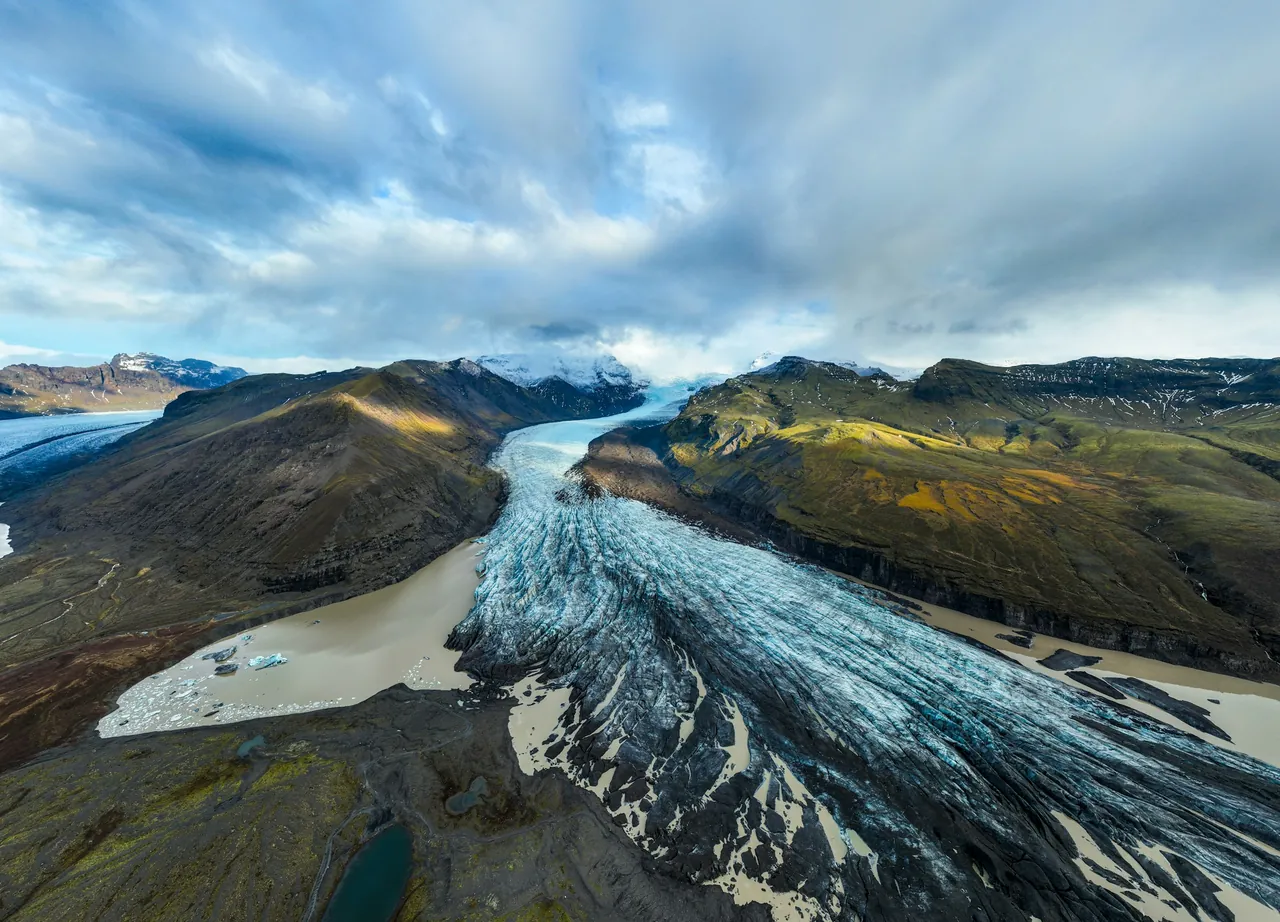
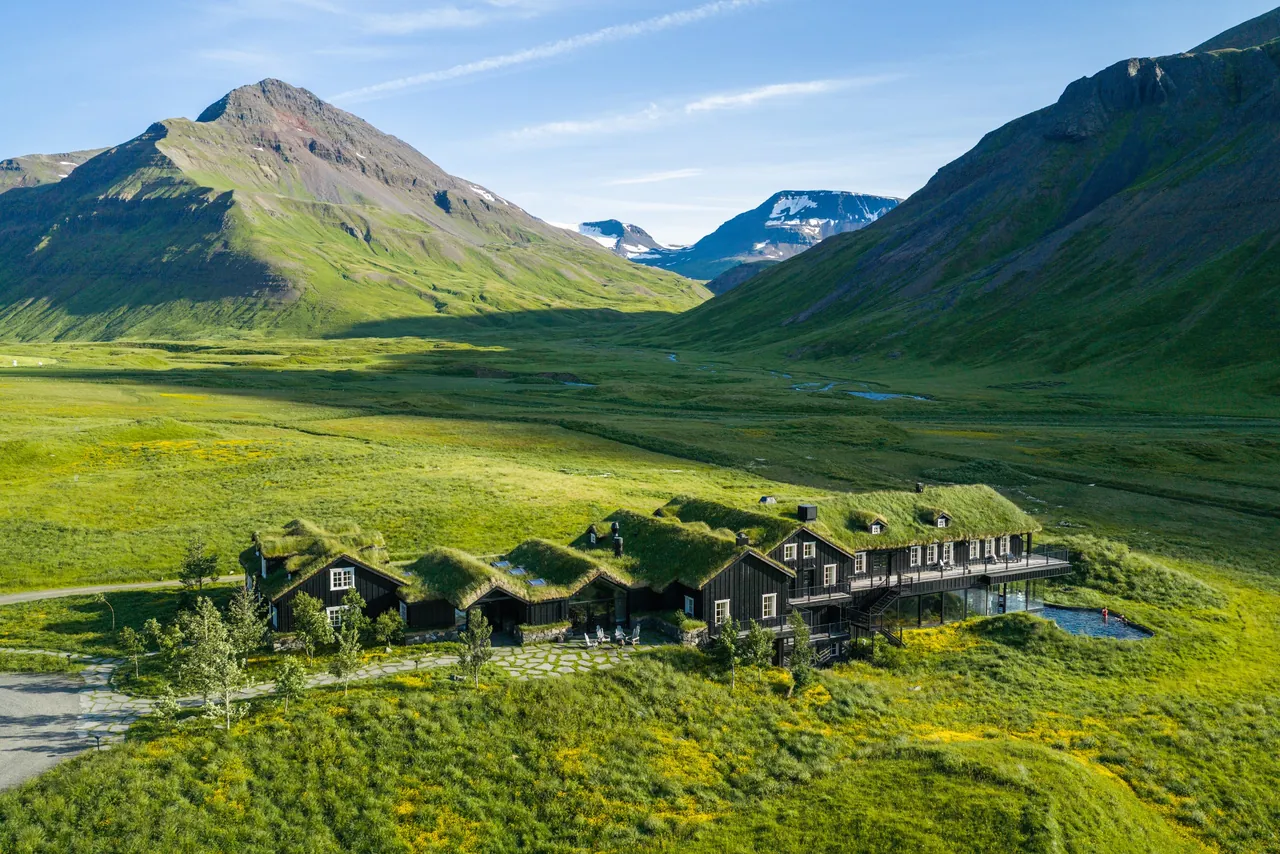
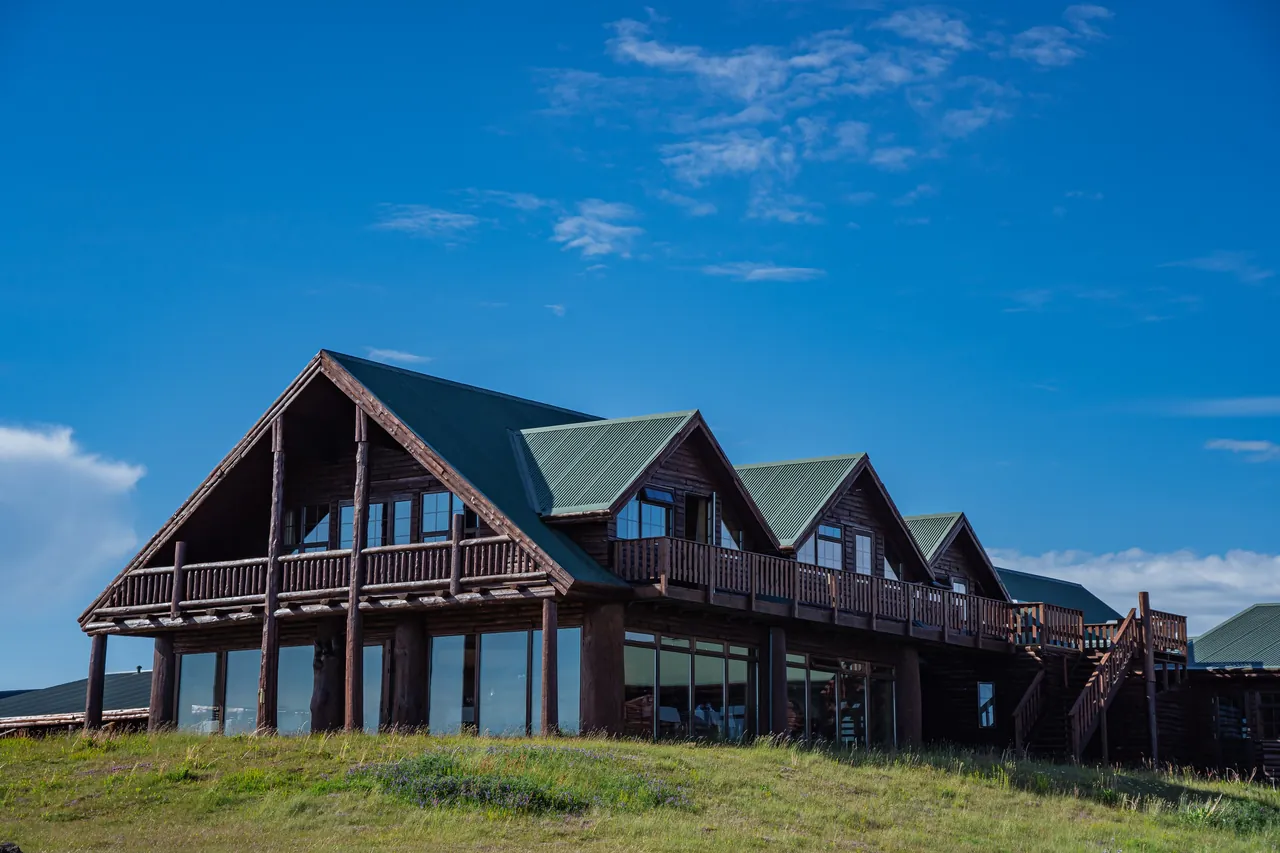
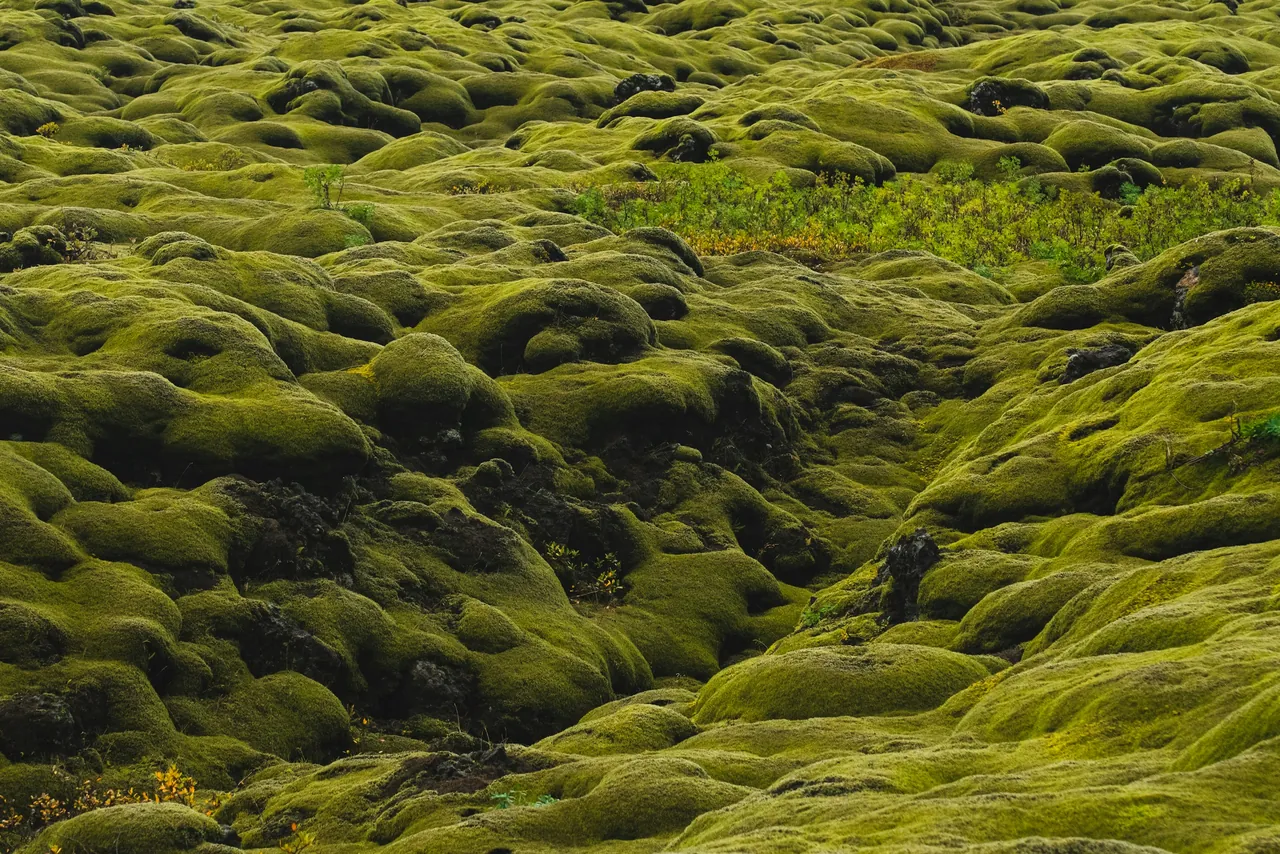
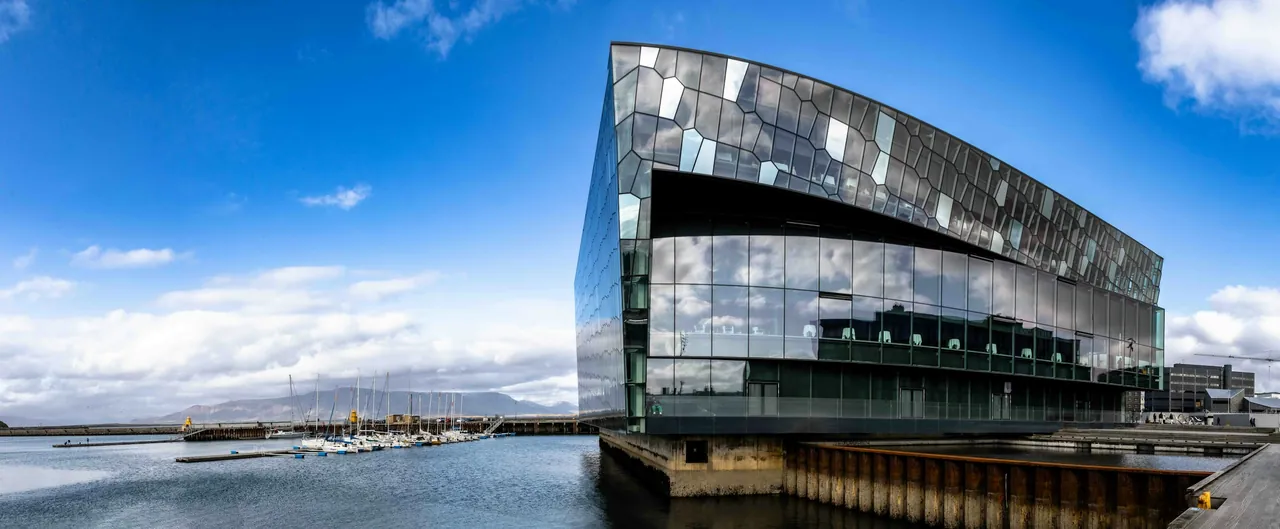
Iceland sits just south of the Arctic Circle and is known as the land of fire and ice, with some of Europe's largest glaciers and some of the world's most active volcanoes. Almost two thirds of its people live around Reykjavík, the northernmost capital, and the rest are spread along the coast in fishing and farming communities. Summer days bring near constant light and open the highland roads from late June to mid September. From September to April the northern lights appear on dark, clear nights, and the equinoxes in March and September are especially good.
Ireland
Best time: May to Sep
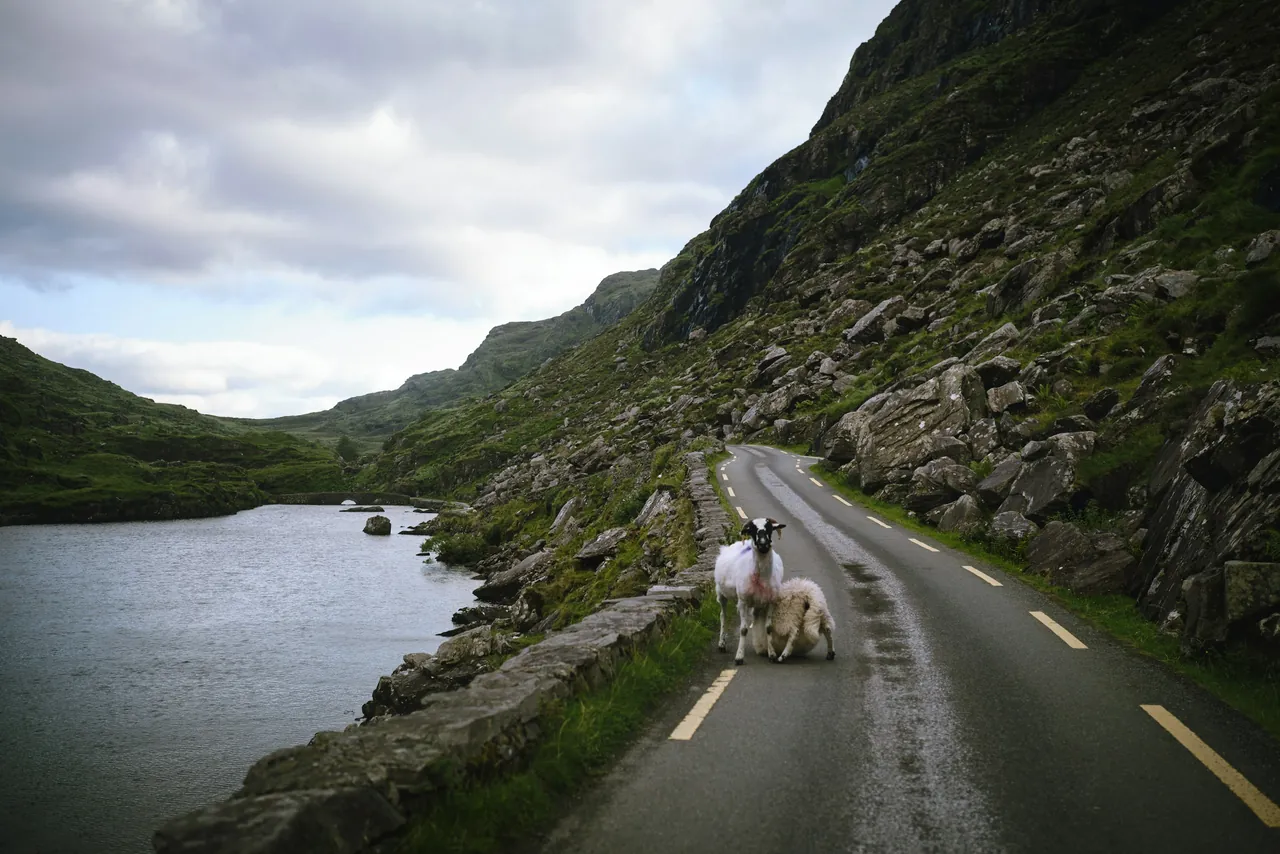
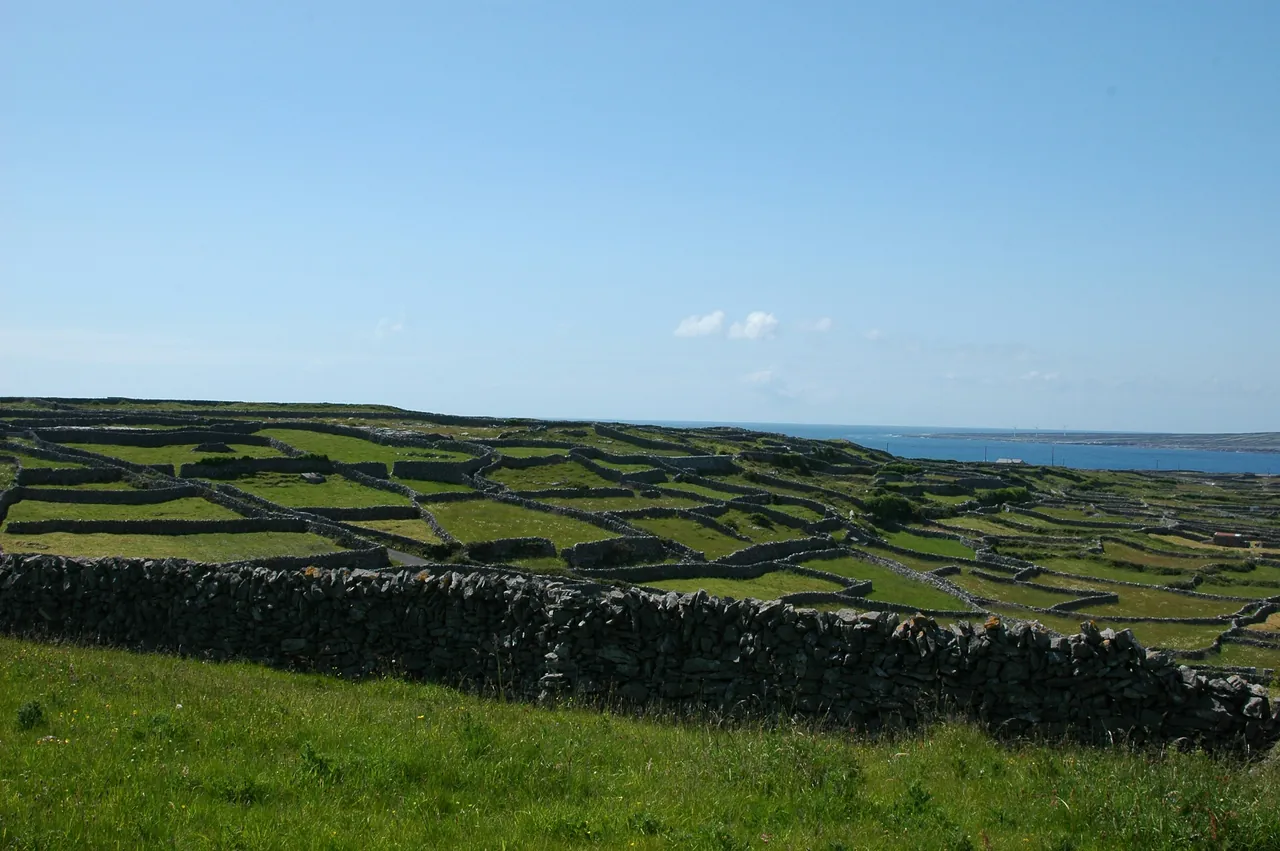
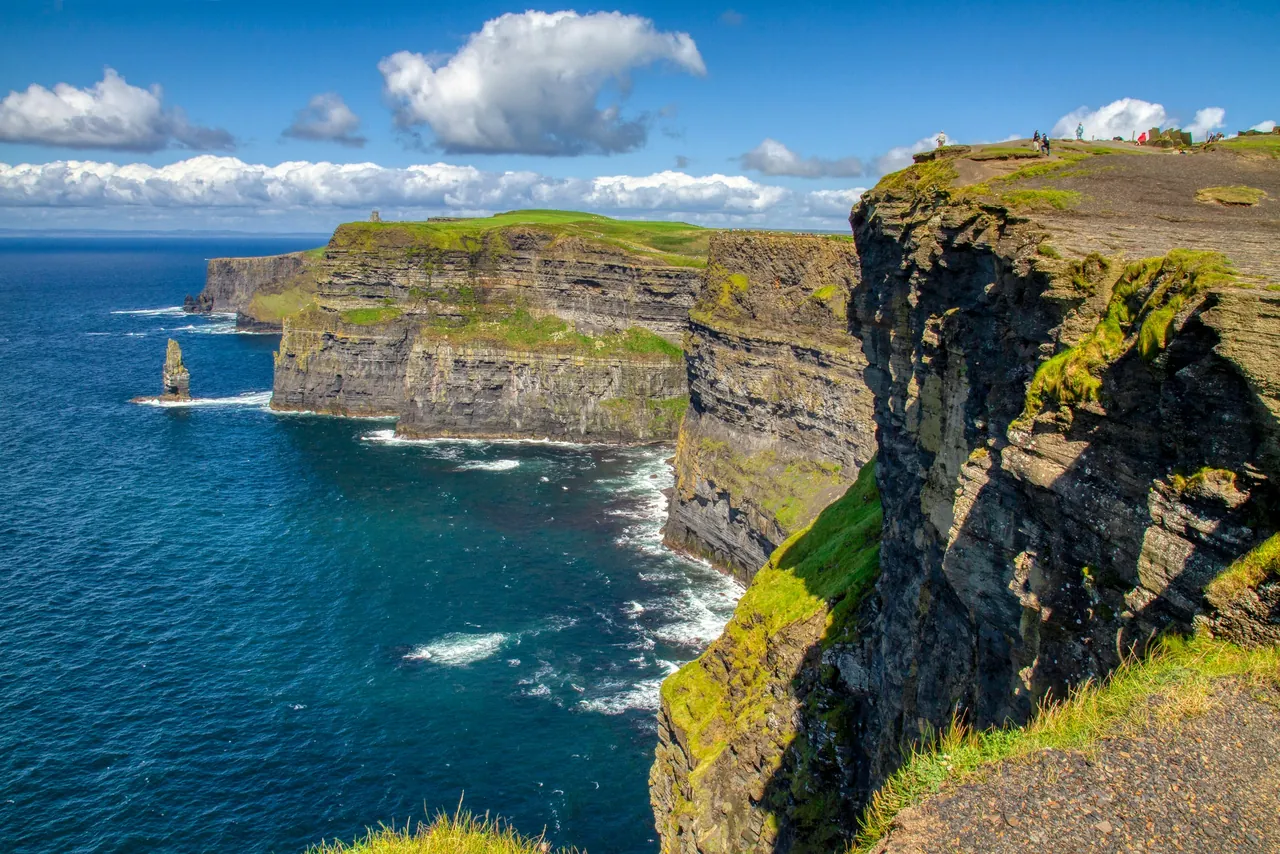
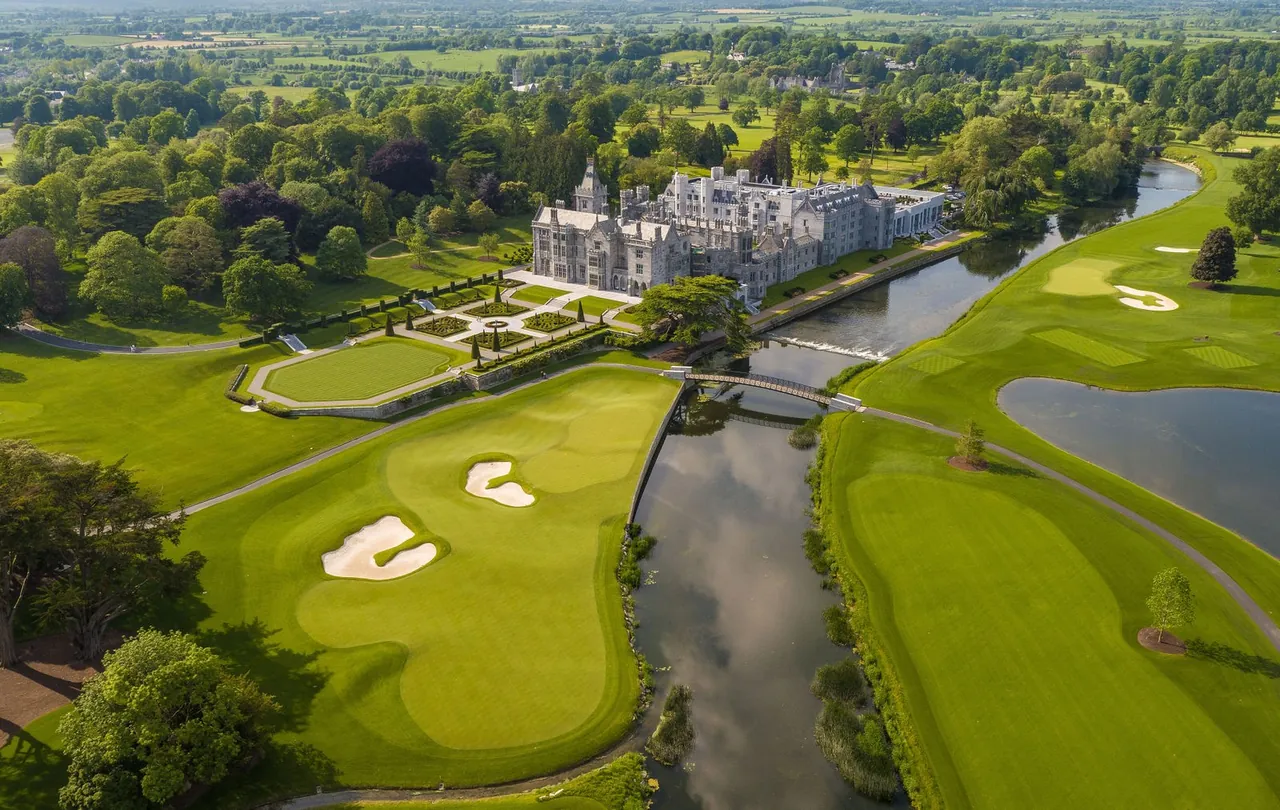
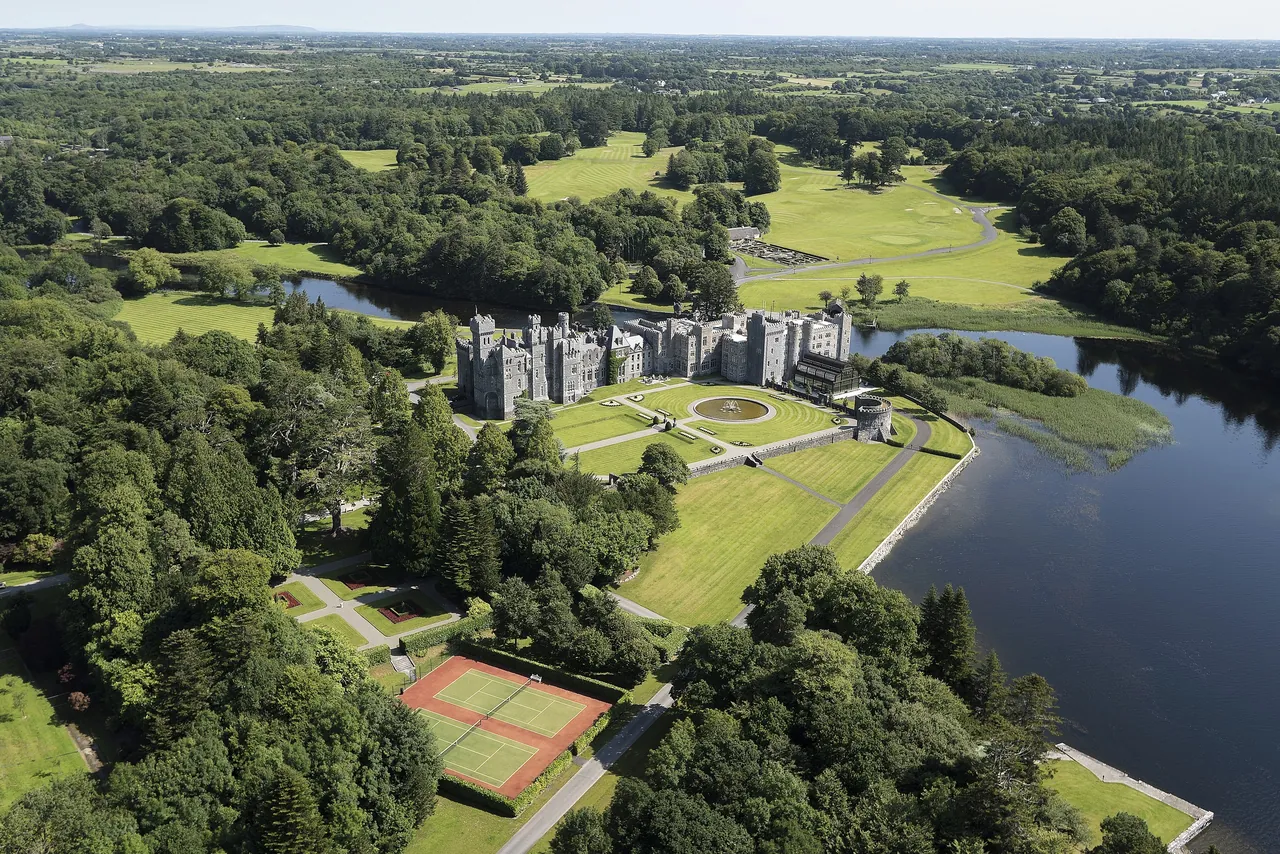
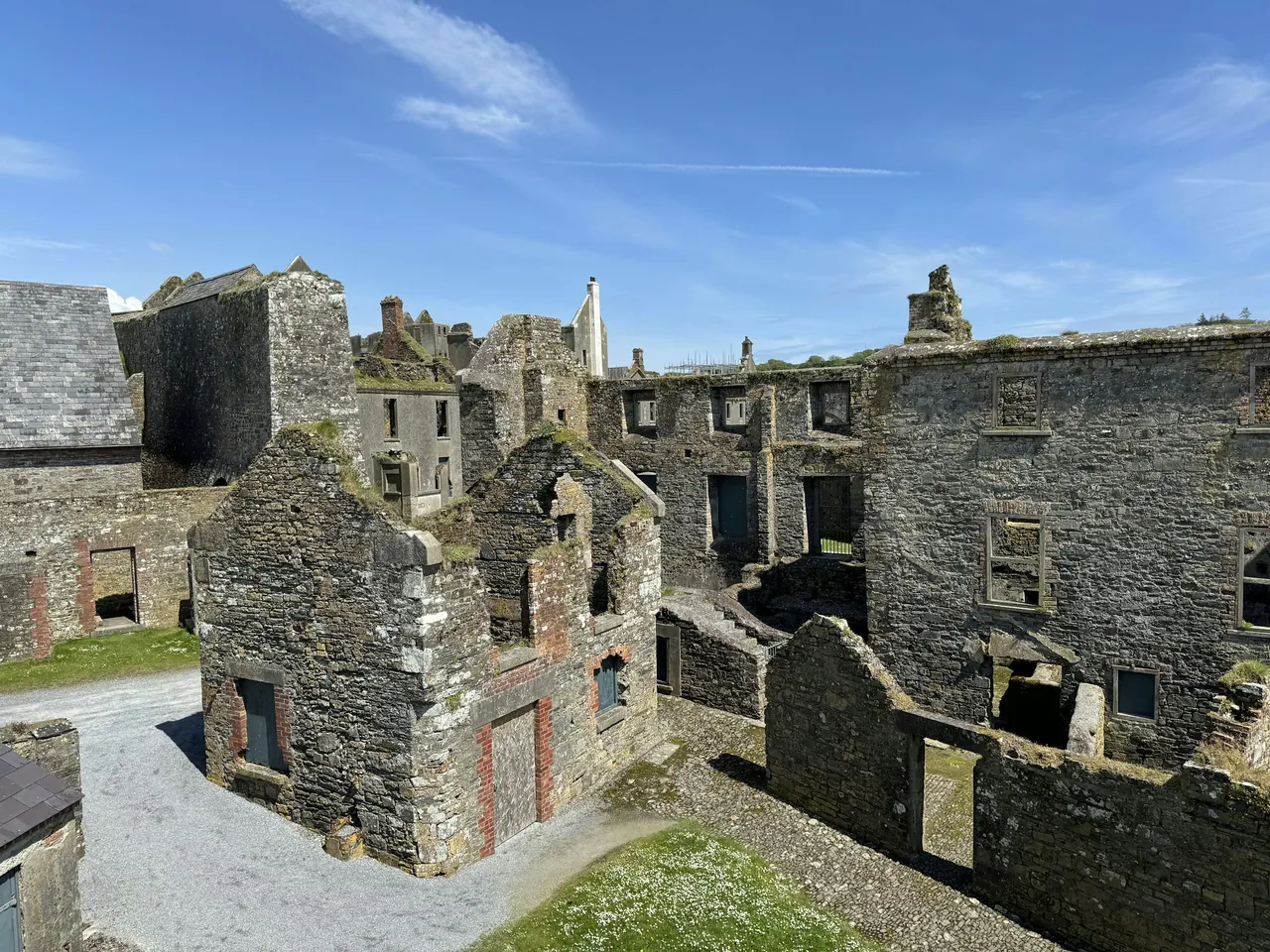
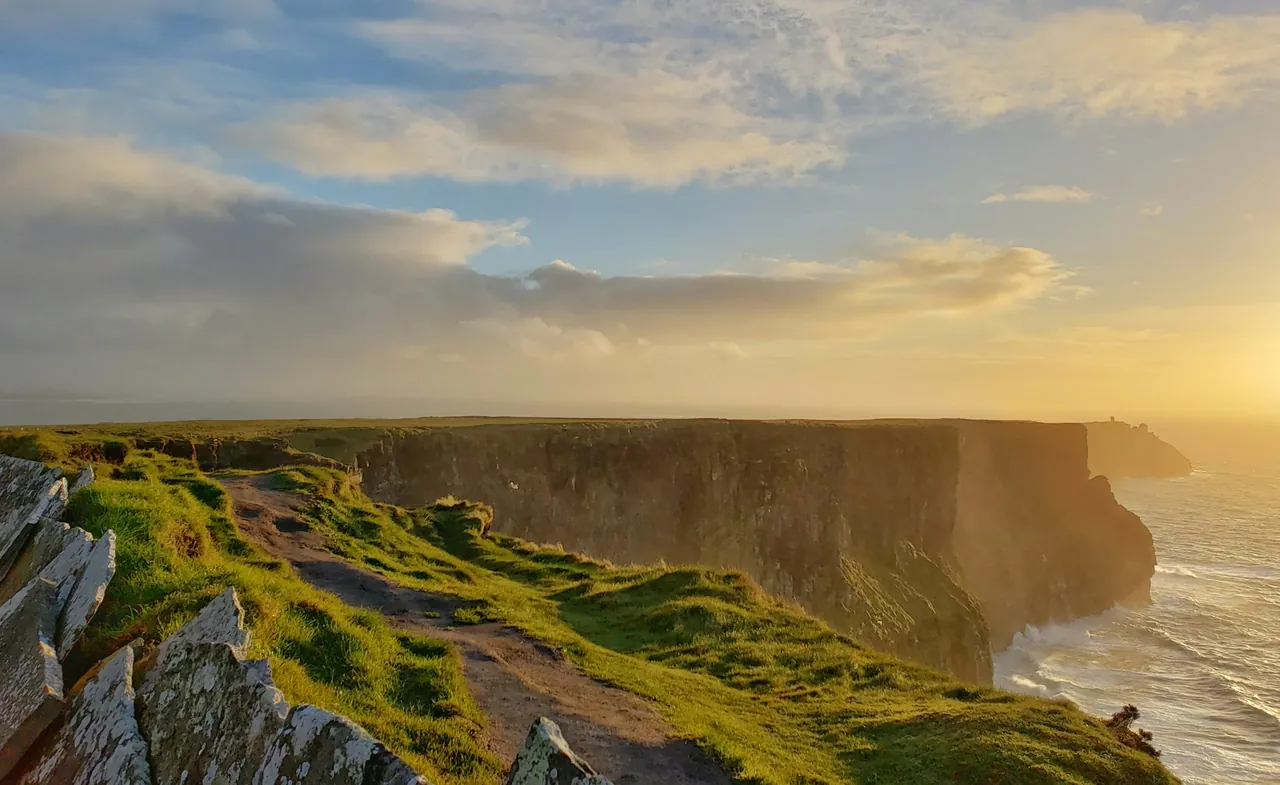
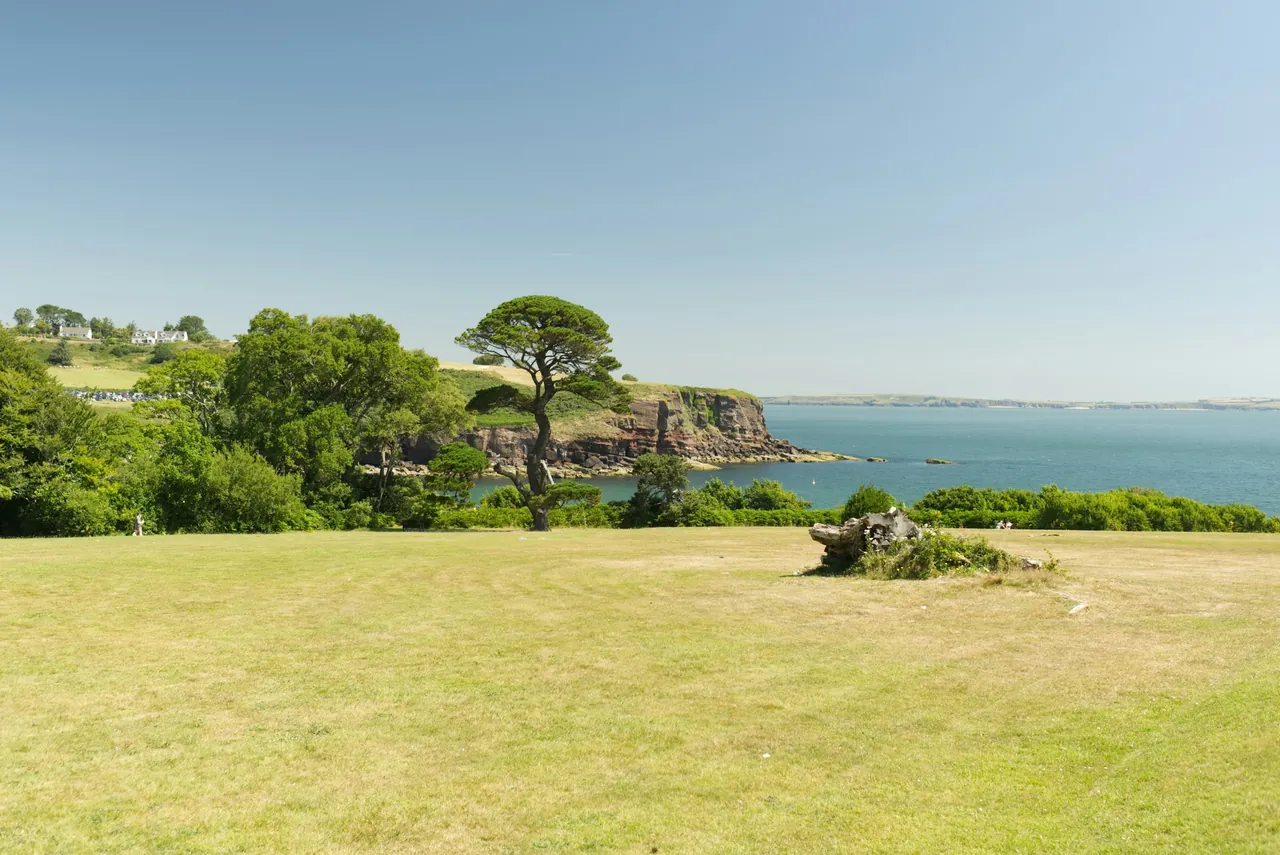
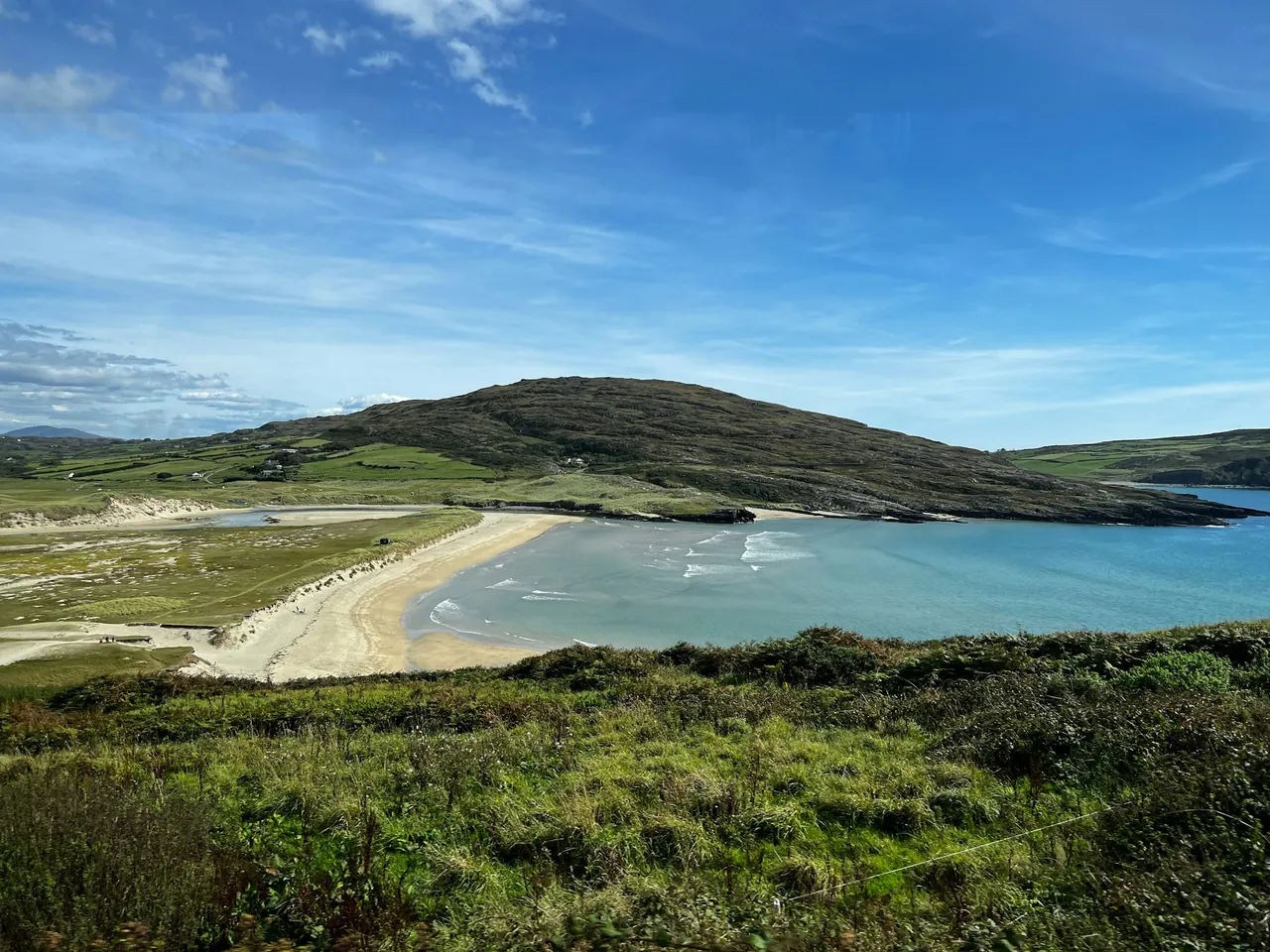
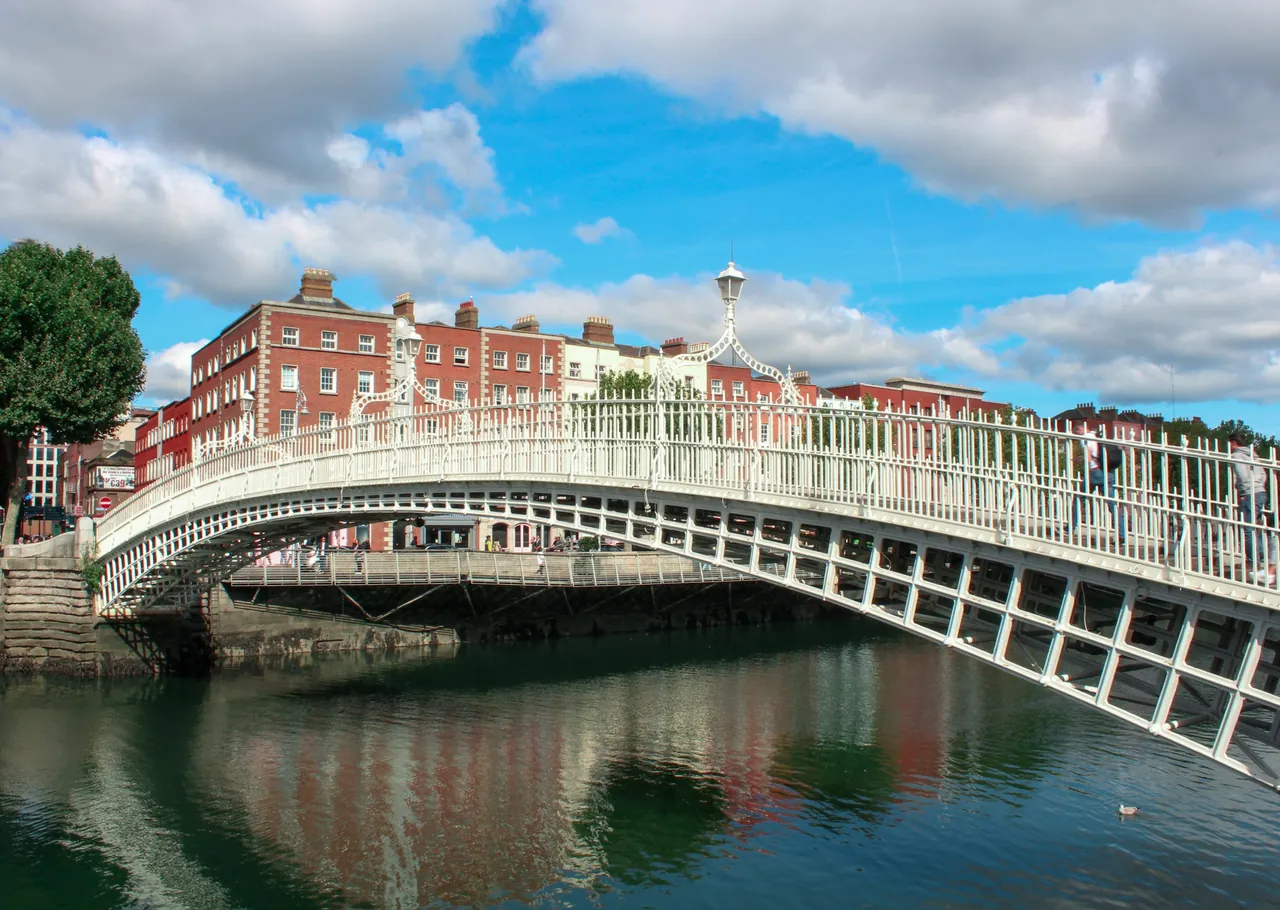
Ireland is one island with six distinct regions, and much of its appeal lies on the edges. The Wild Atlantic Way follows the west coast past the Cliffs of Moher, Connemara, Dingle and the Ring of Kerry. Ireland's Ancient East begins on Dublin's doorstep, Belfast has a strong food and culture scene, and the Causeway Coast runs north of Derry. The Hidden Heartlands bring rivers, lakes and quiet towns. The climate is mild and temperate, with warm summers, gentle winters and changeable days, and long summer evenings suit the west coast well.
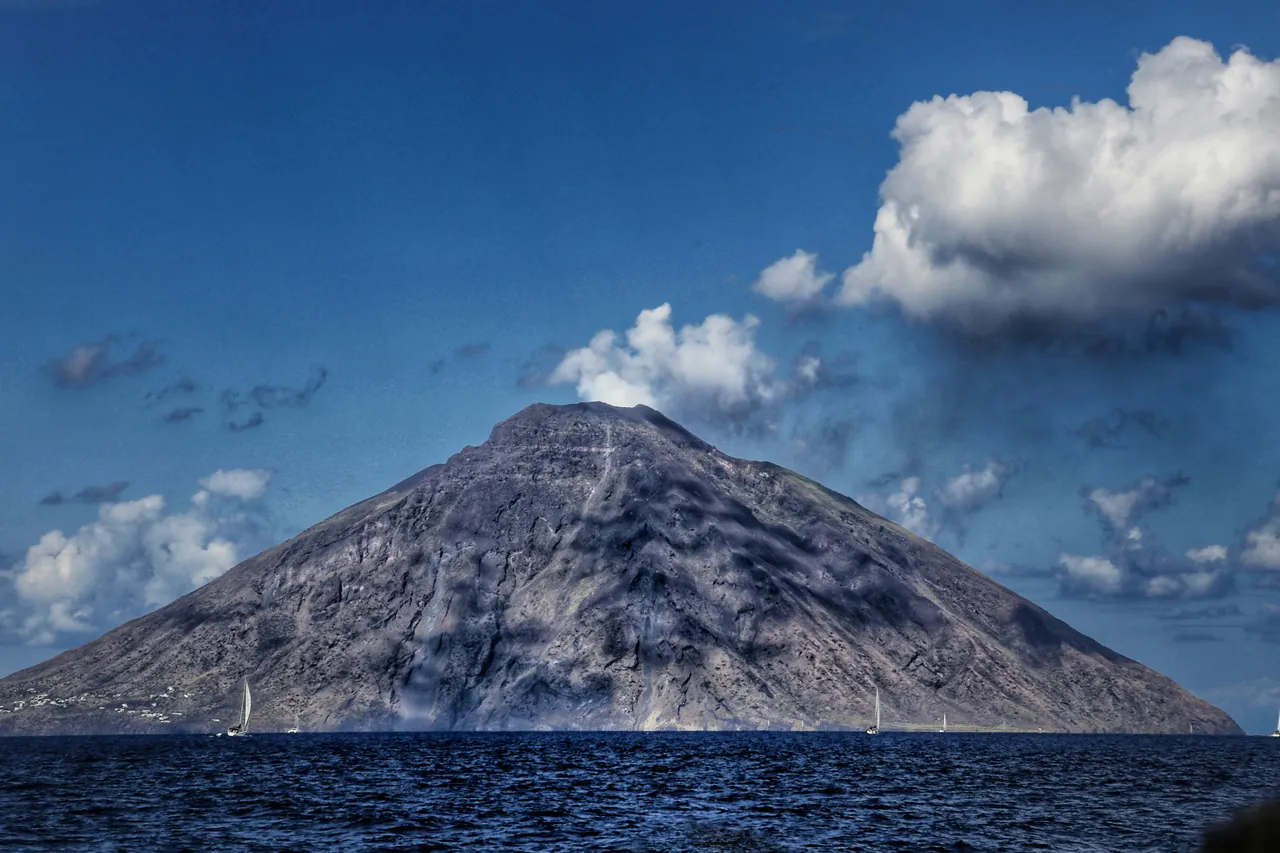
Italy
Best time: Apr to Jun, Sep to Oct
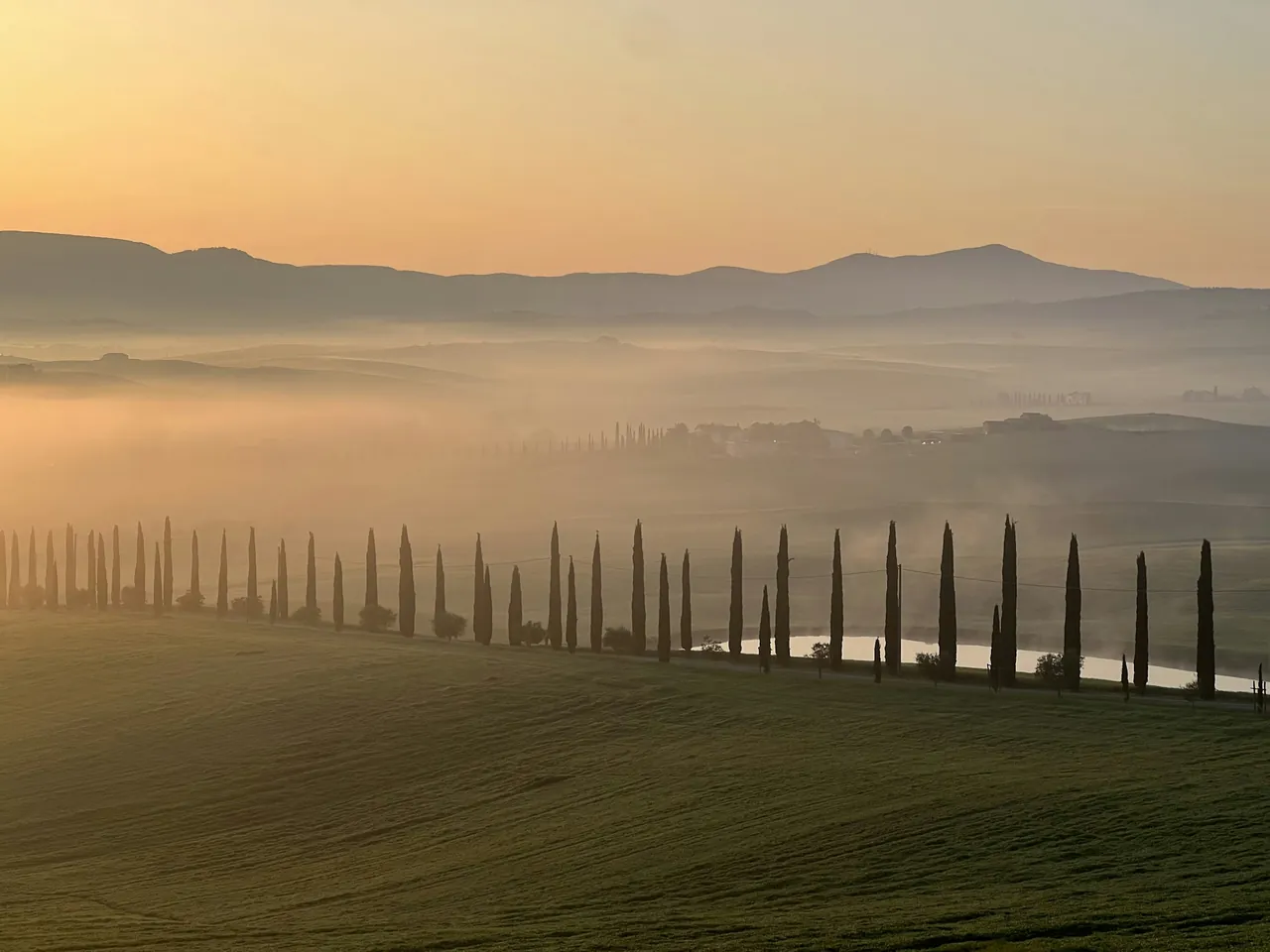
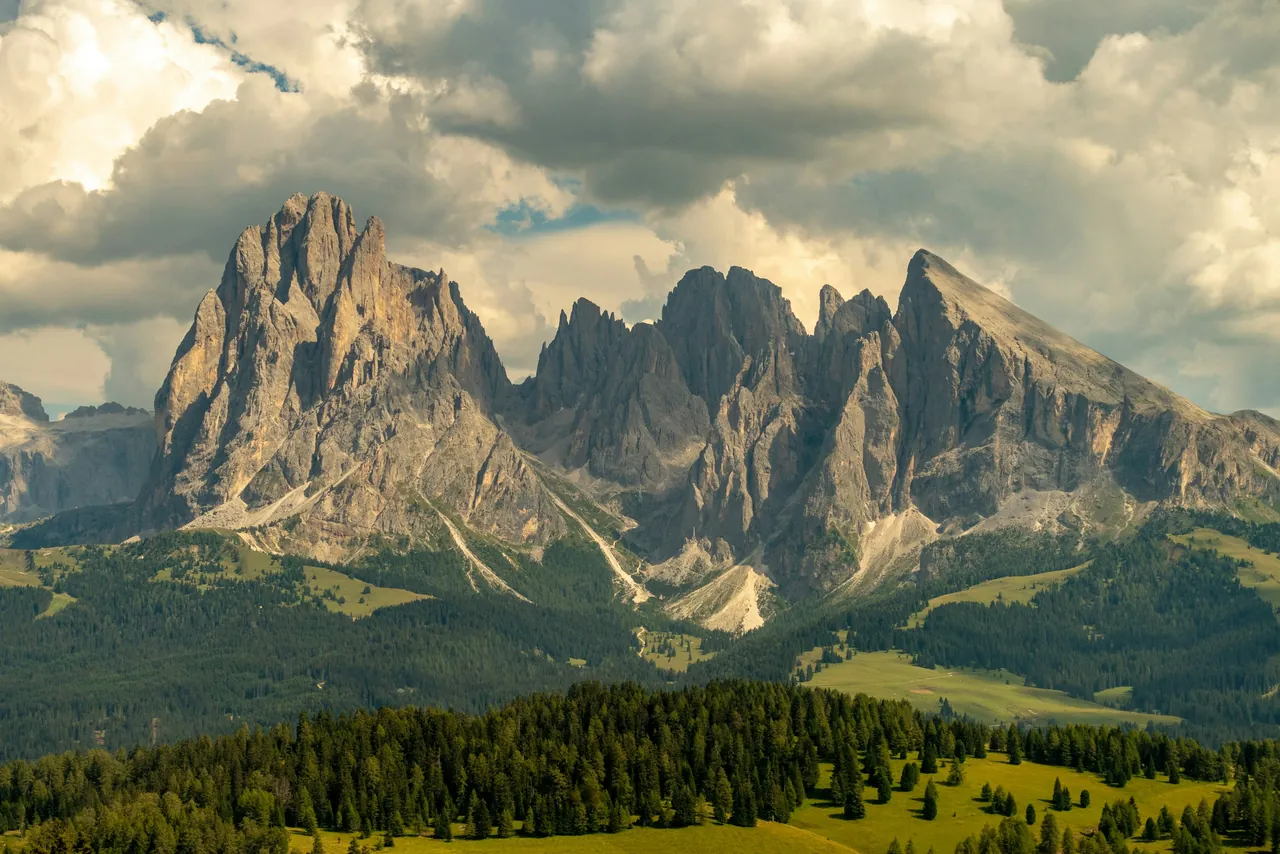
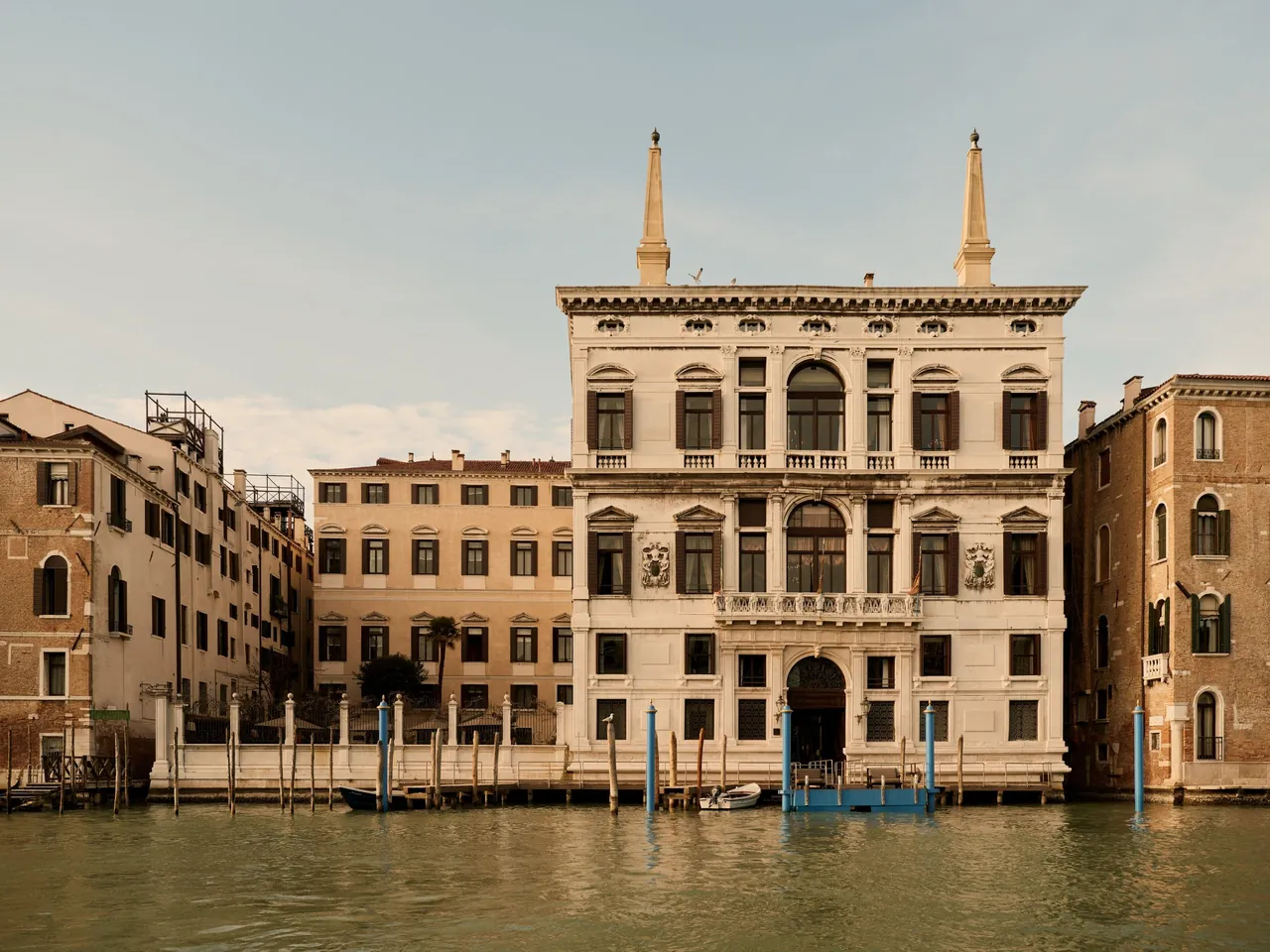
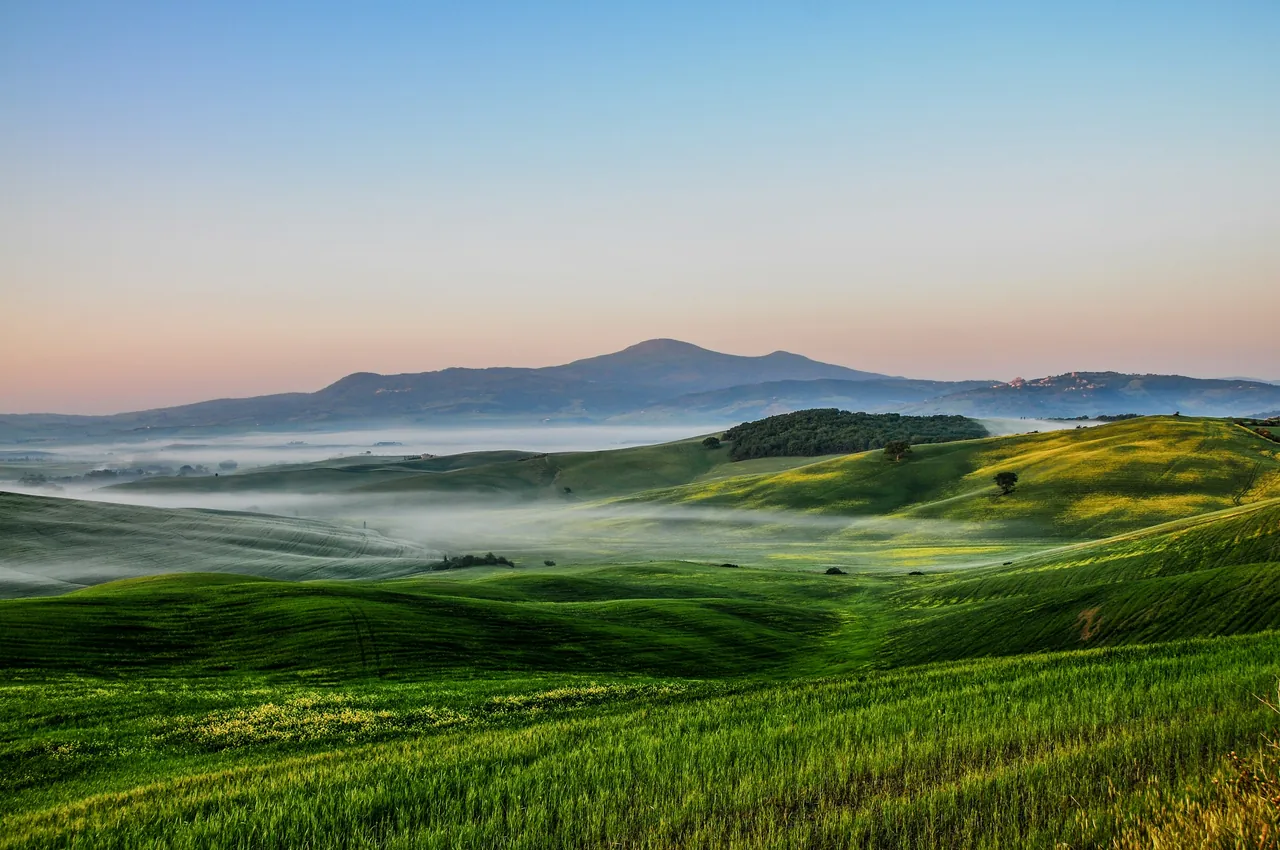
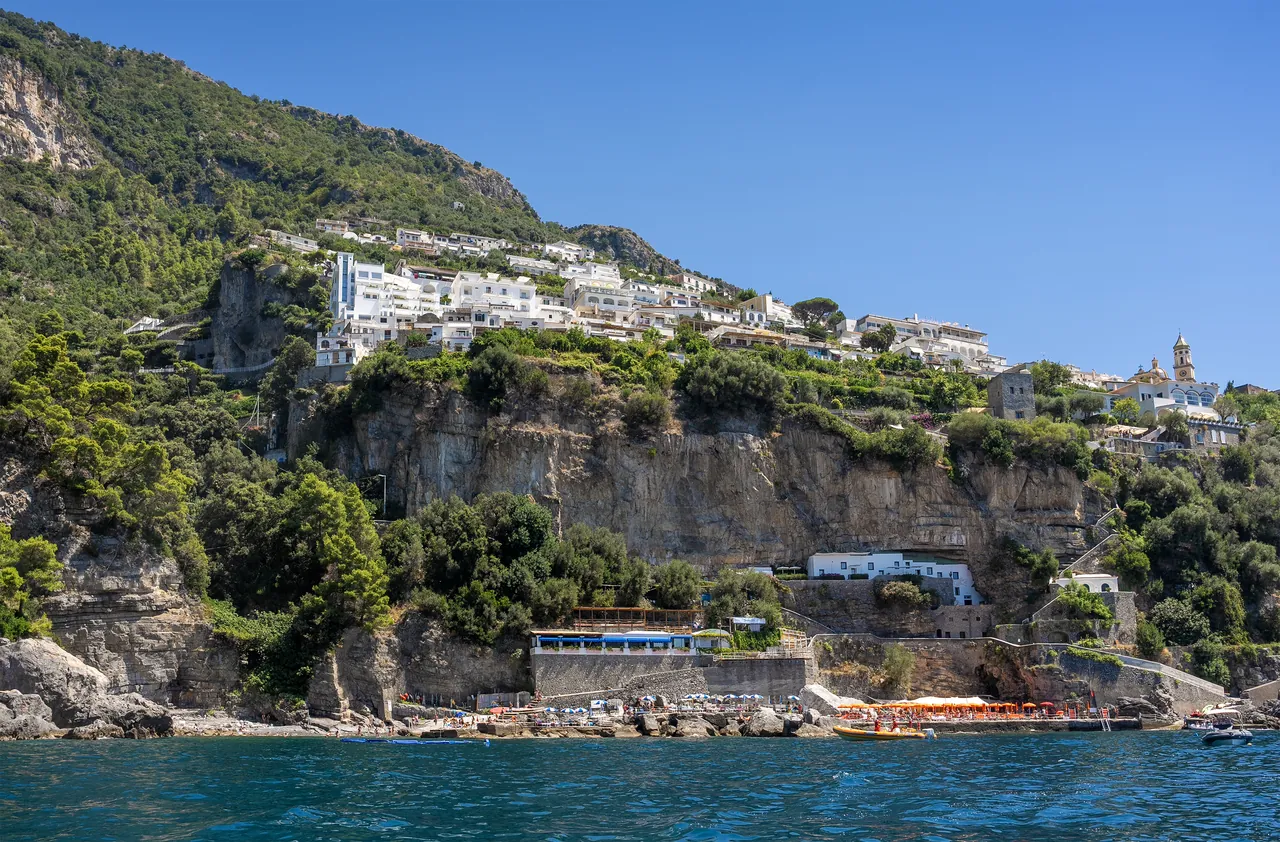
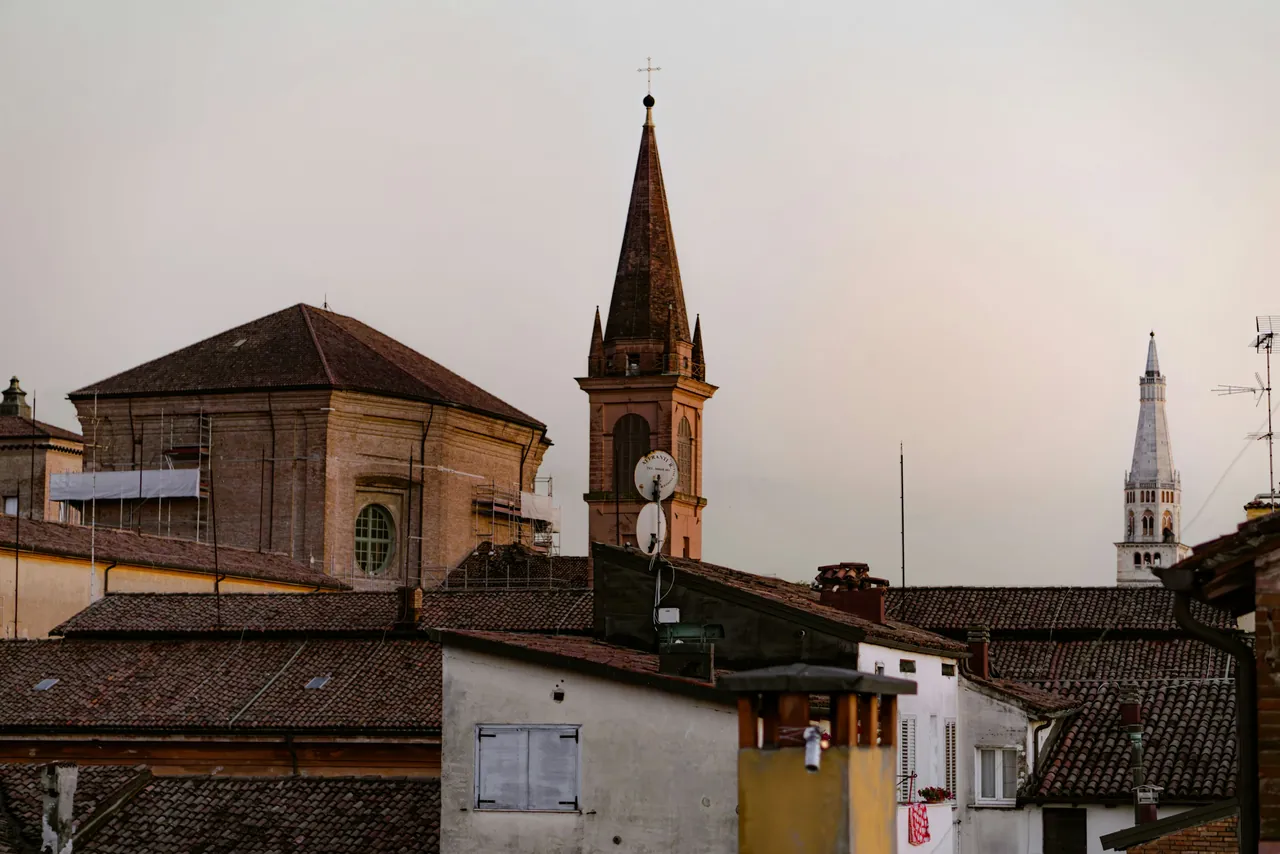
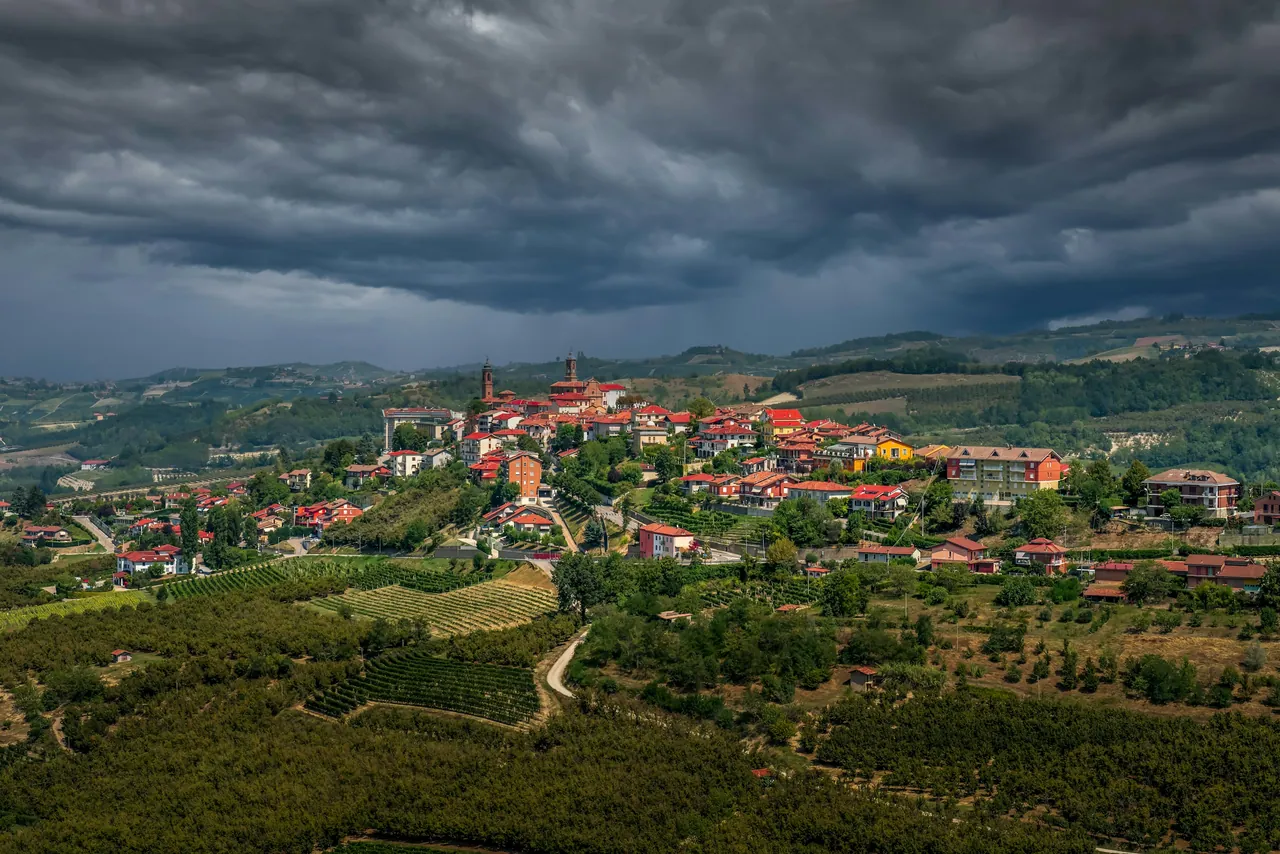
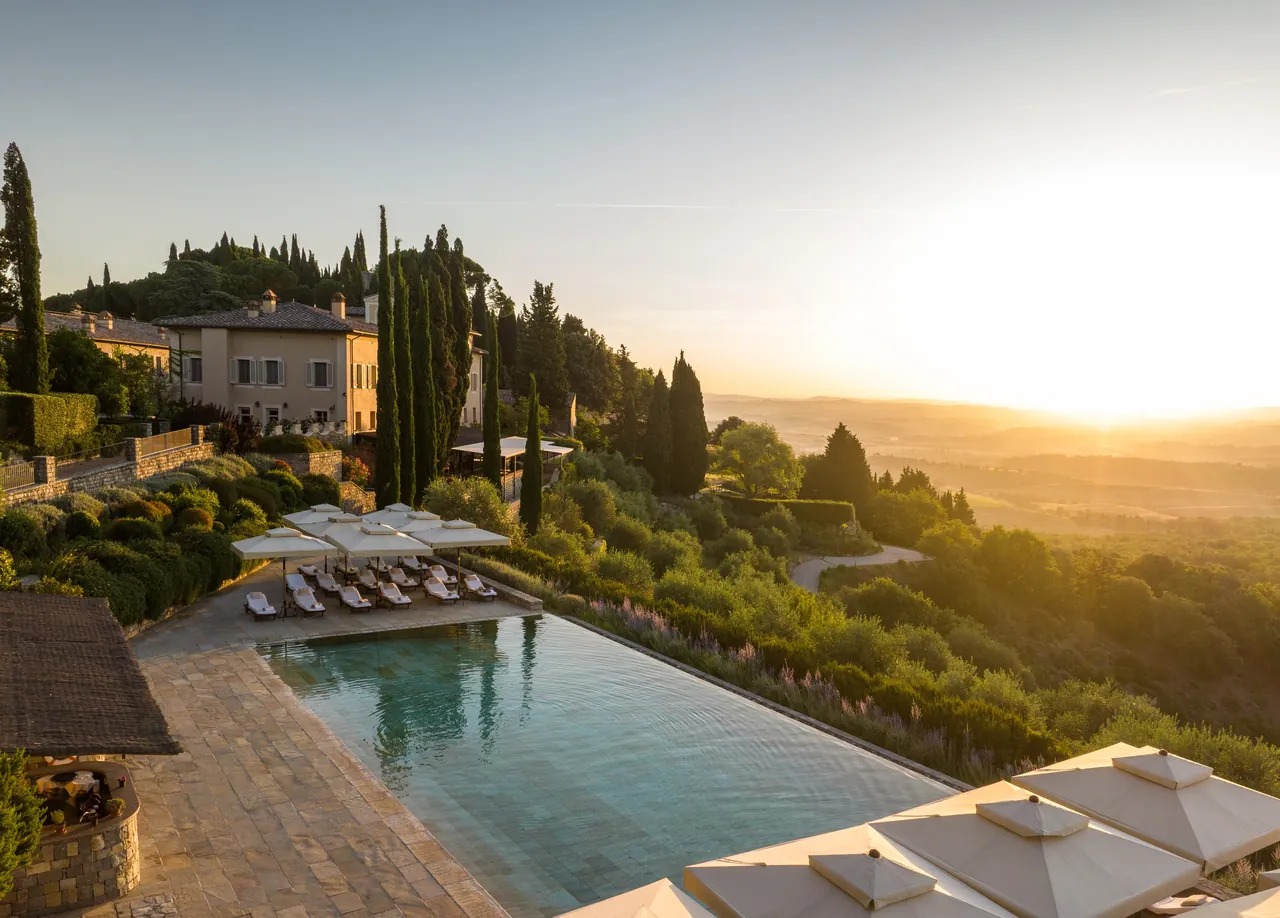
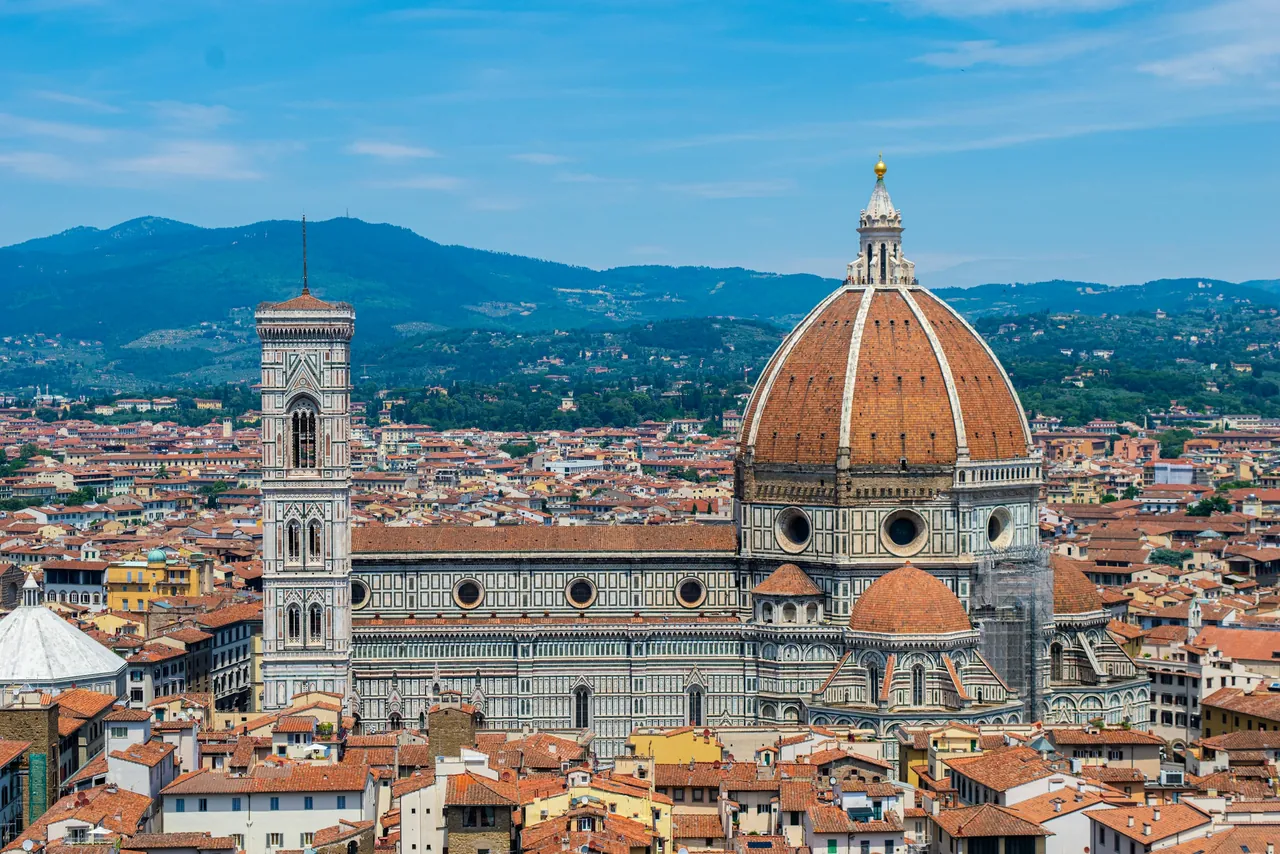
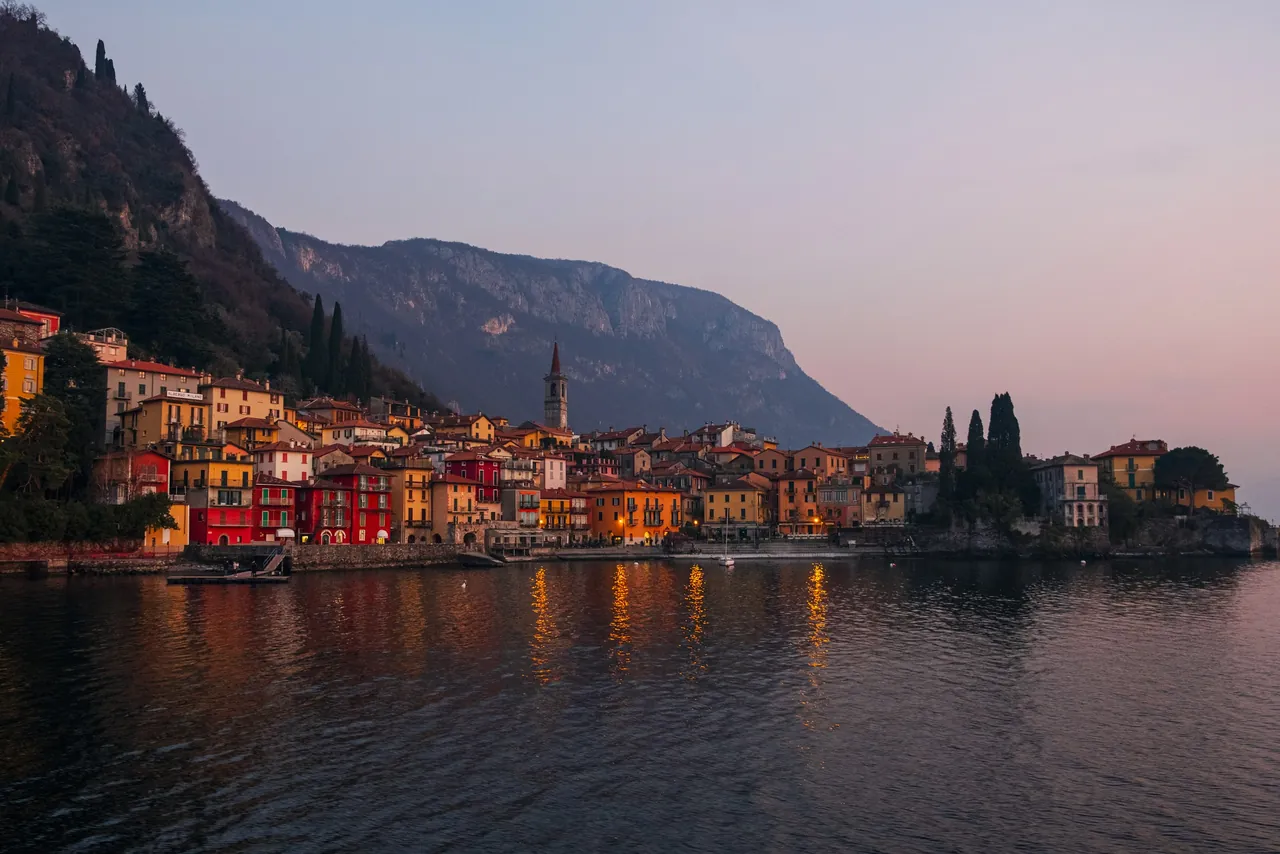
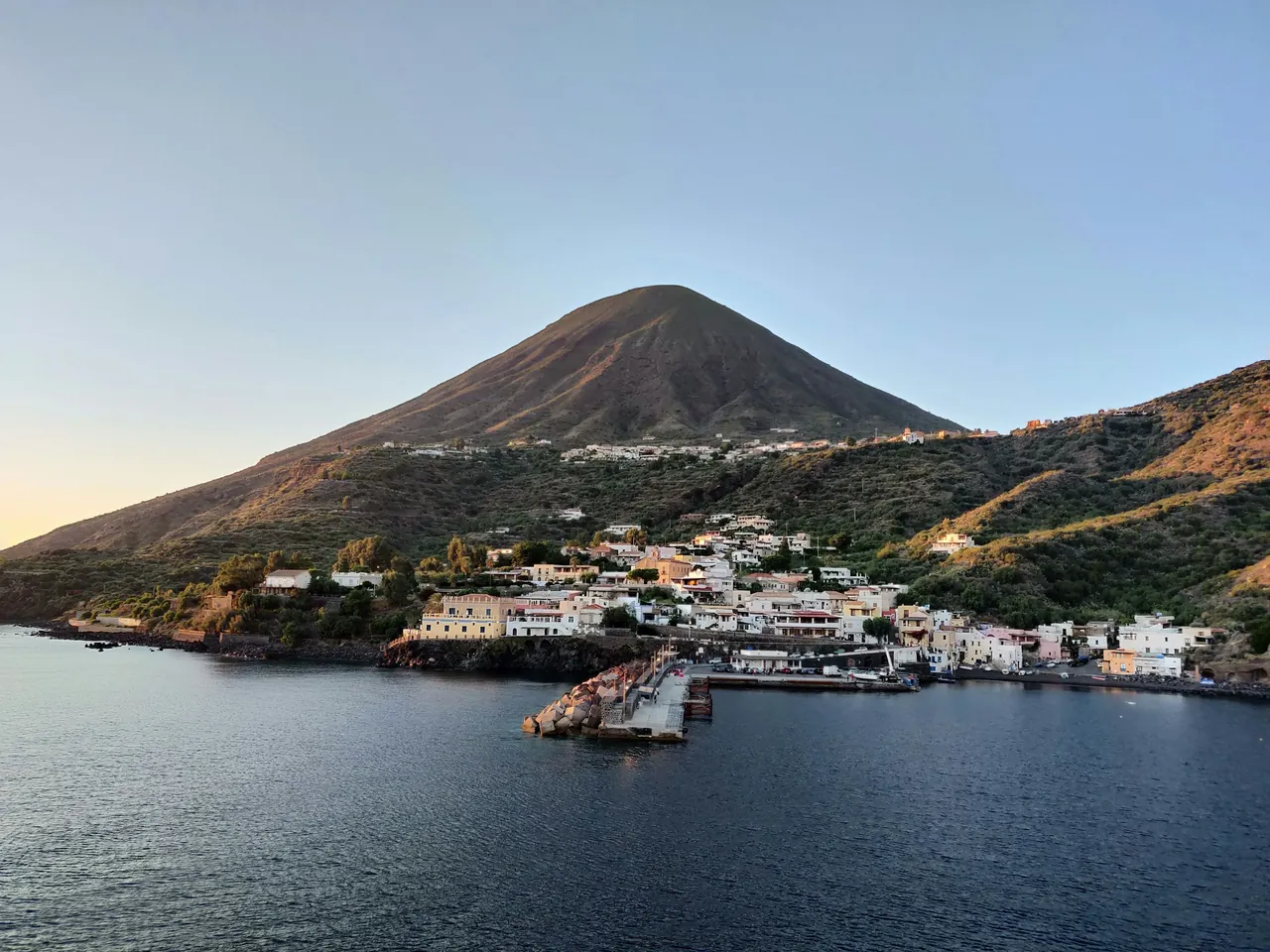
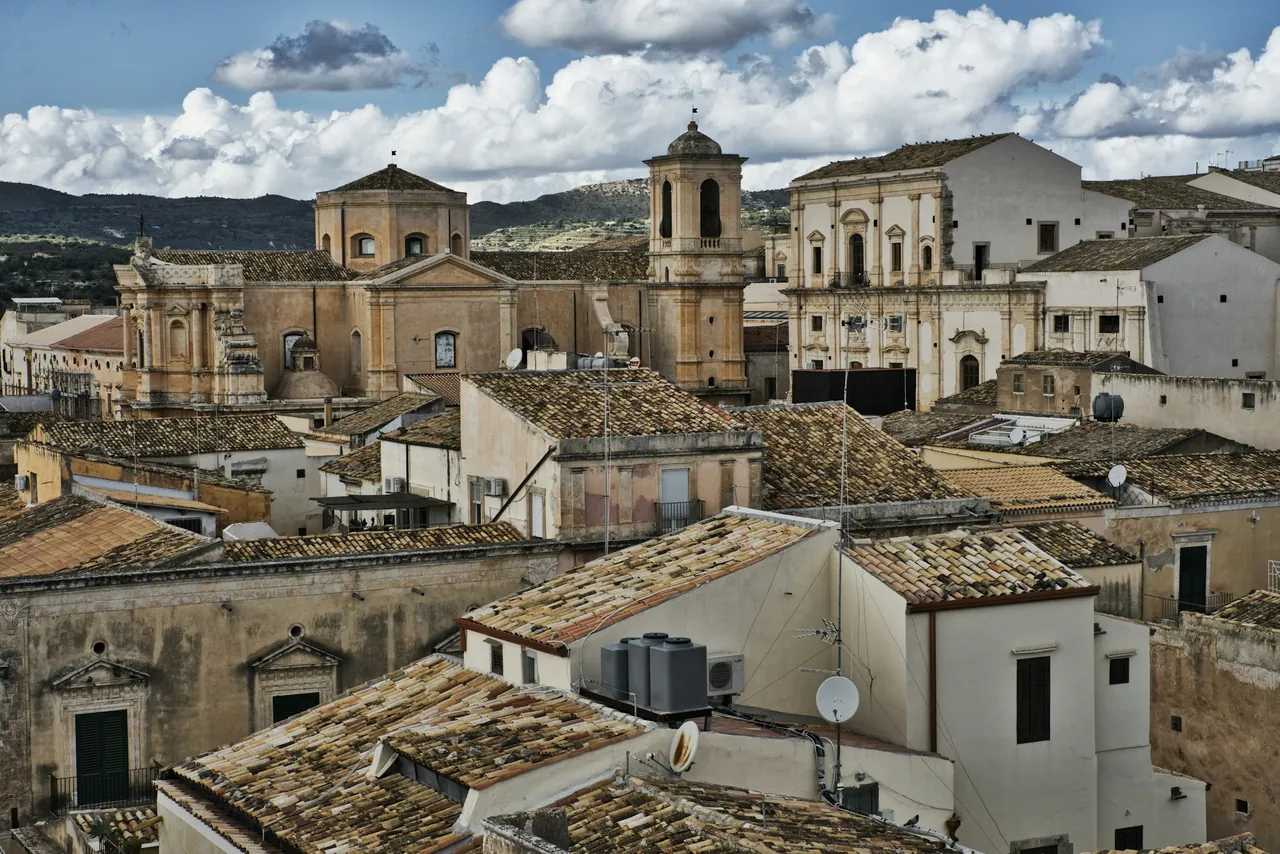
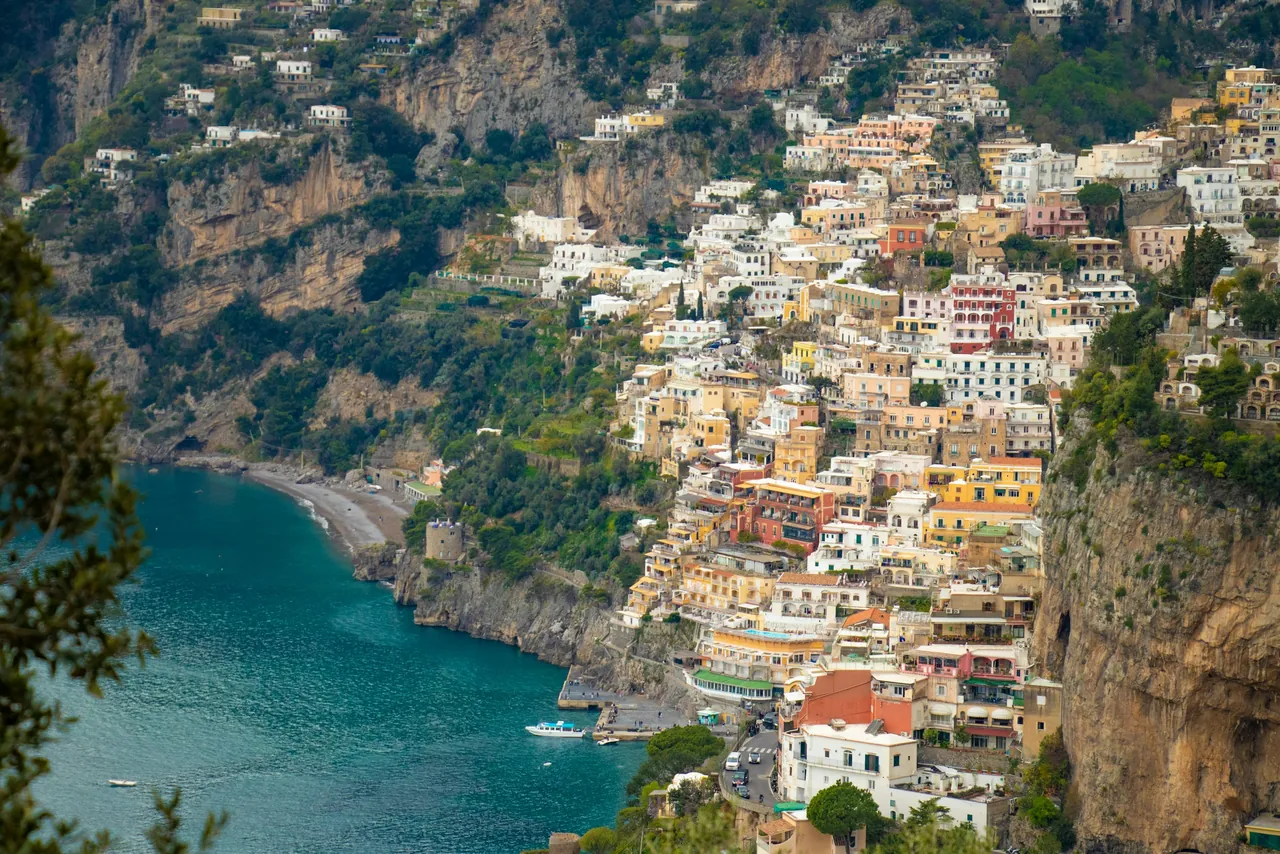
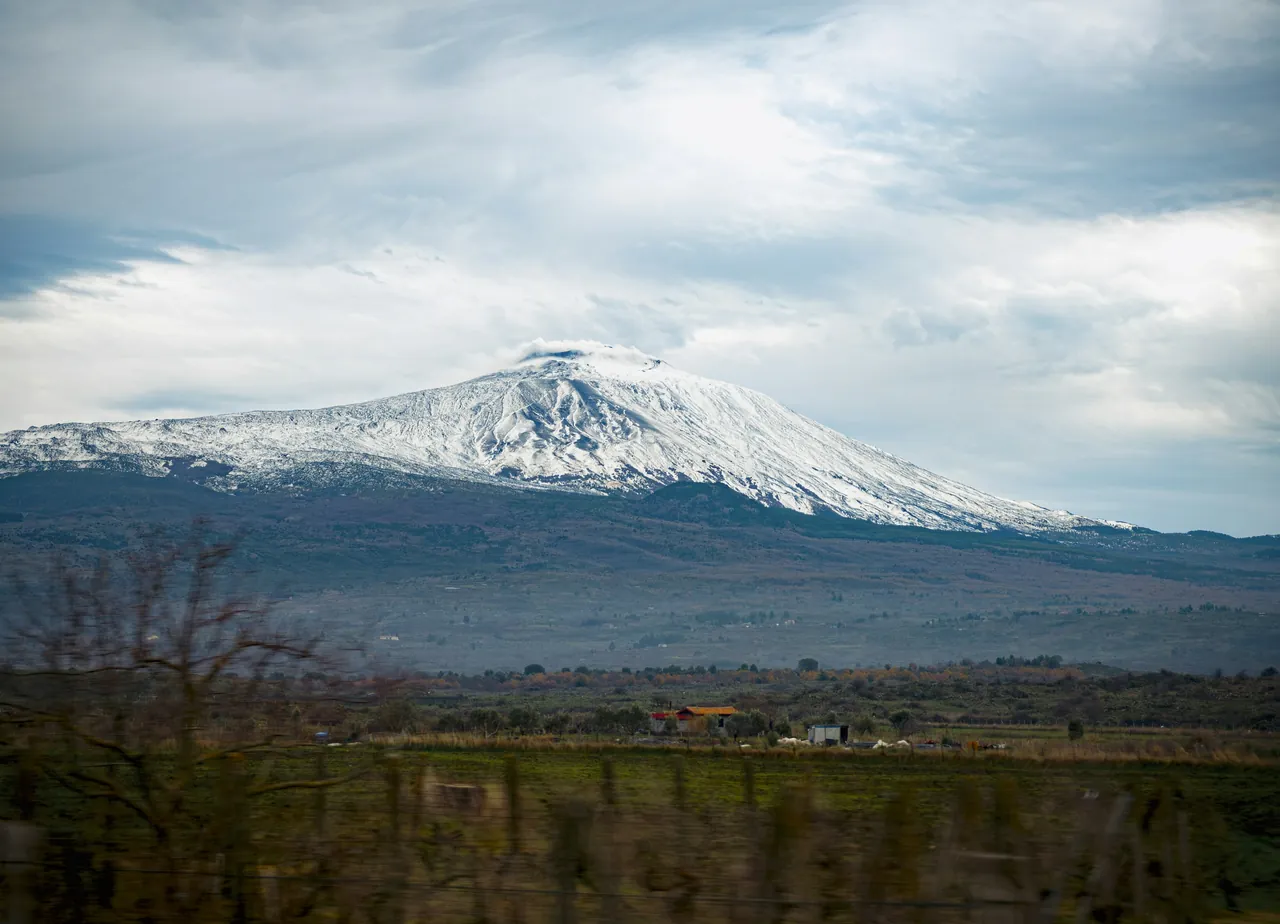
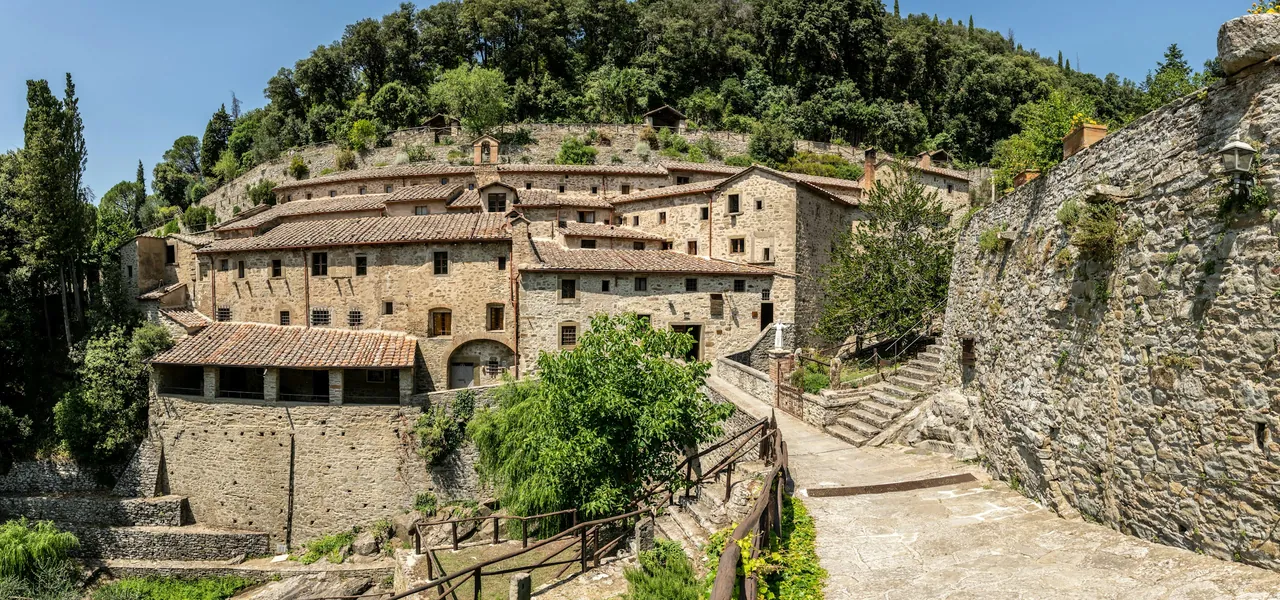
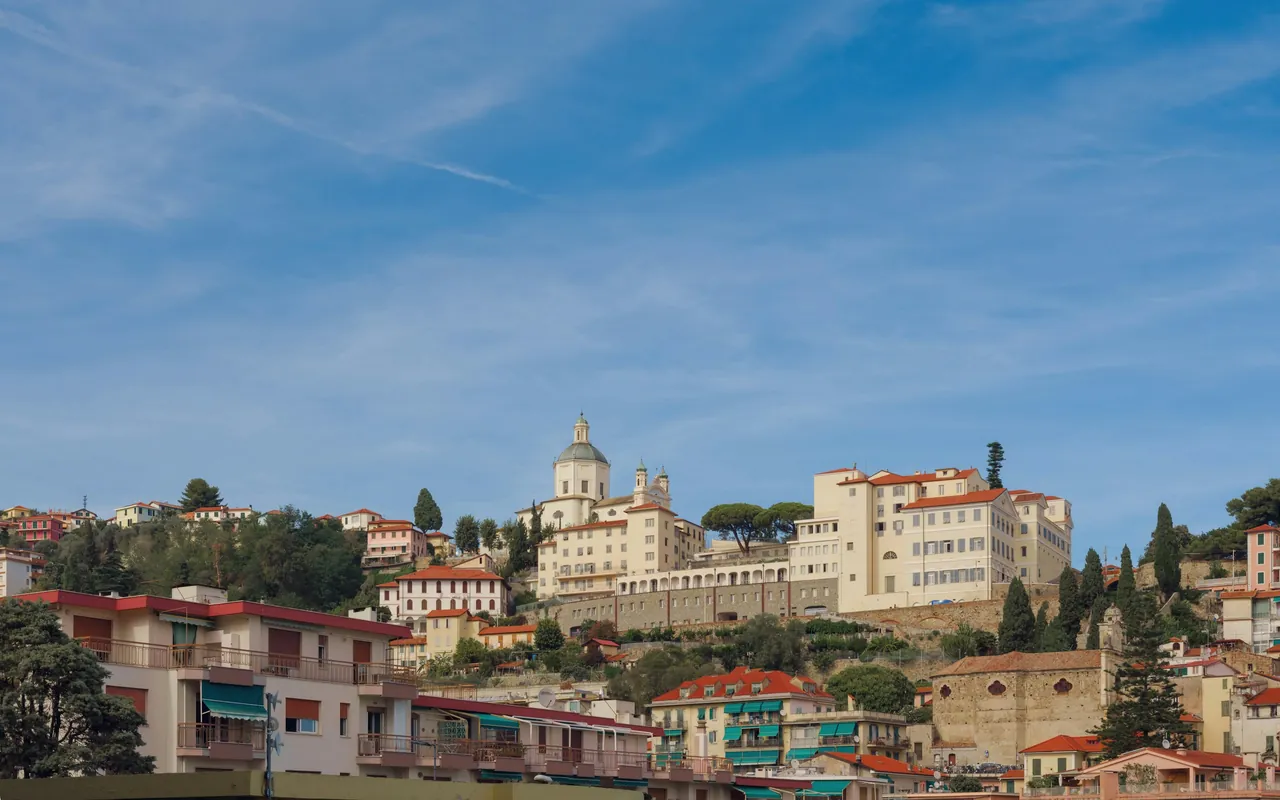
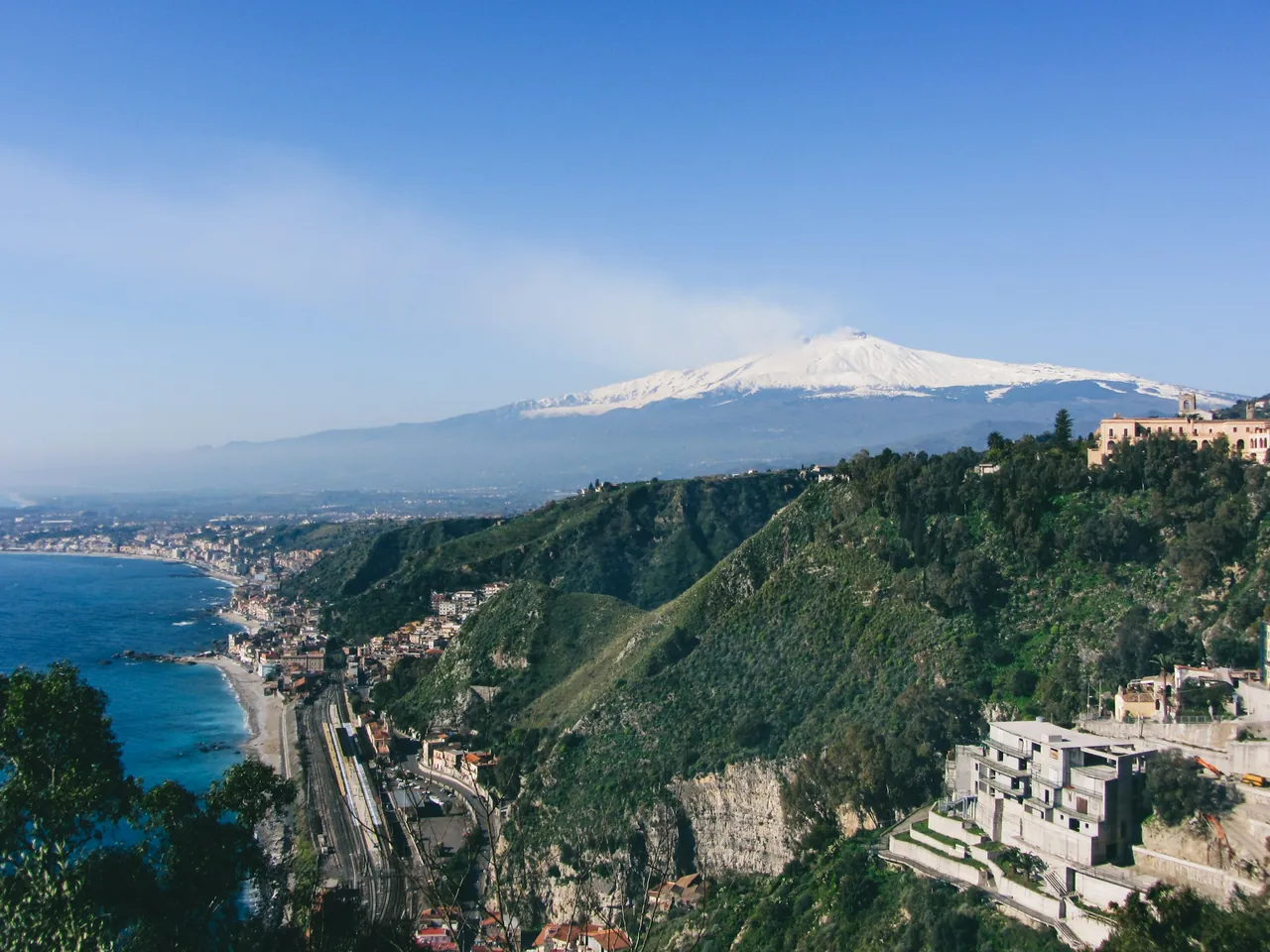
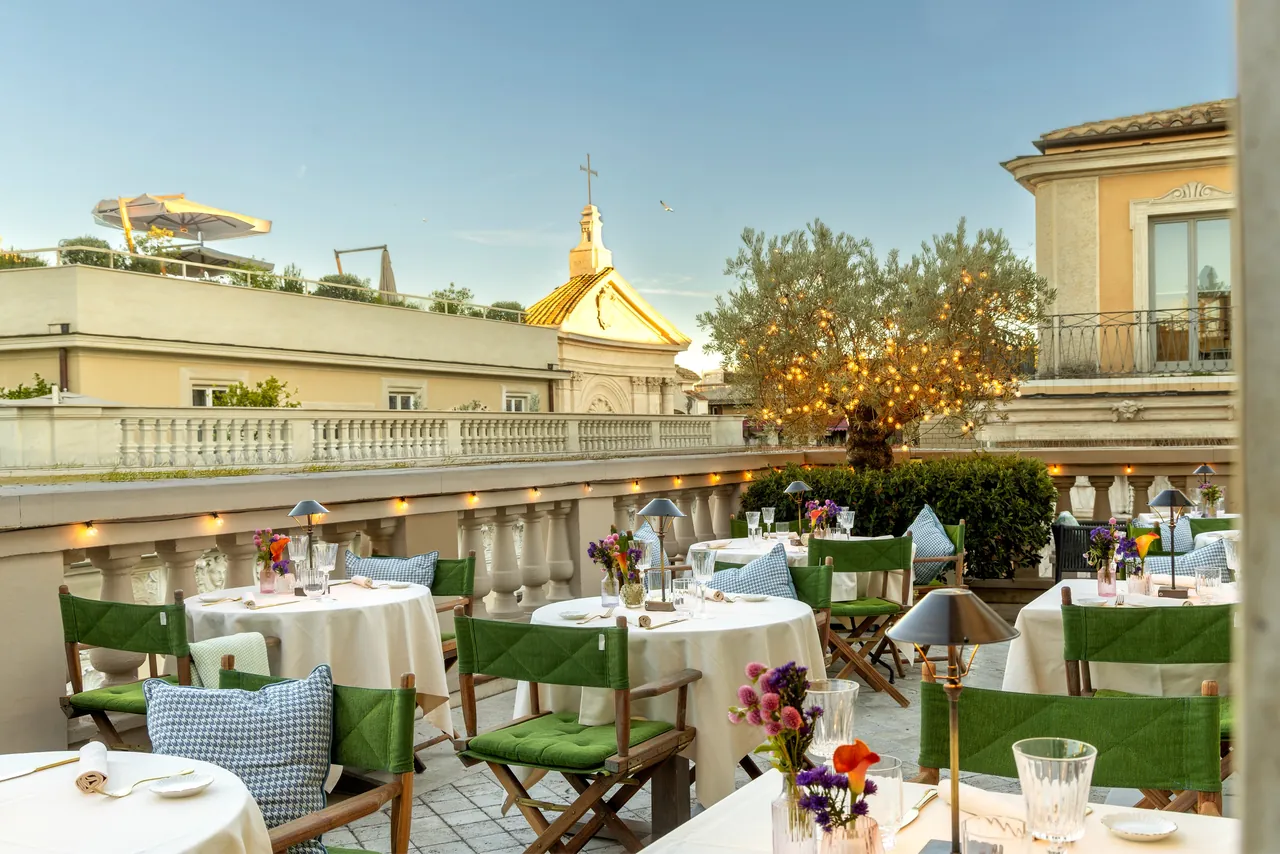
Italy's regions each have their own climate, landscape, food and even dialect. Rome, Florence and Venice anchor the classic route, but the country opens up beyond them: the snowy peaks of the Aosta Valley, the wine hills and elegant cities of Piedmont, the lakes of Lombardy, the Amalfi Coast and Sorrento, and the islands of Sicily and Sardinia. Puglia is known for simple, seasonal cooking and a sunny, windy climate. Spring is a fine time on the northern lakes, summer suits the coast and mountains, and autumn brings foliage and harvest flavours.
Malta
Best time: Apr to Jun, Sep to Oct
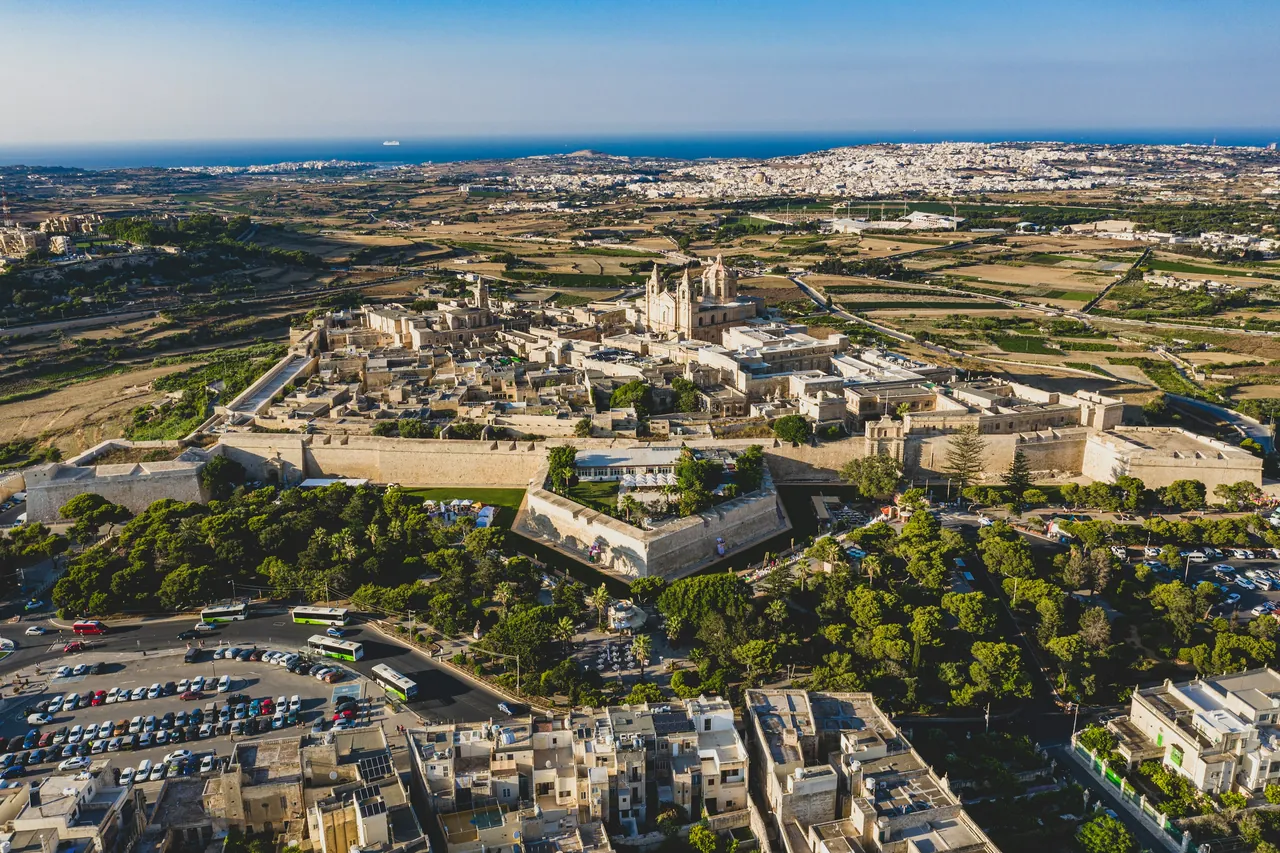
Malta is a small archipelago of three islands, Malta, Gozo and Comino, with more than 7,000 years of history. Some of the oldest free-standing temples in the world stand here, alongside fortifications and cities built by the Order of St John. Valletta is the fortified capital and Mdina the old one. Gozo, 20 minutes across the water, is greener and slower, with its own Citadel, and Comino has the clear water of the Blue Lagoon. There are more than 120 dive sites. Summers are hot and sunny, and the sea stays warm enough to swim until late October.
Monaco
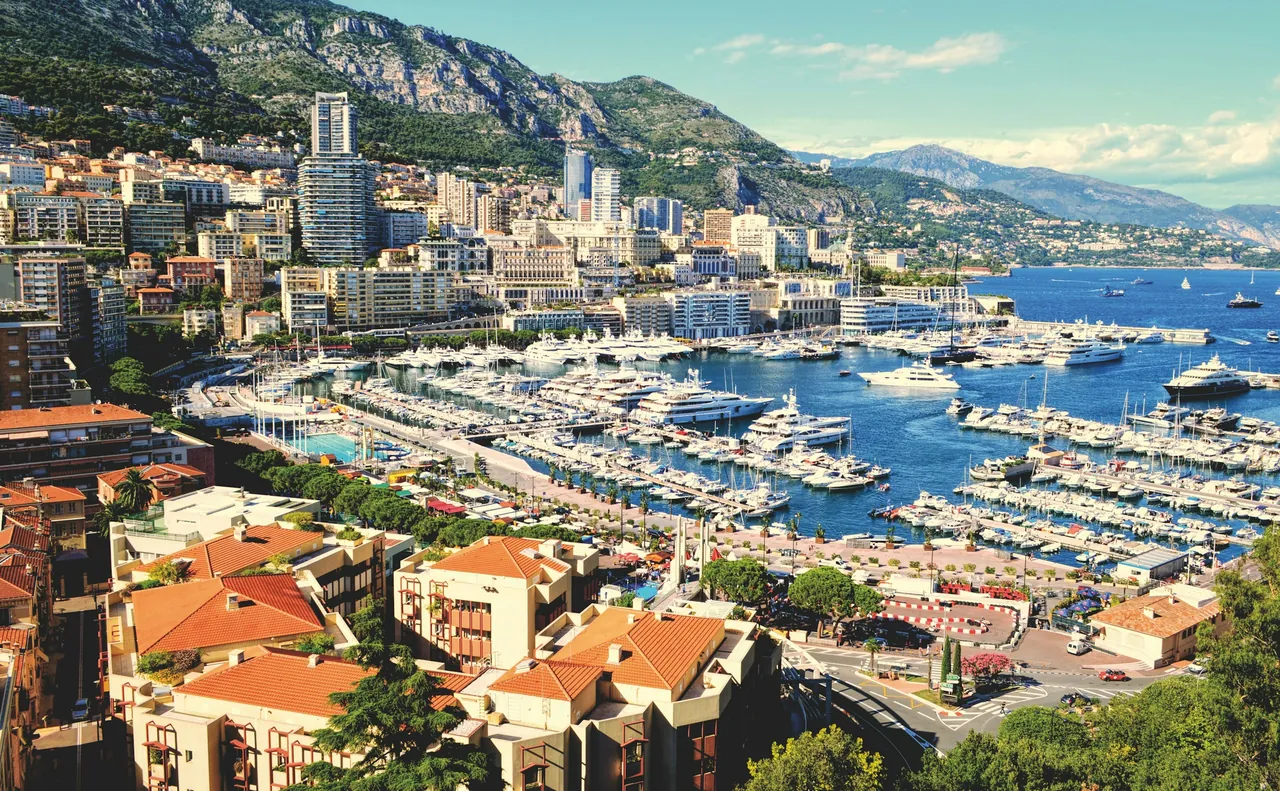
Best time: Apr to Jun, Sep to Oct
Monaco is a principality of a few distinct neighbourhoods, each with a clear character. Monaco-Ville, on the Rock, is the historic and political heart, home to the Prince's Palace, where the guard changes daily at 11:55 a.m., the cathedral of the Grimaldi family and the Oceanographic Museum with its view over the Mediterranean. Monte-Carlo gathers around the Place du Casino, with the Belle Époque casino, the Opéra and part of the Grand Prix circuit. Gardens, cobbled lanes and Fontvieille complete a visit that pairs naturally with the Riviera.
Montenegro
Best time: May to Jun, Sep to Oct
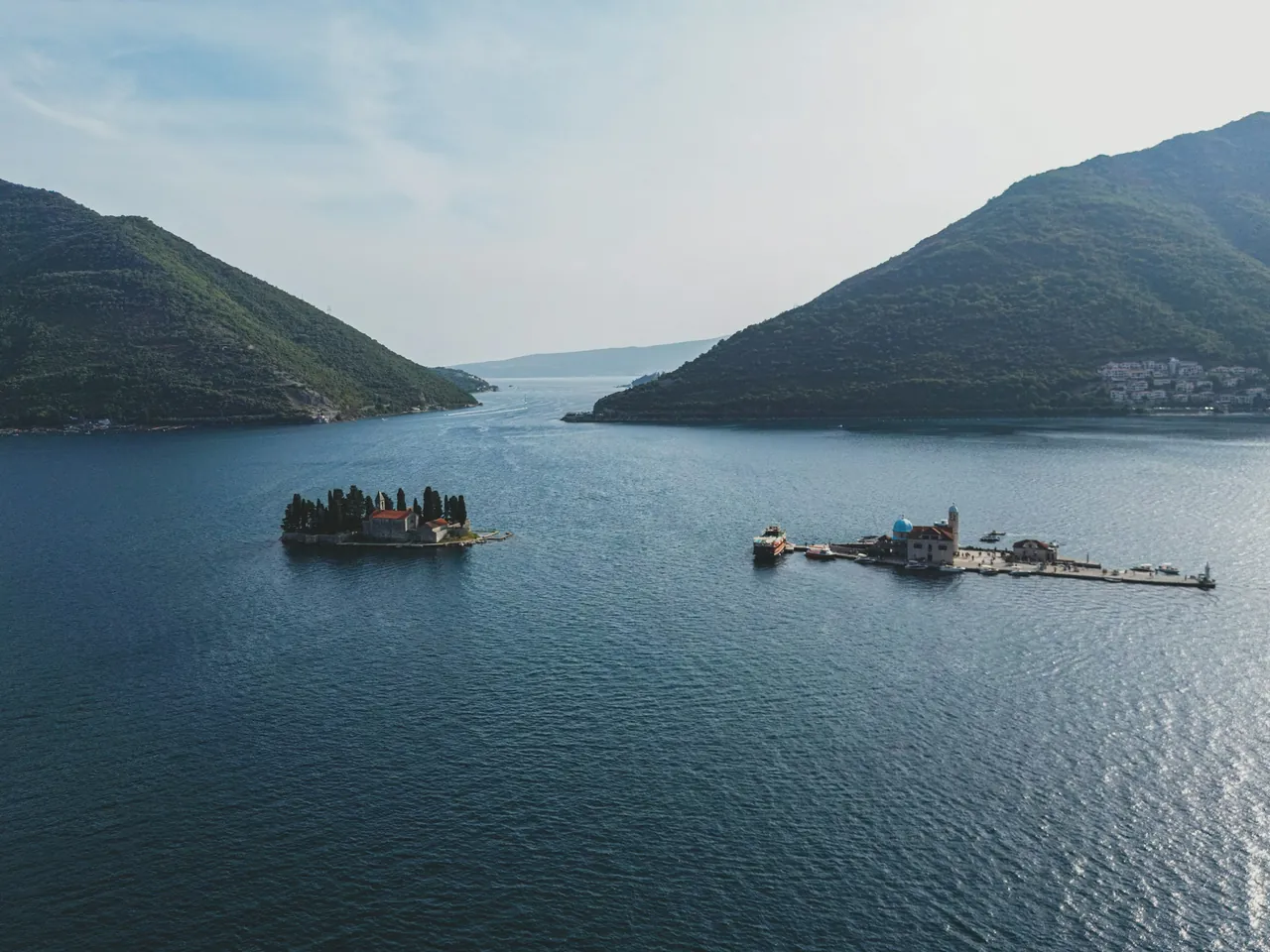
Montenegro is small enough to cross in an afternoon, yet you can wake on a mountain, take a boat on a lake at noon and watch the sun set over the Adriatic. The Bay of Kotor holds Kotor, Perast and Tivat, towns marked by Roman, Venetian and Byzantine rule, and Budva and Sveti Stefan lie along the coast. Inland, Durmitor and the Prokletije range rise above 2,500 metres, and the Tara Canyon is rafted and kayaked. In 1991 the country declared itself the world's first ecological state. Summer is for the sea; winter brings mountain sports.
Netherlands
Best time: Apr to May for tulips; Jun to Sep
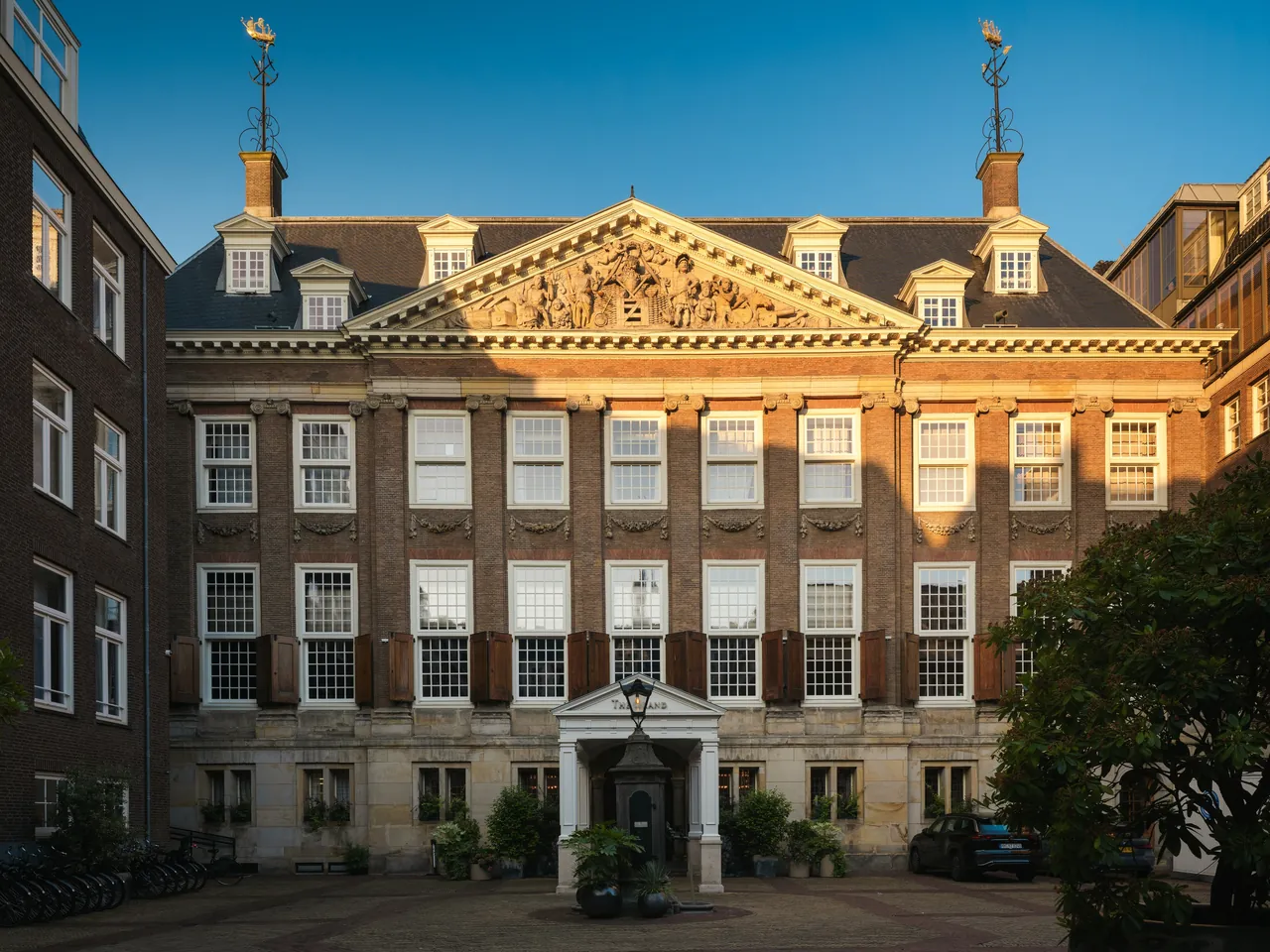
The Netherlands is compact and easy to cross by train, which makes it ideal for linking several cities in one journey. Amsterdam, Haarlem, Delft, Utrecht and The Hague hold an unusual density of museums, from the Dutch Masters to Vermeer. Outside the cities lie the bulb fields and Keukenhof in spring, the windmills of Kinderdijk, the heath and forest of De Hoge Veluwe National Park, the Hanseatic towns, Zeeland and the Wadden islands. The climate is temperate, with gentle winters and cool summers, and rain is possible in any season.
Norway
Best time: May to Sep; Oct to Mar for northern lights
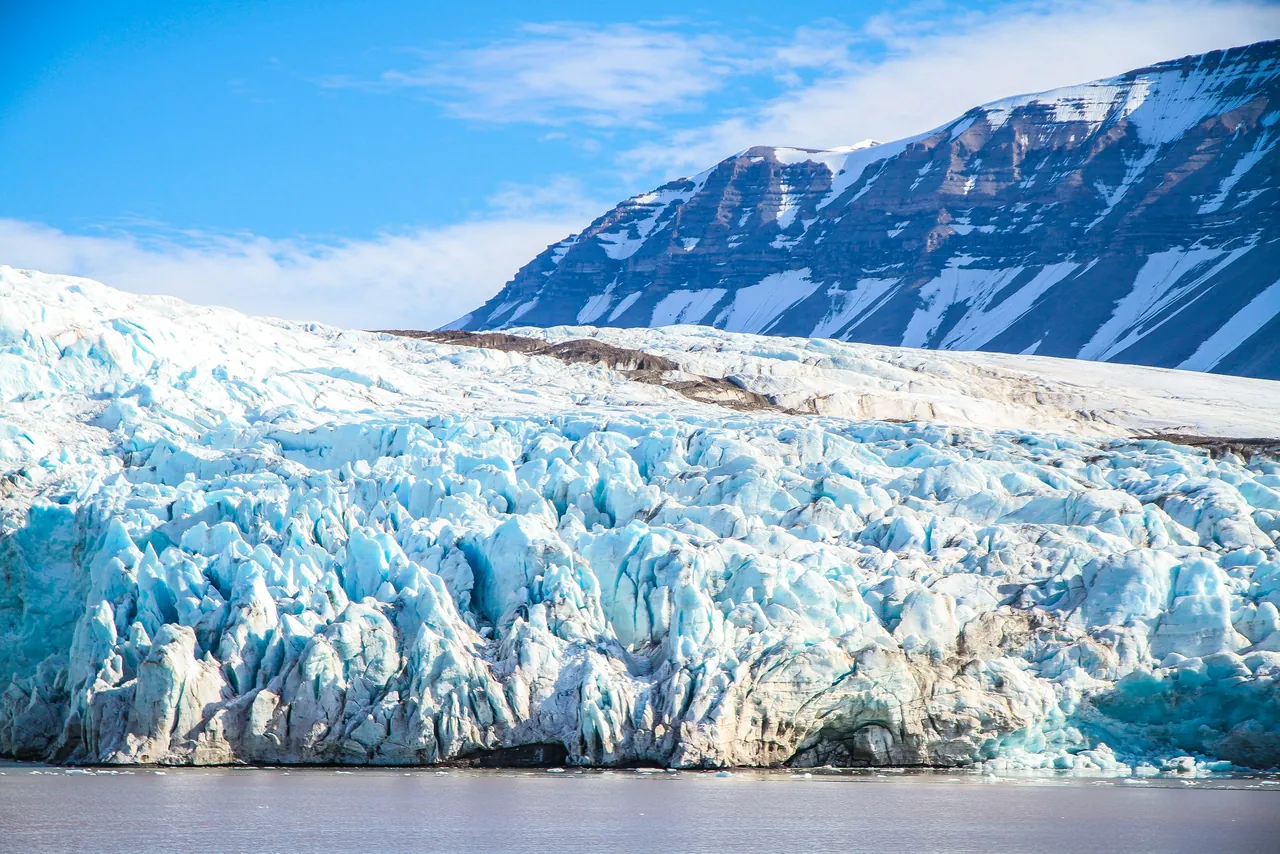
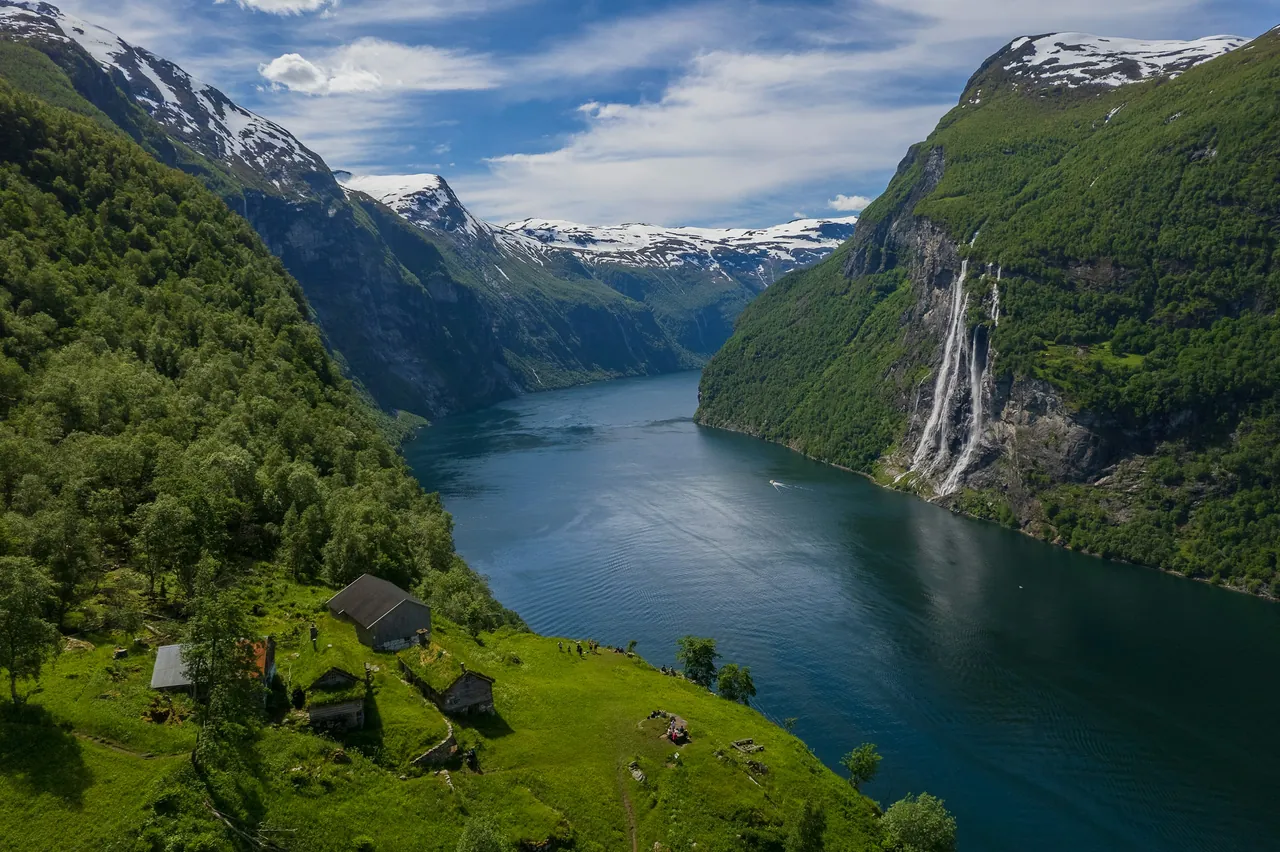
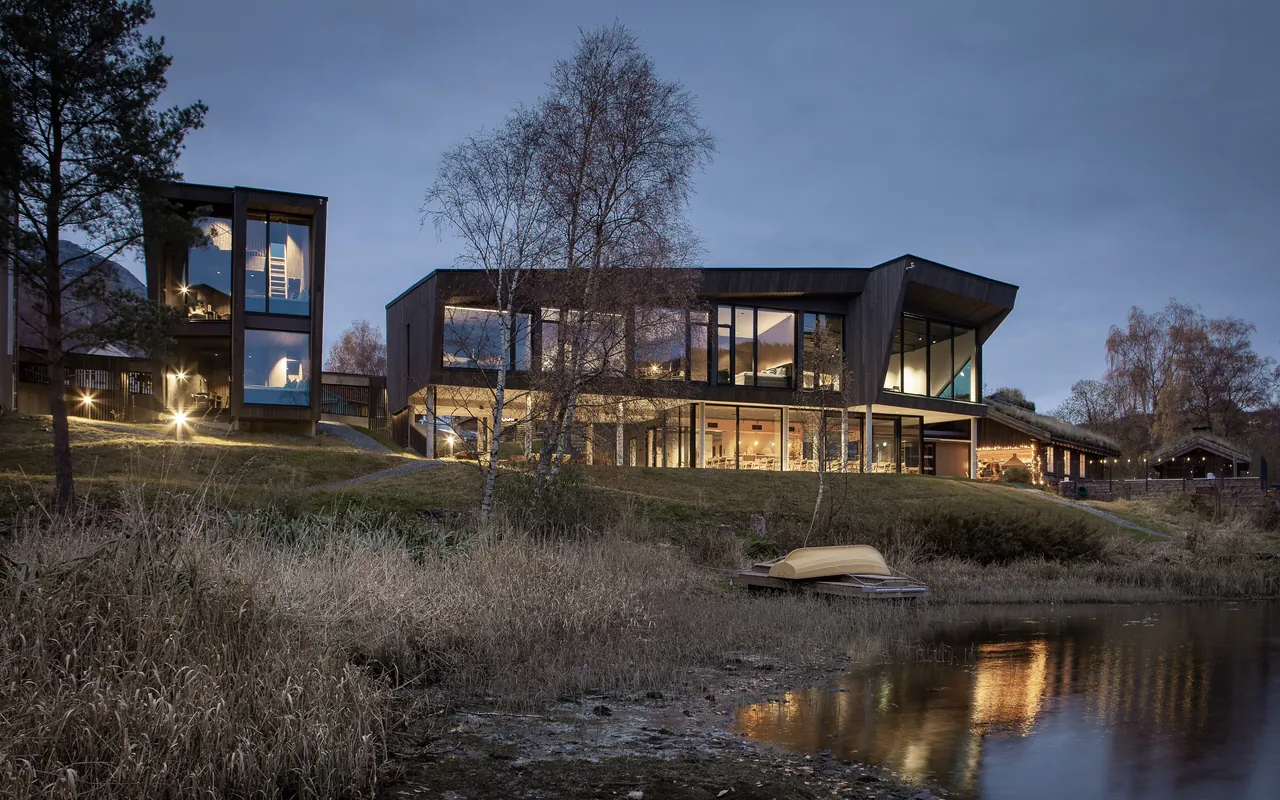
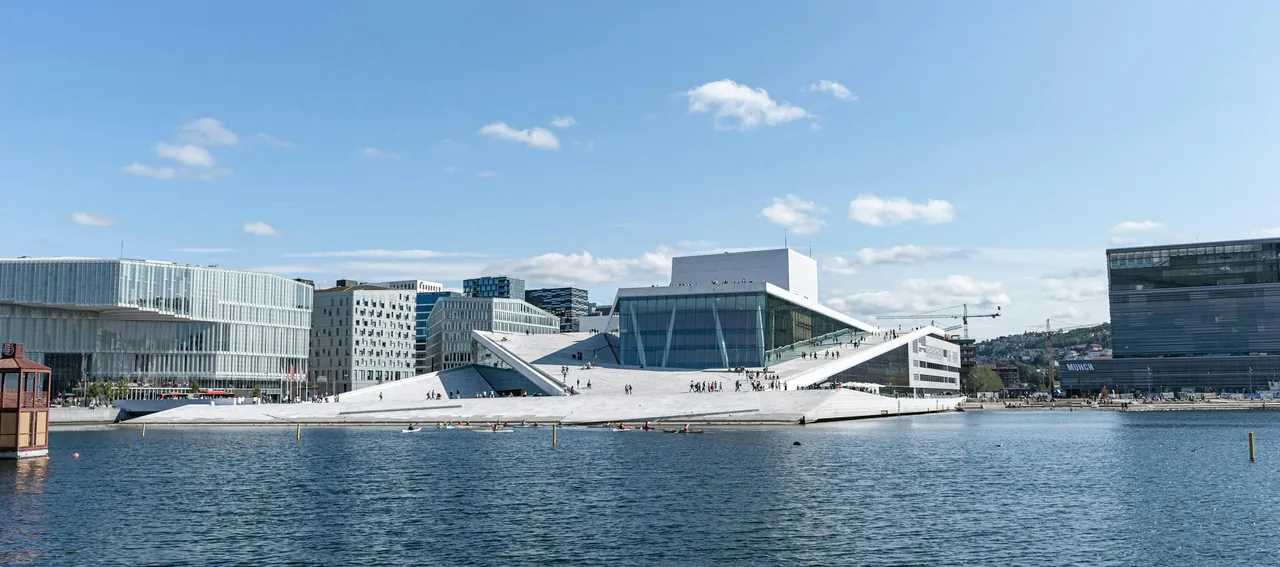
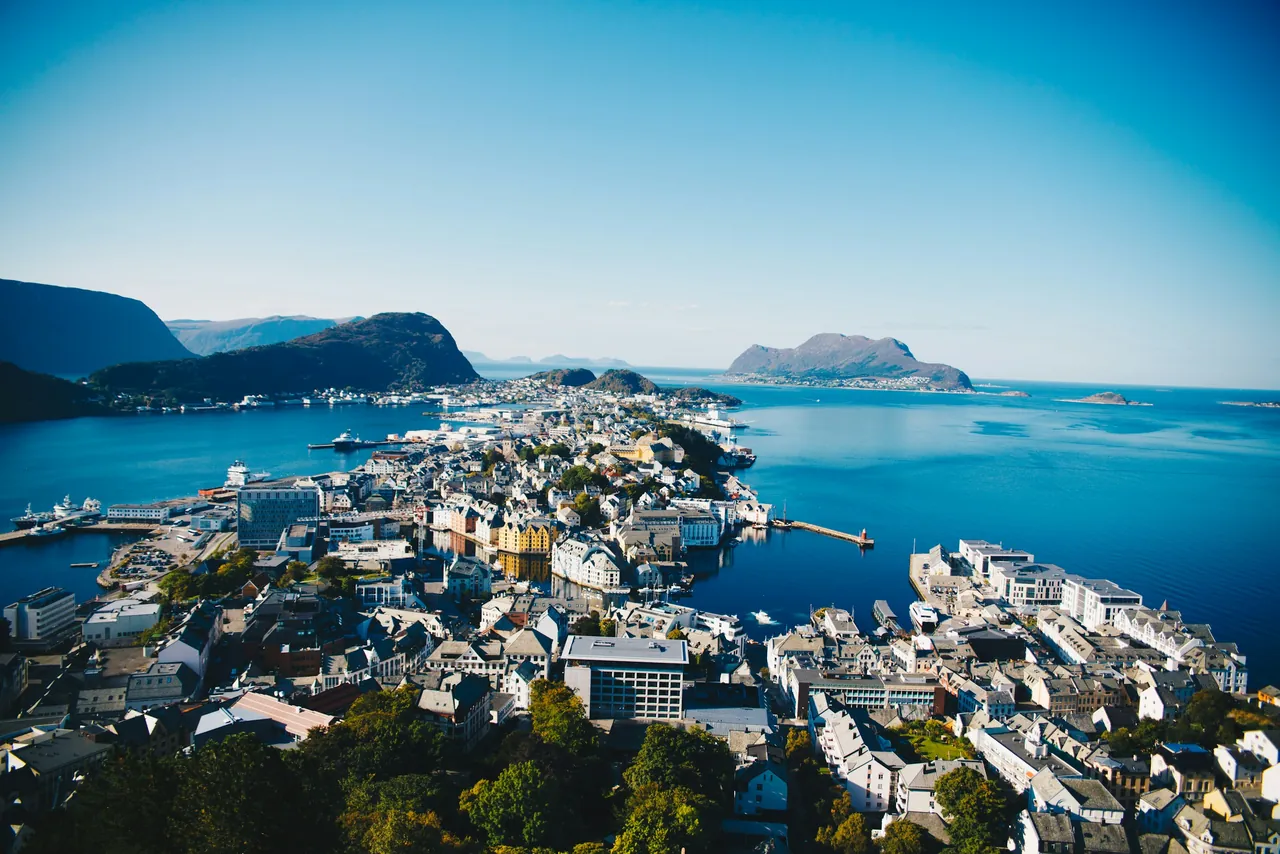
Norway runs from the fjords of the west to the Arctic north and Svalbard, and the Gulf Stream keeps it milder than other places at the same latitude. Fjord Norway, with the Geirangerfjord, the Sognefjord and the Nærøyfjord, is the classic journey, reached from Bergen, Ålesund or Stavanger. The north, with Tromsø, Bodø and the Lofoten Islands, brings the midnight sun from mid May to the end of July and the northern lights in winter. Oslo, the capital, lies in the east. Expect several kinds of weather in one day, especially along the coast.
Poland
Best time: May to Jun, Sep to Oct
Poland is larger and more varied than many expect. Warsaw's Old Town is listed by UNESCO, Gdańsk opens onto the Baltic, and the Castle of the Teutonic Order at Malbork carries the same UNESCO status. Nature is close at hand: the Great Masurian Lakes, the Białowieża Forest in the east, also on the UNESCO list, Baltic spa towns and the mountains of the south. The climate is moderated near the sea and warmer inland. Late spring and early autumn bring mild weather, fewer visitors and good walking.
Portugal
Best time: Apr to Jun, Sep to Oct
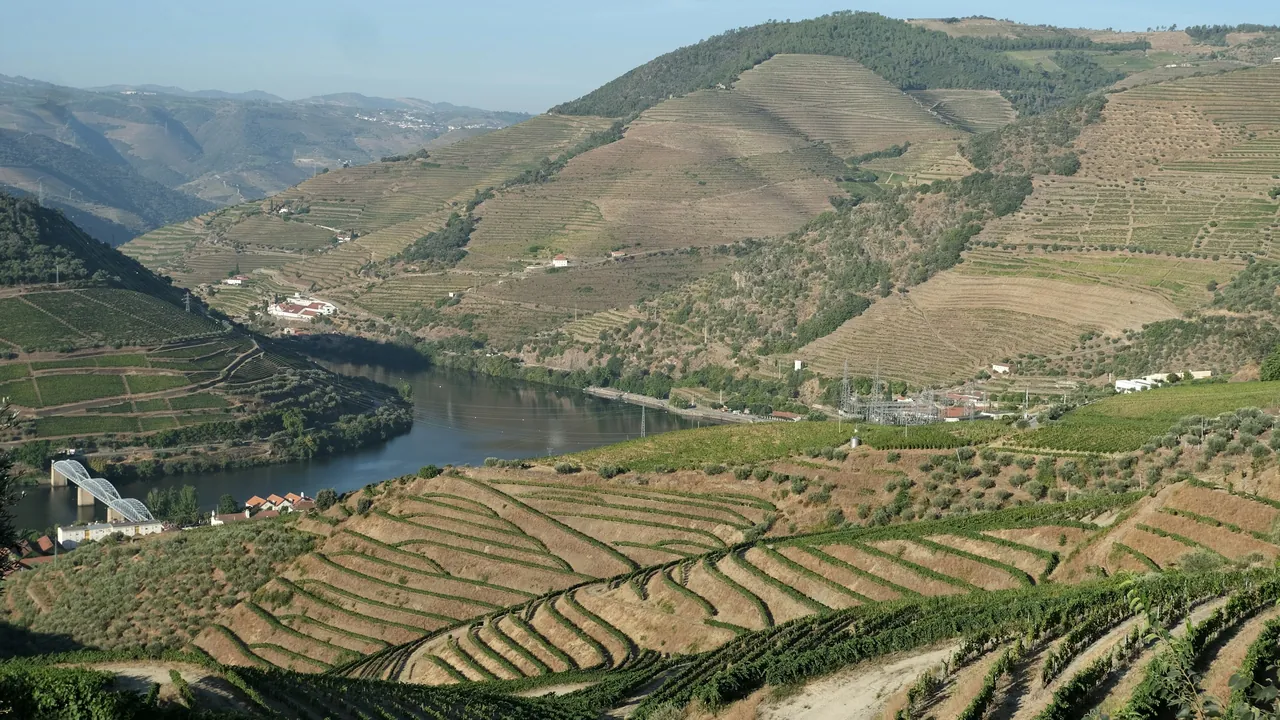
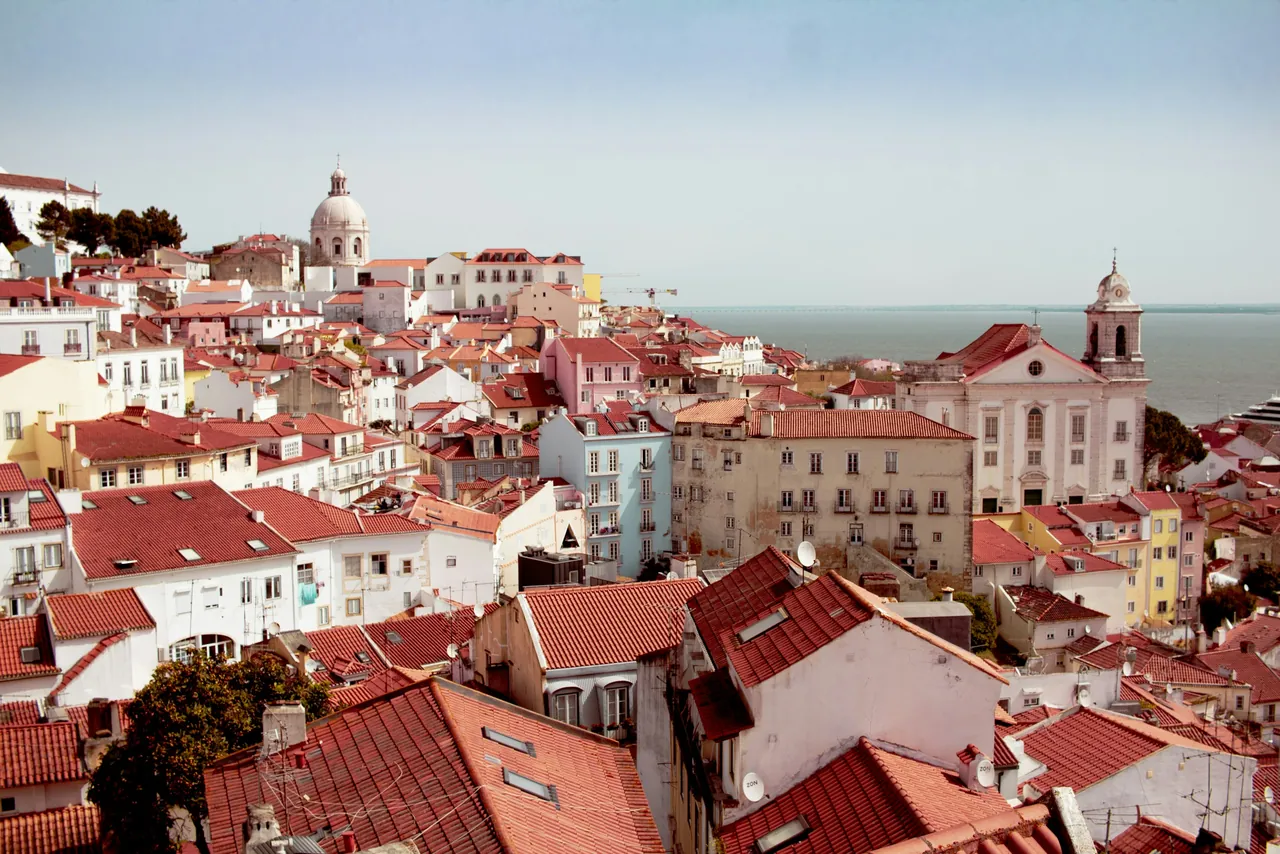
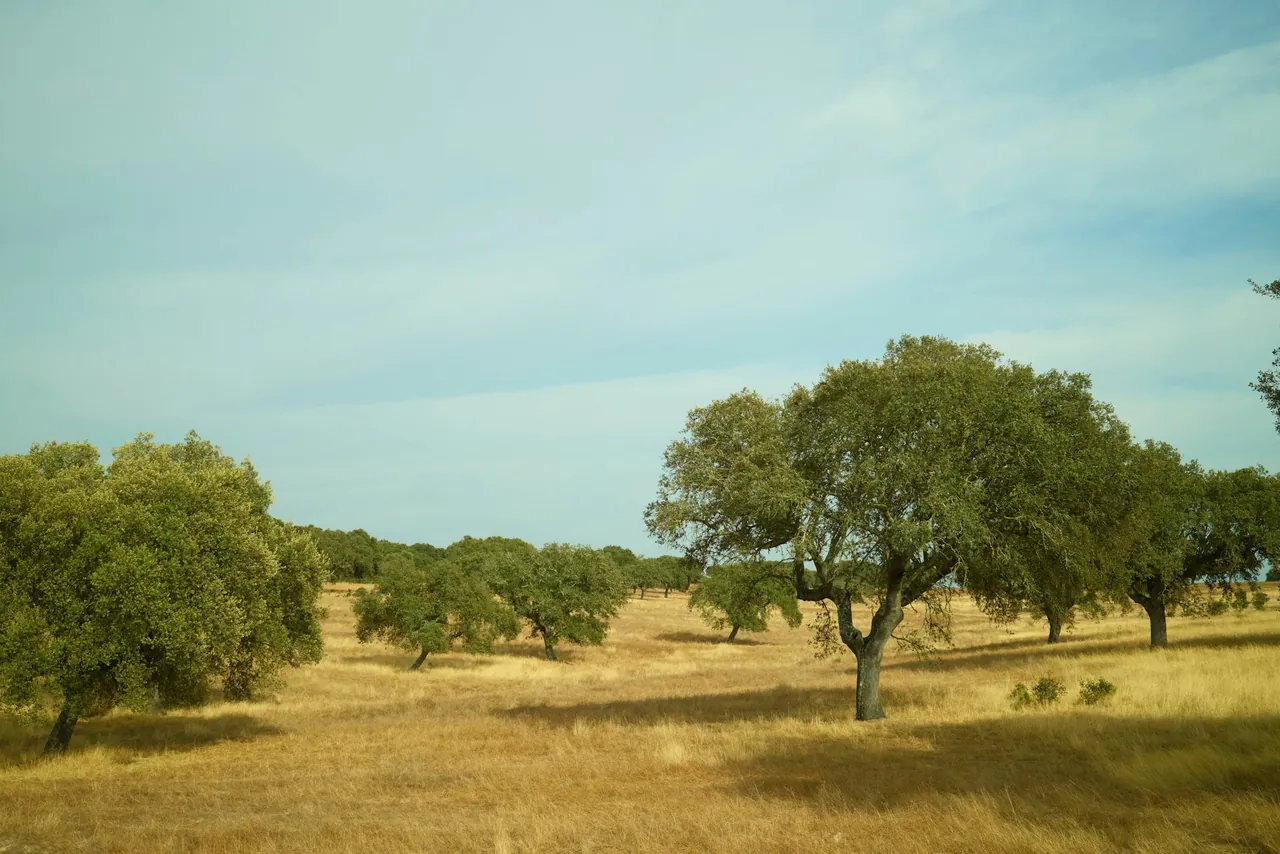
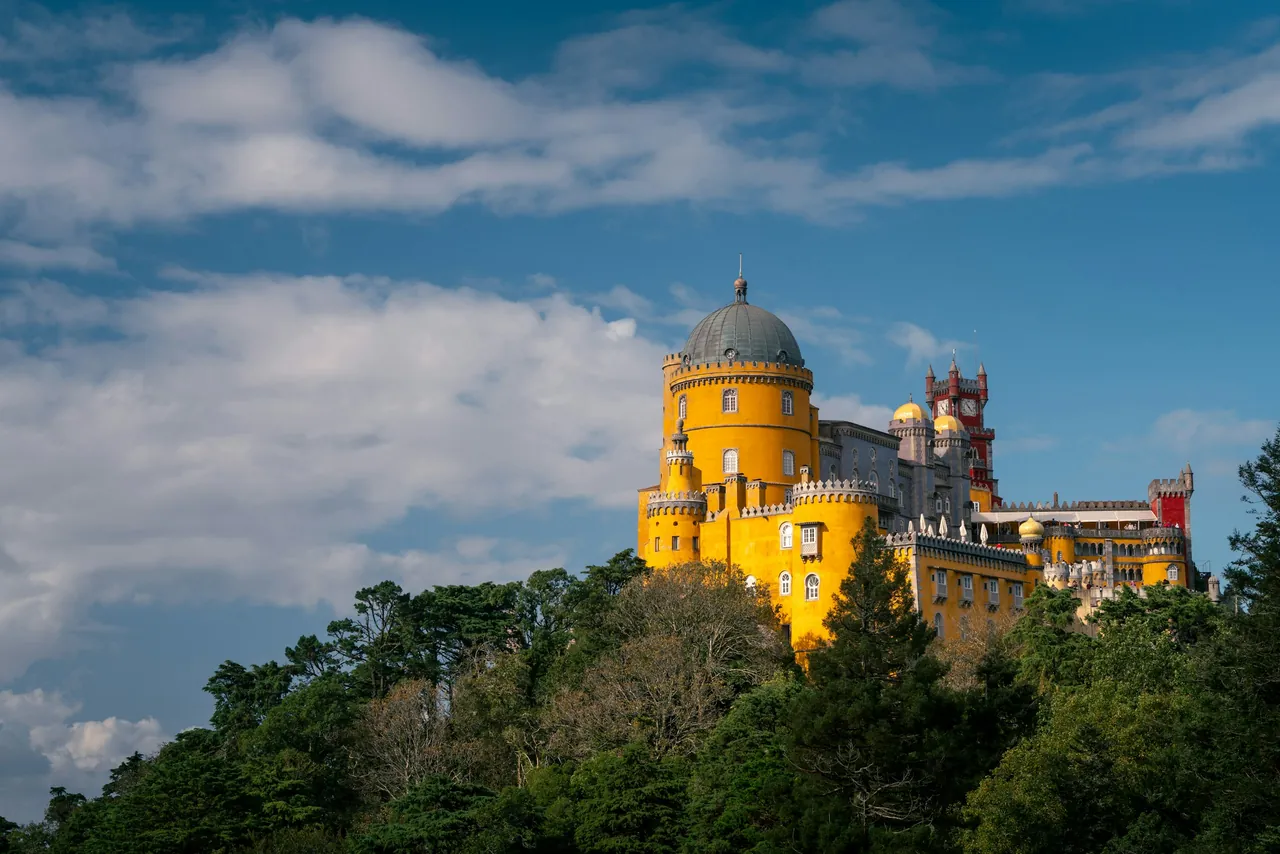
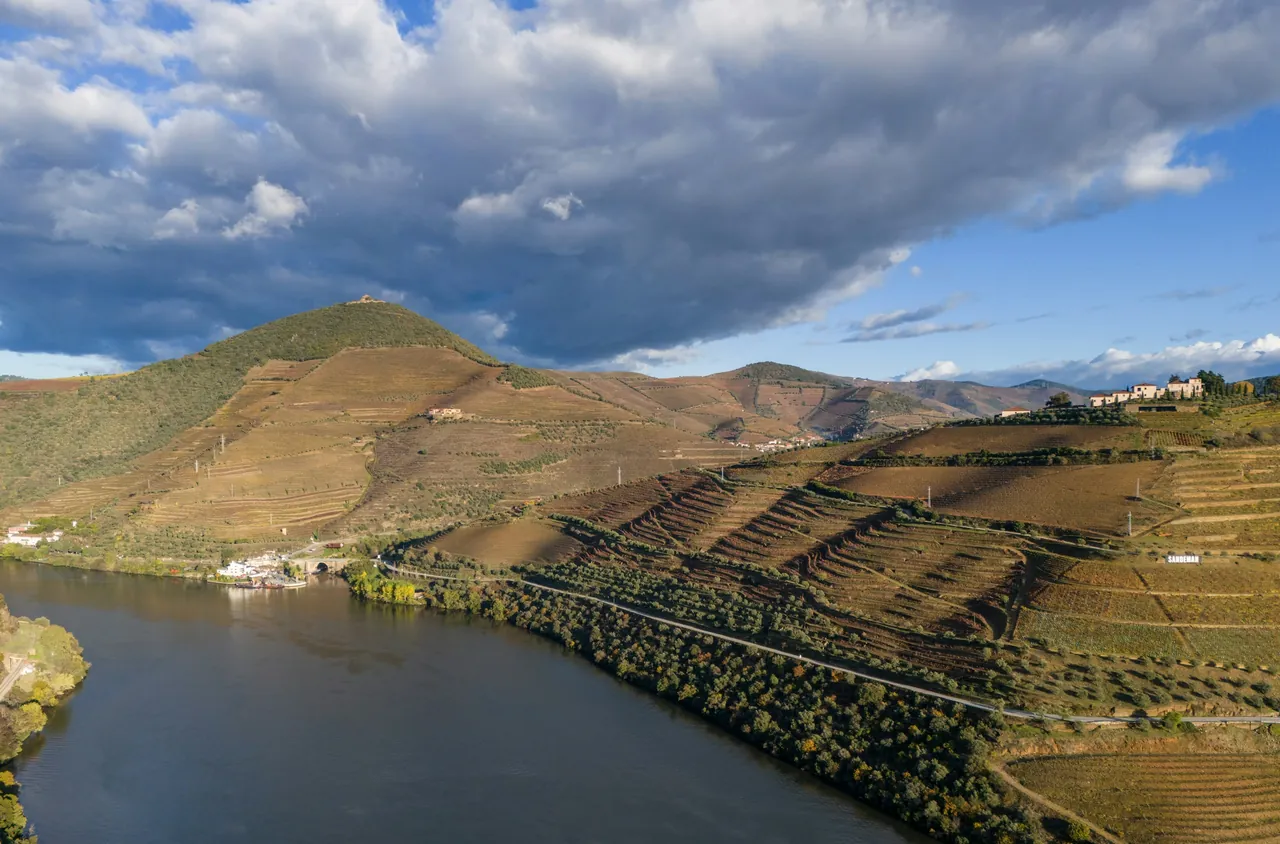
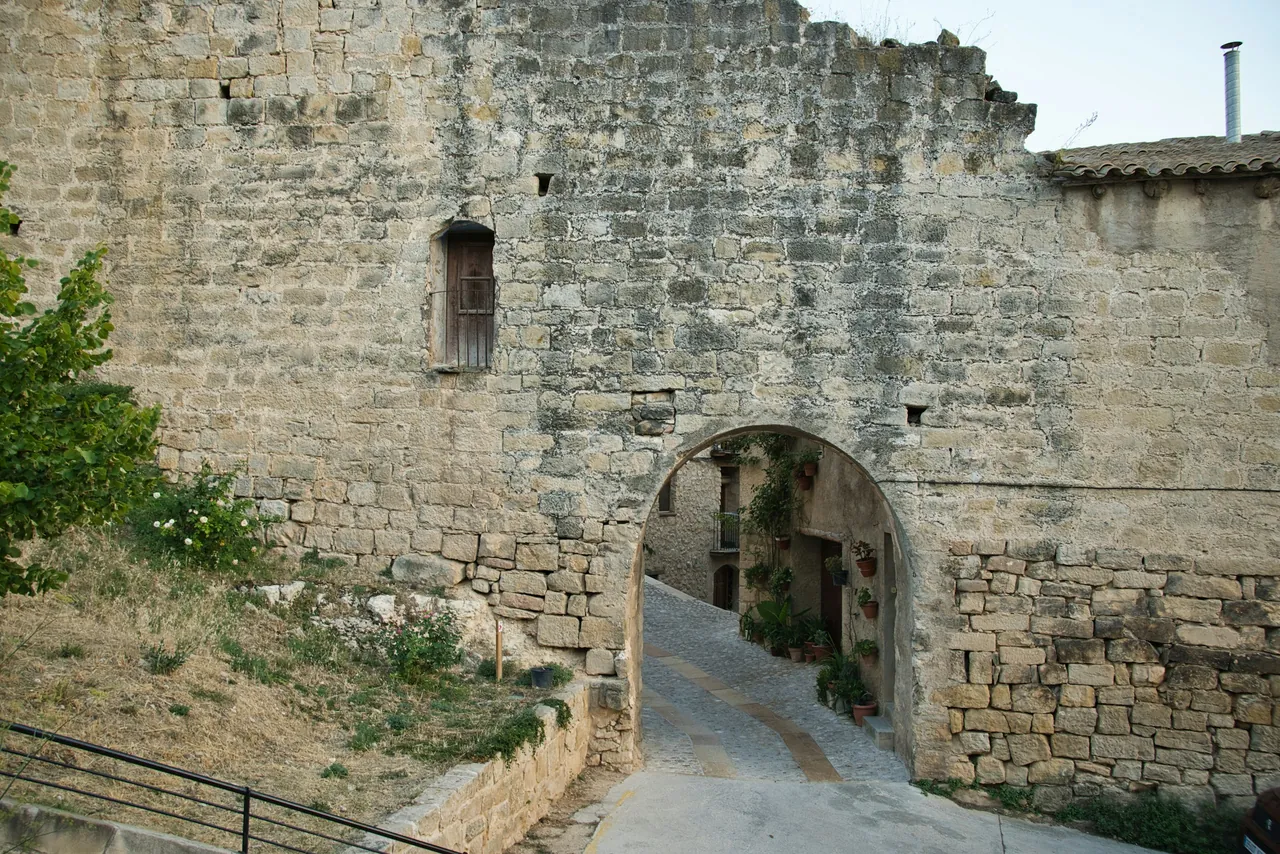
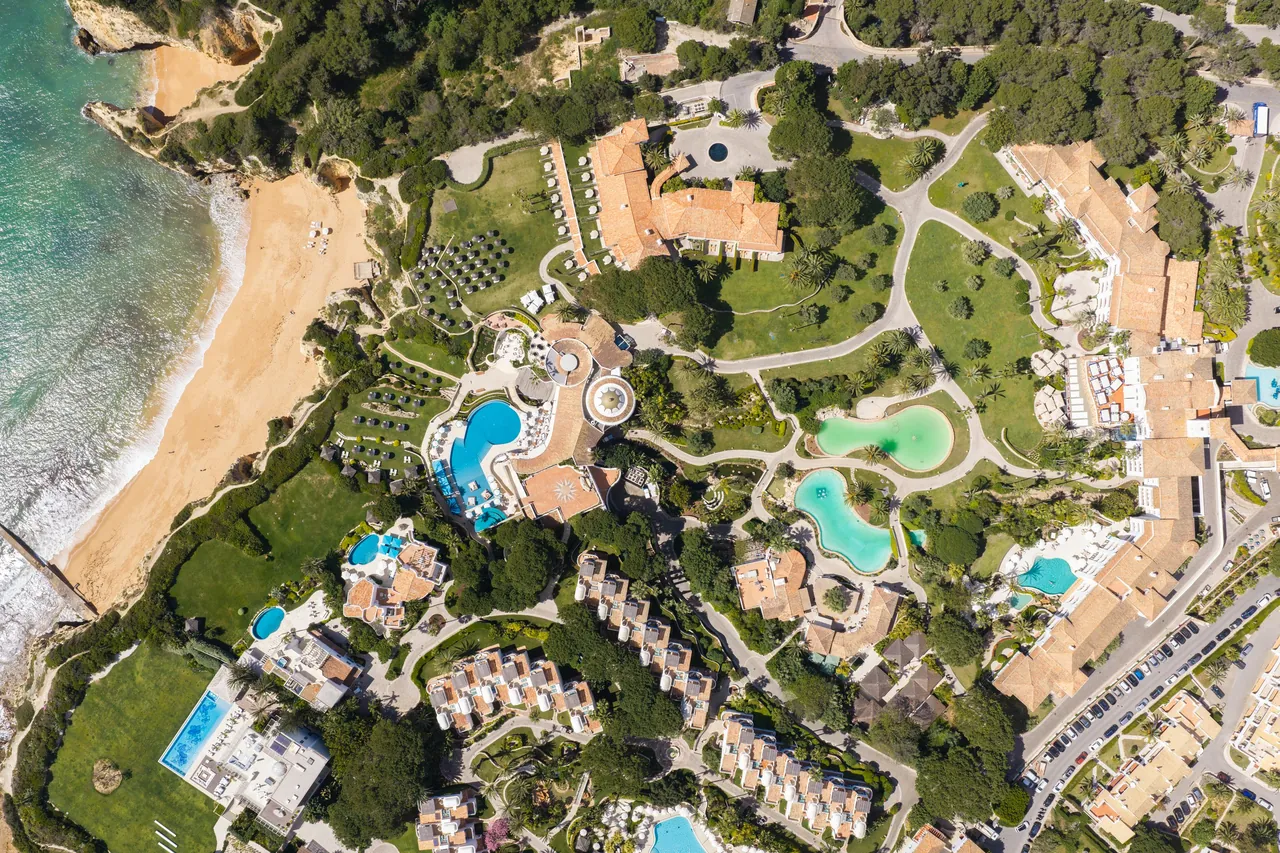
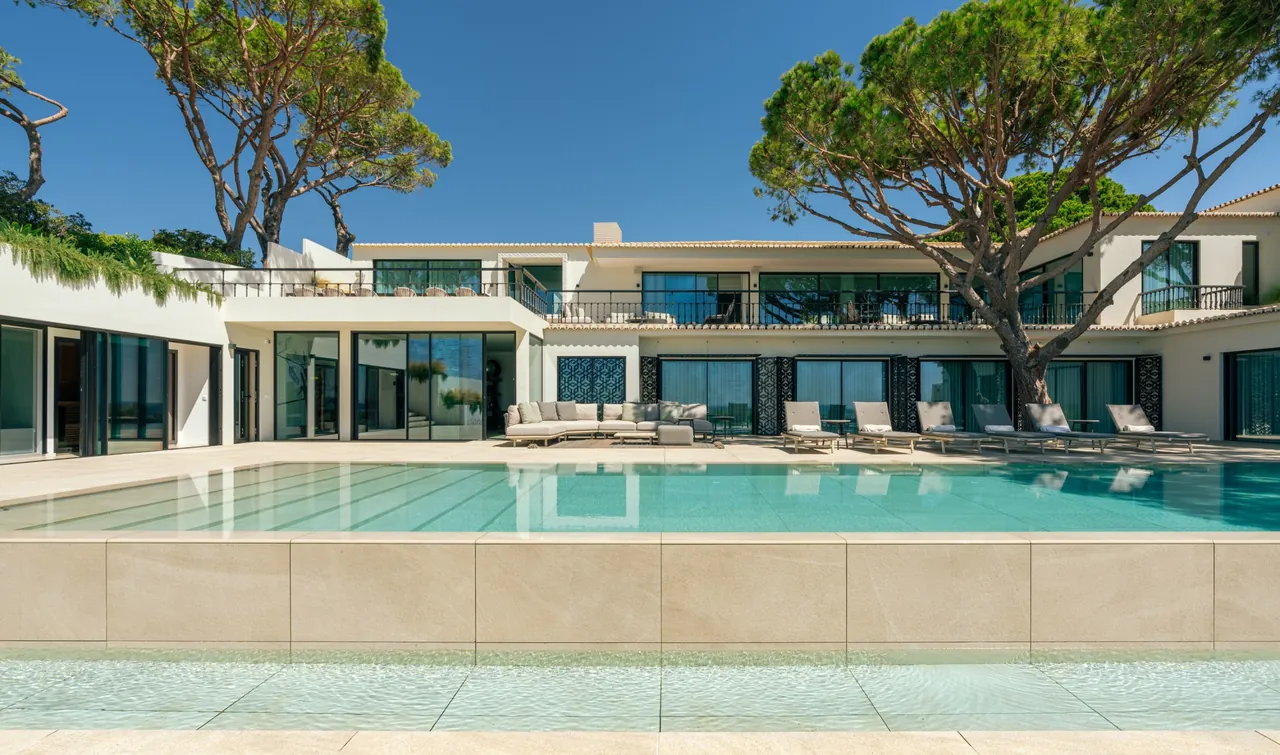
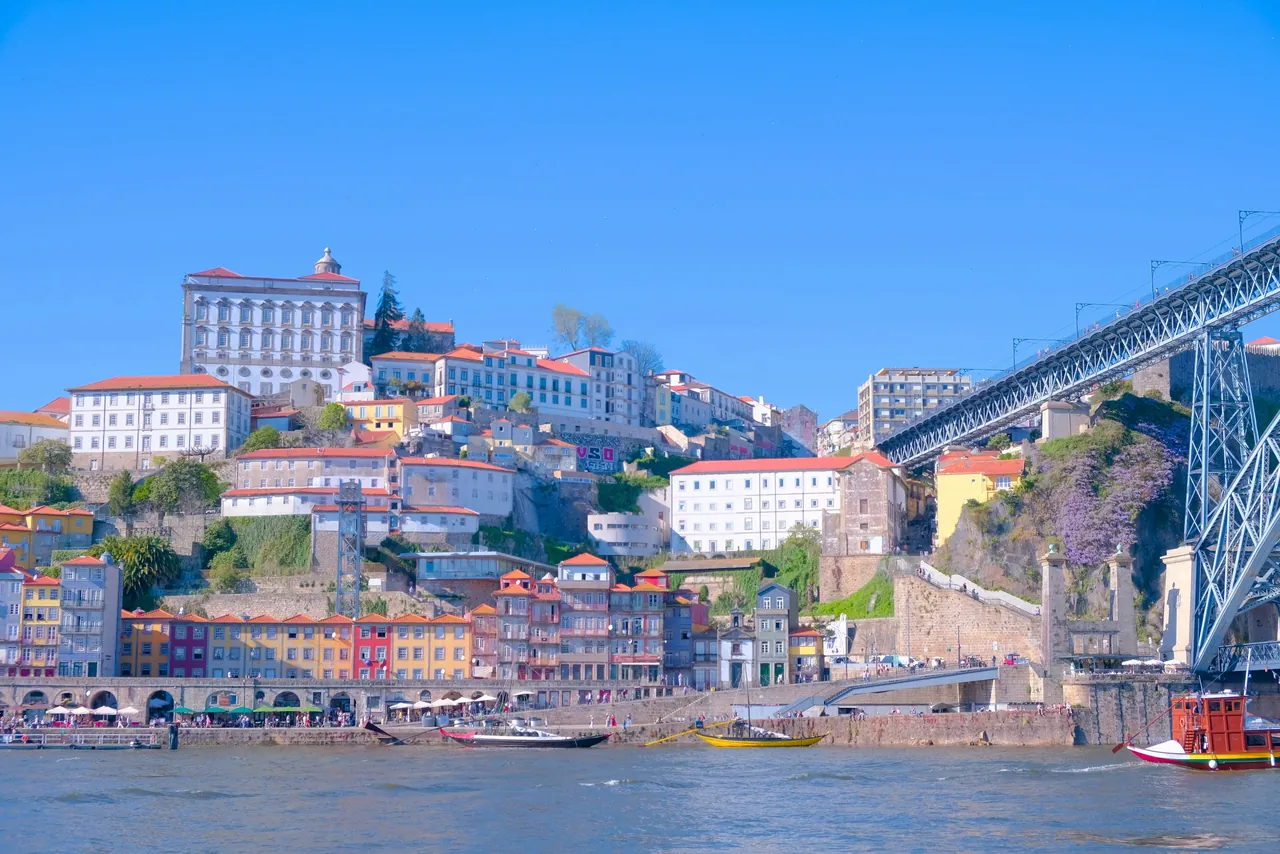
Portugal feels larger than its size, with seven distinct regions. Porto and the North lead to the Douro Valley. The Centre has historic towns such as Coimbra, Lisbon pairs a cosmopolitan capital with Sintra and Cascais close by, and the Alentejo is a land of quiet villages, crafts and a choral song tradition recognised by UNESCO. The Algarve is the southern coast and a golfing destination of long standing. Offshore, Madeira is green with tropical and Mediterranean plants, and the nine volcanic islands of the Azores form a recognised geopark.
Slovenia
Best time: May to Jun, Sep to Oct
Slovenia is where the Alpine, Mediterranean and Pannonian worlds meet, all within a few hours' drive. Lake Bled, with its castle on a cliff, and Lake Bohinj lead into the Julian Alps, while the emerald Soča river runs through the valley below. Ljubljana, the capital, sits at the centre. To the south west, the Karst holds the caves of Postojna and Škocjan and the stud farm at Lipica, home of the Lipizzaner horse, and the short Adriatic coast centres on Piran. In the east, Maribor and the Štajerska region are serious wine country, at their liveliest in autumn.
Spain
Best time: Mar to Jun, Sep to Nov
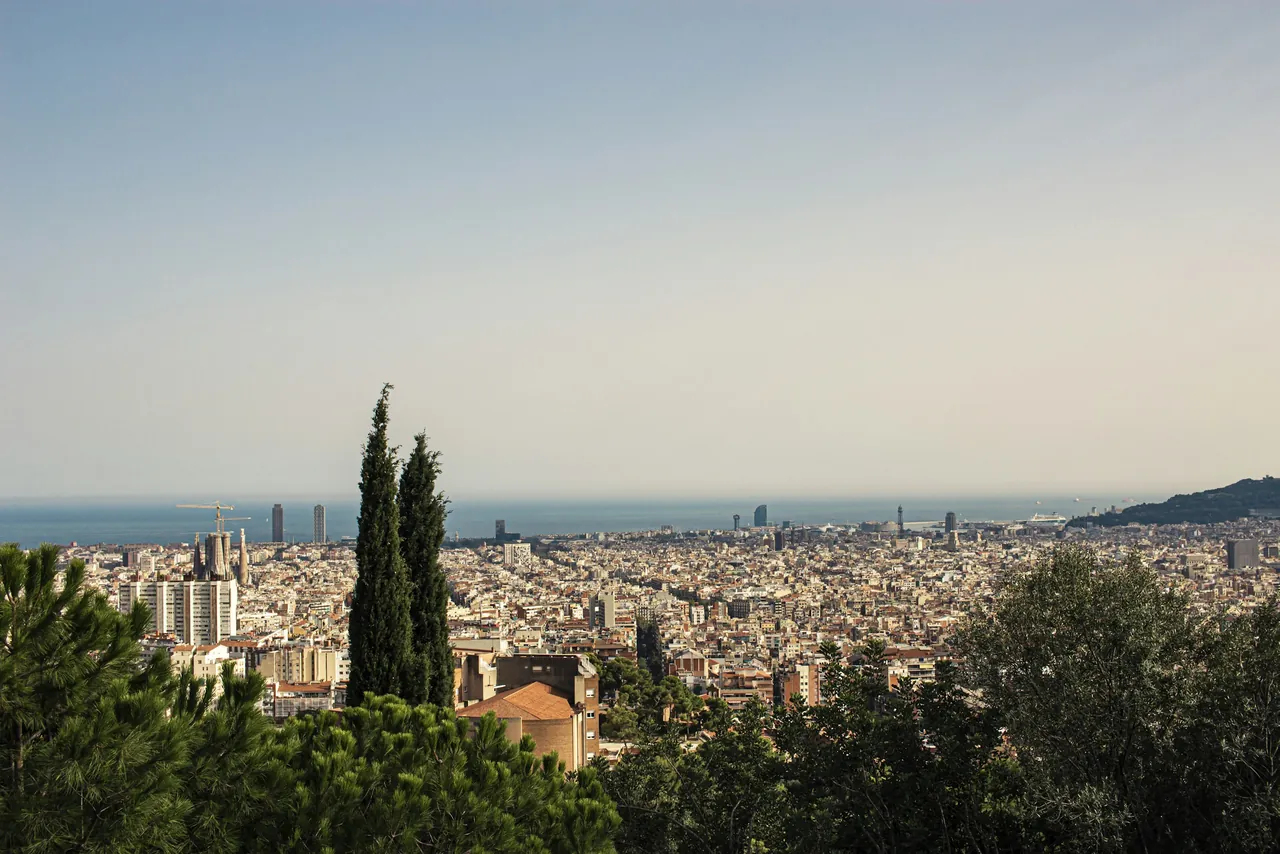
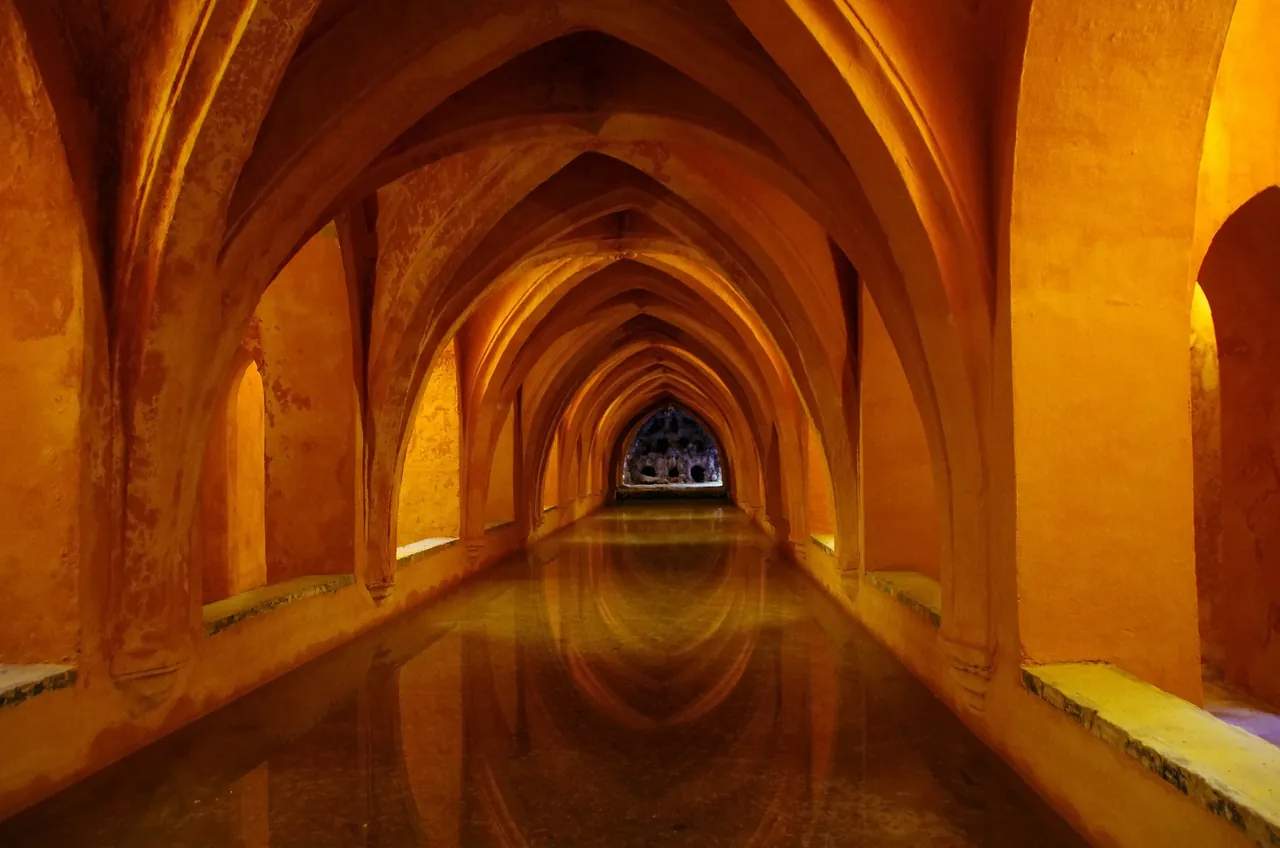
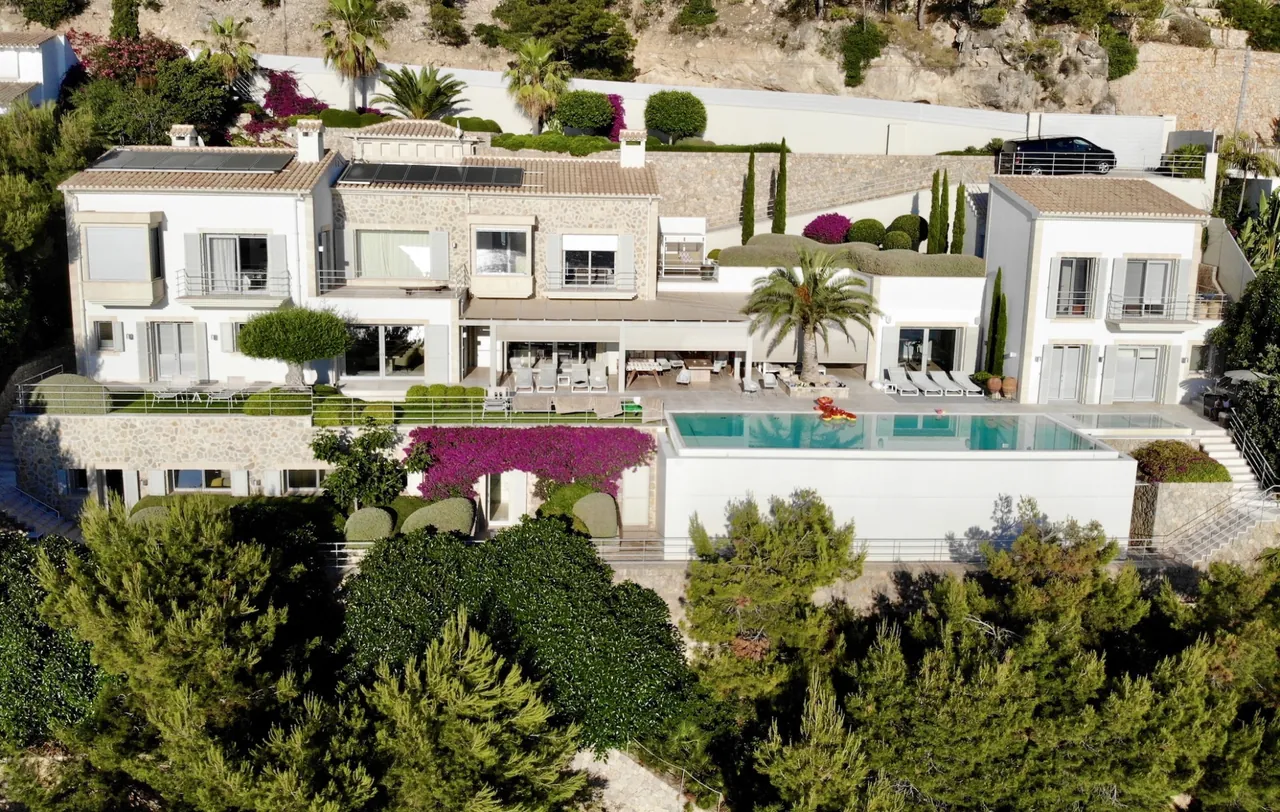
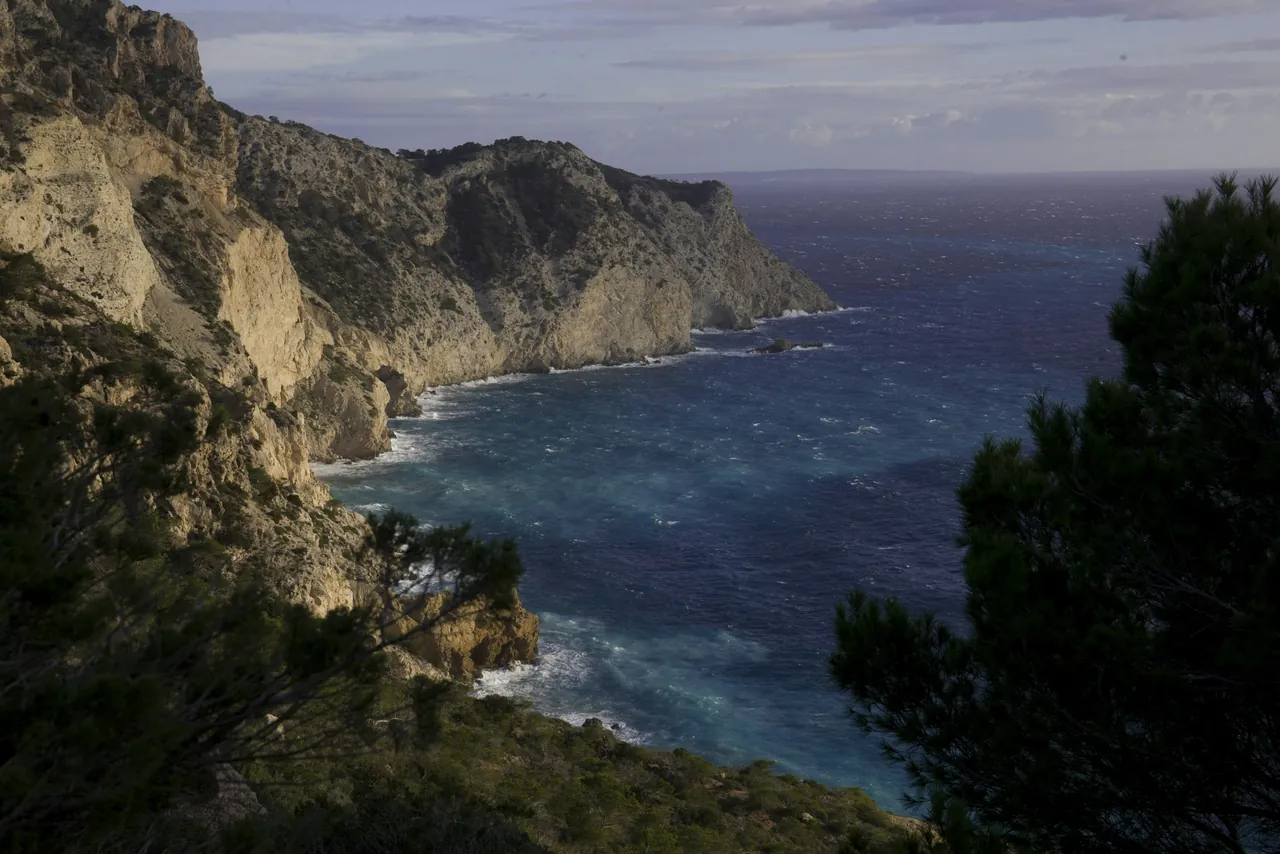
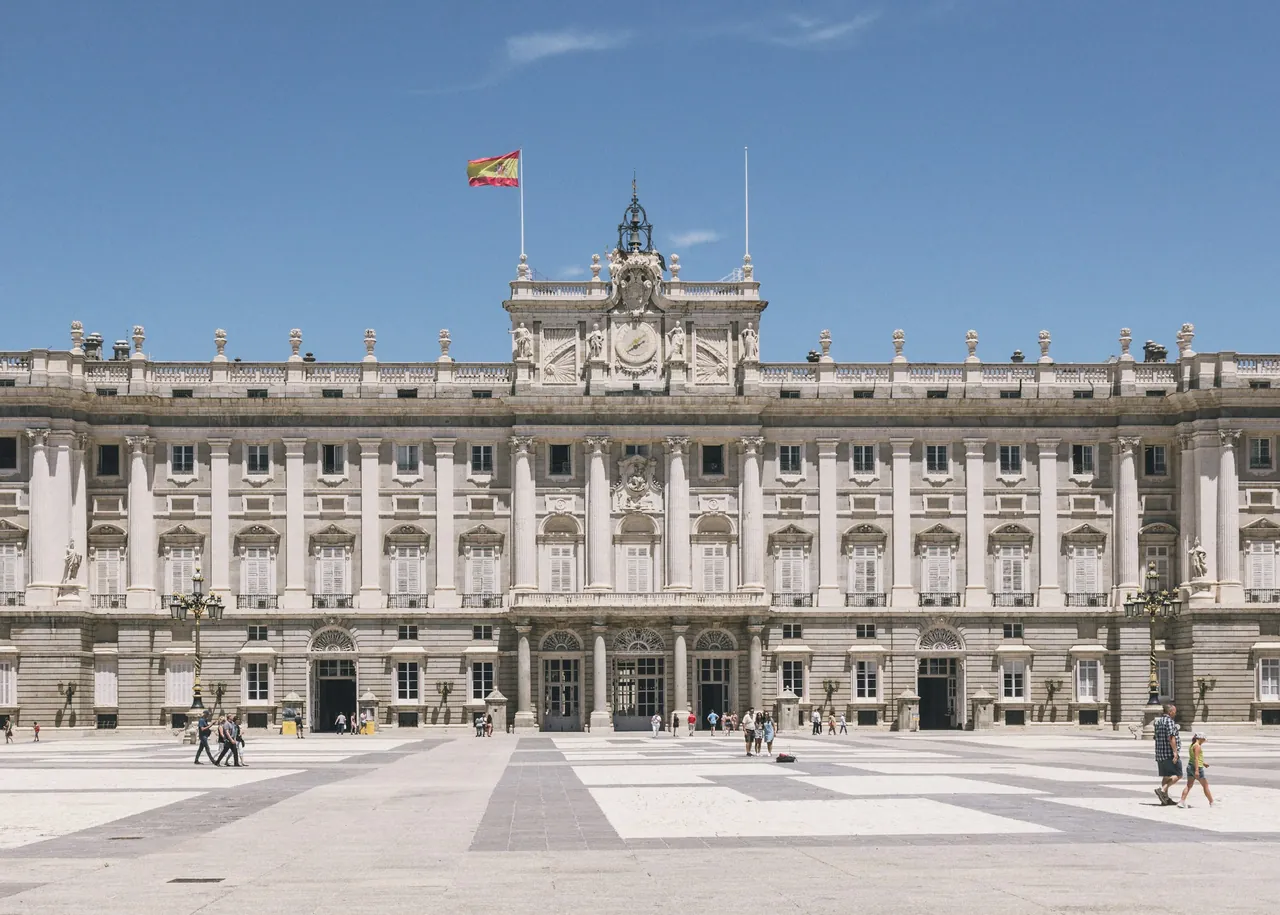
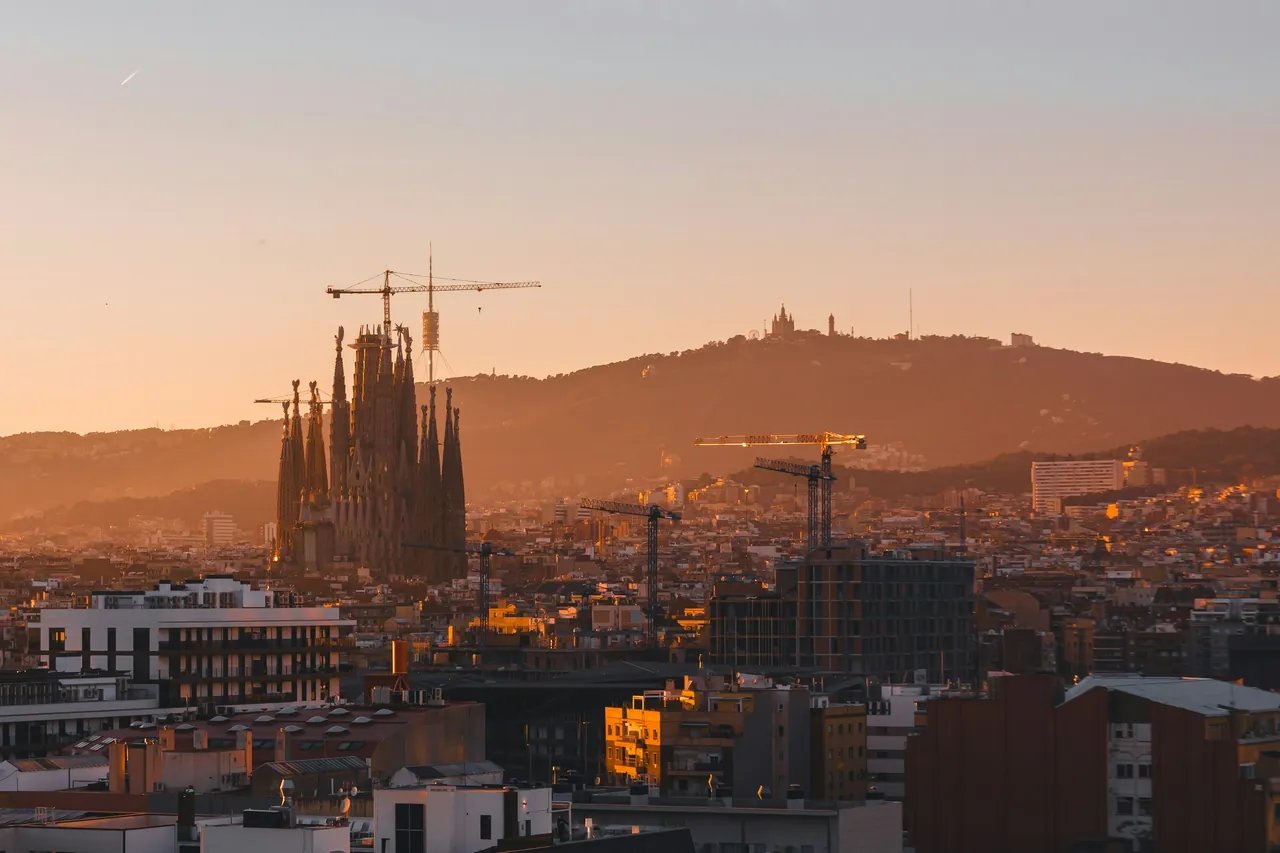
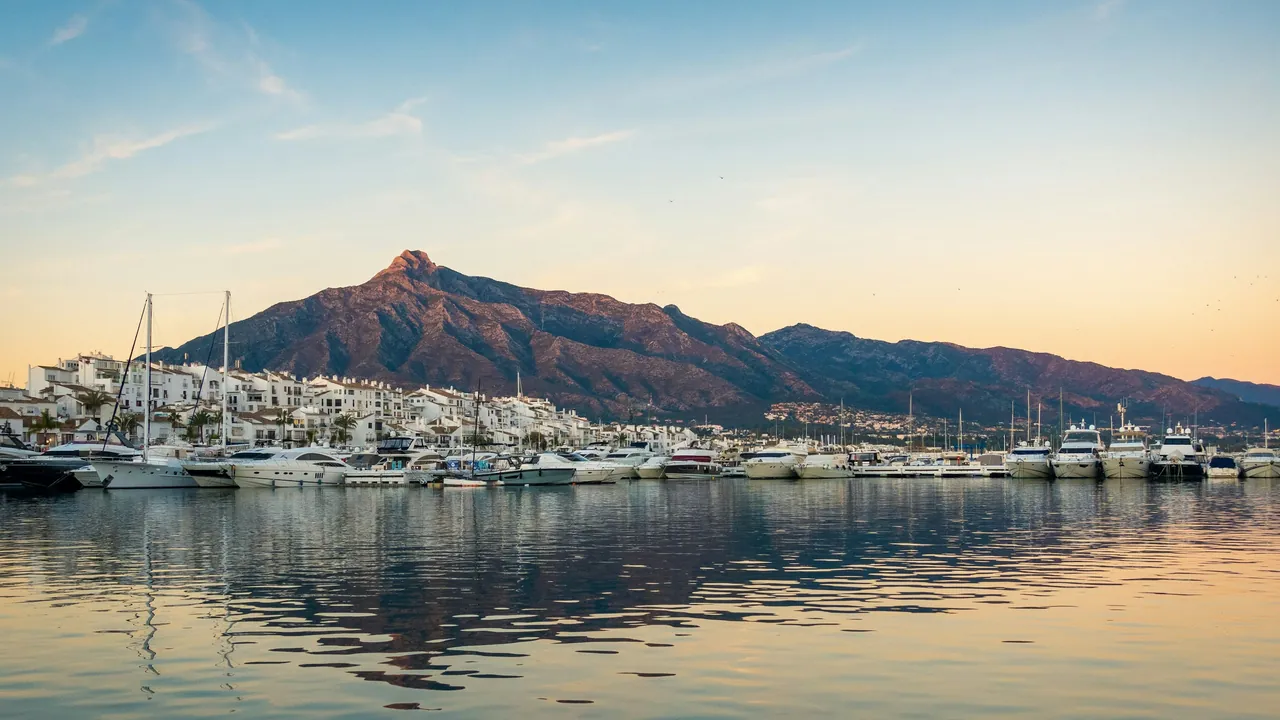
Spain's landscapes run from volcanoes and deserts to snowy peaks and long coastlines, and each region has its own climate. Madrid, Barcelona, Seville and Valencia are cities to linger in, Granada is a further draw, and San Sebastián and Bilbao sit on the northern coast in a country whose cooking is famous well beyond its borders. The green north, from Galicia to Asturias, is cooler and wetter. Summers are hot and dry across most of the country, winters are mild on the Mediterranean, and the Balearic and Canary Islands bring beaches and spring-like weather year round.
Sweden
Best time: Jun to Aug; Dec to Mar for Lapland
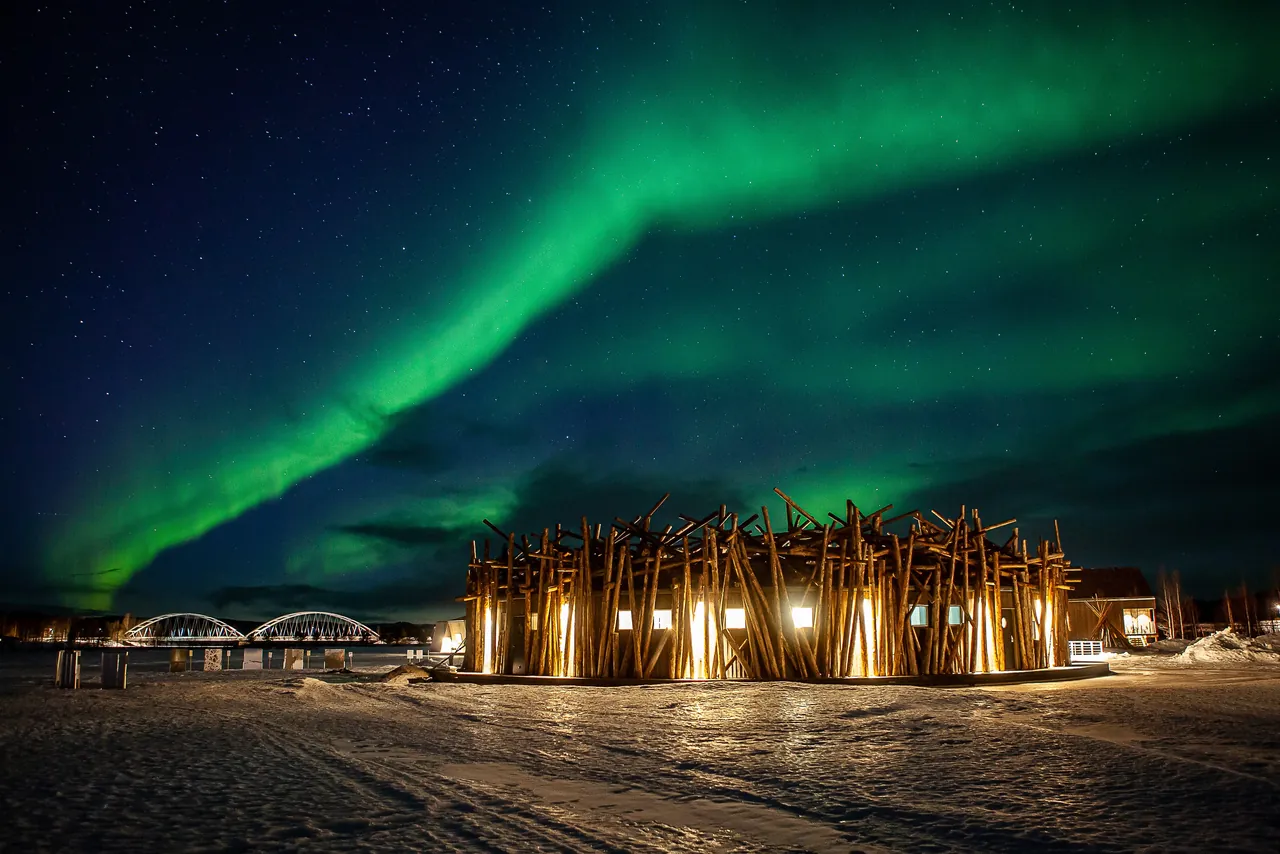
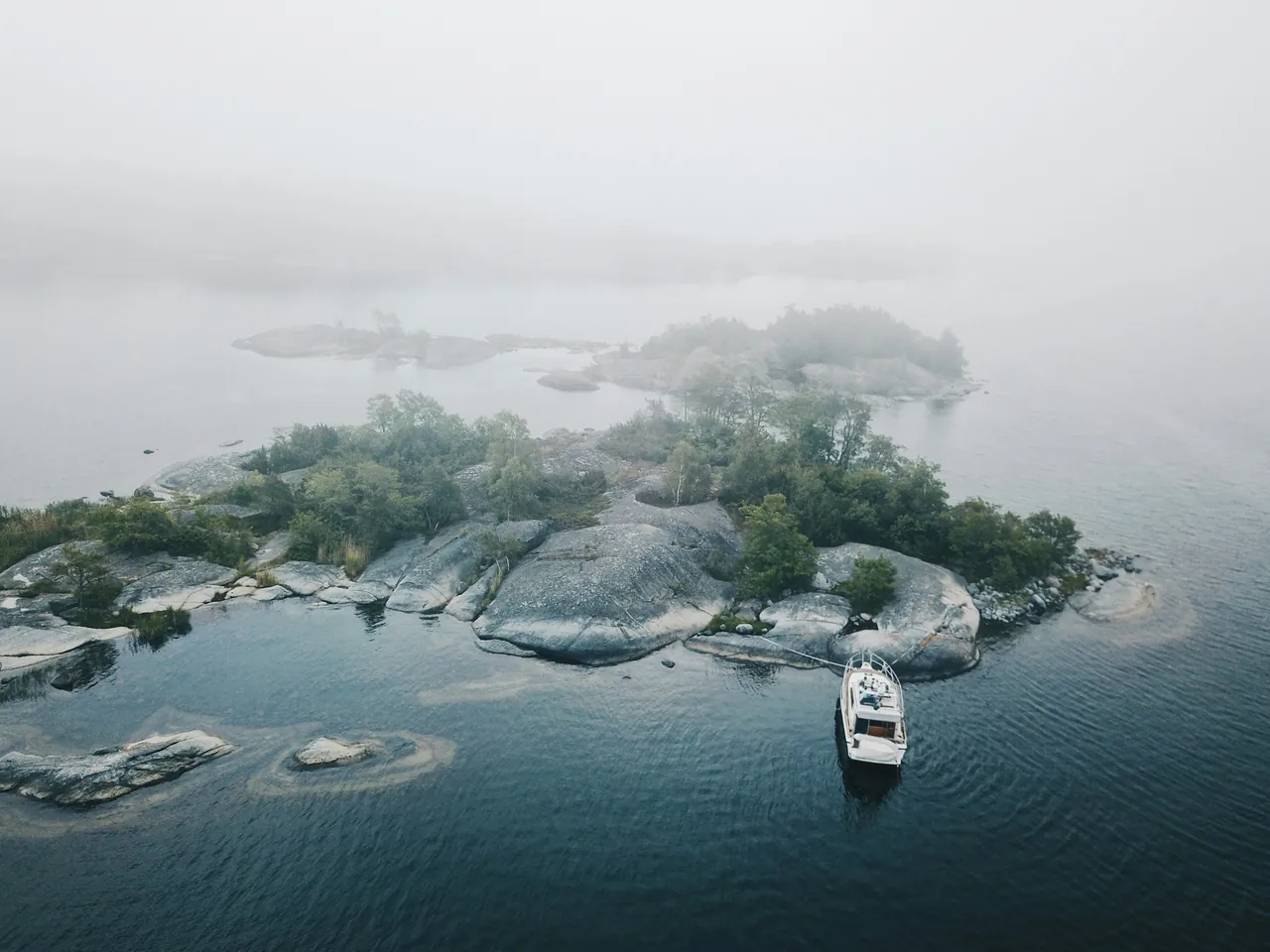
Sweden stretches from a mild south to the Arctic and subarctic north, so the experience depends on where and when you go. Stockholm opens onto its archipelago, and Gothenburg, Malmö and Visby each give a different view of the country. Summer runs from June to August, with long light days and the midnight sun in the north. Winter turns Swedish Lapland, around Kiruna and Jukkasjärvi, to snow, outdoor adventure and the northern lights, while the rest of the country fills with candles, Christmas markets and saffron buns.
Switzerland
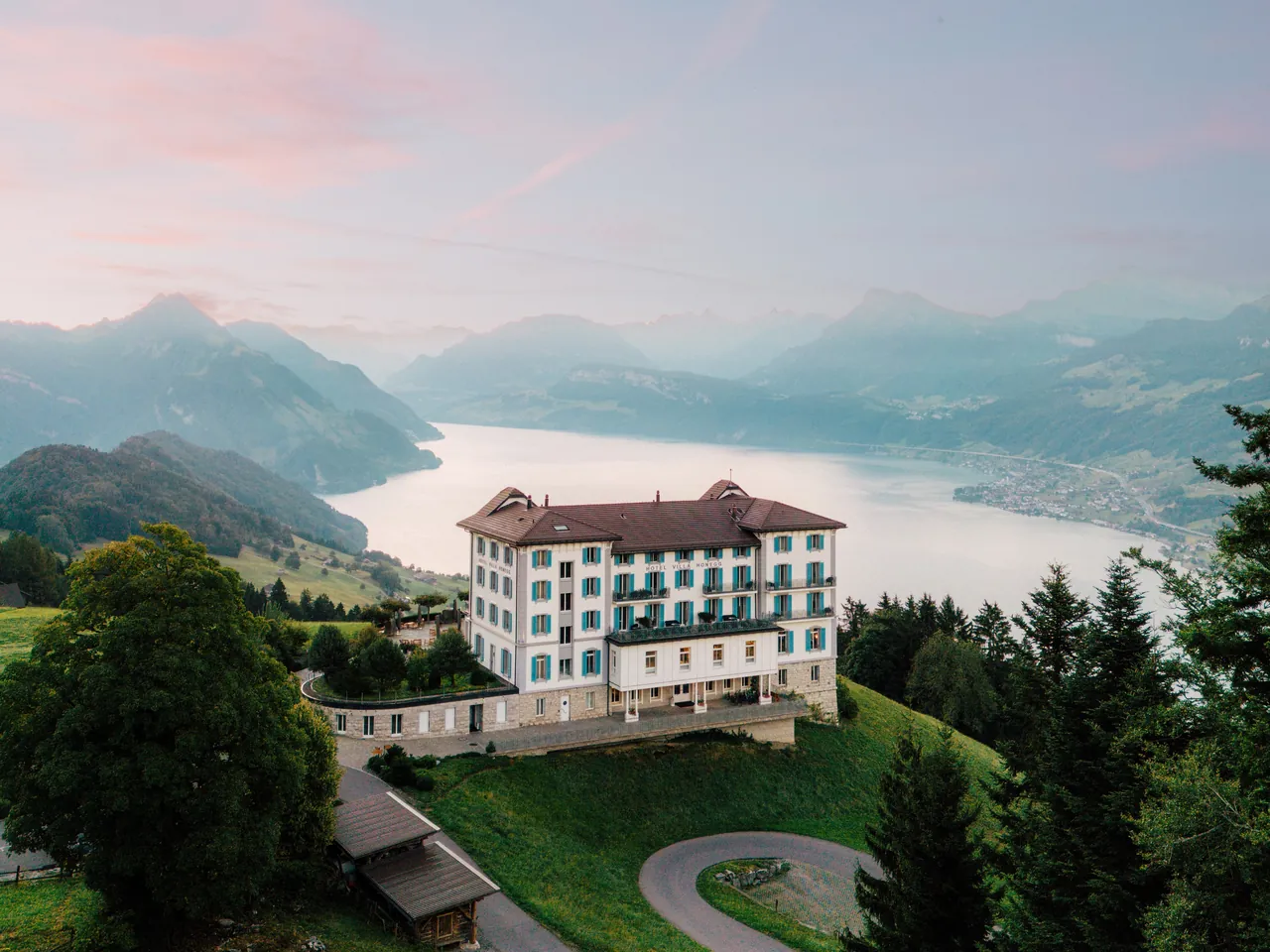
Best time: Jun to Sep; Dec to Mar for skiing
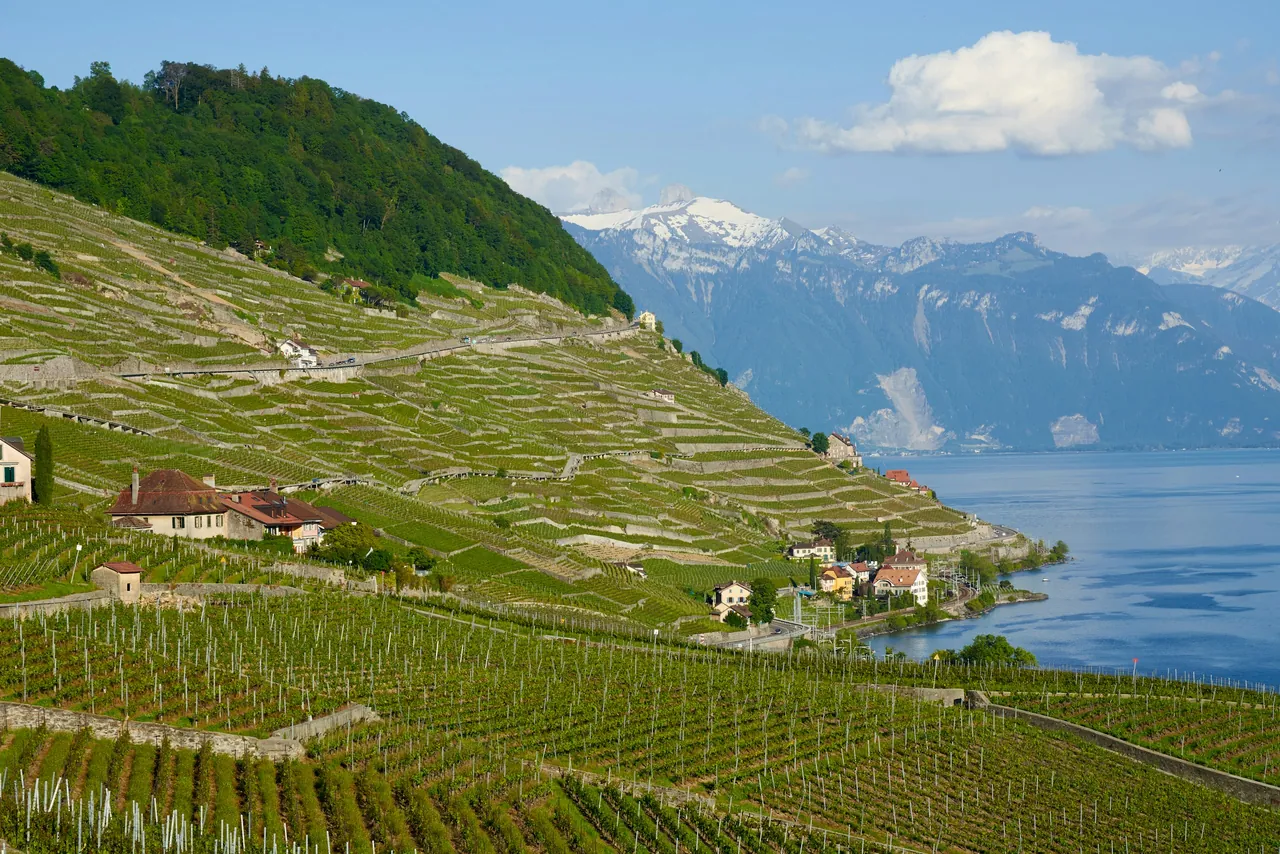
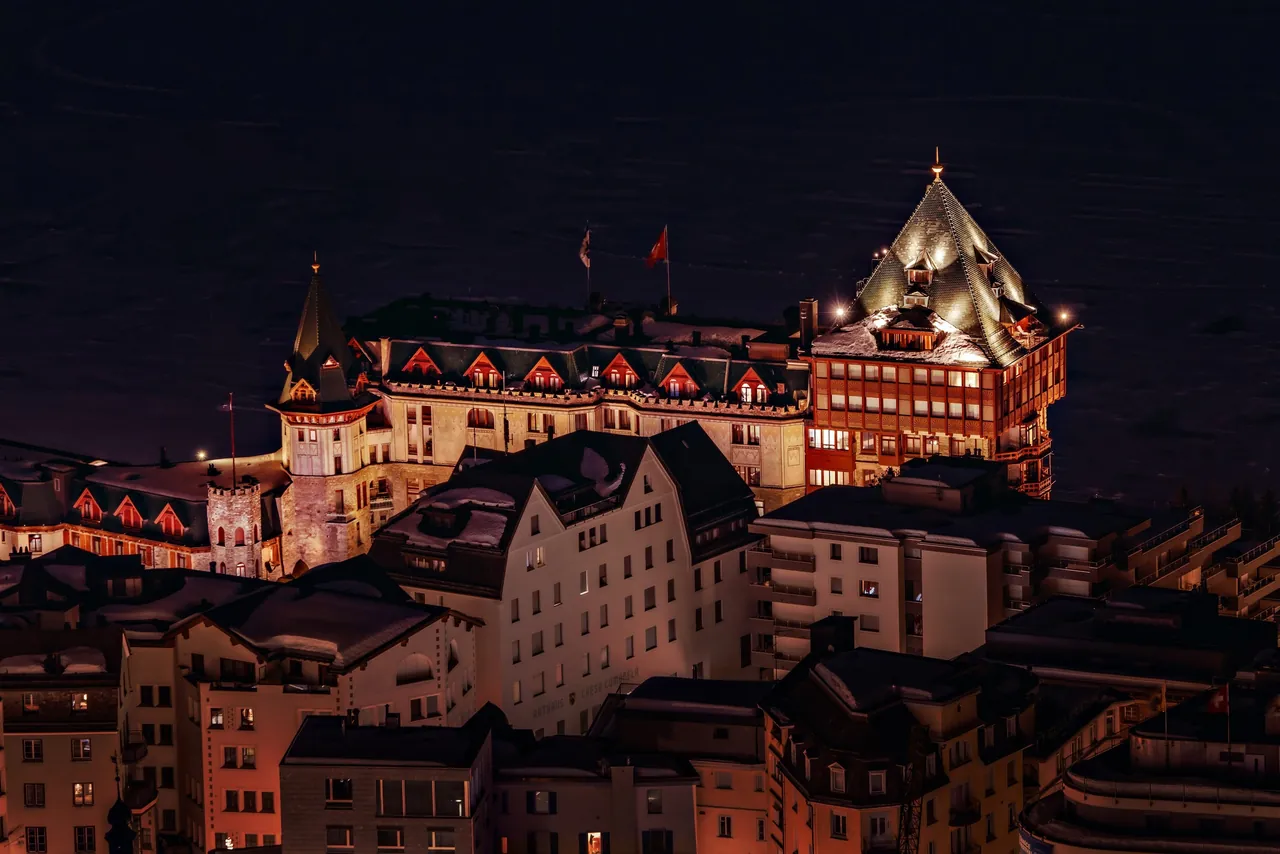
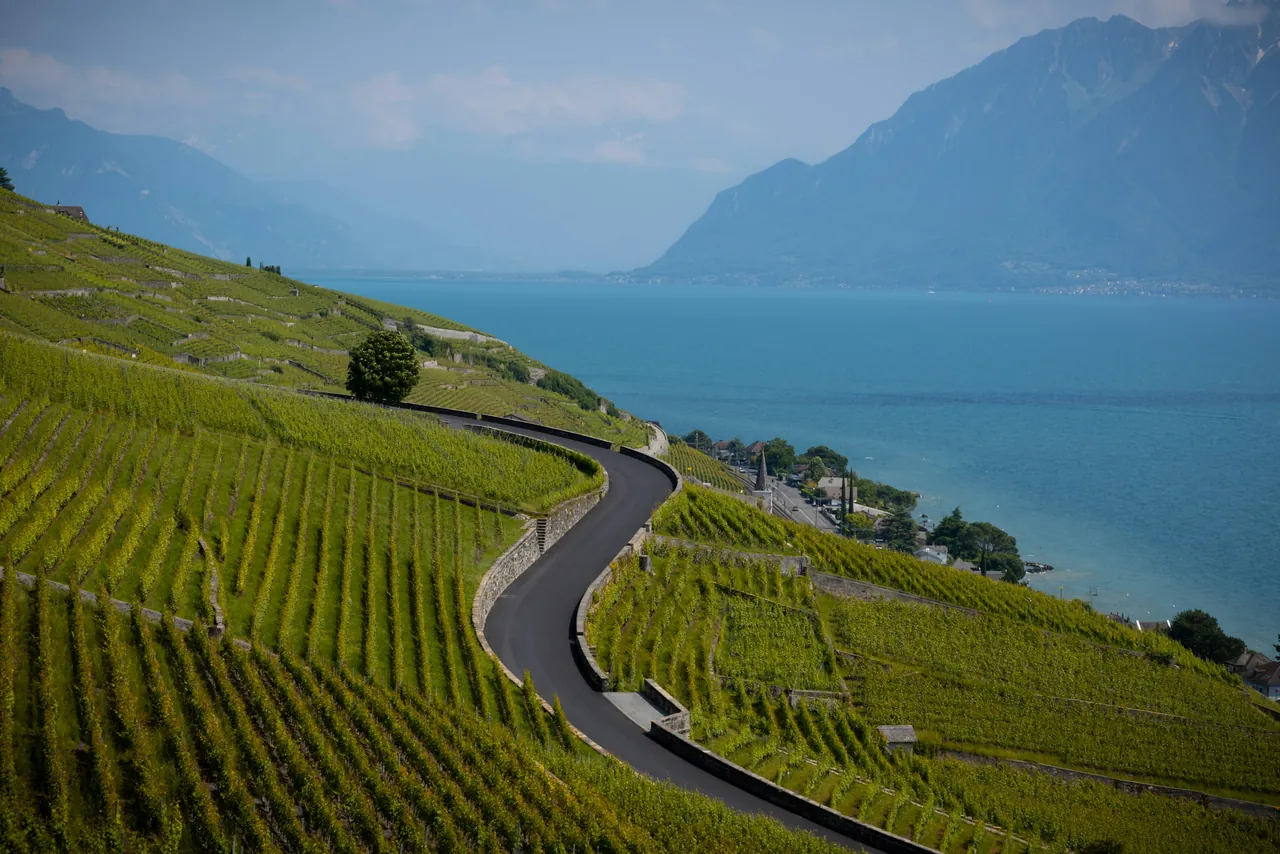
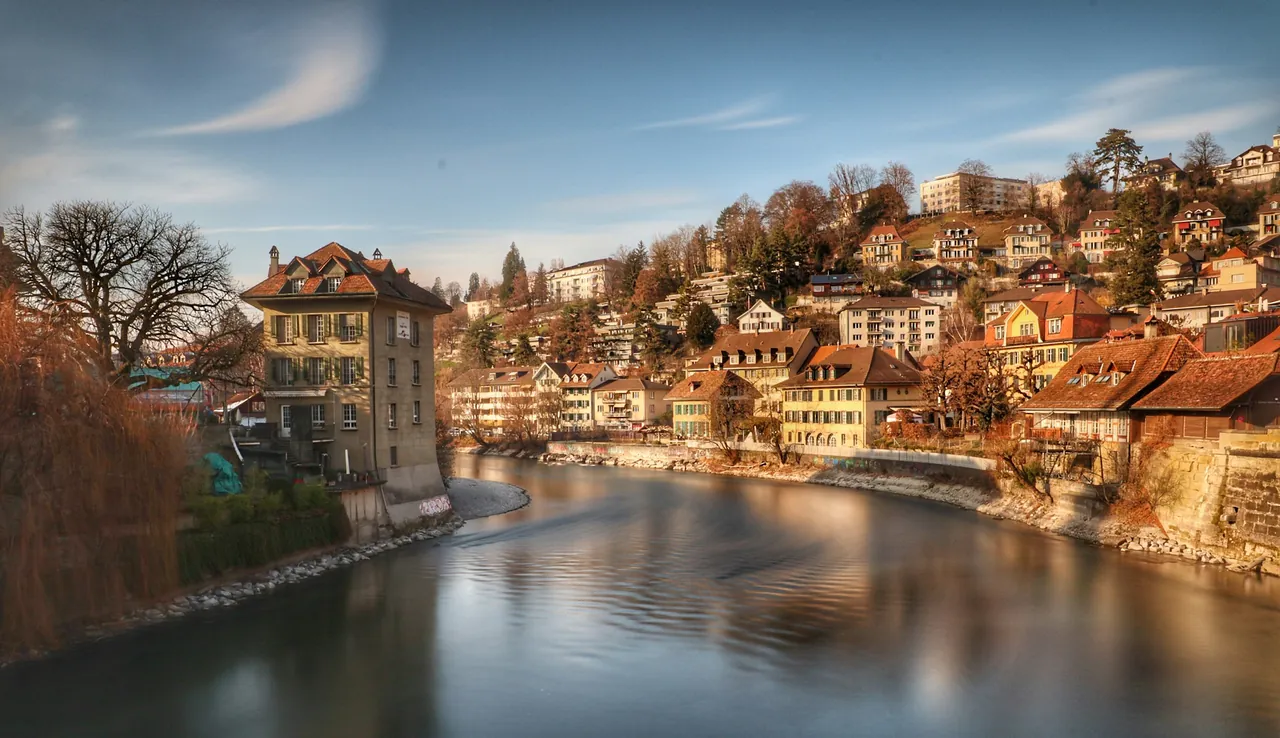
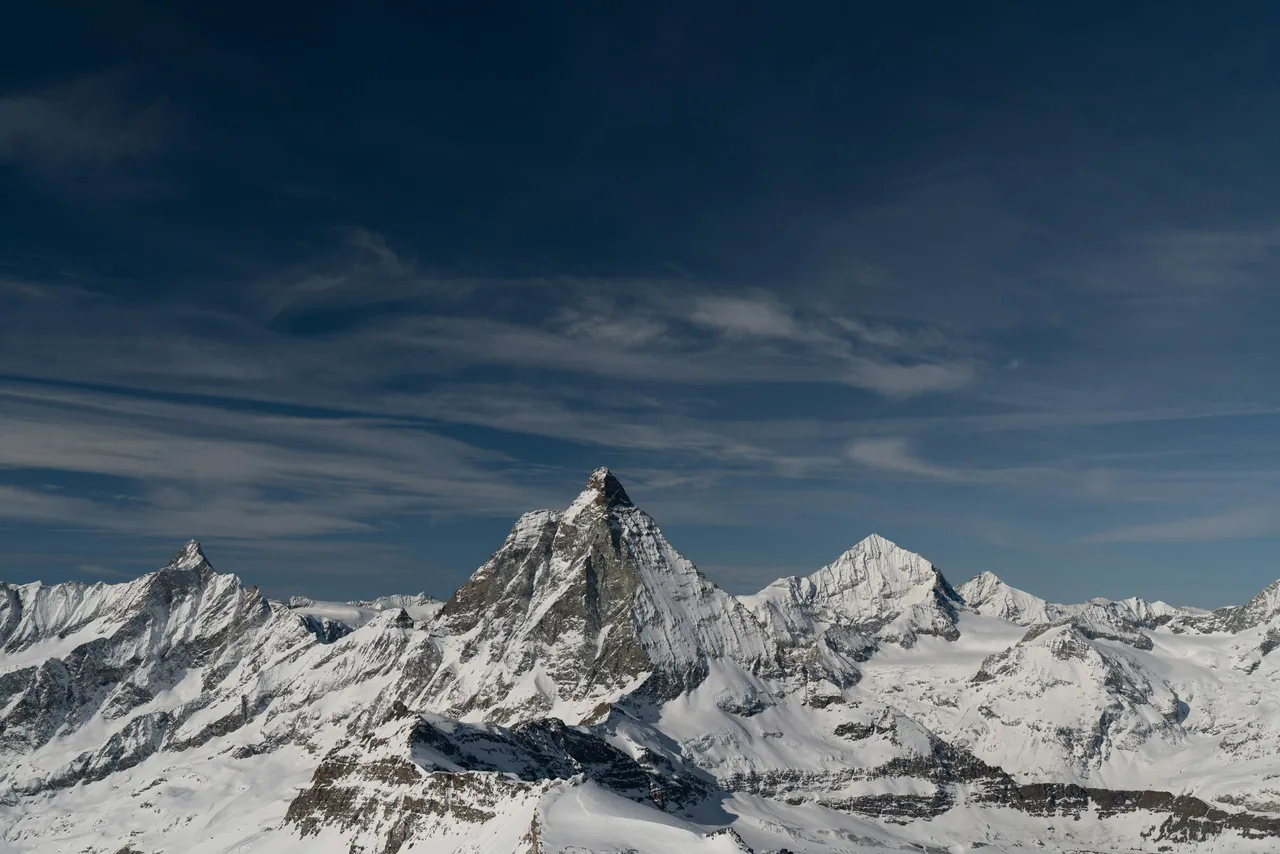
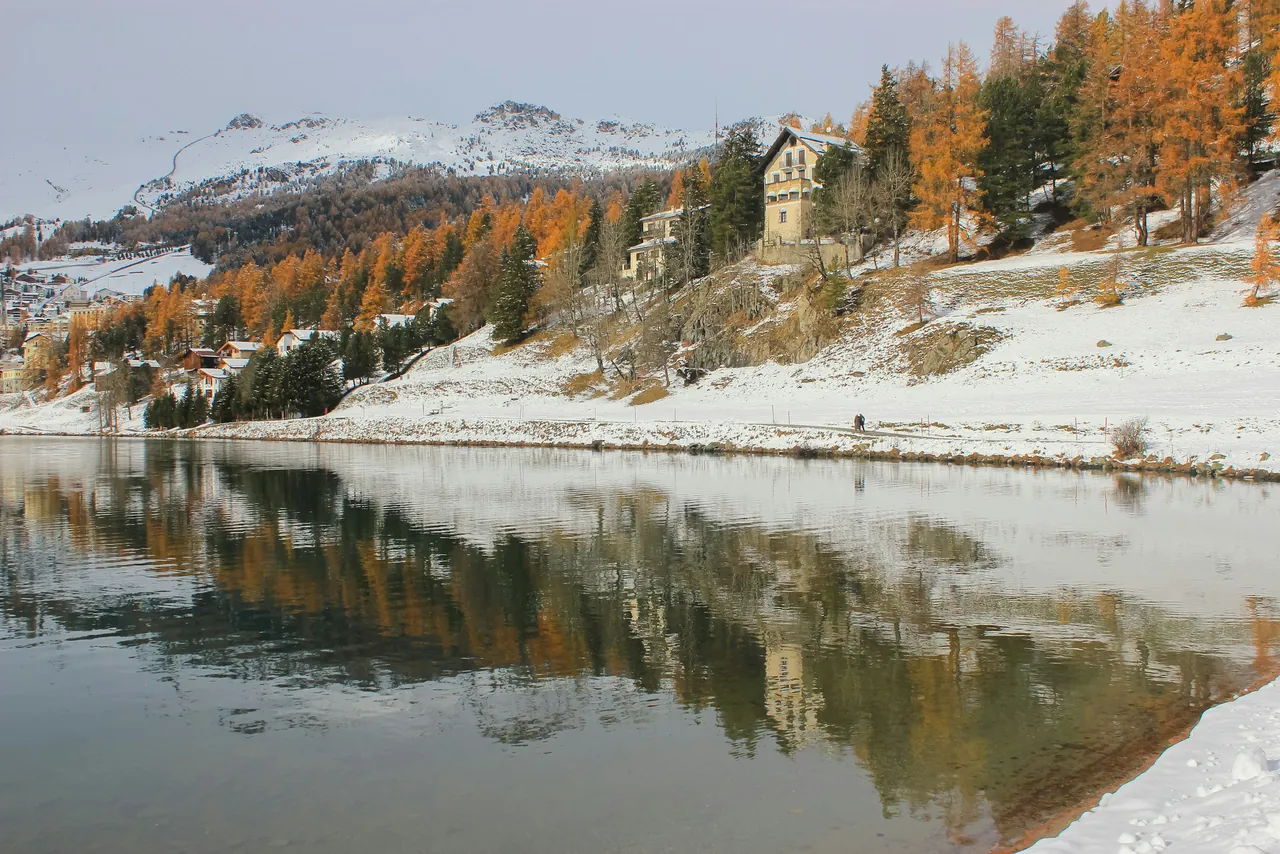
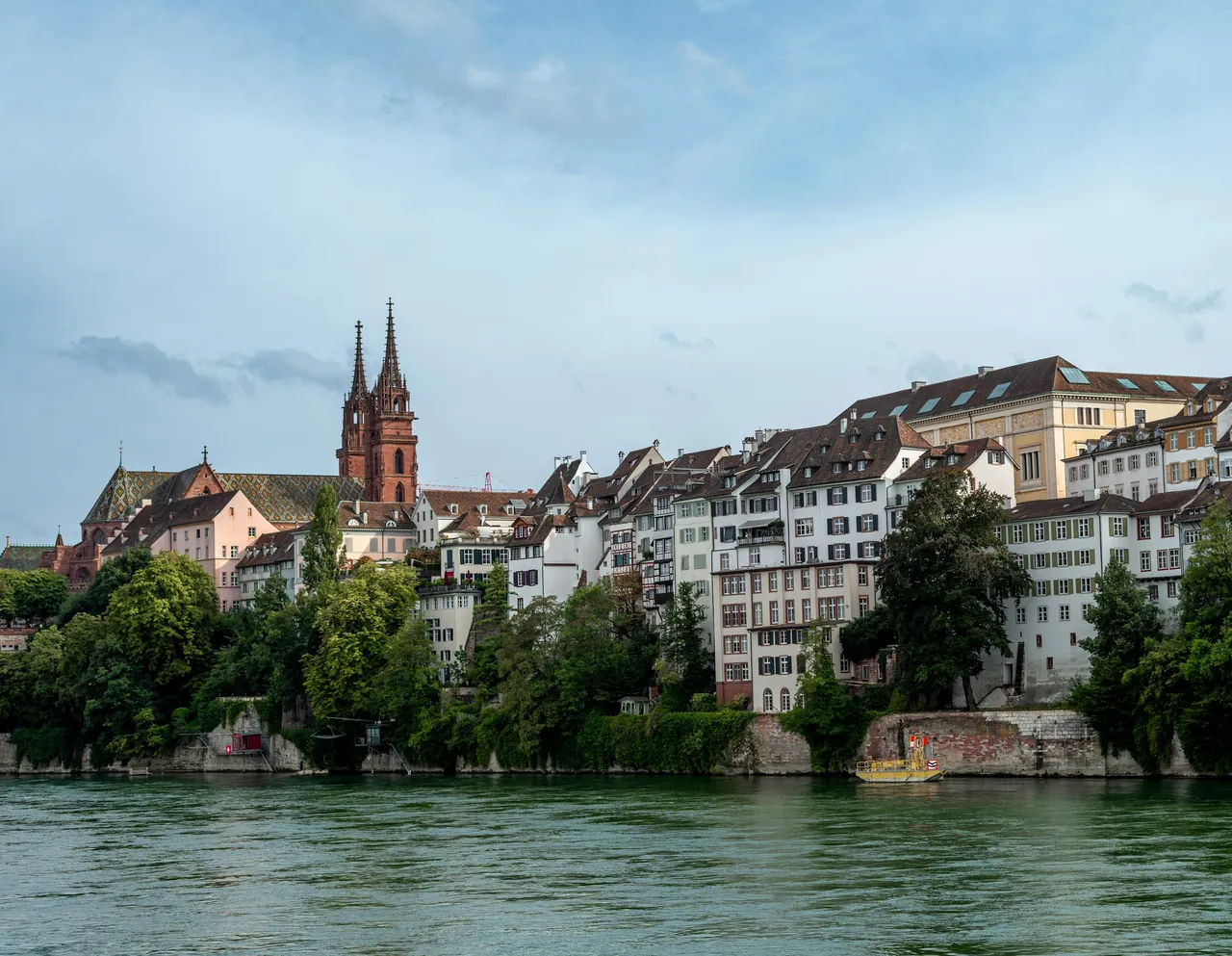
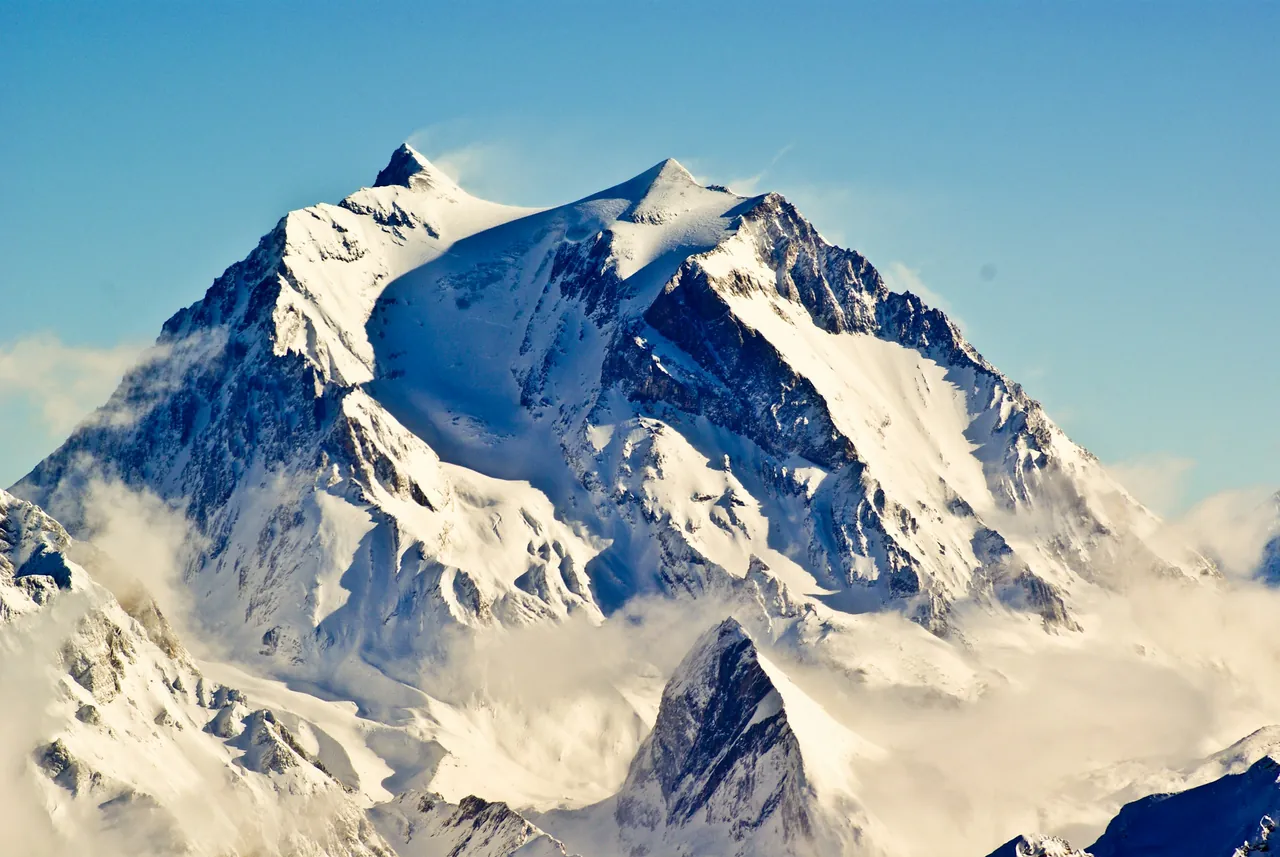
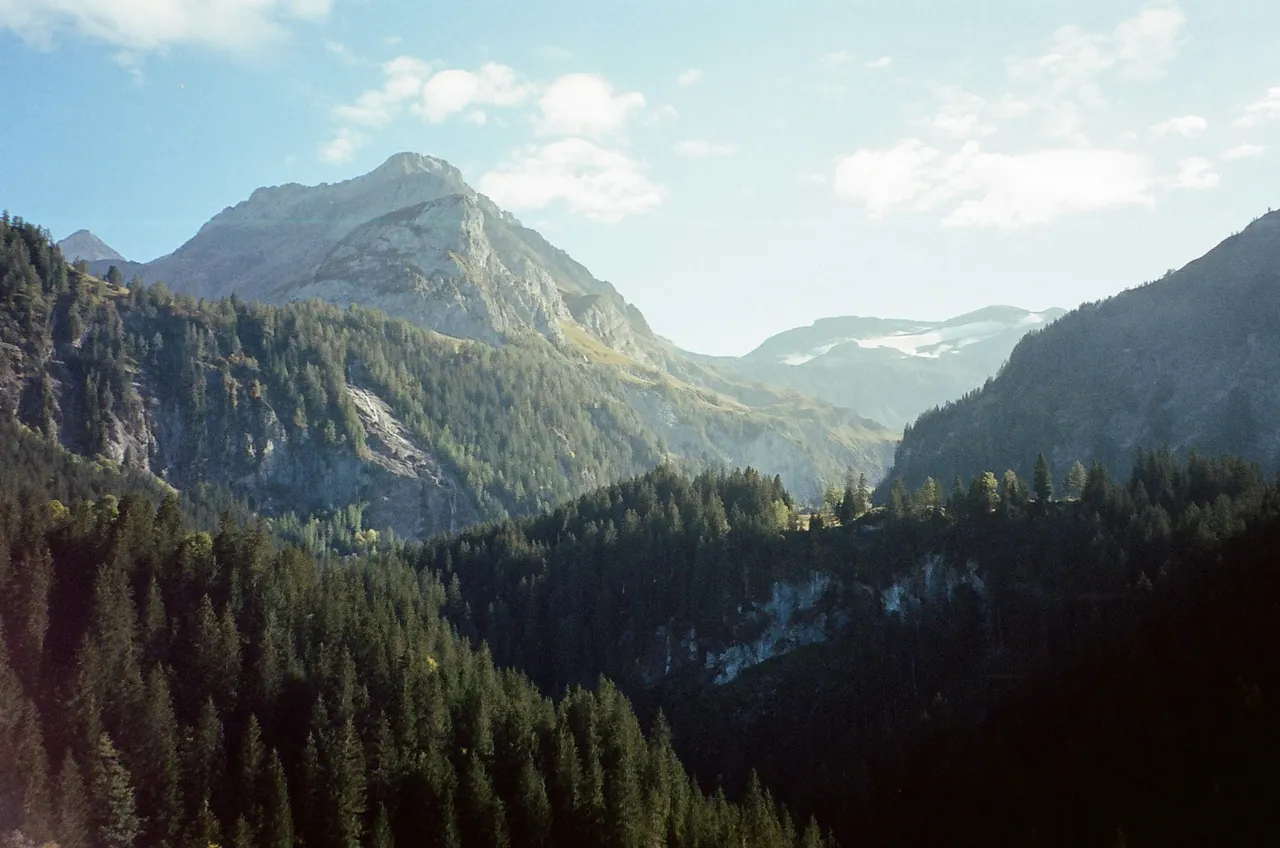
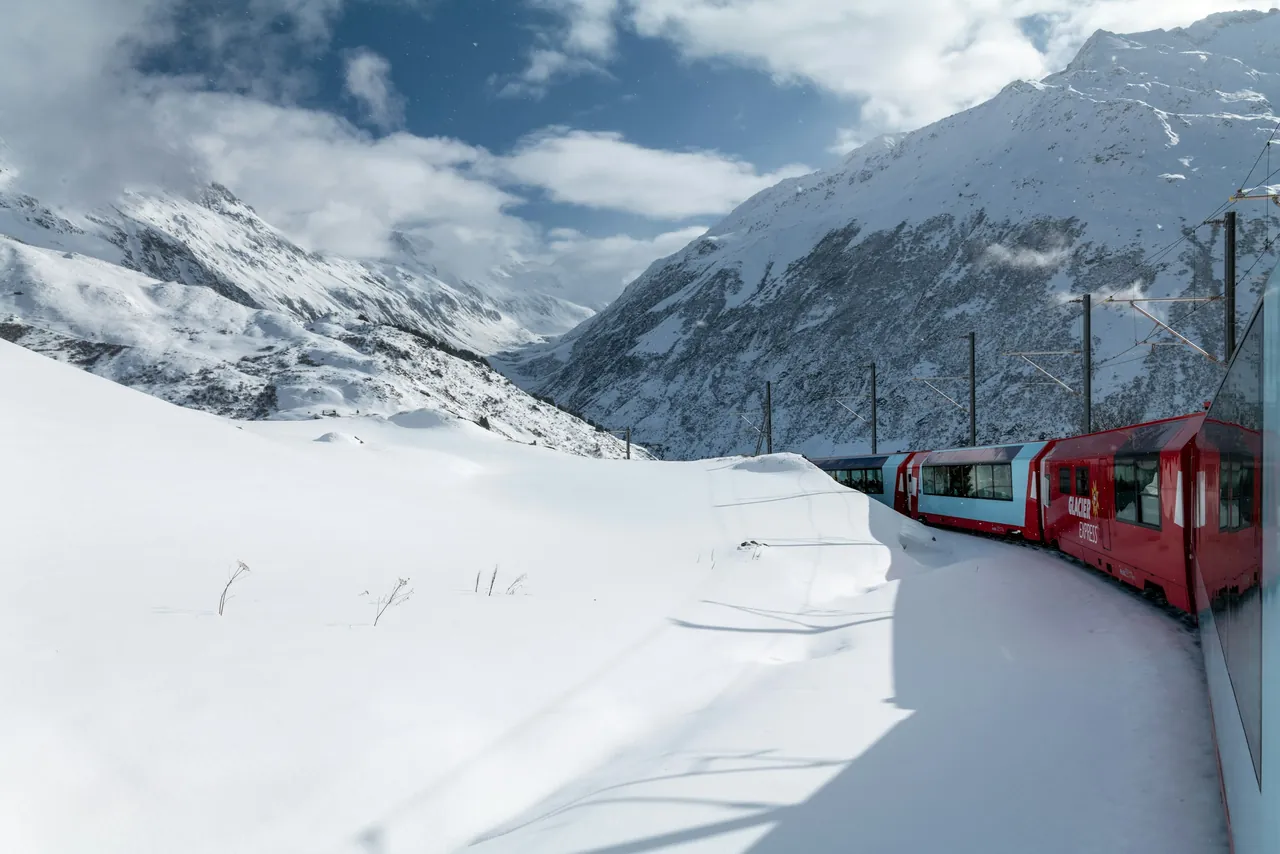
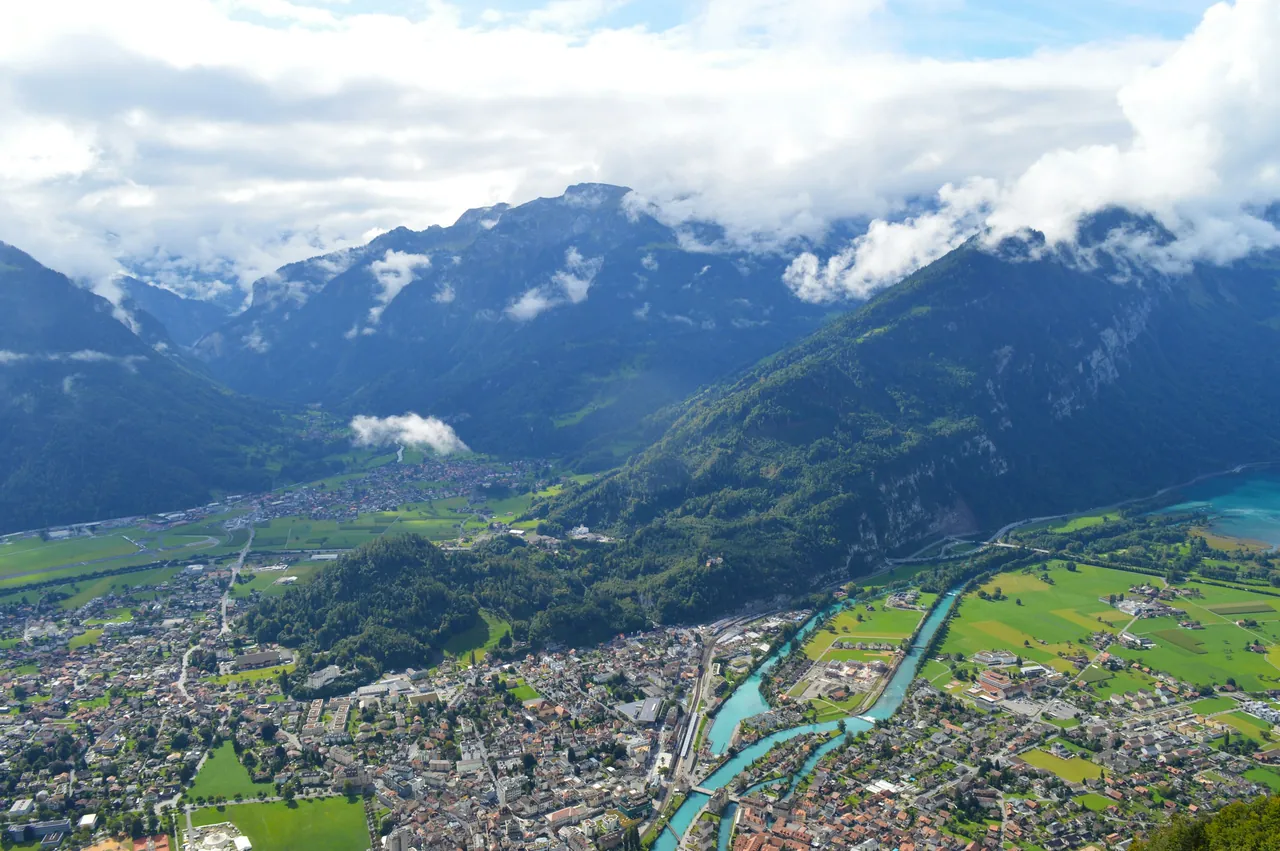
Few countries fit so much terrain into so small an area. The Matterhorn rises above Zermatt, the Eiger, Mönch and Jungfrau above the Bernese Oberland, and the Aletsch Glacier, the largest in the country, is easily reached. Graubünden is the largest holiday region, home to St. Moritz, Davos and the Engadine. Lucerne, Geneva, Zurich and the arcaded old town of Bern are compact and easy to explore, and Lugano adds a Mediterranean note. The seasons are distinct: blossom from March to May, warm summers, harvest colour in autumn and snow at altitude.
Türkiye
Best time: Apr to Jun, Sep to Oct
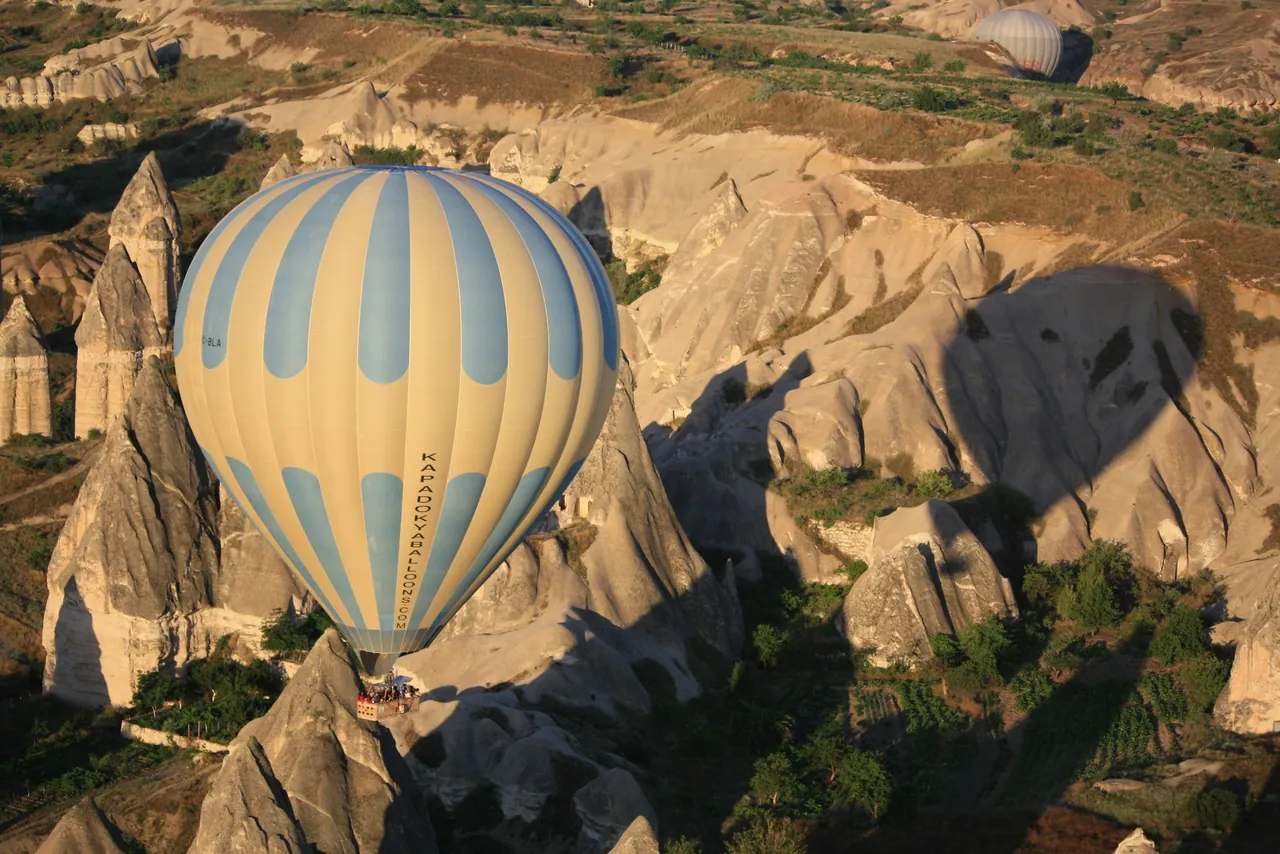
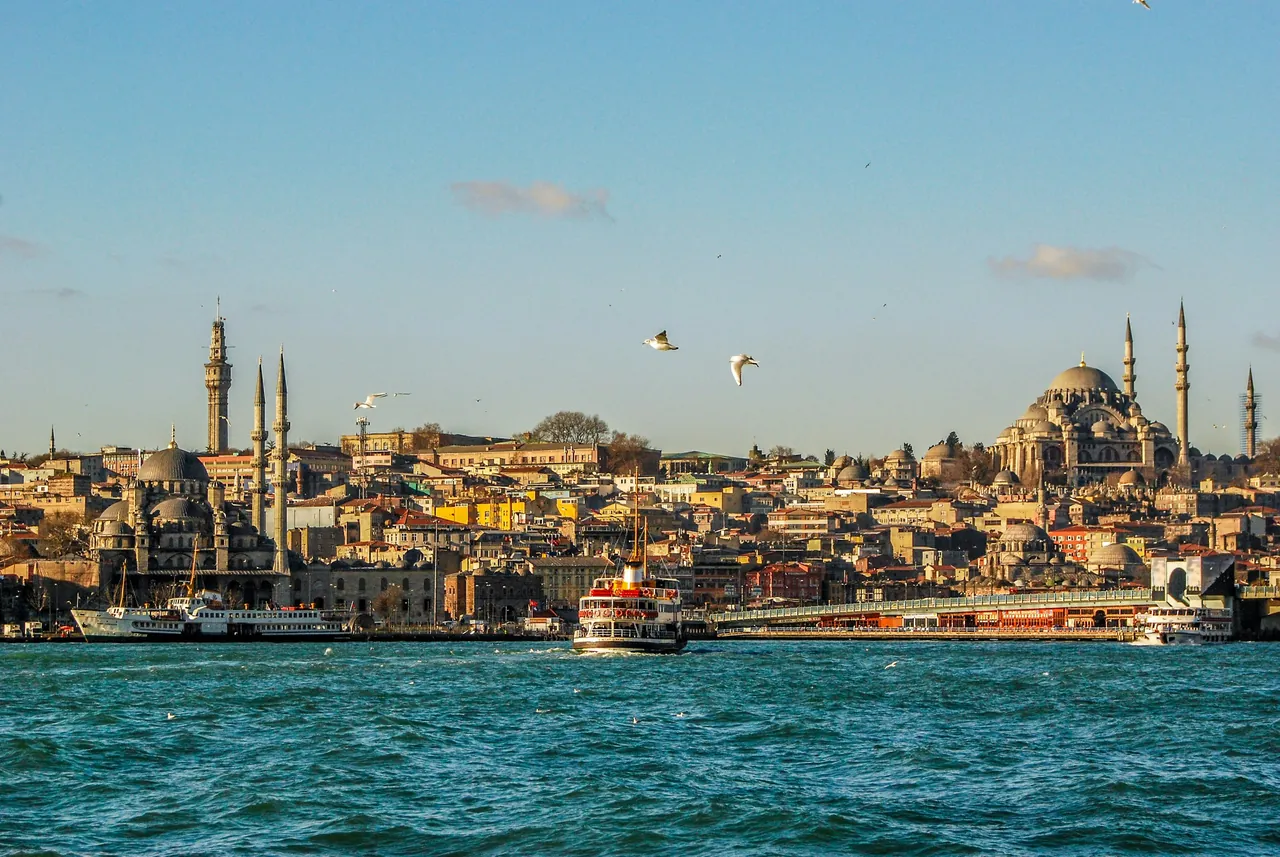
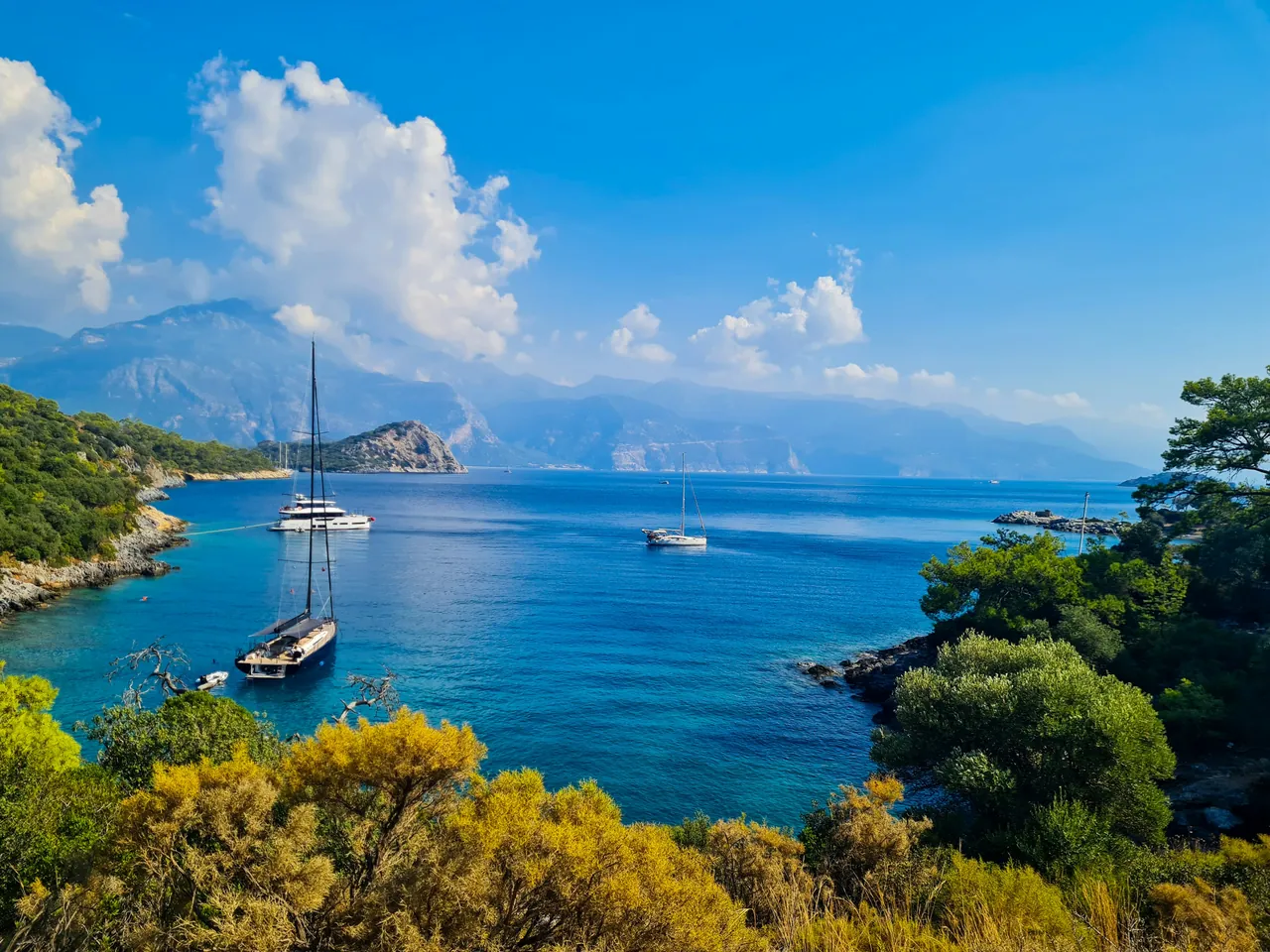
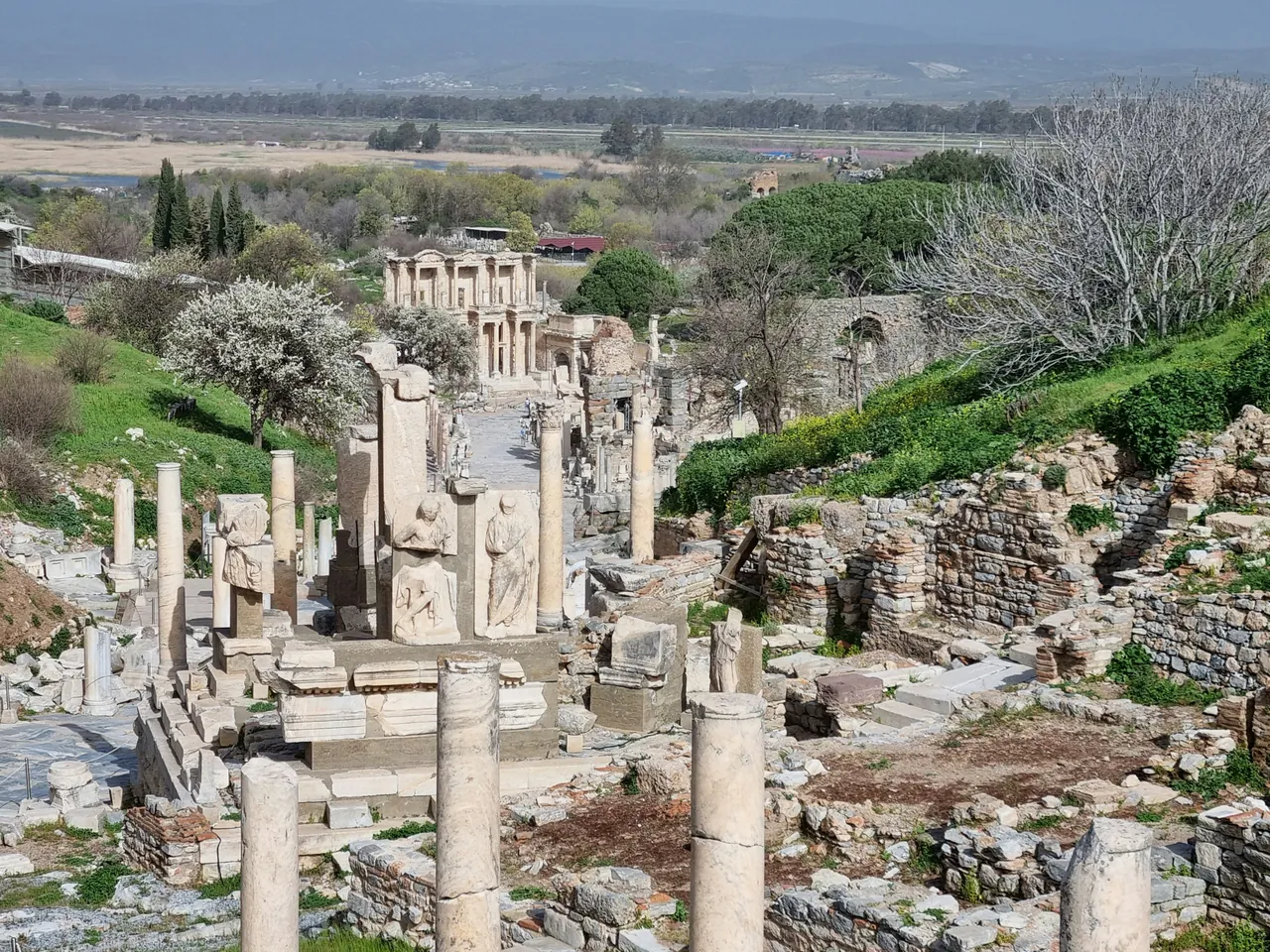
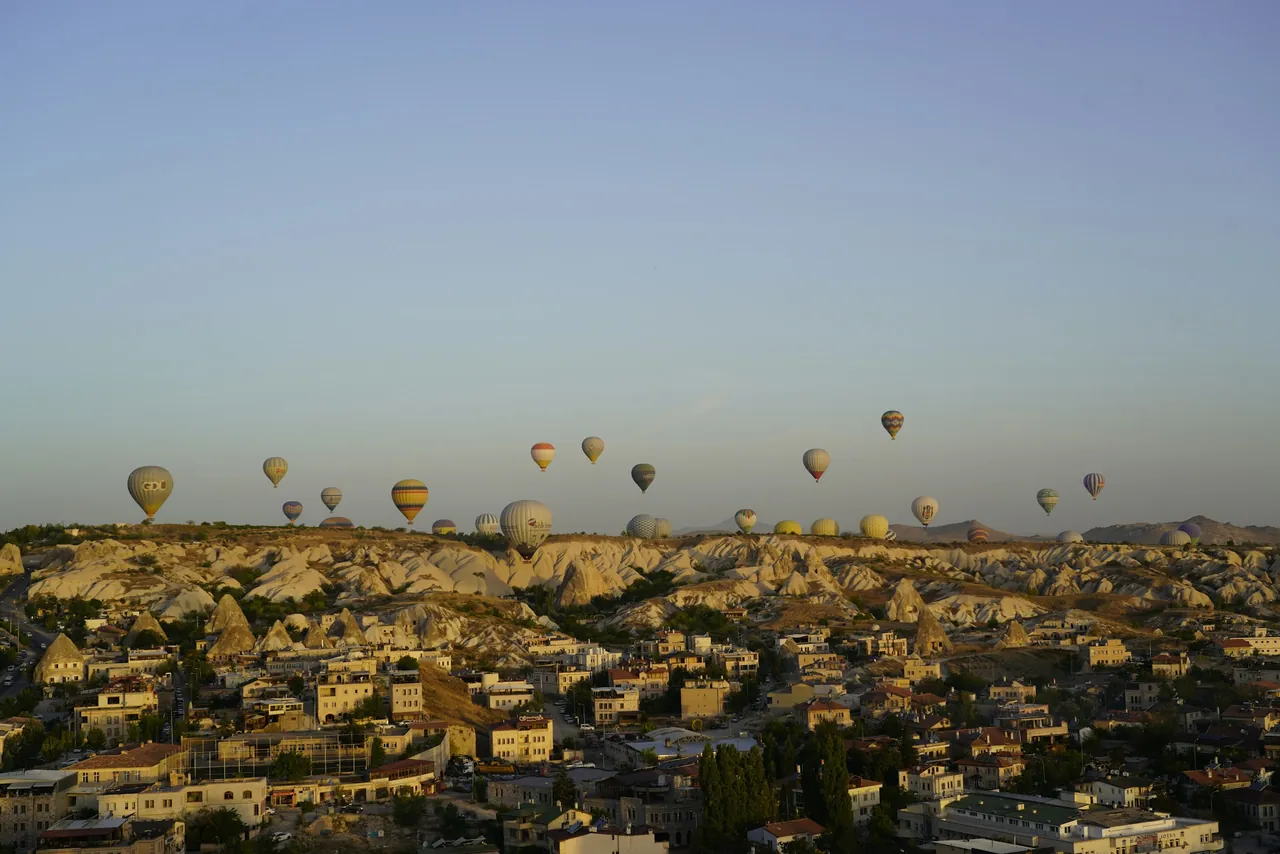
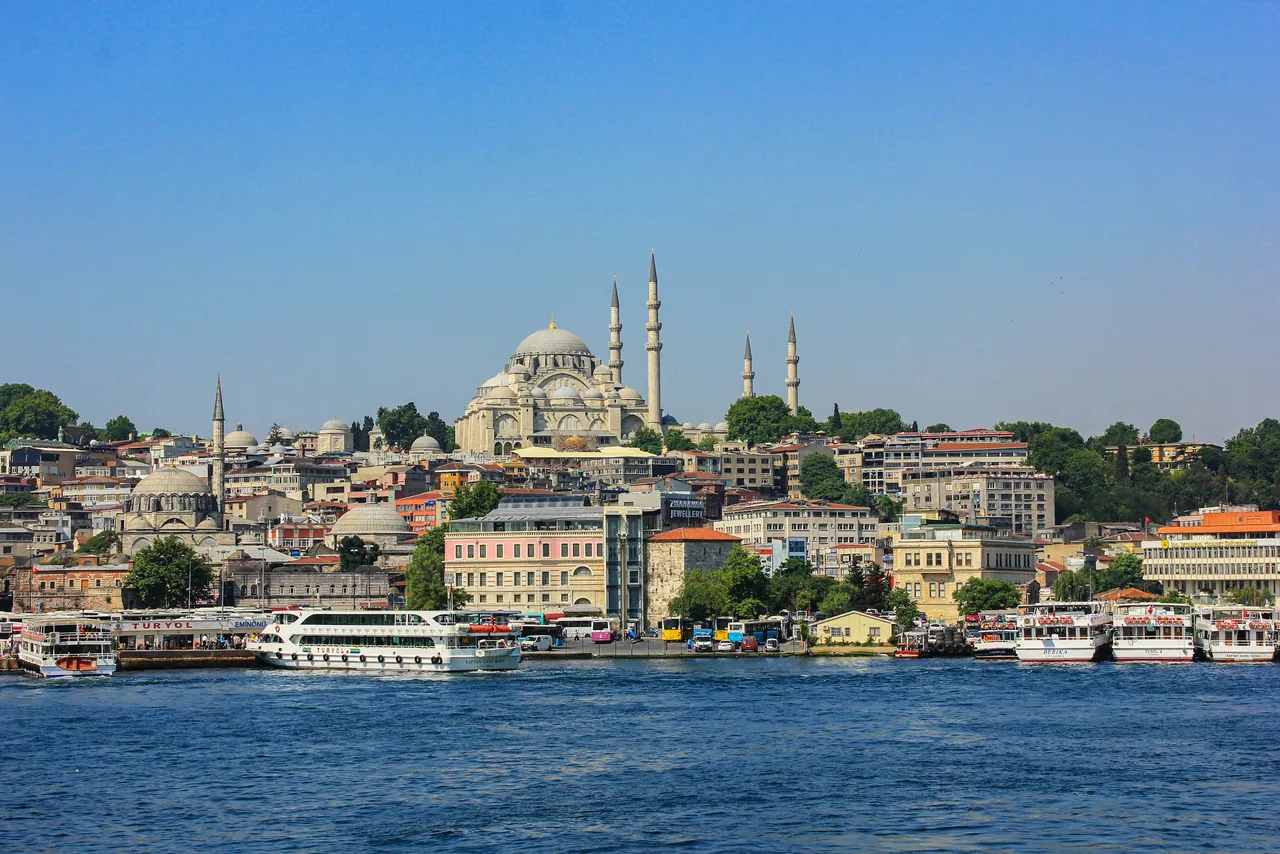
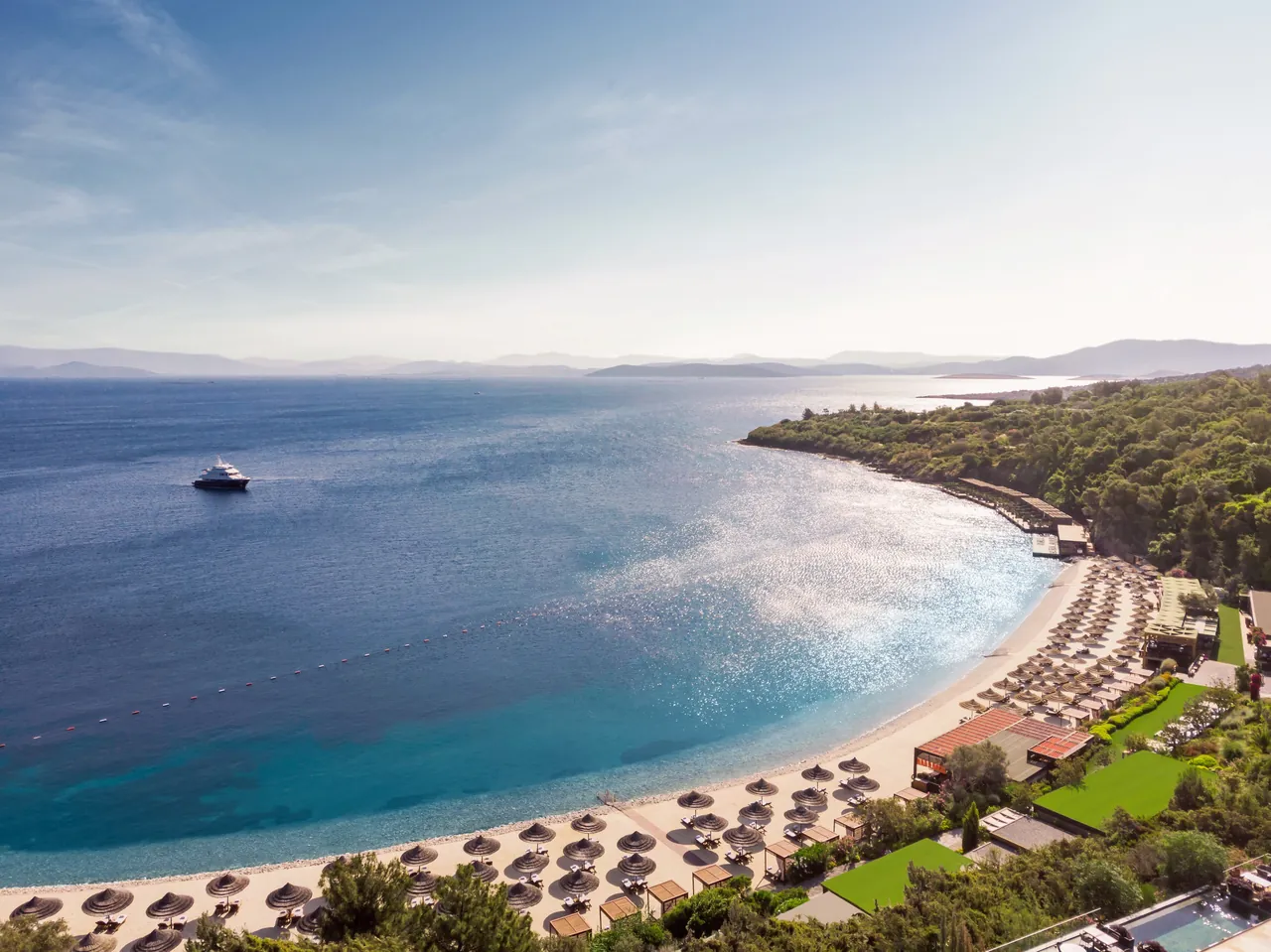
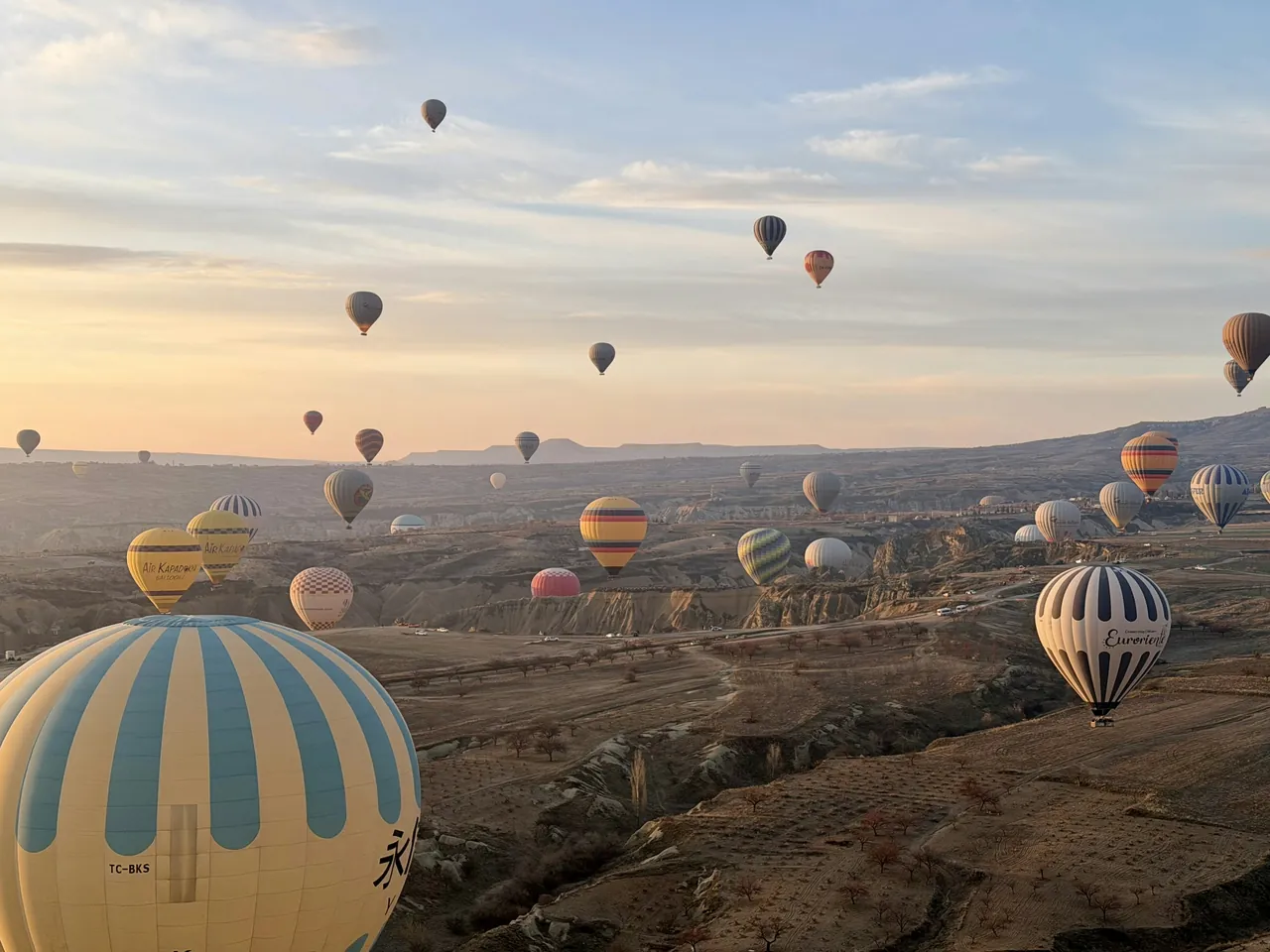
Türkiye bridges two continents and many civilisations. Istanbul is the starting point, with its mosques, museums and food. Cappadocia has cave dwellings, underground cities and valleys seen from a hot air balloon. The Aegean coast runs past Bodrum and the ruins of Ephesus and Pergamon, and the Turquoise Coast around Antalya and Fethiye is sailed by traditional boat. Further east are Göbekli Tepe, the green Black Sea mountains and the mountains around Kars. Spring suits walking, summer the coast and autumn the festivals, while winter brings skiing in the east.
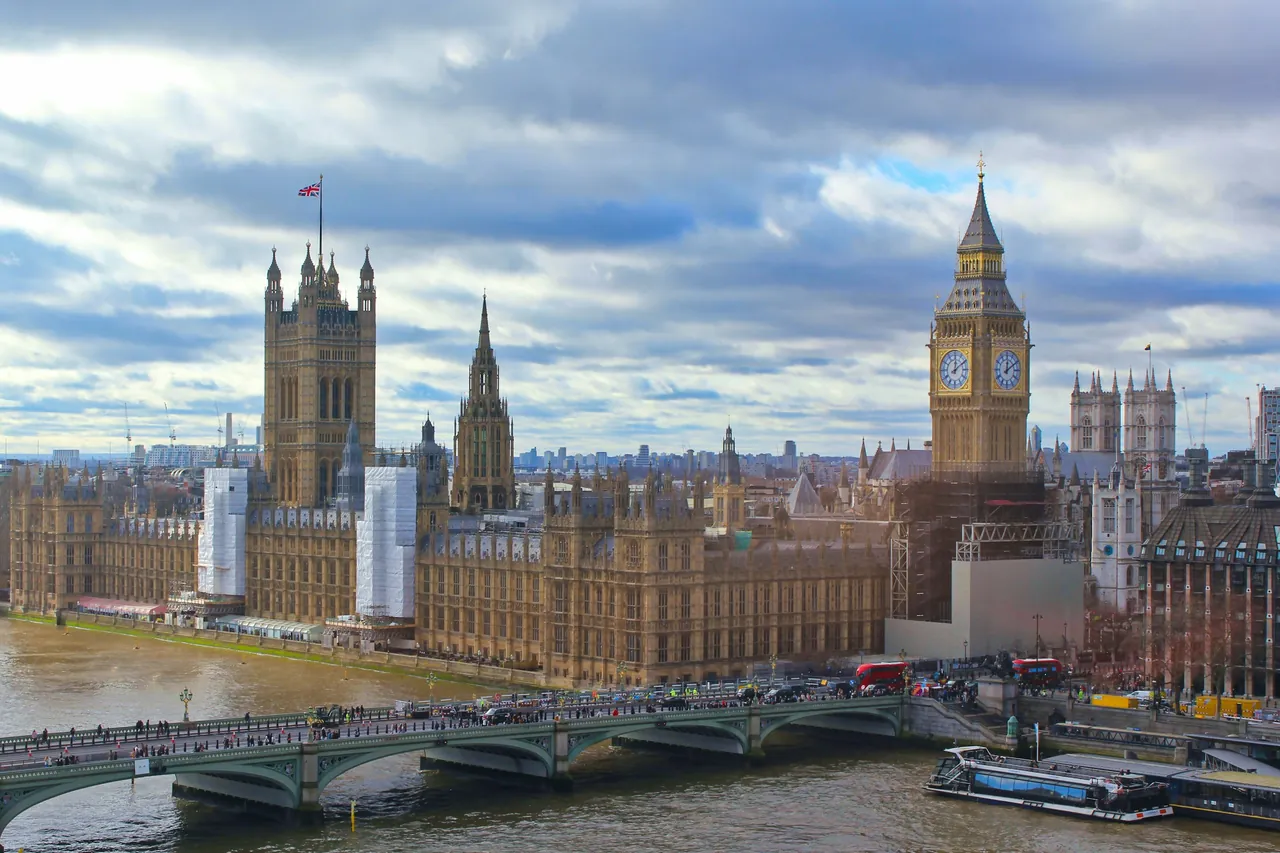
United Kingdom
Best time: May to Sep
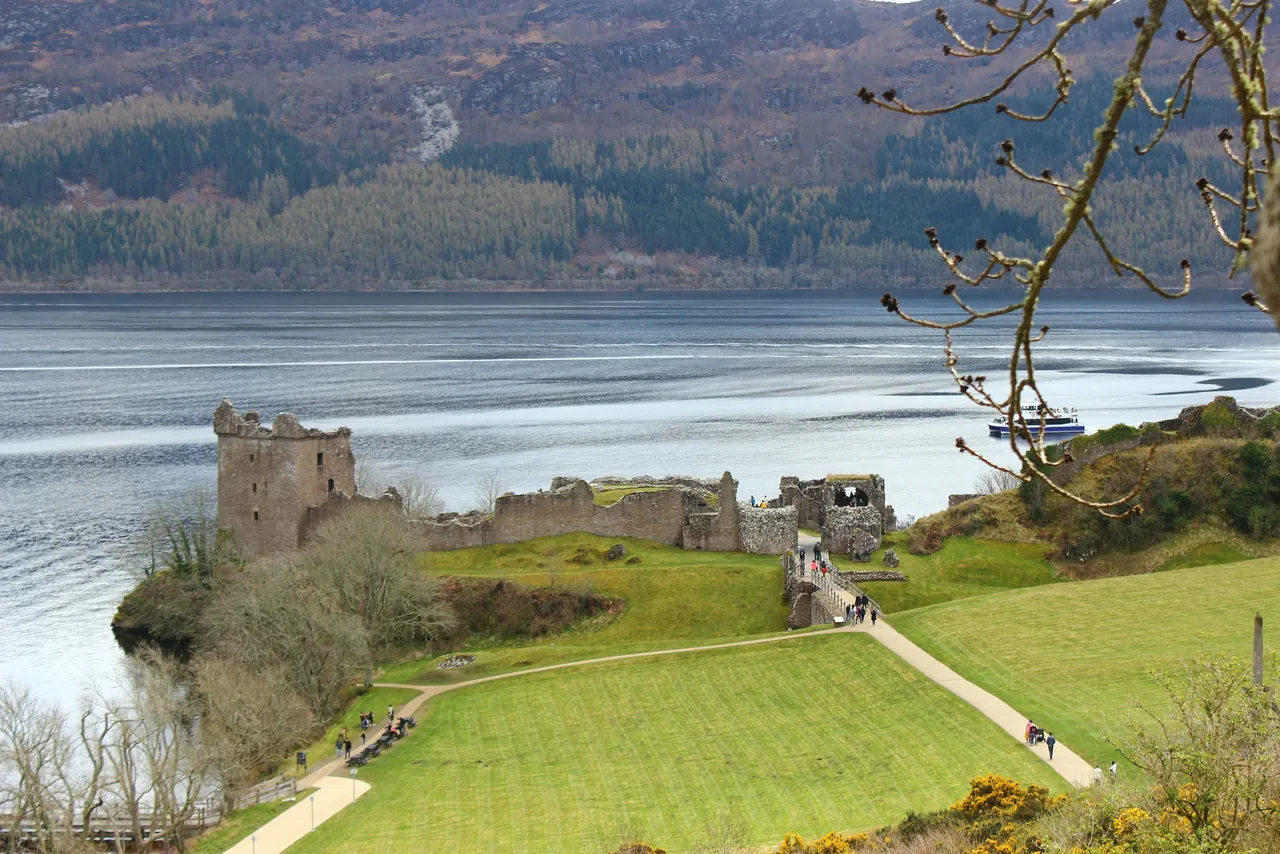
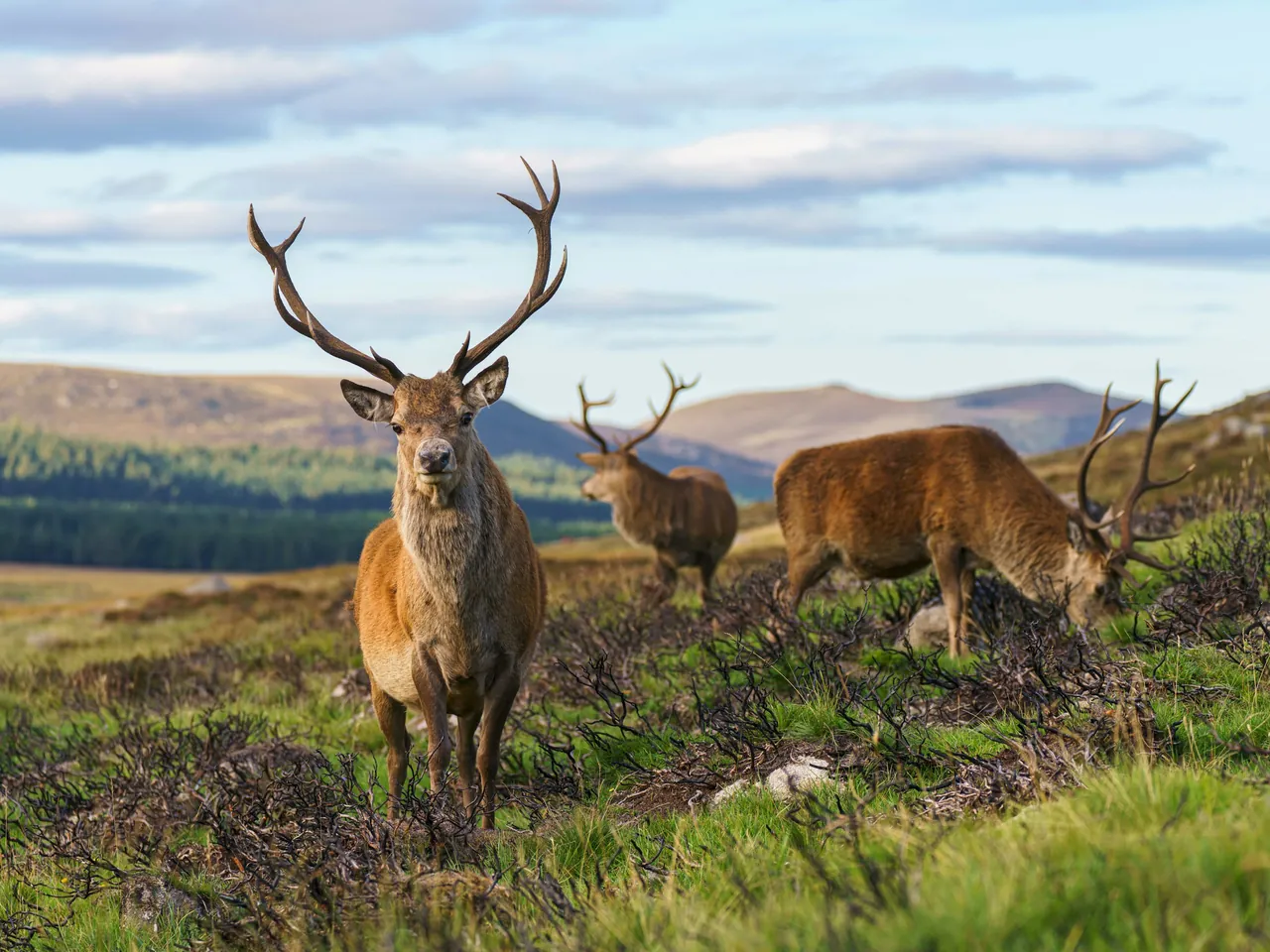
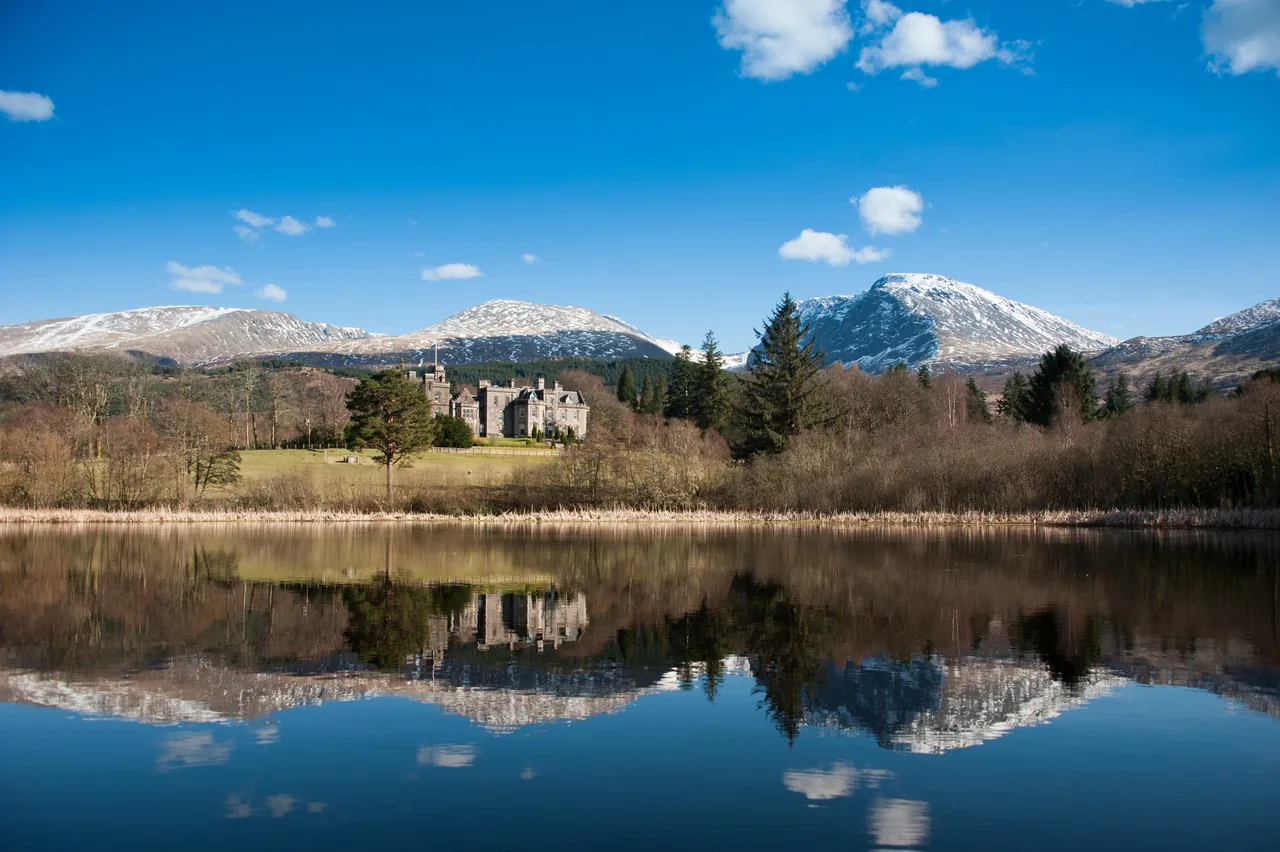
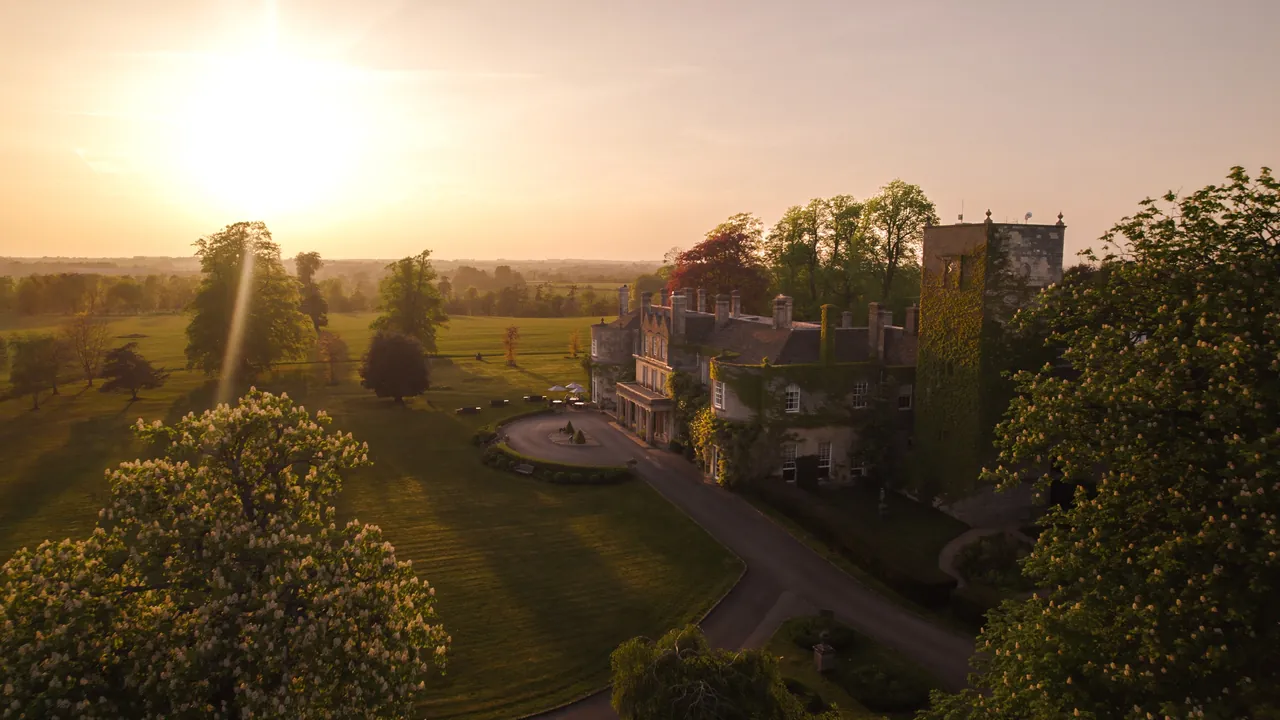
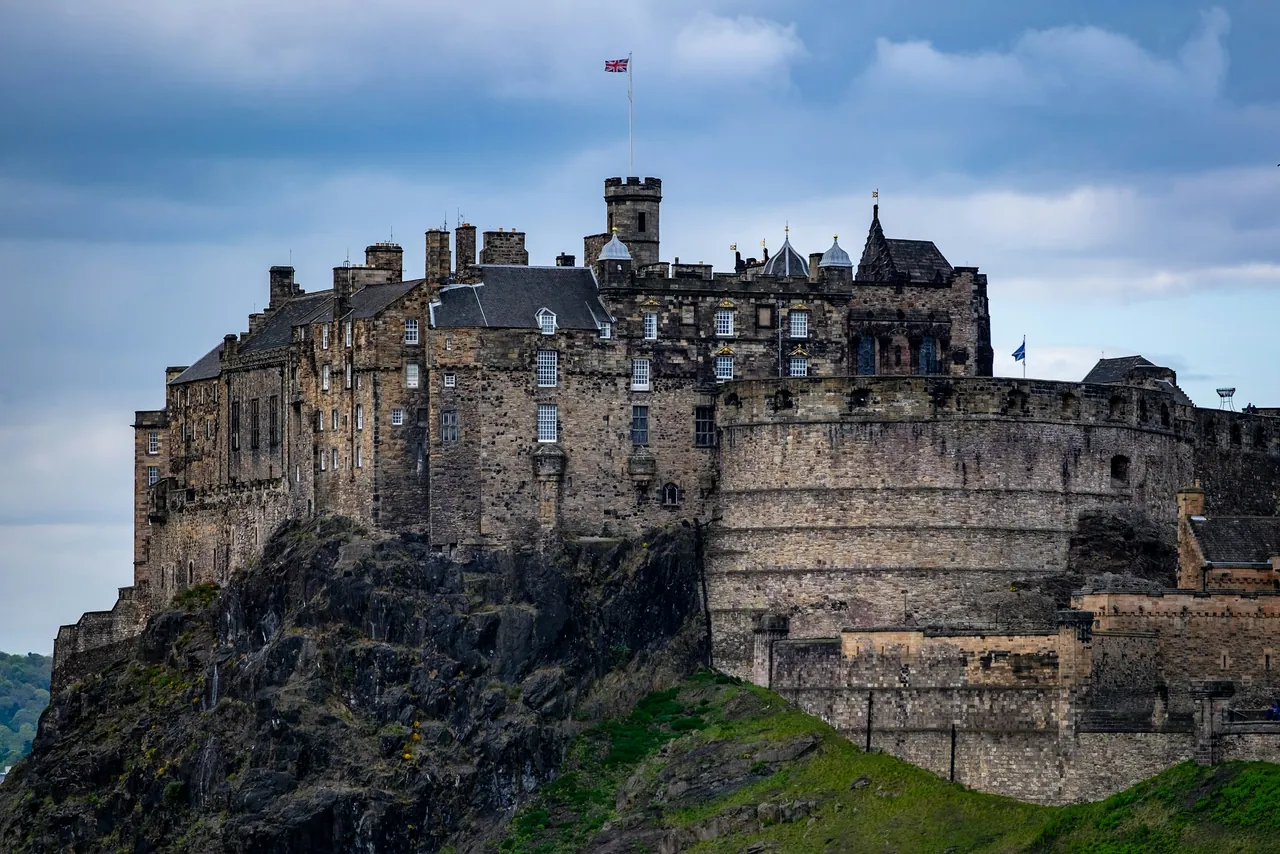
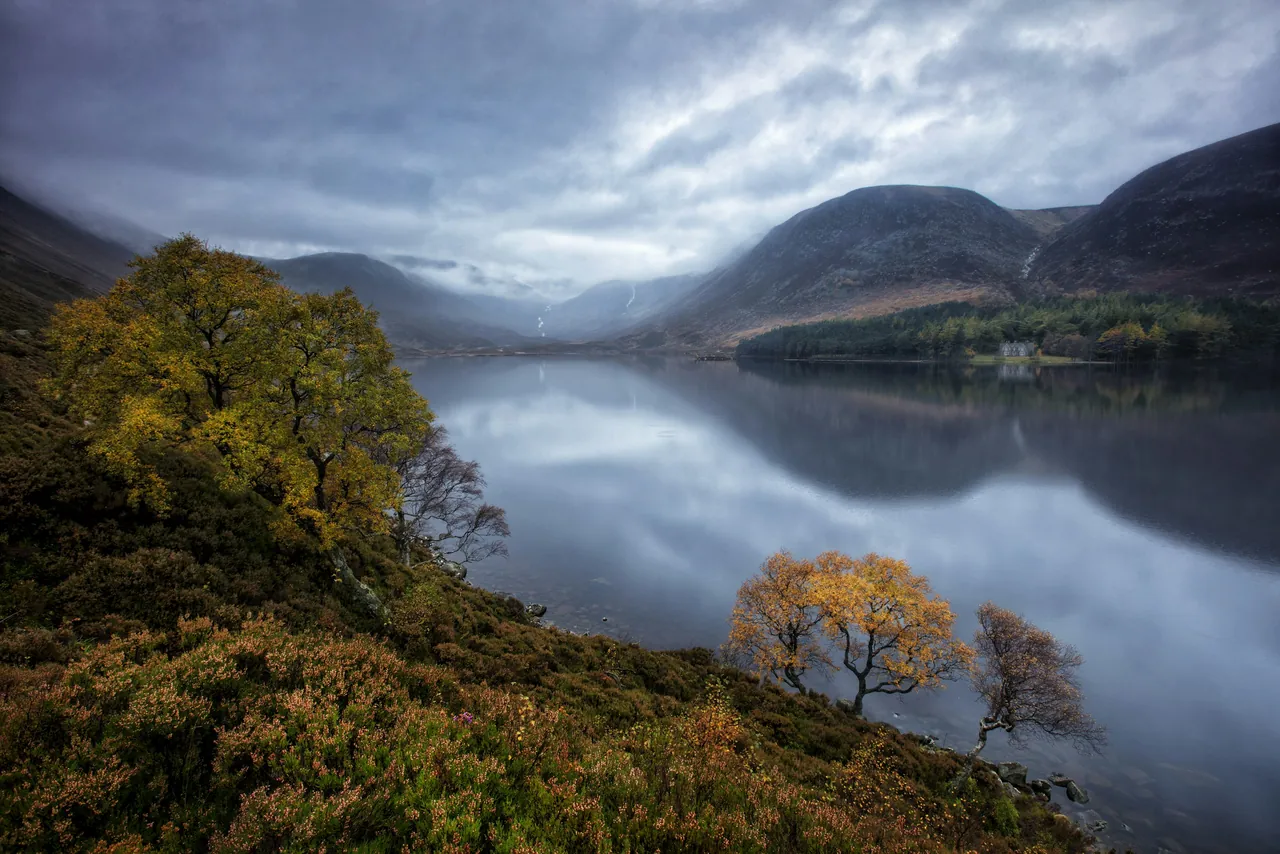
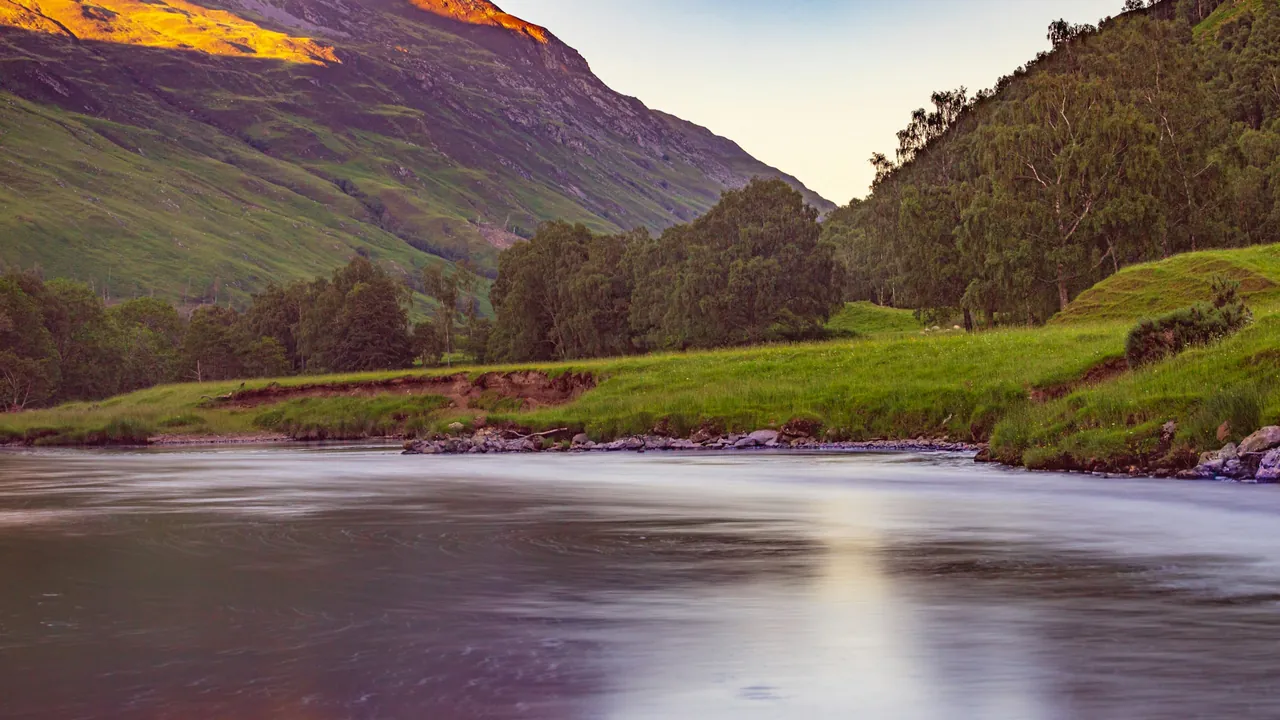
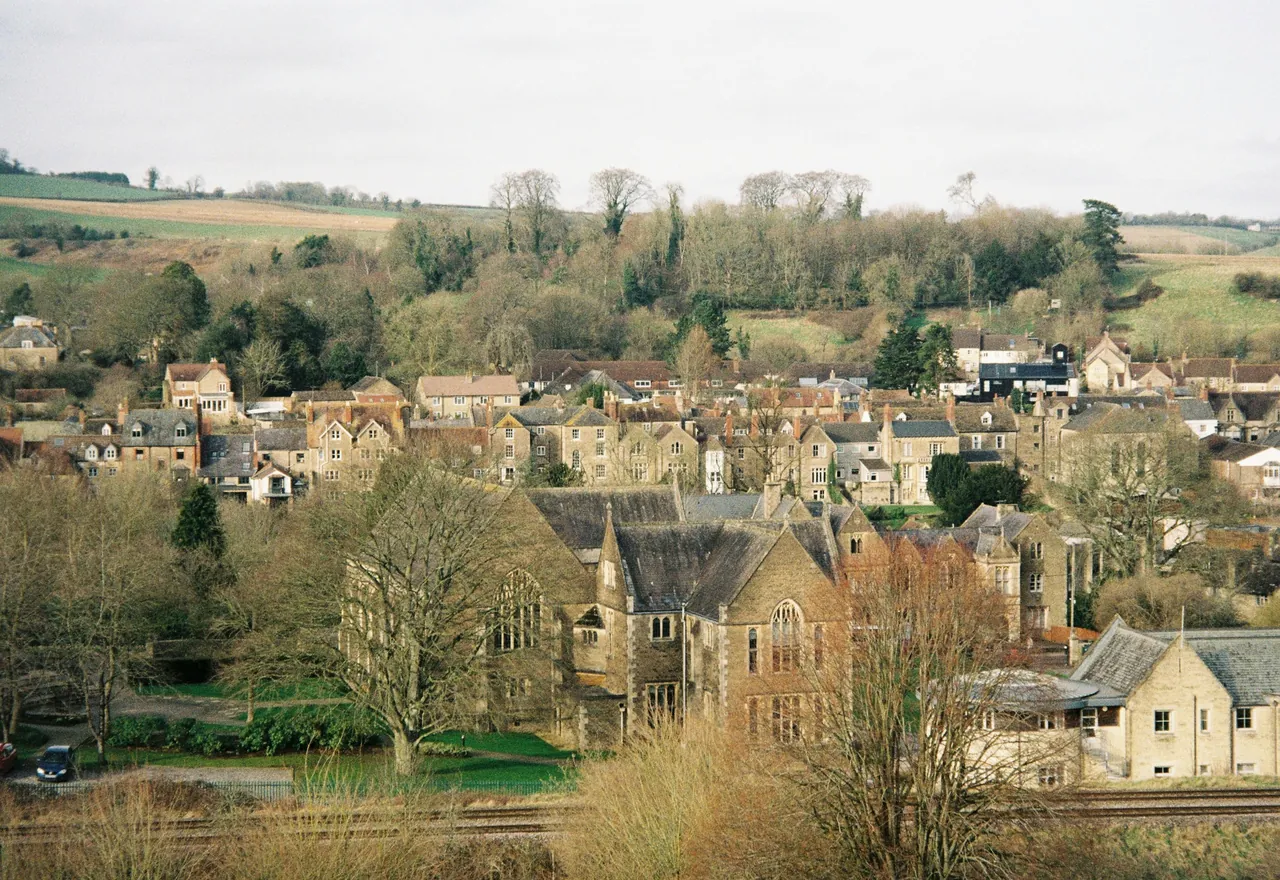
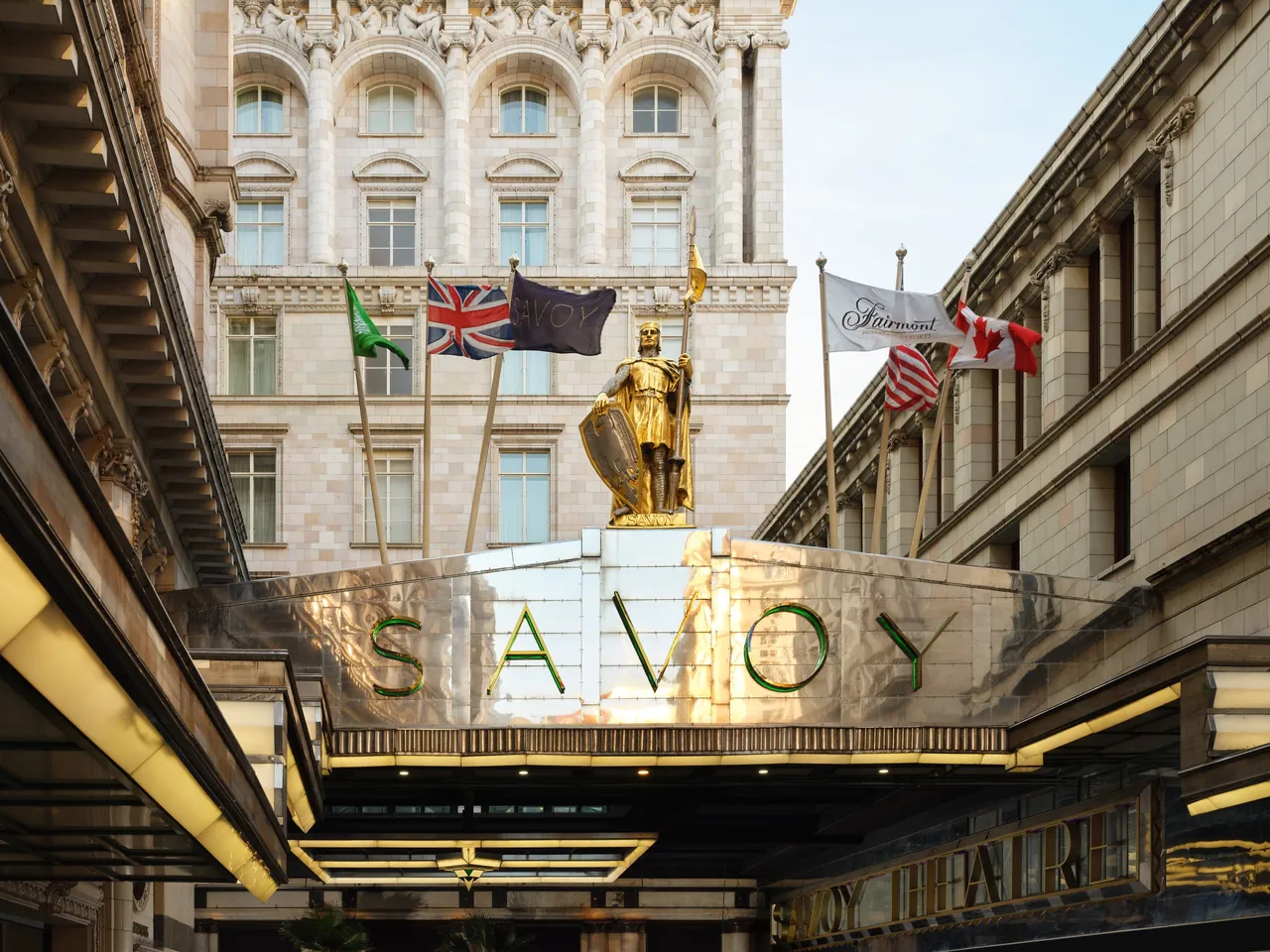
The United Kingdom brings together England, Scotland, Wales and Northern Ireland, and each rewards a different kind of journey. London is the obvious centre, with Liverpool, Edinburgh and Glasgow close behind for music, culture and history. The Scottish Highlands offer lochs, castles and dark skies; Skye, Orkney and Shetland lie further out. Wales has a rocky shoreline made for coasteering, England its rolling countryside, stately homes, historic towns and coastal paths. Devon is known for its seafood. Autumn colour is a particular pleasure in the countryside.