Anguilla
Best time: Dec to Apr
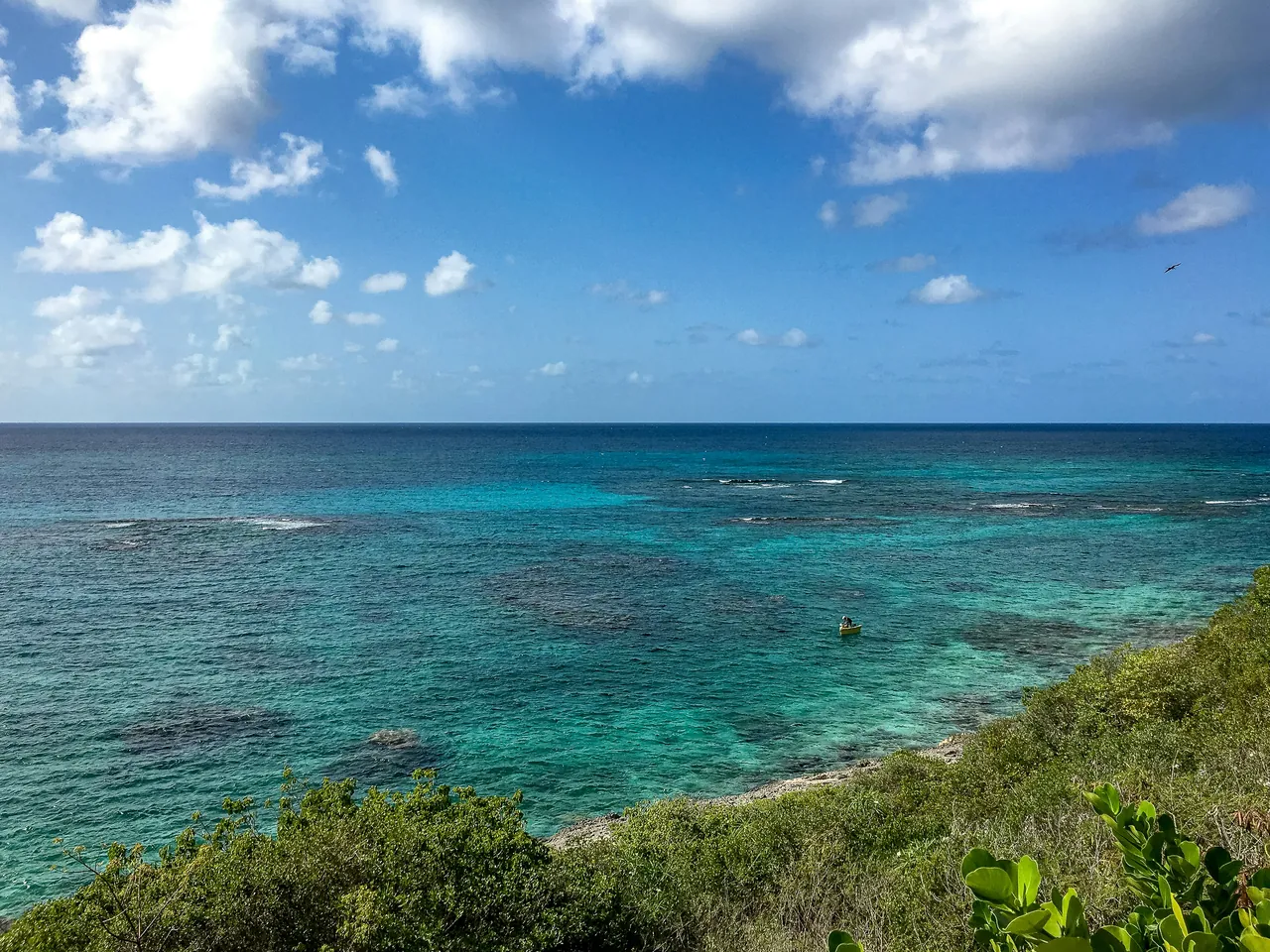
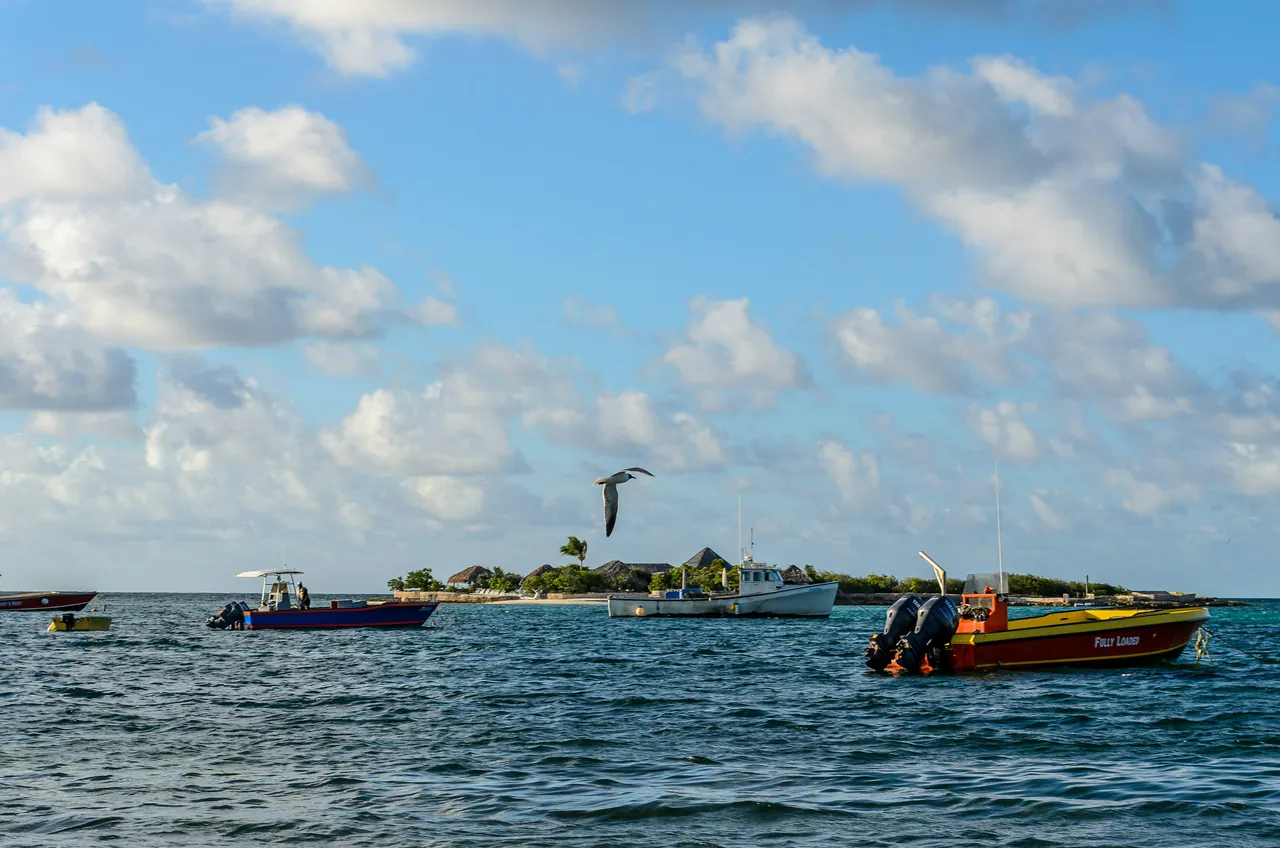
Anguilla covers about 35 square miles in the British West Indies, and most people come for the beaches, which are among the finest in the Caribbean. Rendezvous Bay, Long Bay and the villages of the West End and Sandy Ground hold much of the island's life. Small cays offshore, among them Prickly Pear, Sandy Island and Dog Island, make easy boat trips. The island has a serious food culture, with everything from beach bars to formal dining rooms, and local sport means boat racing and dominoes. It suits a week of quiet days and long dinners.
Antigua and Barbuda
Best time: Dec to Apr
Two islands share this flag, and locals like to say there are 365 beaches between them. Antigua is the livelier of the pair, with St John's, English Harbour and a calendar built around Sailing Week and Carnival, plus a Culinary Month for anyone who travels to eat. Barbuda is quieter and far less visited, known for shores of pink sand. Expect British colonial character and plenty of rum on Antigua, and diving, kayaking and hiking for anyone who wants more than the beach. It works well for couples and for families.
Aruba
Best time: Year-round
Aruba is a small, mostly flat island of about 70 square miles, some 15 miles off the coast of Venezuela. Its climate is semi-arid and sunny, with trade winds that shape the shoreline and keep the heat in check. There are more than 20 public beaches and coves, from the calm water at Baby Beach to the windier northern shore, and divers come for the wrecks offshore. Inland, Arikok National Park covers rough desert country. Dutch and Papiamento are the official languages, and the kitchen draws on nearly 100 nationalities, with dishes such as keshi yena.
Barbados
Best time: Dec to Apr
Barbados mixes island ease with a strong sense of its own history. It calls itself the birthplace of rum, and its rum shops are part of the island's story. Bridgetown, Holetown, Speightstown and Port St Charles are the names to know, and the island is divided into 11 parishes, each with its own character. Crop Over is the great festival of the year, and music runs through island life. Days can move from kiteboarding or surfing to afternoon tea, and Barbados markets itself firmly on its cooking.
Bermuda
Best time: Apr to Nov
Bermuda sits alone in the North Atlantic, about 600 miles from the nearest mainland and around 90 minutes by air from New York. It covers only 21 square miles, divided into nine parishes, and is known above all for the pink sand beaches of its South Shore. The climate is subtropical, and the sea is warm enough for swimming from about April to November. Ashore there is the Royal Naval Dockyard, the pastel streets of Hamilton, the historic town of St George's and the Crystal Caves. The mood is relaxed, with a British accent.
British Virgin Islands
Best time: Dec to Apr
The British Virgin Islands are a scatter of more than 50 islands and cays, with calm bays that have made them one of the great sailing grounds of the Caribbean. Tortola is the largest and holds the capital, Road Town. On Virgin Gorda, The Baths is a beach of giant granite boulders with pools of sea between them. Anegada is the only coral island in this volcanic chain, while smaller islands such as Jost Van Dyke, Norman Island and Cooper Island make easy day sails. Sailing between anchorages is the natural way to see them.
Cayman Islands
Best time: Nov to Apr
Three islands, three moods. Grand Cayman is the busy one, with Seven Mile Beach, George Town and a food scene that bills itself as the culinary capital of the Caribbean. Cayman Brac, named for its bluff, is the adventurous one, with rare plants and wildlife, while Little Cayman is small, quiet and remote. Diving is the great draw: the islands count 365 dive sites, with coral reefs and wrecks such as the Captain Keith Tibbetts, and Stingray City makes a fine family outing. The dry season runs from November to April.
Cuba
Best time: Dec to Apr
Cuba is the largest island of the Antilles, at the centre of an archipelago of more than 4,000 cays and islets. Havana is the place to start, and the old city rewards several days. Beyond it lie Viñales and Las Terrazas to the west, the colonial town of Trinidad, Santiago de Cuba in the east and the beaches of Varadero and the cays. Cultural connections are the reason to come: music, festivals such as Jazz Plaza in Havana, and time spent with Cubans themselves. A trip here needs careful planning and a good local guide.
Curaçao
Best time: Year-round
Curaçao is a colourful island in the southern Caribbean, with Willemstad as its main town. The coast is broken into beaches and coves, some of the finest in the region, and diving and snorkelling are a large part of any stay. Christoffel National Park covers the island's wilder country, and art, museums and heritage sites fill the days ashore. The island has close communities, a busy calendar of concerts and festivals, and a kitchen shaped by many cultures. Water temperatures stay at around 81 degrees Fahrenheit, and it combines easily with Aruba.
Dominica
Best time: Dec to Apr
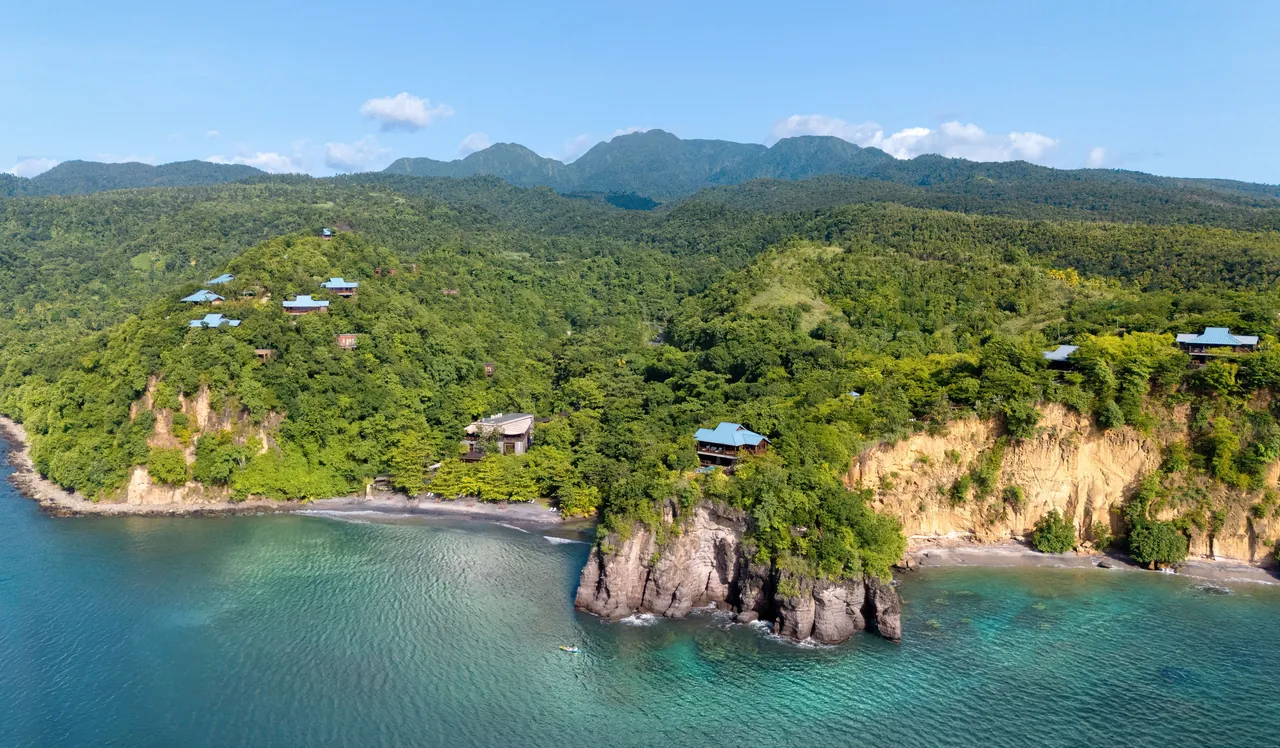
Dominica calls itself the Nature Island, and it earns the name. This is an island of rainforest, volcanoes and hot springs, closer in spirit to a national park than a beach resort, and it attracts people who want to be outdoors. Roseau, Portsmouth and the Cabrits headland are the main points of arrival. Most days are spent walking, swimming, soaking in thermal springs and then resting somewhere small with a view, and wellness is part of the offer too. It suits active travellers and anyone who wants the Caribbean without the crowds.
Dominican Republic
Best time: Dec to Apr
The Dominican Republic has one of the widest ranges of any Caribbean destination. Punta Cana and La Romana in the east are built around beaches and golf, with jungle not far behind; Samaná has Taíno rock art in its caves, and Puerto Plata and Cabrera lie along the north. In Santo Domingo, the Museum of the Dominican Man tells the story of the Taíno. Communities from Sosúa to Constanza and San Pedro de Macorís reflect a varied history, Carnival takes over in February, and the cooking, music and dancing are worth seeking out.
Grenada
Best time: Dec to Apr
Grenada is known as the Spice Island, and its lush, forested interior is as much of a draw as the coast. Inland there are peaks to climb and 14 waterfalls with pools to swim in. Grand Anse is the famous beach, and offshore lies the first underwater sculpture park in the world, along with wreck and reef dives. Chocolate and spices are grown and made here, oil down is the national dish, and Spice Mas, the August carnival, is the island's great party. Carriacou and Petite Martinique, the sister islands, are rebuilding after Hurricane Beryl.
Guadeloupe
Best time: Dec to May
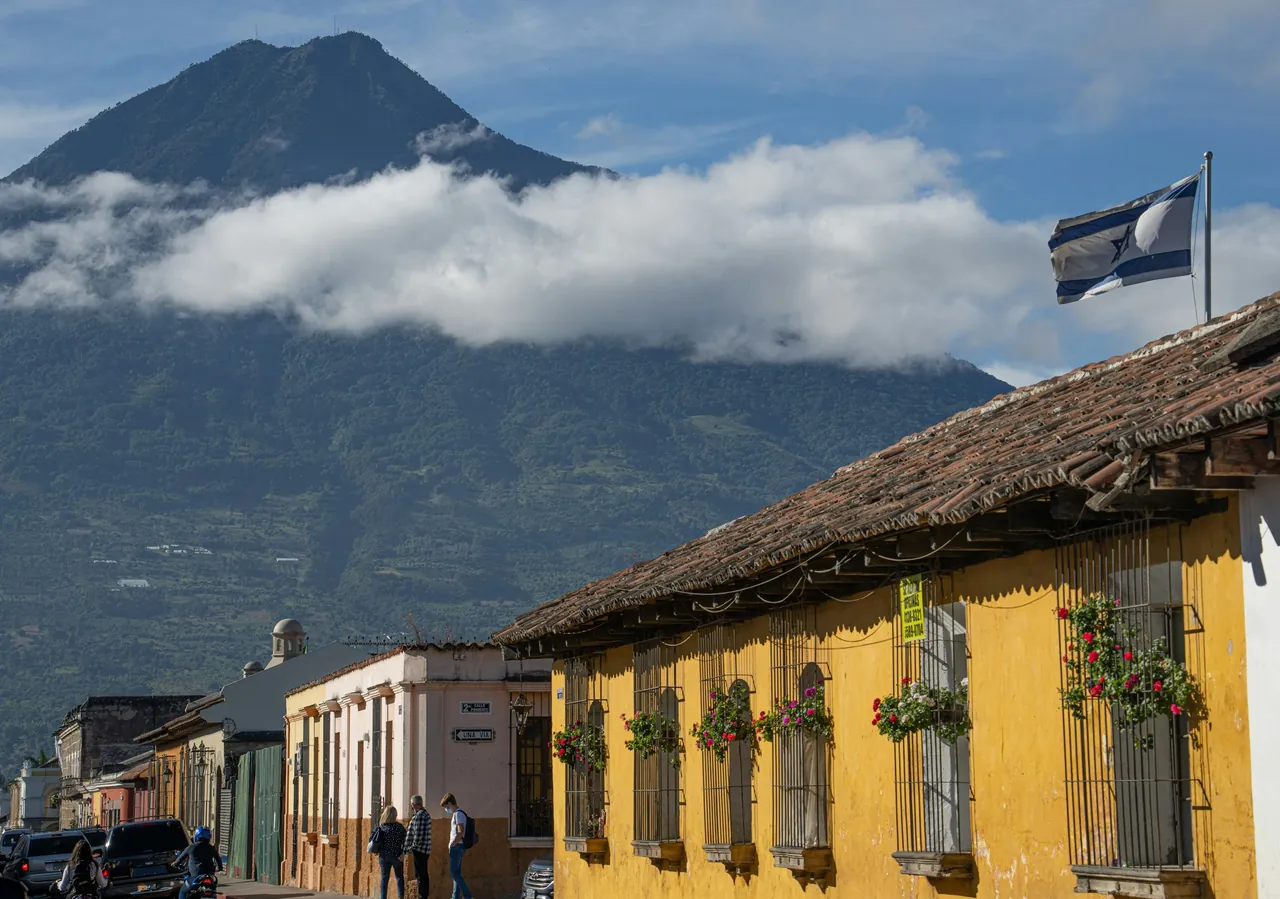
Guadeloupe is a French archipelago shaped like a butterfly. Basse-Terre, one wing, is mountainous, with La Soufrière volcano, a national park and waterfalls; Grande-Terre, the other, has the beaches. Smaller islands complete the picture: Les Saintes, Marie-Galante and La Désirade, each slower than the last. Creole culture runs deep, with Carnival from January to March and a blues festival on Marie-Galante in May. The dry season, December to May, brings calm seas for diving and the clearest conditions for hiking the volcano.
Jamaica
Best time: Dec to Apr
Jamaica is a big island with very different corners. Negril has seven miles of white sand and long sunsets; Montego Bay and Ocho Rios are busier, with beaches, rivers and attractions; Port Antonio is quiet and creative, and the South Coast is rural and community minded. Kingston, the capital, is the place to understand the music, for this is the birthplace of reggae. Up in the Blue Mountains, the coffee that carries their name is grown. The food alone is reason to come, from ackee and saltfish to conch fritters.
Martinique
Best time: Dec to Apr
Martinique is a mountainous French island where Creole culture, rum and food matter as much as the beaches. The wild north climbs towards Mount Pelée through forests, waterfalls and green peaks. The centre holds Fort-de-France and Trois-Îlets, and the south has beaches such as Les Salines at Sainte-Anne and the coves of Les Anses d'Arlet and Le Diamant. Rum distilleries are part of any visit. Known as the island of flowers, it is also the island of the poet Aimé Césaire, and its local life is busy and sociable.
Puerto Rico
Best time: Dec to Apr
Puerto Rico is a U.S. territory, so Americans travel without a passport, and it is one of the easiest islands to reach, with hundreds of weekly flights. Old San Juan has centuries-old fortresses and colourful colonial streets. El Yunque National Forest is described as the only tropical rainforest in the United States, and the island has three bioluminescent bays. Vieques and Culebra lie offshore for quieter beaches, the west coast is for surfing, and the central mountains grow coffee. Salsa, bomba, rum and slow-roasted lechón complete the picture.
Saint Martin
Best time: Dec to Apr
Saint Martin is the French side of an island shared with Dutch Sint Maarten, the smallest piece of land in the world divided between two nations. Its capital, Marigot, has 19th-century houses along Rue de la République and a busy harbour. Grand Case is the island's dining village, with formal restaurants and simple roadside grills on the same street. Orient Bay and Baie Longue are among the beaches, and the crossing to the Dutch side takes no time at all.
Sint Maarten
Best time: Dec to Apr
Sint Maarten is the Dutch half of a shared island, with the French side, Saint Martin, just across the border. Philipsburg, the capital, has colourful houses, murals, shops and restaurants along Great Bay Beach. Maho Beach is known for aircraft passing low overhead on their approach to the airport, and Simpson Bay is another of the island's hubs. Sailing, diving, fishing and windsurfing are all on hand, and the island is the usual starting point for the short flight to St Barth.
St Barthélemy
Best time: Dec to Apr
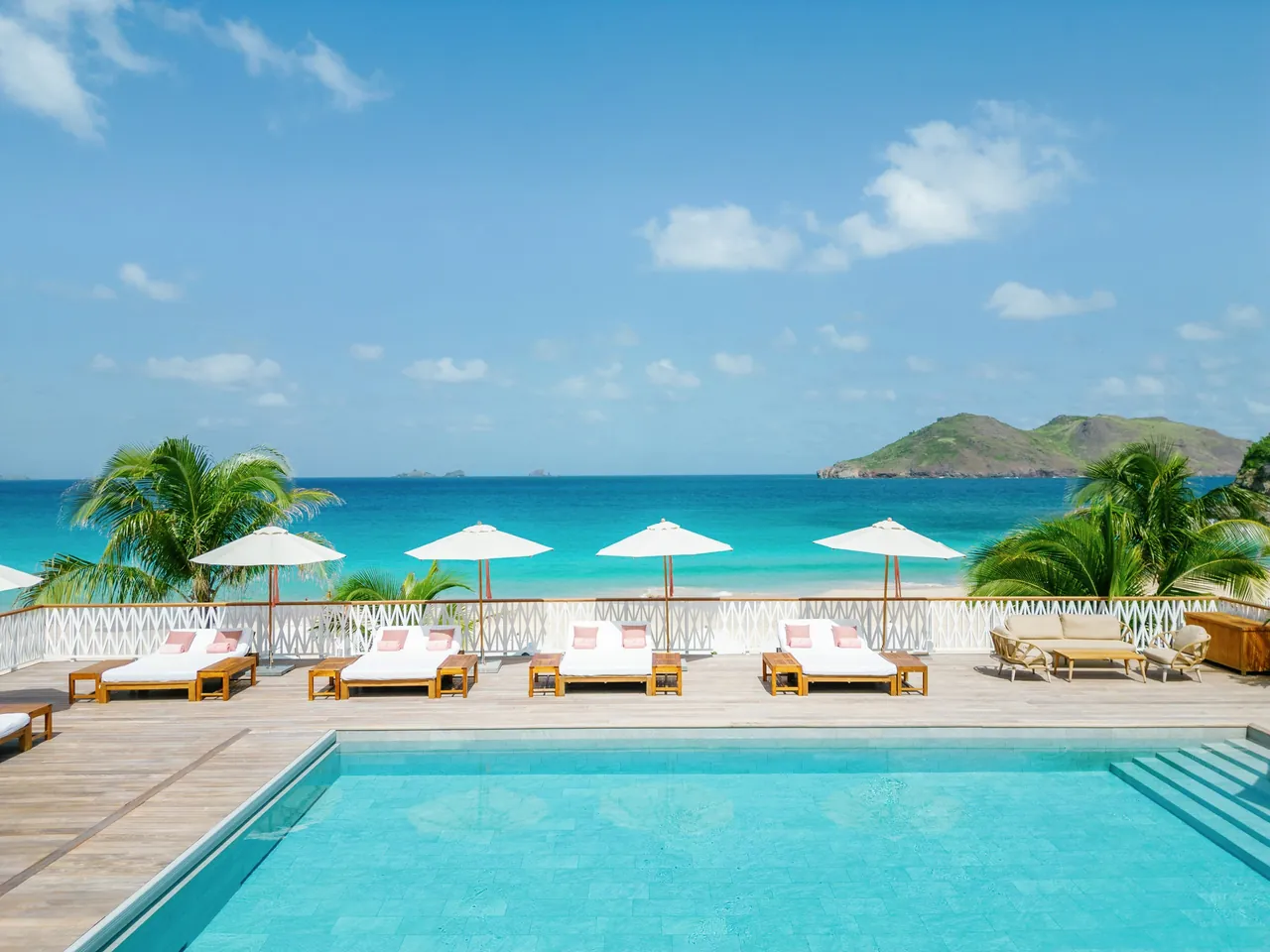
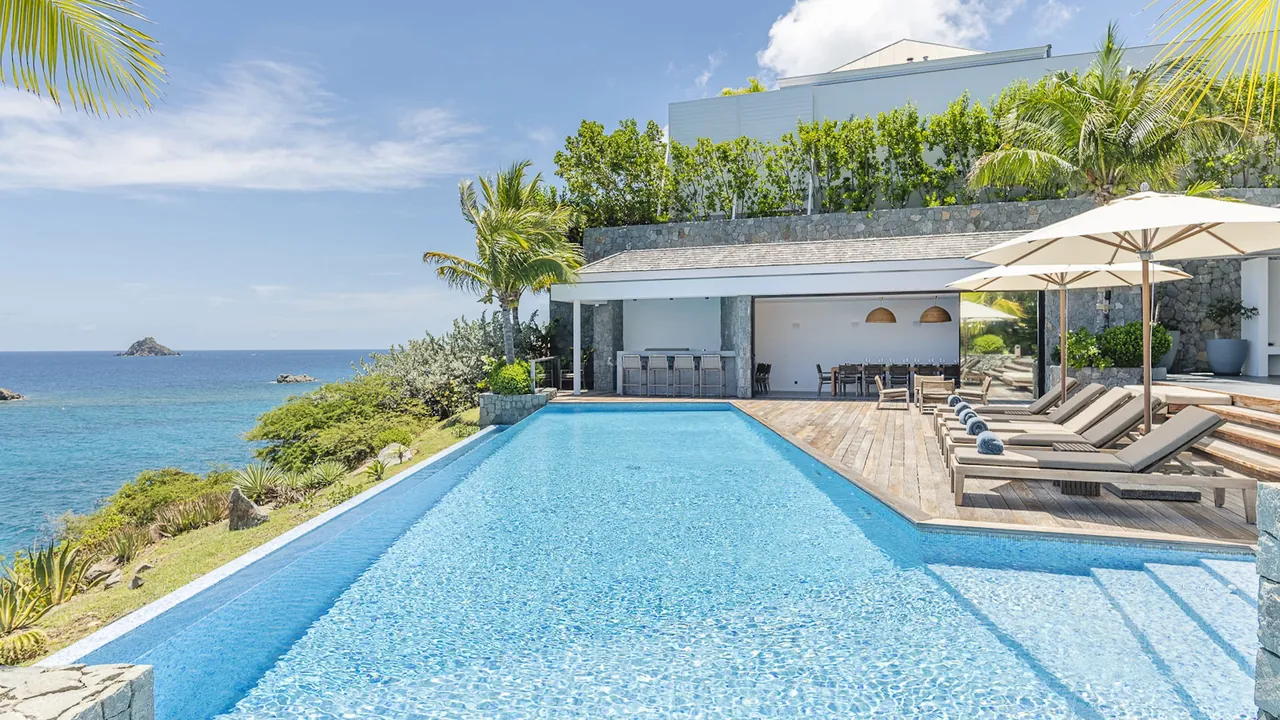
St Barthélemy, or St Barth, is a small French island with a chic, worldly air. Gustavia, the harbour town, is the place for shops, restaurants and people watching. Beaches such as Saline, Gouverneur and Corossol each have their own character, and the food is as French as the language. The sailing calendar draws an international crowd for the Bucket regatta and Les Voiles de St Barth, and there is a gourmet festival too. Most visitors arrive on a short flight from Sint Maarten or come across by ferry.
St Kitts and Nevis
Best time: Dec to Apr
These two islands sit side by side in the northern Lesser Antilles. St Kitts has Mount Liamuiga, the fortress on Brimstone Hill, a scenic railway on the old sugar line and Romney Manor with its gardens; Cockleshell Beach looks straight across to Nevis. Nevis is smaller and gentler, with Nevis Peak at its centre, golden and black sand beaches, plantation inns and no traffic lights. Alexander Hamilton was born in Charlestown in 1757, and the Bath Hotel of 1778 was the first hotel in the Caribbean. Turtles nest on Nevis in summer.
St Lucia
Best time: Dec to Apr
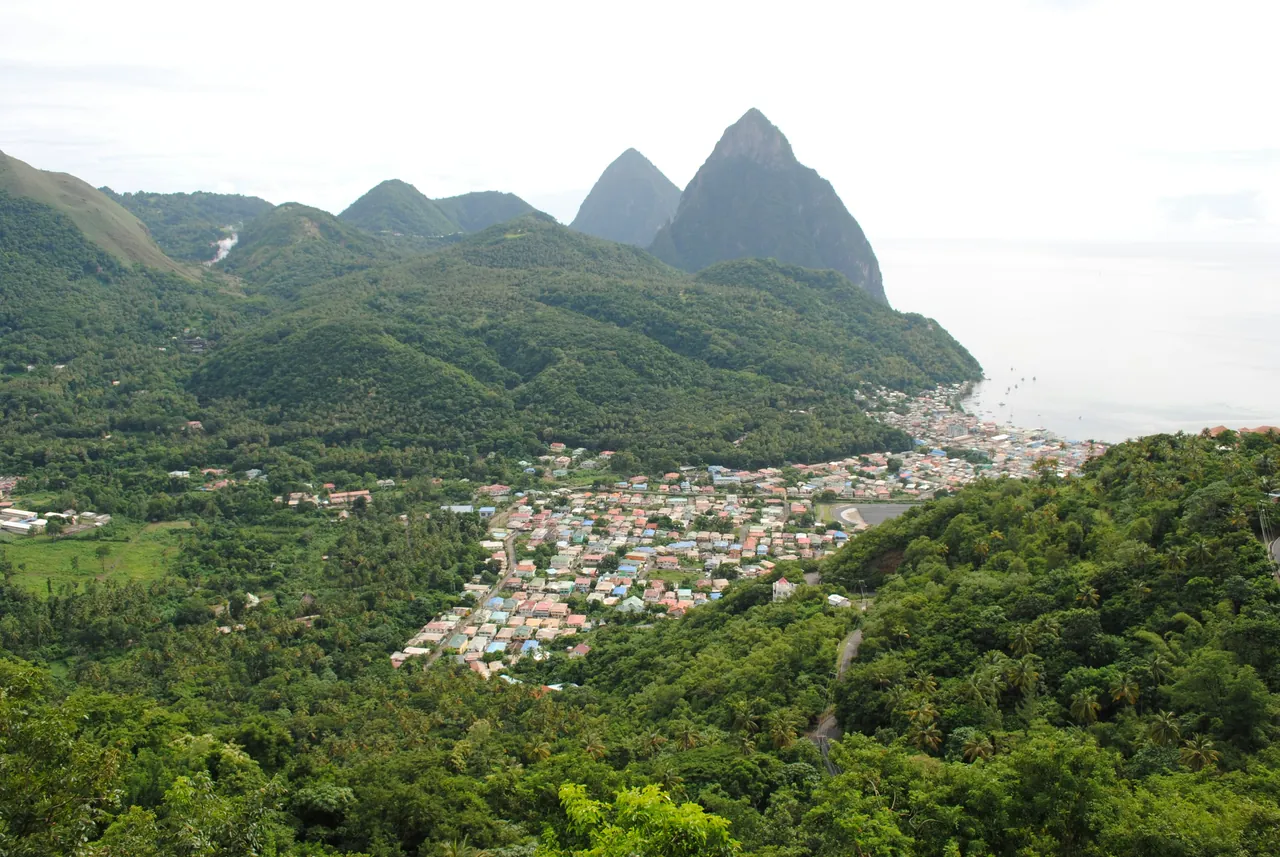
St Lucia is defined by the Pitons, the volcanic peaks that rise near Soufrière. The island is green and mountainous, with rainforest to walk or zipline through, volcanic mud baths and mineral springs, and trails such as Tet Paul for views of the peaks. Castries, Rodney Bay, Gros Islet and Marigot Bay are the other names to know, and most travellers come for a secluded stay rather than a busy resort. The dry season, December to April, is the peak, while the summer brings the Jazz and Arts Festival and quieter resorts.
St Vincent and the Grenadines
Best time: Dec to Apr
This chain of 32 islands and cays begins with St Vincent, which is green and volcanic, with rainforest and black sand. The Grenadines to the south are the opposite: small islands ringed by reef, with white beaches and turquoise lagoons. Bequia, Mustique, Canouan, Mayreau and Union Island each have their own pace, and the Tobago Cays are for snorkelling and long days on the water. Sailing, diving and regattas shape the calendar, and moving between the islands by yacht is the natural way to travel here.
The Bahamas
Best time: Dec to Apr
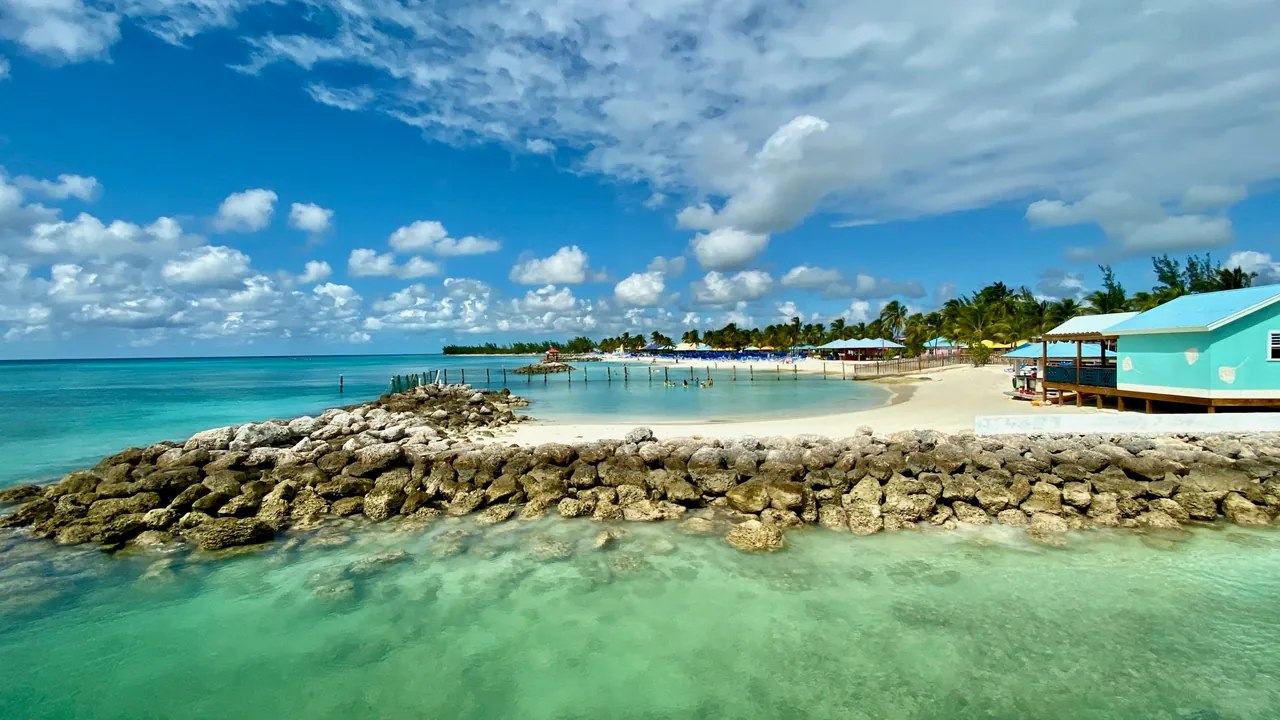
The Bahamas spreads over some 100,000 square miles of clear Atlantic water, with 16 main islands among more than 700. Each has its own character. The Exumas are known for the swimming pigs of Big Major Cay and the Exuma Cays Land and Sea Park; Eleuthera and Harbour Island have colourful New England style towns and pink sand; Andros, the largest island, is full of blue holes and reef. Long Island has Dean's Blue Hole, the second deepest in the world, and Inagua holds some 80,000 flamingos. Nassau gives the city end of the trip.
Turks and Caicos Islands
Best time: Jan to Apr
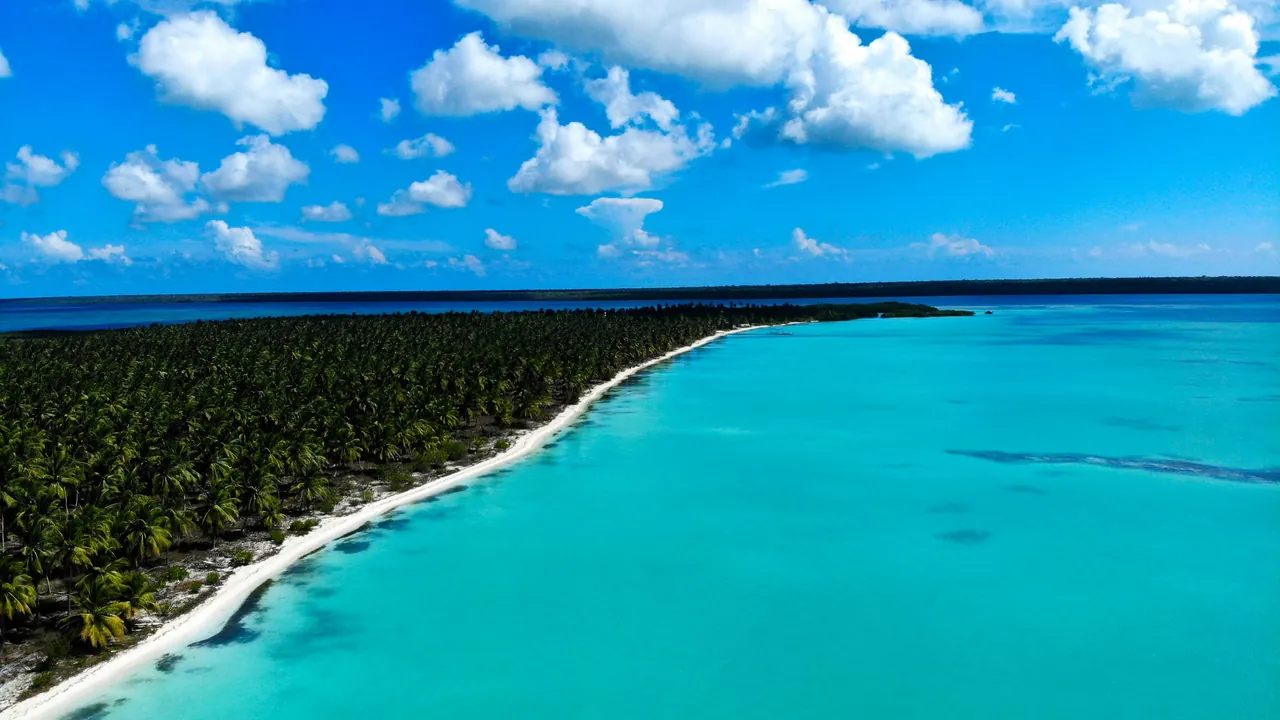
The Turks and Caicos are more than 40 islands and cays in the Atlantic, southeast of The Bahamas, ringed by one of the largest barrier reefs in the region. Providenciales is the hub, home to Grace Bay, the most celebrated beach in the country. Beyond Provo the islands get quieter: Grand Turk for diving, Salt Cay for whale watching from January to March, and South Caicos with the remains of the old salt trade. Rain is light all year, and the sea sits in the mid 80s Fahrenheit.
U.S. Virgin Islands
Best time: Dec to Apr
St Thomas, St John and St Croix make up the U.S. Virgin Islands, with tiny Water Island alongside. They are close to home for American travellers, yet they feel a world away. St Thomas is the busiest, and St John is small, with Cruz Bay as its harbour town. St Croix has the yellow walls of the Christiansted National Historic Site and the town of Frederiksted, along with old forts and a lively arts scene. Snorkelling over coral, beaches and island food fill most days.