American Samoa
Best time: May to Oct
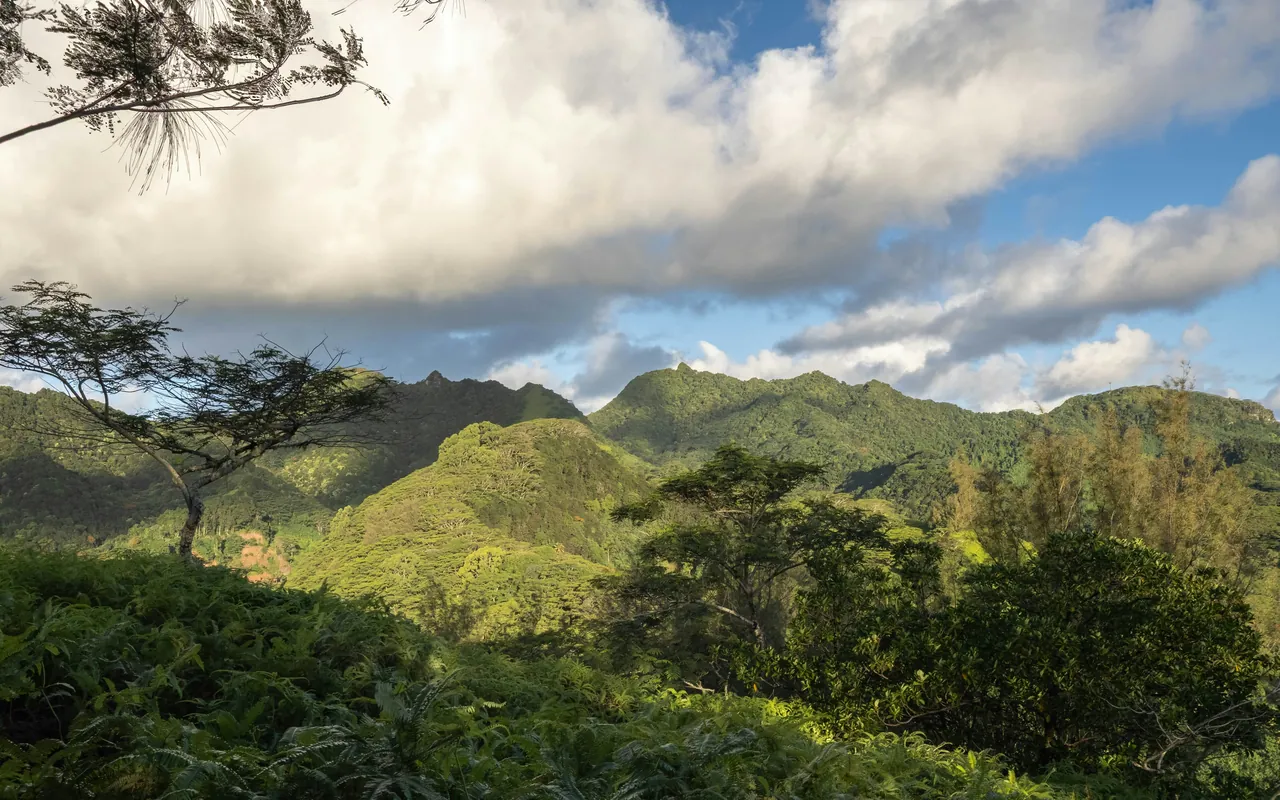
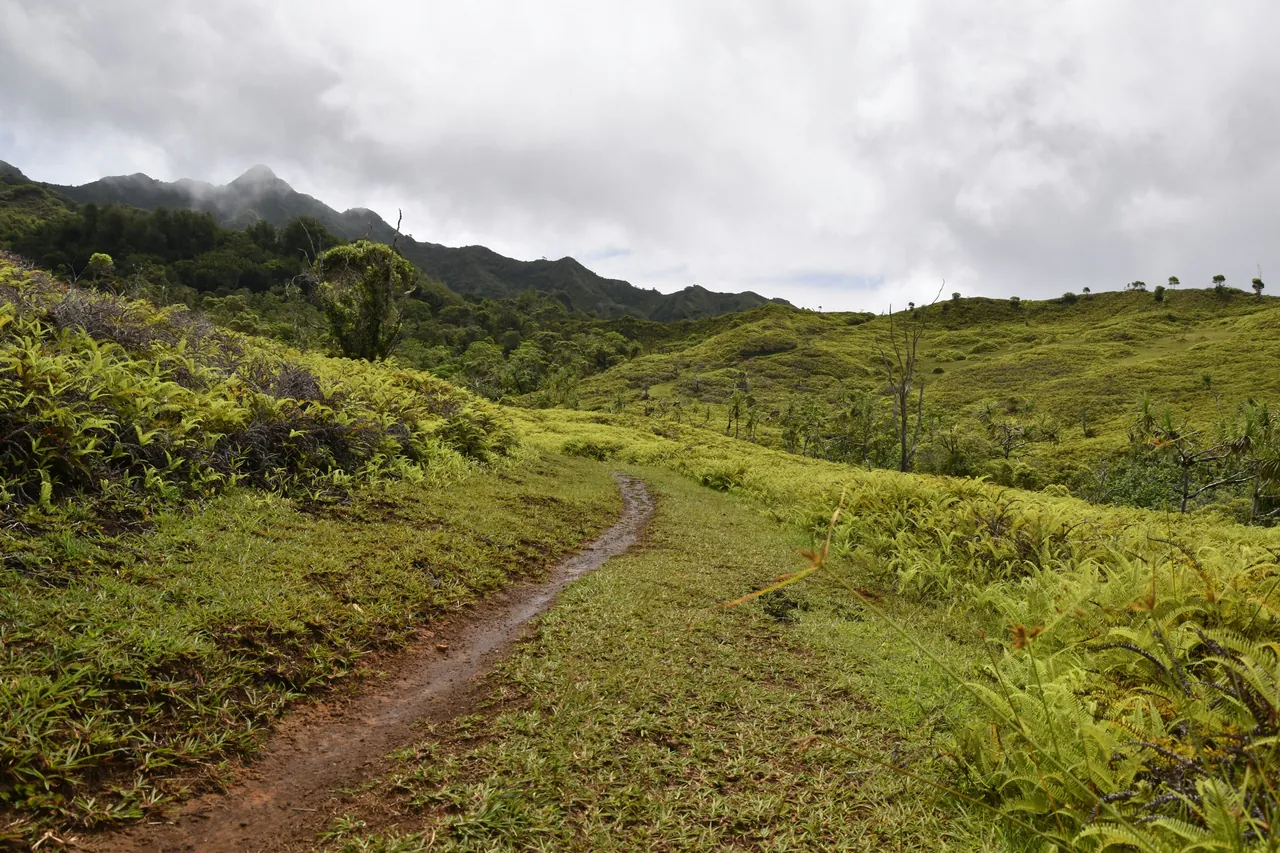
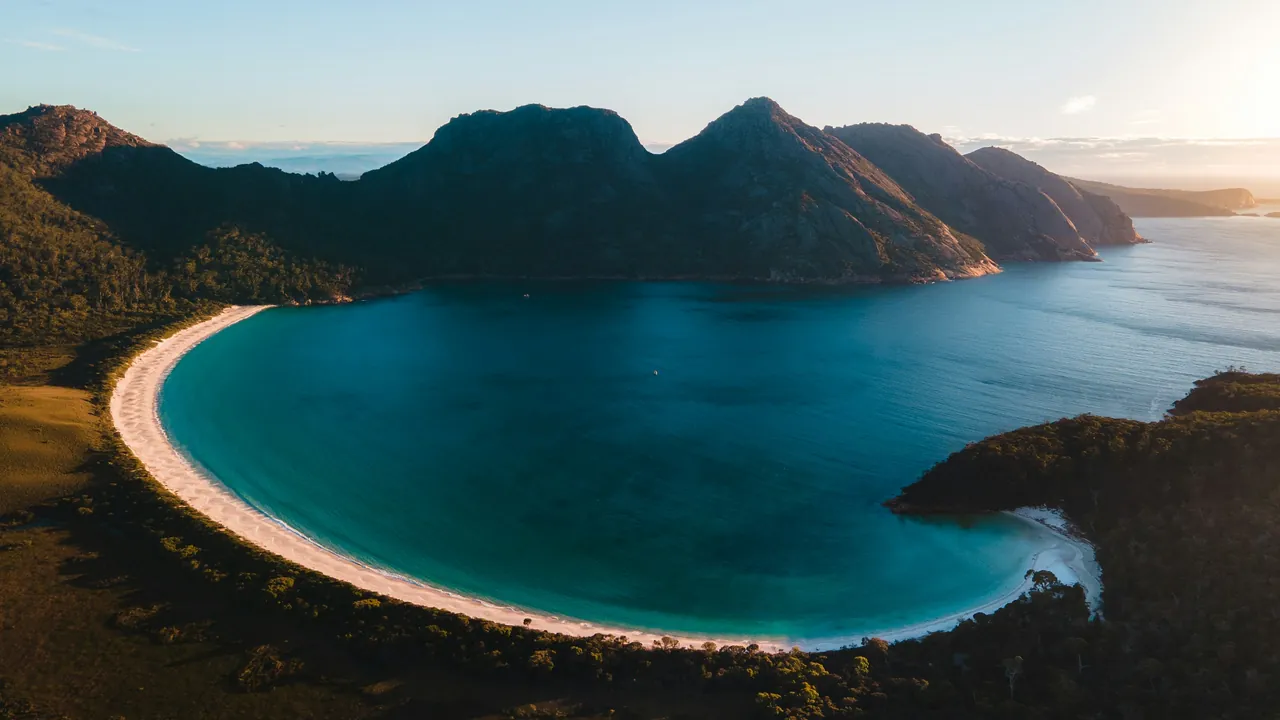
American Samoa forms the eastern arm of the Samoan archipelago, a U.S. territory in the southern hemisphere. It has no five-star hotels and no mass tourism, which is much of the appeal. Its Polynesian people keep a strong culture and Christian faith. Visitors hike in the national park, snorkel in the lagoons, dive in the marine sanctuary and visit Second World War sites, from Pago Pago to the Manu'a Islands. It sits beside independent Samoa, shares much of its culture and can be combined with it.
Australia
Best time: Dec to Feb for the south; May to Oct for the north
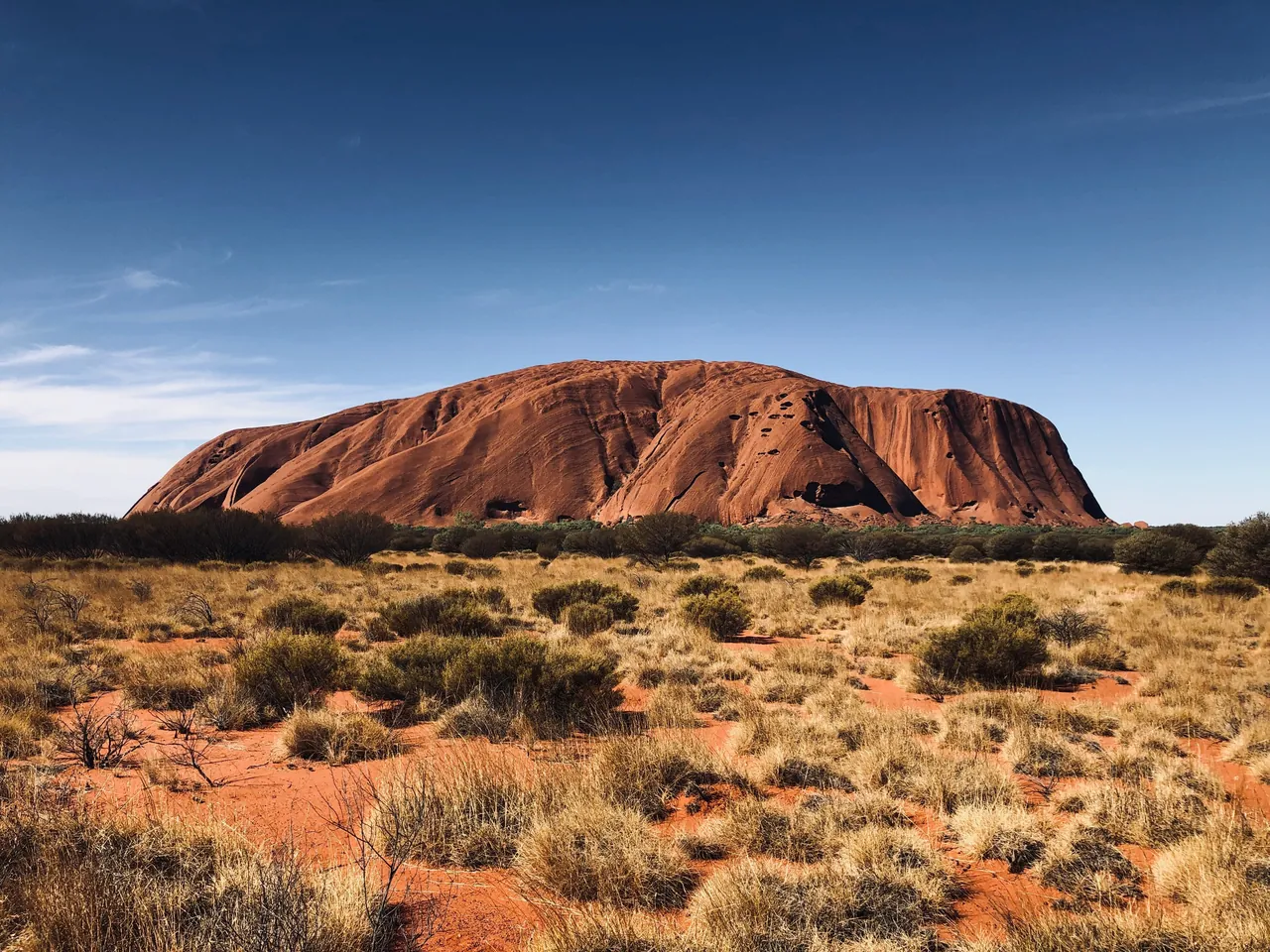
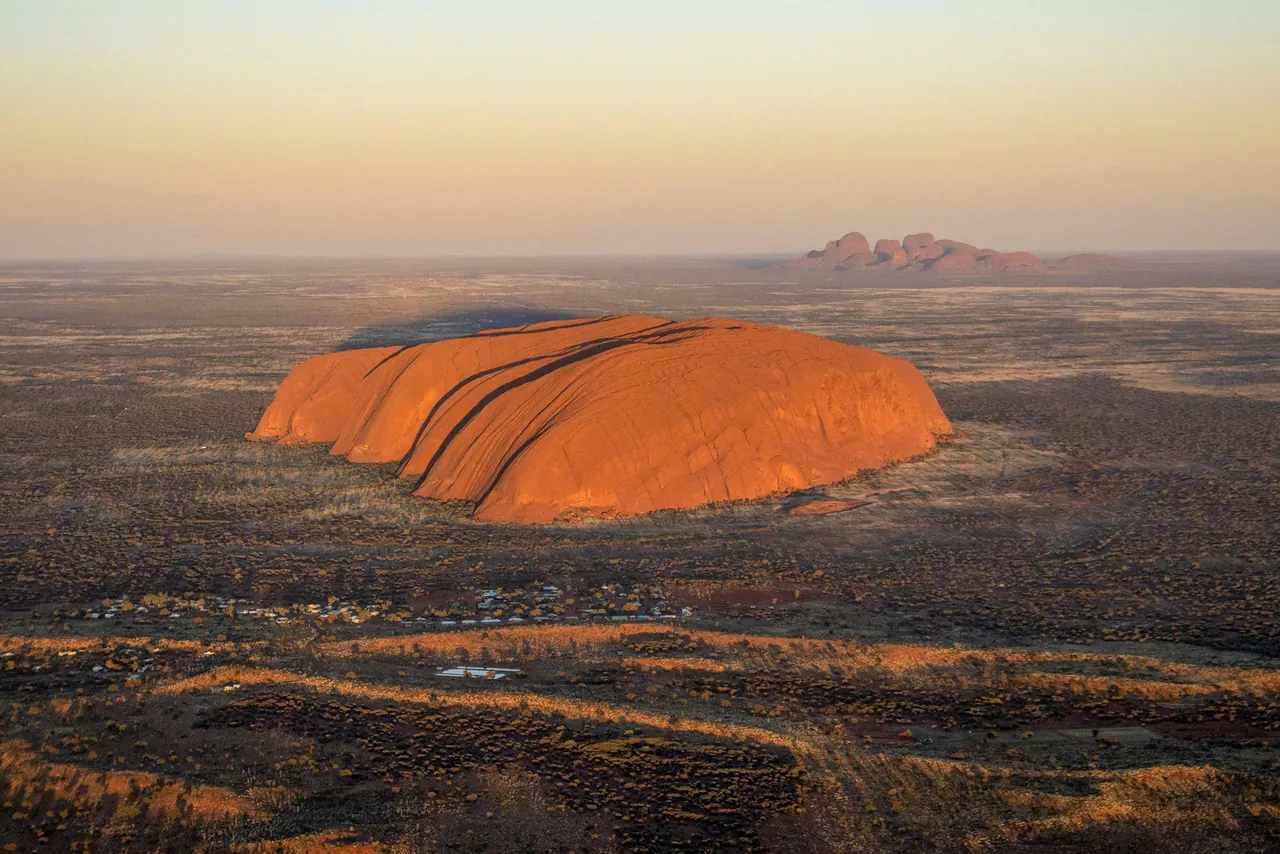
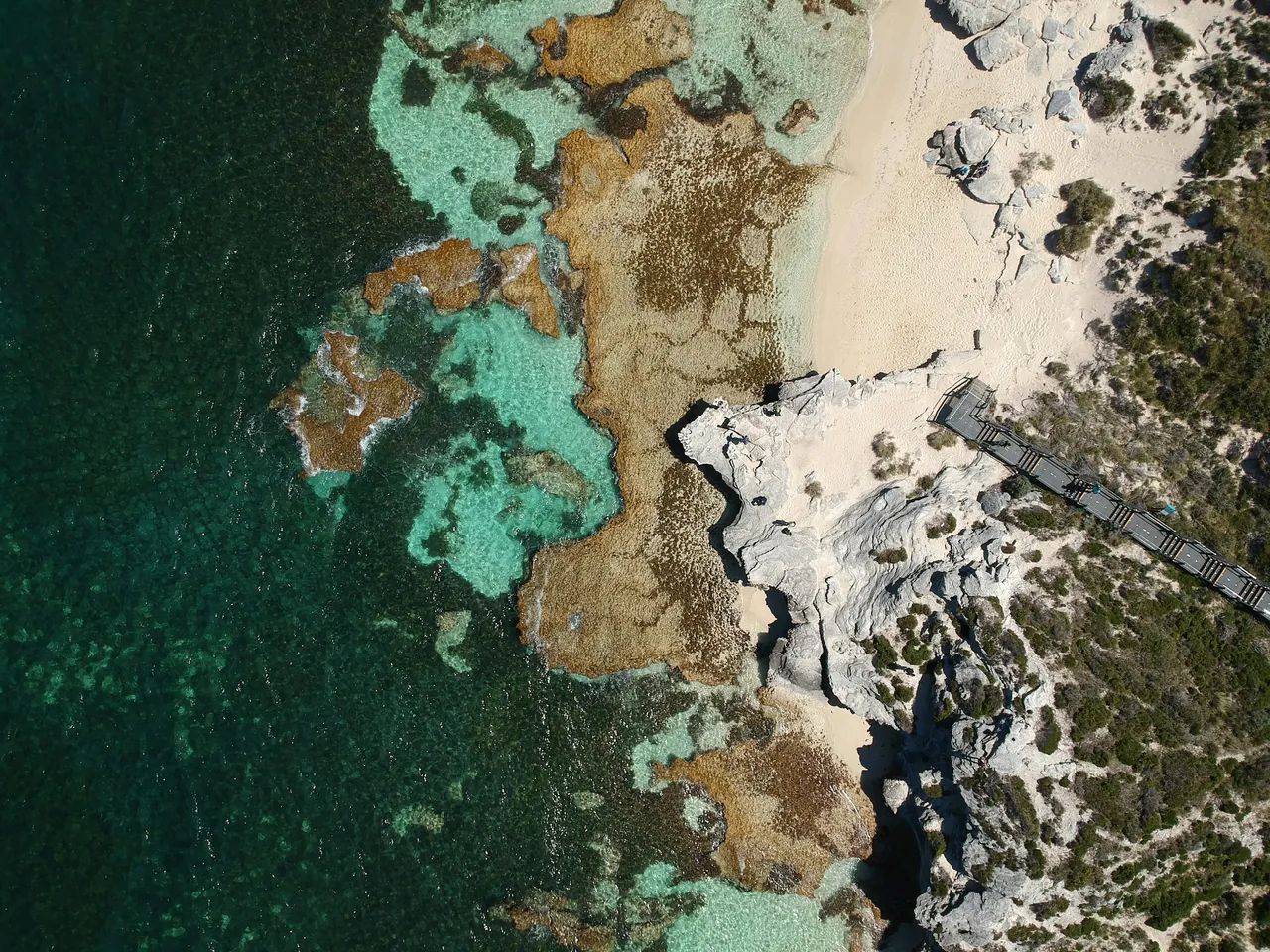
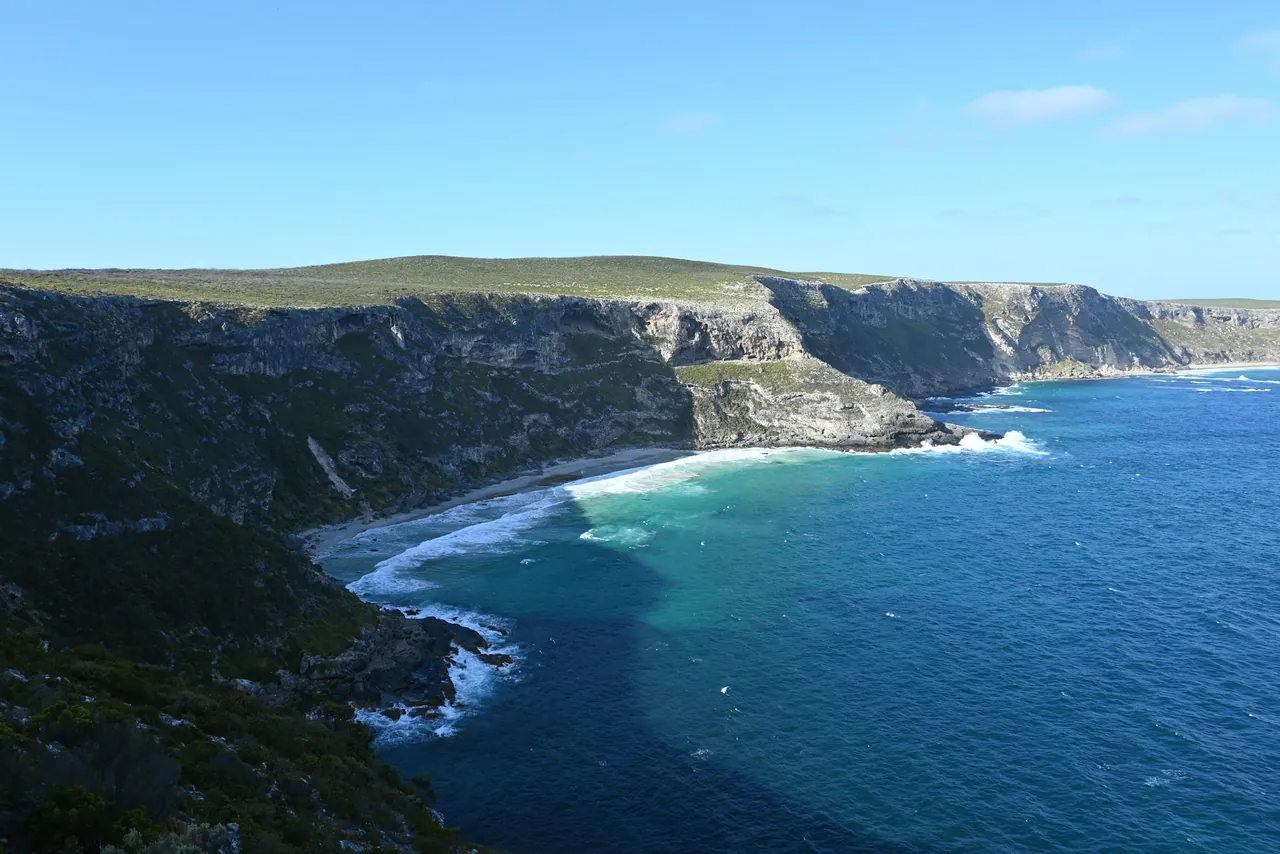
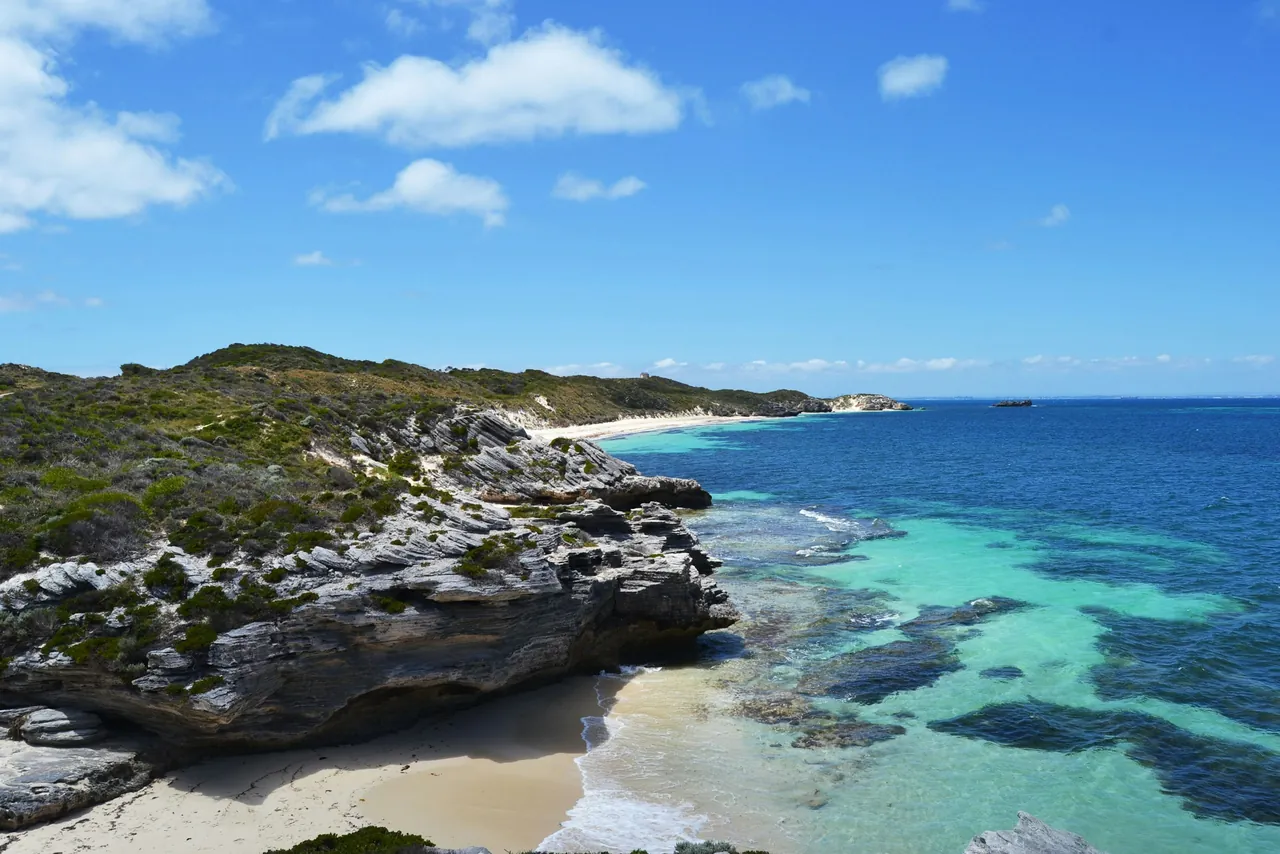
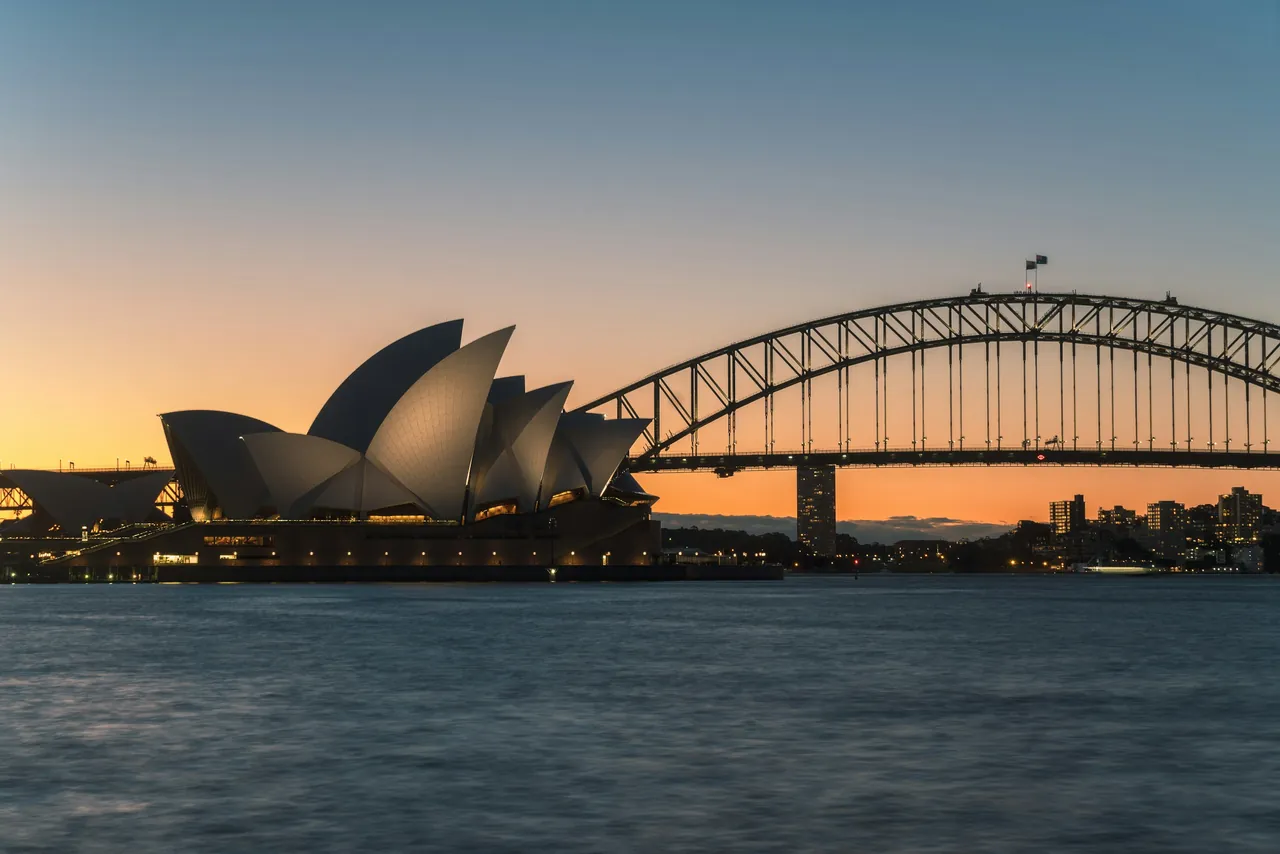
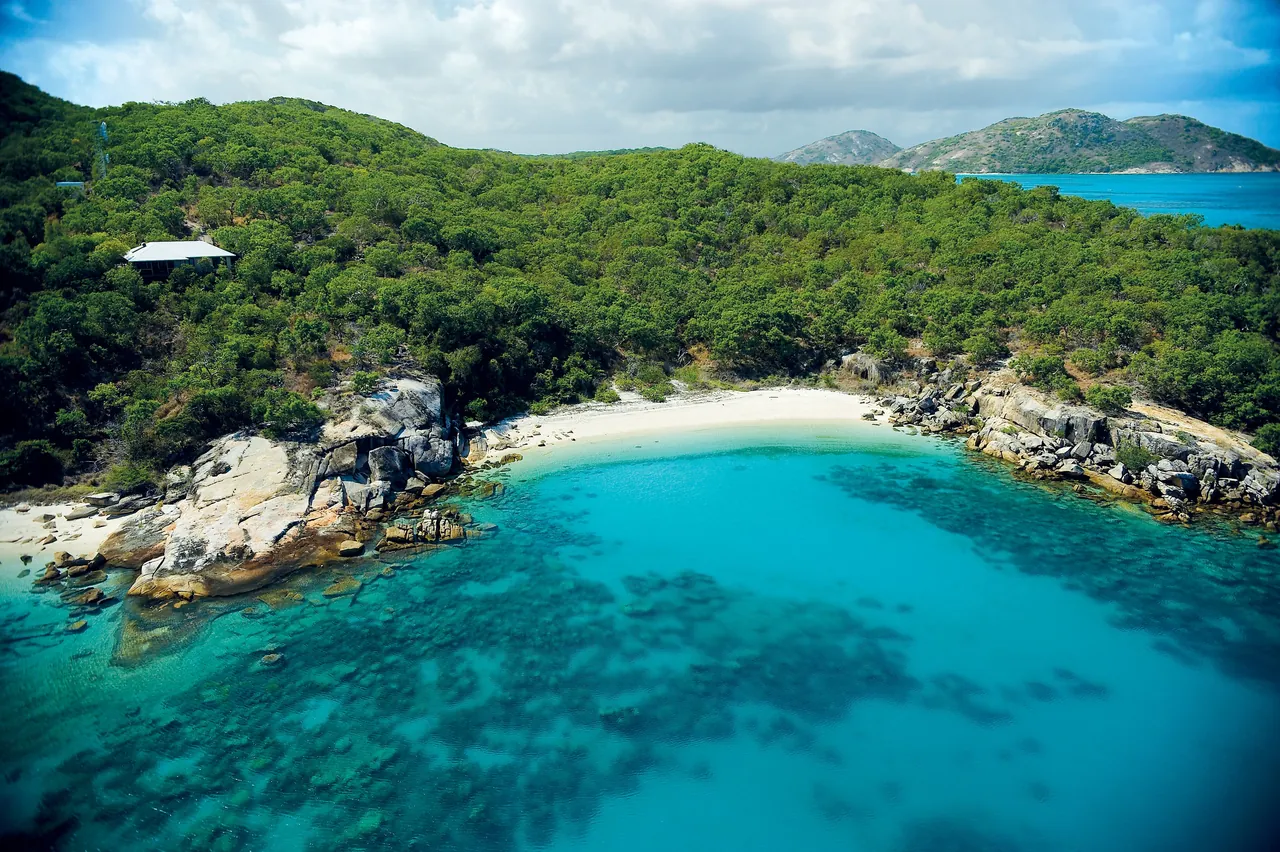
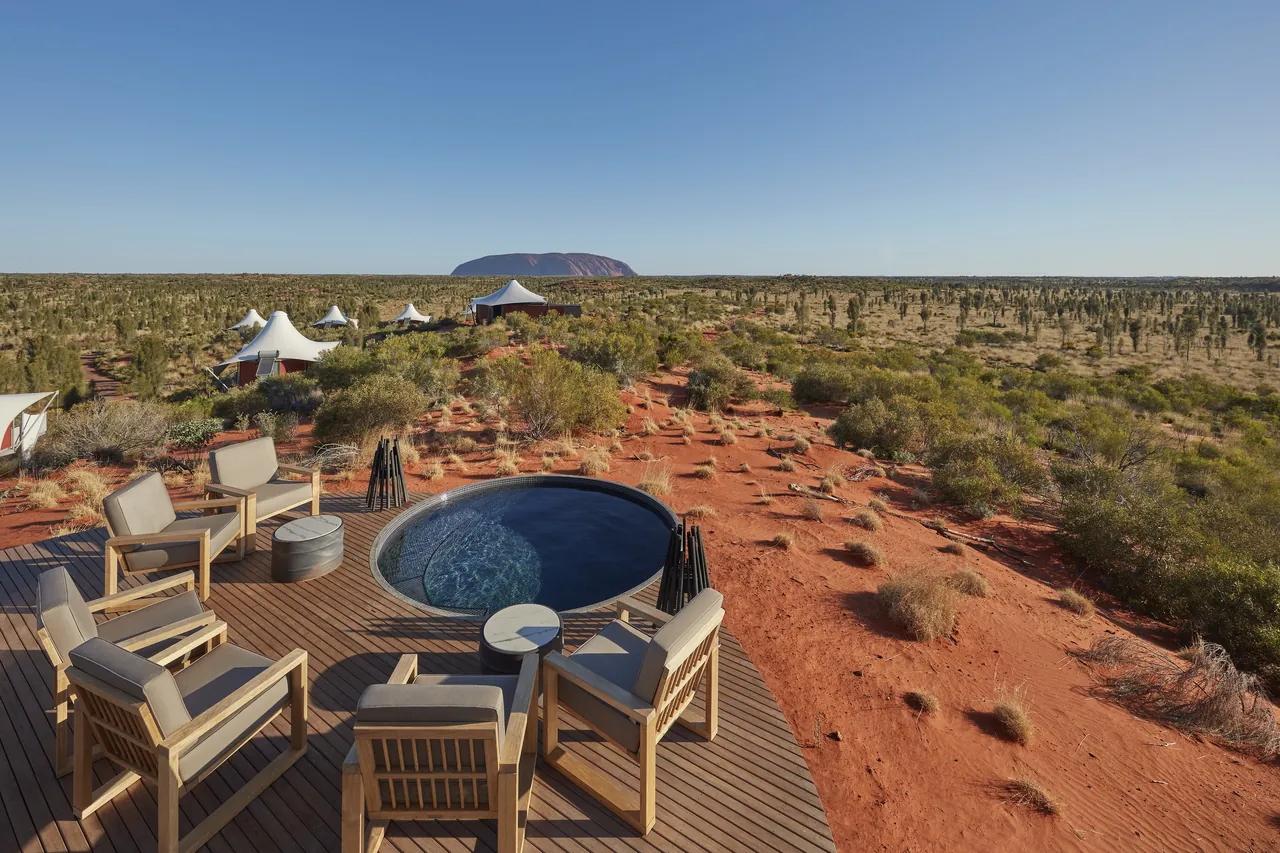
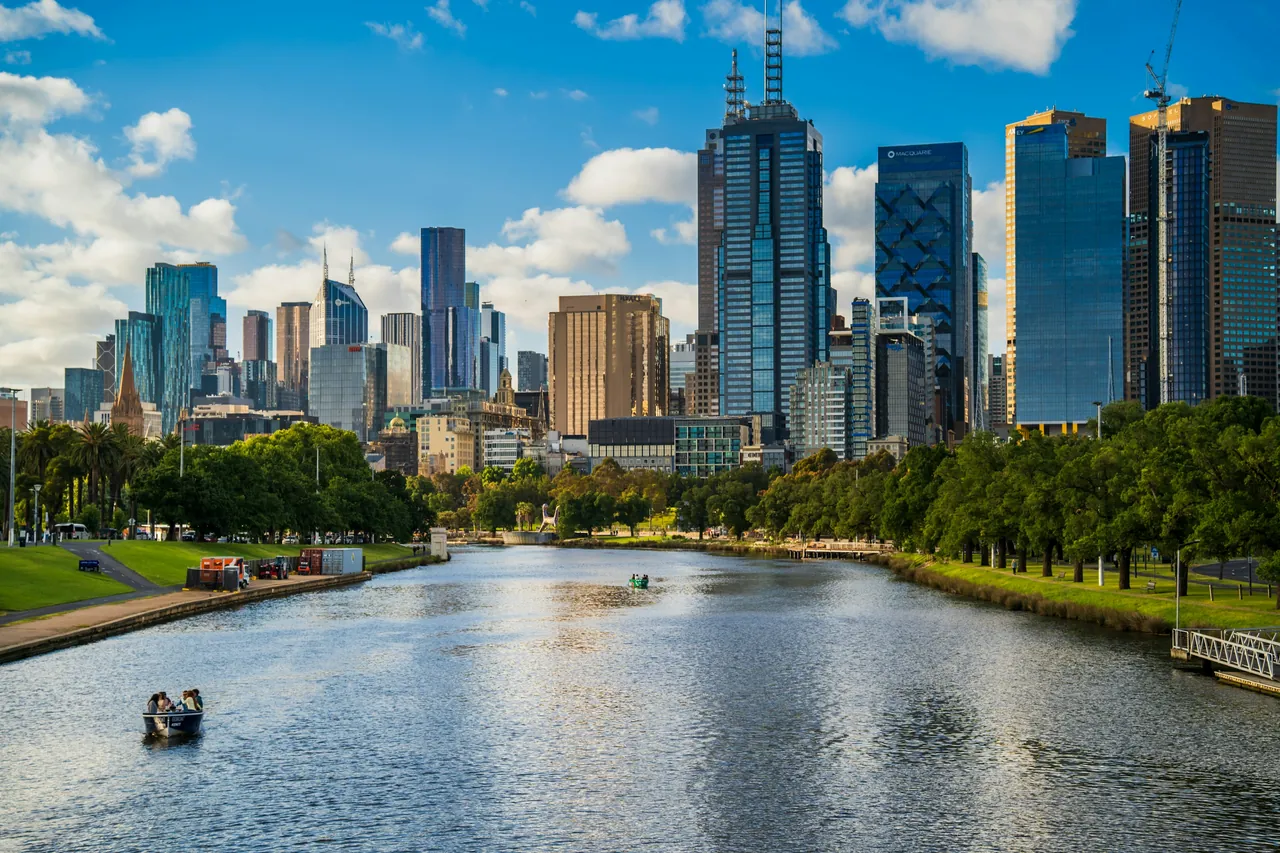
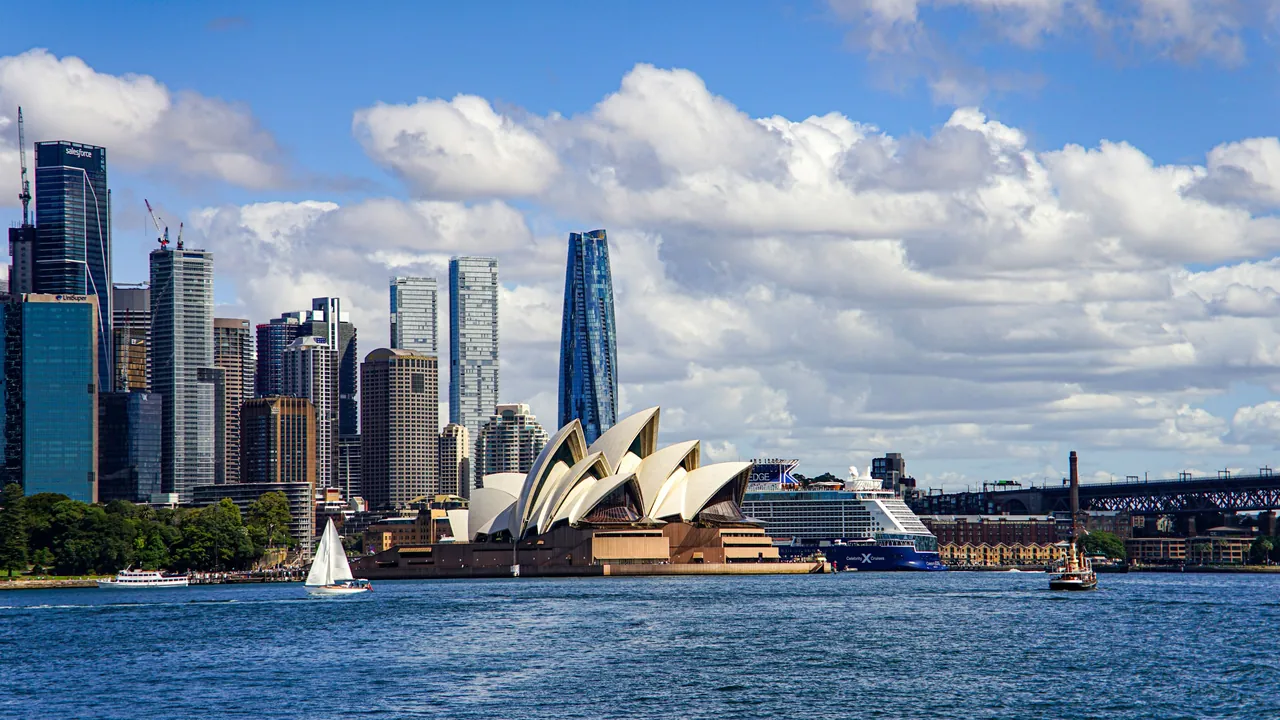
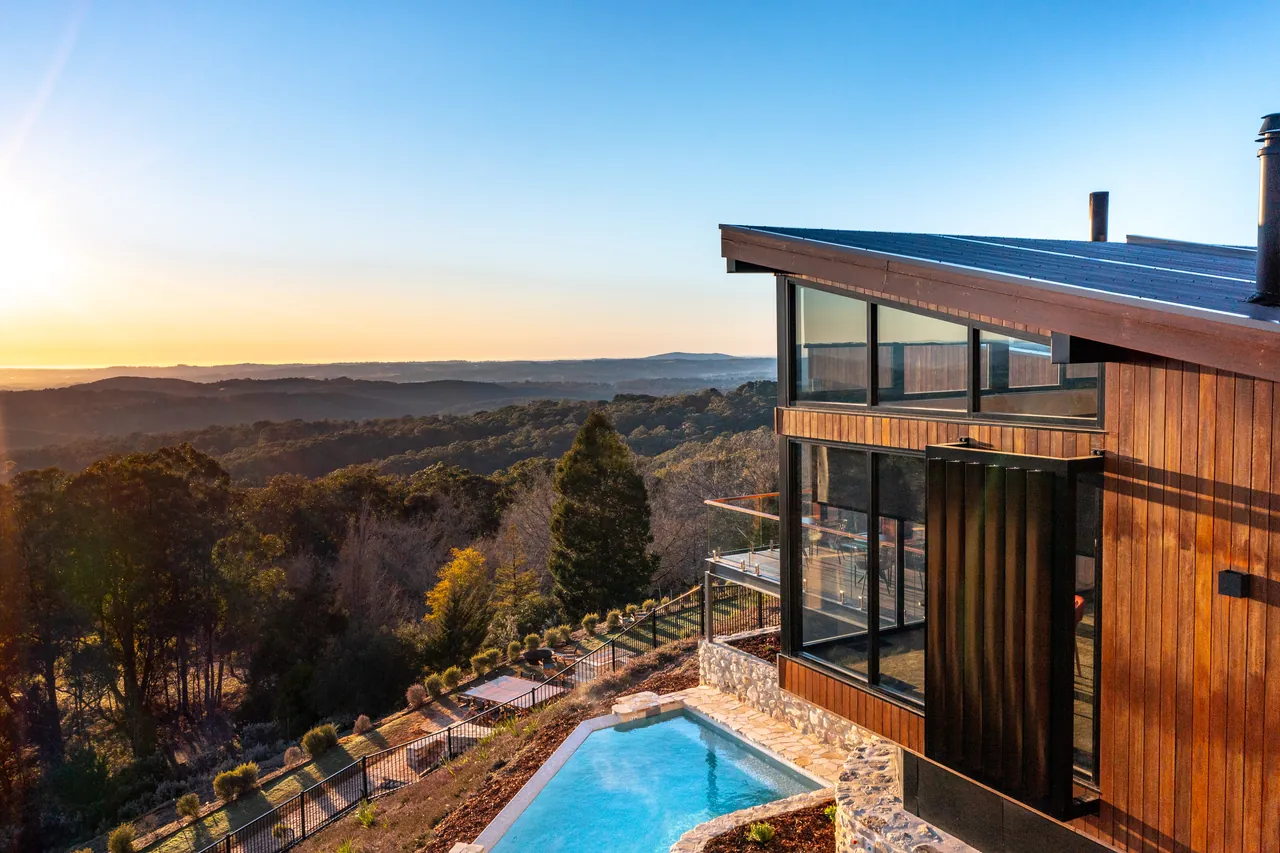
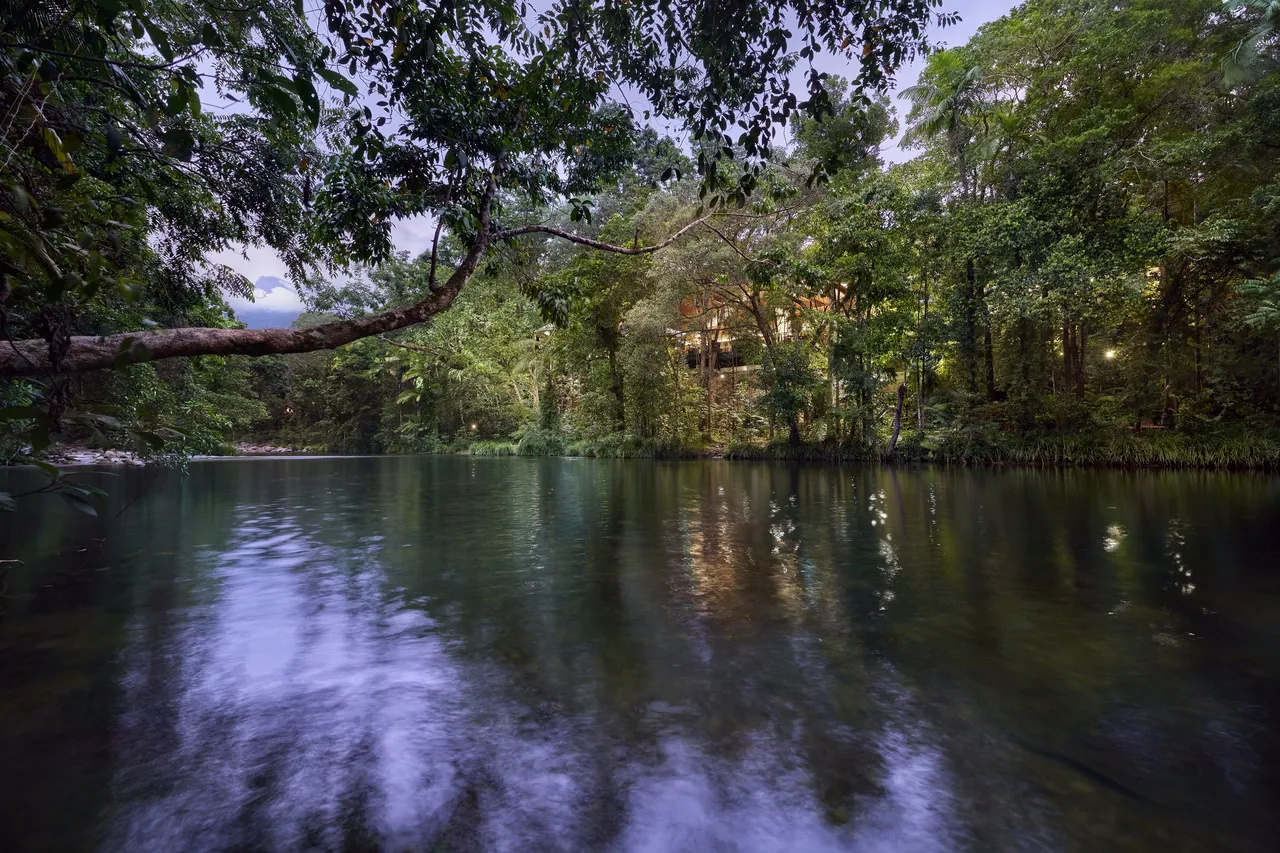
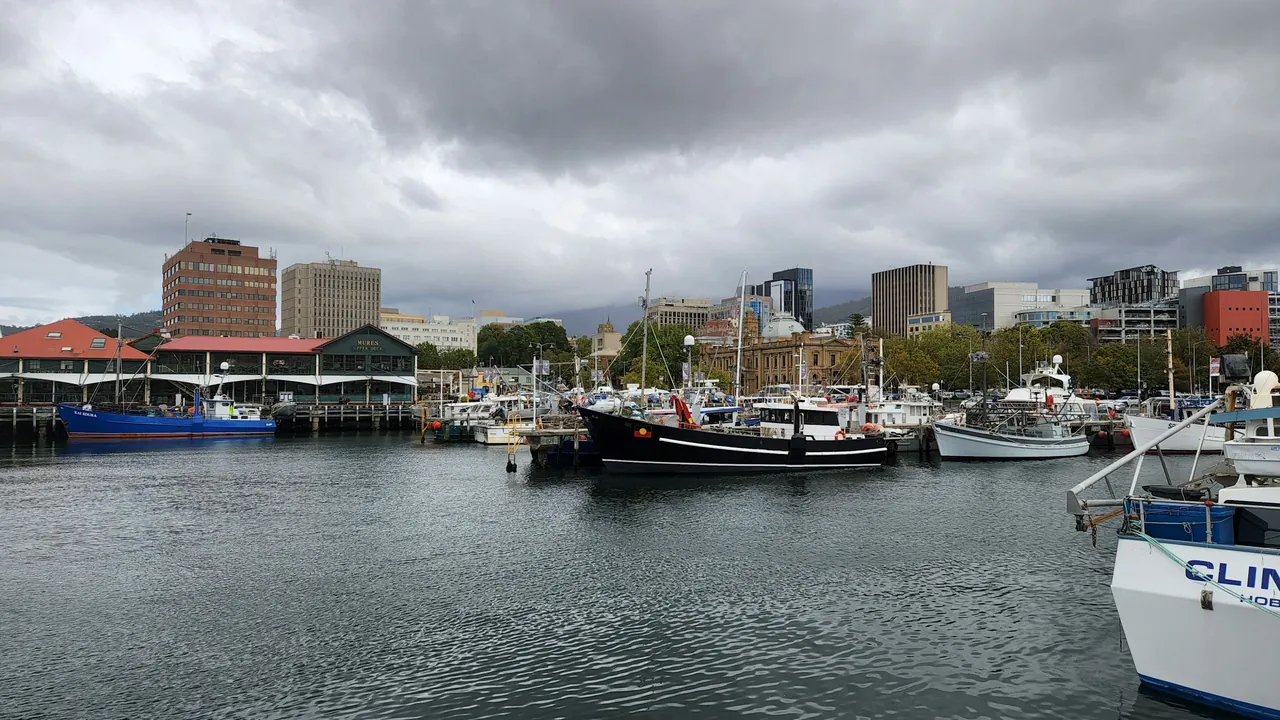
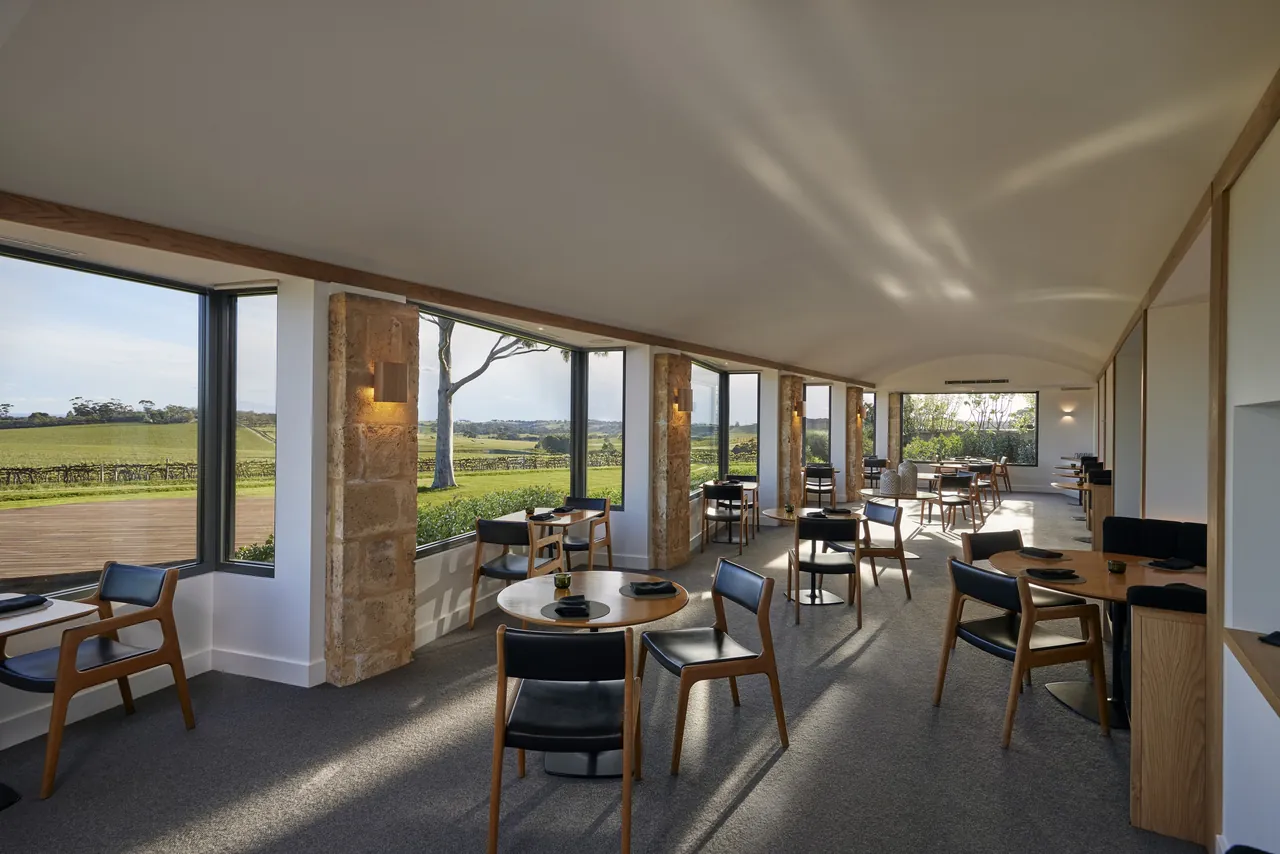
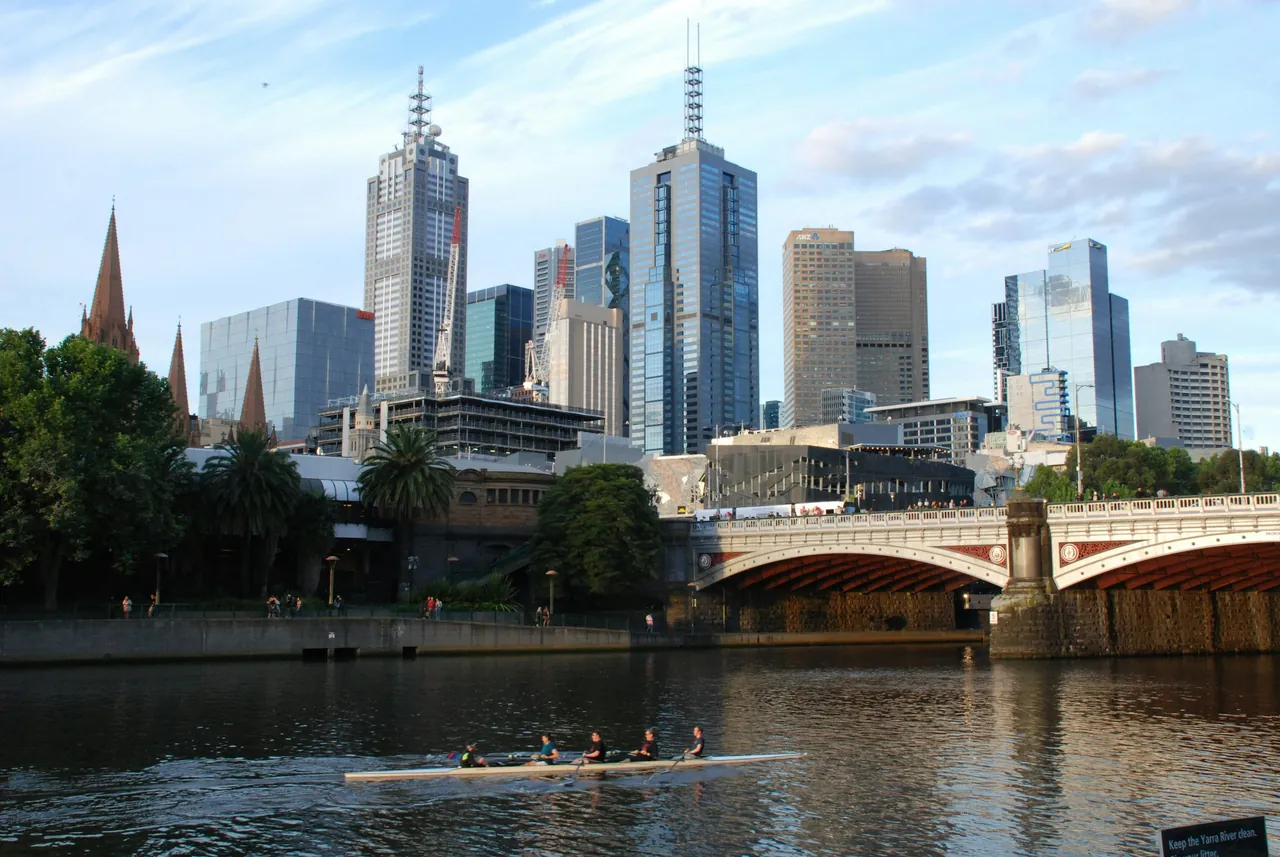
Australia is a continent of six states and two territories, home to the oldest continuous culture on earth, with more than 60,000 years of Aboriginal custodianship of the land. The Great Barrier Reef and Uluru are its two great natural sights. Around them lie wine regions such as the Barossa, Margaret River and the Hunter Valley, long coastlines and national parks, and wildlife from kangaroos and koalas to cassowaries and sea turtles. The tropical north is at its finest in the dry season, May to October, and the south comes into its own in summer.
Christmas Island
Best time: Apr to Oct
Christmas Island is an Australian territory in the Indian Ocean, unlike anywhere else in the country. Dramatic sea cliffs, dense rainforest and rich marine life make it a place for divers, walkers and birdwatchers. Its great event is the red crab migration, when millions of crabs move from forest to sea with the first rains, usually between October and December, and whale sharks arrive to feed on the larvae. The dry season, from about April to October, brings the calmest seas and the most reliable diving.
Cook Islands
Best time: Apr to Oct
The Cook Islands sit in the heart of Polynesia, home to around 15,000 people. Rarotonga is the main island and the arrival point, and the group as a whole has reef-ringed lagoons, rainforest, waterfalls, caves and unusual birdlife. Aitutaki has a lagoon scattered with white sand islets, and Atiu adds another, quieter island to a longer stay. The local Māori culture is warm and very present, with cultural island nights. Humpback whales pass from July to October, and the shoulder months of April, May, September and October are especially pleasant.
Fiji
Best time: May to Oct
Fiji has 333 islands, though most of its people live on the two largest, Viti Levu and Vanua Levu; Nadi and Suva are both on Viti Levu. Offshore, the Mamanuca group has some 20 islands, from sandbanks to green volcanic peaks, and the Yasawas run northwest with quiet beaches and remote reefs. Taveuni, Kadavu and the 60 or so islands of the Lau group are more remote again. Fiji sits within the Coral Triangle, with the Great Sea Reef and the Great Astrolabe Reef, and the water is warm enough for diving all year.
French Polynesia
Best time: May to Oct
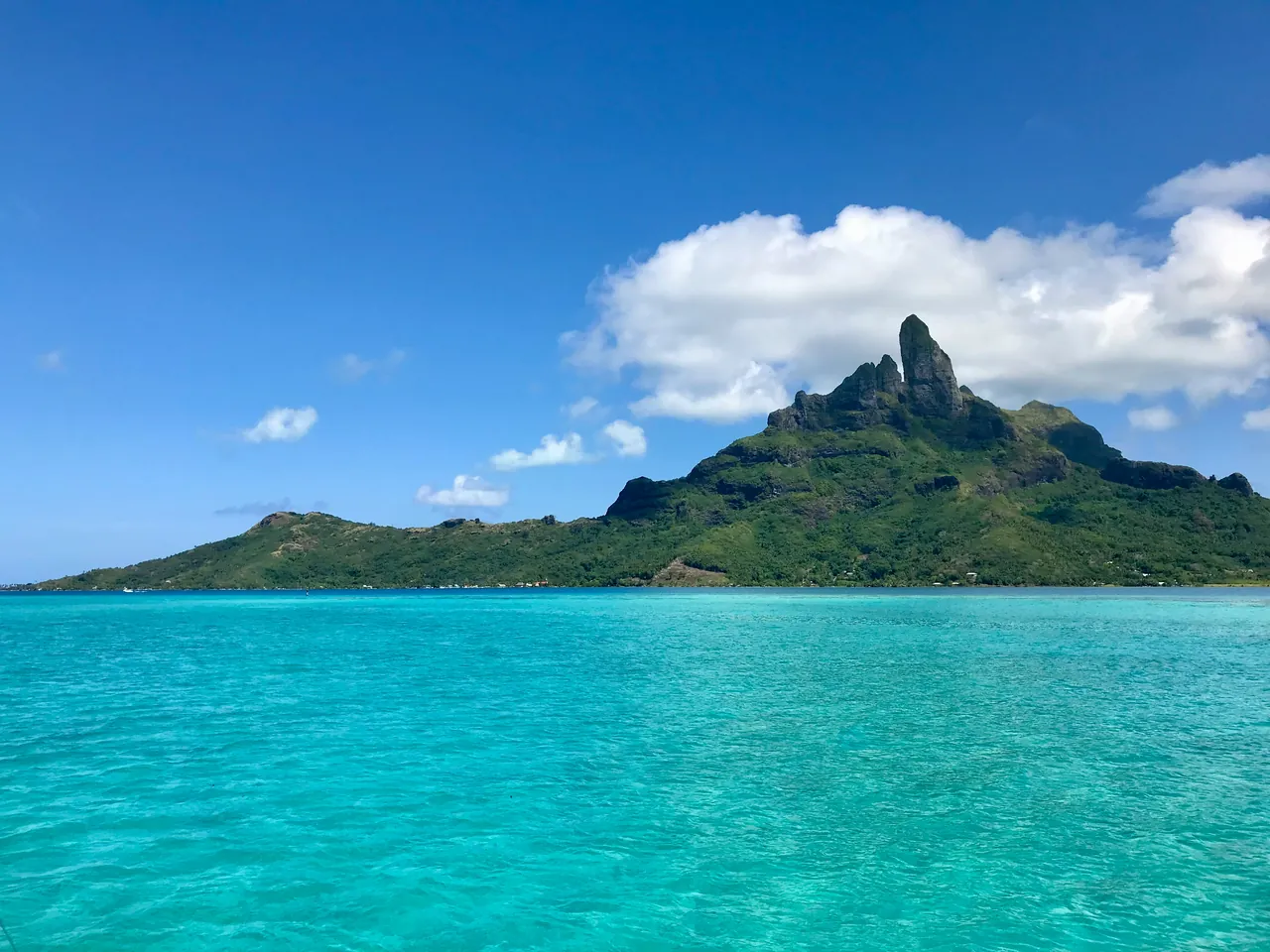
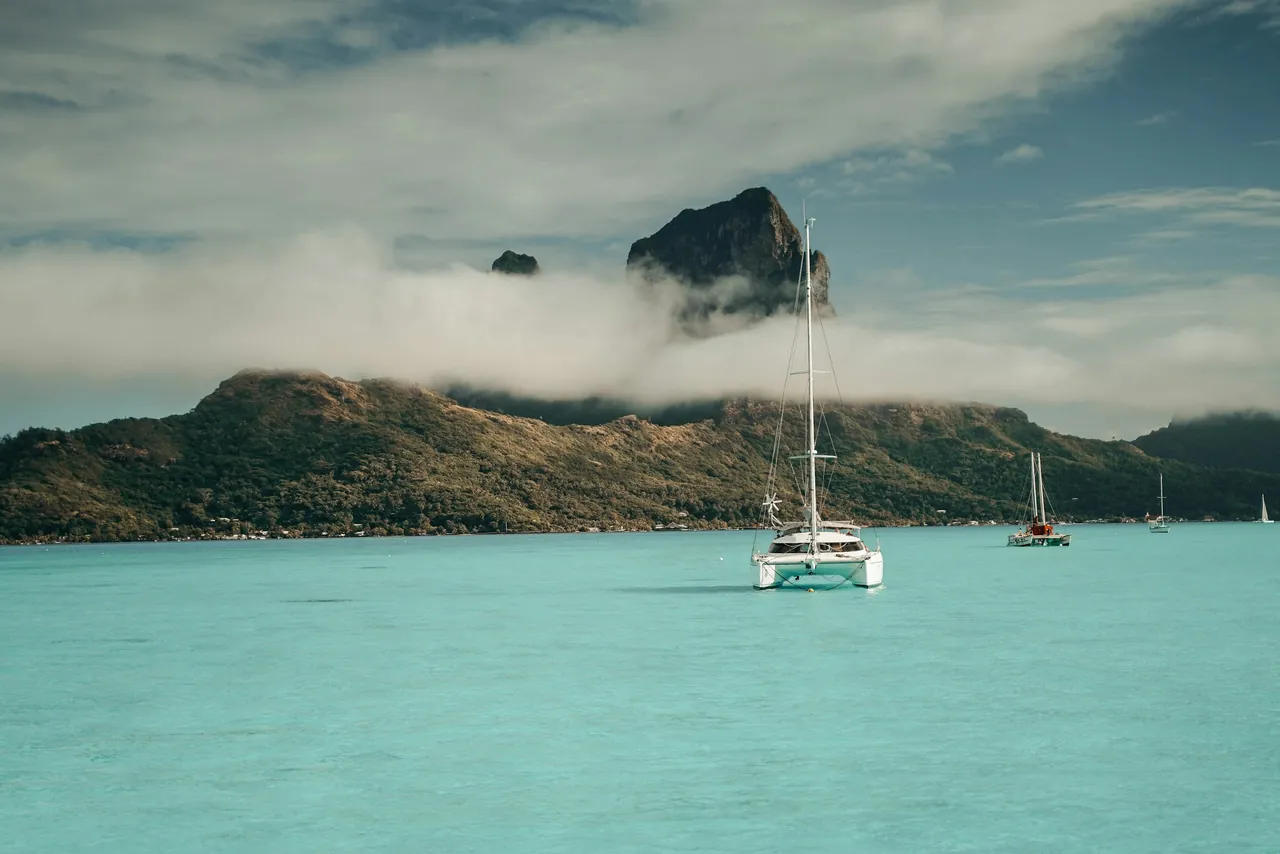
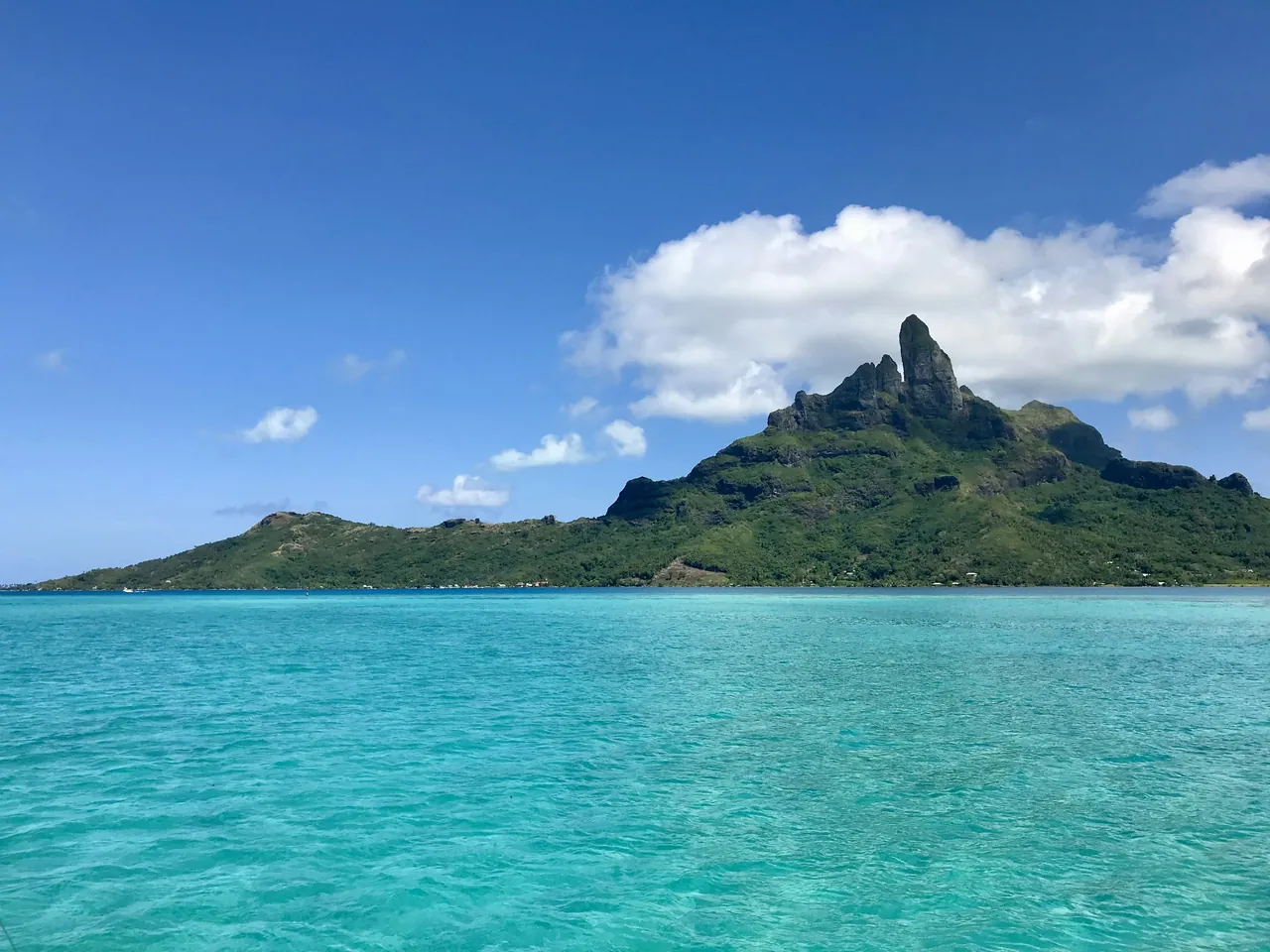
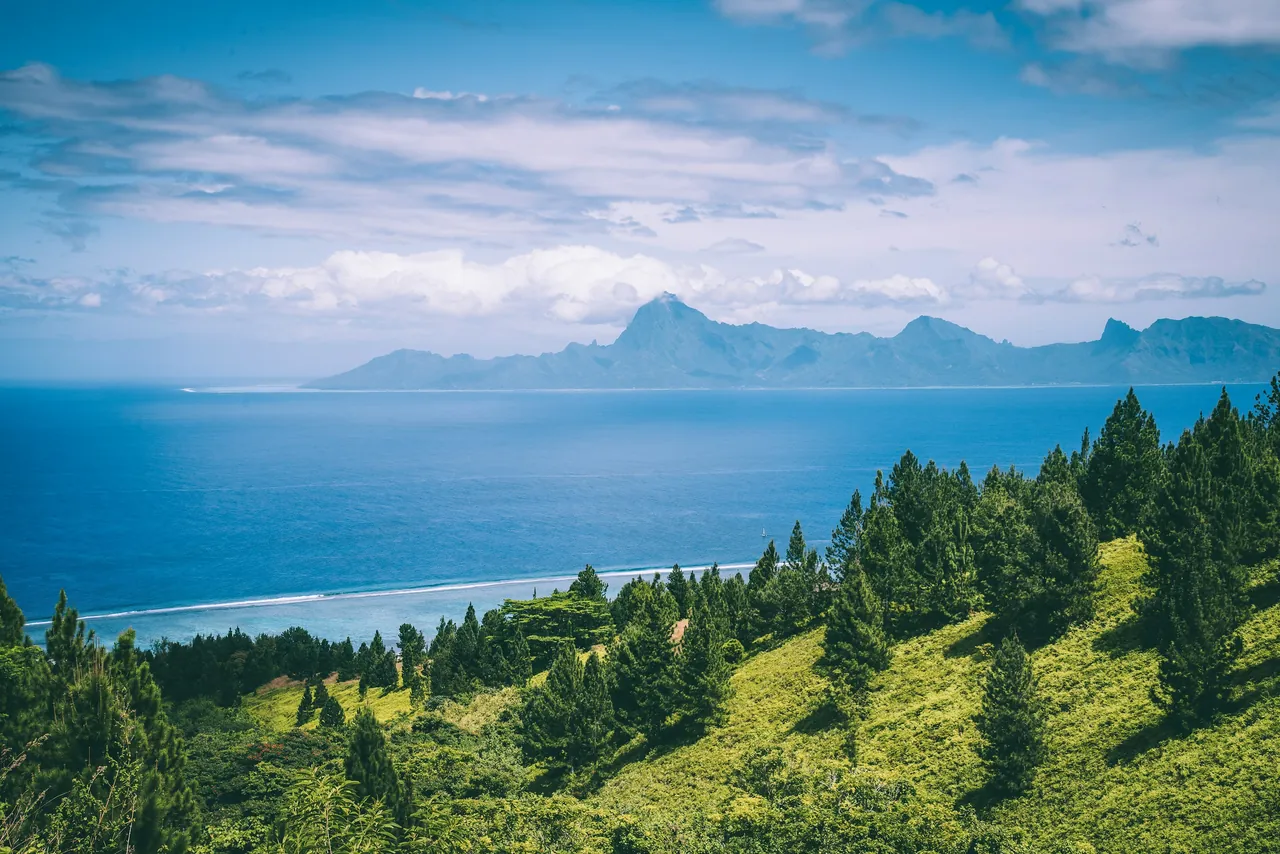
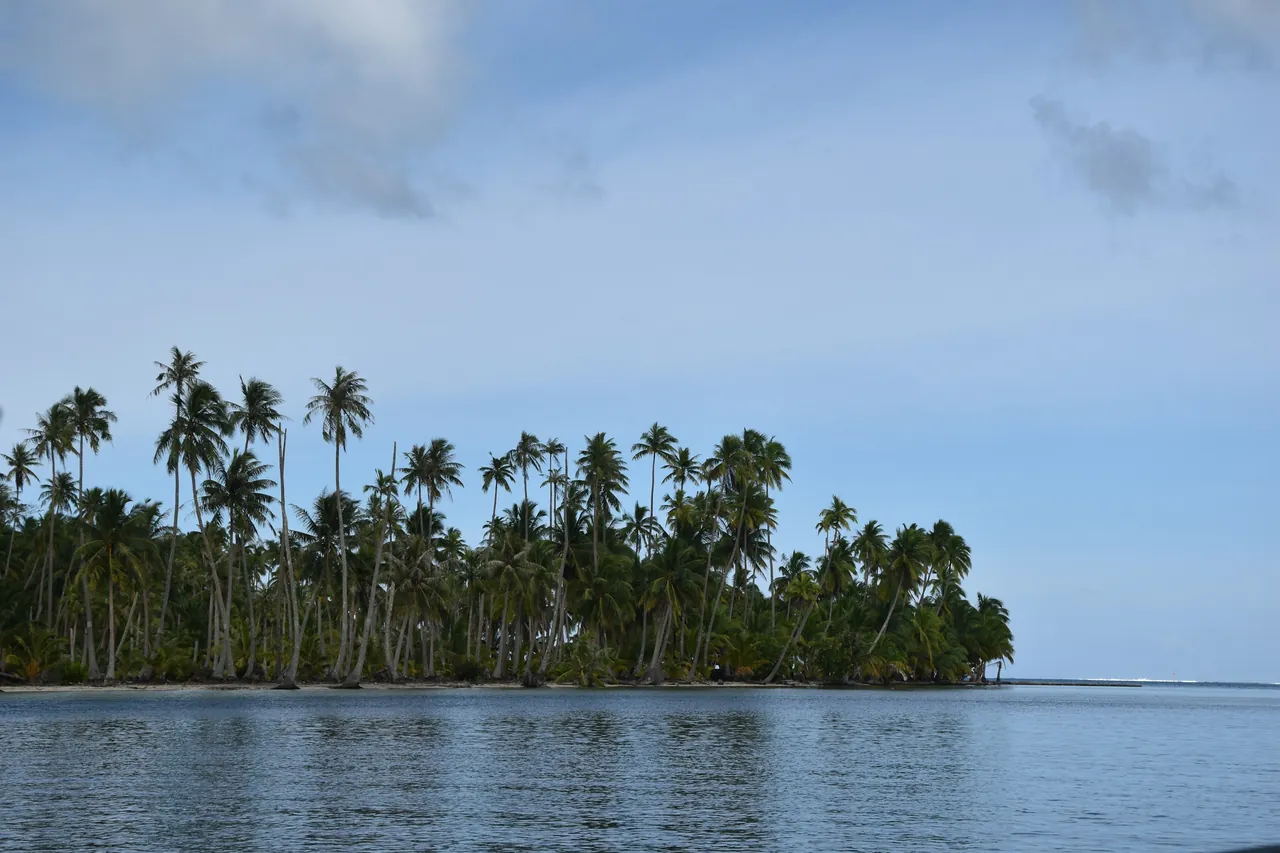
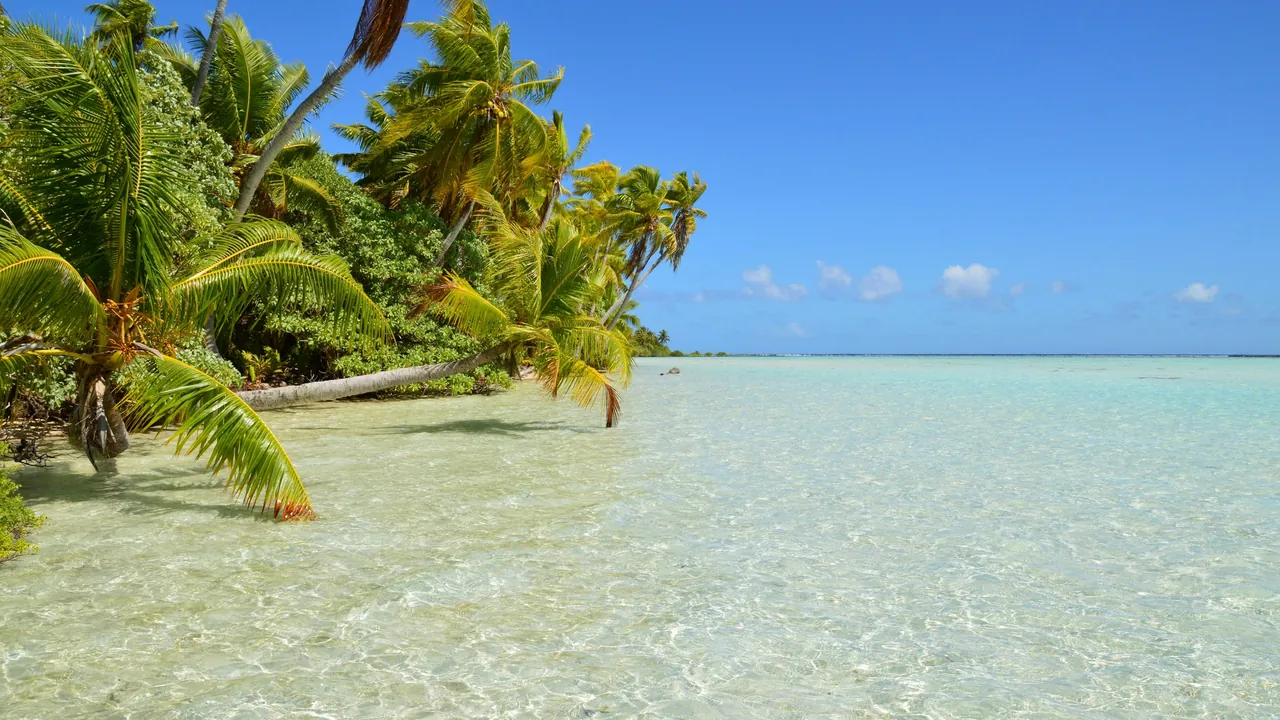
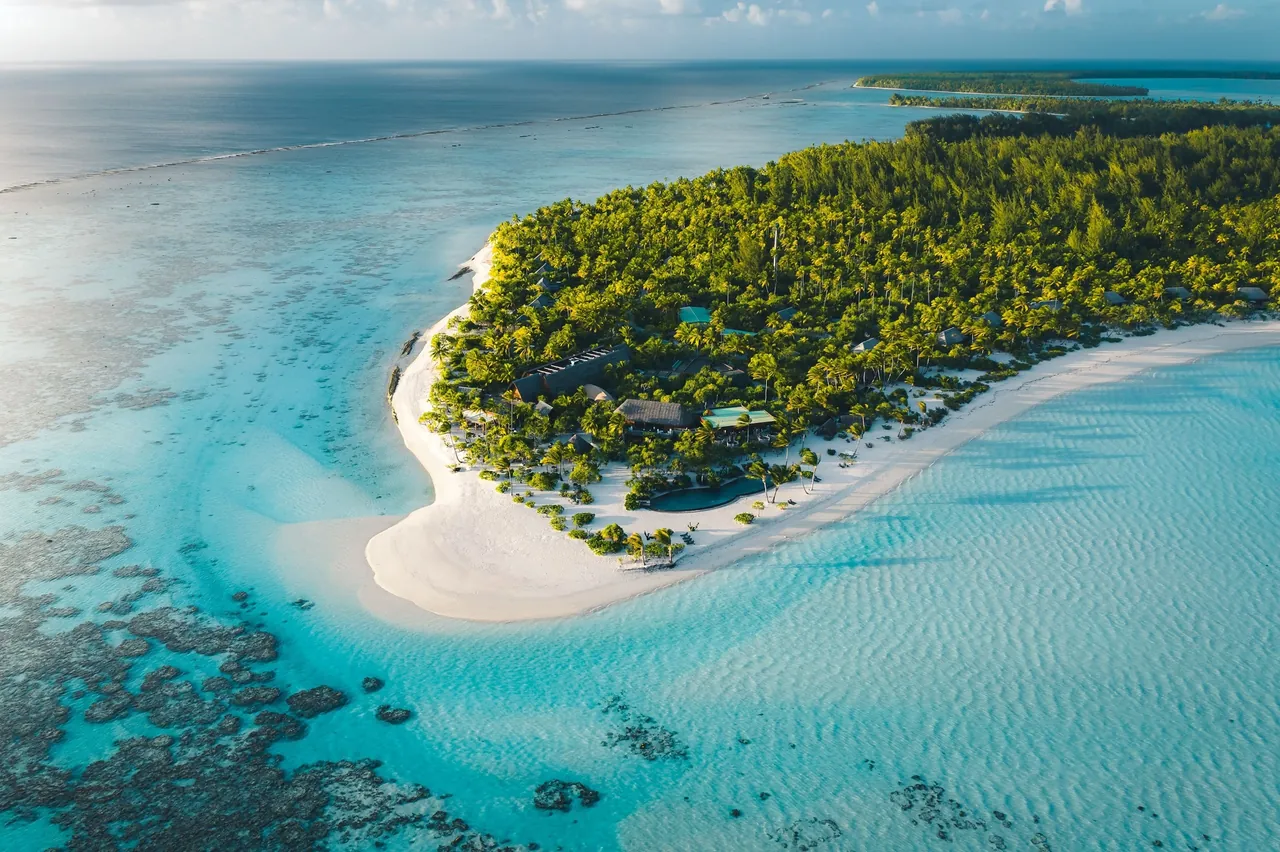
The islands of Tahiti spread across five archipelagos and 118 islands in the South Pacific. The Society Islands include Tahiti, Moorea, Bora Bora, Raiatea, Taha'a, Huahine and Maupiti, each with its own lagoon. The Tuamotus include atolls such as Rangiroa, Fakarava and Tikehau, where diving is the highlight. The Marquesas, with Nuku Hiva and Hiva Oa, the Austral Islands and the Gambier lie further off. Polynesian culture and the idea of mana run through all of them. Humpback whales visit from July to November, and May to October is the drier, cooler season.
Guam
Guam is the largest of more than 2,000 Micronesian islands and the southernmost of the Mariana chain, a U.S. territory some 900 miles north of the equator. Its CHamoru culture goes back more than 4,000 years and survives in food, festivals, arts and the value of Inafa'maolek, creating harmony. The island's history runs through Spanish colonisation, U.S. rule from 1898 and Japanese occupation in the Second World War. Tumon Bay is the main beach area, with calm water for snorkelling and paddleboarding, and the climate is tropical all year.
Kiribati
Kiribati is one of the most remote countries on earth, a nation of three island groups, the Gilbert, Phoenix and Line Islands, scattered across more than three million square kilometres of ocean. Its land area is only 811 square kilometres, and more than half the people live on Tarawa. Divers and intrepid explorers come for the reefs and the solitude, and Fanning Island lies in the Line group. The greeting is Mauri, meaning good health to you. This is a destination for those seeking somewhere truly unvisited, with a culture all its own.
Marshall Islands
The Marshall Islands lie in the Pacific, and few travellers make the journey. Their most famous site is Bikini Atoll, inscribed by UNESCO, where the United States carried out 67 nuclear tests between 1946 and 1958, including the first hydrogen bomb in 1952. The fleet sunk in its lagoon during the 1946 tests and the great Bravo crater remain as a record of that era. A visit here is for travellers drawn to history and remote places, and it needs specialist planning well in advance.
Micronesia
Best time: Dec to Jun
The Federated States of Micronesia is a nation of 607 small islands across the western Pacific, divided into four states: Yap, Chuuk, Pohnpei and Kosrae. Each has its own culture and its own way of doing things. Pohnpei holds Nan Madol, ruins built around 1000 AD that are an impressive reminder of what the early peoples of the Pacific achieved. Yap, Chuuk and Kosrae each reward time, and a longer trip can take in more than one state. The climate is tropical and even, around 80 degrees Fahrenheit, with drier trade winds from December to June.
New Caledonia
New Caledonia is a French archipelago in the South Pacific whose lagoon, described as the largest in the world, is on the UNESCO list and ringed by a barrier reef. Nouméa is the main city, on Grande Terre, the largest island. Offshore lie the Isle of Pines and the Loyalty Islands, including Lifou and Maré. Kanak culture is central to the country's identity. Tourism has been rebuilding since the unrest of May 2024, and visitor numbers rose again in the first half of 2026. Current travel advice should be checked before booking.
New Zealand
Best time: Dec to May
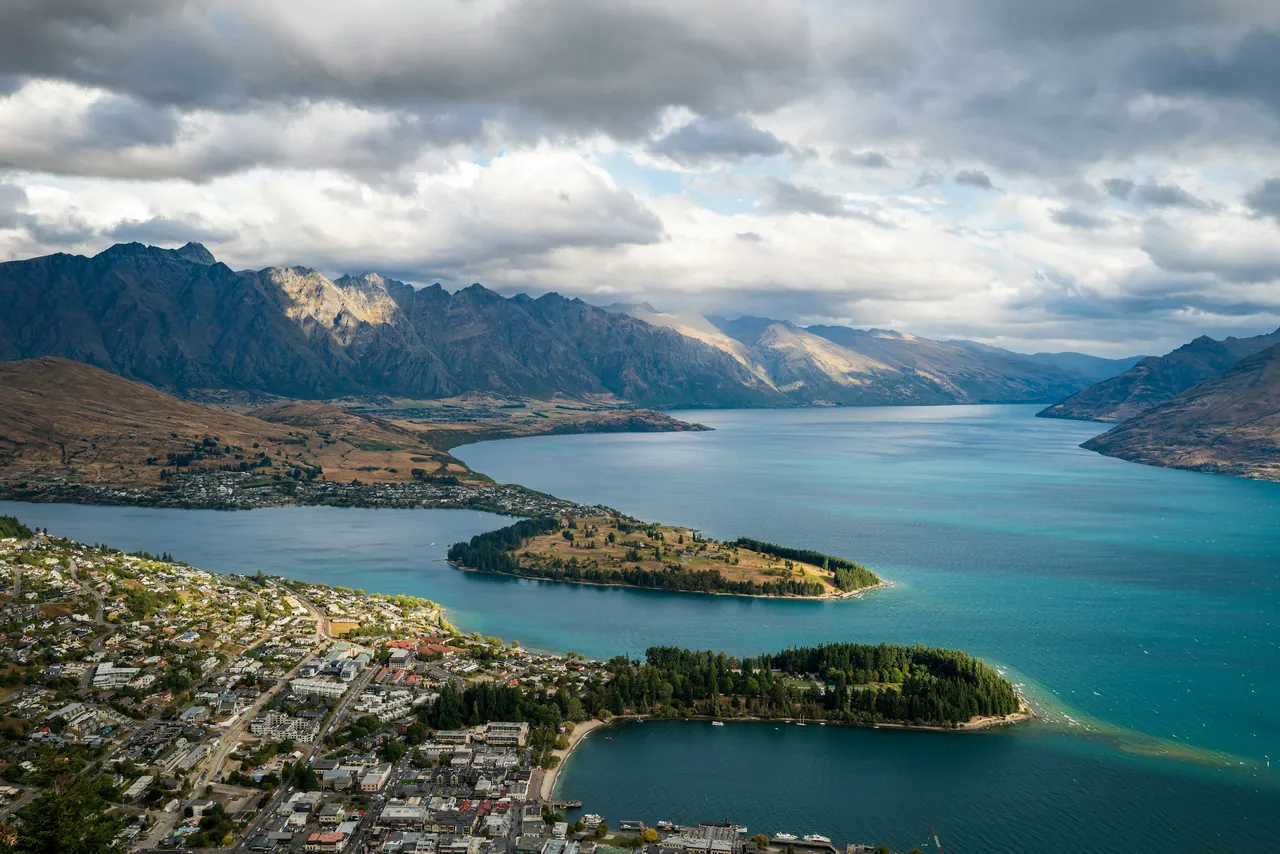
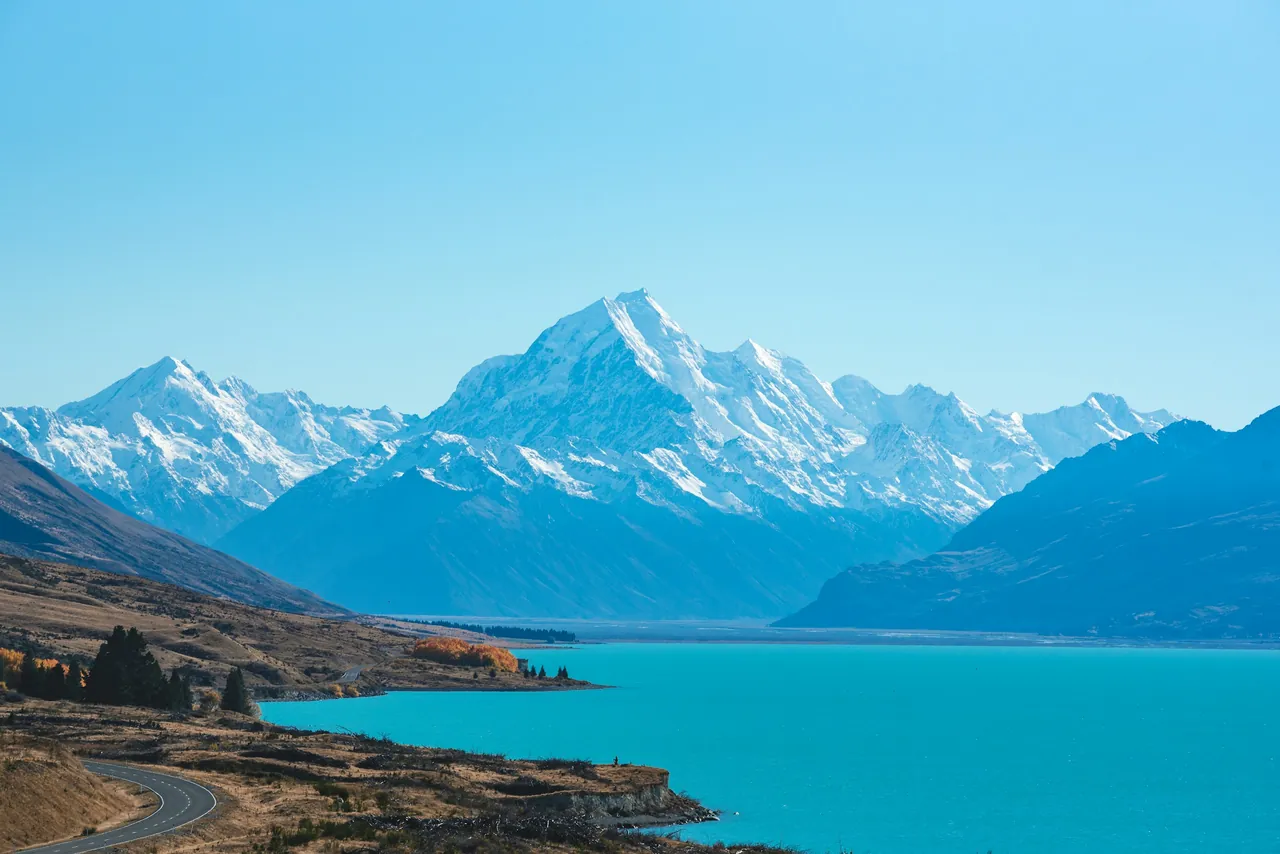
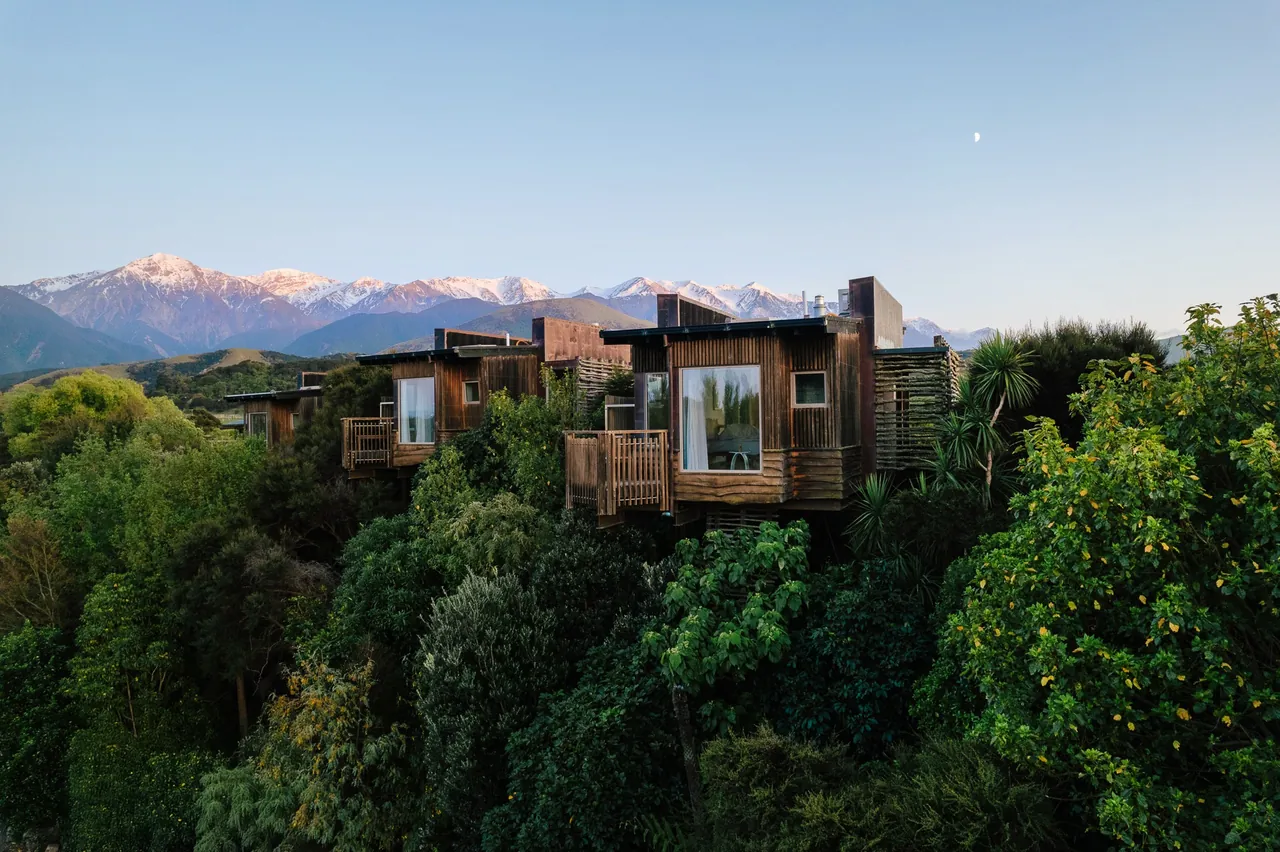
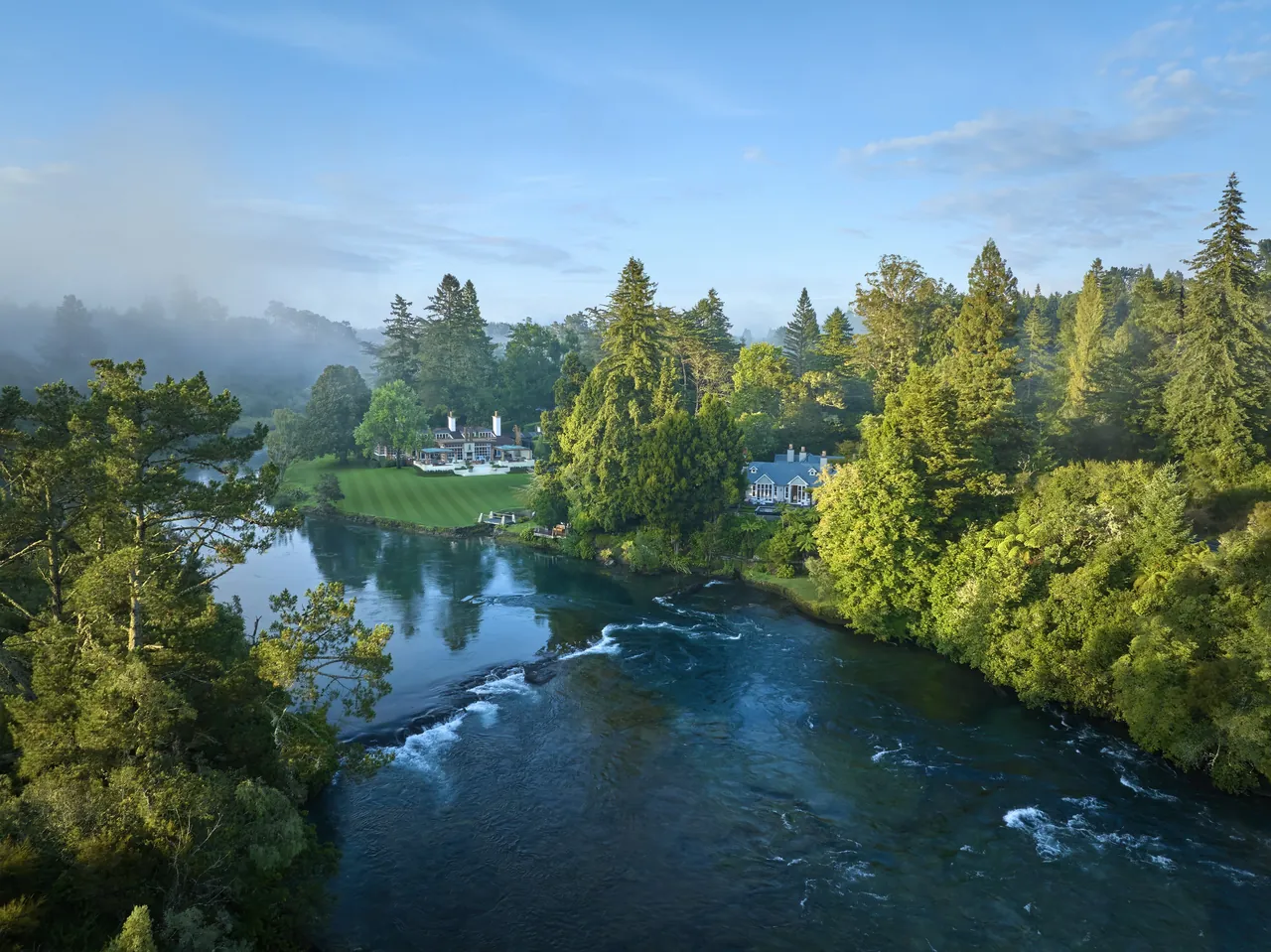
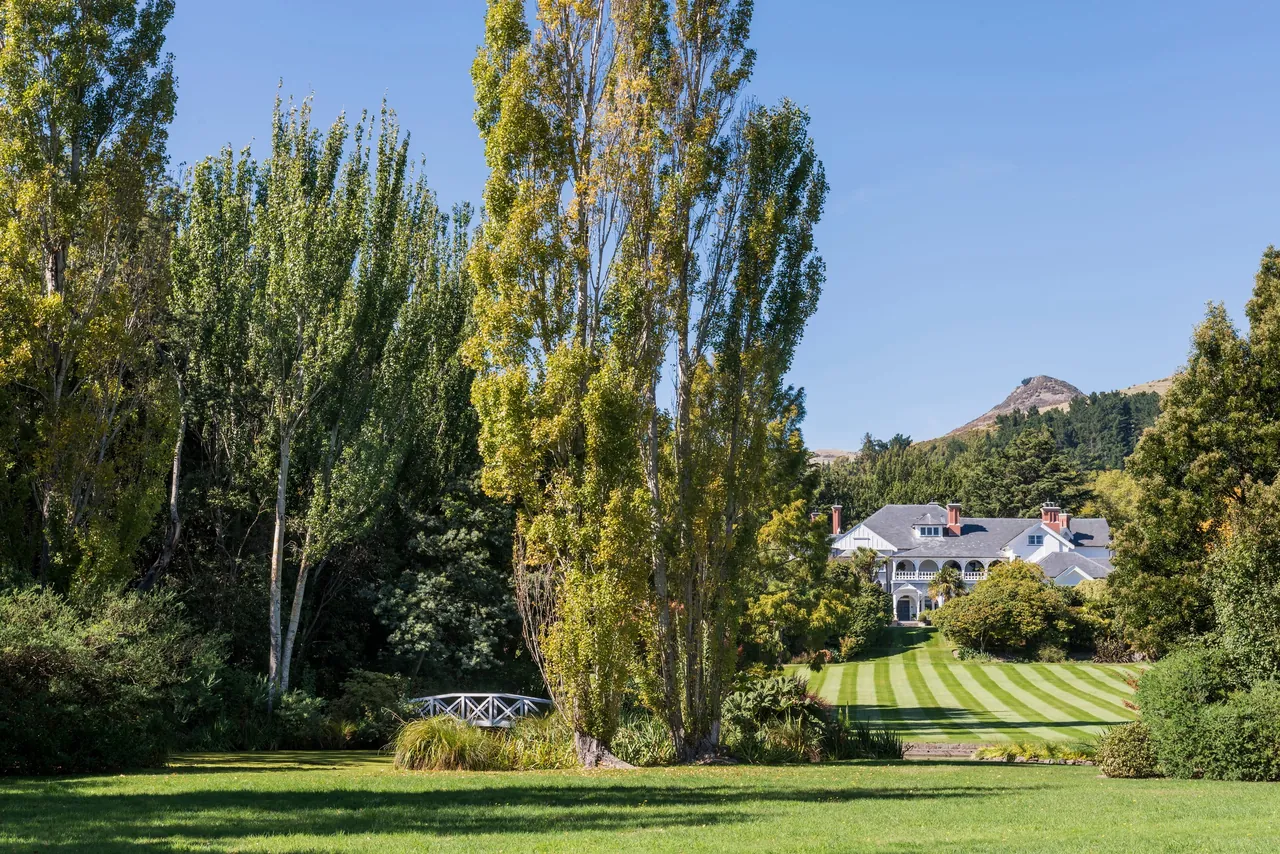
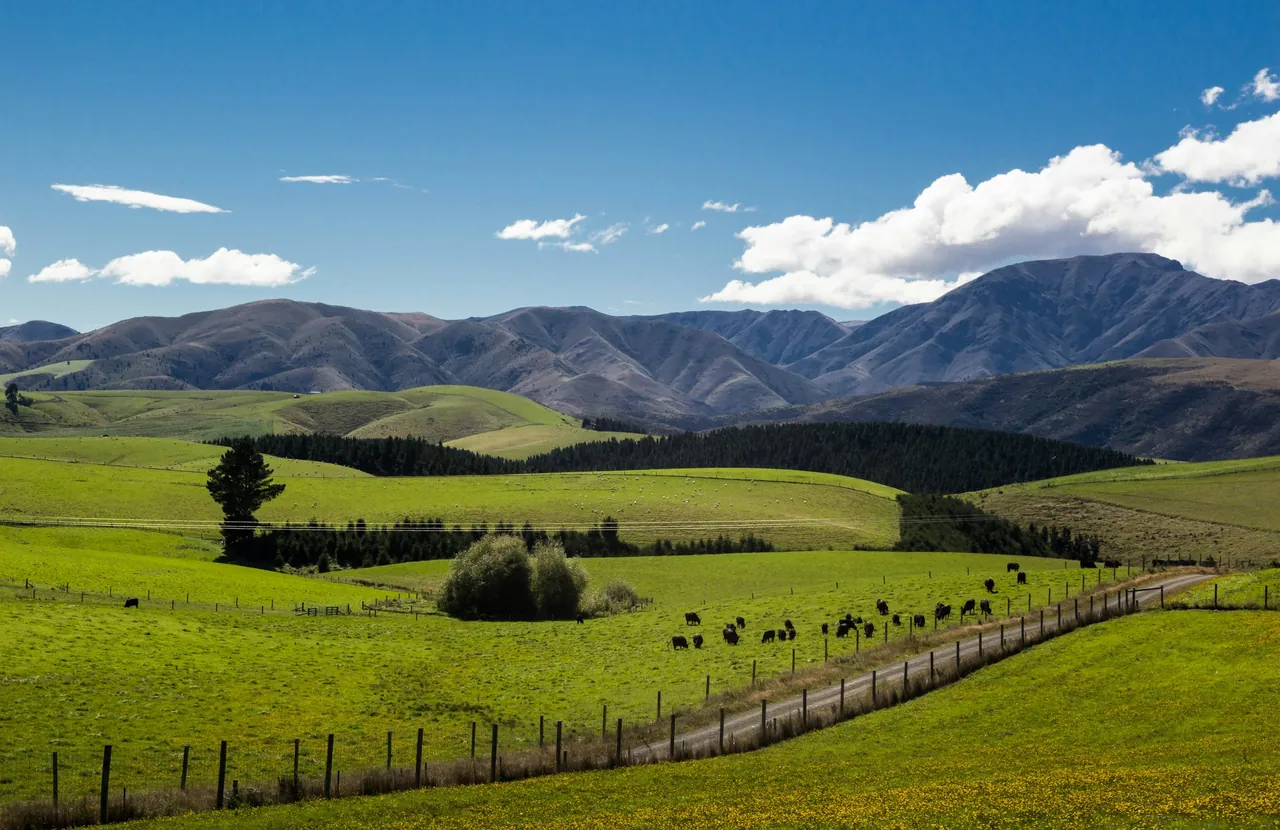
New Zealand is two islands and a great many landscapes: glaciers, mountains, lakes, national parks and volcanic, geothermal country. The North Island has Auckland, the Bay of Islands and Rotorua, and Māori culture can be experienced across the country. The South Island has Queenstown, Wānaka and Lake Tekapo, the fjords of Fiordland and Milford Sound, and the coast at Kaikōura. Lodges, wineries and walking tracks run through both. Summer brings long evenings, light until about 9:30 p.m., while autumn offers settled weather with fewer visitors.
Niue
Niue is one of the smallest countries in the world and one of the largest raised coral atolls on earth. It is a place where strangers wave to each other, where nature is intact and life moves at an old pace. Alofi is the capital, and villages such as Avatele and Hakupu hold small guesthouses and cottages, many with clifftop views of the ocean. The fishing is famous, the sunsets on the western coast are long, and the night sky is very clear. It suits travellers who want real quiet.
Norfolk Island
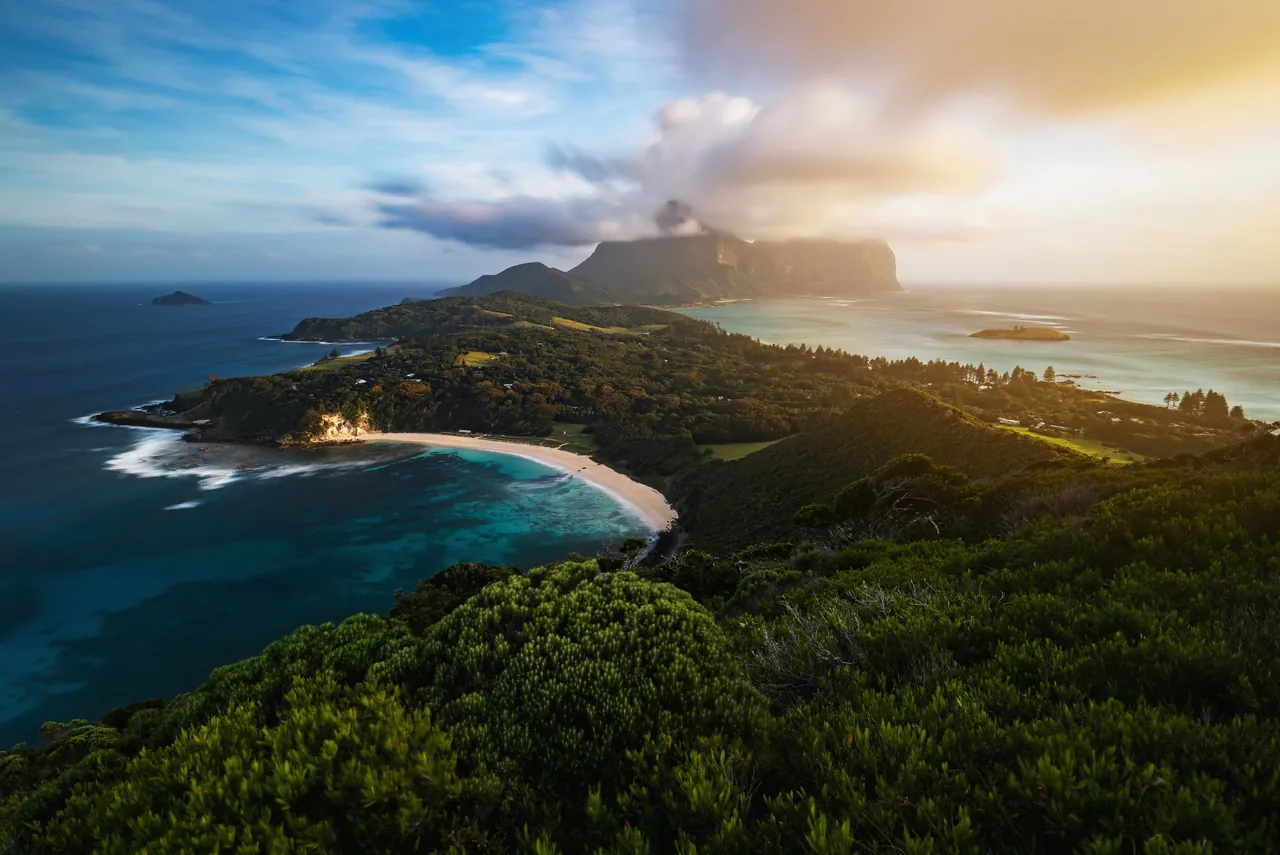
Norfolk Island is a small island in the Pacific, about two and a half hours by air from Brisbane or Sydney. It is known for its tall pines and the ruins of its convict past, with reef-sheltered bays, cliff-top views and forest trails. Life here is slow, and much of the appeal lies in the community, its traditions and its local food. The night sky is a draw too. It suits a short, restful break, often combined with time on the Australian mainland.
Northern Mariana Islands
The Northern Mariana Islands lie in the western Pacific, where CHamoru and Carolinian cultures meet. Saipan is the capital and gateway, with white sand beaches and reefs for snorkelling and diving, and the islet of Managaha lies just offshore. Tinian, a short flight south, holds North Field, from which the Enola Gay flew to Hiroshima, and Rota is known for its hospitality, its coconut crabs and its bird sanctuary. The Northern Islands beyond have black sand and active volcanoes, and the Mariana Trench lies nearby.
Palau
Best time: Nov to Jun
Palau, also called Belau, is a Micronesian nation of more than 300 islands southwest of Guam, and it is one of the finest dive destinations in the world. The Rock Islands and Jellyfish Lake, both visited under permit, are its signature sights, and there are cultural trails and lush landscapes above water too. Palau lies outside the typhoon zone and is warm all year, around 82 degrees Fahrenheit, with more rain from July to October. Visitors must use reef-safe sunscreen, a law since 2020. Flights connect through Guam, Manila and Tokyo.
Papua New Guinea
Best time: Jun to Sep
Papua New Guinea is one of the most culturally diverse places on earth, with more than 600 languages spoken among its peoples. The Mount Hagen and Goroka shows, held in August and September, are the country's great cultural festivals, and 2026 marked 70 years of the Goroka Show. The Sepik River, Madang and Rabaul are names to know, and the Kokoda Track draws trekkers to its wartime history. Milne Bay and Kimbe Bay are for divers. The dry season, from June to September, is the easiest time to travel, and the country rewards those comfortable off the usual circuits.
Pitcairn Islands
The Pitcairn Islands are among the most remote inhabited places on earth, reached by a long voyage on the island's passenger supply ship. The people of Pitcairn are direct descendants of the Bounty mutineers and their Polynesian companions, and a stay offers rare insight into their history and daily life, centred on Adamstown. The wider group, including Henderson and Ducie, holds endemic plants, seabirds and waters recognised as a sanctuary for endangered sharks. This is a journey for travellers who value the voyage as much as the arrival.
Samoa
Best time: May to Oct
Samoa is a proud, welcoming country whose traditions go back more than 3,000 years. Upolu is home to the capital, Apia, and Savai'i, the largest island, is reached by a scenic ferry crossing. Visitors stay in anything from simple beachfront fales to secluded resorts, swim with turtles, walk in the rainforest and visit the island's many historic sites. Samoa is under four hours from Auckland. The dry season, May to October, is the most popular time, with trade winds that cool the afternoons.
Solomon Islands
Best time: May to Oct
The Solomon Islands are an archipelago of 992 islands and atolls, scattered in a gentle curve about three hours by air from Australia. This is a destination for intrepid travellers and for ecotourism, with few visitors and genuine traditional culture. Honiara, on Guadalcanal, is the gateway, and the wider islands reward those who go further, among them Gizo and the Marovo Lagoon. Its history is long and profound, and music and art remain part of everyday life. May to October brings the least rain and the lowest humidity.
Tokelau
Tokelau is made up of three small coral atolls, Atafu, Fakaofo and Nukunonu, home to around 1,500 people in all at the last census. It keeps a liaison office in Apia, Samoa, and travel to and from the atolls passes through there. Very little information is published for visitors, so anyone considering a trip should plan it with the Tokelau authorities well in advance and allow plenty of flexibility. It suits only the most committed travellers, drawn by the chance to see some of the most isolated communities in the Pacific.
Tonga
Tonga is an unspoiled island chain of remote coastlines and traditional culture, and it rewards slow travel. Travellers arrive through Nuku'alofa. The Vava'u group, around the town of Neiafu, is the base for sailing, game fishing and the whale swimming and watching that the islands are known for. Smaller islands such as Uoleva offer simple, quiet stays by the sea, and 'Eua is another island worth the detour. A week or more allows time to combine two island groups.
Tuvalu
Tuvalu is one of the smallest and most remote nations in the world, a scatter of coral atolls, lagoons and reefs. Funafuti, the capital, is a tiny atoll with the international airport, and a short boat ride across its lagoon brings islets with fish, turtles, clams and coral. Nanumea, in the far north, is a true atoll of five islands. Tourism here is small and uncommercial: local guesthouses, the National Library and the Women's Handicraft Centre. It suits travellers who want rest and the rare chance to see an atoll nation up close.
Vanuatu
Best time: Apr to Sep
Vanuatu is a Y-shaped chain of 83 islands stretching some 1,300 kilometres, and it remains remote and rugged. Port Vila, on Efate, is the capital. Espiritu Santo, the largest island, has Champagne Beach and freshwater blue holes. On Tanna, Mount Yasur is an active volcano that visitors can reach with relative ease. More than 100 languages are spoken, joined by Bislama, and kastom, the body of traditional belief, still shapes daily life on many islands. Kava is shared each evening in village nakamals. The drier months run from April to September.