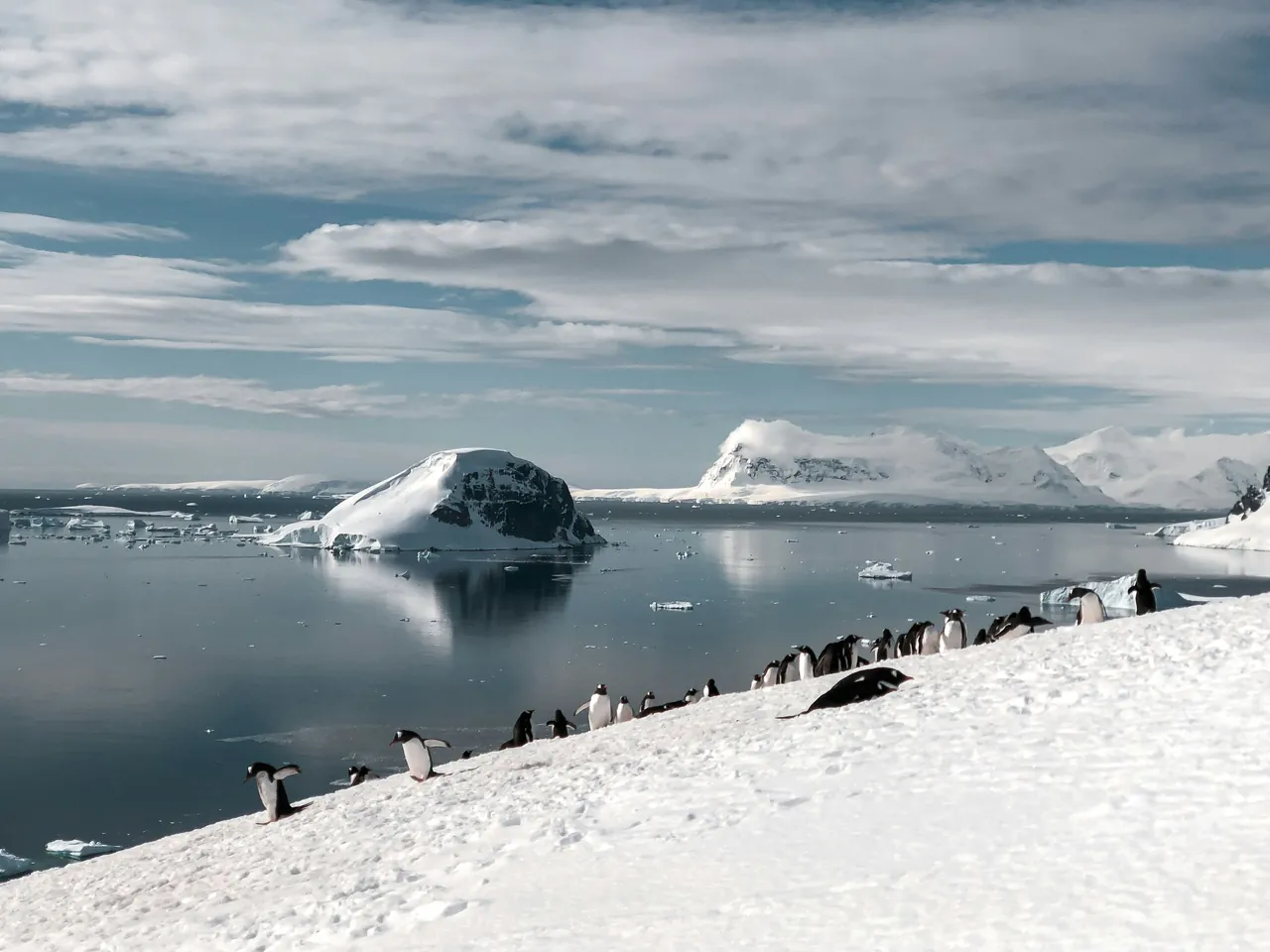
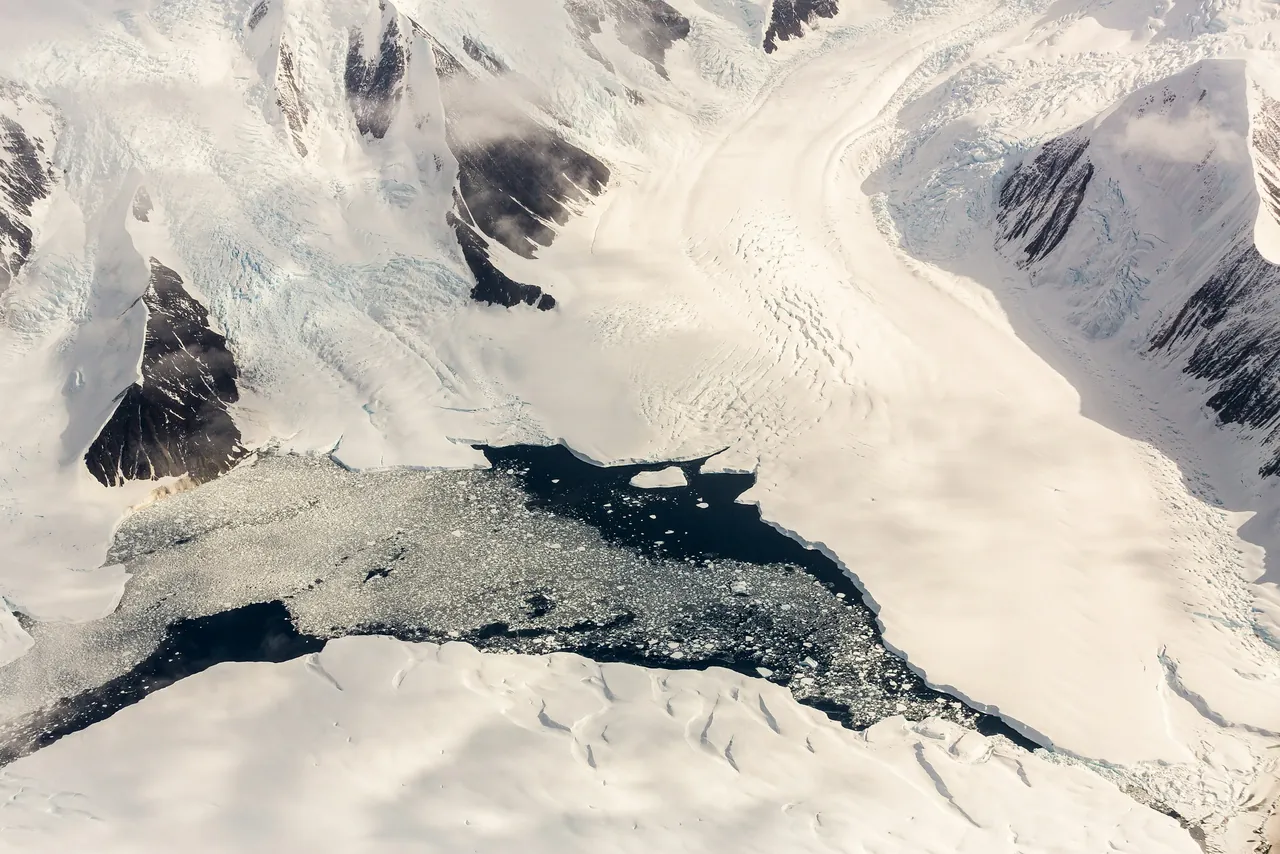
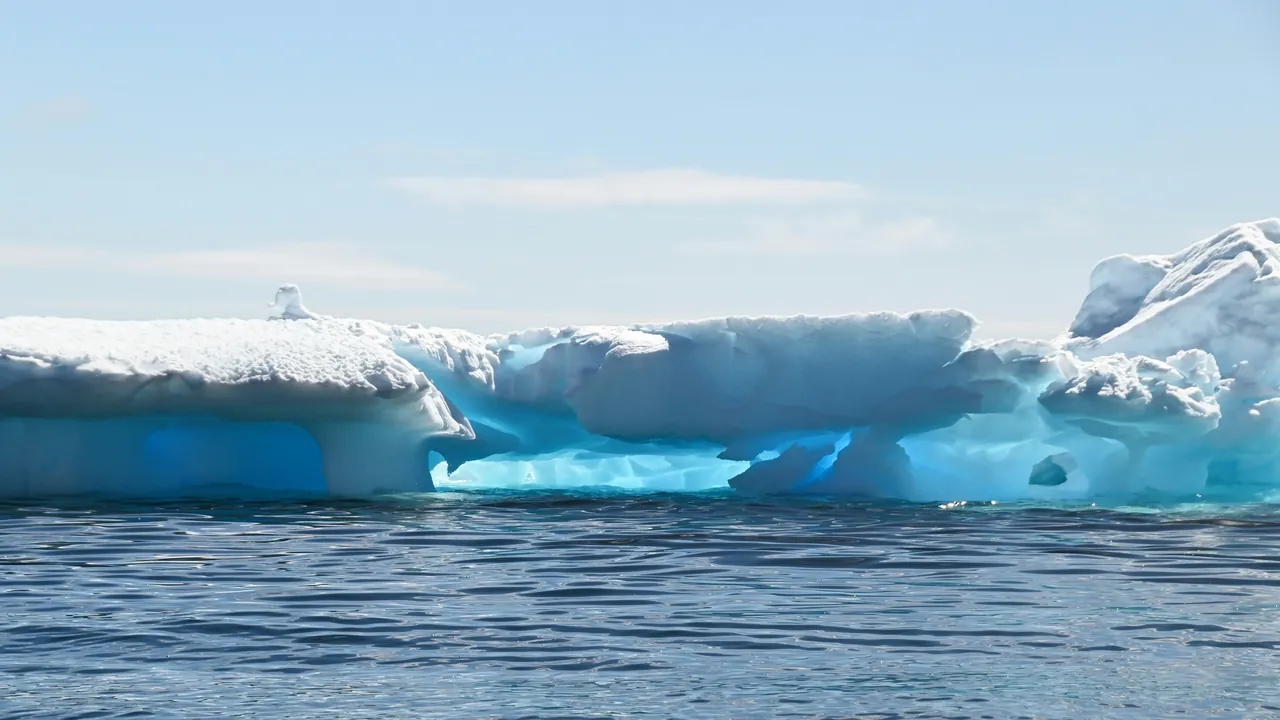
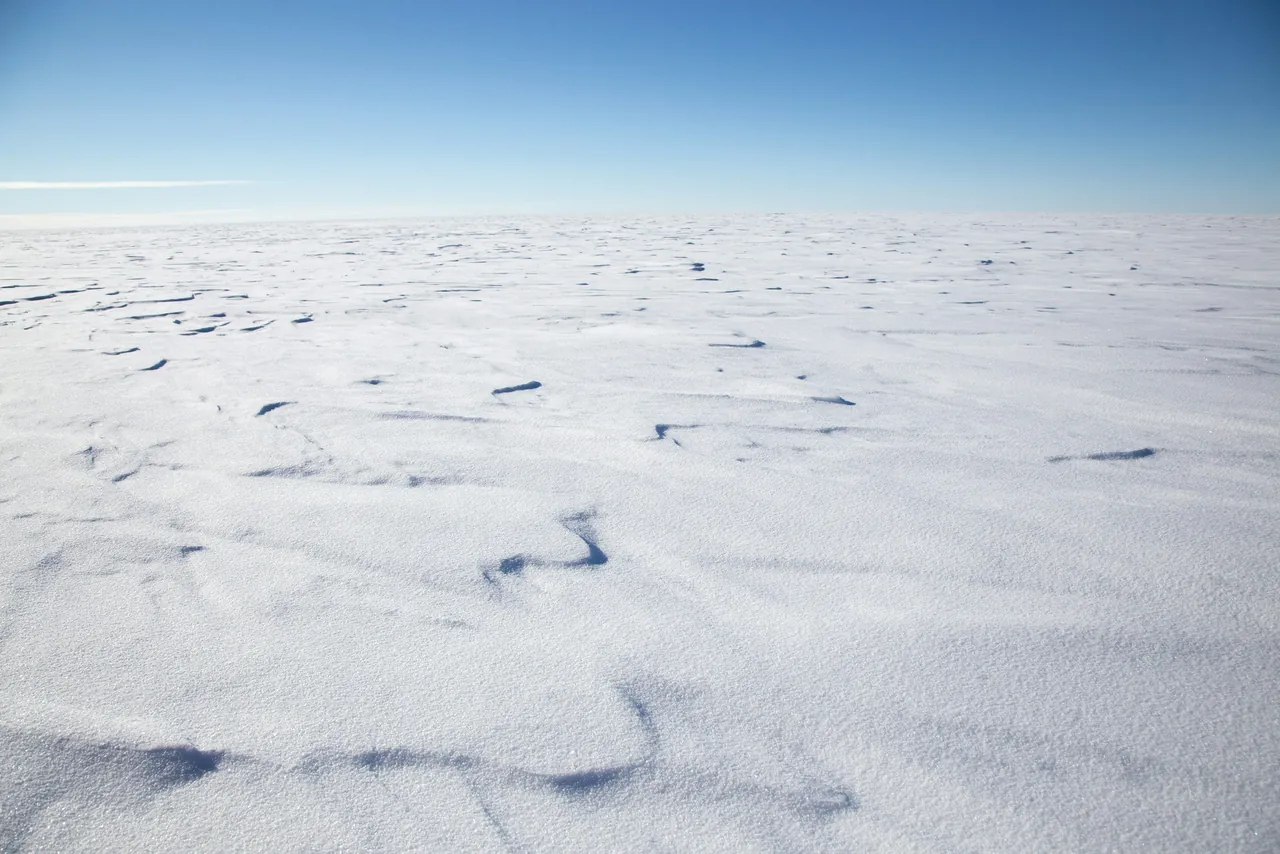
Antarctica has no population of its own, and that is much of its pull. Under the Antarctic Treaty, signed in 1959 and now joined by nearly 50 countries, the whole continent is a natural reserve devoted to peace and science. Visitors come by sea, on voyages run under strict rules on how ships operate and how people behave ashore, and they come back, as the operators' association puts it, as ambassadors for the place.
Most voyages leave from Ushuaia in Argentina, Punta Arenas in Chile or Montevideo in Uruguay, cross to the northern tip of the Antarctic Peninsula and its offshore islands, and often call at the Falkland Islands and South Georgia on the way. A smaller number sail to the Ross Sea side of the continent from Hobart in Australia or from Lyttelton or Bluff in New Zealand, and a few repositioning voyages begin or end in South Africa at the edges of the season. You do not need a visa for Antarctica itself, but you may need one for the country you sail from. Voyages over Christmas and New Year often carry programmes for children as well as adults.
The ship shapes the journey more than anything else. Traditional expedition ships carry between 13 and 200 passengers and make landings, mid-size ships carry up to 500 and also make landings, and larger ships cruise past without landing anyone at all. Yachts take up to 12. On the smaller ships, days are built around landings, wildlife and lectures from naturalists on geology, glaciology, seabirds, sea mammals and the history of exploration, given by expedition teams, at least half of whom have worked in Antarctica before. I help choose the ship and the route first, and then build the rest of the journey, often a few days in South America, around it.