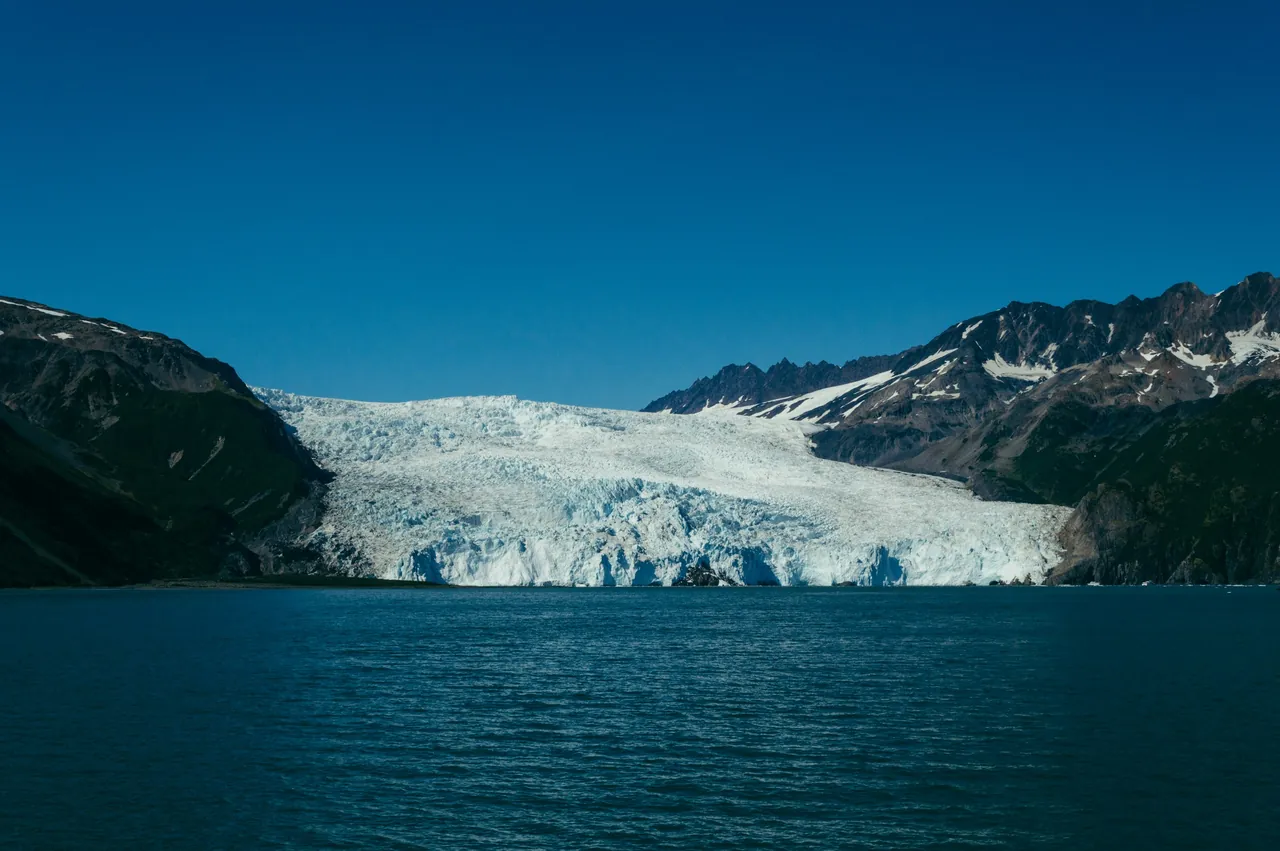
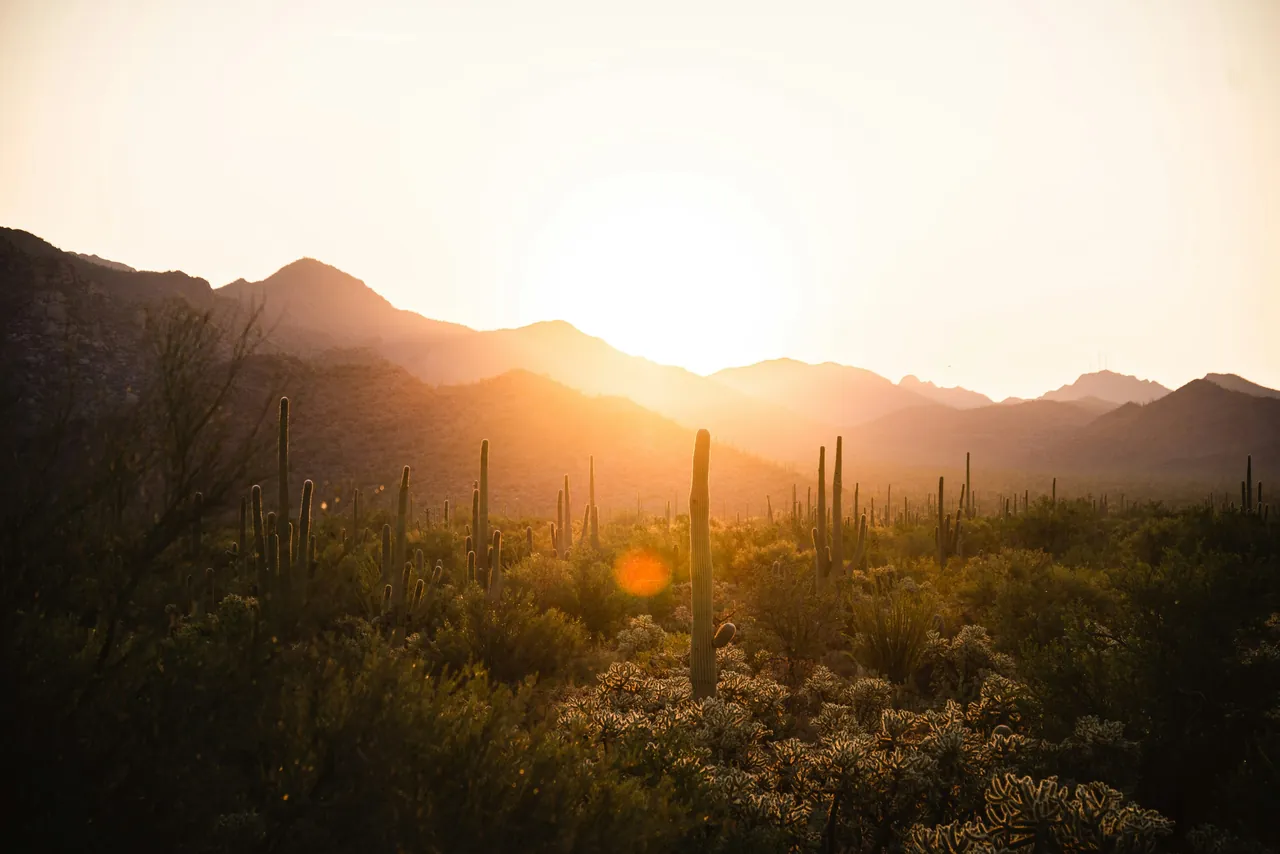
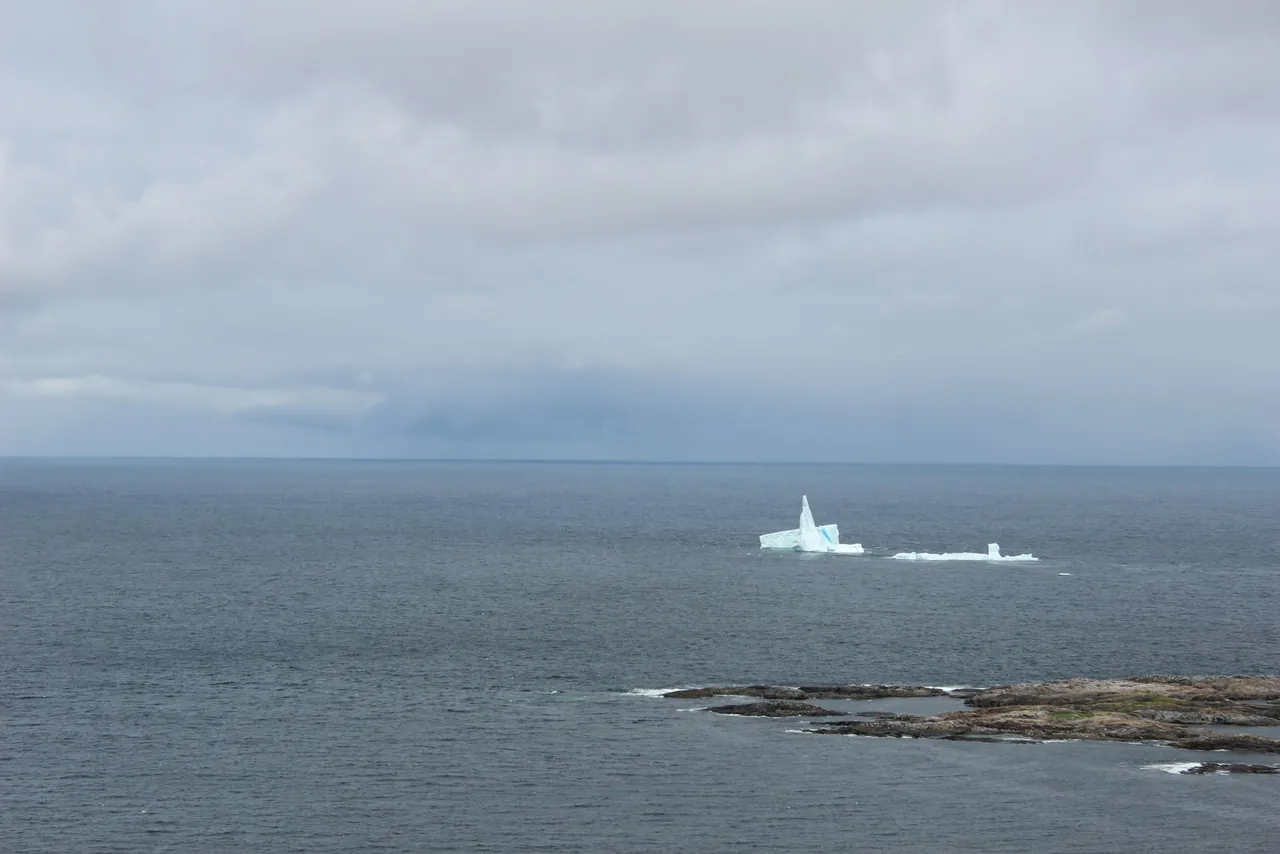
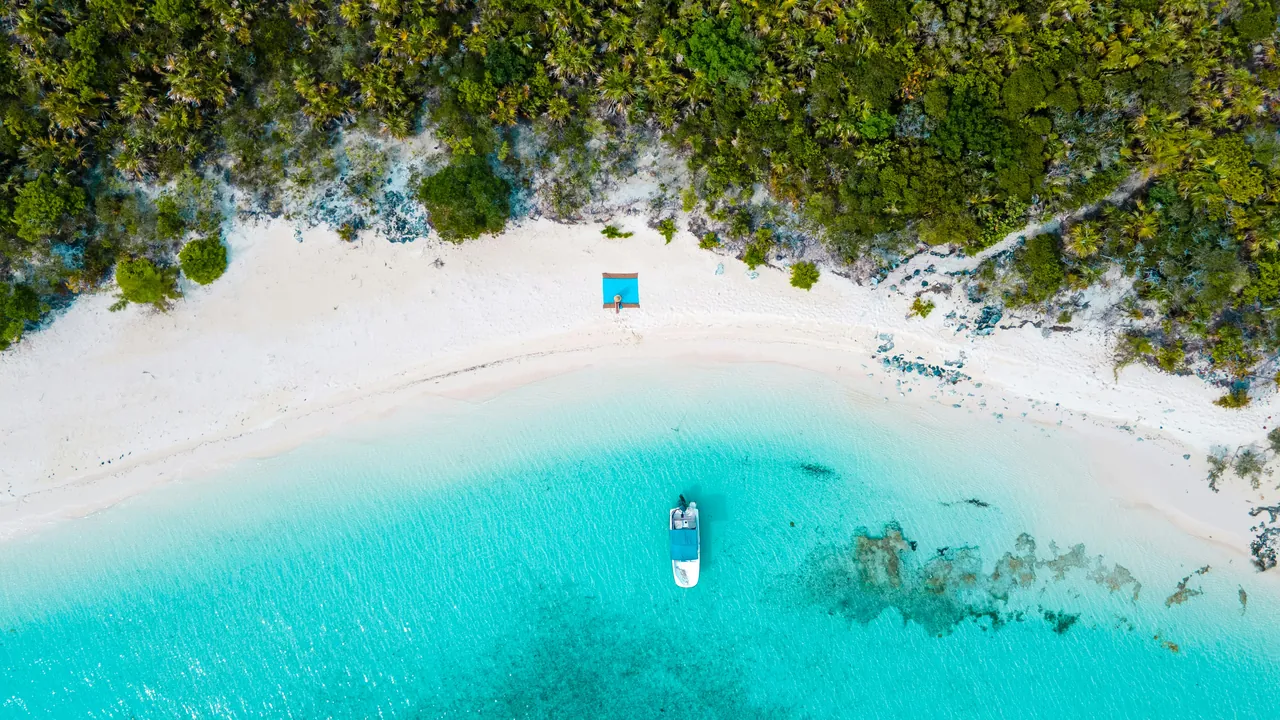
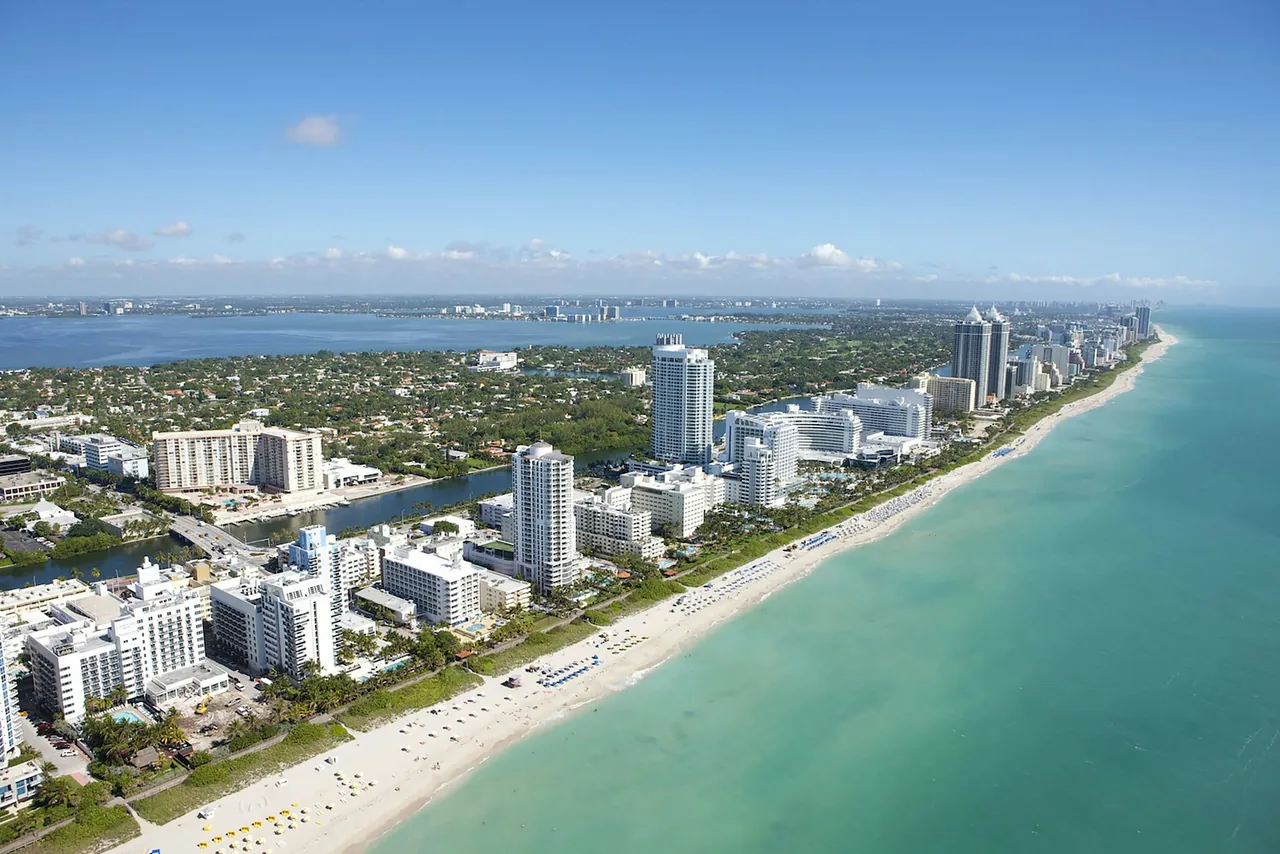
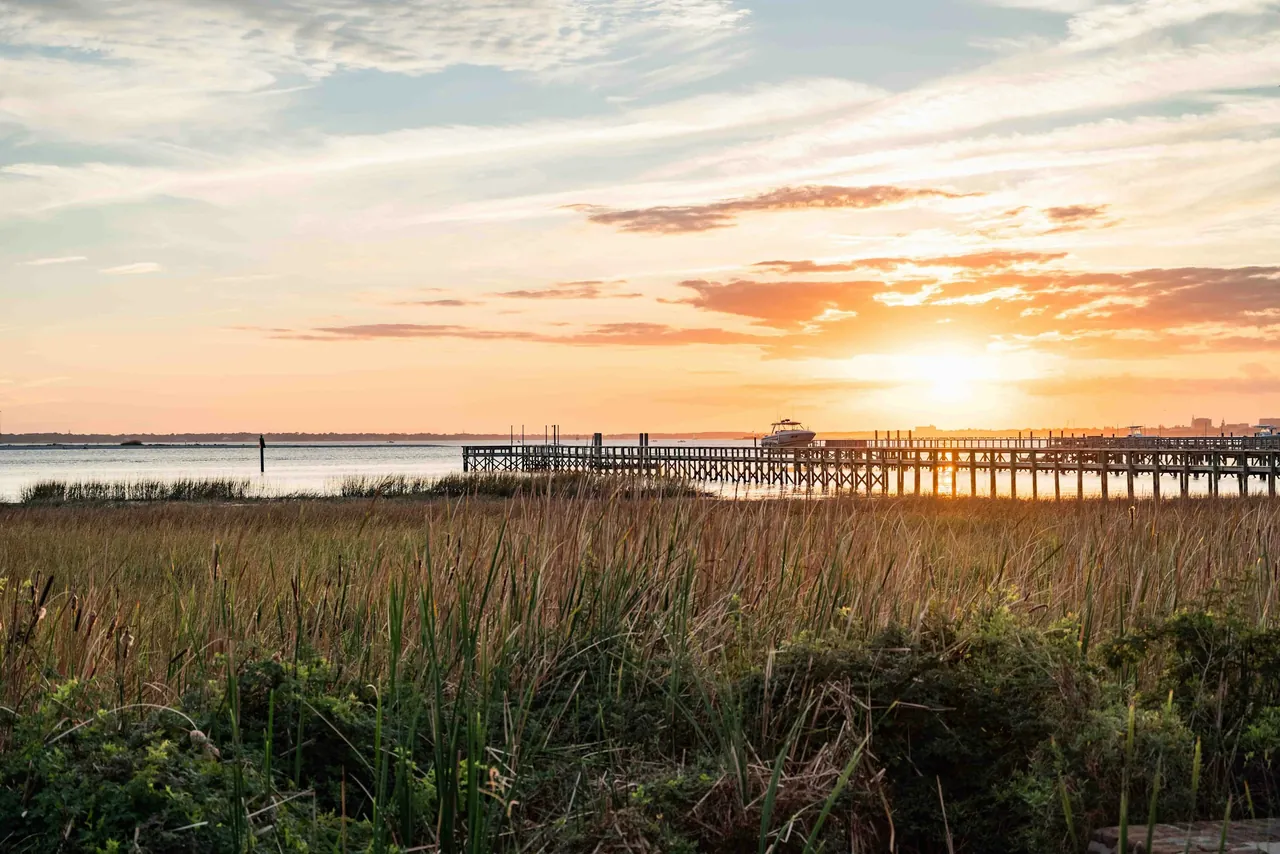
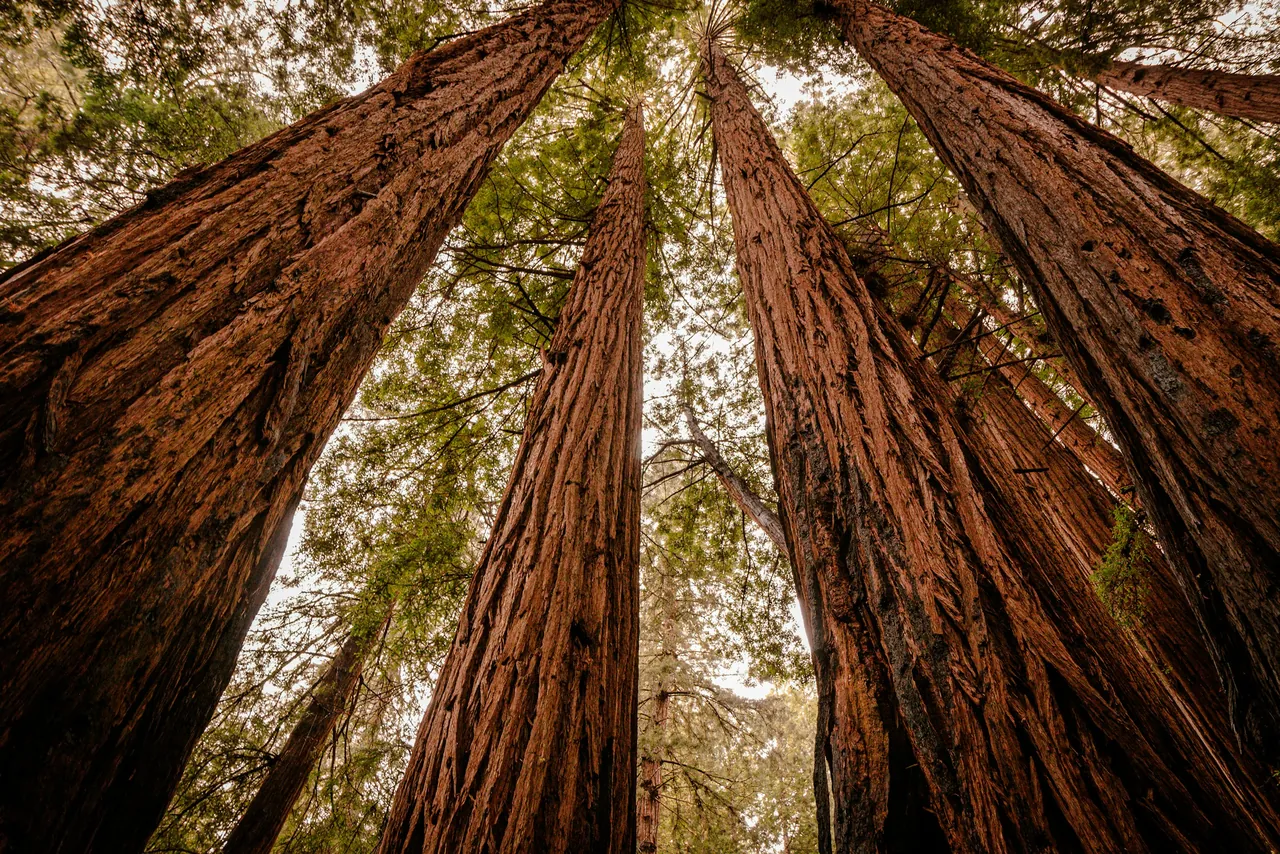
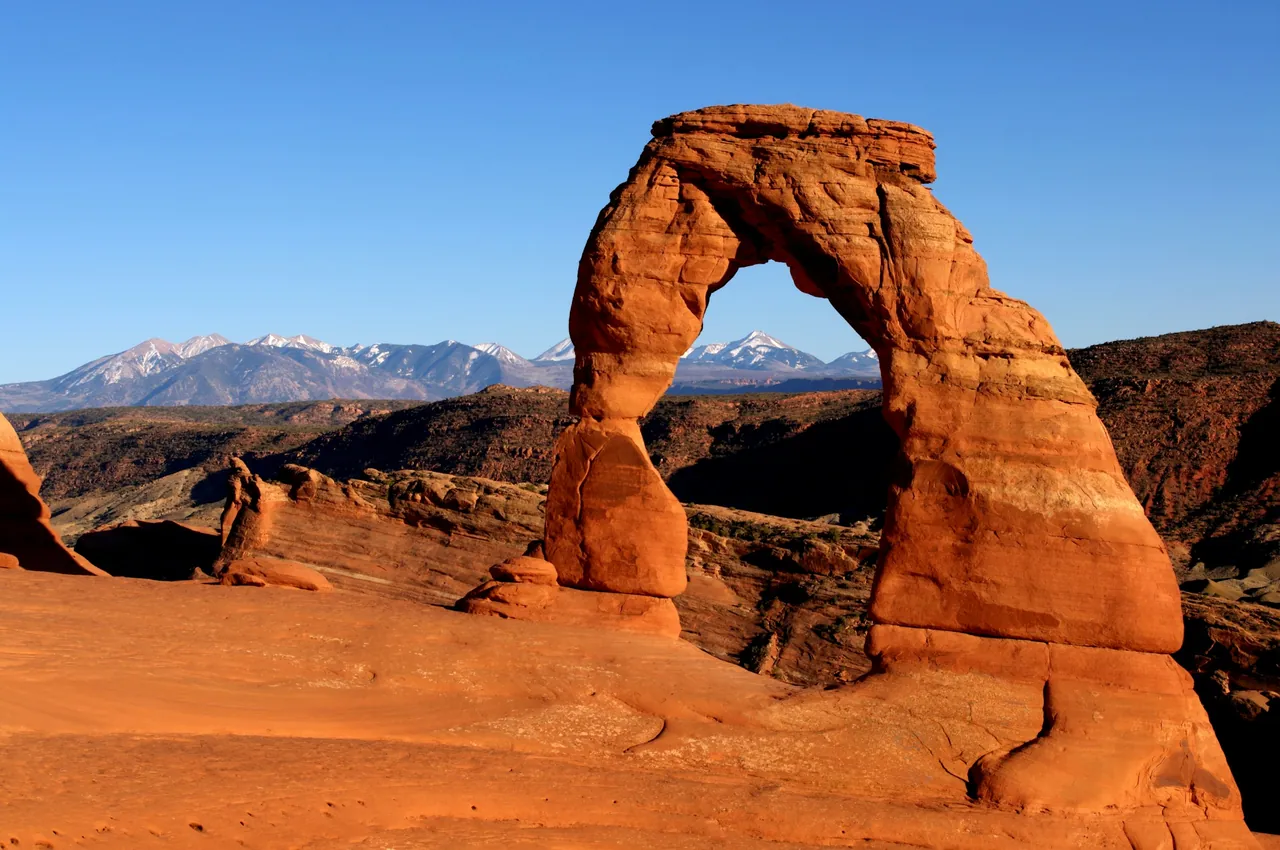
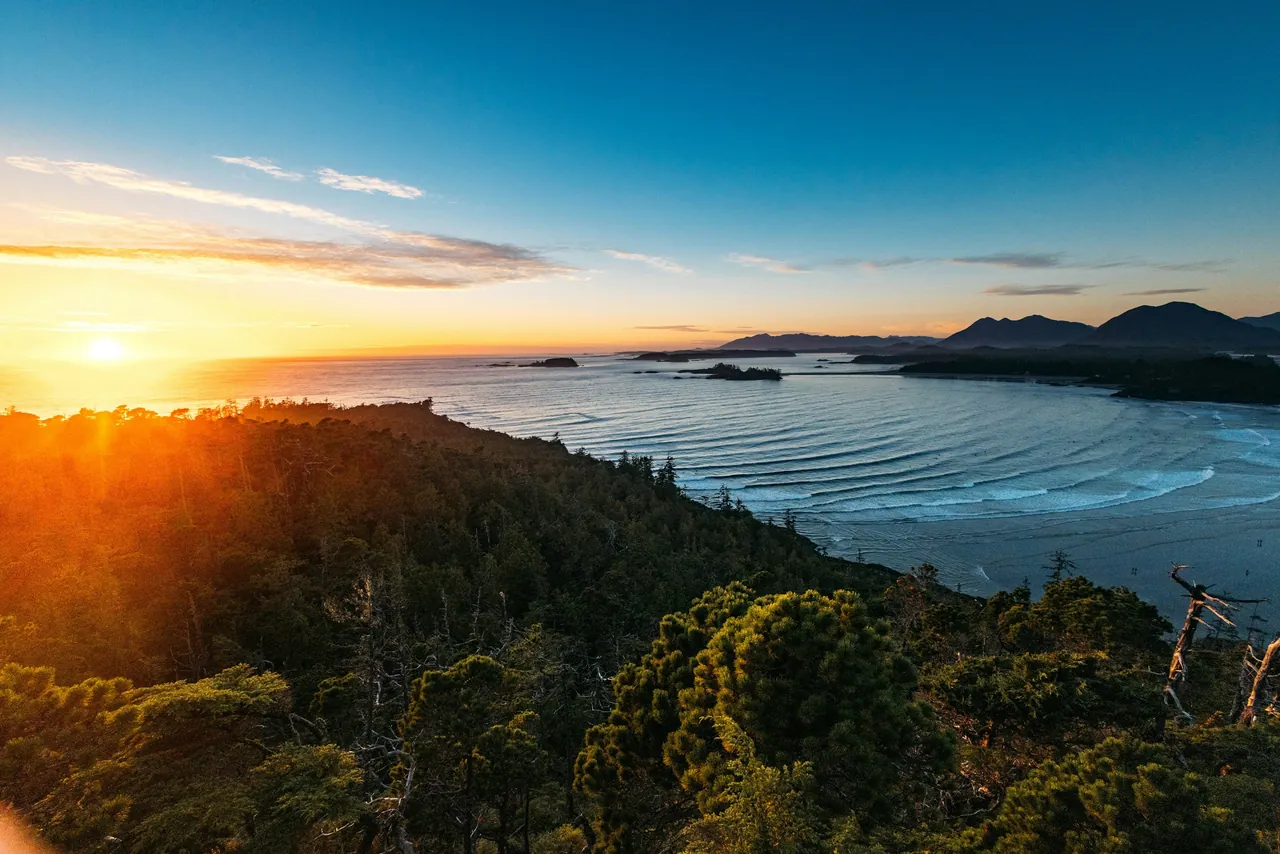
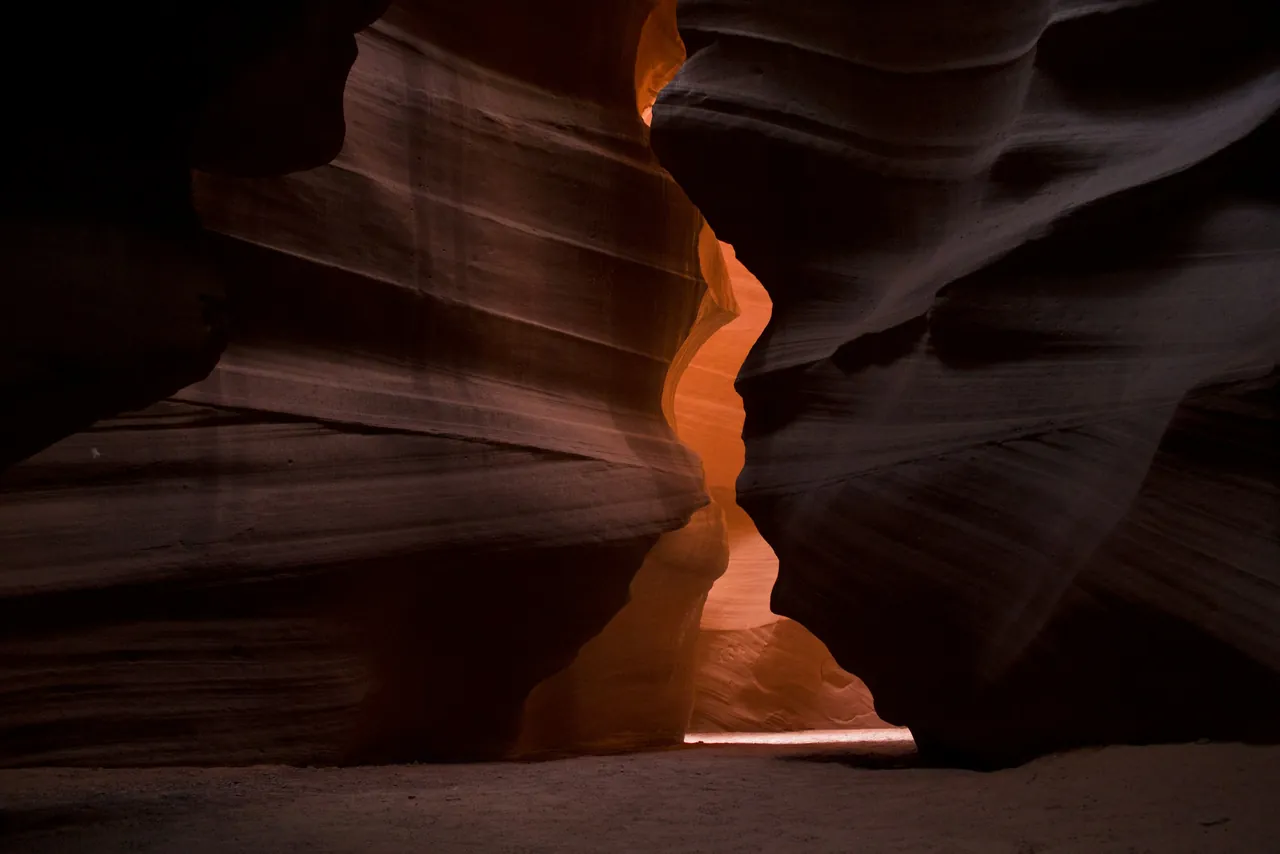
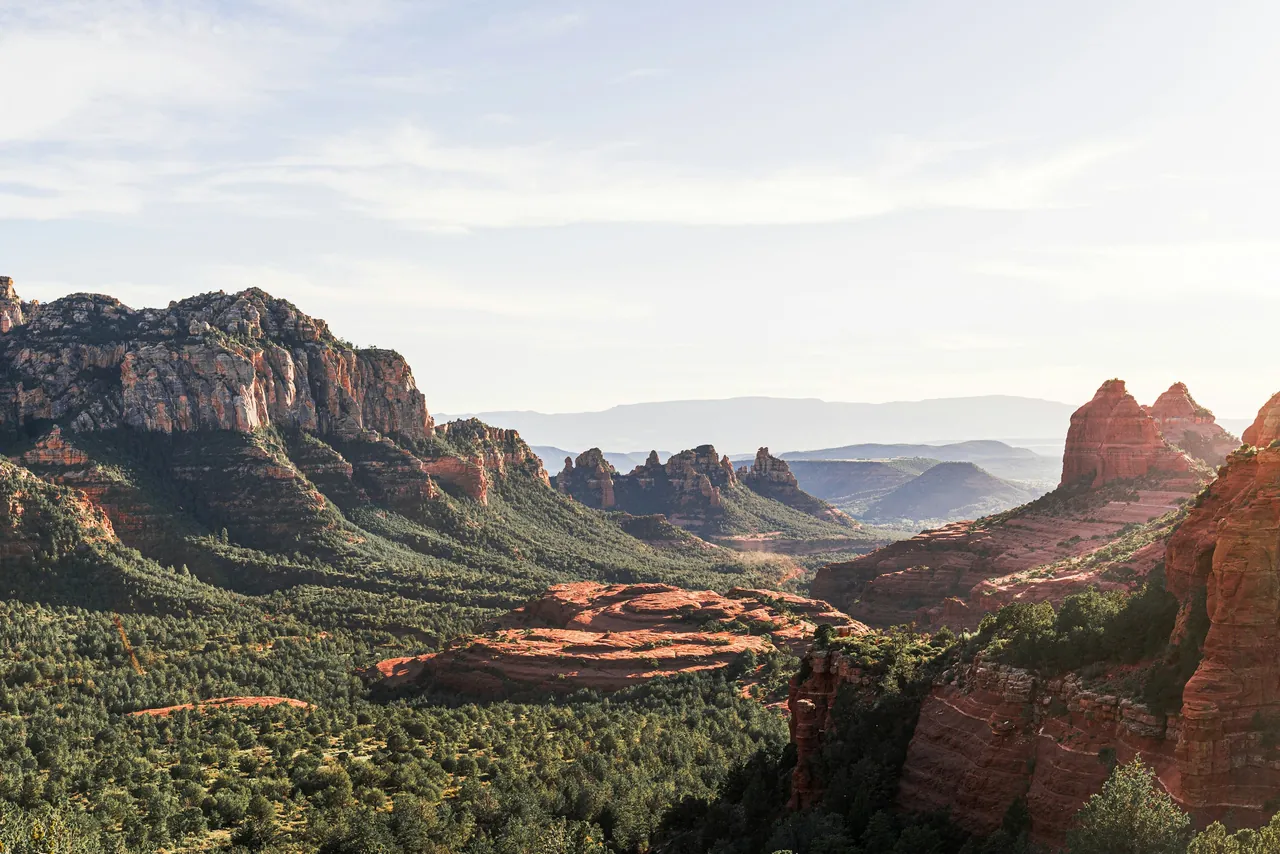
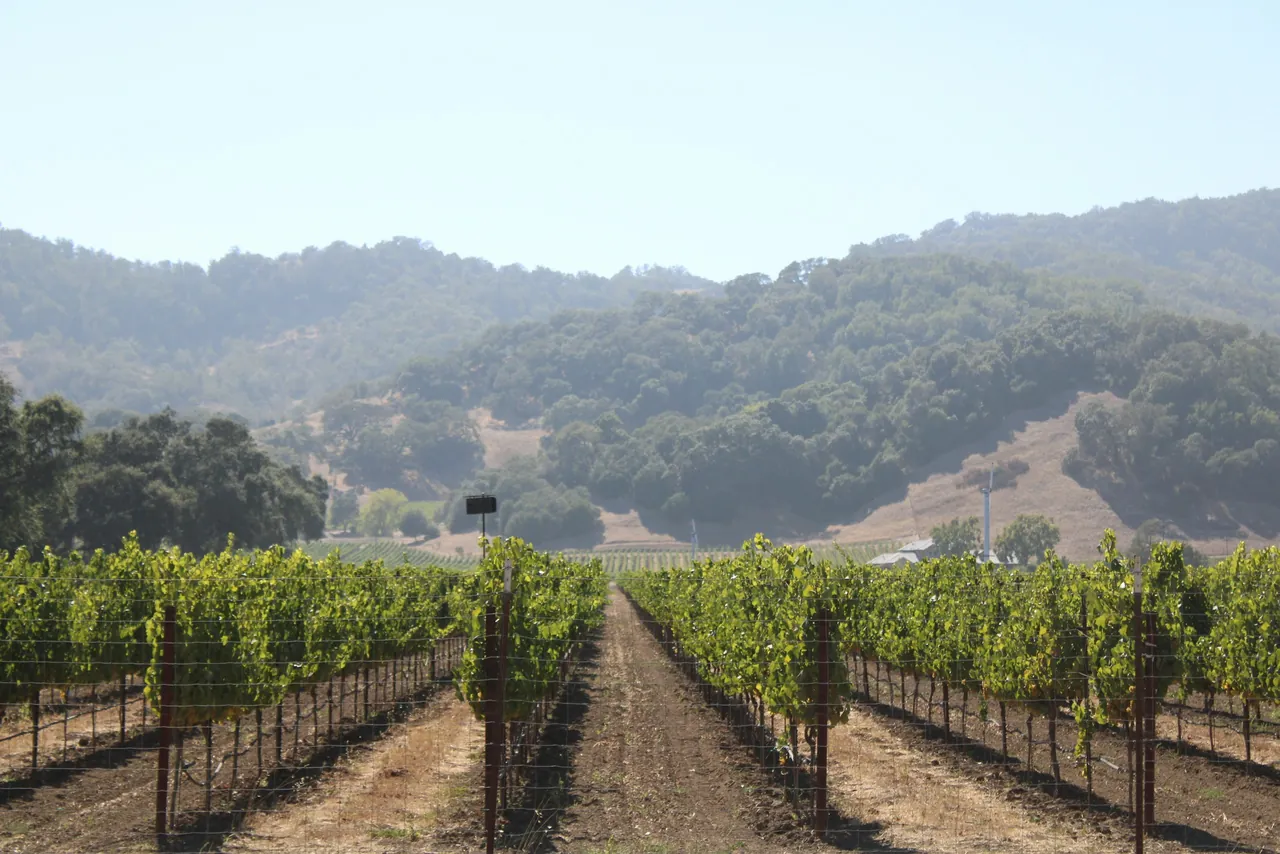
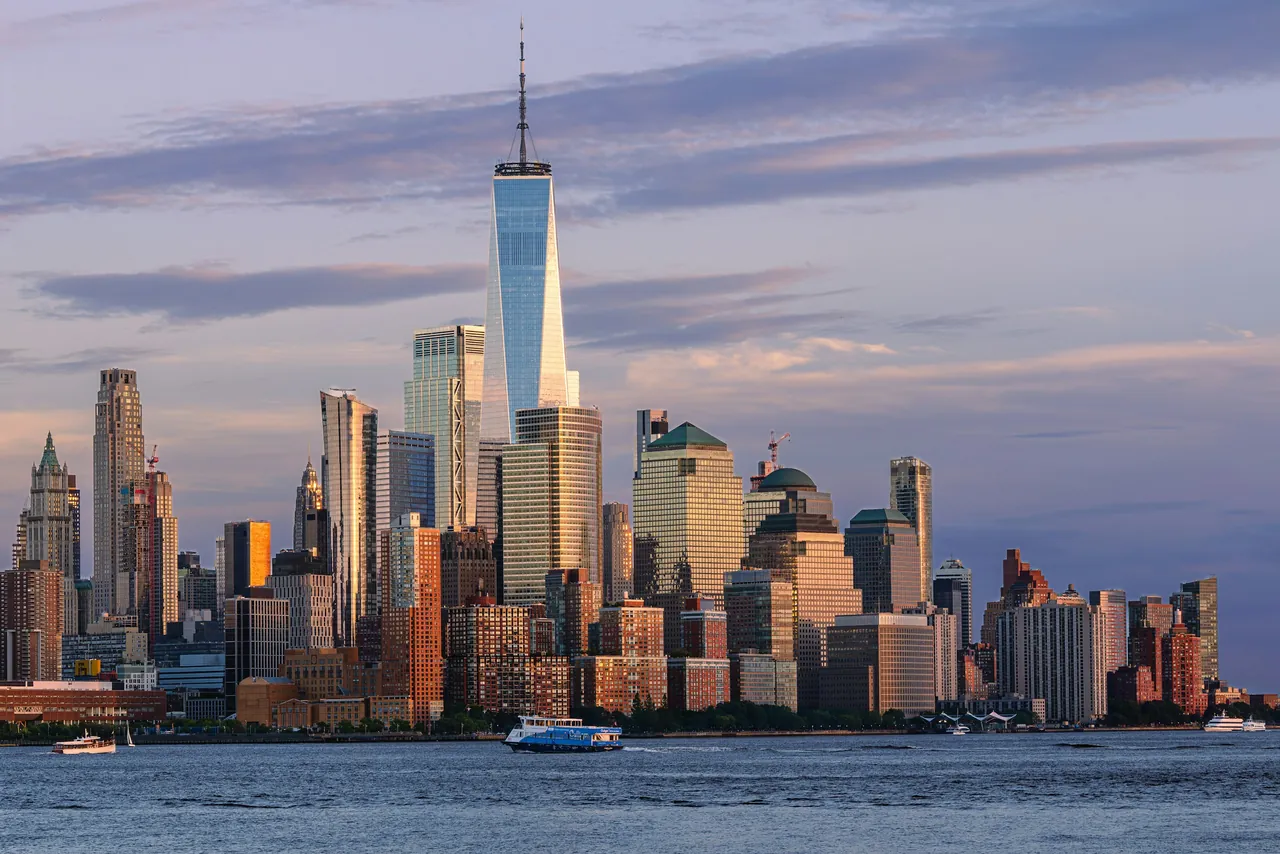
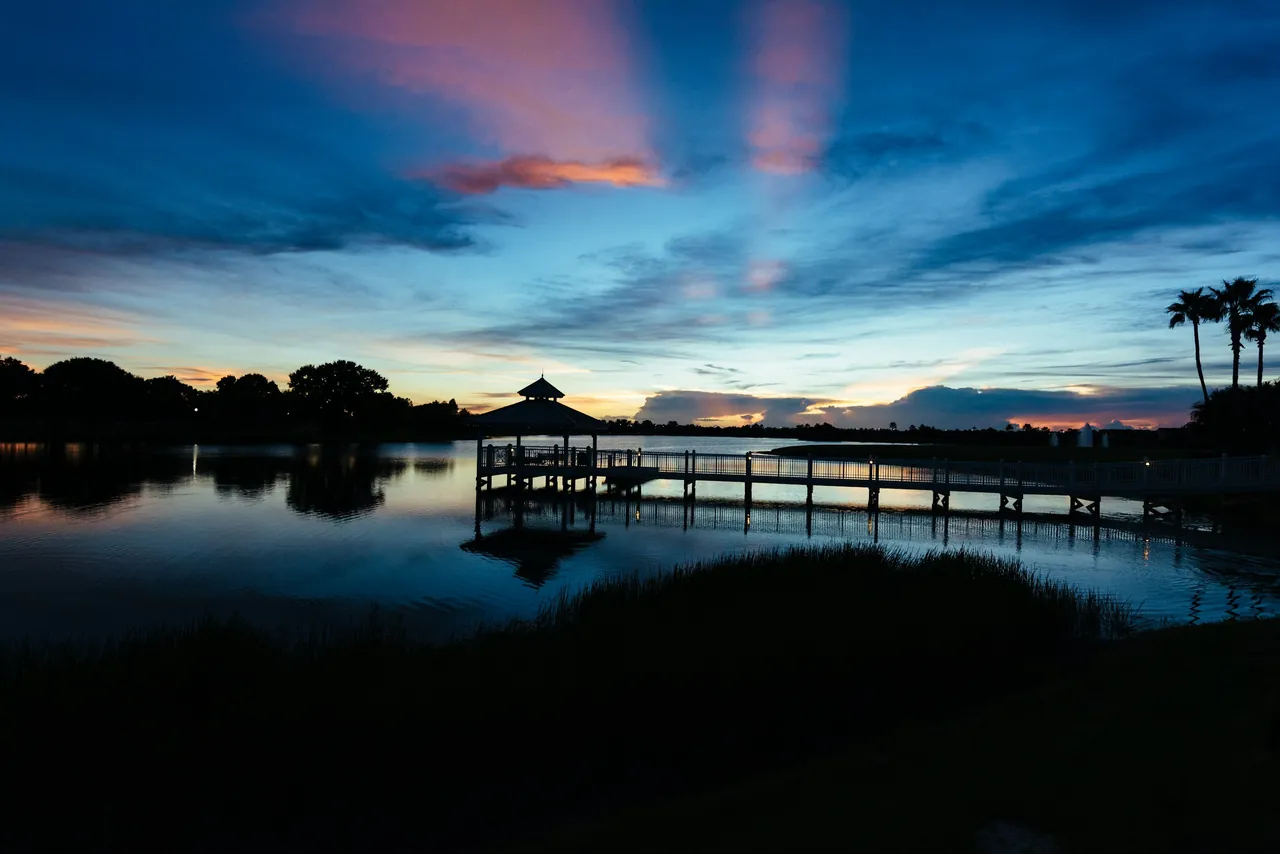
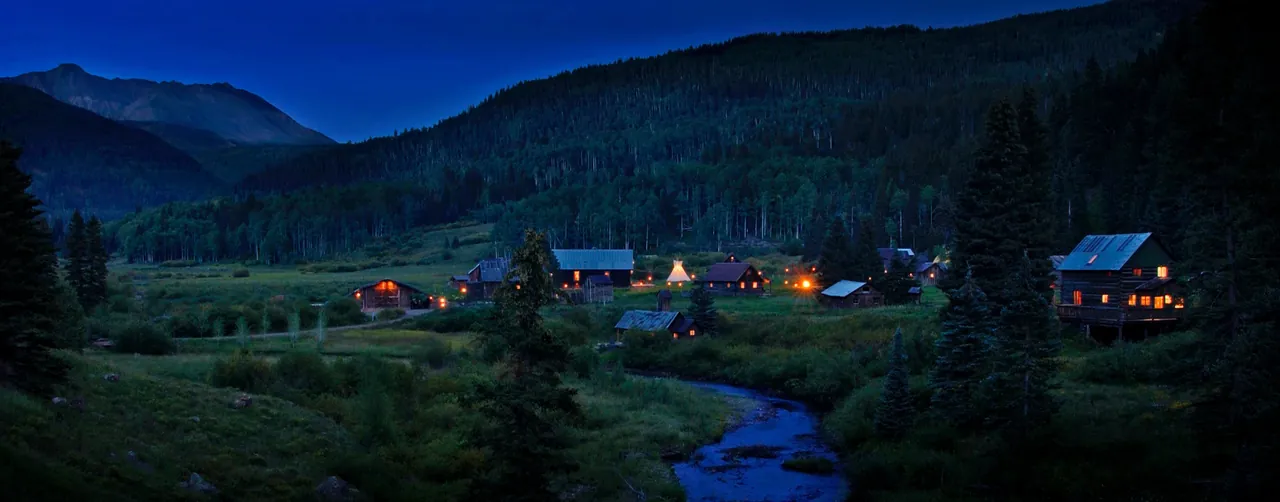
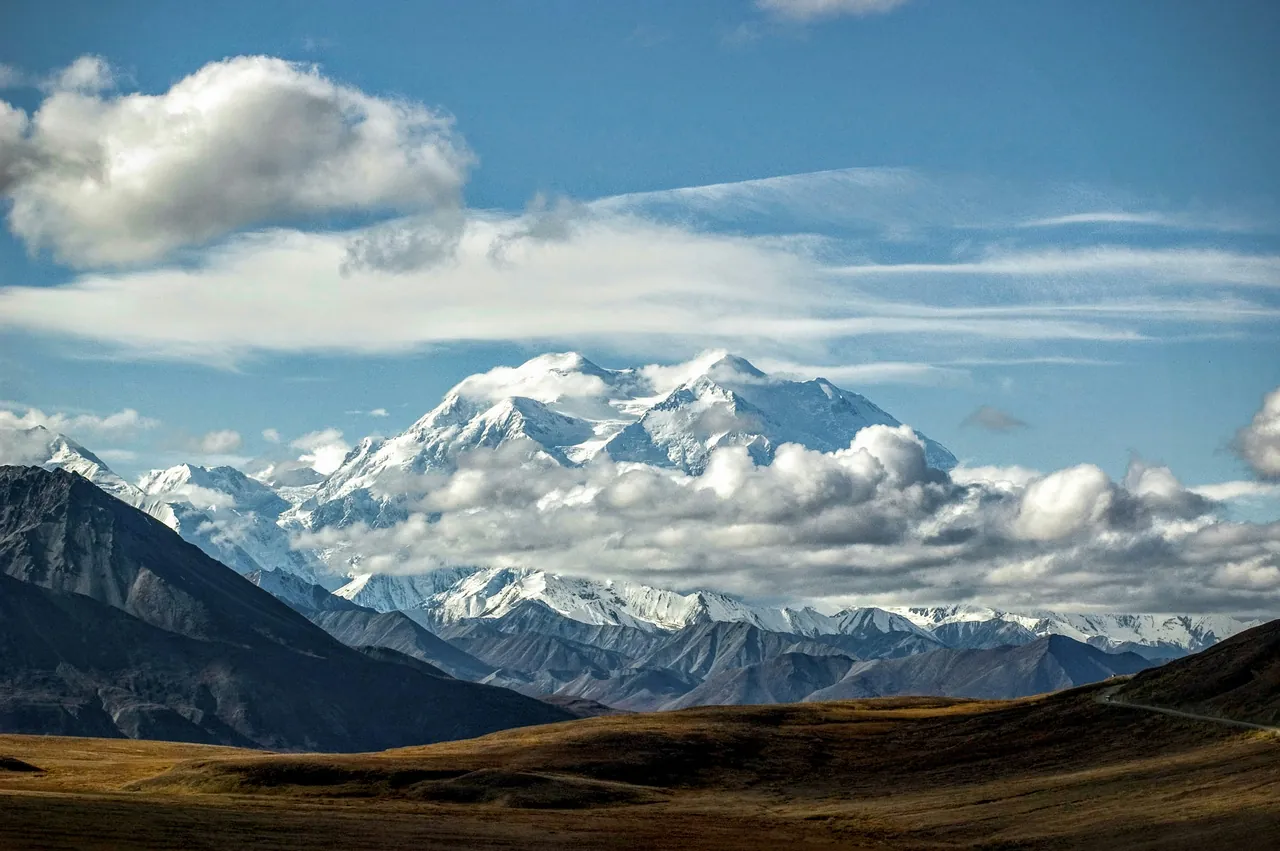
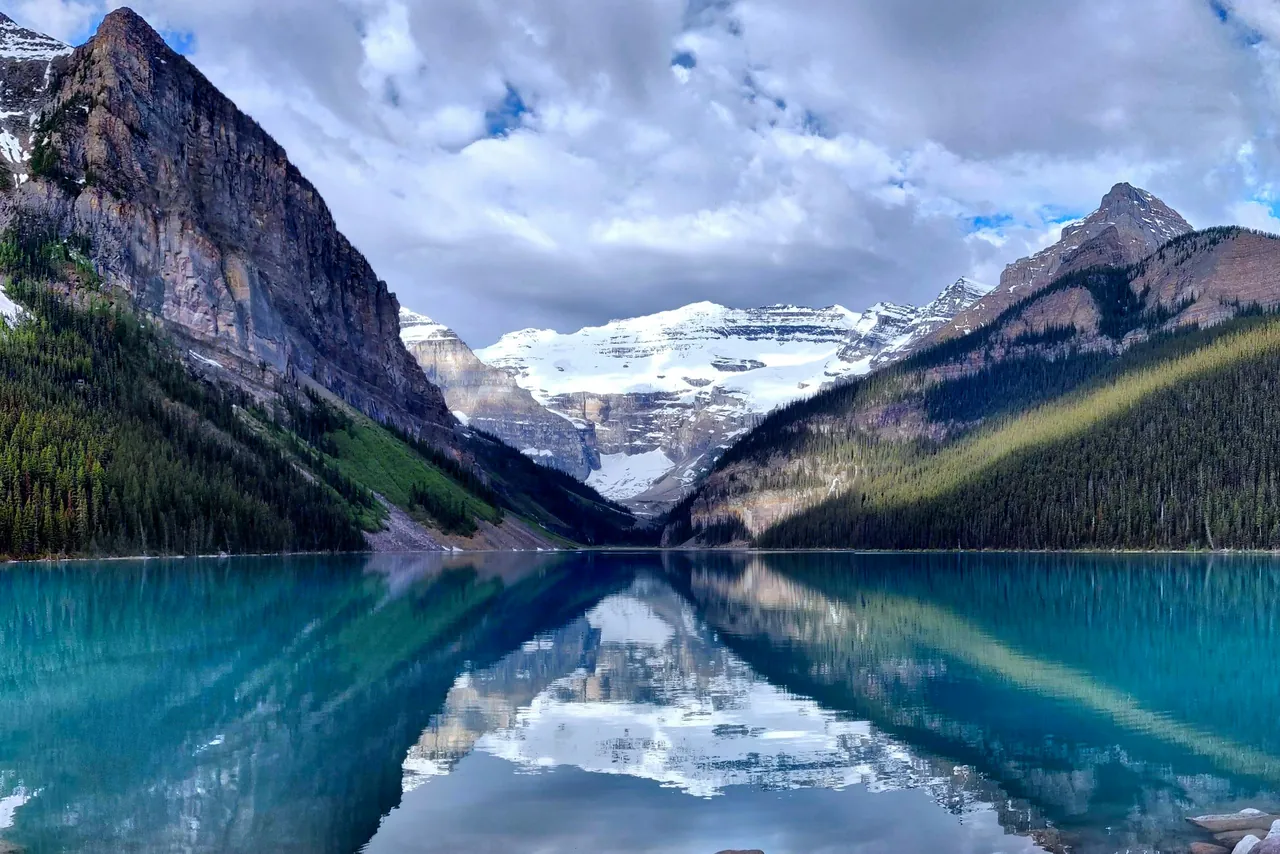
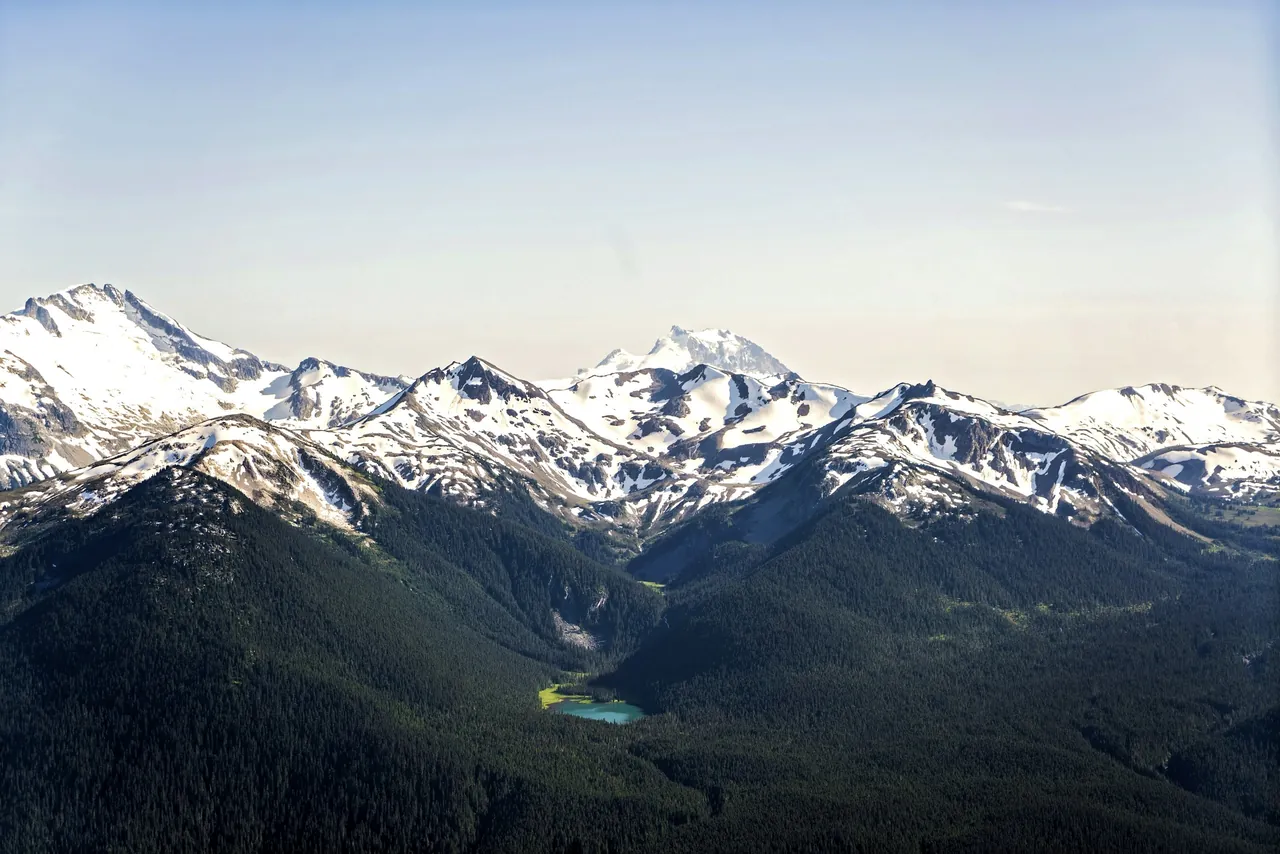
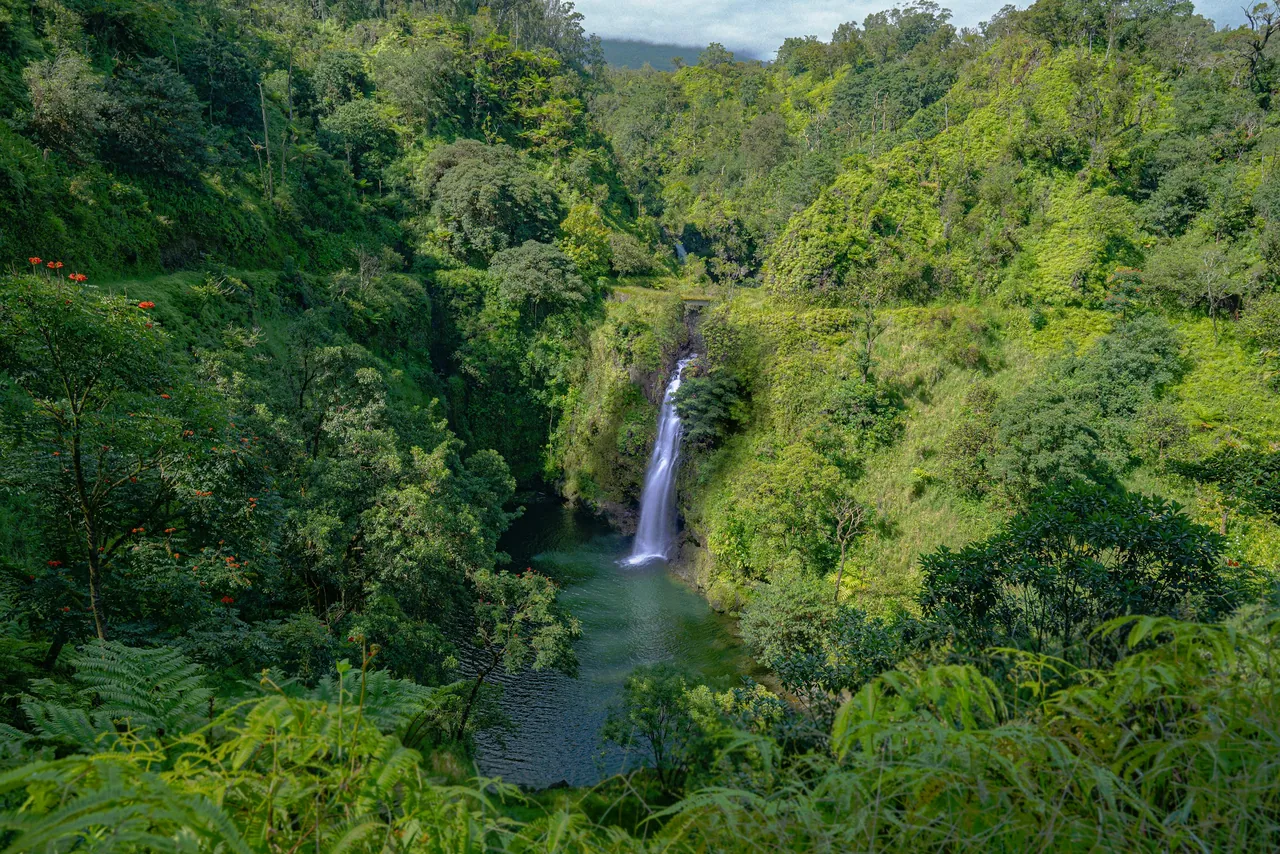
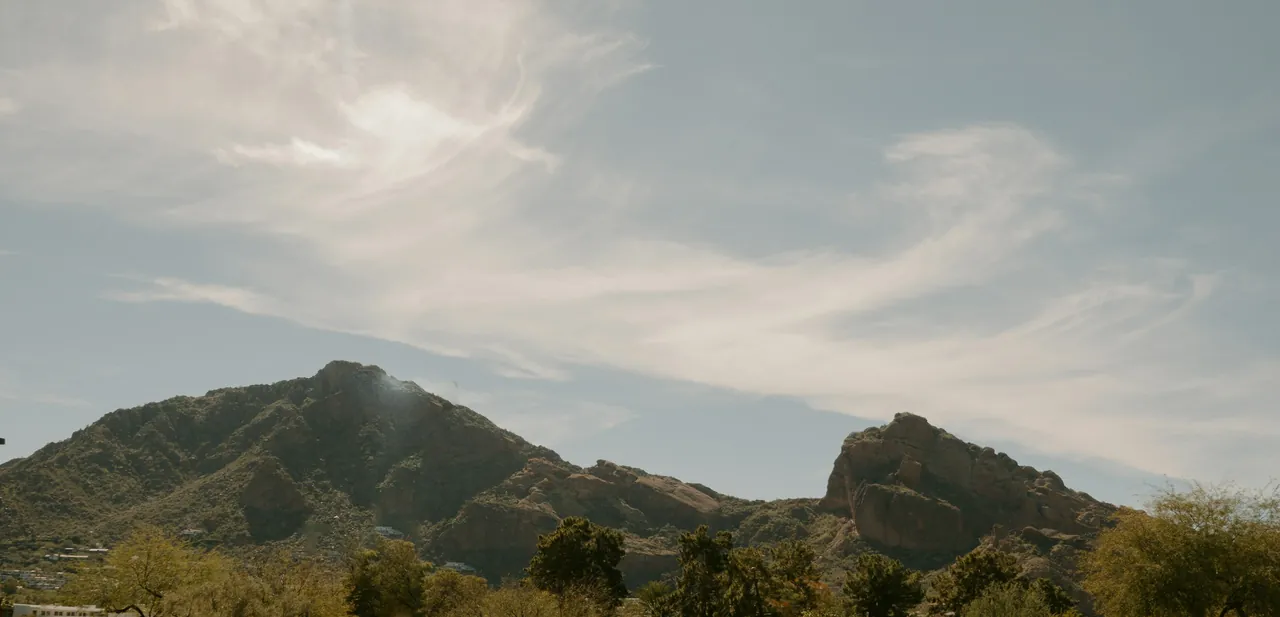
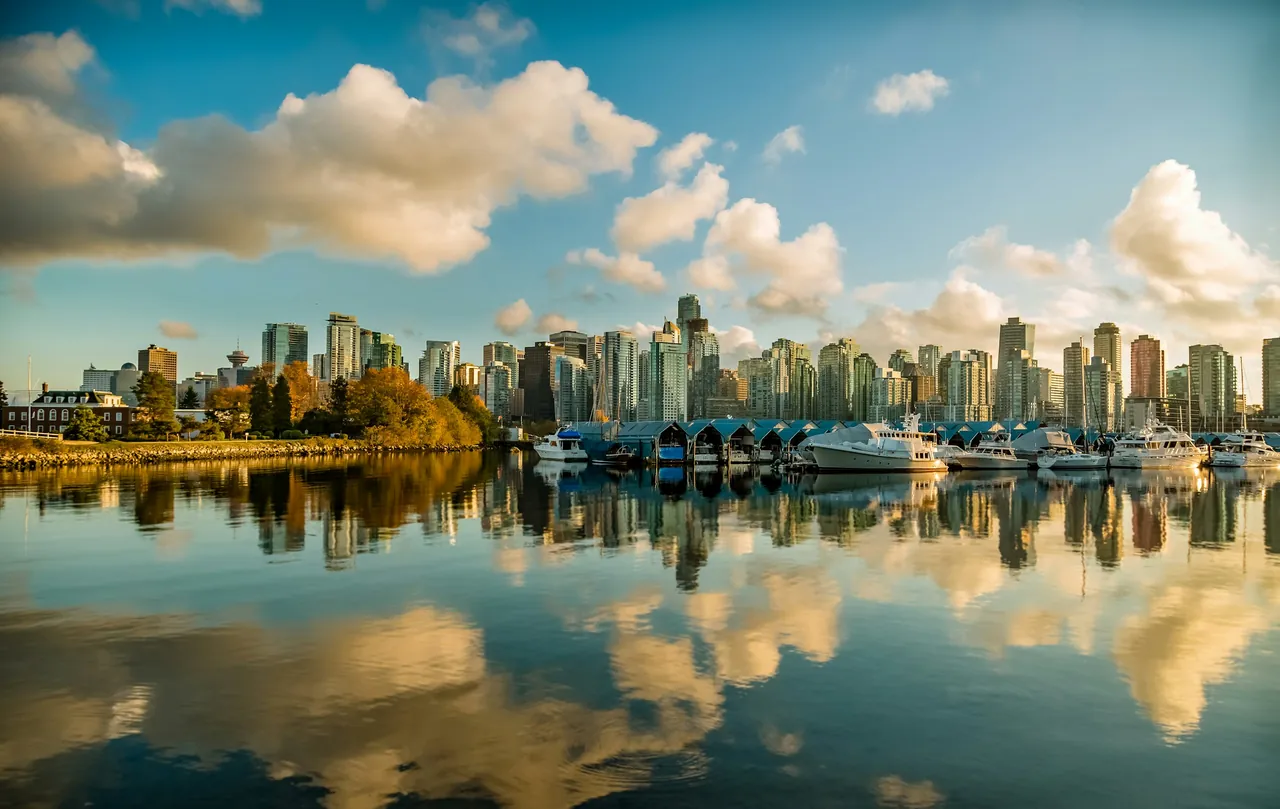
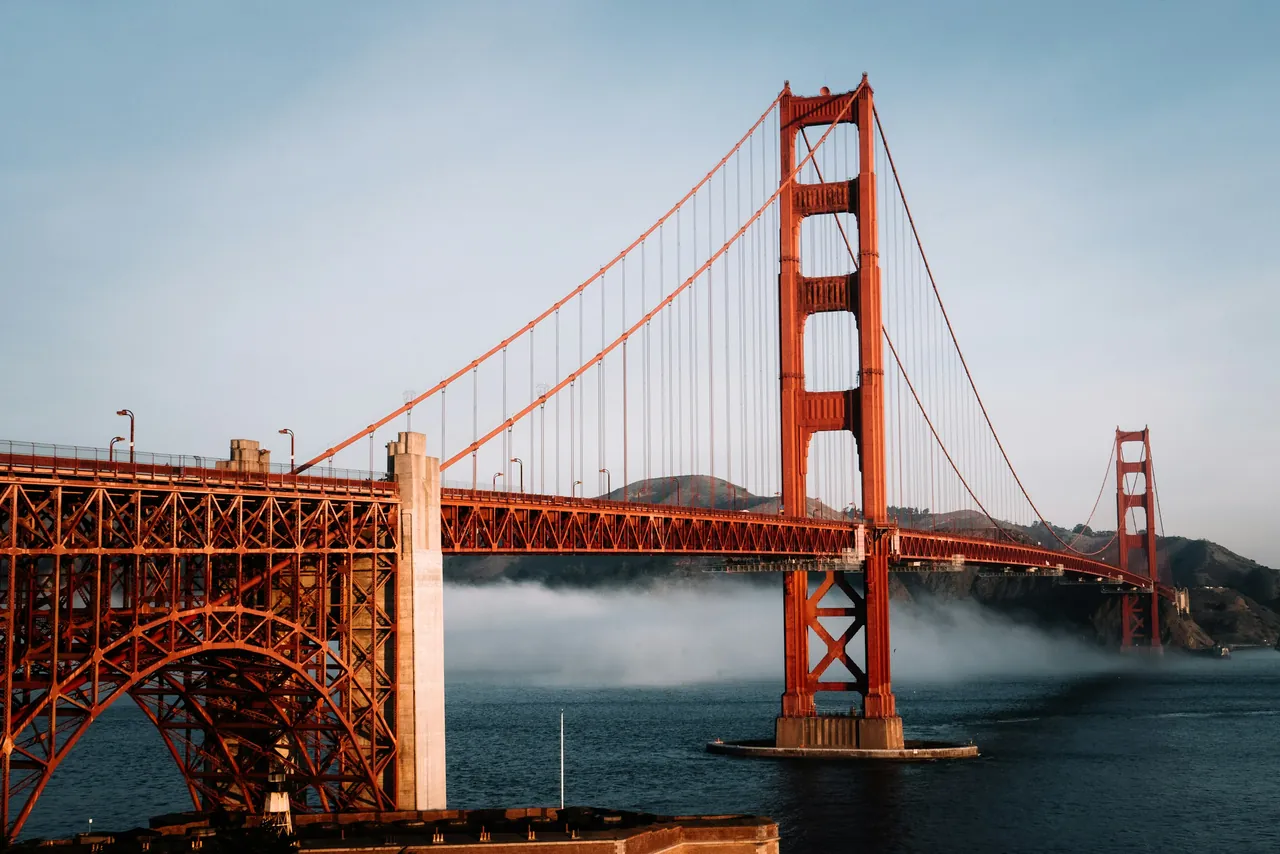
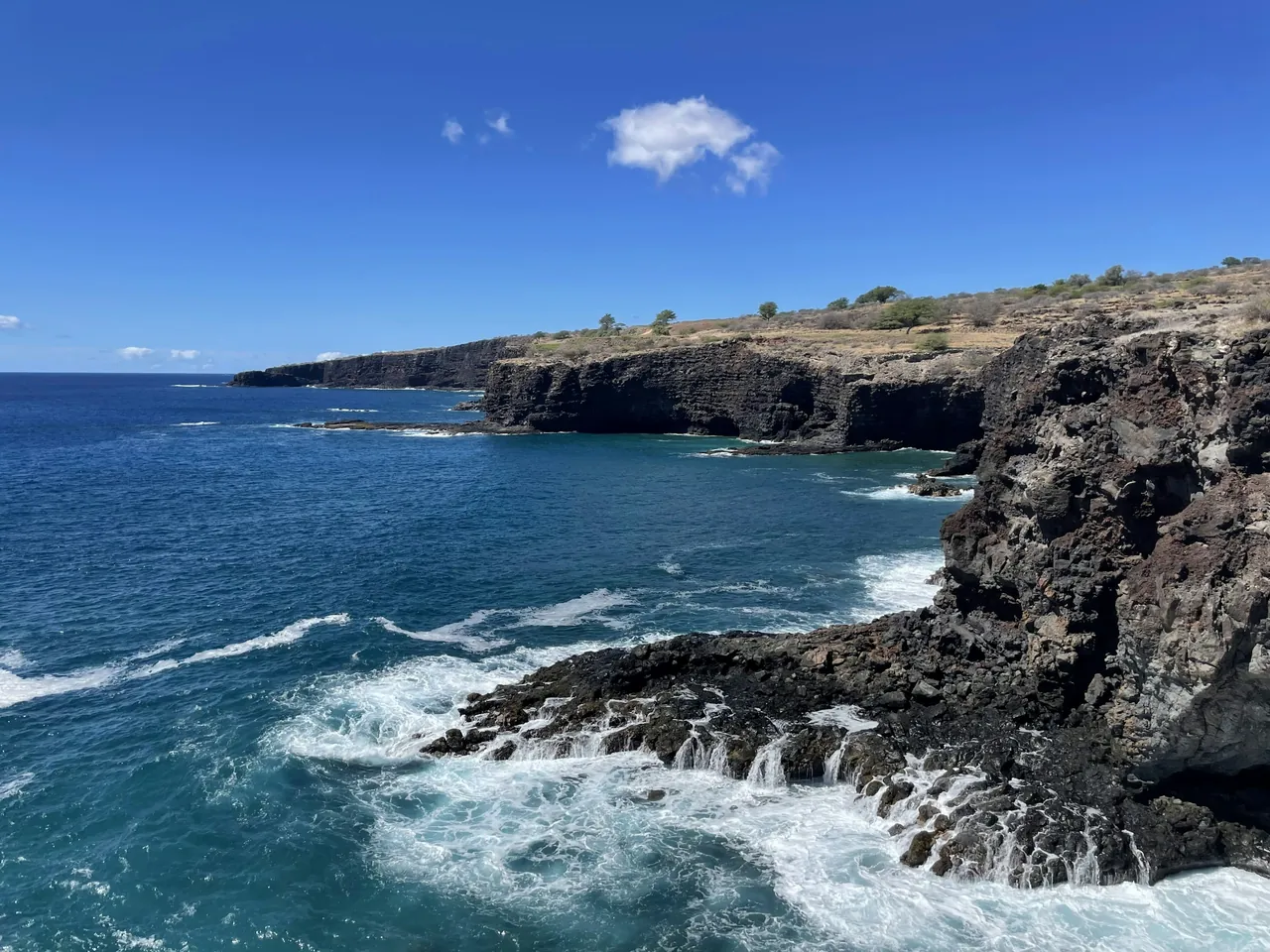
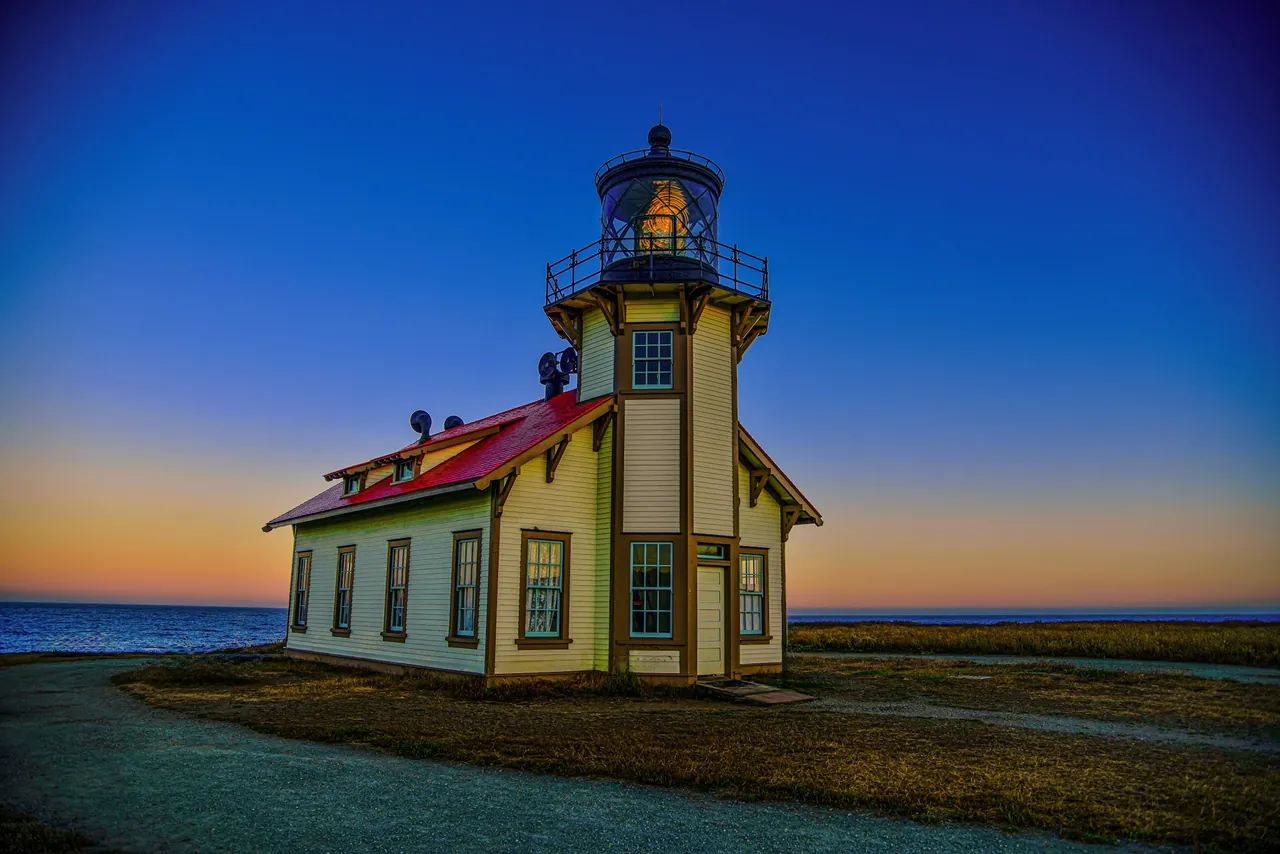
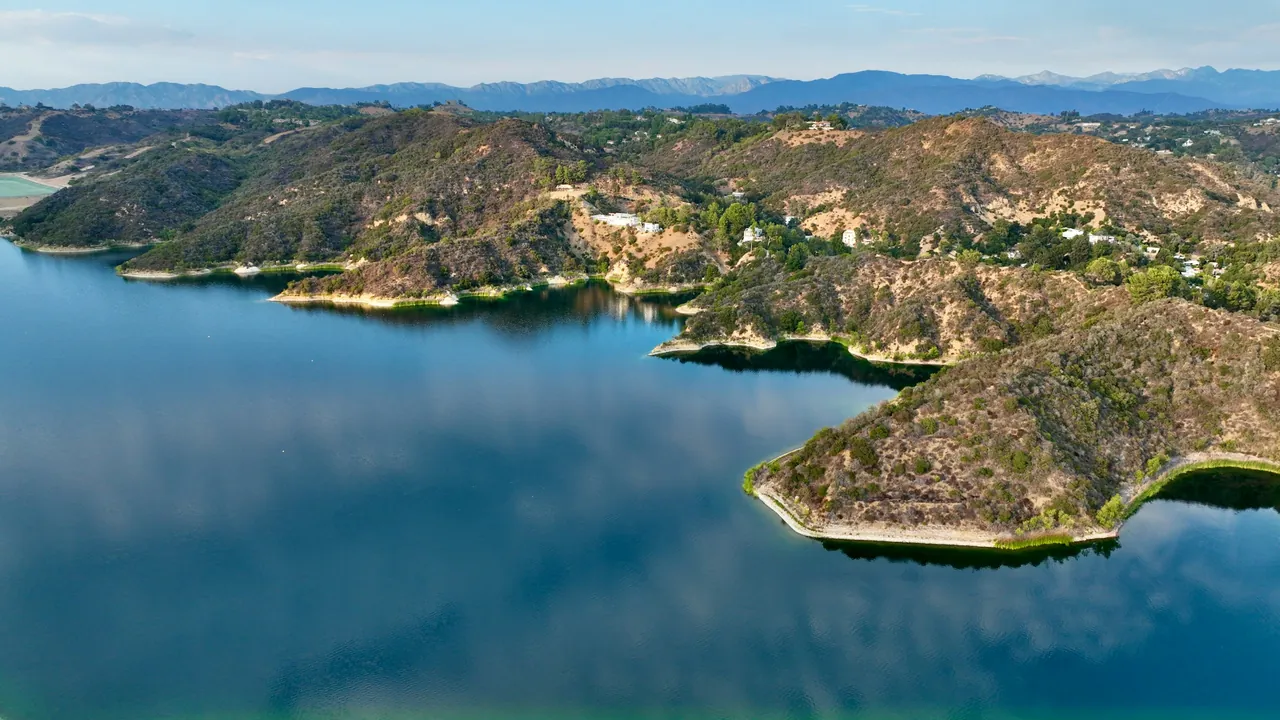
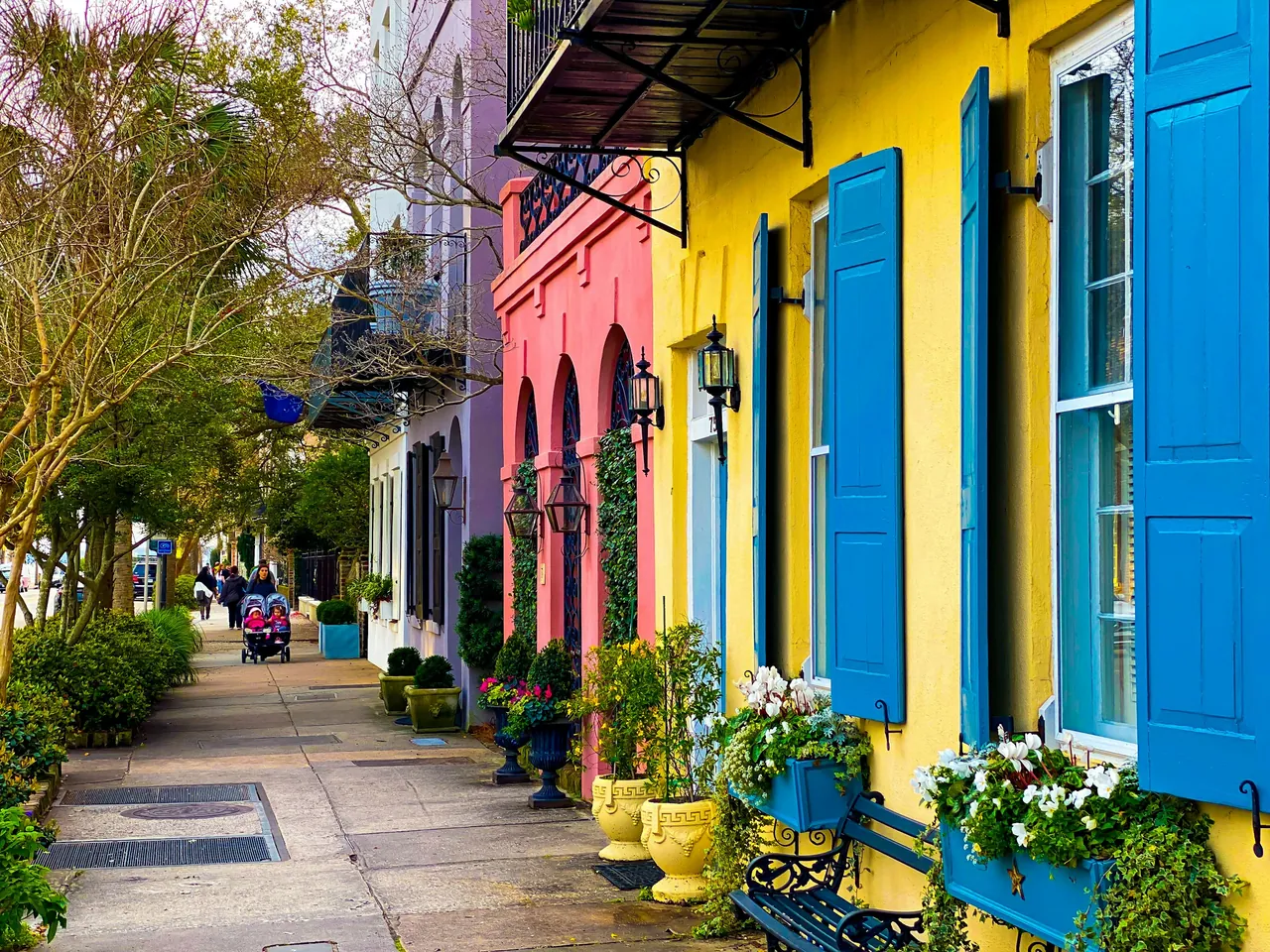
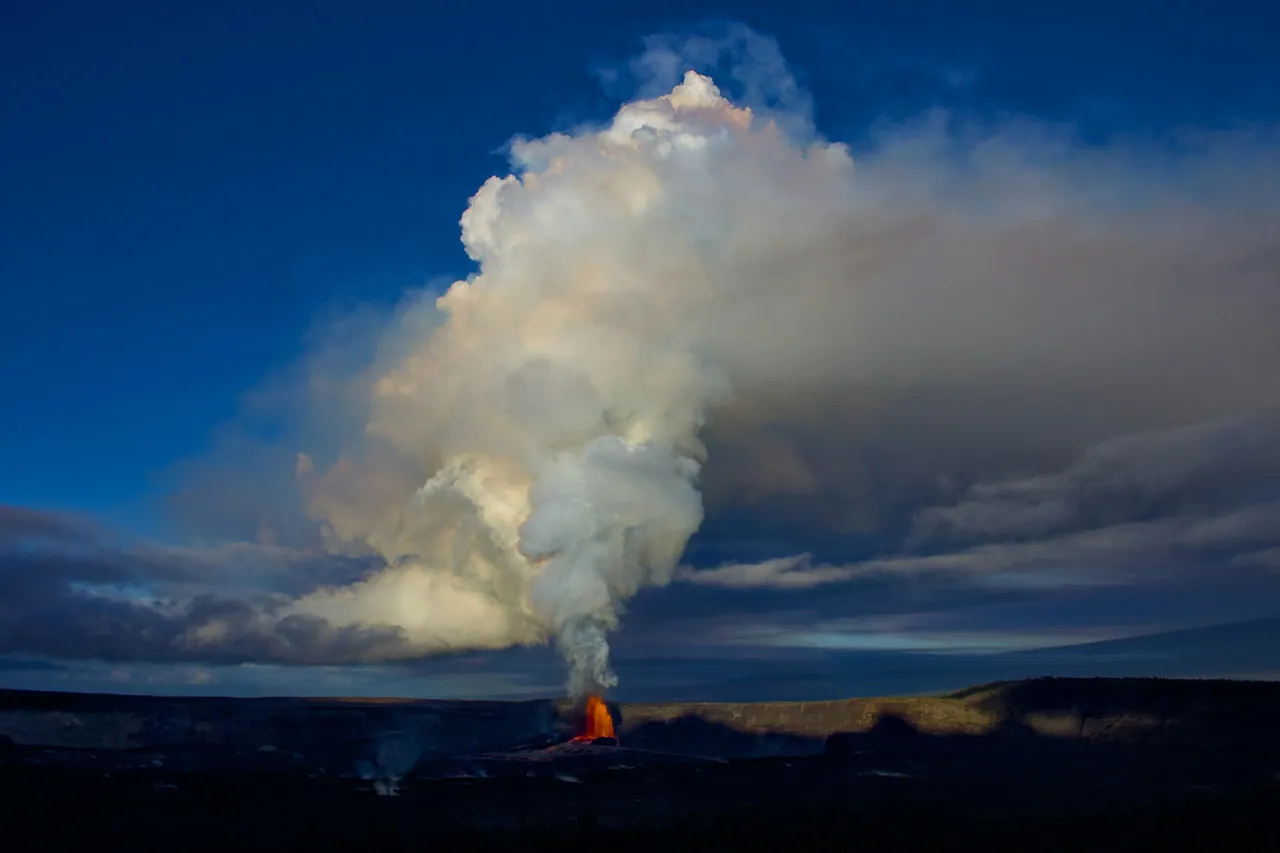
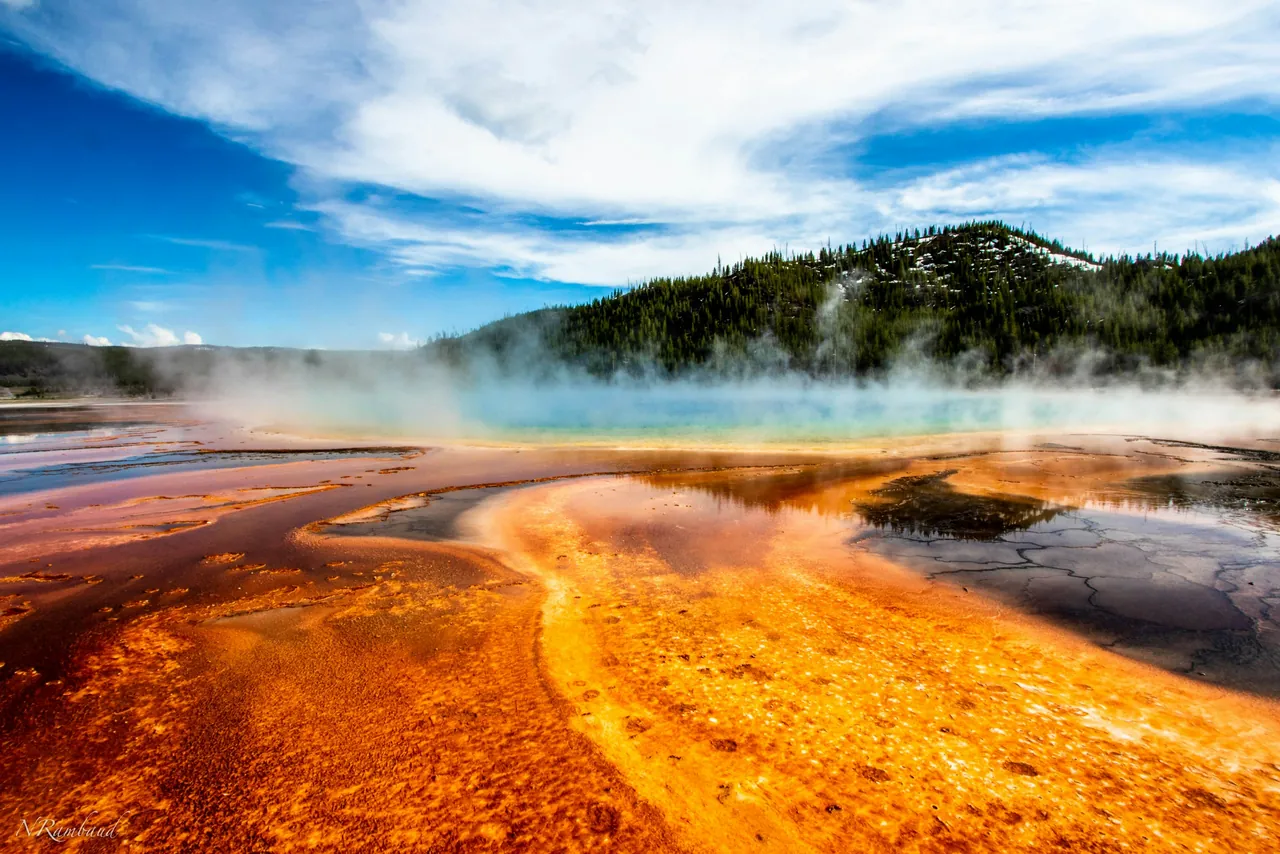
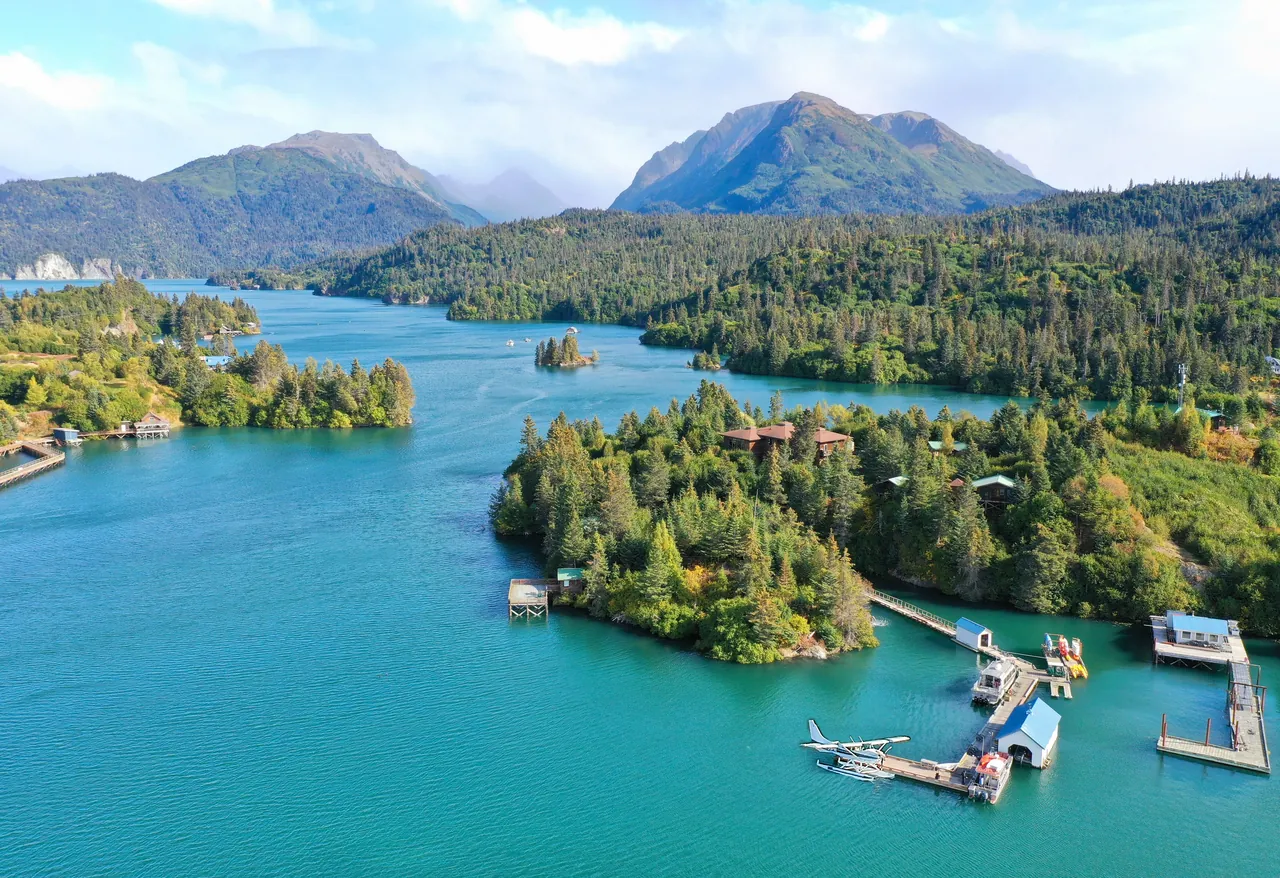
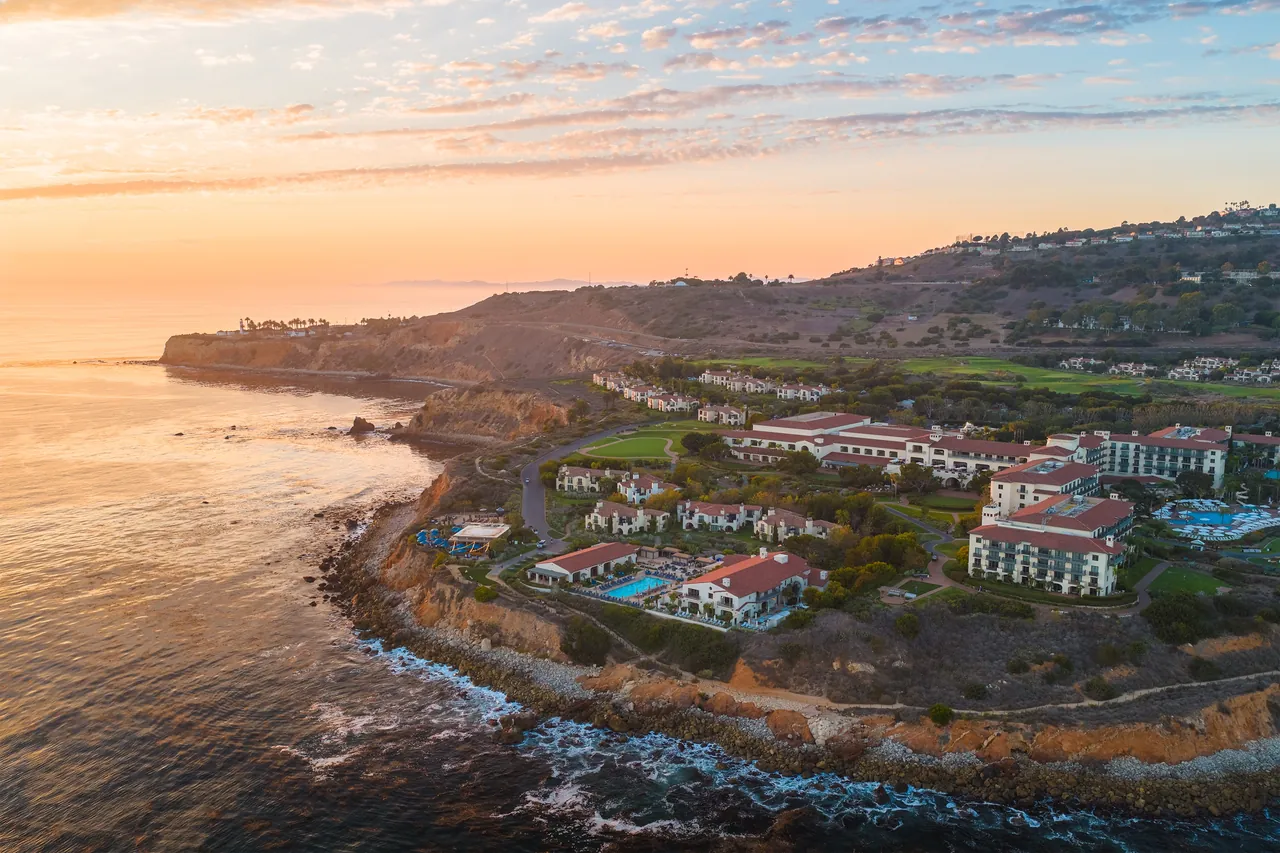
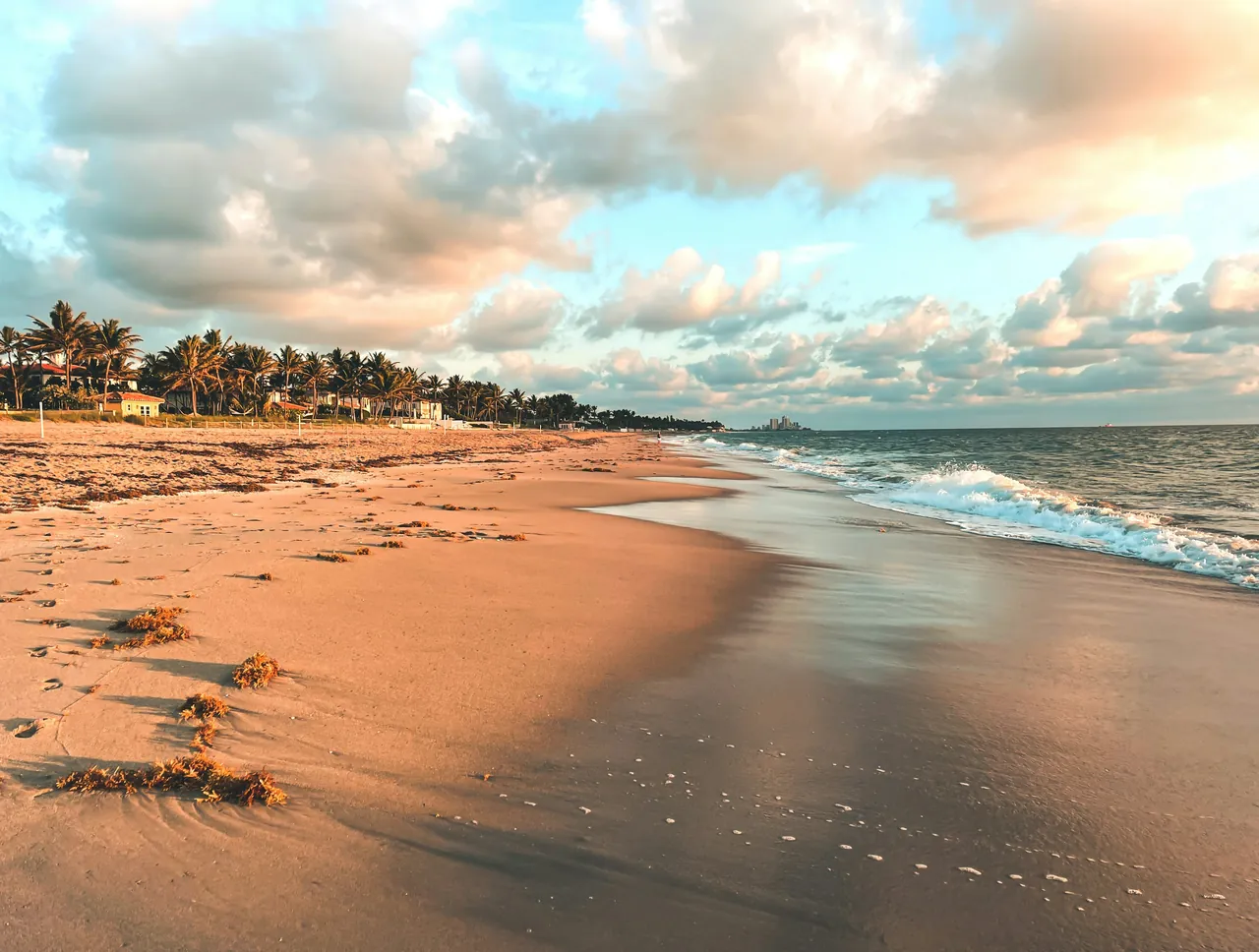
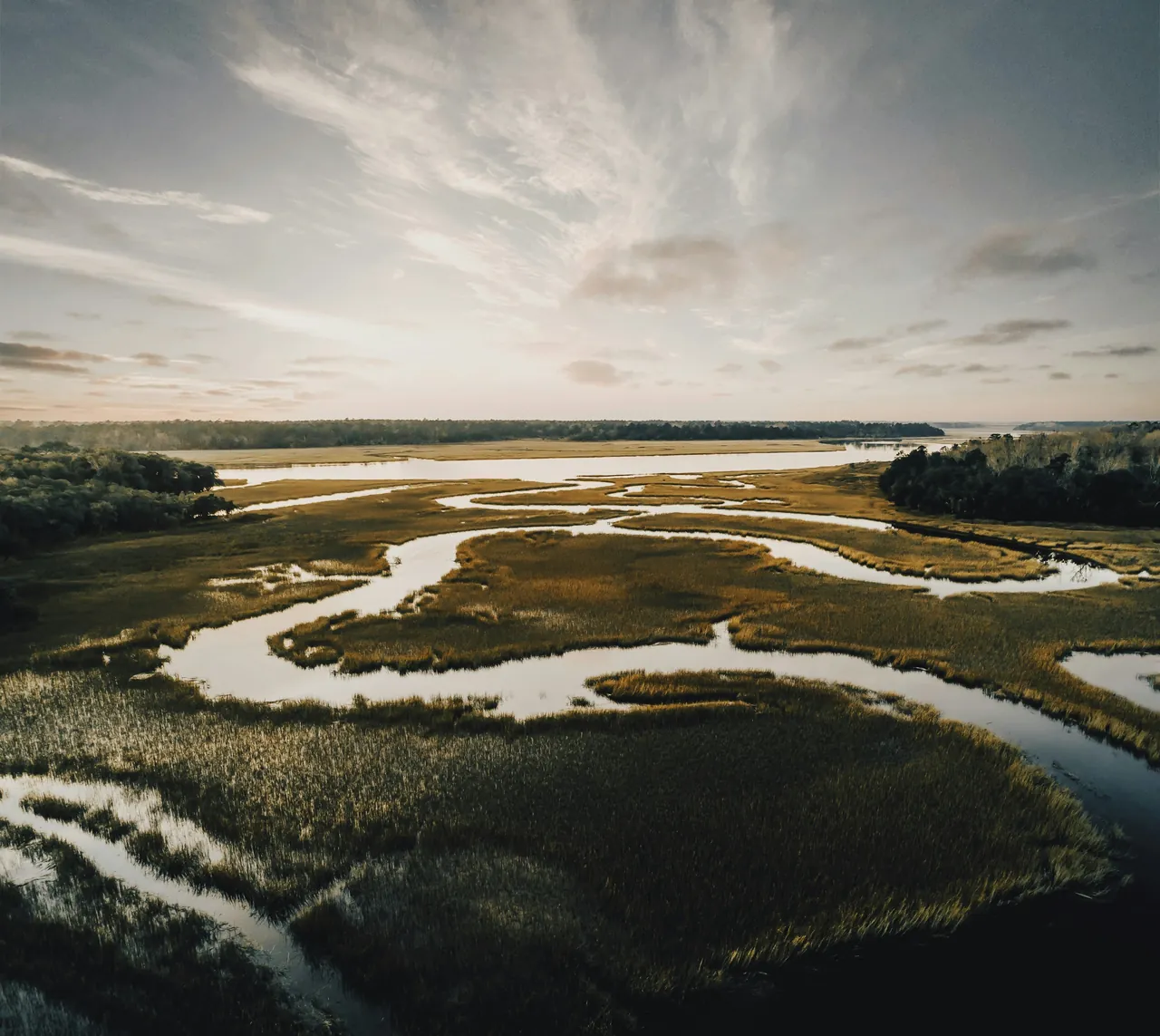
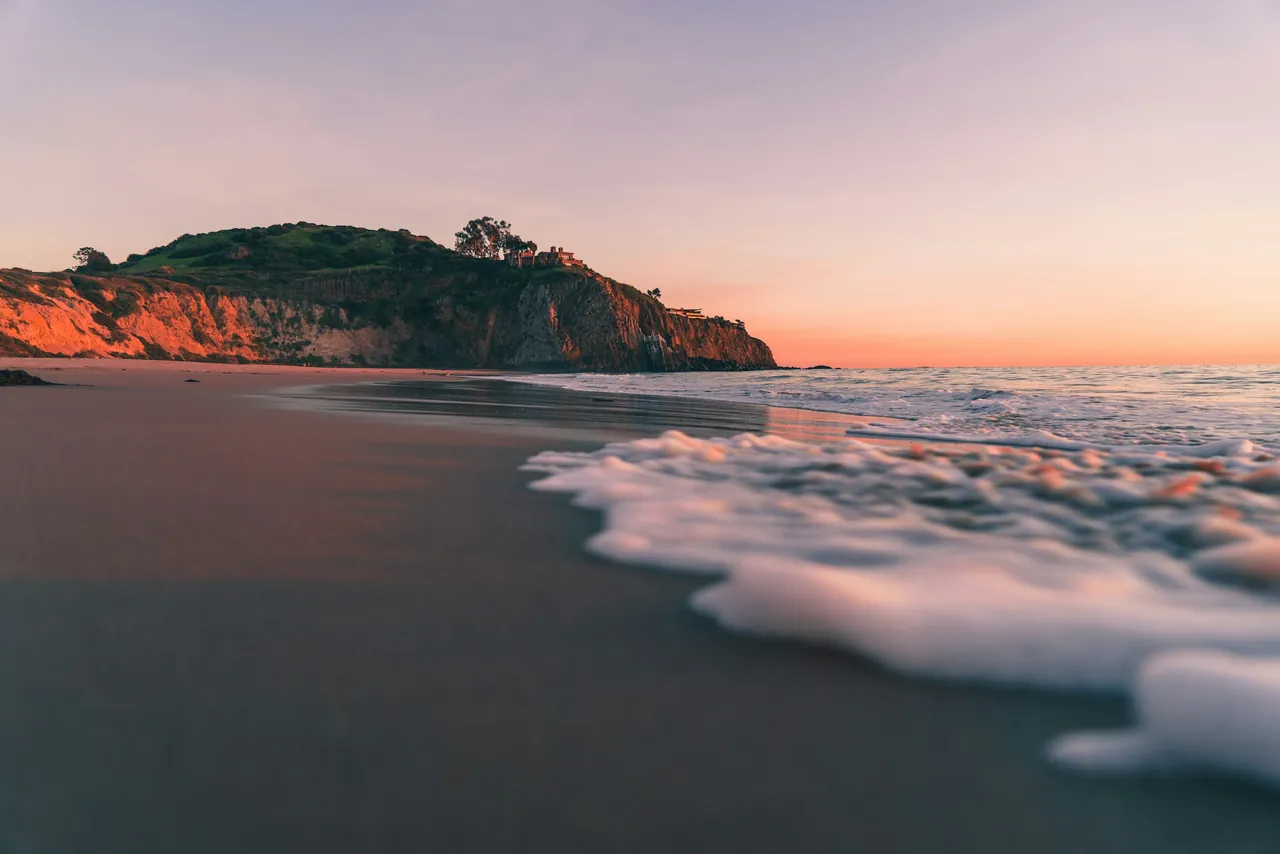
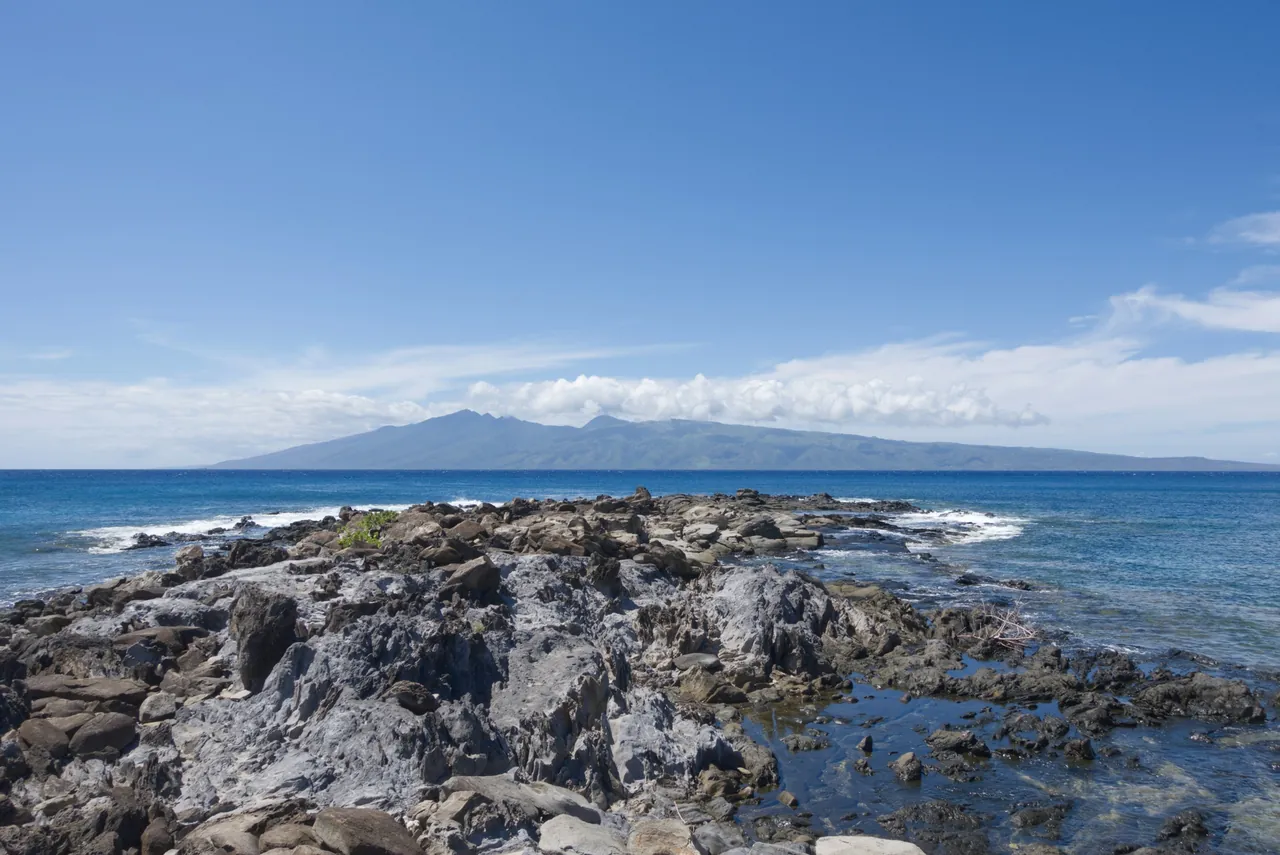
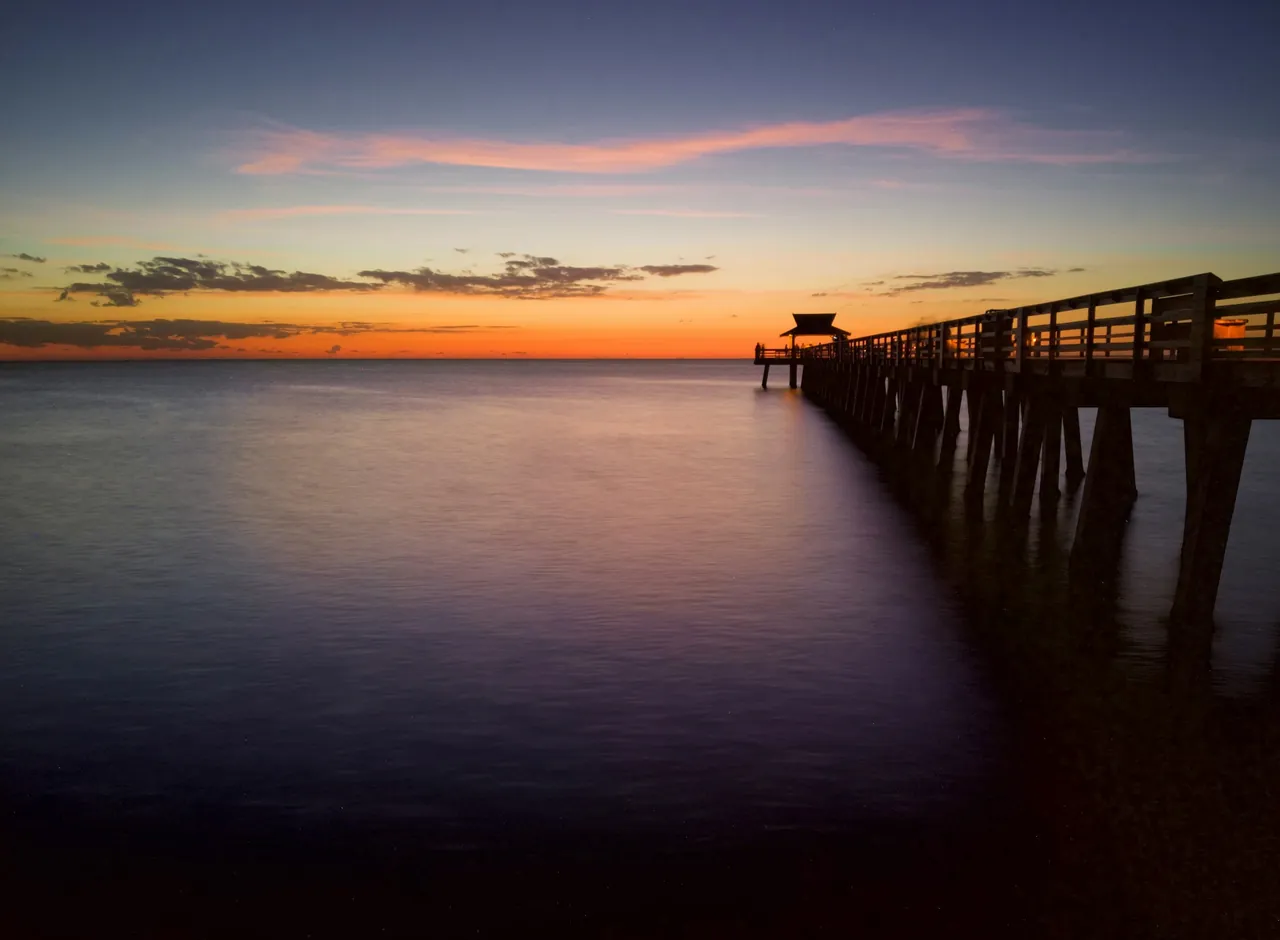
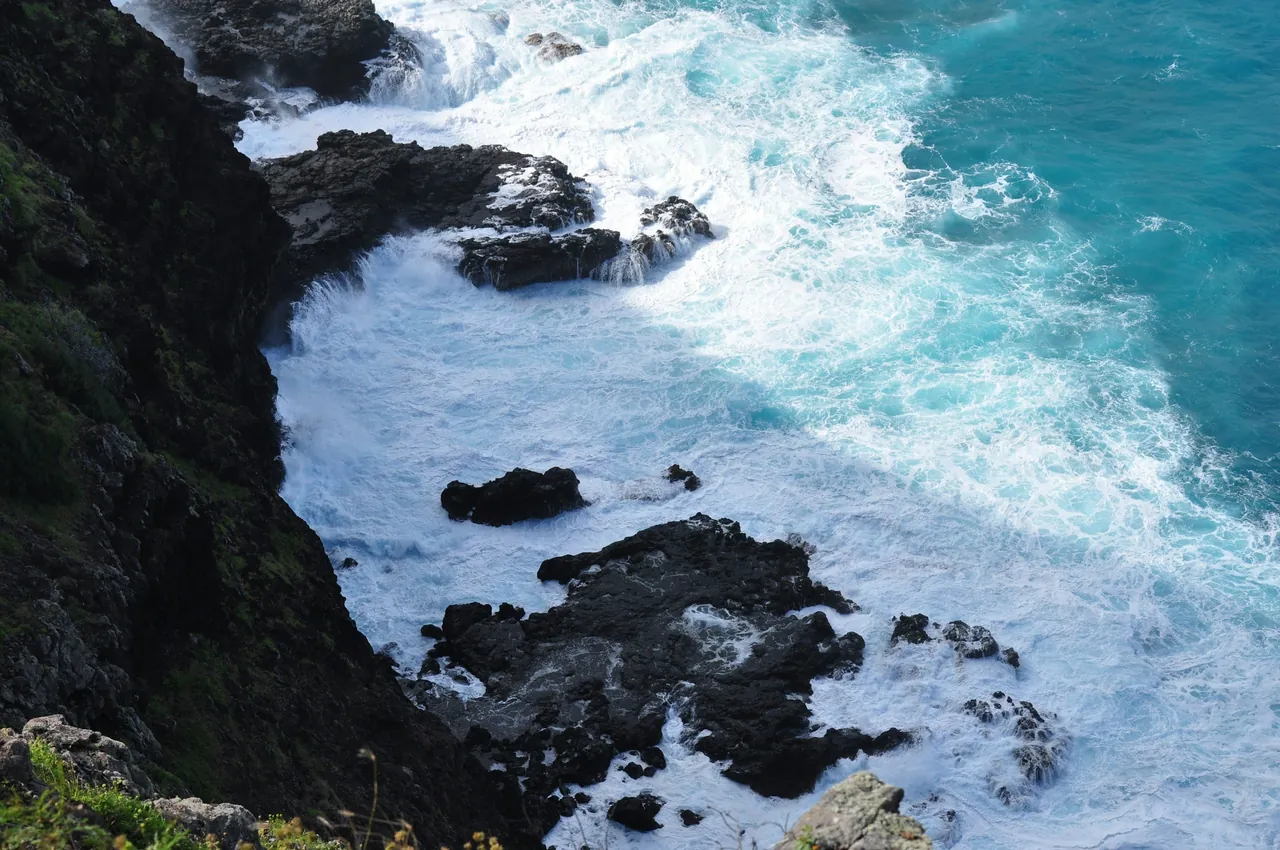
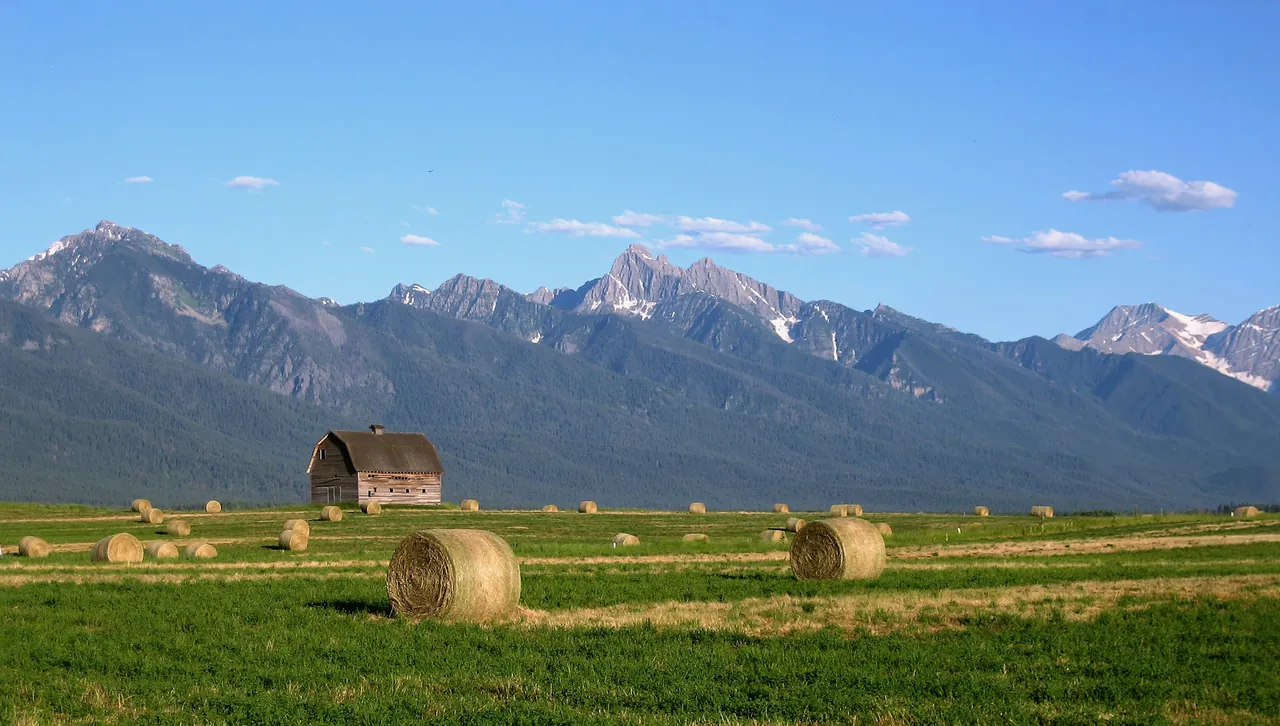
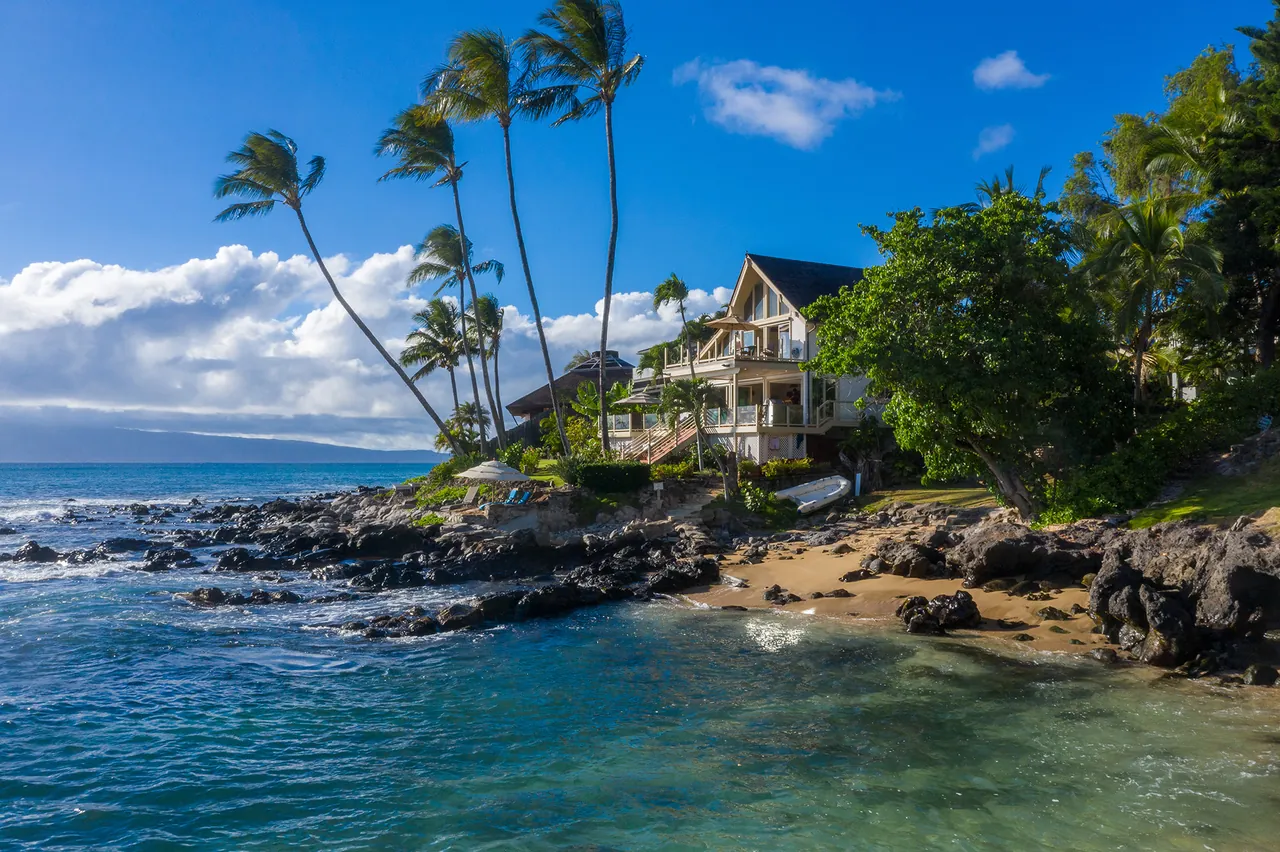
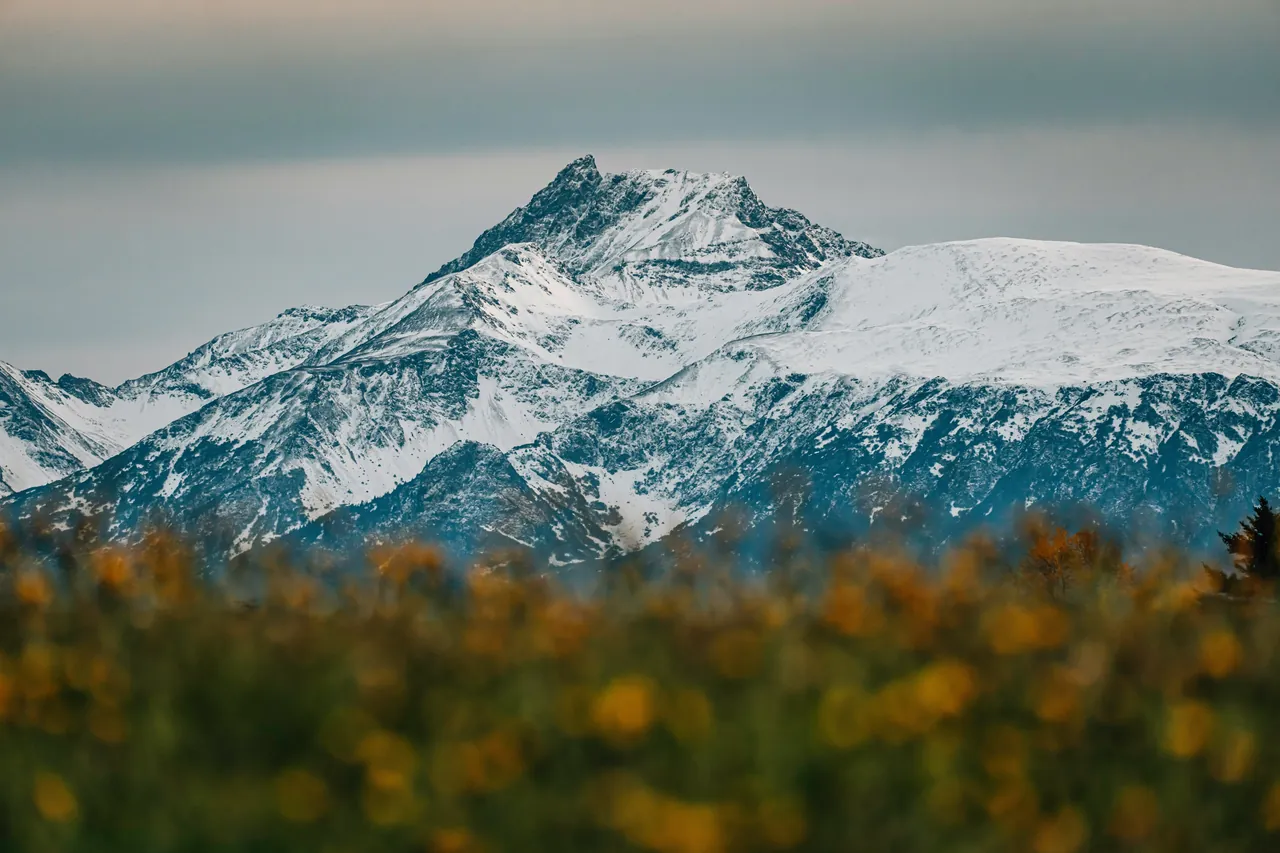
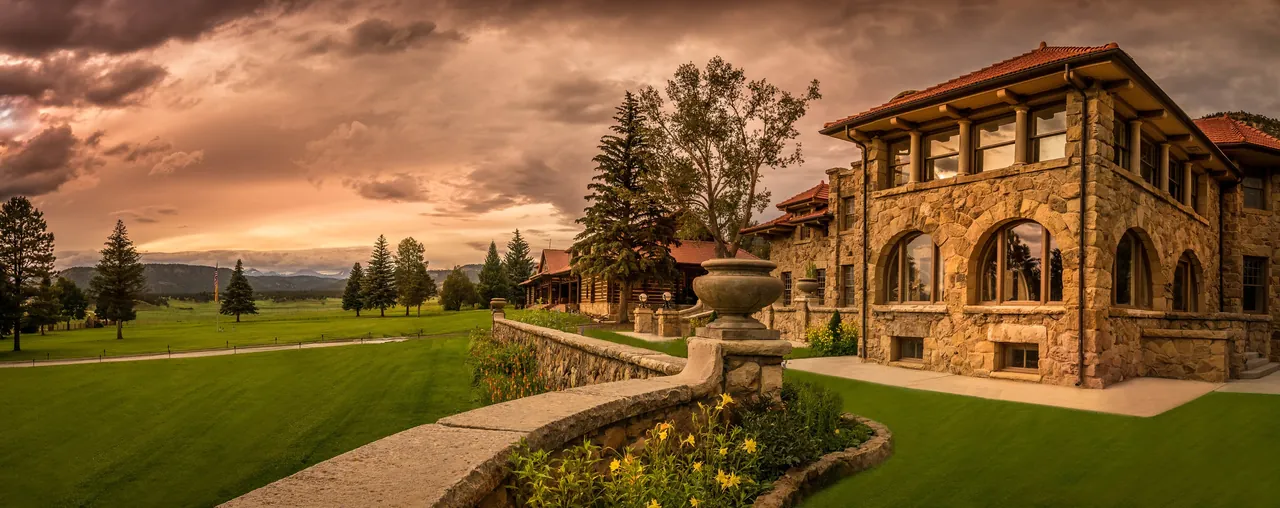
North America, as I use it here, means the United States and Canada, with the small French islands of Saint Pierre and Miquelon off Newfoundland. It is a region of very large distances and very different landscapes, and a journey usually works well when it focuses on one part of it. A week in the national parks of the Southwest has little in common with a week in Québec City in winter, or a few days watching polar bears on Hudson Bay.
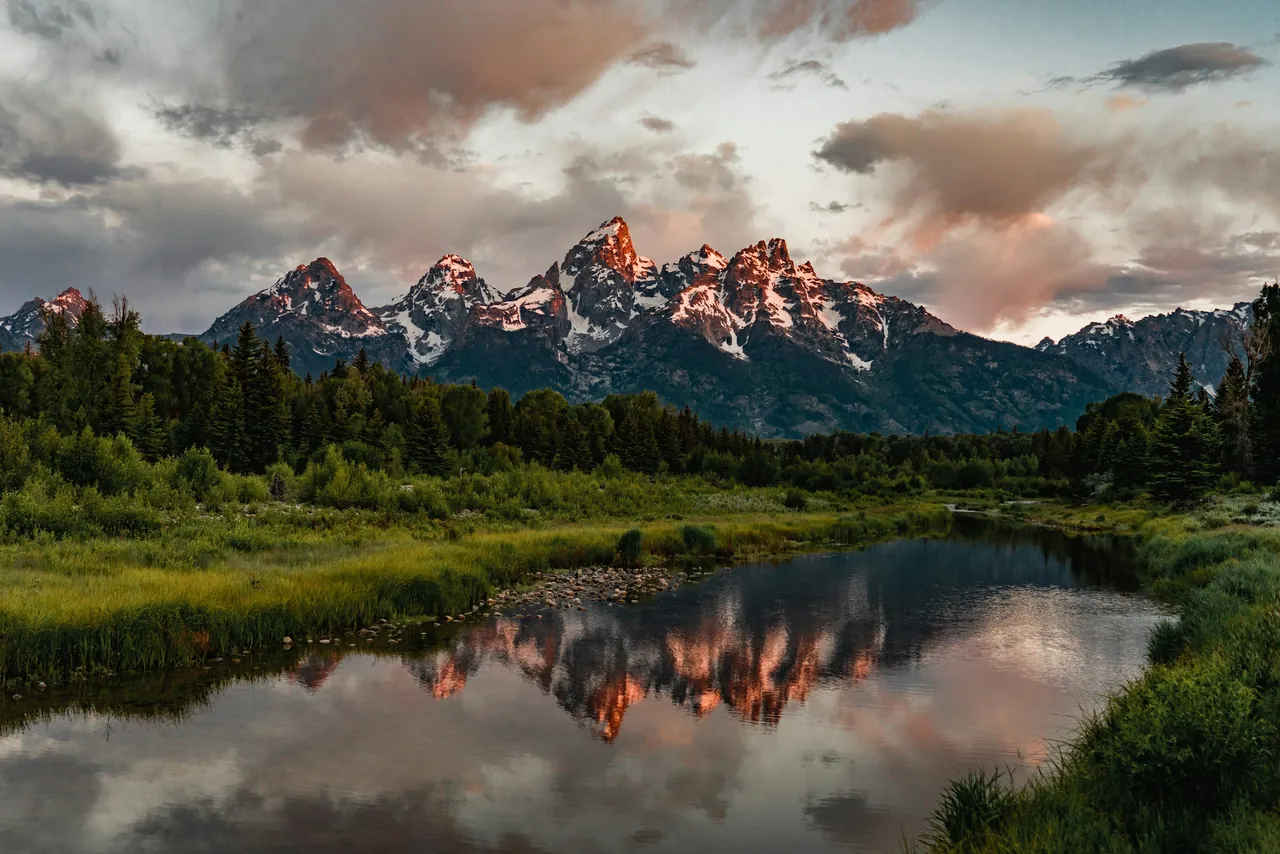
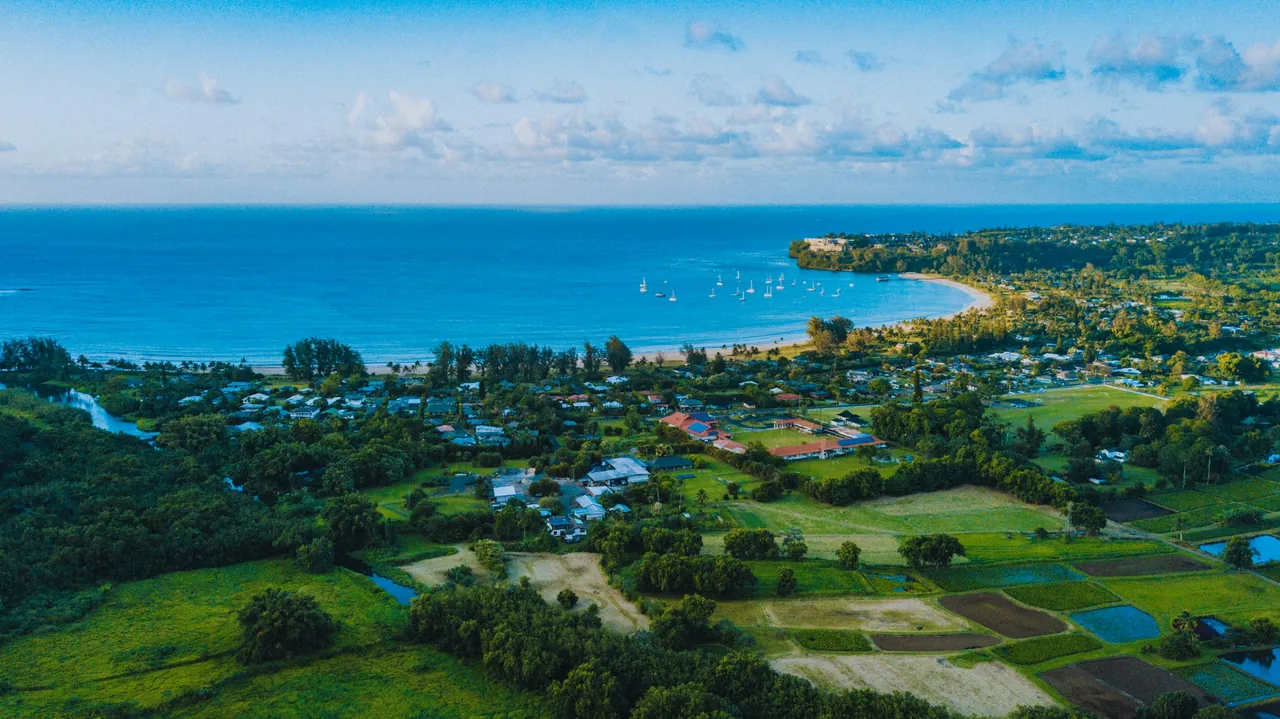
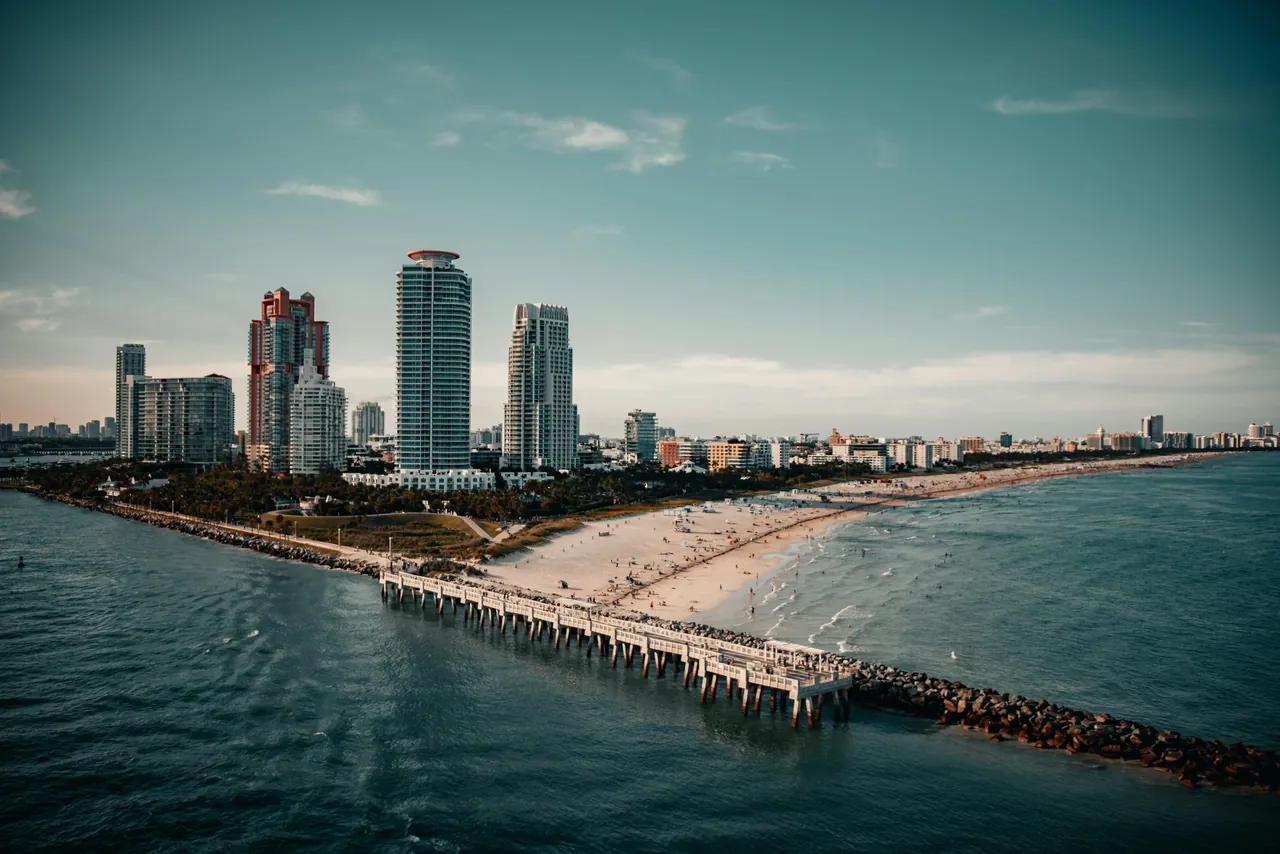
The range is enormous. The United States has 63 national parks among more than 400 park sites, from the canyons of Utah and Arizona to the coast of Maine and the wetlands of Florida, along with Alaska, Hawaii and some of the great cities of the world. Canada has 48 national parks and reserves, the Rocky Mountain parks around Banff and Jasper, the Arctic north and a French heritage that shapes Québec.
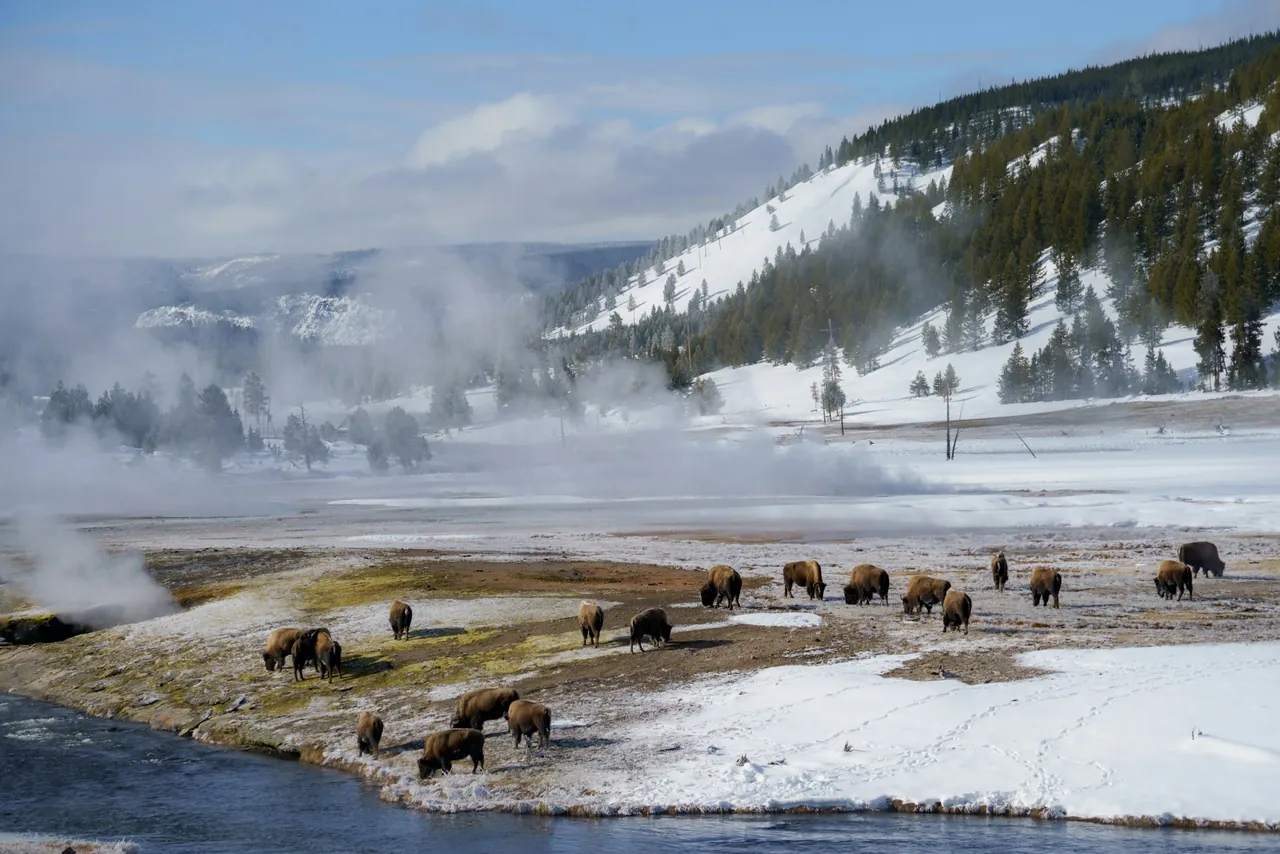
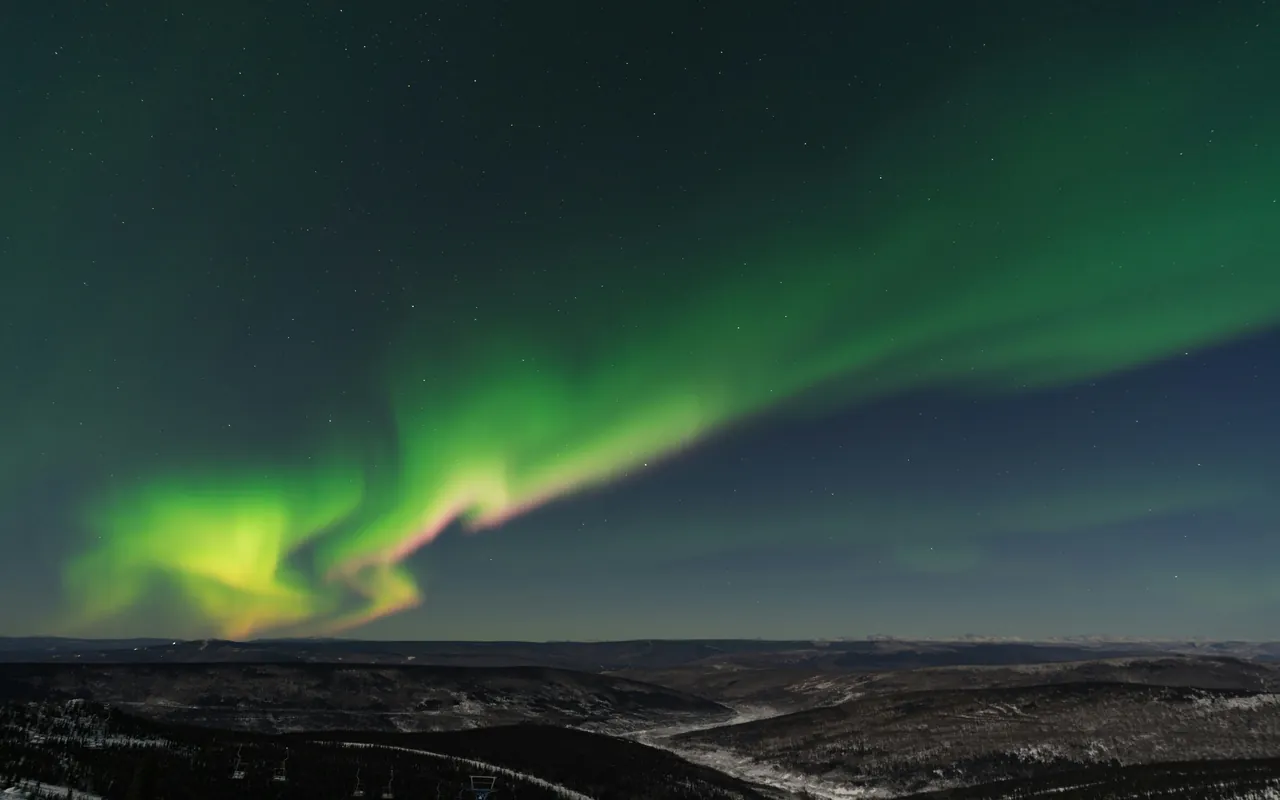
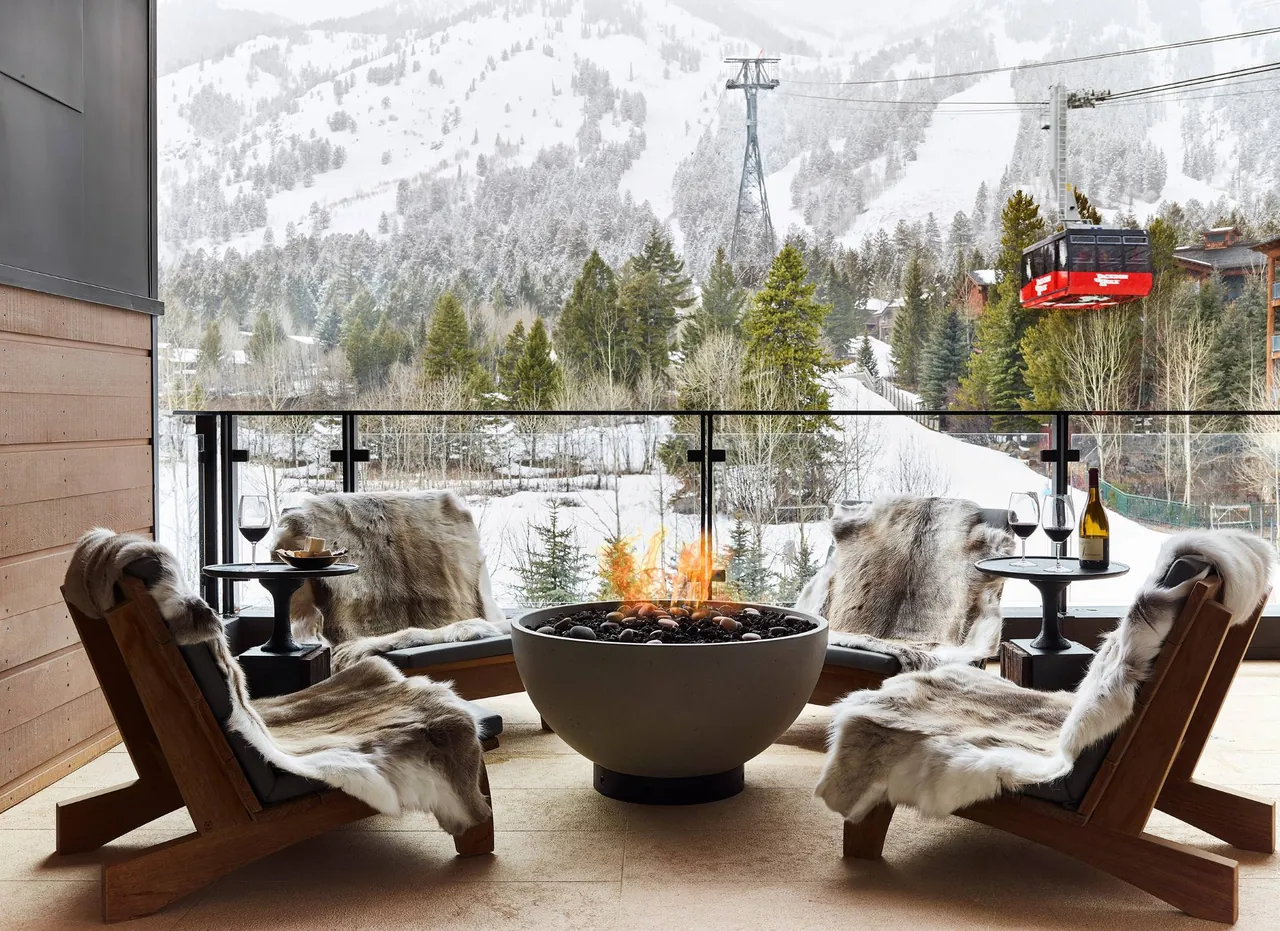
Seasons vary by place more than anywhere else I cover. Summer is the main season for long days outdoors and for wildlife such as the belugas that crowd into the Churchill River estuary. Autumn, the shoulder season, means quieter national parks in the United States, and in Churchill it is polar bear season. Winter is for snow, for the winter festivities of Québec City and for the northern lights, with February and March the peak months in Churchill. Spring brings the birds back to the north.
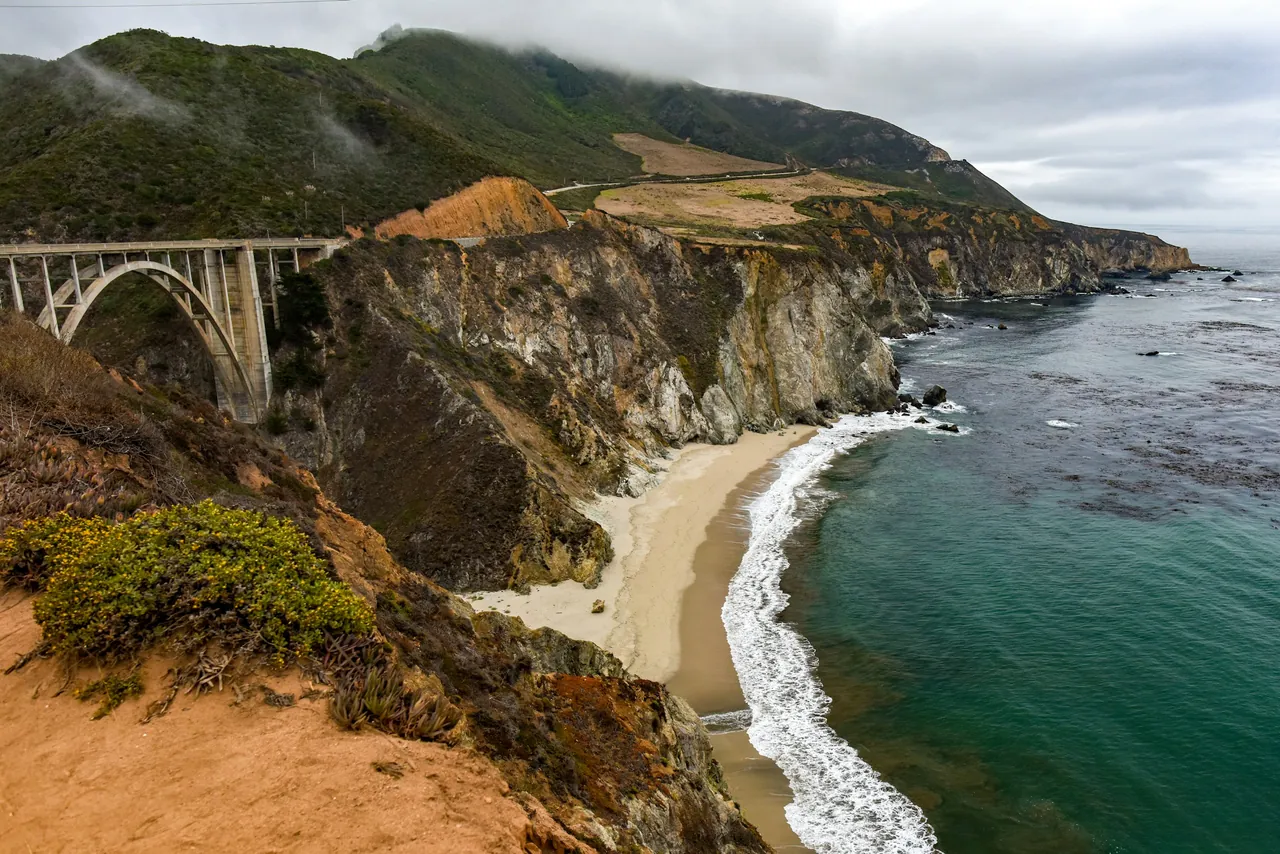
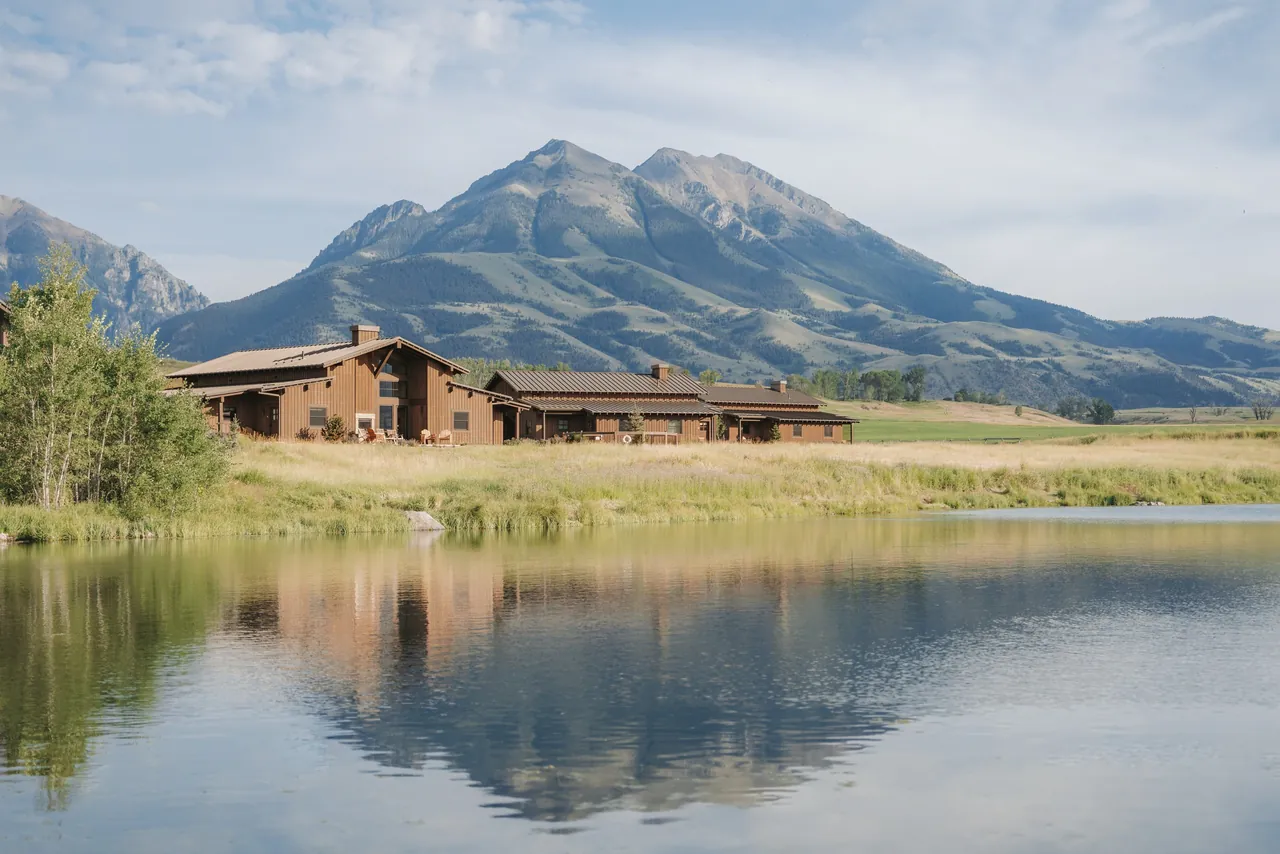
Journeys here tend to take one of three shapes: a road trip, such as the Pacific Coast Highway or a loop of the Utah parks; a stay built around a single landscape, such as a lodge in the Rockies or a wildlife trip to the north; or a city combined with the country around it. Distances are long, so I plan internal flights and drive times with care, and I avoid trying to see too much at once.