Botswana
Best time: Apr to Oct
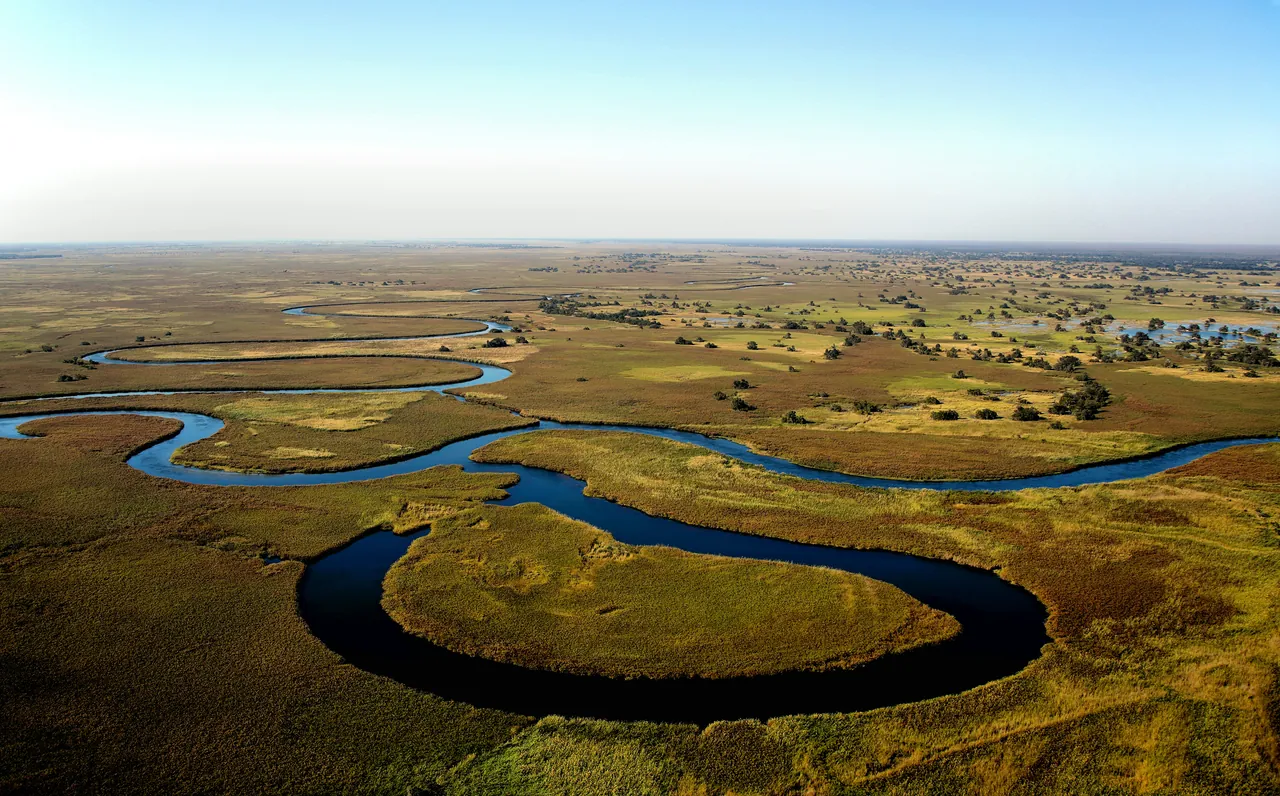
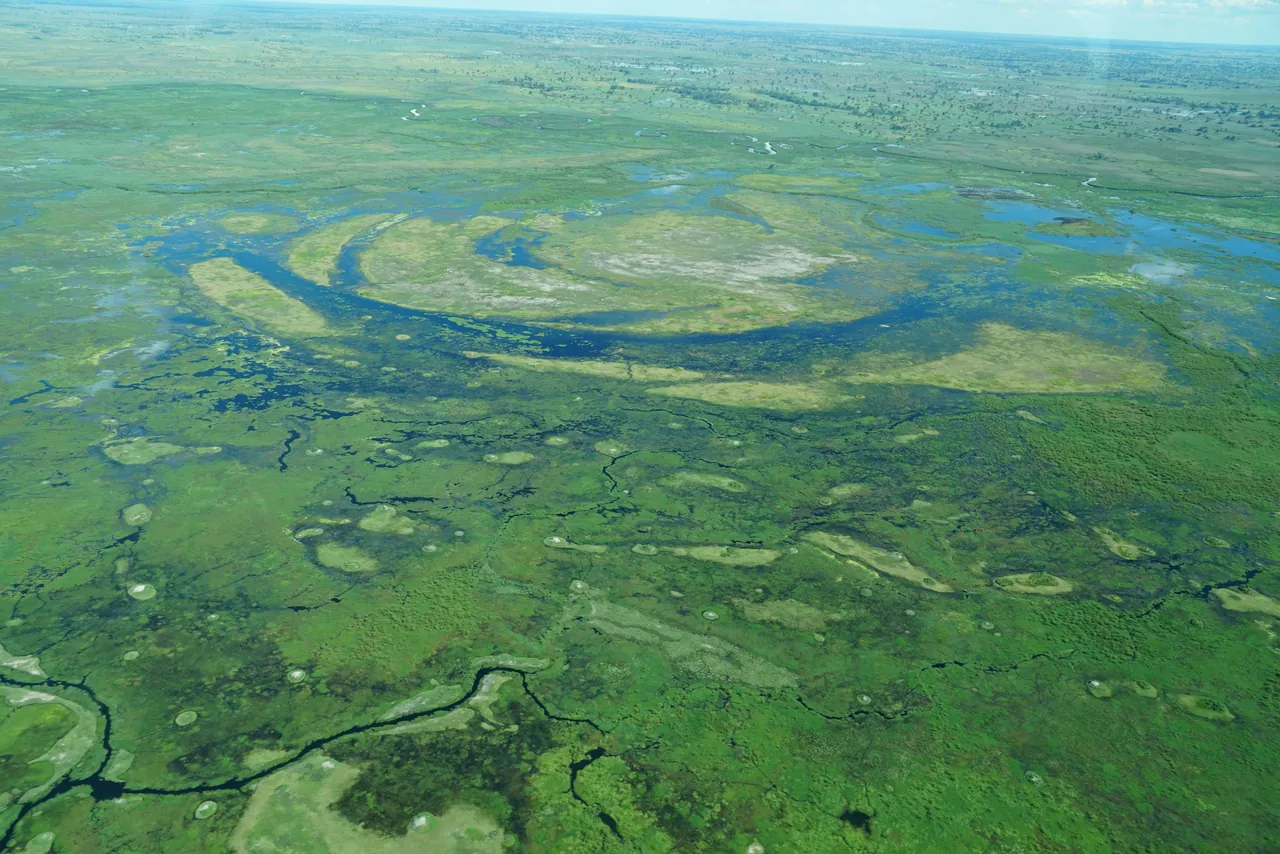
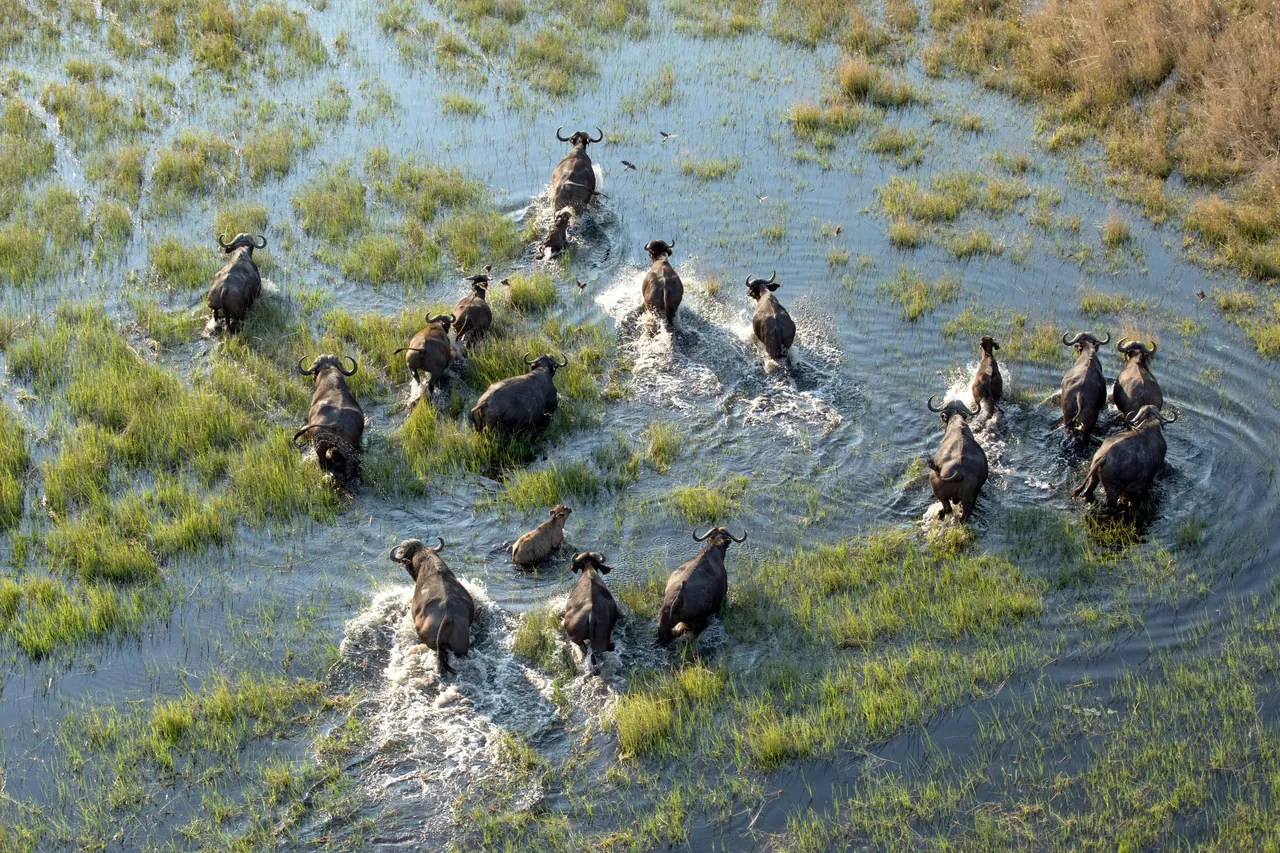
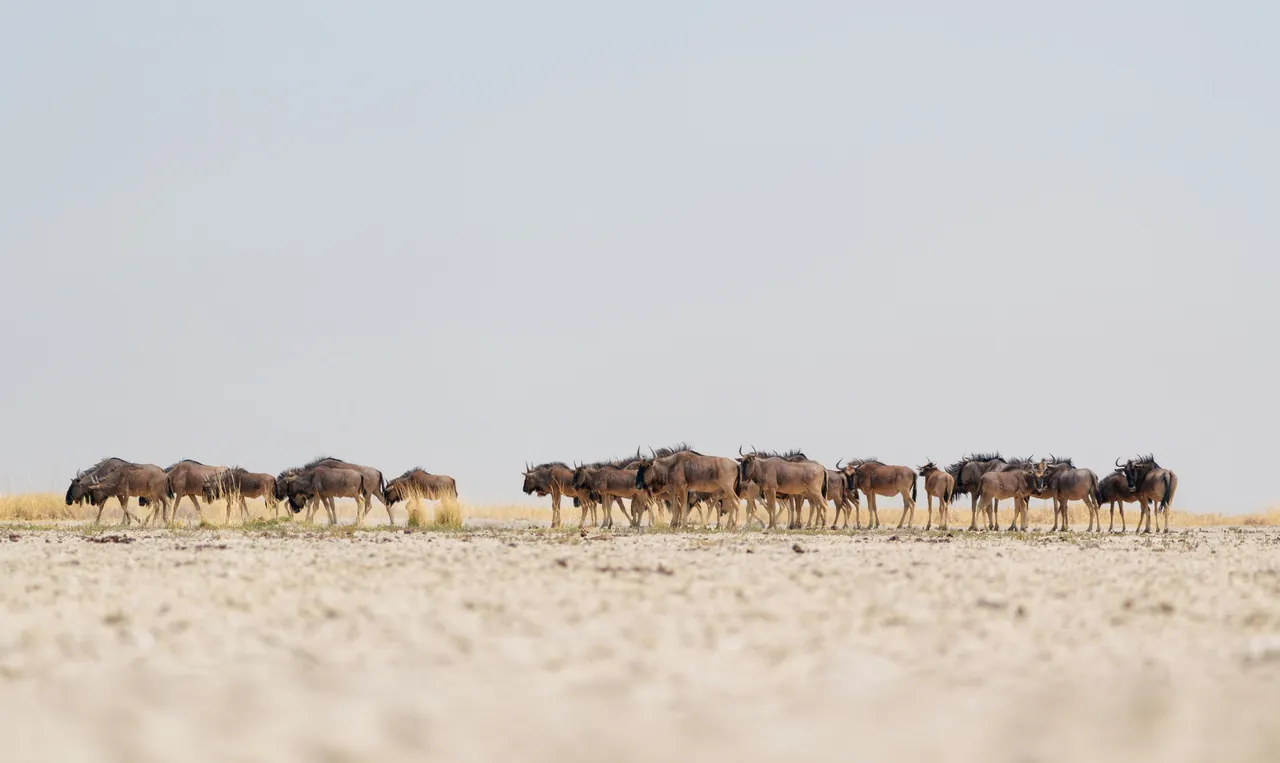
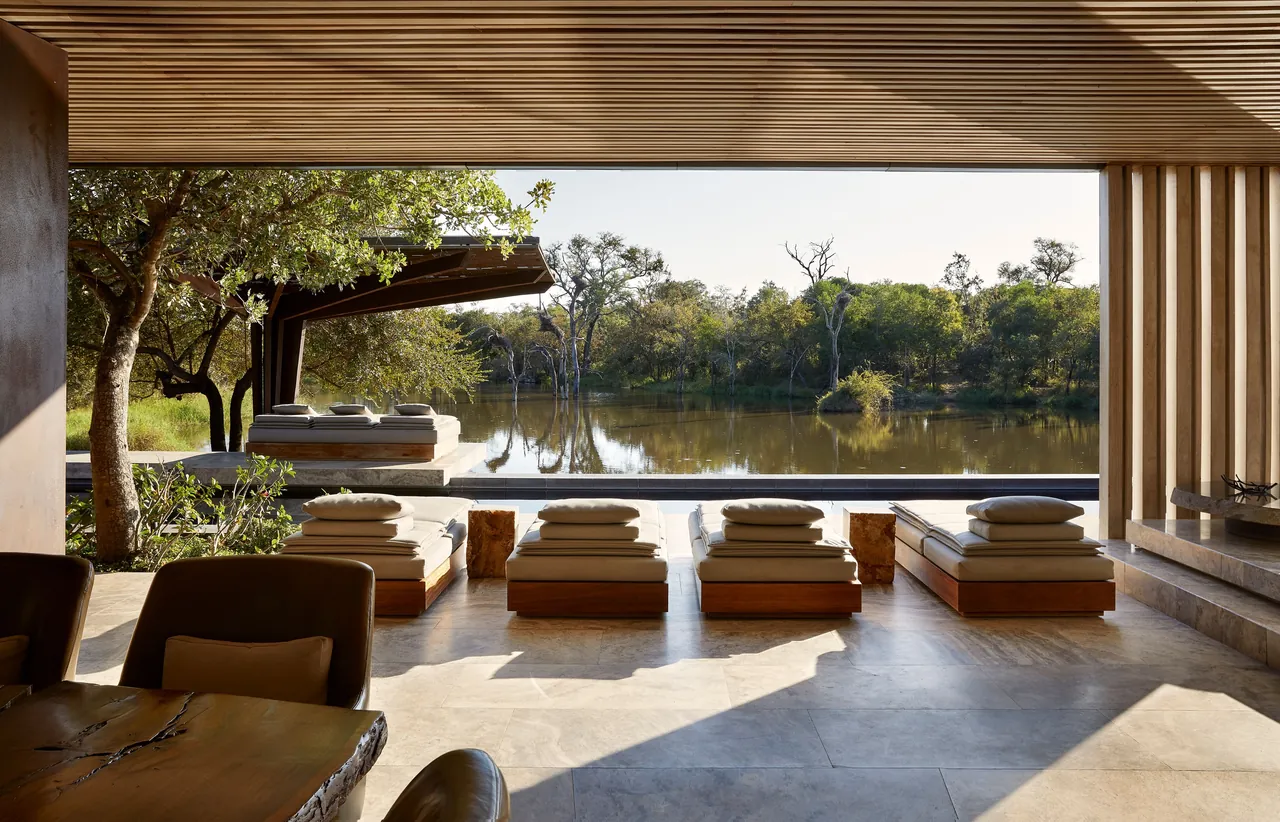
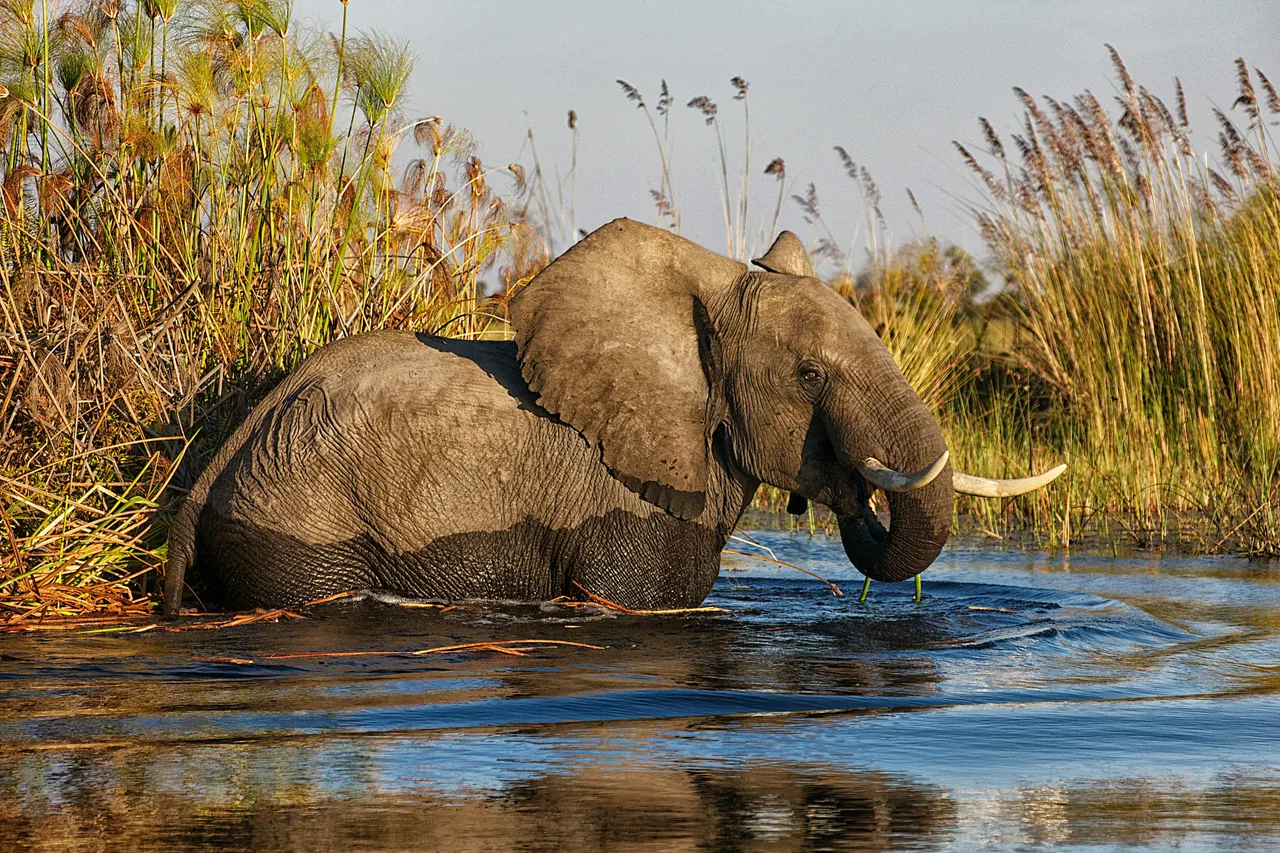
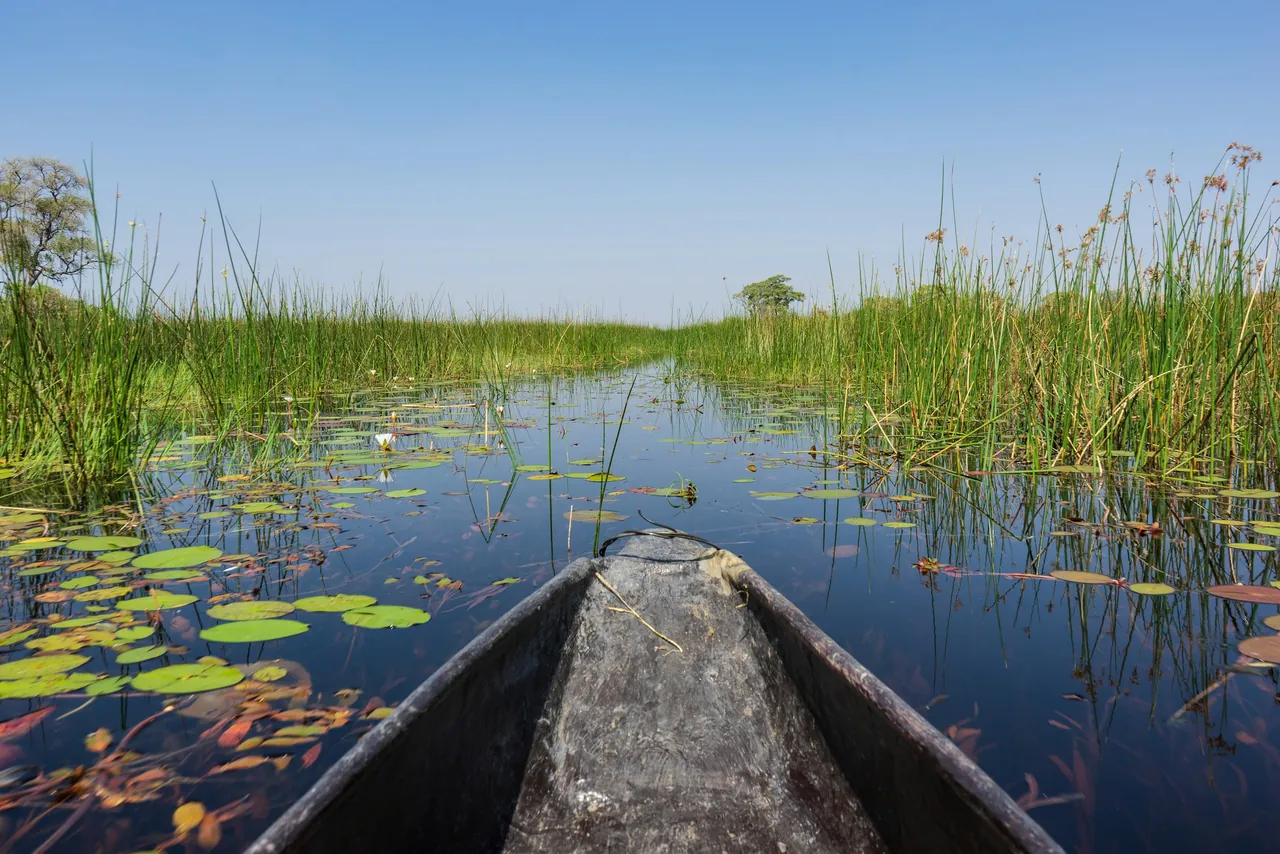
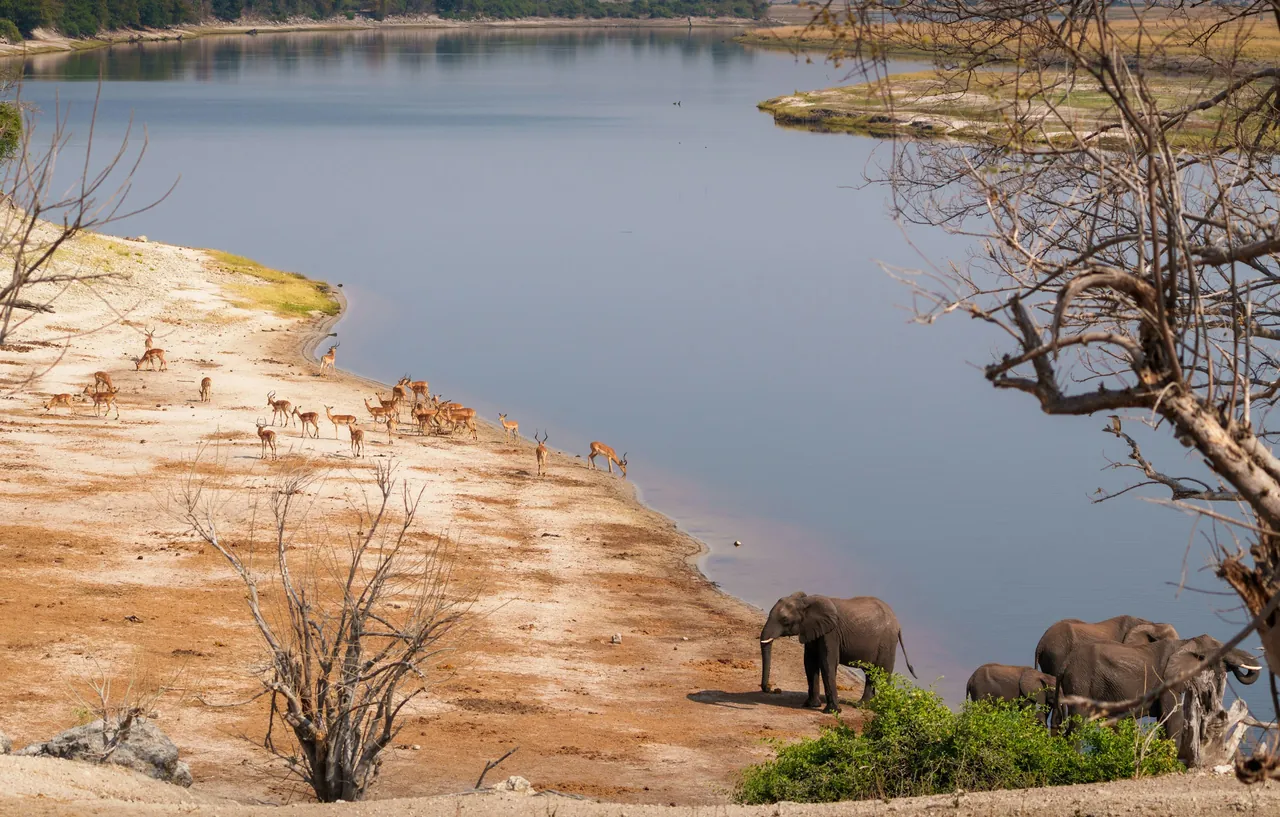
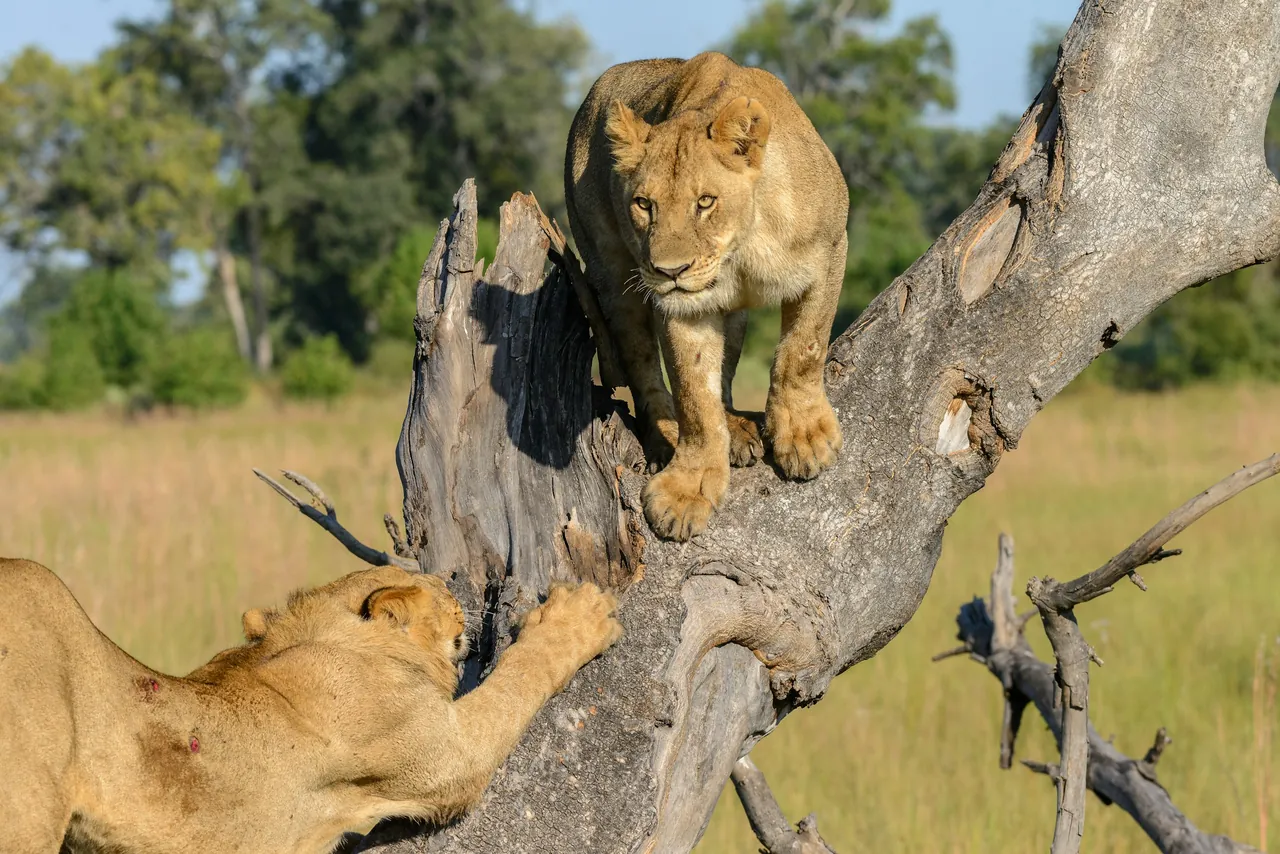
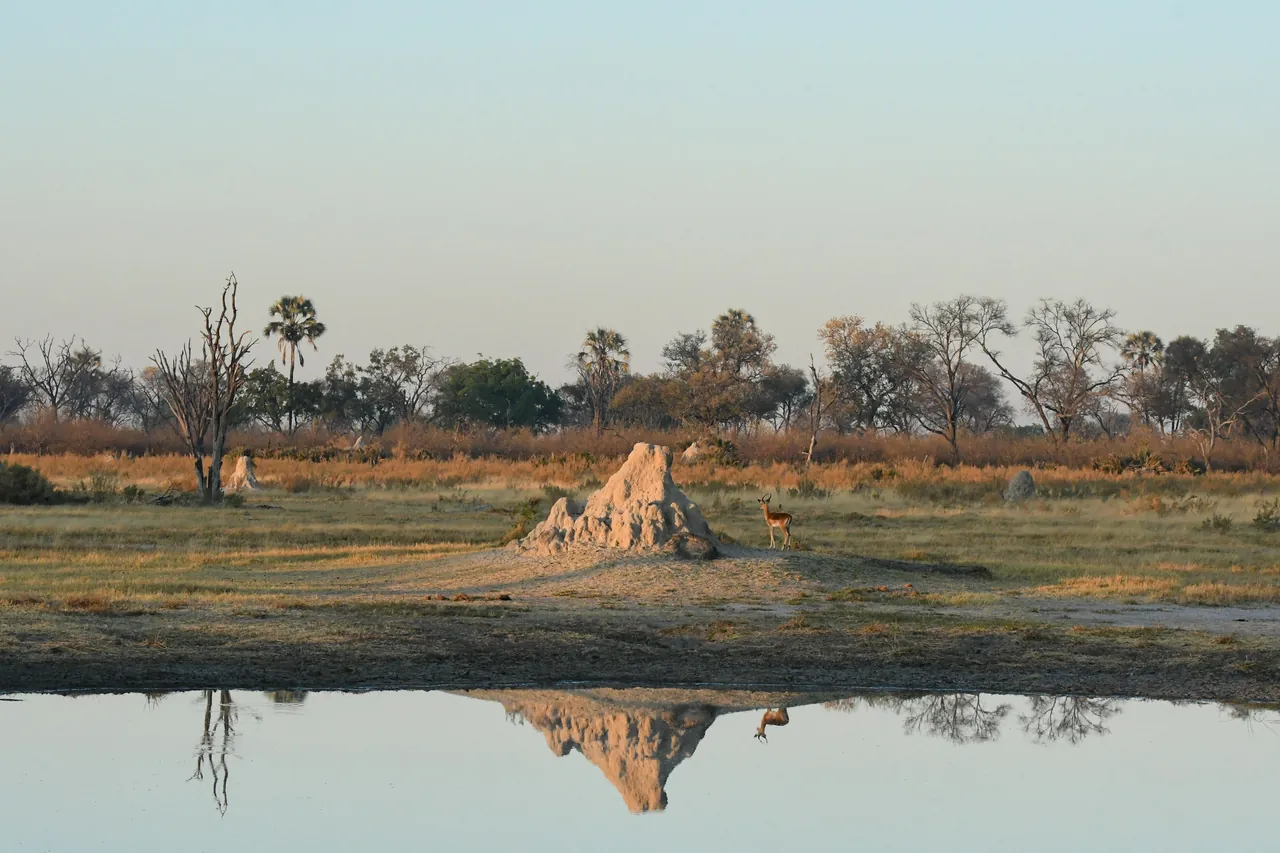
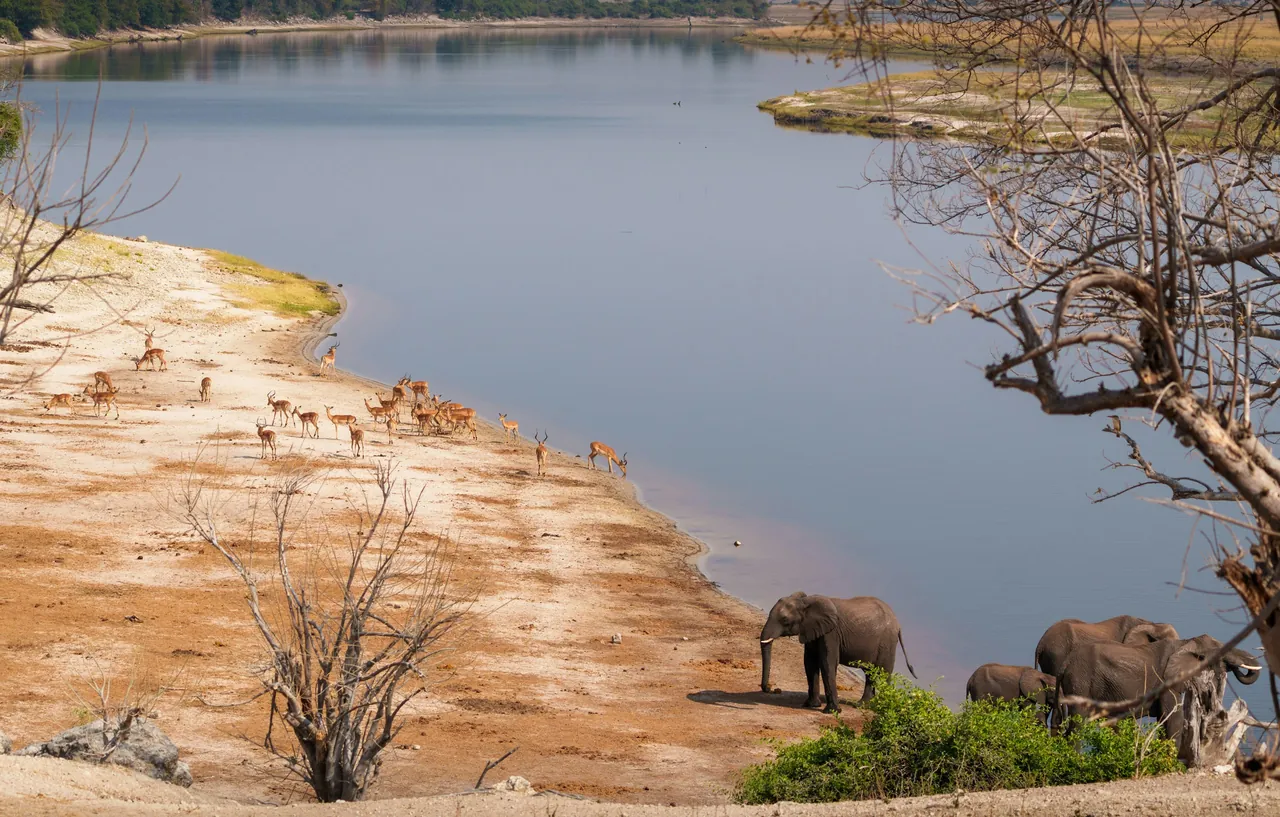
Botswana is safari on a grand scale, and much of it is water and sand. The Okavango Delta spreads across the north, explored by mokoro along its shallow channels or on foot, with Moremi, Selinda and the Chobe riverfront close by. Further south and east lie the Kalahari, the salt flats of the Makgadikgadi Pans and the Mashatu reserve, and the Tsodilo Hills and other heritage sites reach back to the Stone Age. Maun and Kasane are the usual gateways. The dry winter brings cool, sunny days and cold nights, and the animals gather at whatever water remains.
Egypt
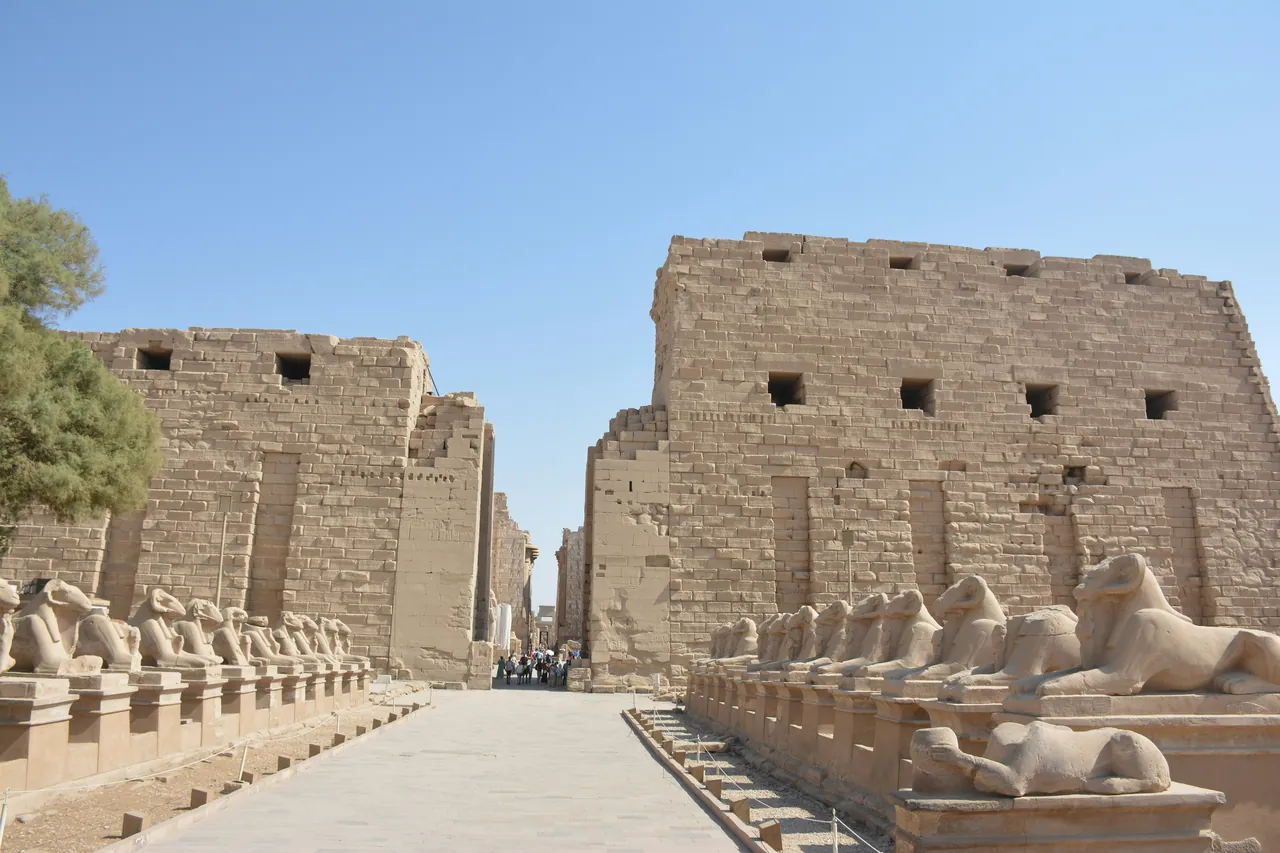
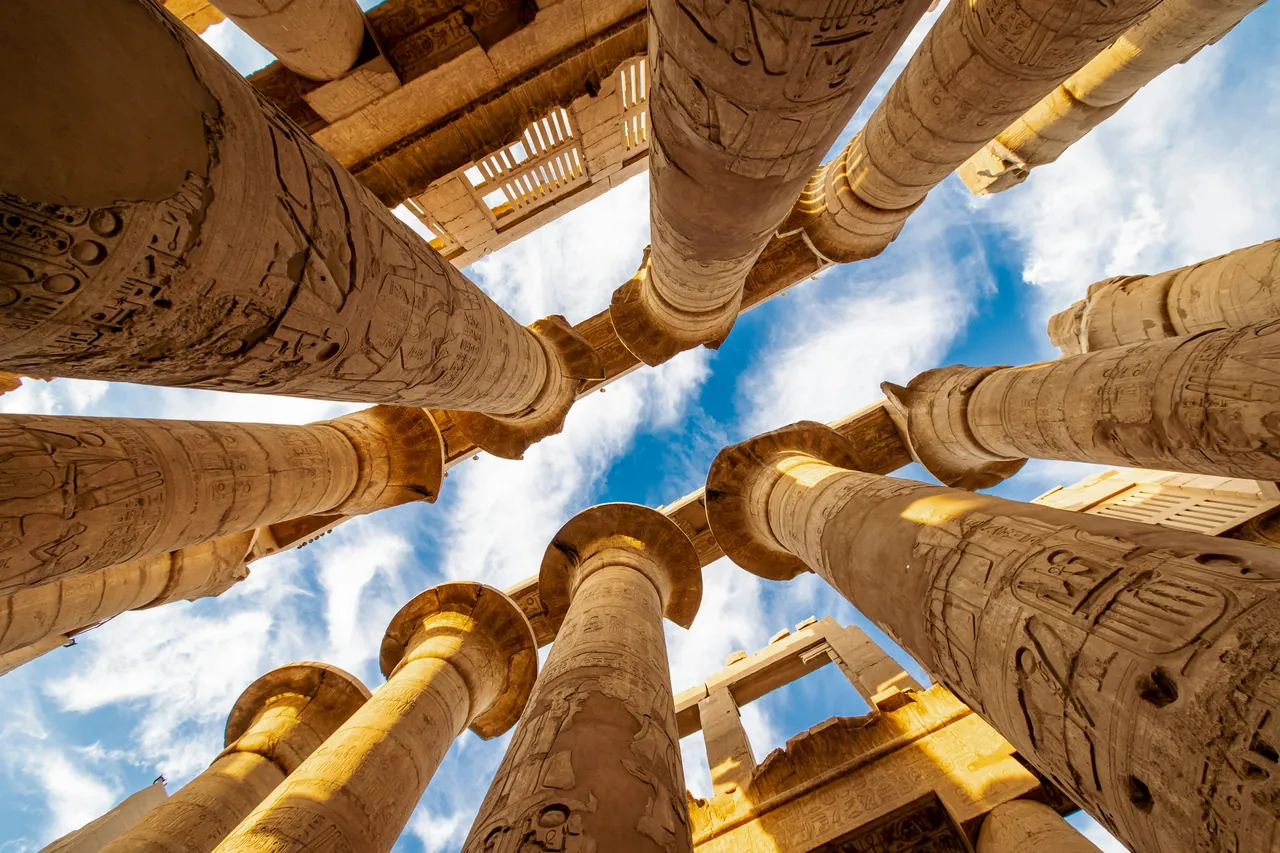
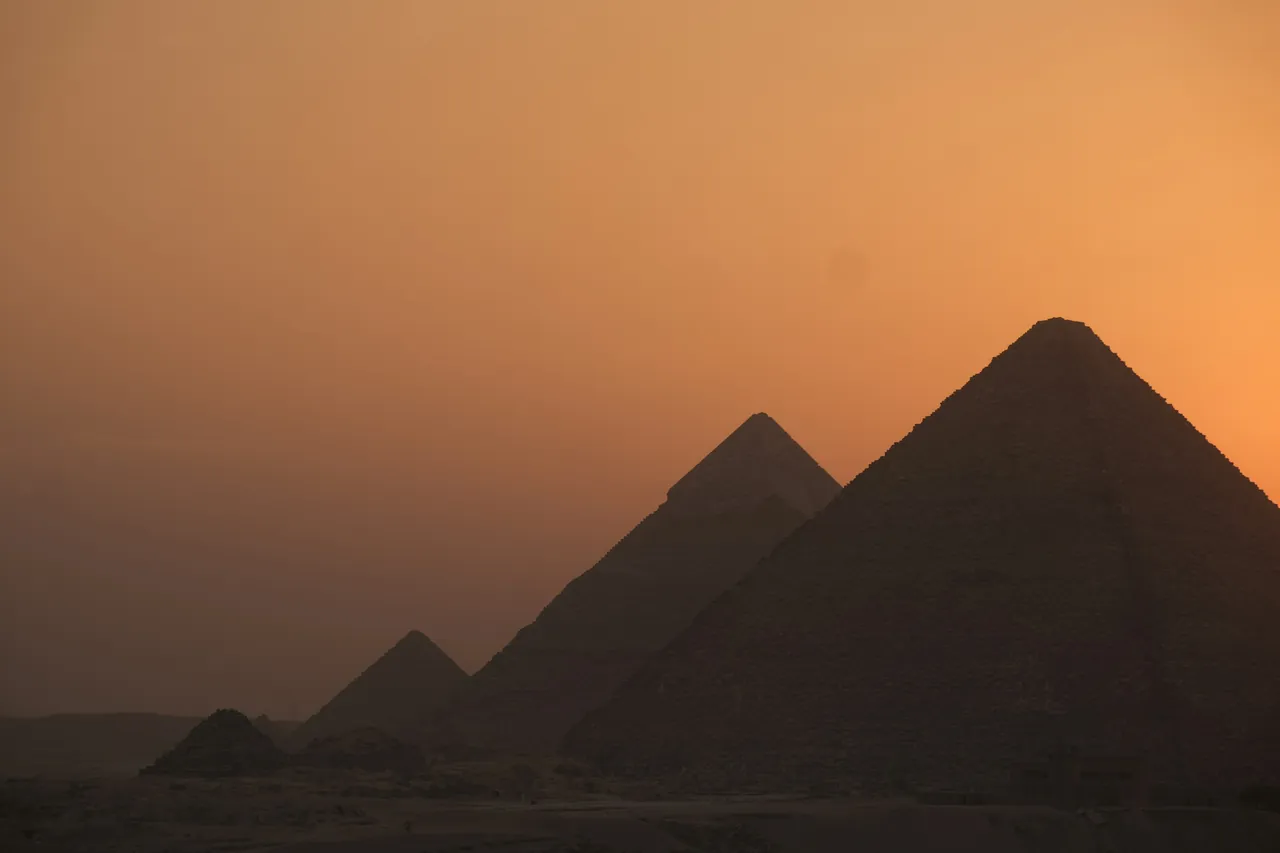
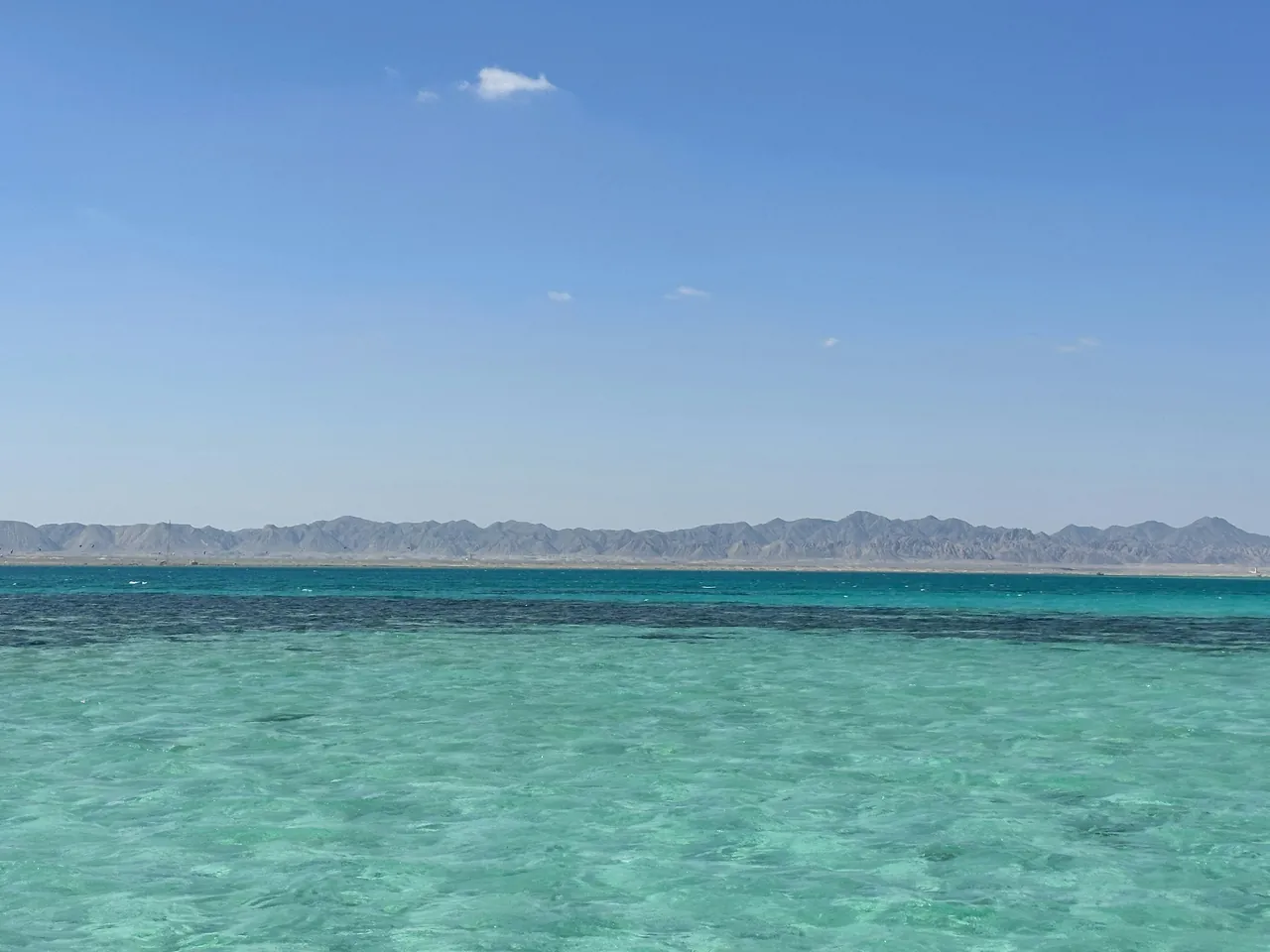
Egypt still turns on the Nile. Cairo and Giza hold the pyramids, Old Cairo and the museums, and the Pyramids Plateau can be seen from horseback. Along the river, Luxor, Esna, Edfu, Kom Ombo and Aswan are joined by boat, with Abu Simbel further south and the temple at Dendera also on the map. Alexandria and El Alamein face the Mediterranean, while Hurghada, Sharm El Sheikh and Dahab look onto the Red Sea, with dive sites such as the Eel Garden at Dahab and the Coloured Canyon near Nuweiba. Fayoum is the place for a country breakfast of feteer.
Kenya
Best time: Year round
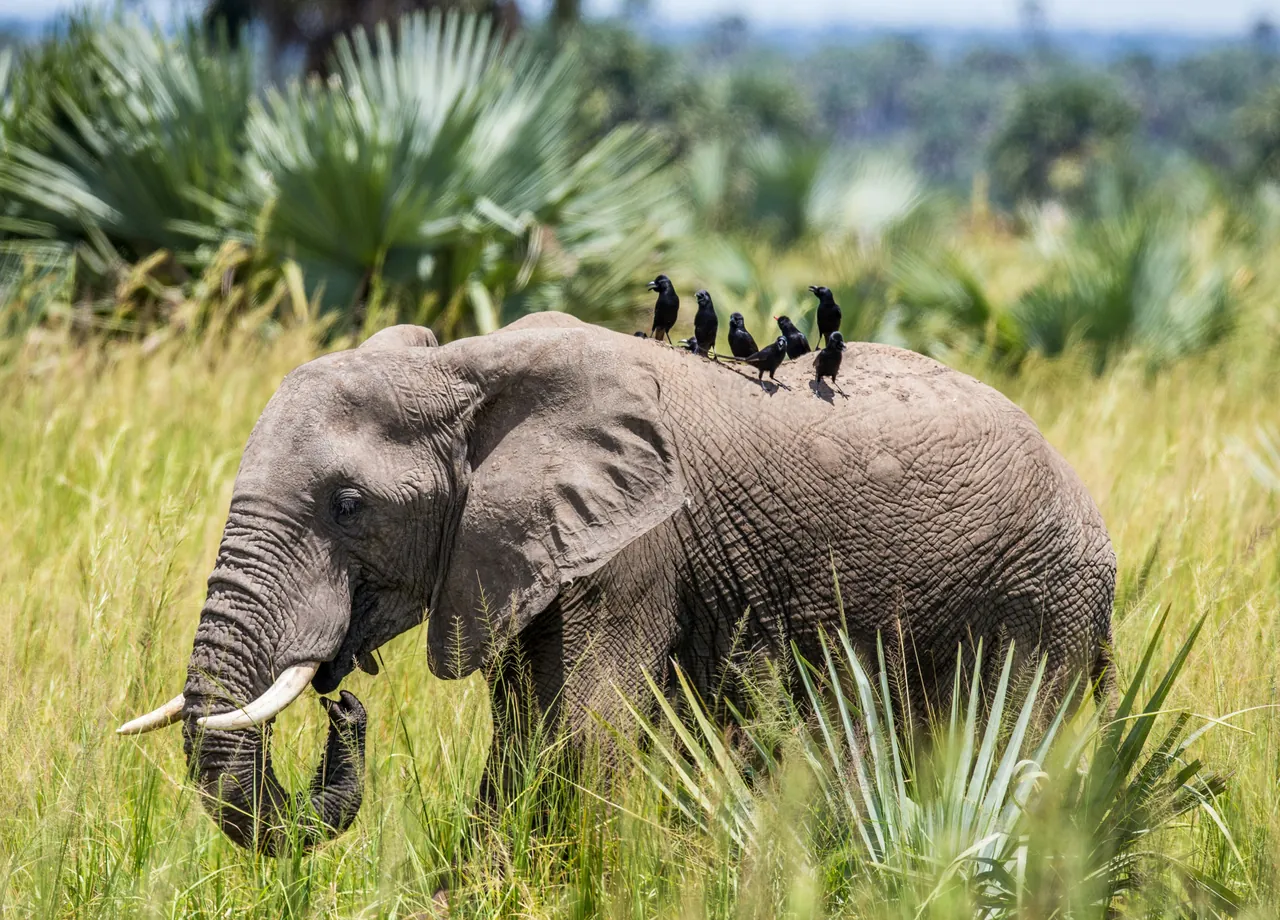
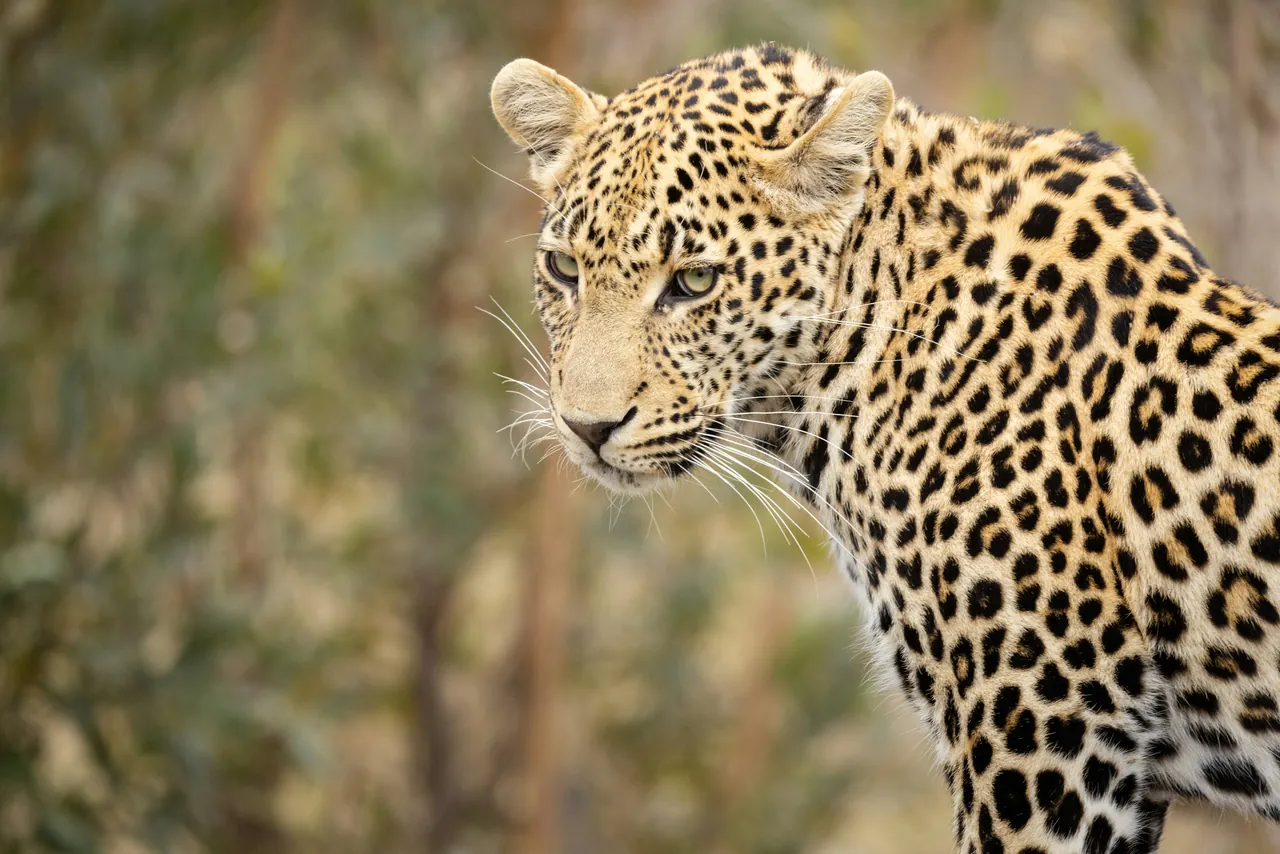
Kenya is the classic safari country, and it offers far more than the Maasai Mara. Amboseli, Samburu, Tsavo West, Lake Nakuru and the Laikipia Plateau, with conservancies such as Ol Pejeta, Lewa and Loisaba, each have their own landscape and wildlife, from rhino and elephant to lion and leopard. Mount Kenya and the lakes of the Great Rift Valley, Naivasha among them, shape the interior, and the coast includes Mombasa and Diani Beach. Hot air ballooning, horseback riding and time with Maasai communities add variety to the days.
Madagascar
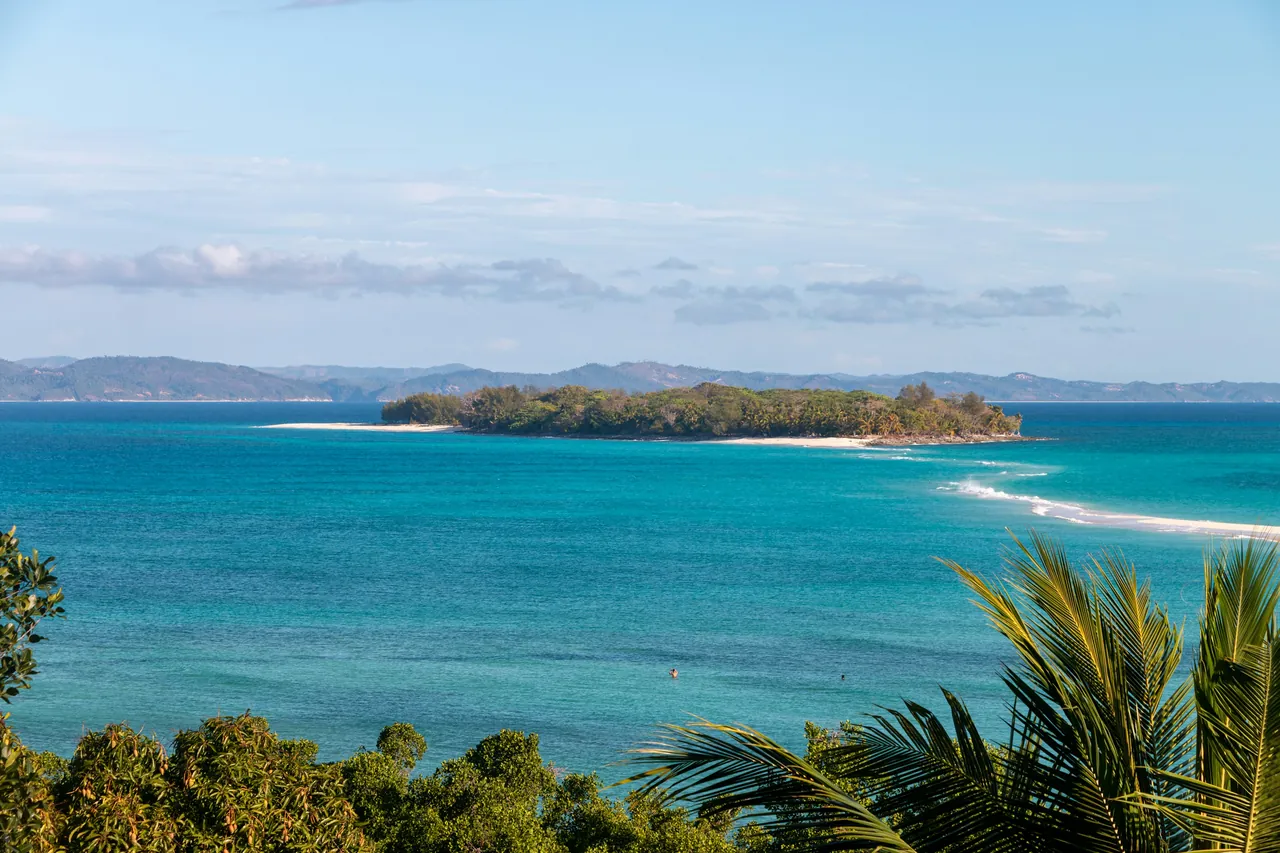
Madagascar is a large island of sharp contrasts, where a single journey can move from dry desert to rainforest and on to the sea. Antananarivo, the capital, is the usual point of arrival. From there, journeys reach Andasibe, Morondava, Ifotaka, Anjajavy and Antsiranana, or head out to the islands of Nosy Be and Nosy Anko. The island is big and its regions are very different from one another, so I usually build a journey around two or three areas rather than trying to cover the whole of it.
Mauritius
Best time: Year round; May to Oct is cooler
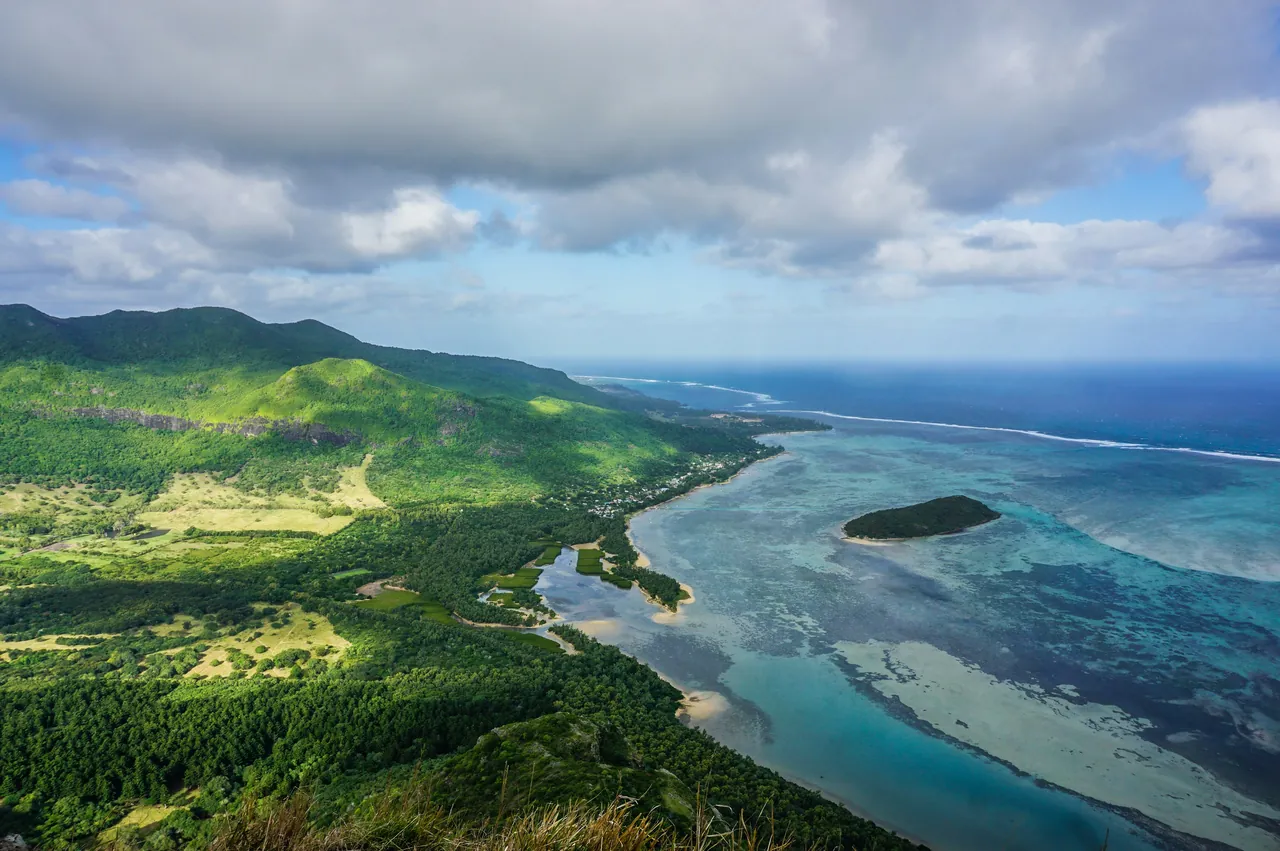
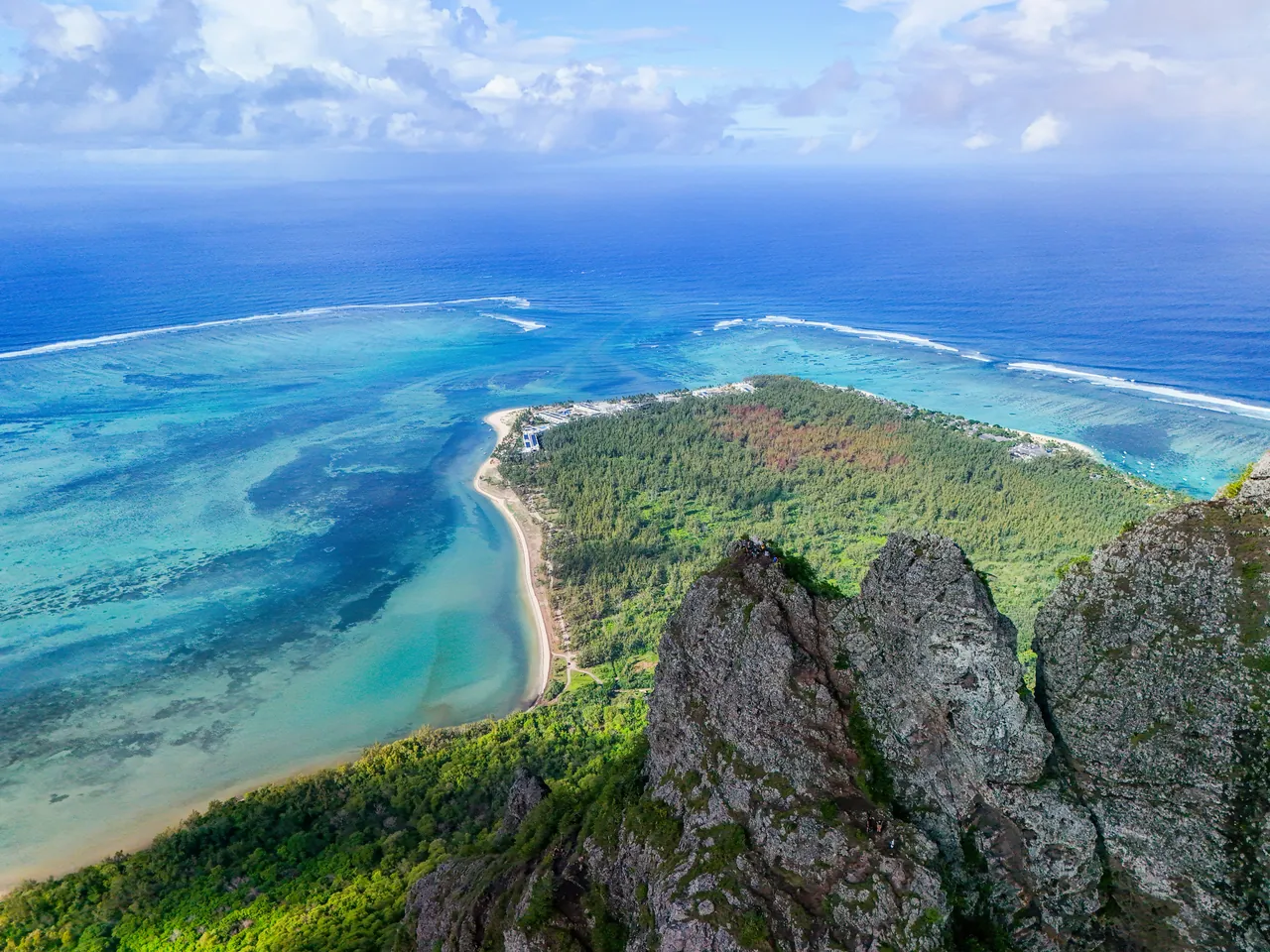
Mauritius is small enough to see in one stay and varied enough to fill it. Away from the beaches at Belle Mare, Trou d'Eau Douce, Poste de Flacq and Grand Baie, there are national parks to walk with a local guide, mountains to climb and sunrise yoga. The food carries the influence of every community on the island, and Port Louis, the capital, is worth a morning. The island is warm all year, with summer from November to April and a cooler winter from May to October, when coastal days sit between 22 and 28 degrees.
Morocco
Best time: Mar to May, Sep to Nov
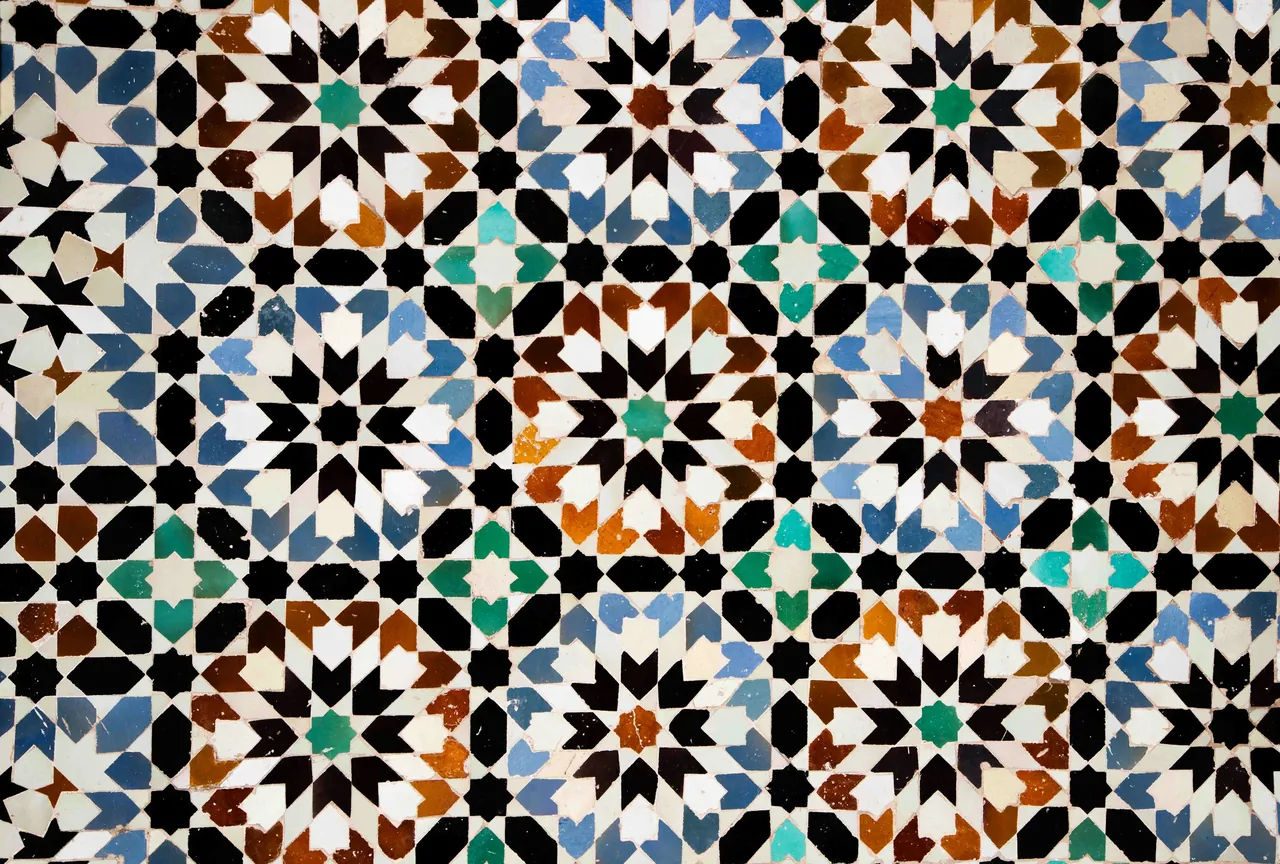
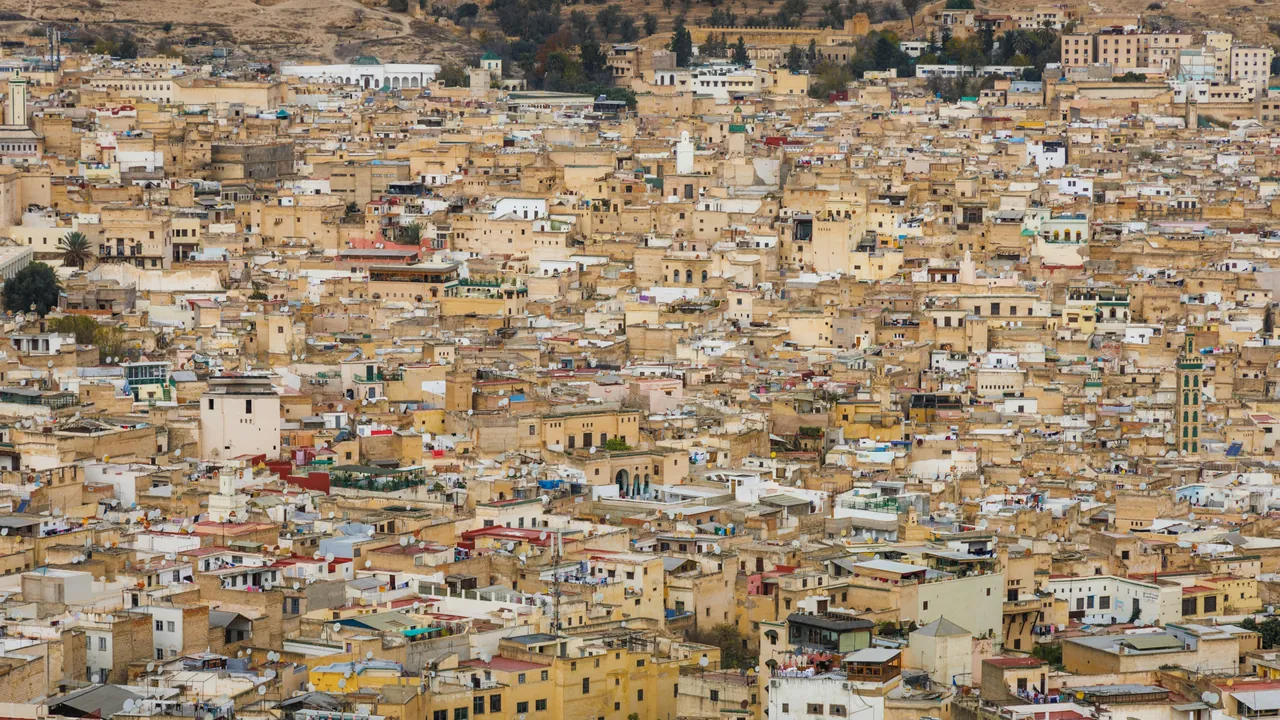
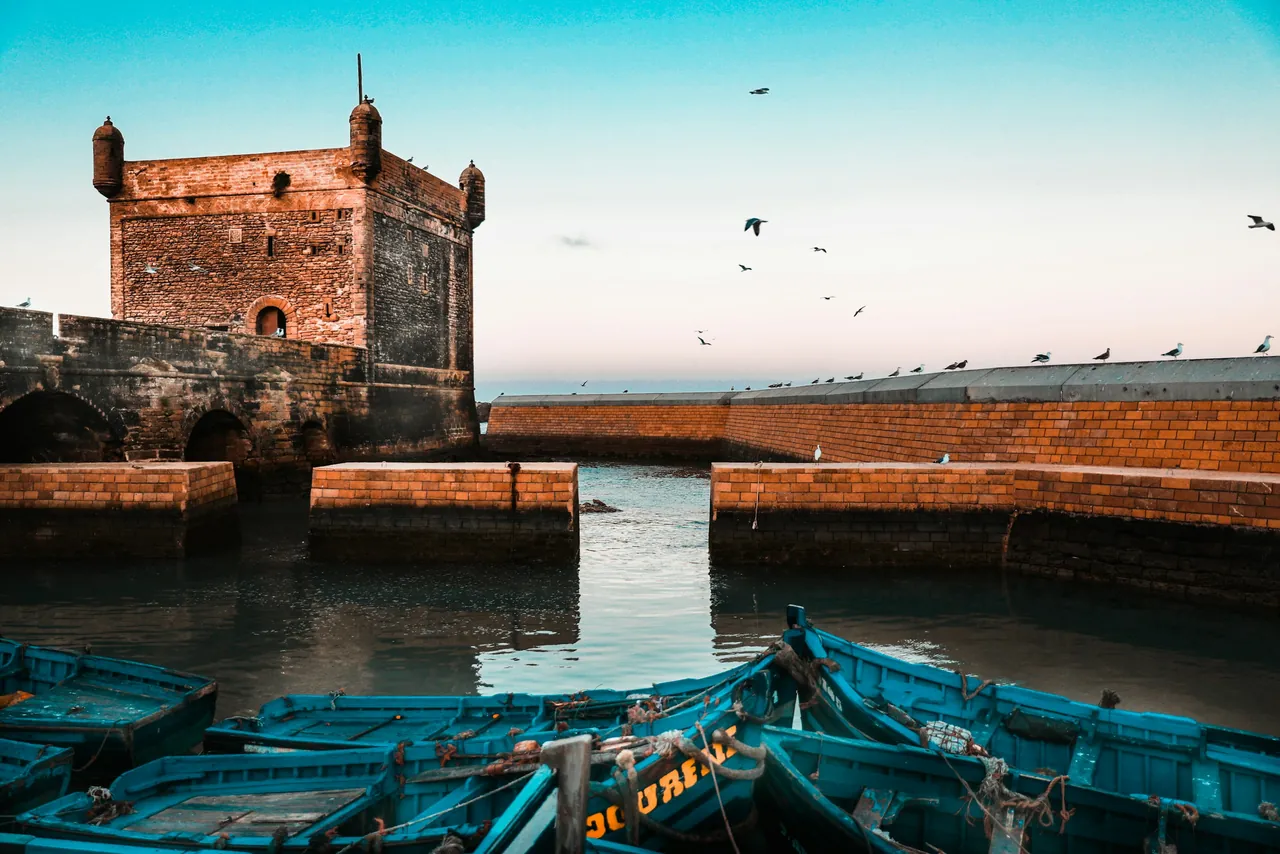
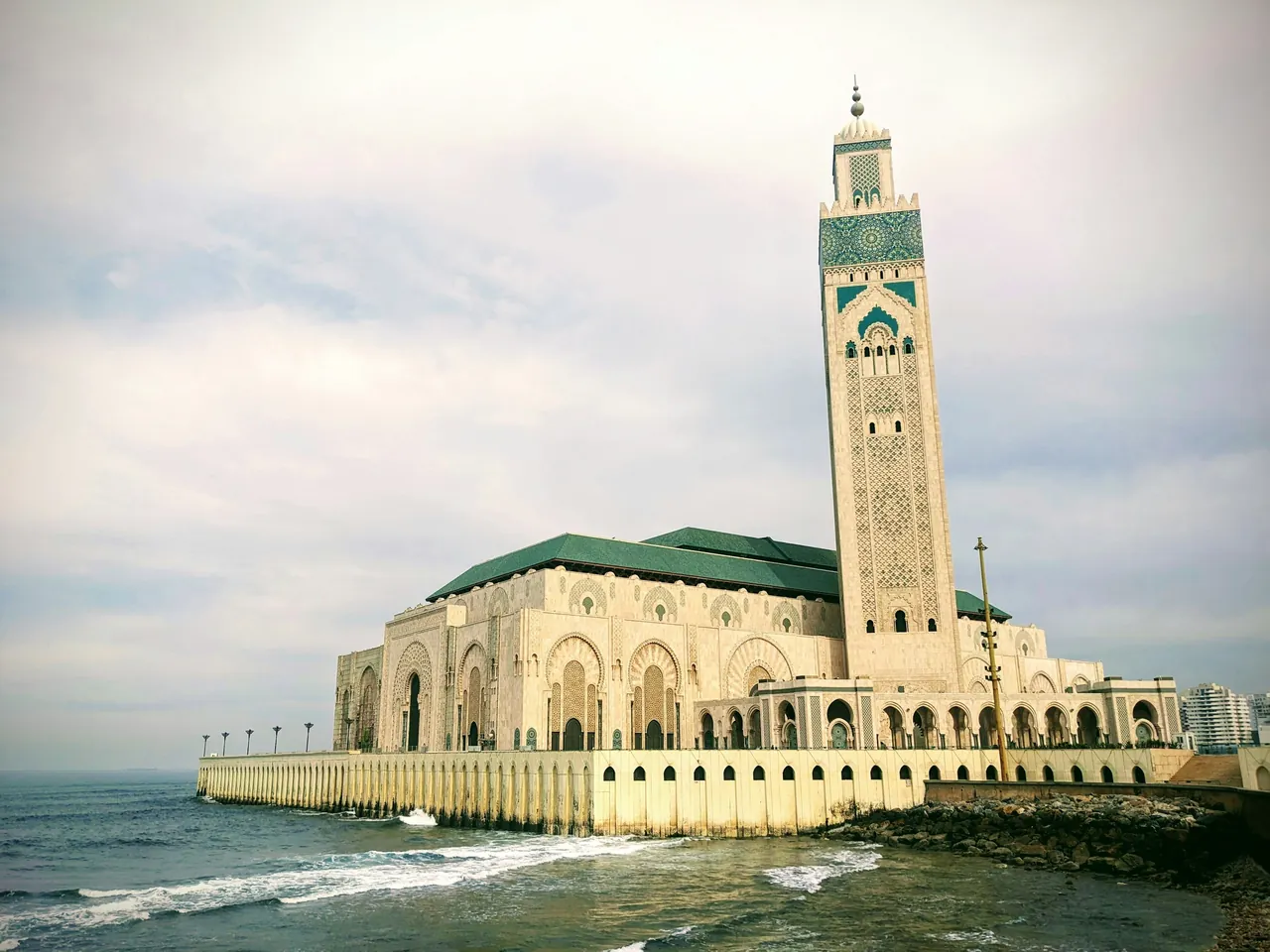
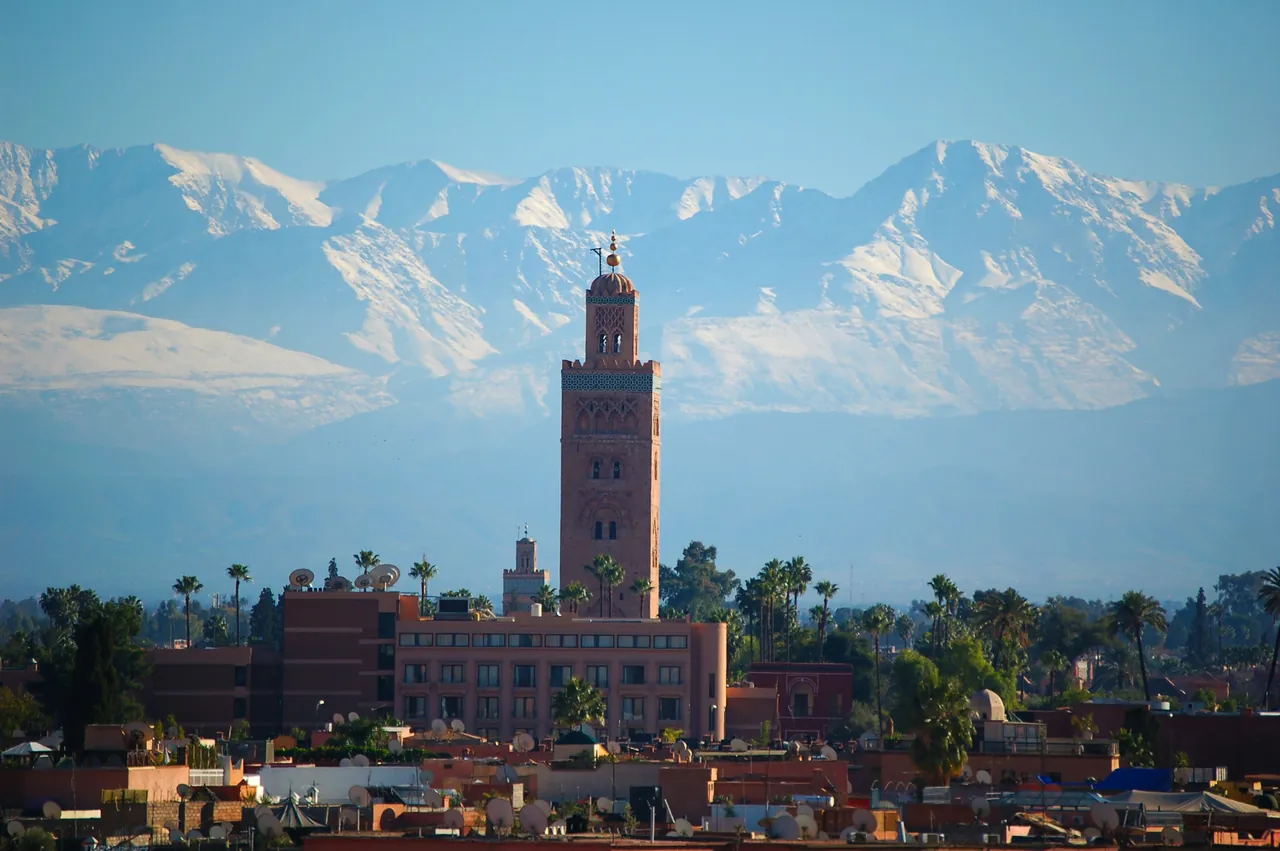
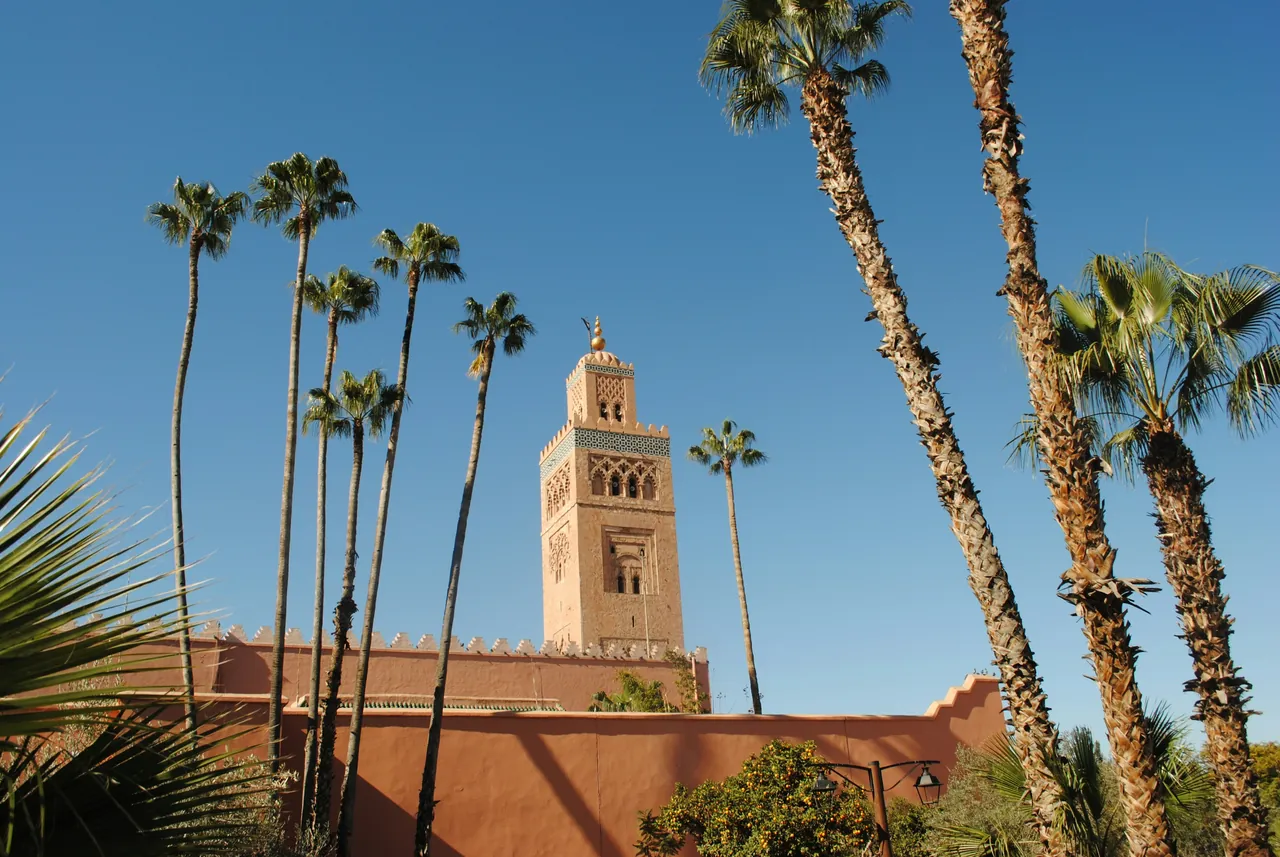
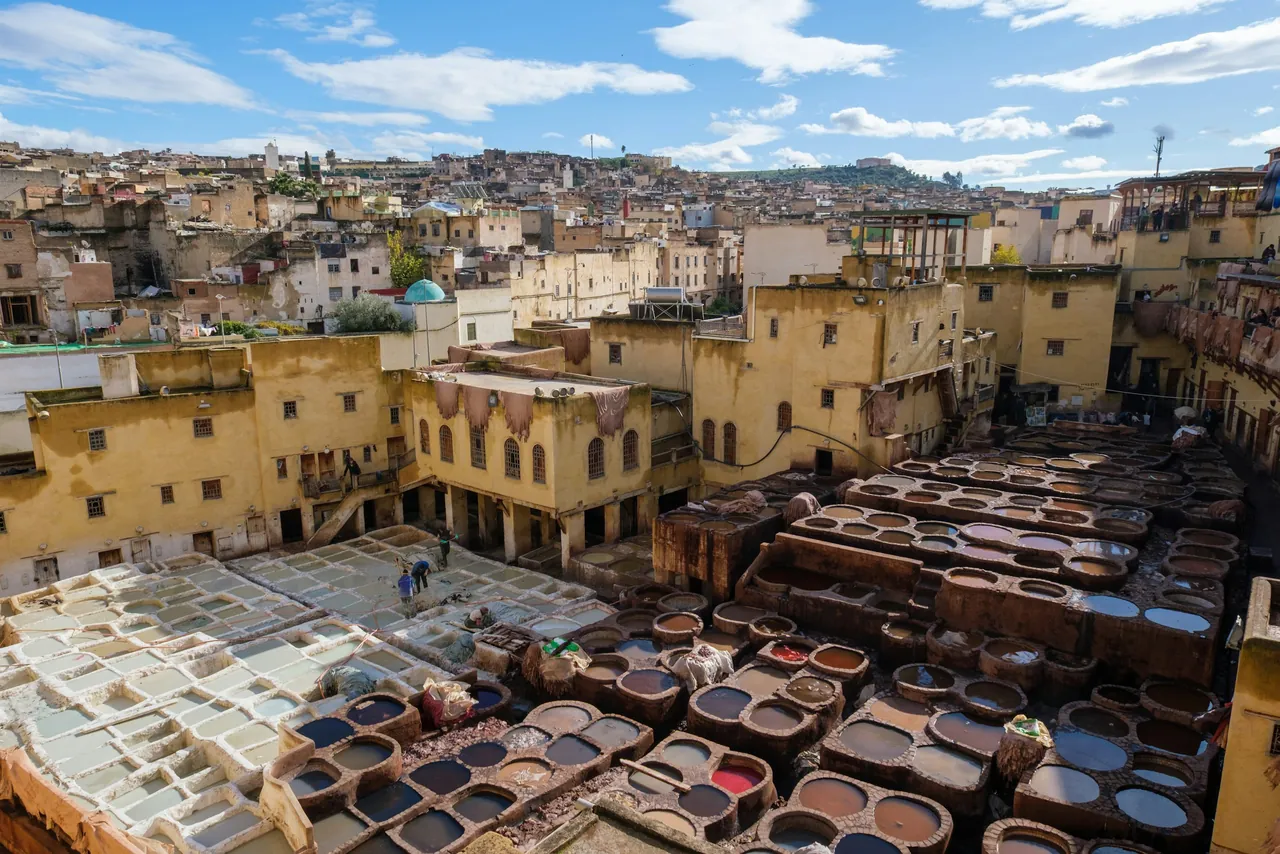
Morocco packs mountains, desert, two coastlines and old cities into one country. The imperial cities of Fez, Marrakech, Meknes and Rabat hold the old medinas, craft workshops and markets, and the ruins of Volubilis lie near Moulay Idriss. The Atlas Mountains, Imlil and the Ourika Valley offer walking, Chefchaouen sits in the mountains, and the coast takes in Tangier, Casablanca, Essaouira and Taghazout, with surfing on the Atlantic. In the south, Ouarzazate, Skoura, the Dades Gorges, Zagora and the dunes of Merzouga lead into the Sahara, which is a spring and autumn journey.
Mozambique
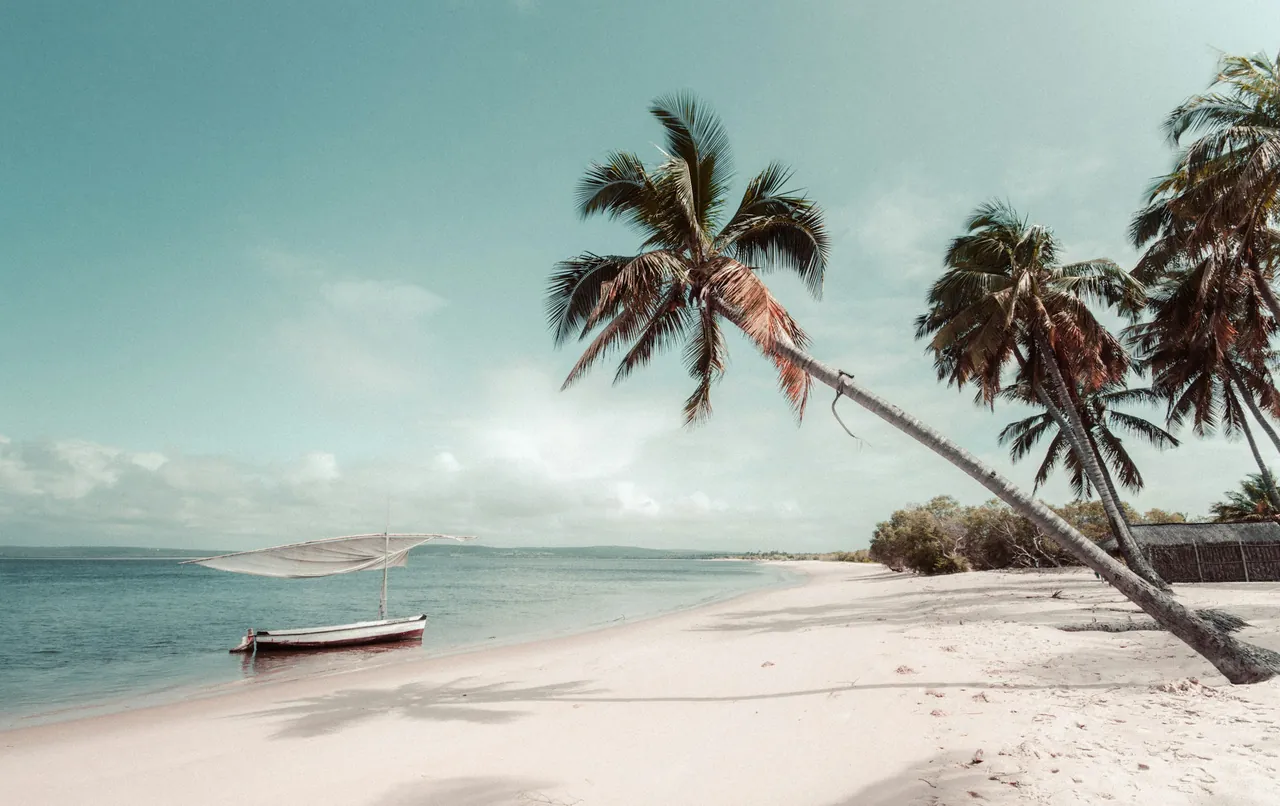
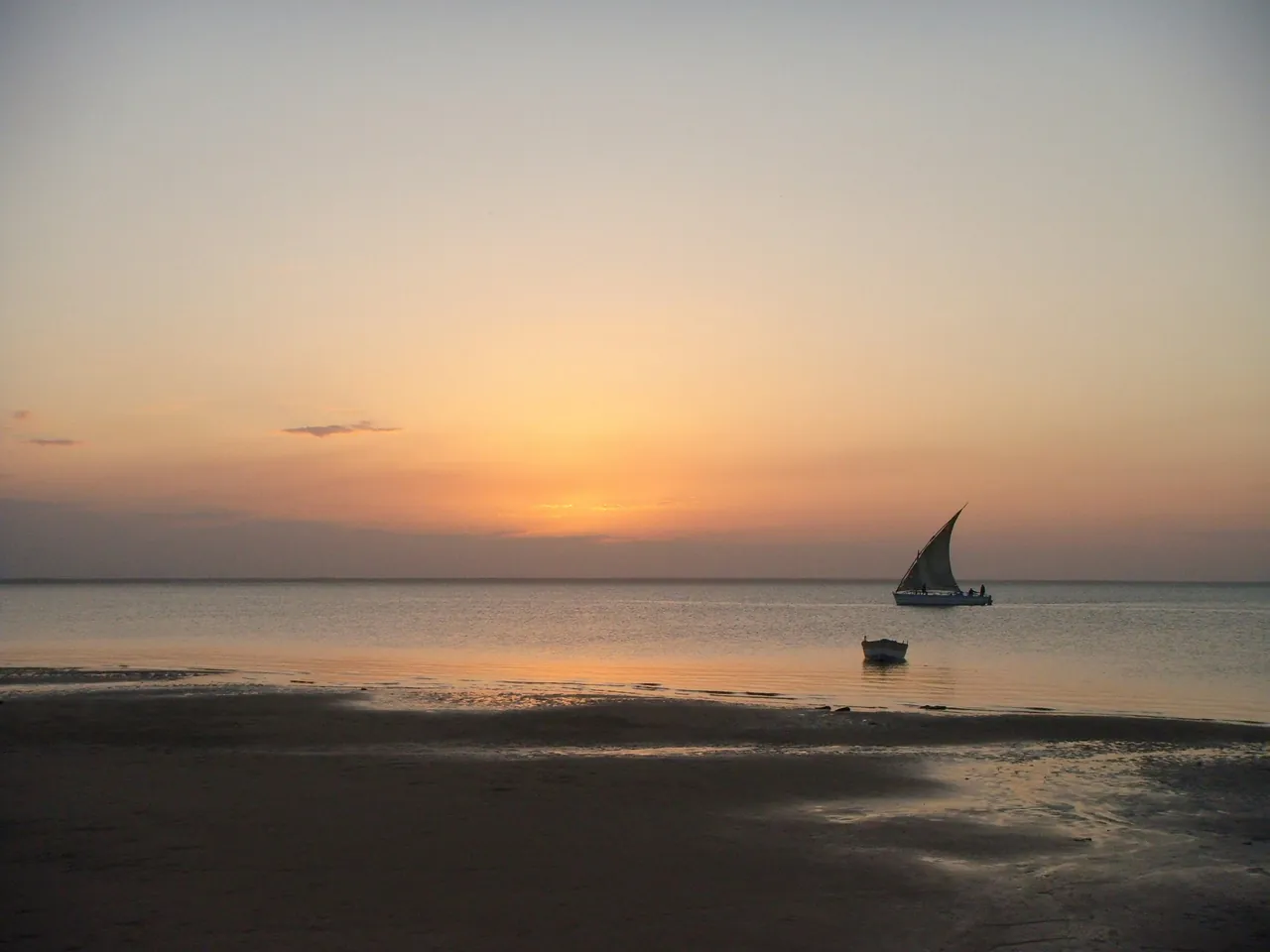
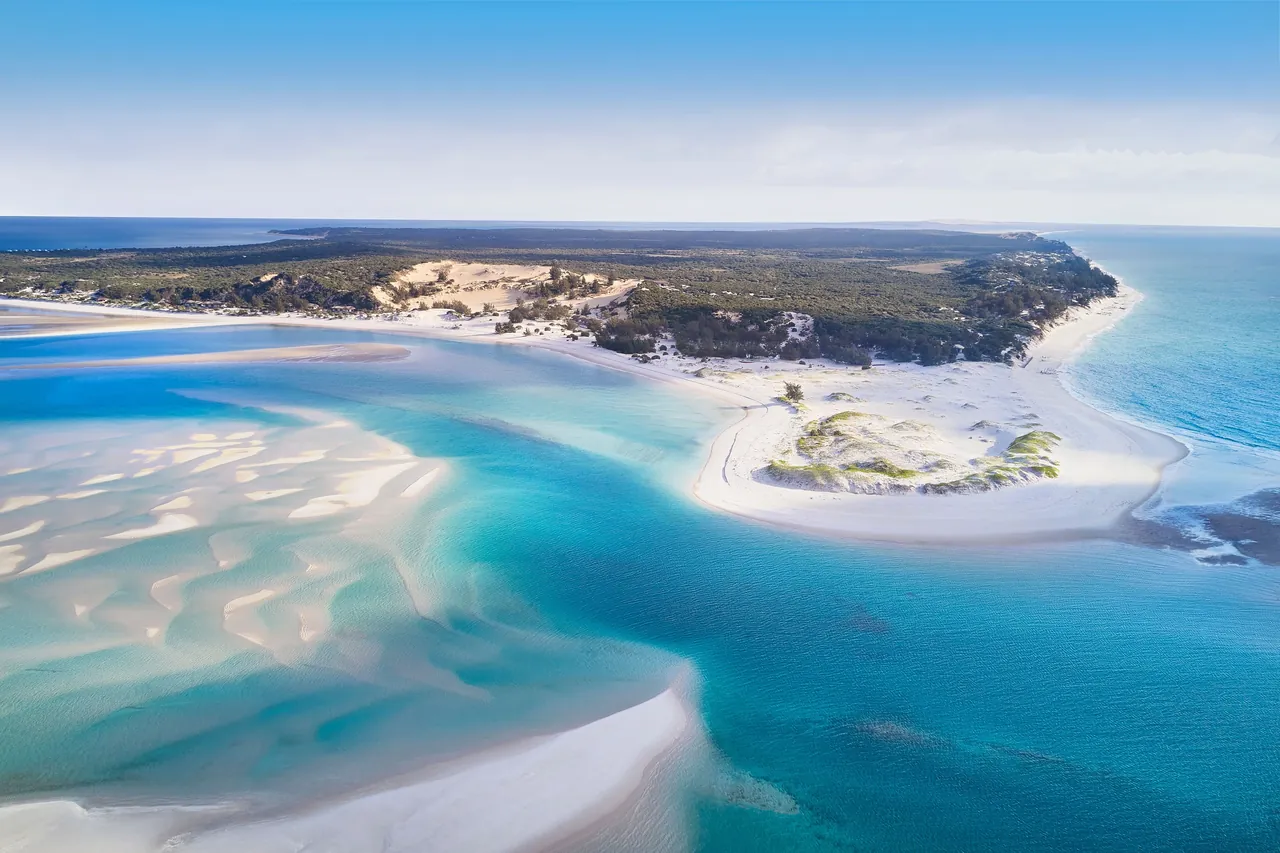
Mozambique has more than 1,500 miles of Indian Ocean coastline, and it suits the end of a safari in southern Africa. Islands such as Bazaruto, Benguerra and Magaruque have reefs with coral gardens, turtles, dolphins, manta rays and whales. Vilankulo, Maputo and Mozambique Island show a long mix of African, Chinese, Indian and Portuguese influence, and it comes through in the cooking, built on prawns, fish and fire-grilled chicken. Gorongosa National Park adds a safari of its own.
Namibia
Best time: Year round; May to Sep for cooler days
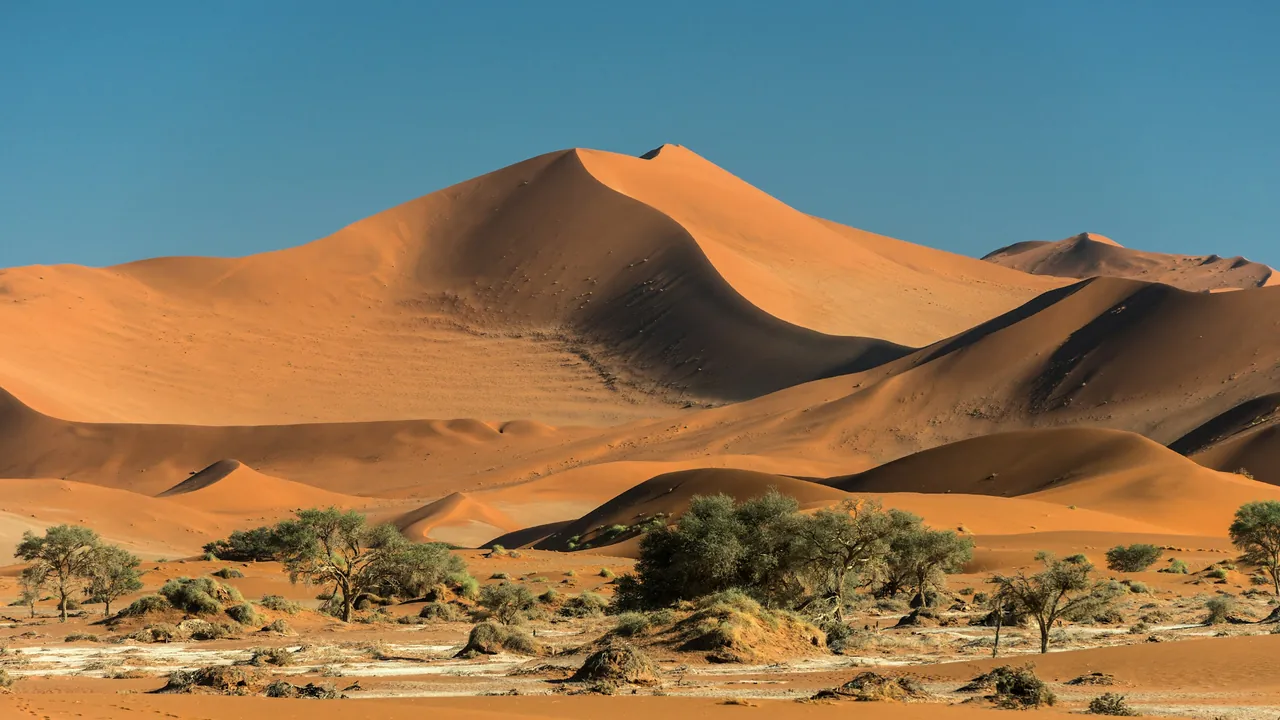
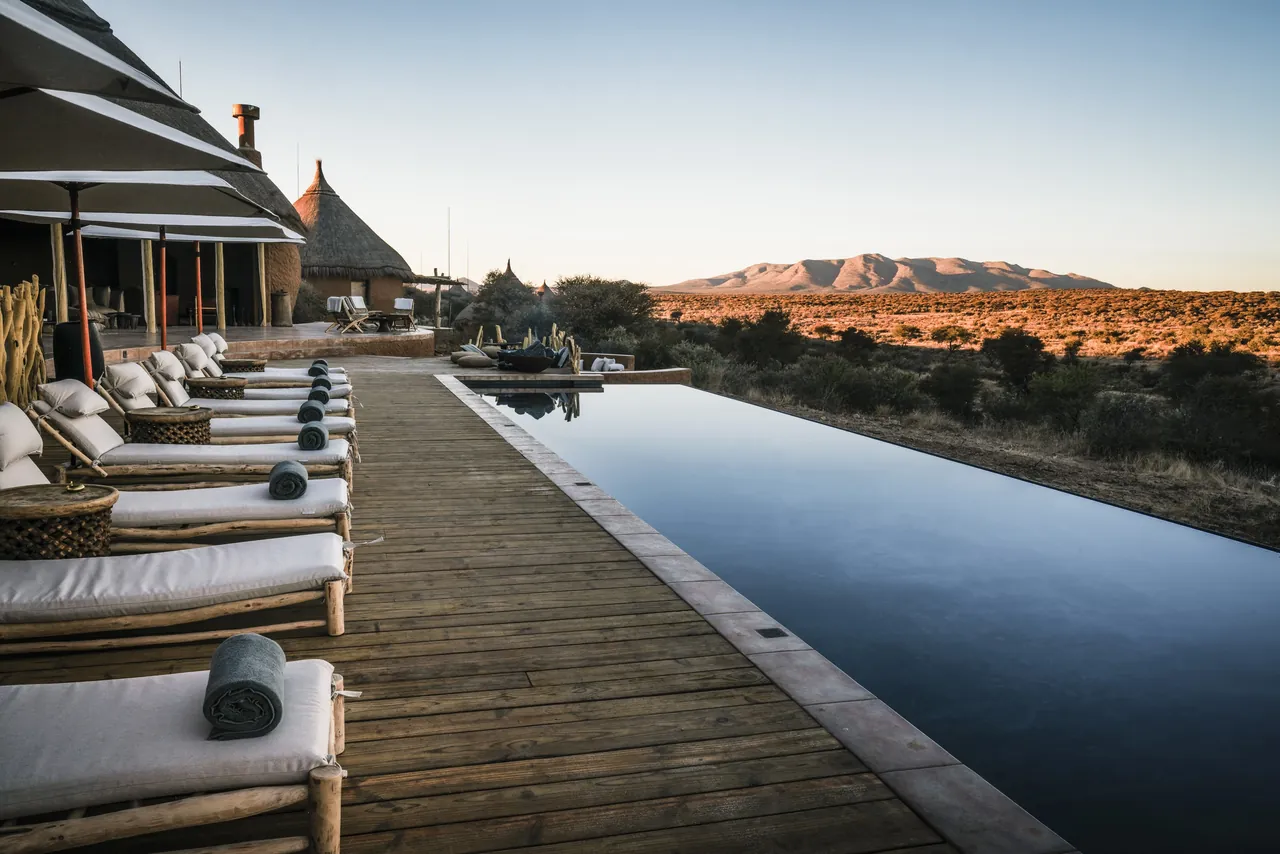
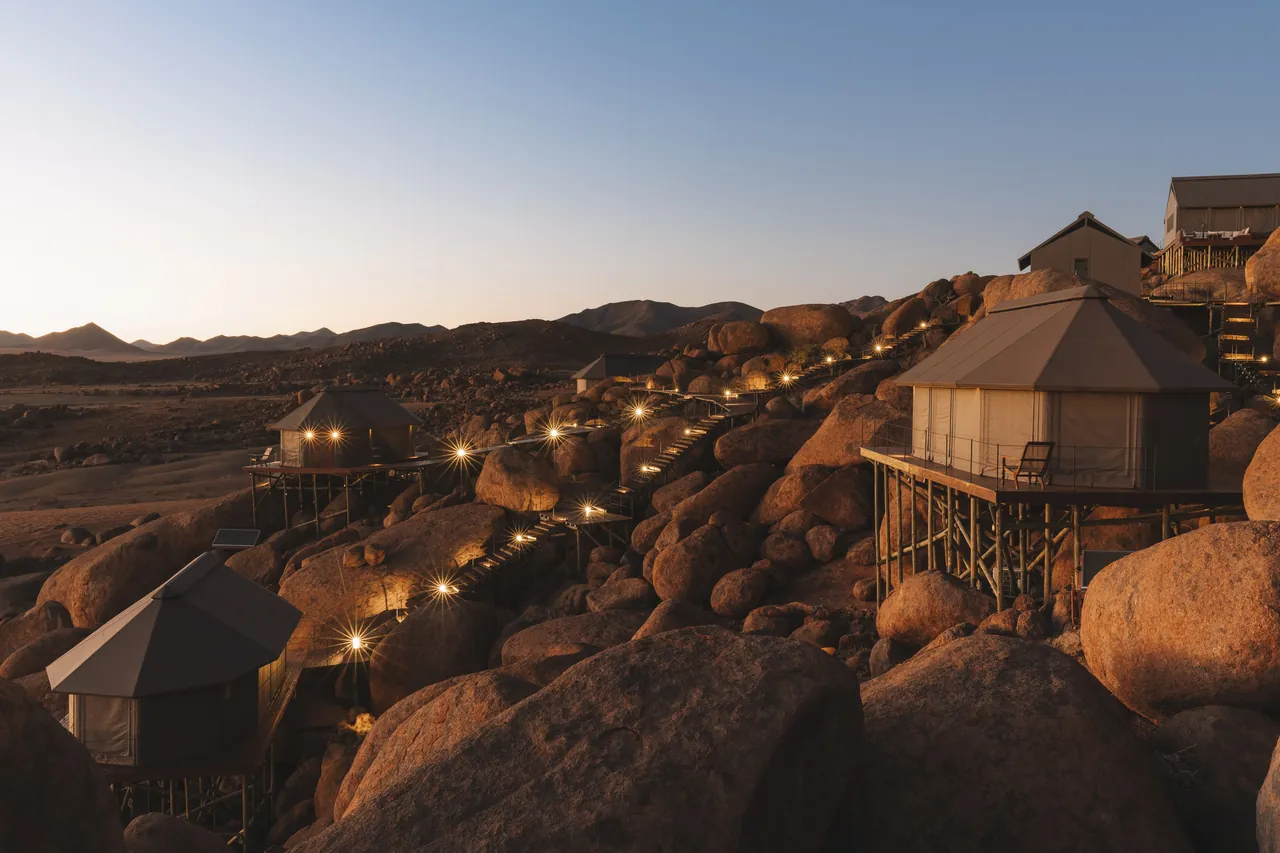
Namibia is a country of open distances and very dark, clear night skies. The Namib is the only desert where large mammals, elephant, rhino, lion and giraffe among them, live among the dunes. Sossusvlei and the NamibRand reserve have some of the highest dunes on earth, Damaraland and the Kunene region add rugged country, and Etosha National Park is known for its game. Swakopmund, Walvis Bay and Lüderitz sit on a cool, often misty coast, and Fish River Canyon is said to be the second largest canyon in the world. Hot air ballooning and scenic flights show the scale of it.
Réunion
Réunion is a French overseas department in the Mascarene Islands of the Indian Ocean, and it feels like a change of world as much as of scenery. Its culture draws on Africa, Asia and Europe, and its landscape is volcanic. The Piton de la Fournaise last erupted in September and October 2022, and old lava tunnels can be explored on foot. La Possession and Port des Galets are the ports of call. It suits travellers who want walking and mountain scenery more than a beach.
Rwanda
Best time: Jun to mid-Sep
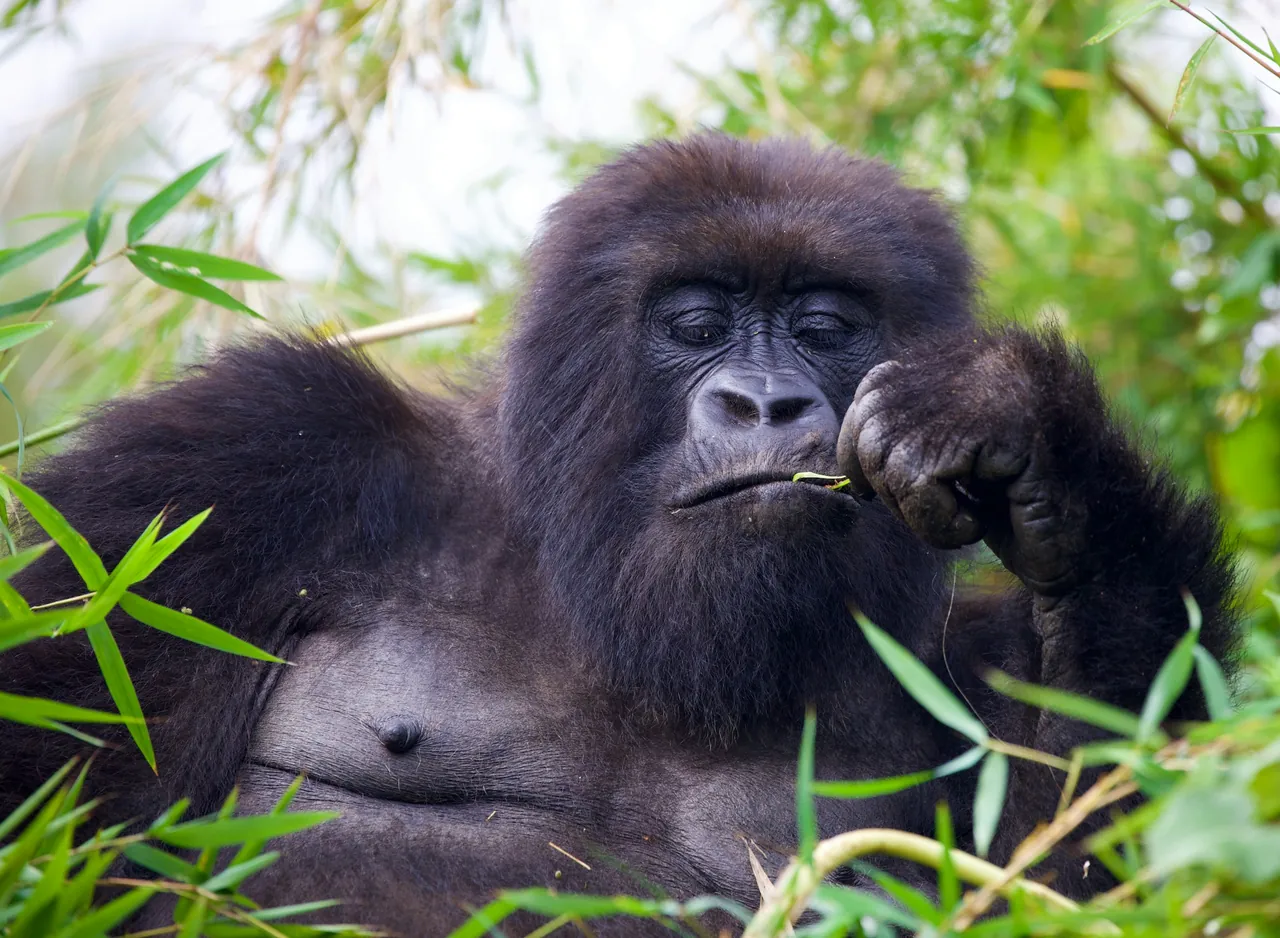
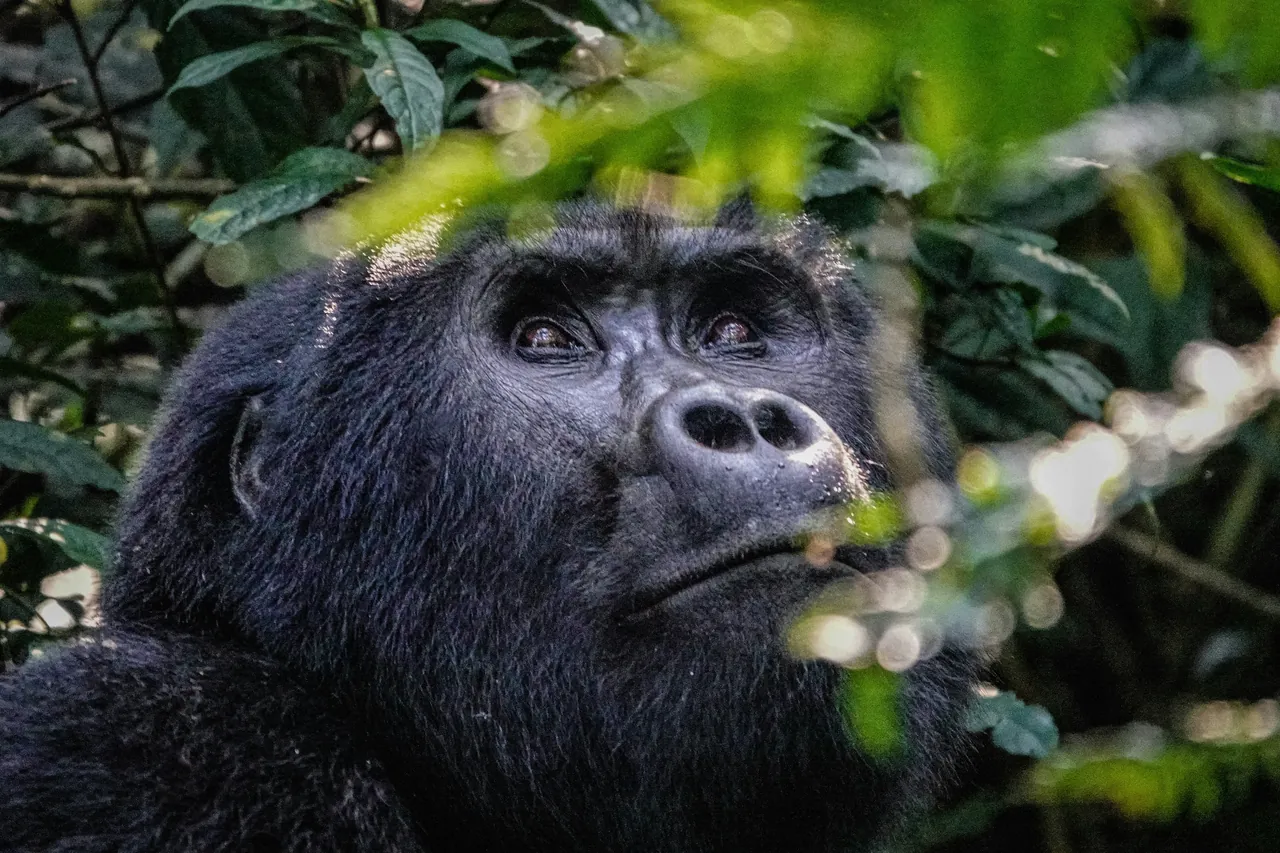
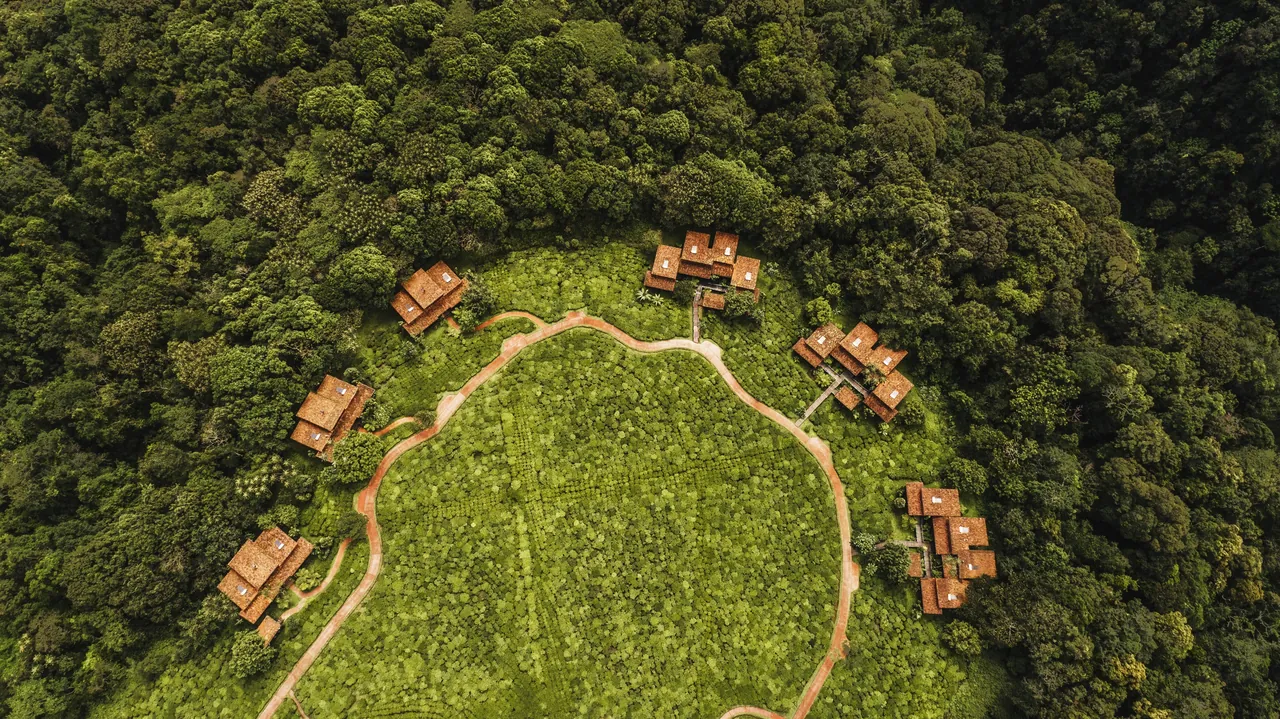
Rwanda, the land of a thousand hills, is one of very few places in the world to see mountain gorillas in their natural habitat, in Volcanoes National Park. Its four national parks also hold chimpanzees, golden monkeys, lions and hundreds of bird species, with volcanoes, montane rainforest and open plains along the Albertine Rift in the west. In Kigali, the capital, and at the King's Palace, traditional dance, architecture and craft tell the story of the old kingdom. Plastic bags have been banned since 2008. The dry season brings easier trails.
Seychelles
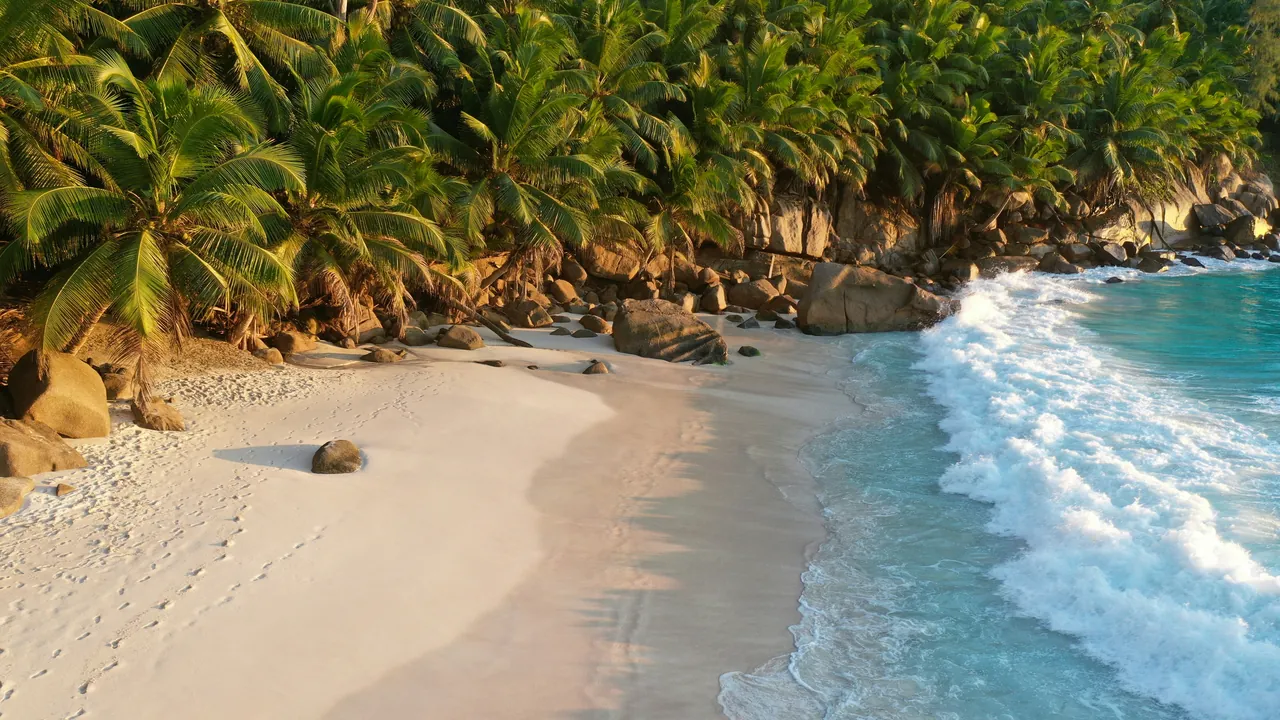
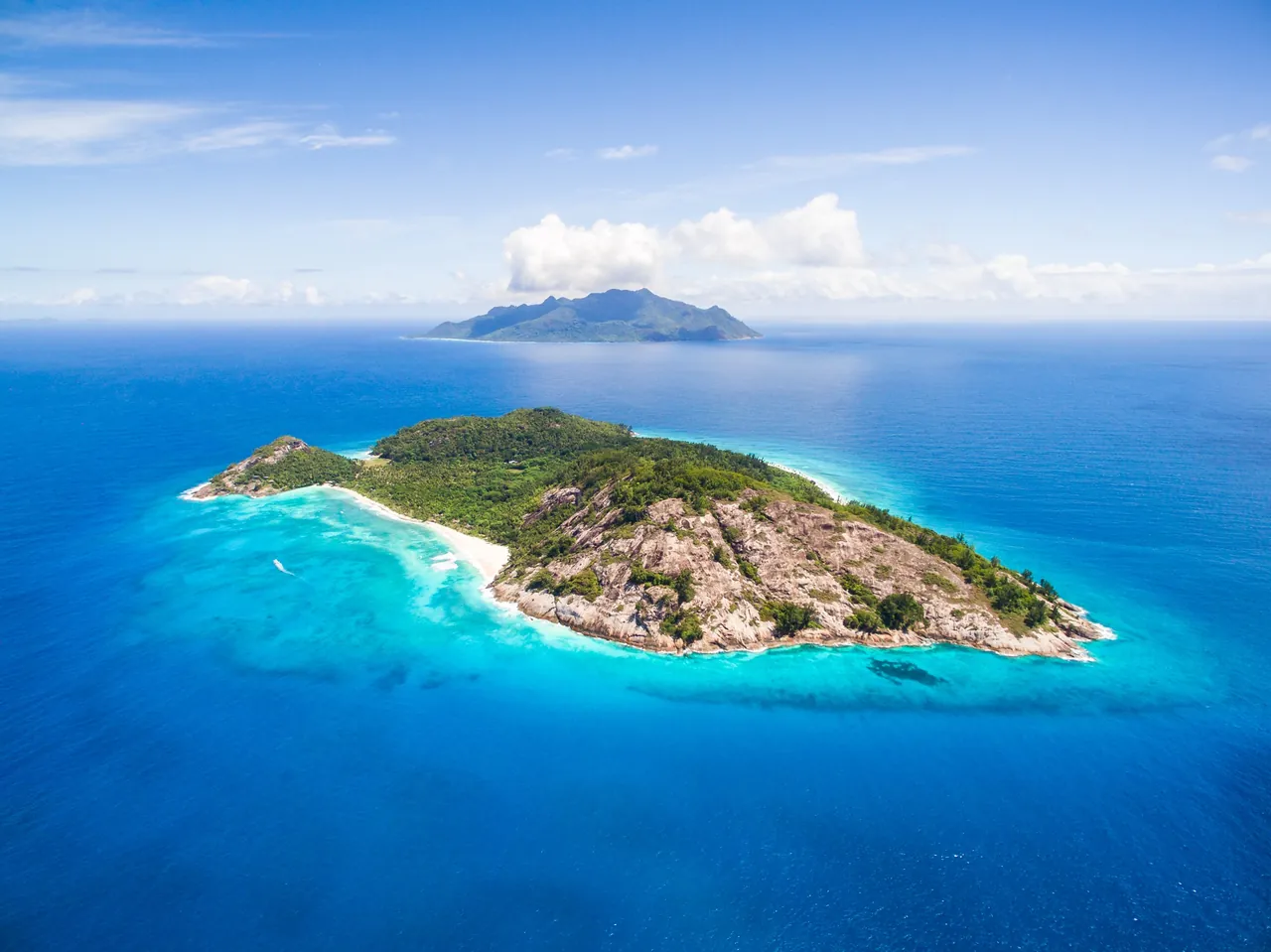
The Seychelles are an archipelago of 115 islands, known for granite boulders along the shore and white sand beaches. Mahé, home to Victoria, Praslin and La Digue are the main inhabited islands, and Silhouette, Félicité, Cousin, Aride and Curieuse lie among them. Further out are Desroches, D'Arros, Farquhar, Astove, Cosmoledo, Providence and Aldabra. Days are spent diving, snorkelling, fishing, walking mountain trails or riding, and many people simply settle on one island and stay.
South Africa
Best time: Year round; Nov to Feb for summer
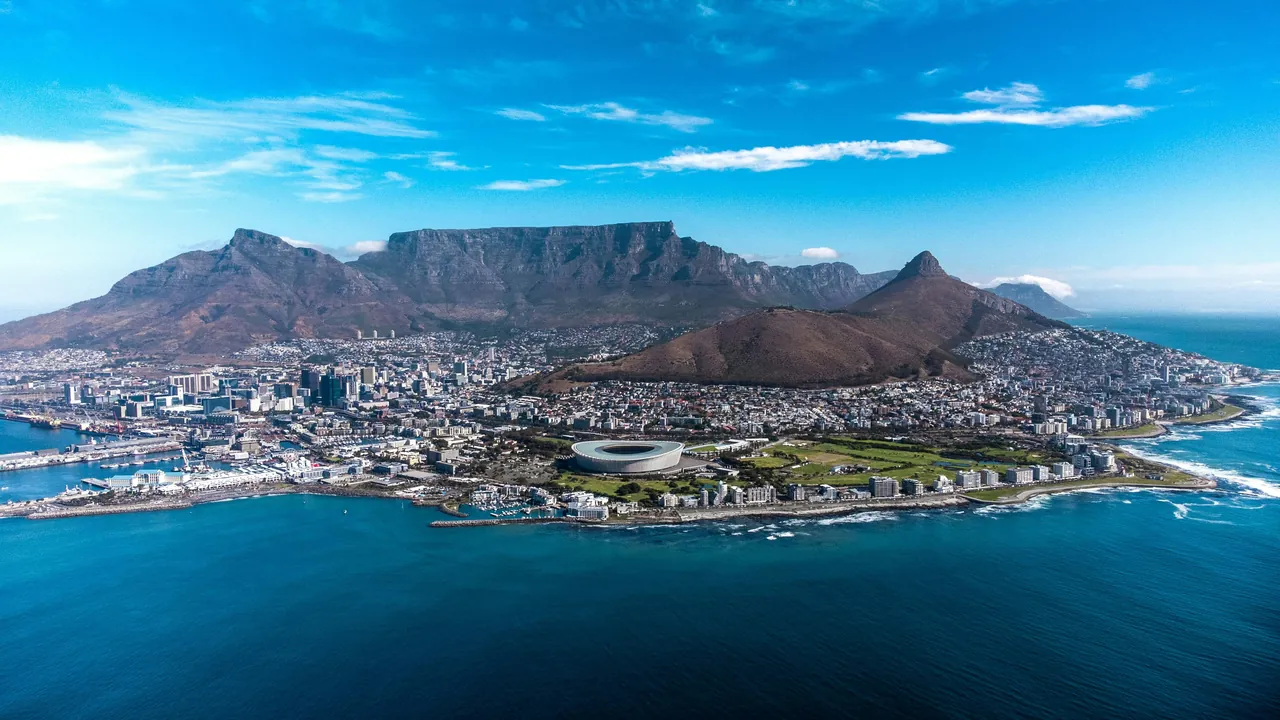
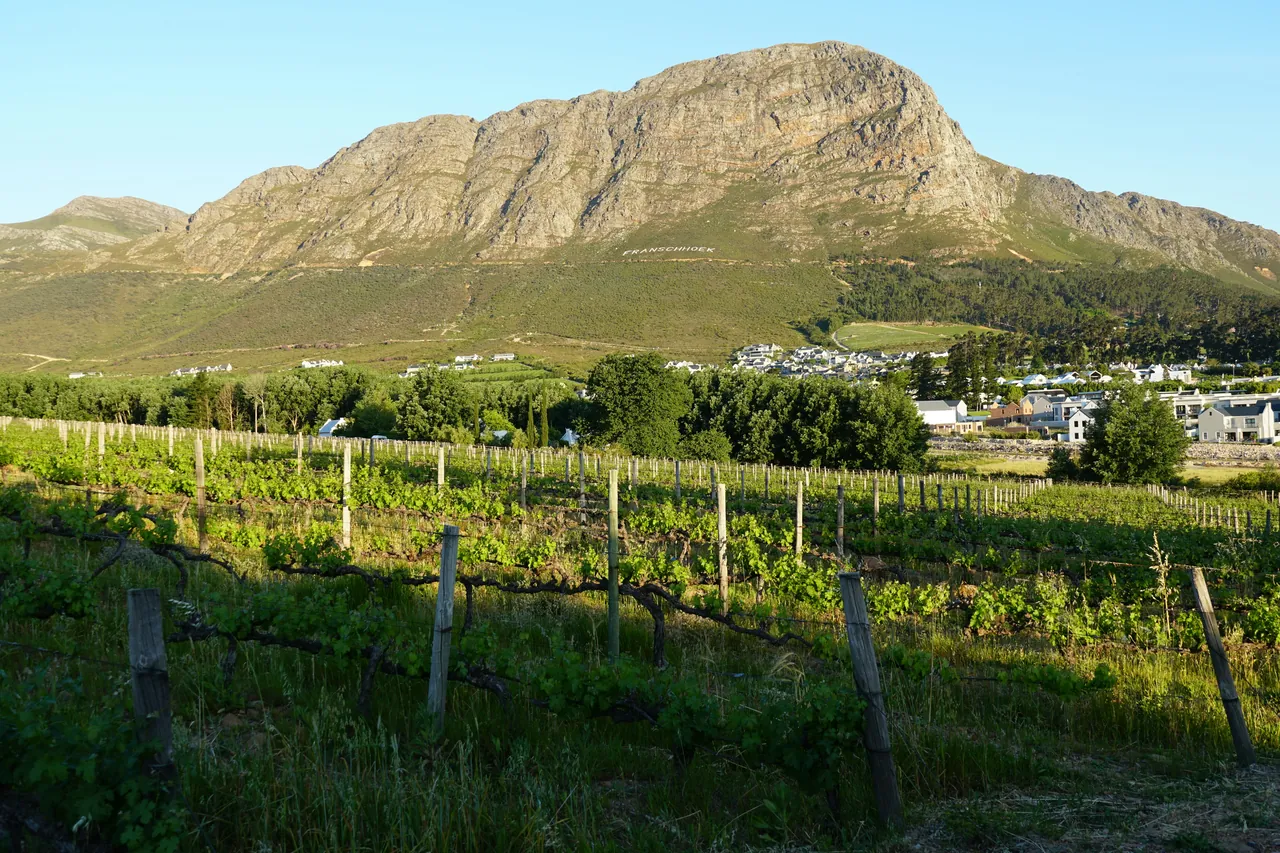
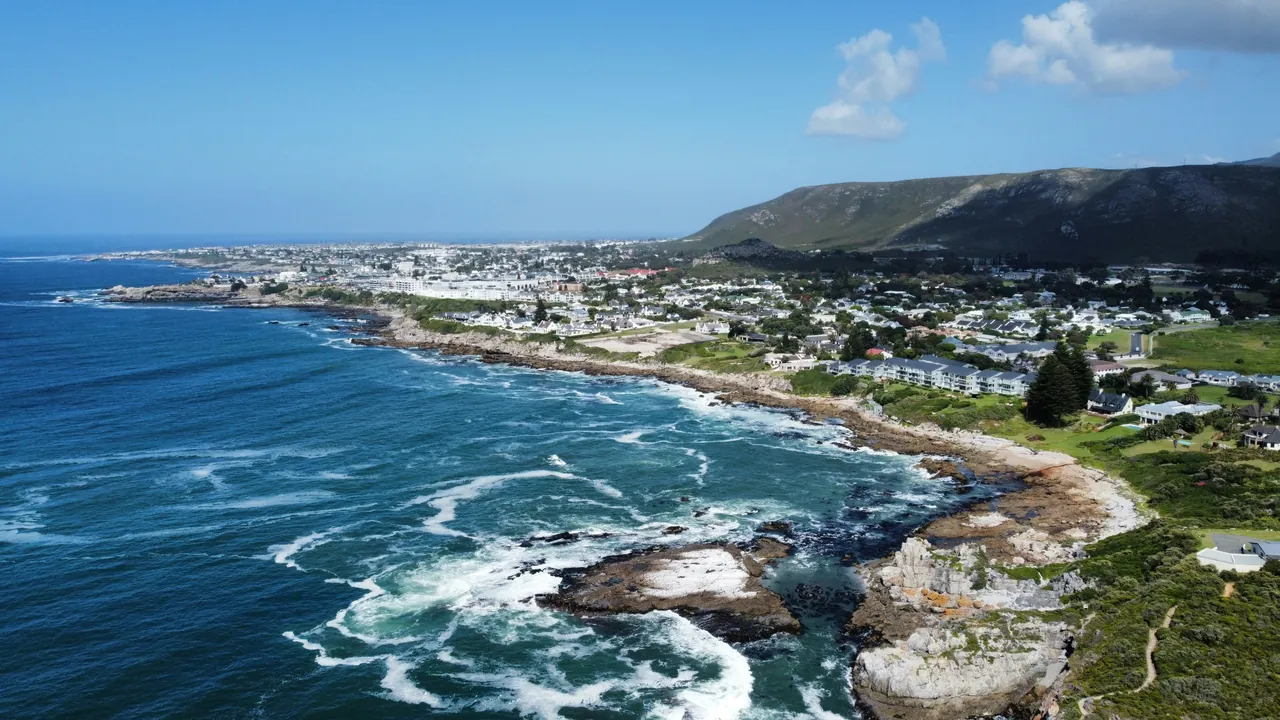
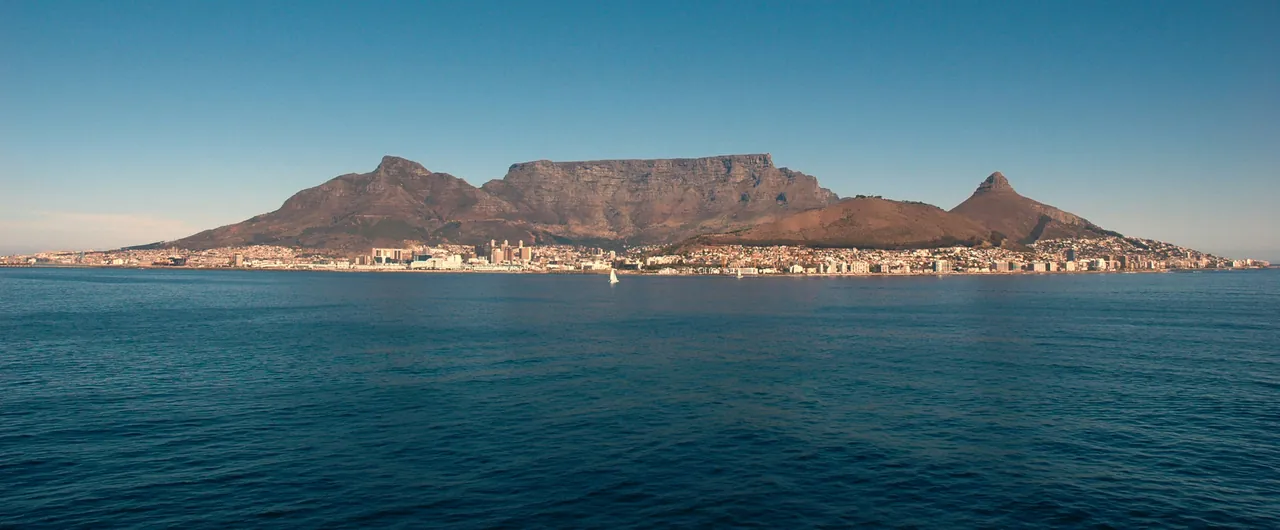
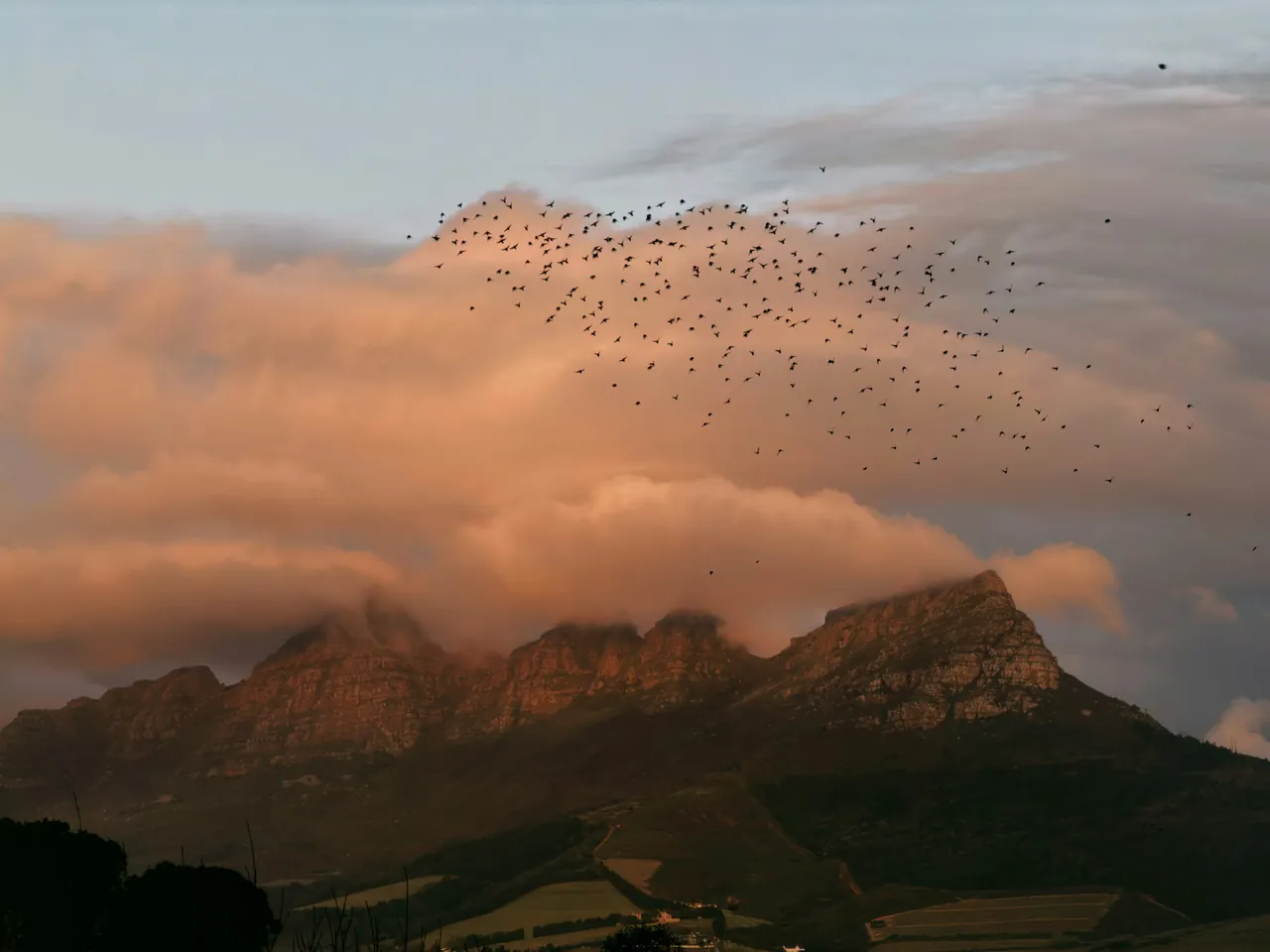
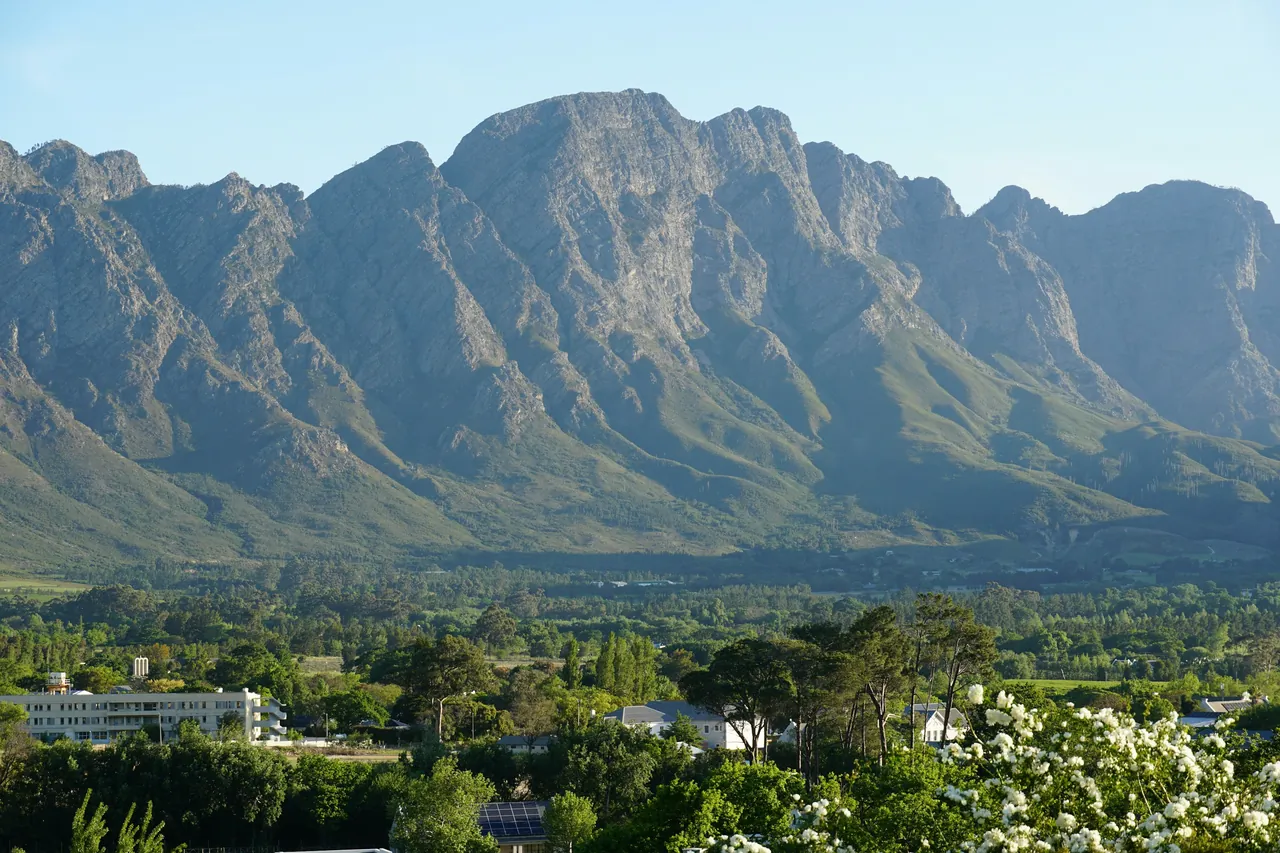
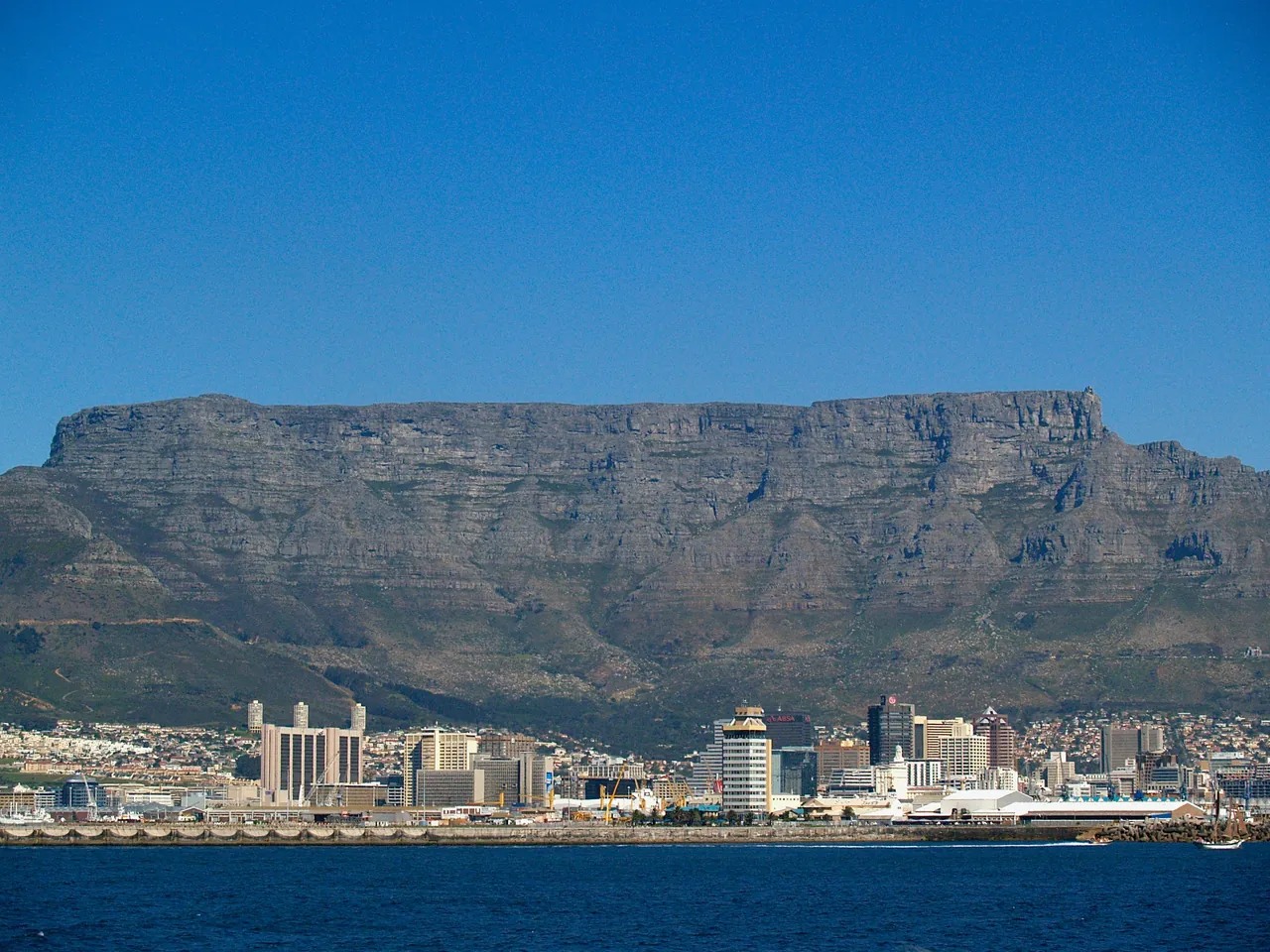
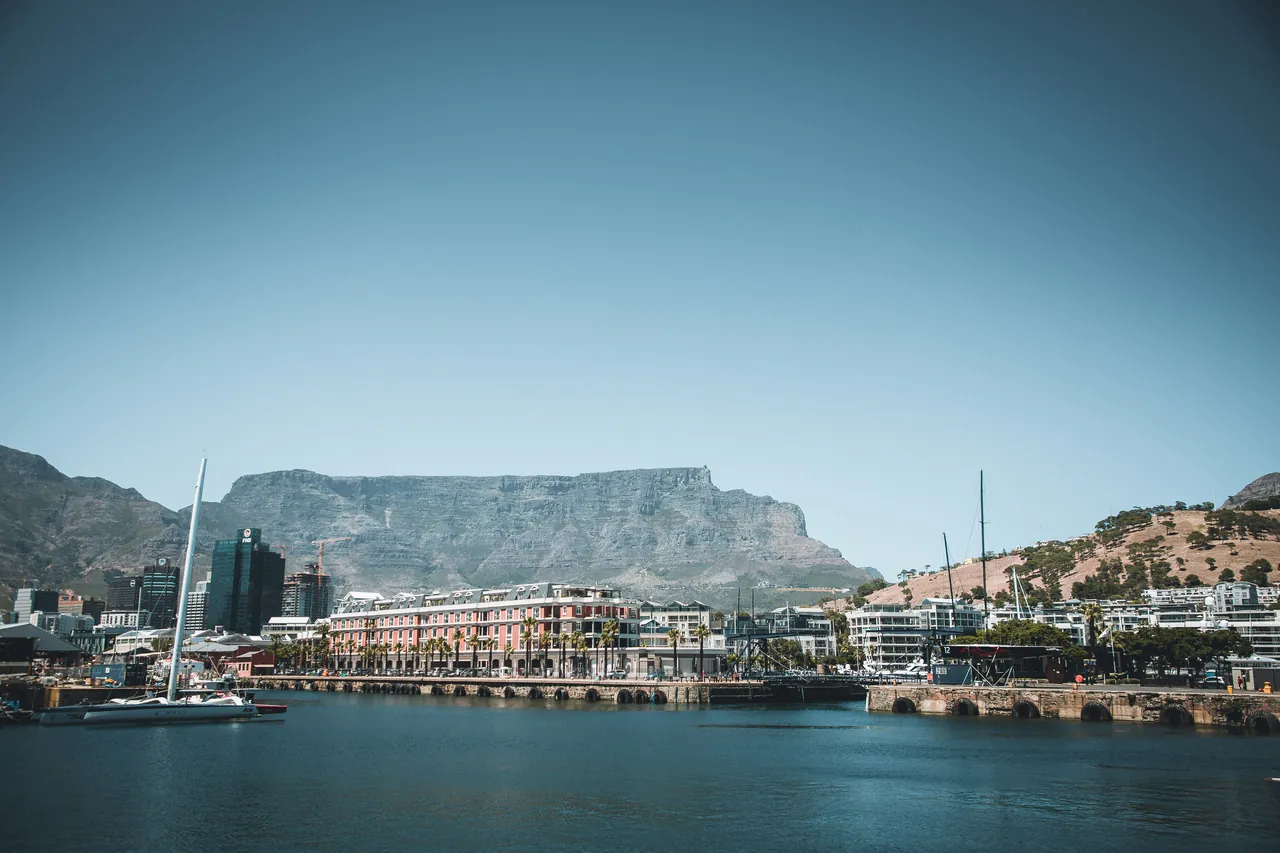
South Africa fits a great deal of variety into one country. Cape Town, Cape Point and Boulders Beach make an easy start, with the winelands of Stellenbosch and Franschhoek close by and Hermanus, Mossel Bay and Knysna along the coast. The Cederberg, Matjiesfontein and Kimberley show other sides of the country. For safari there is the Kruger National Park, the Sabi Sand and Thornybush reserves, and Tswalu. Zulu, Xhosa and Ndebele cultures add depth, and the country has eight World Heritage Sites. Summer runs from November to February.
Tanzania
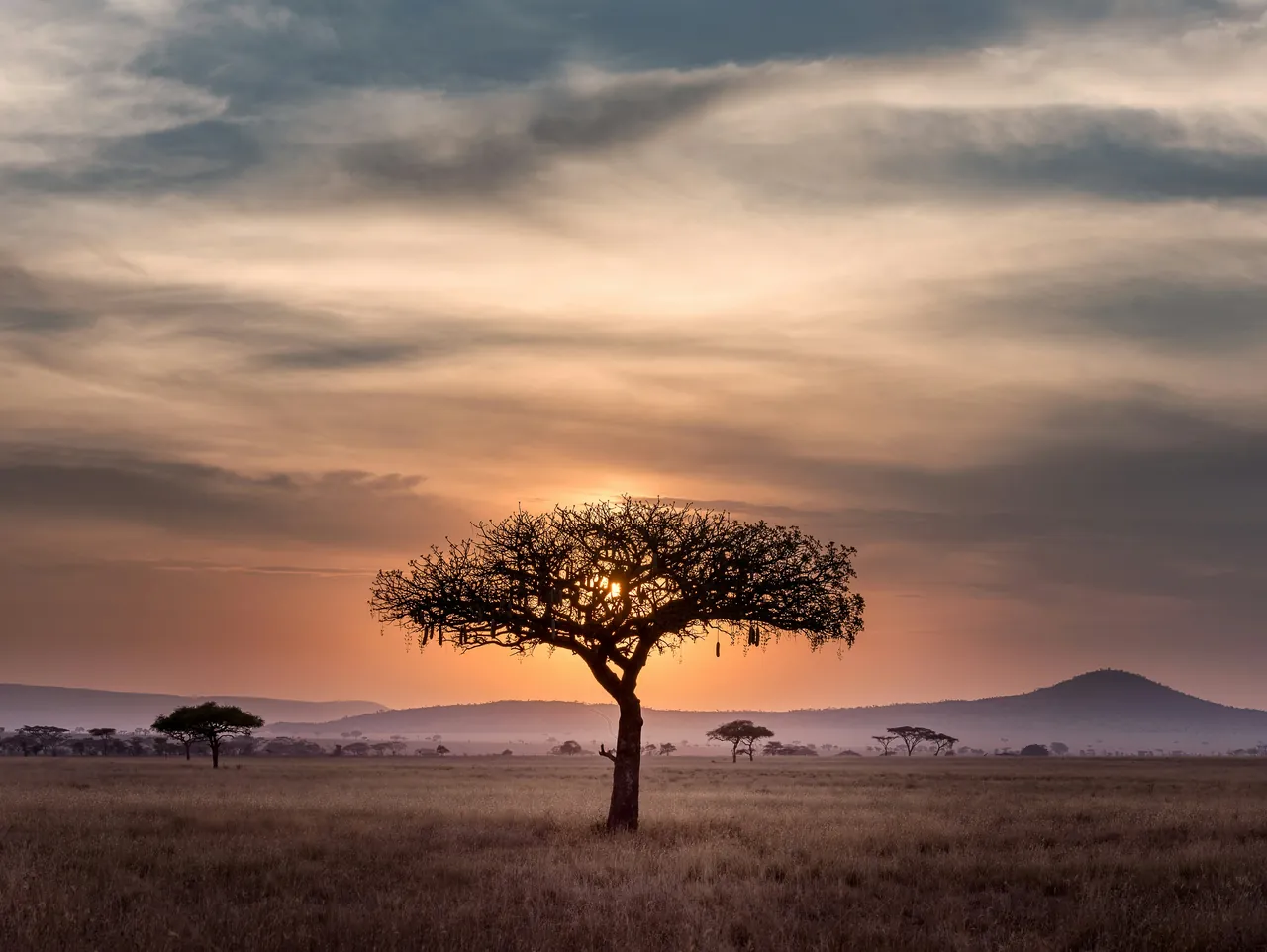
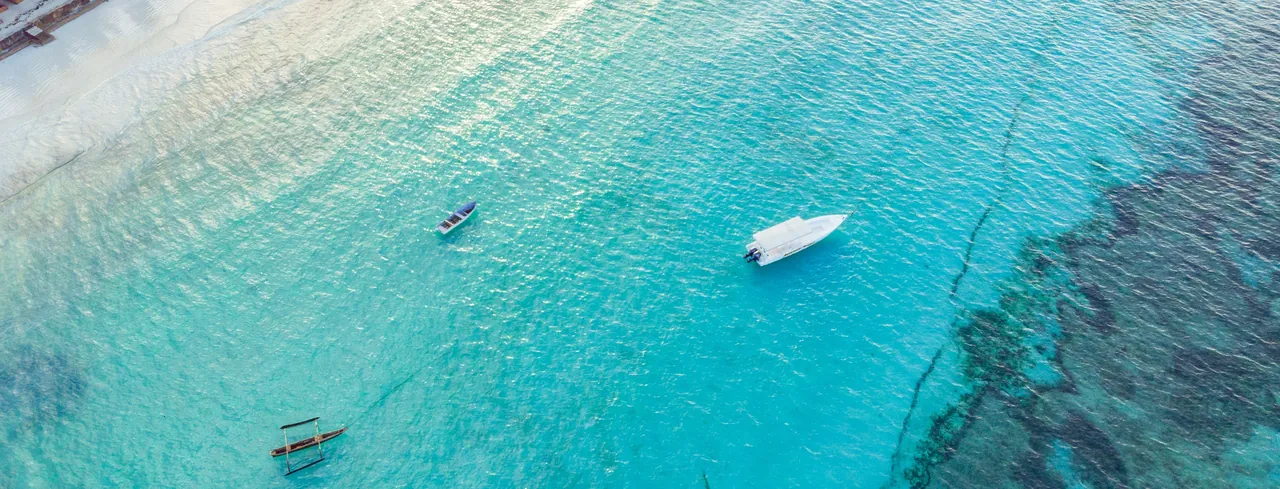
Tanzania holds some of the most celebrated safari country in Africa. The Serengeti and the Grumeti reserves, the Ngorongoro Crater, Tarangire, Lake Manyara and Arusha National Park are the names most people know, with Arusha and Karatu as bases, and Ruaha offers a different kind of country. Kilimanjaro is there for those who want to climb. On the coast, Zanzibar City, Bagamoyo, Kilwa Kisiwani and the reefs around Mafia Island and Chole Bay make a natural end to a journey.
Tunisia
Tunisia changes a good deal from north to south. The north and the east coast have a Mediterranean climate, the interior and the south are semi-arid, and there is sunshine for almost the whole year. Tunis, La Goulette and Gammarth make a good base for the capital, Hammamet and Sousse are on the coast, and Kairouan adds an older, religious city. On Djerba, the Djerbahood project of 2014 turned a village into a canvas for street artists. Tunisian artists, calligraphers and cooks are a big part of what makes a visit rewarding.
Uganda
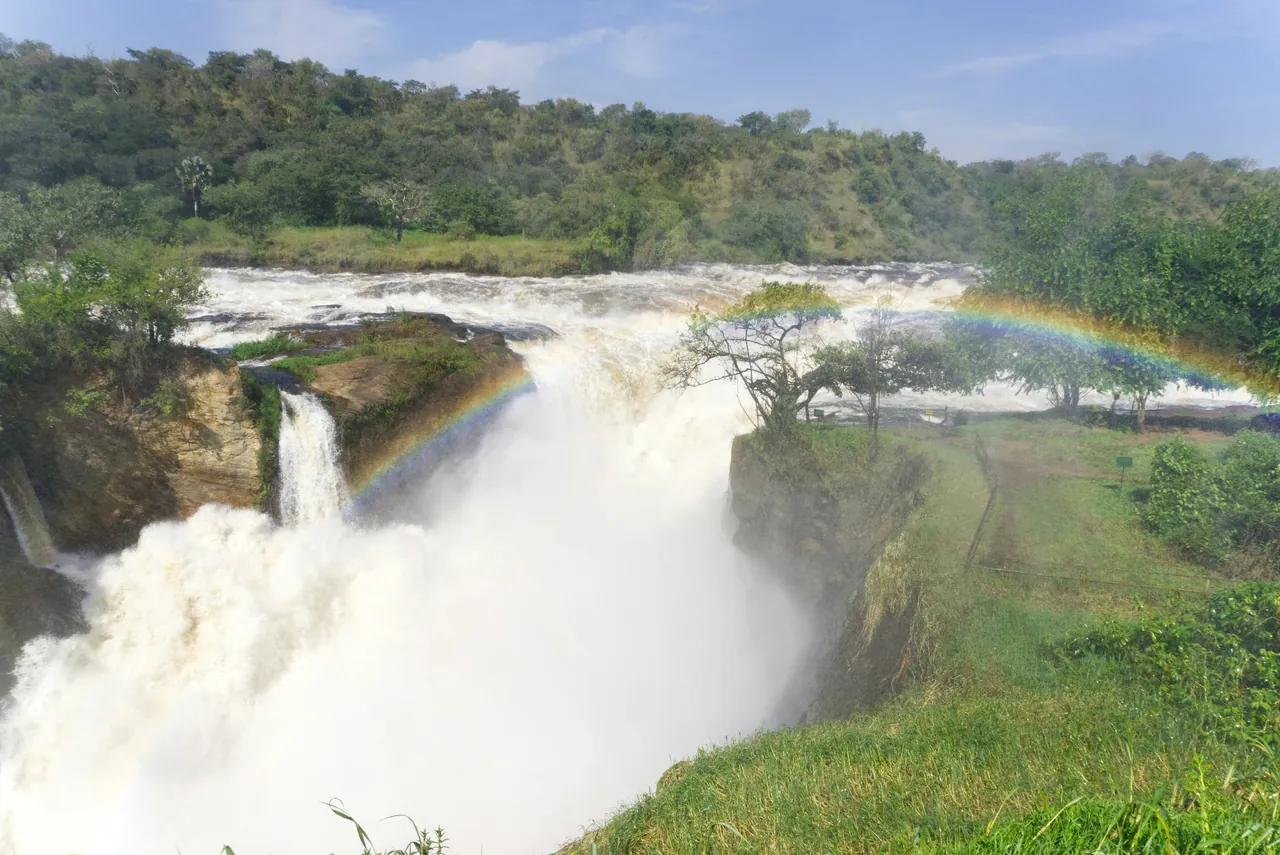
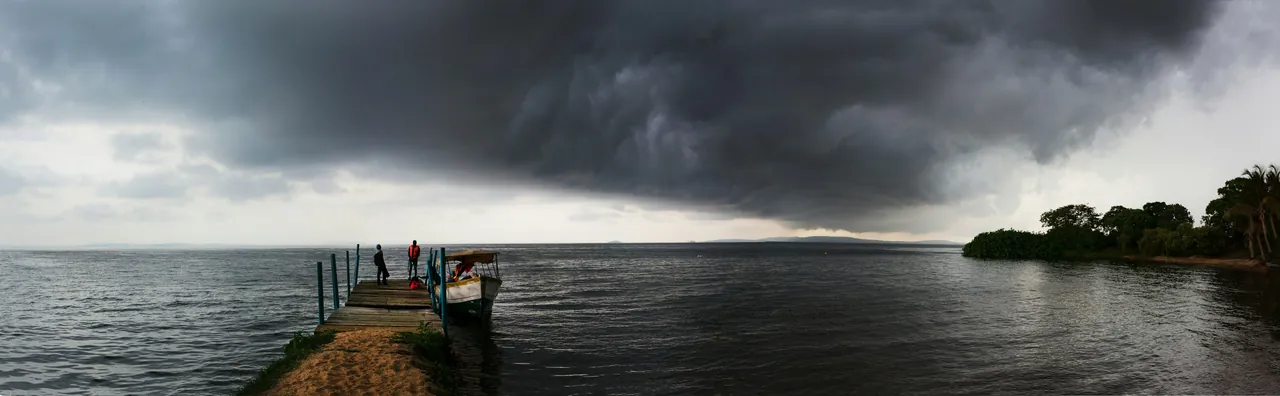
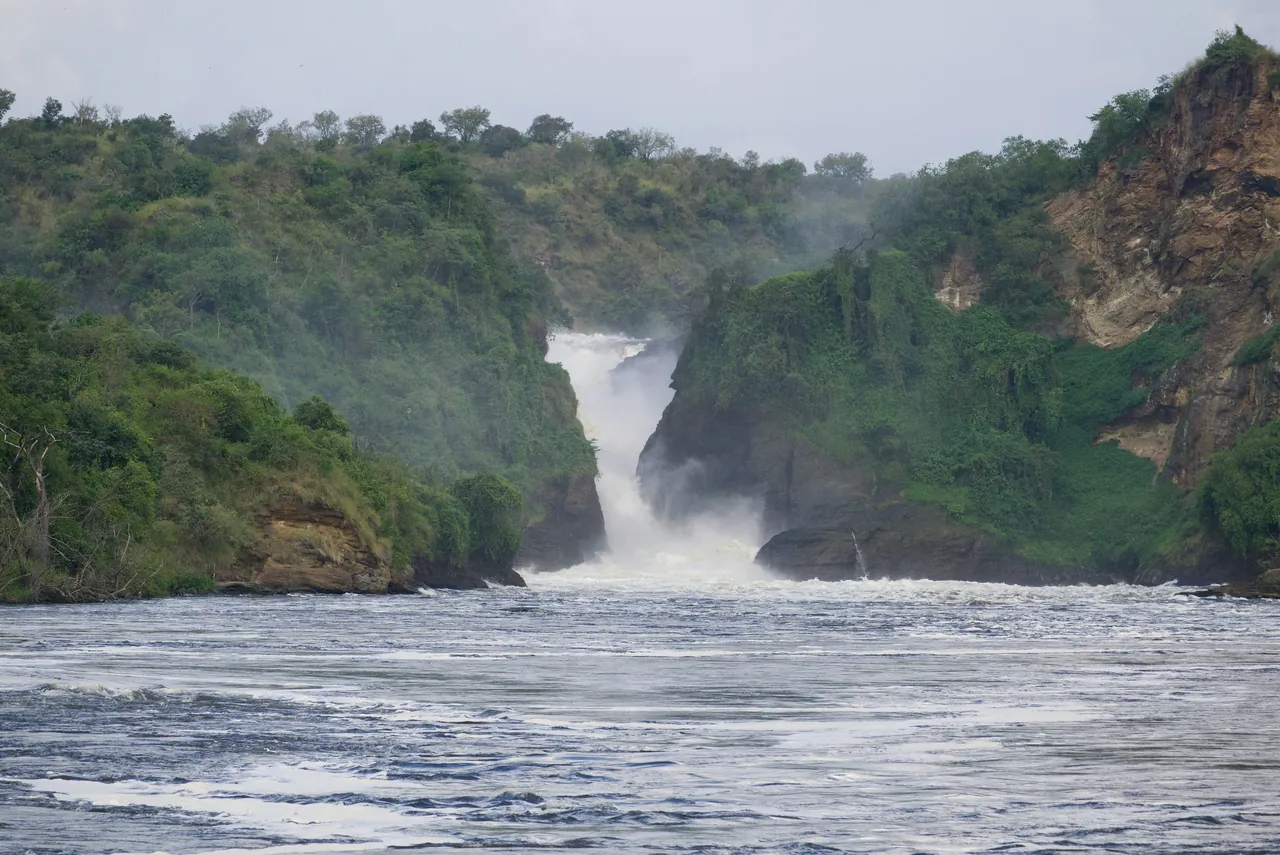
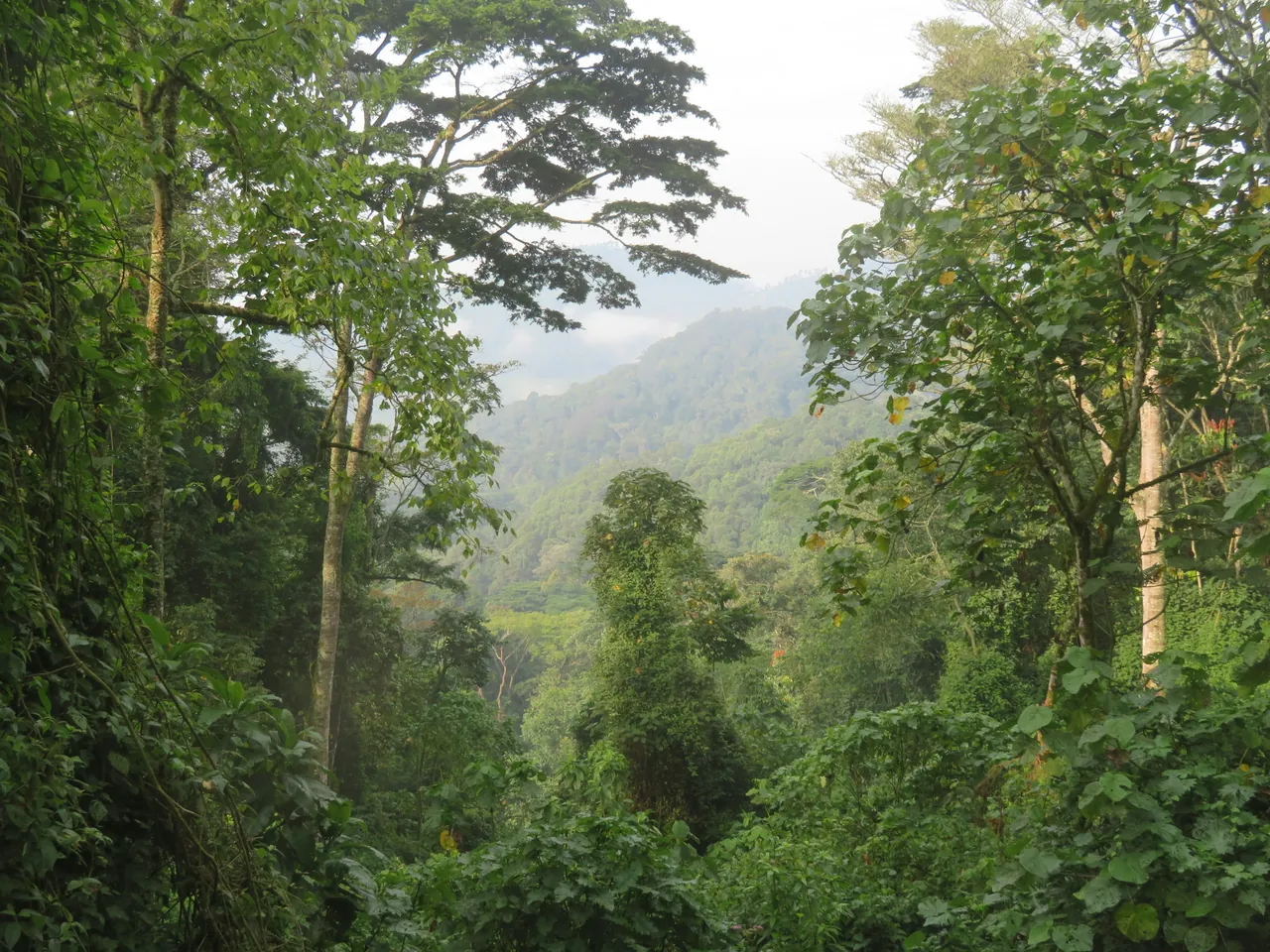
Uganda is compact but very varied. Mountain gorillas live in Bwindi Impenetrable National Park, and Queen Elizabeth National Park and Murchison Falls add the wider wildlife of the country, lions among it. The Rwenzori peaks in the west give serious walkers a real challenge, and Fort Portal and Mbarara open up the west of the country. Entebbe and Kampala are the usual arrival points. Ugandans are known for their warmth, and a few days here combine well with time in Rwanda.
Zambia
Best time: Apr to Oct
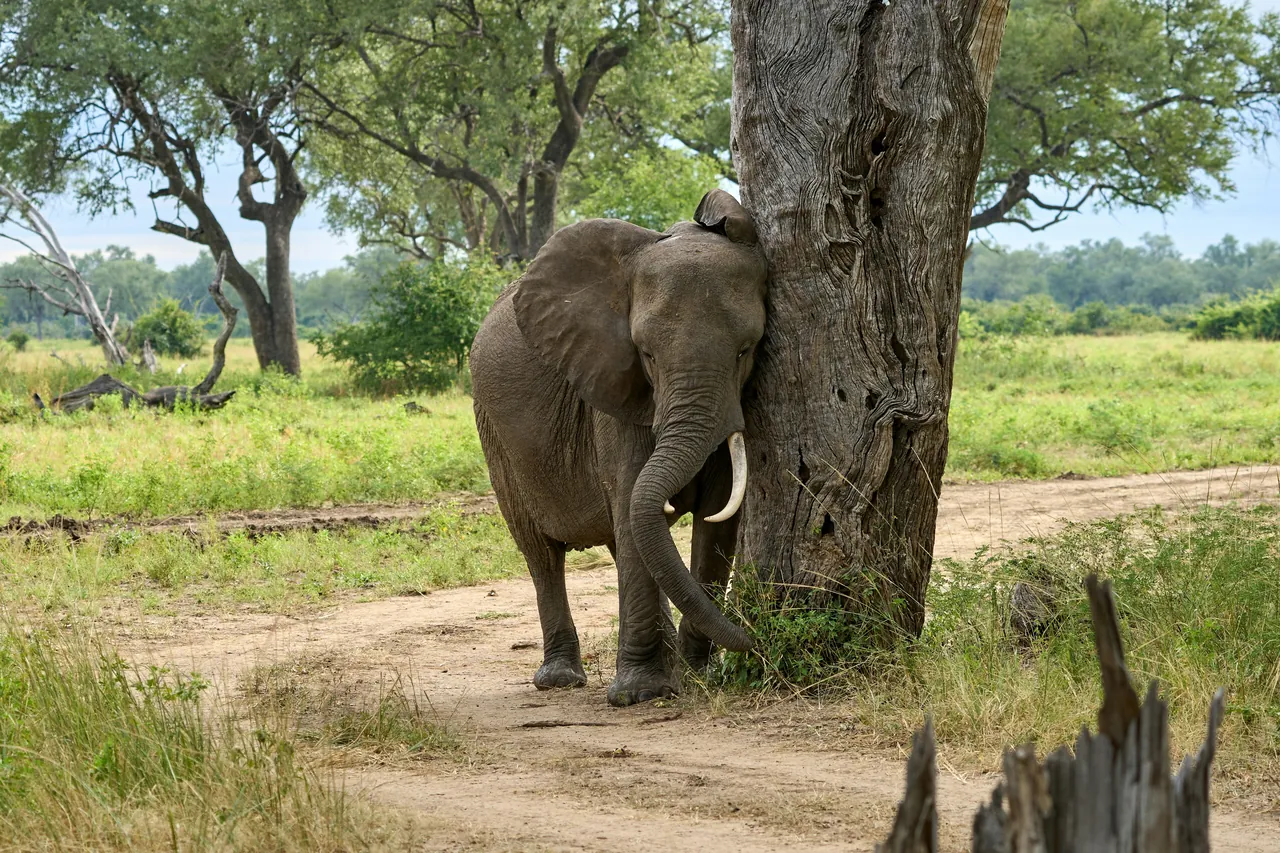
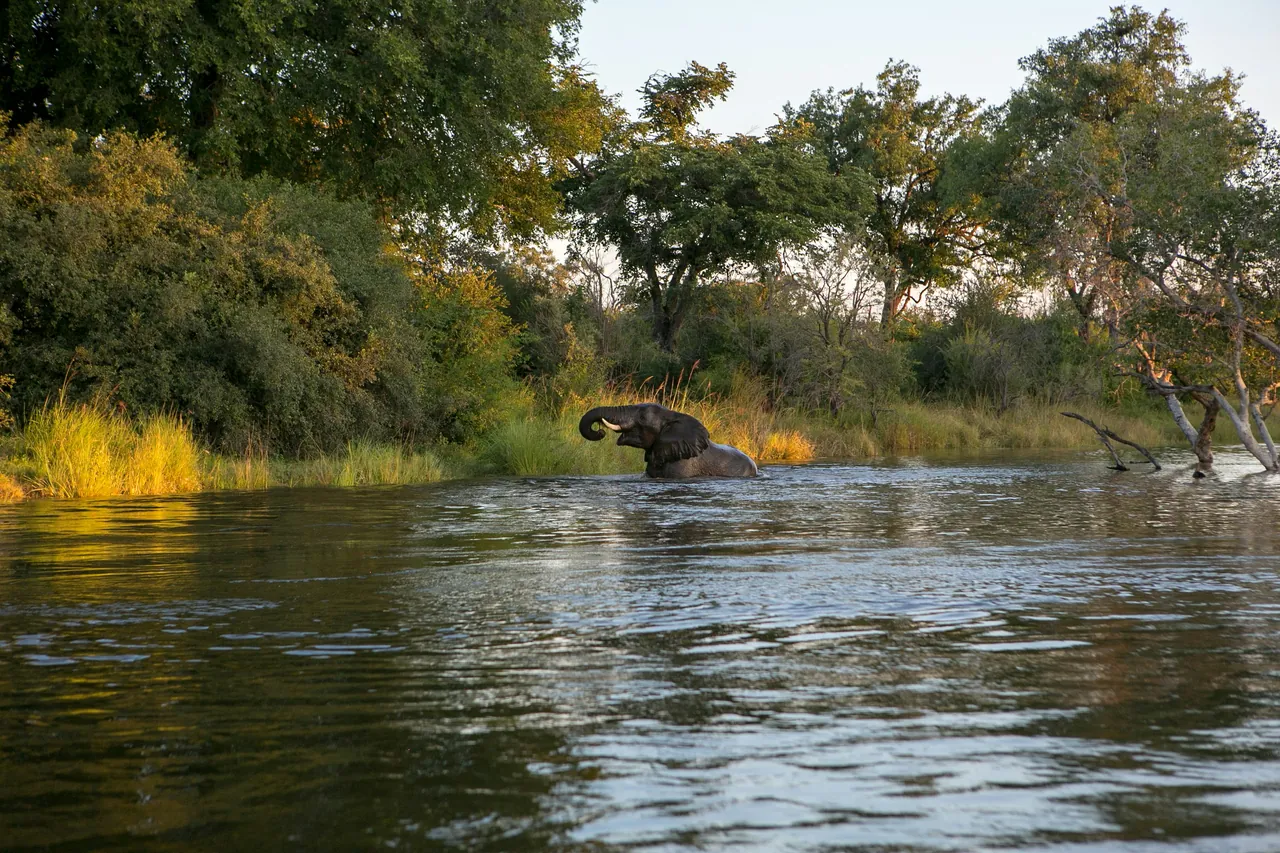
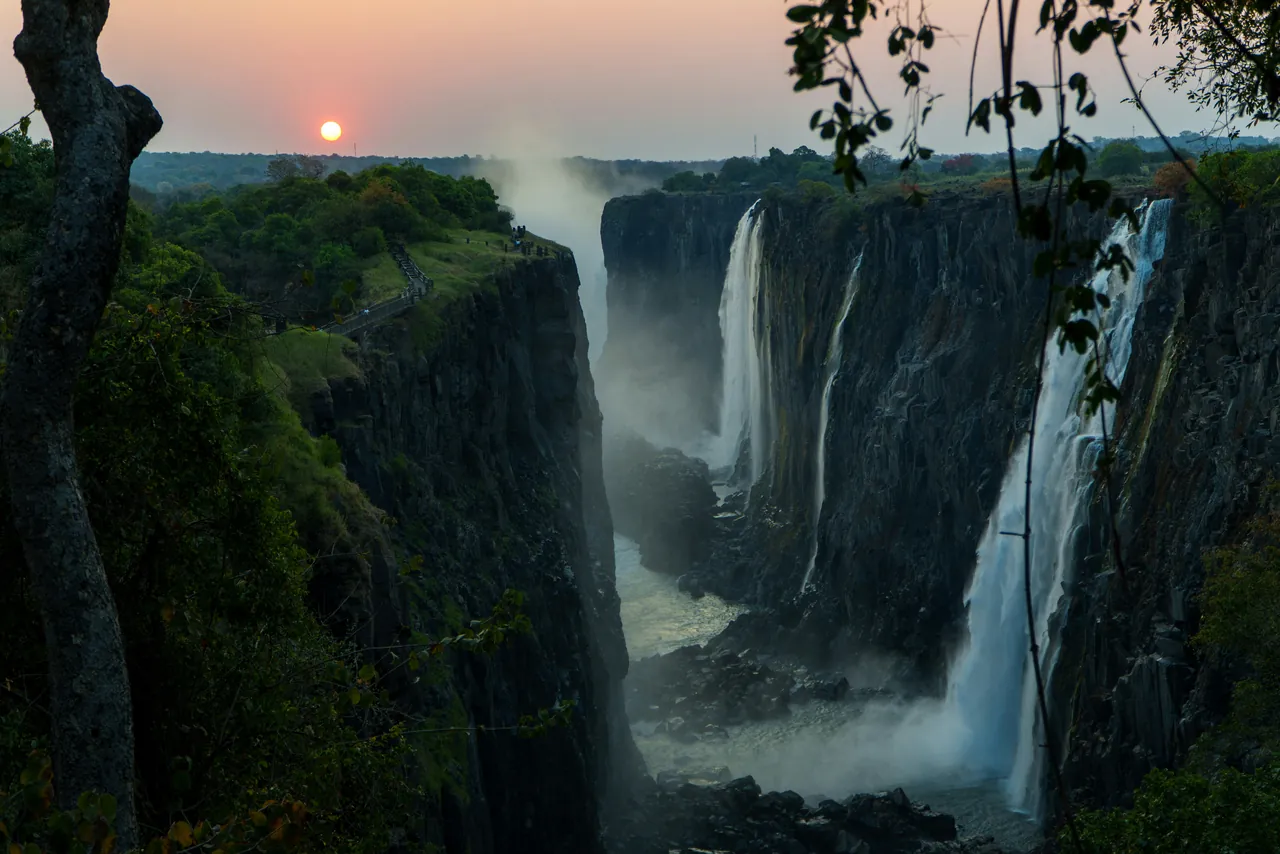
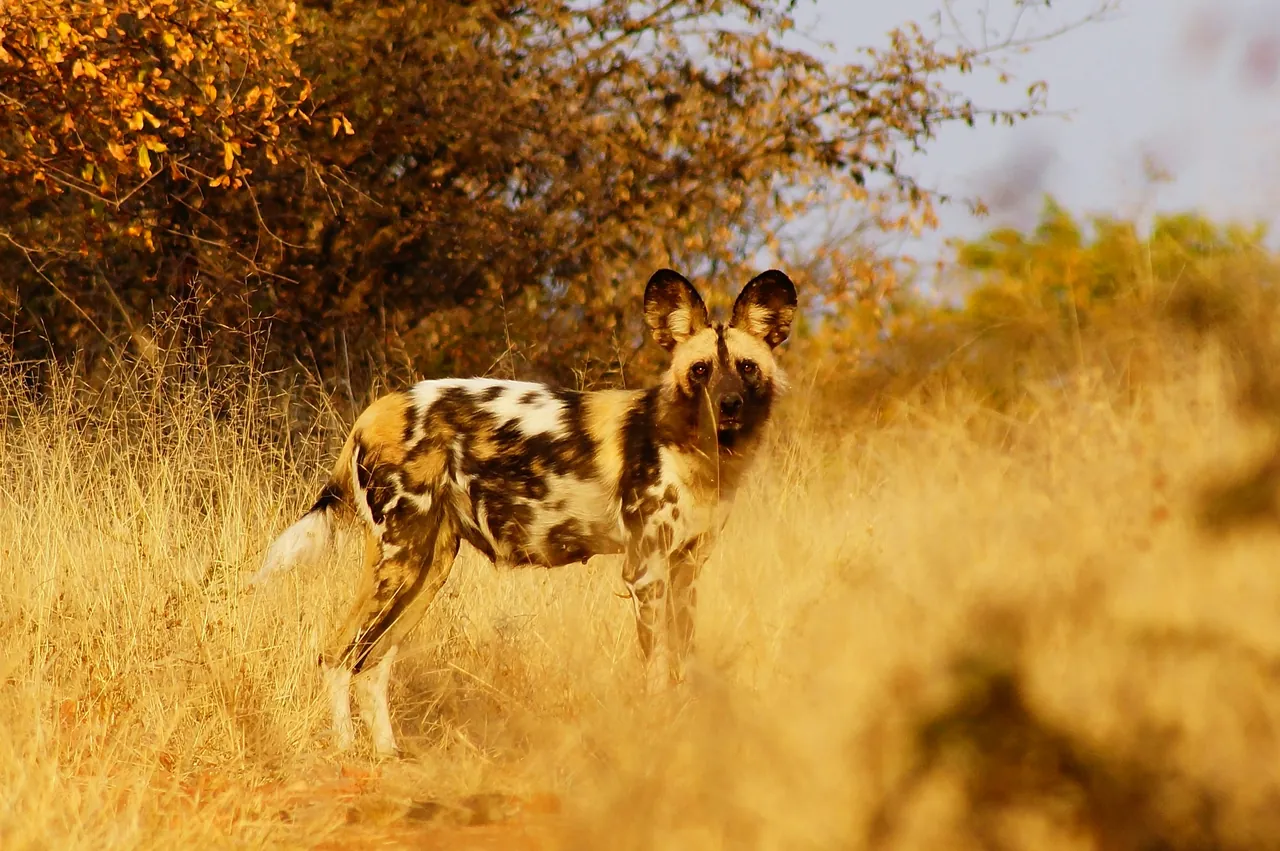
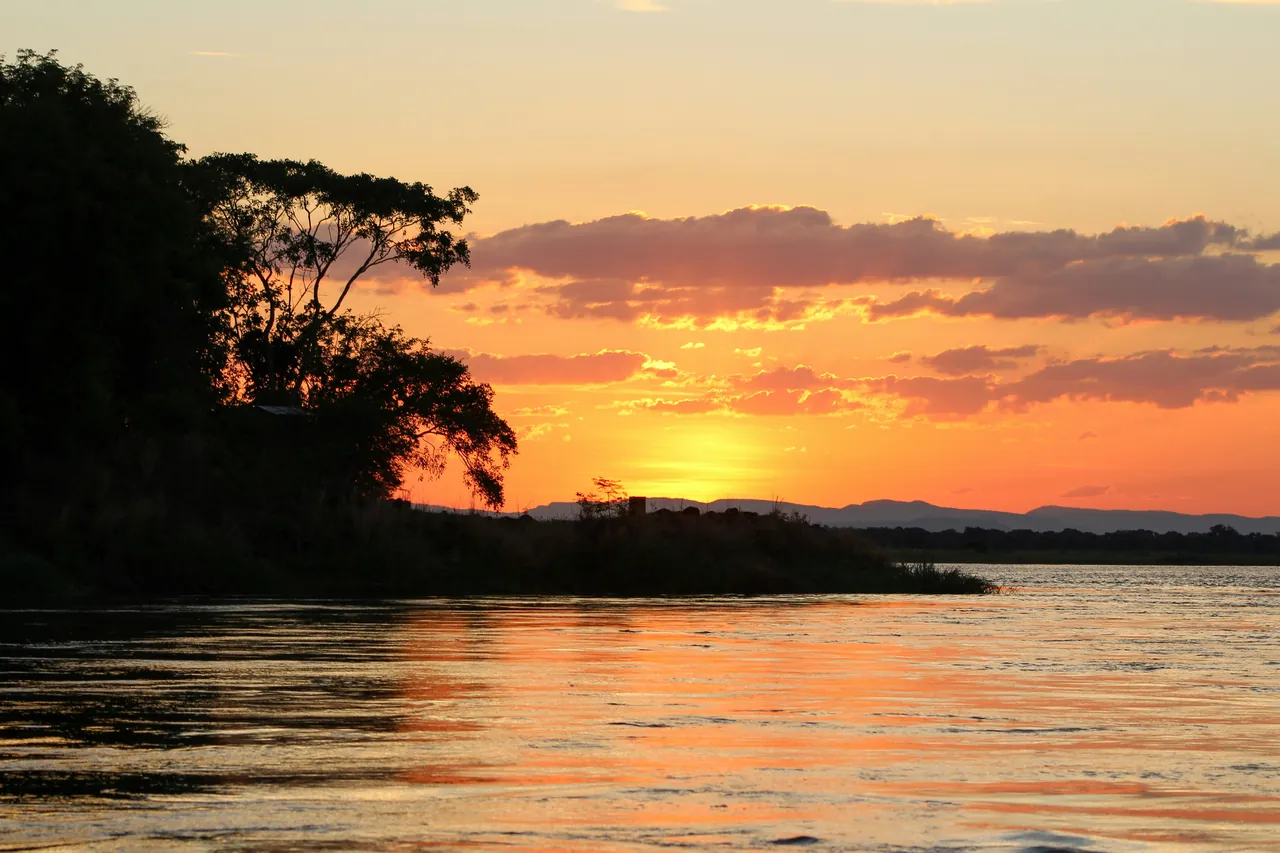
Zambia draws people for Victoria Falls and the town of Livingstone, and keeps them for its wildlife. South Luangwa, North Luangwa, the Lower Zambezi, Kafue and Kasanka are the main national parks, and the safaris here can be built around canoeing, birding or photography as well as game drives, with elephant, lion, leopard, wild dog and buffalo among the animals. The plateau keeps the climate milder than its latitude suggests. The rains fall between November and March, when some roads and rivers become impassable, and the dry months that follow are the time for game viewing.
Zimbabwe
Best time: Dry season for game; Nov to Apr for birds
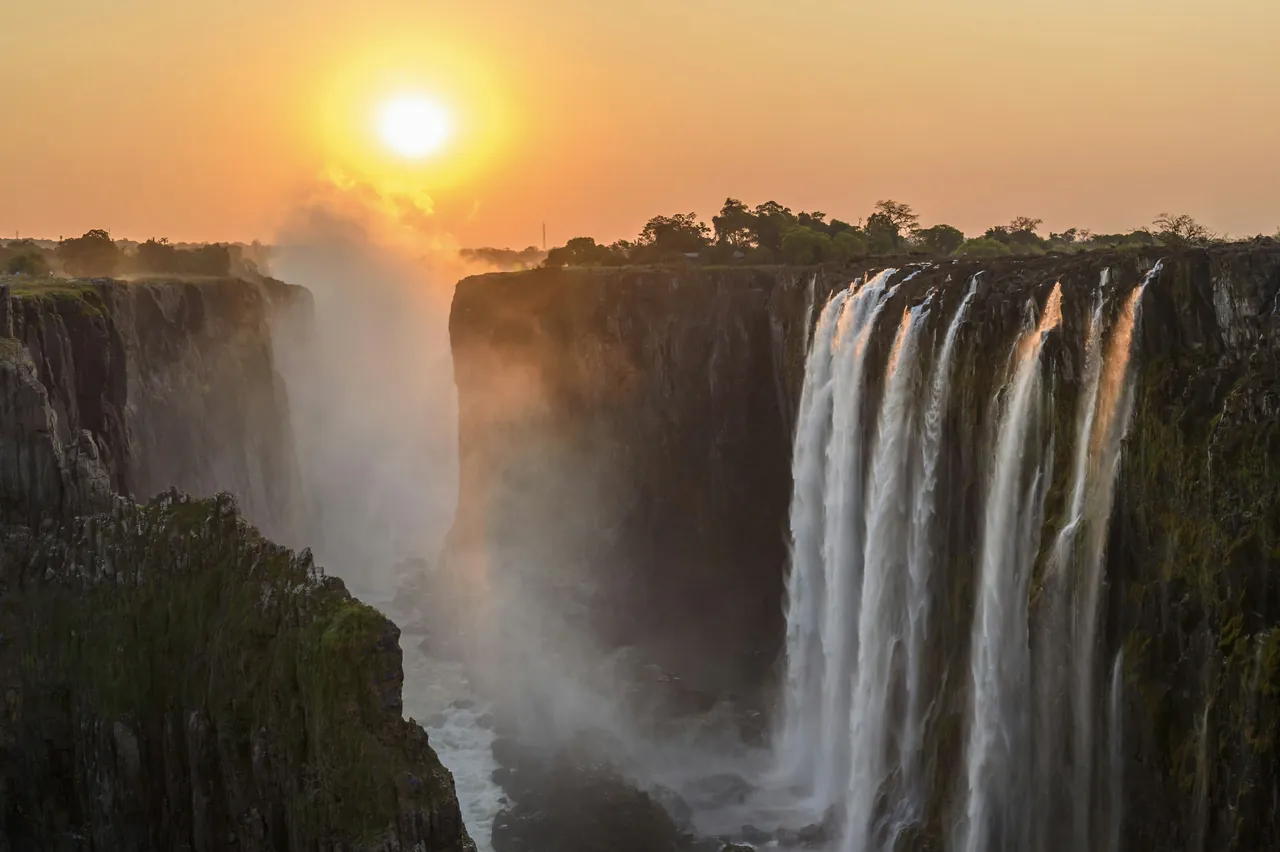
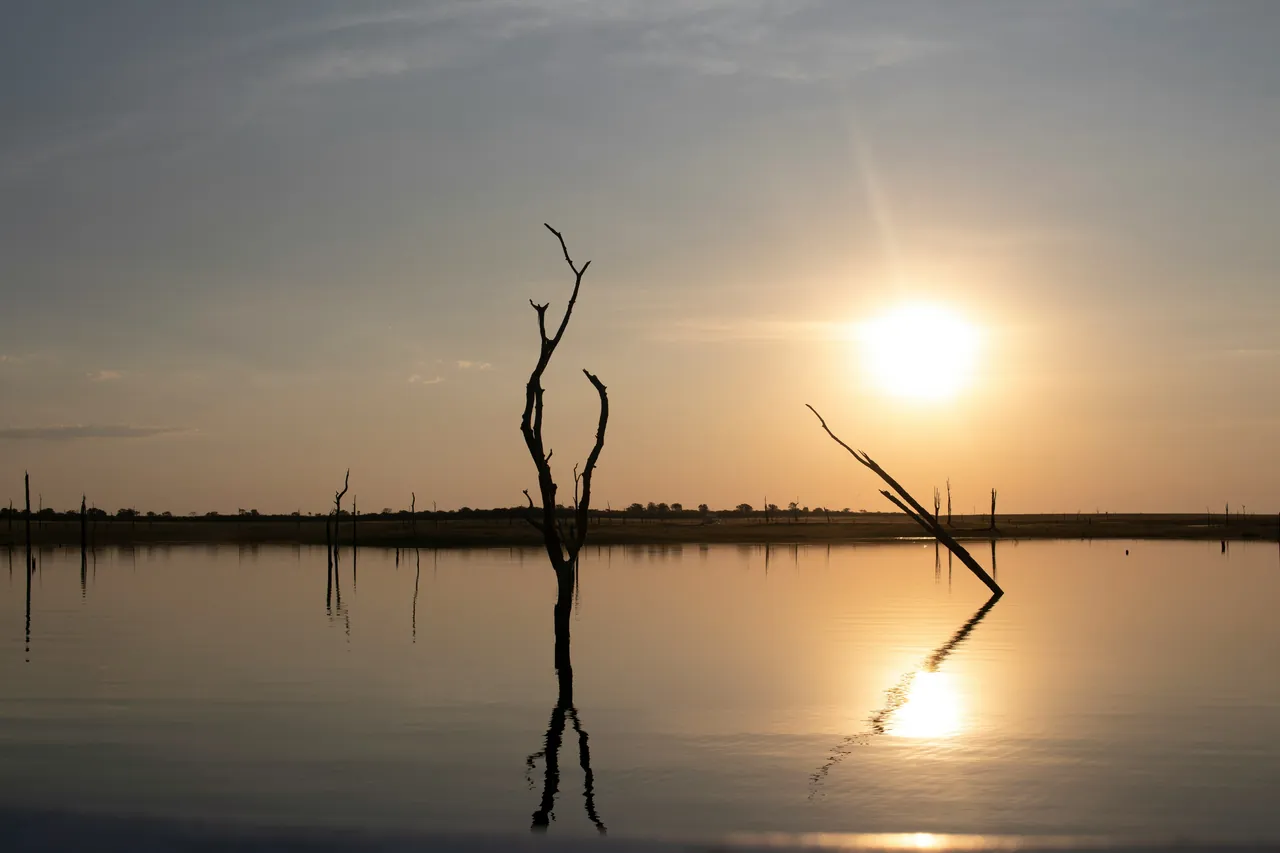
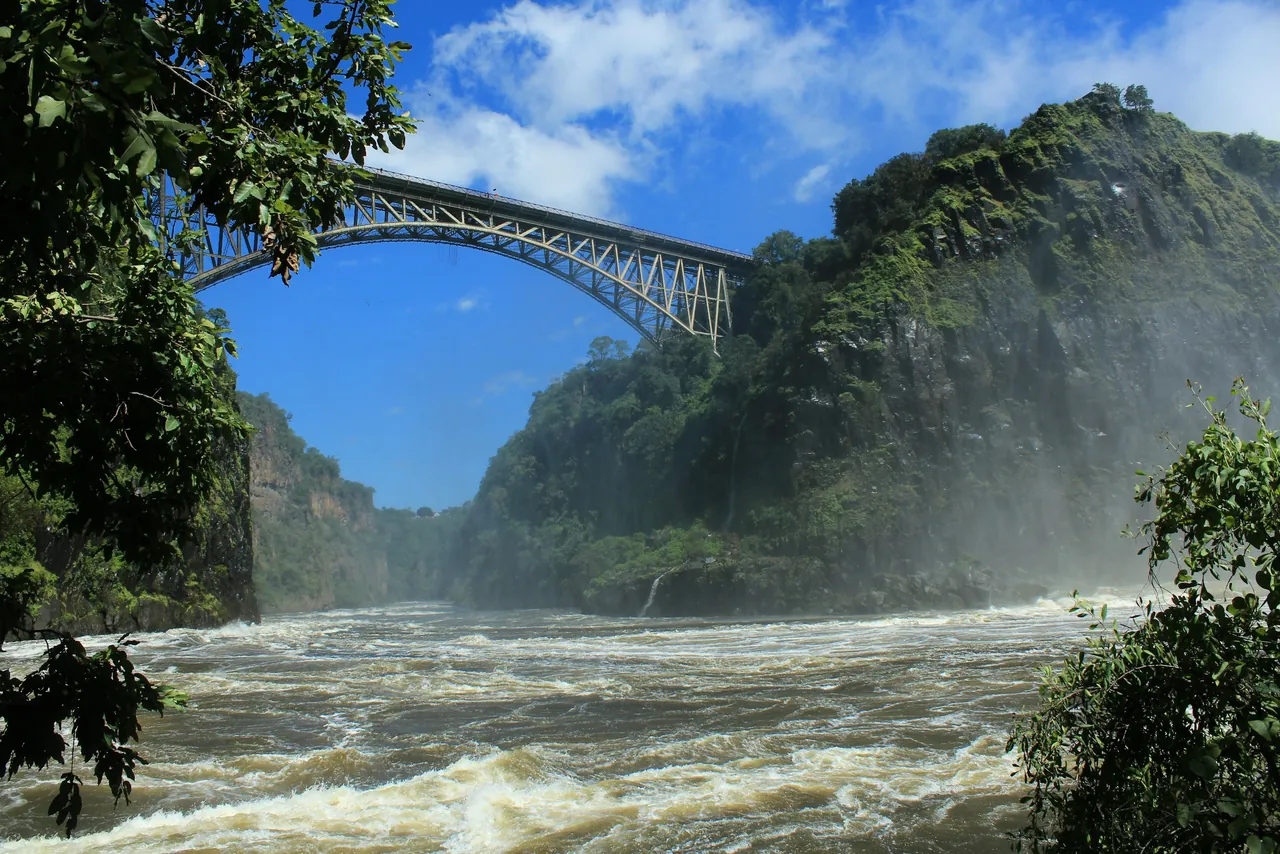
Zimbabwe sits on a high plateau with plenty of sunshine through the year. Victoria Falls, the Smoke that Thunders, is the largest single curtain of falling water in the world, and much of the view is from the Zimbabwe side, through a rainforest fed by its spray. Hwange, the largest national park, is known for the elephants that gather at its waterholes in the dry season. Mana Pools, Matobo, Malilangwe and Lake Kariba add further range, and Great Zimbabwe and the Eastern Highlands bring history and cooler hills. Birdlife peaks from November to April.