Belize
Best time: Dec to Apr
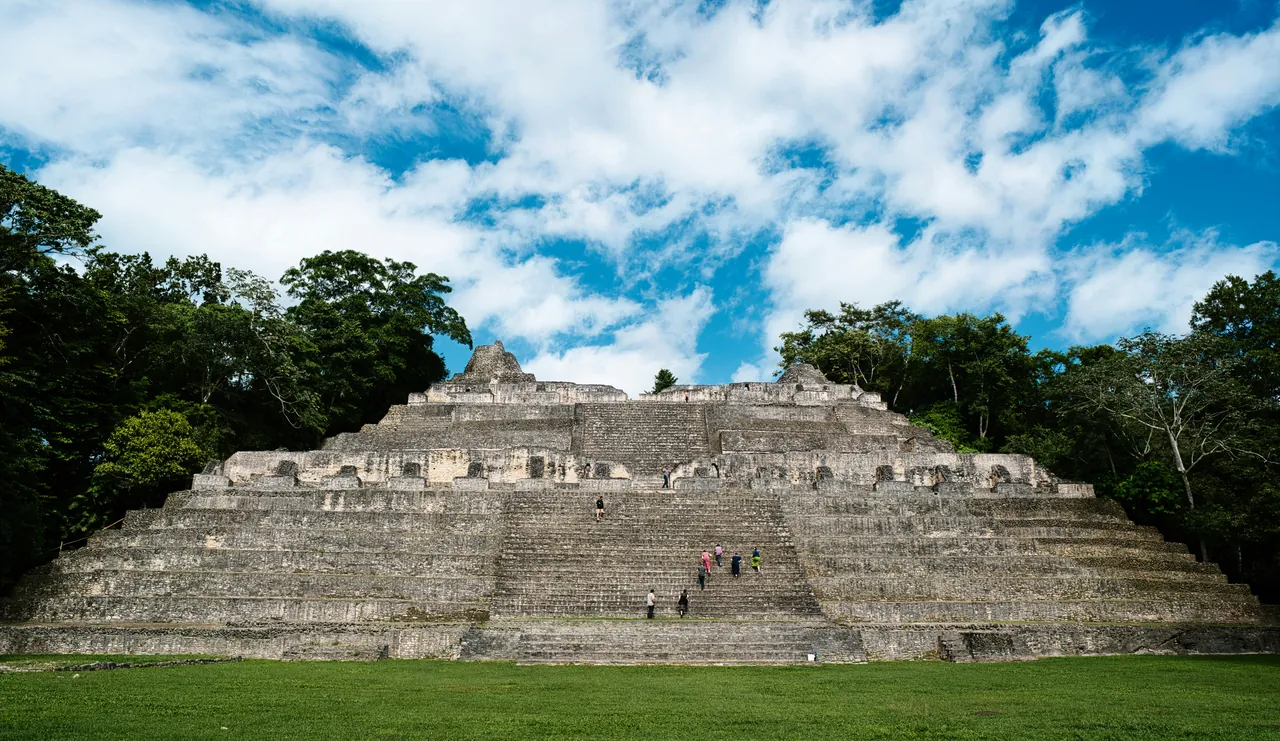
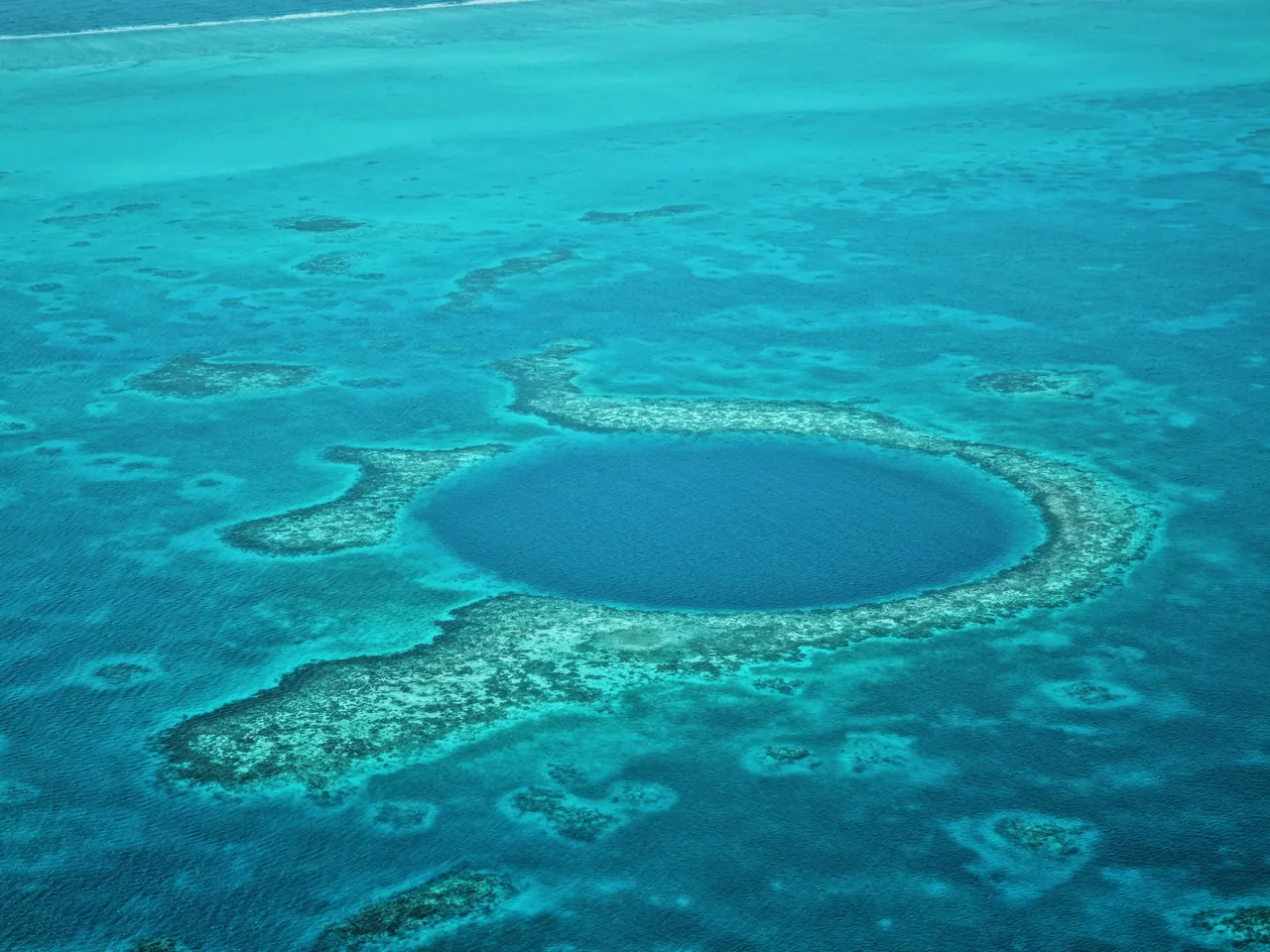
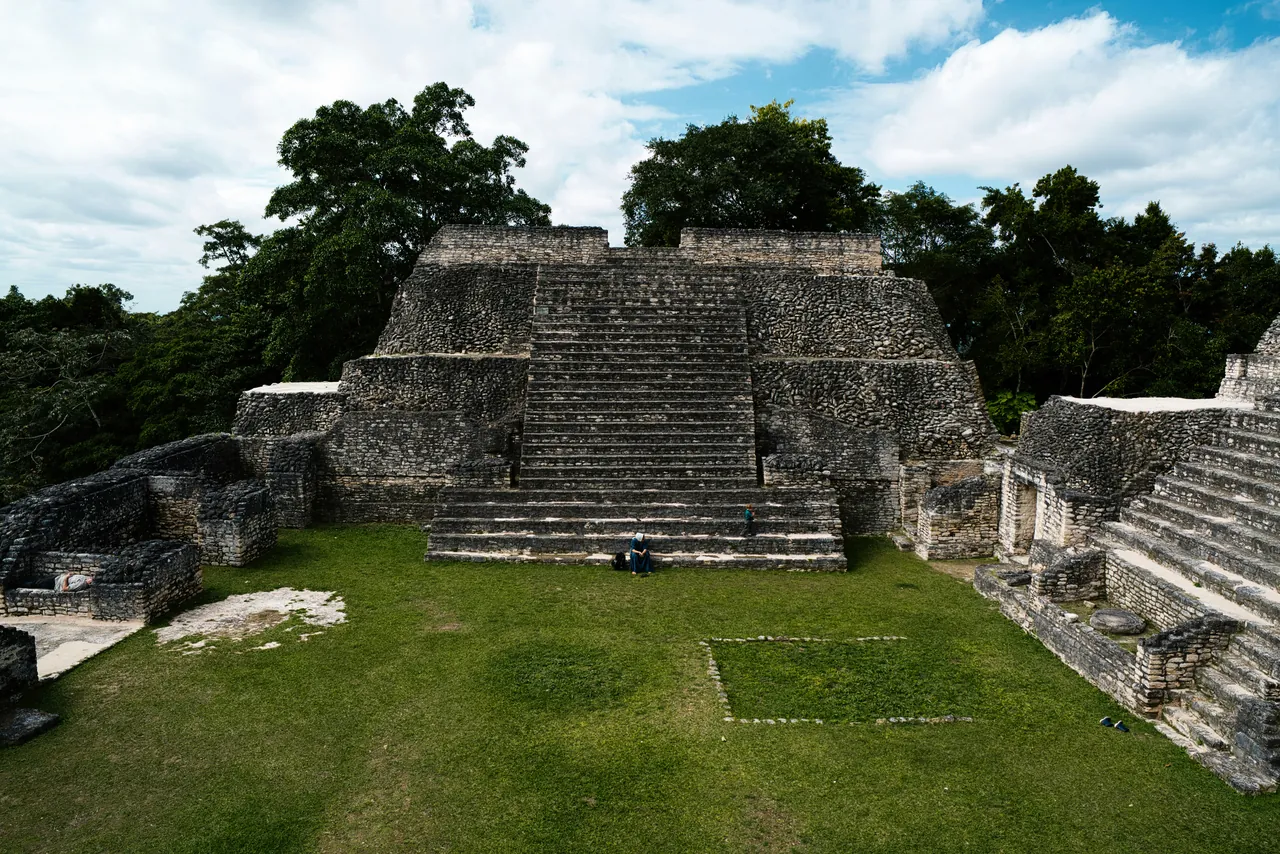
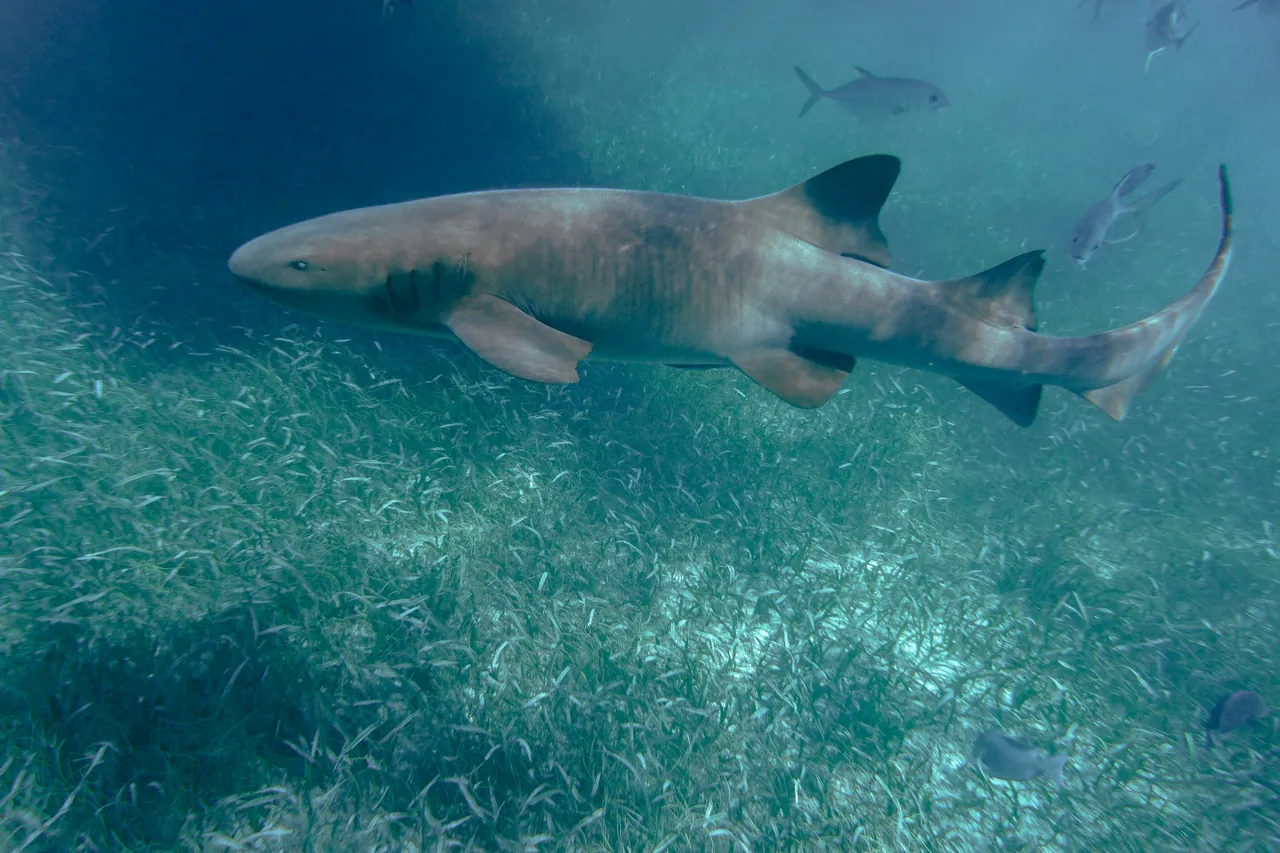
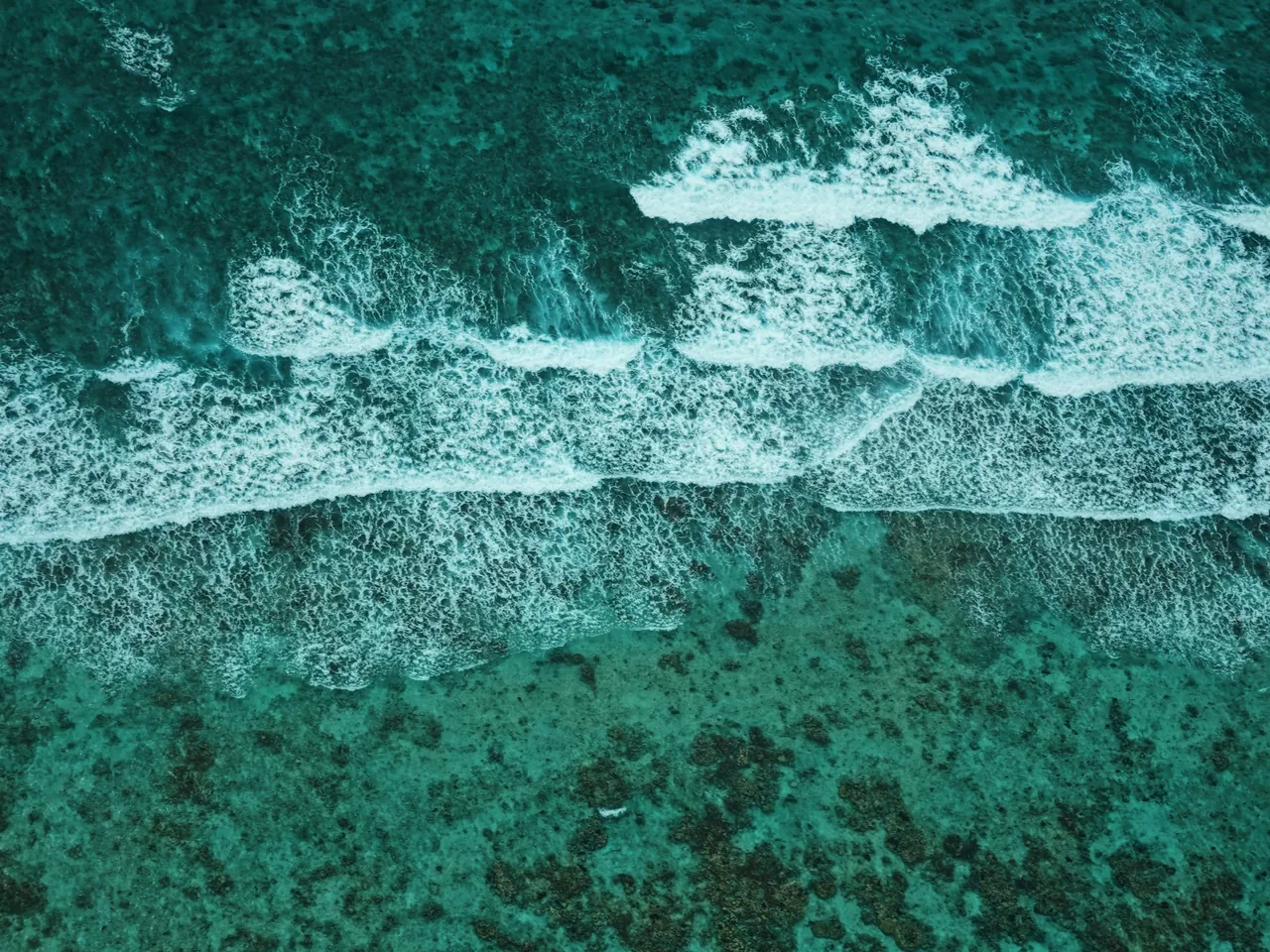
Belize is small, English speaking and wild at both ends. Offshore runs the Belize Barrier Reef, second in size only to the Great Barrier Reef, with more than 400 cayes, among them Ambergris Caye and Caye Caulker, and the Great Blue Hole for divers. Inland, the Cayo District has rainforest, the largest cave system in Central America and Maya cities such as Caracol, while Lamanai and Lubaantun lie further afield. More than 500 bird species, jaguars and tapirs share the land with Maya, Garifuna, Kriol and Mestizo communities. Most trips split time between jungle and reef.
Costa Rica
Best time: Dec to Apr
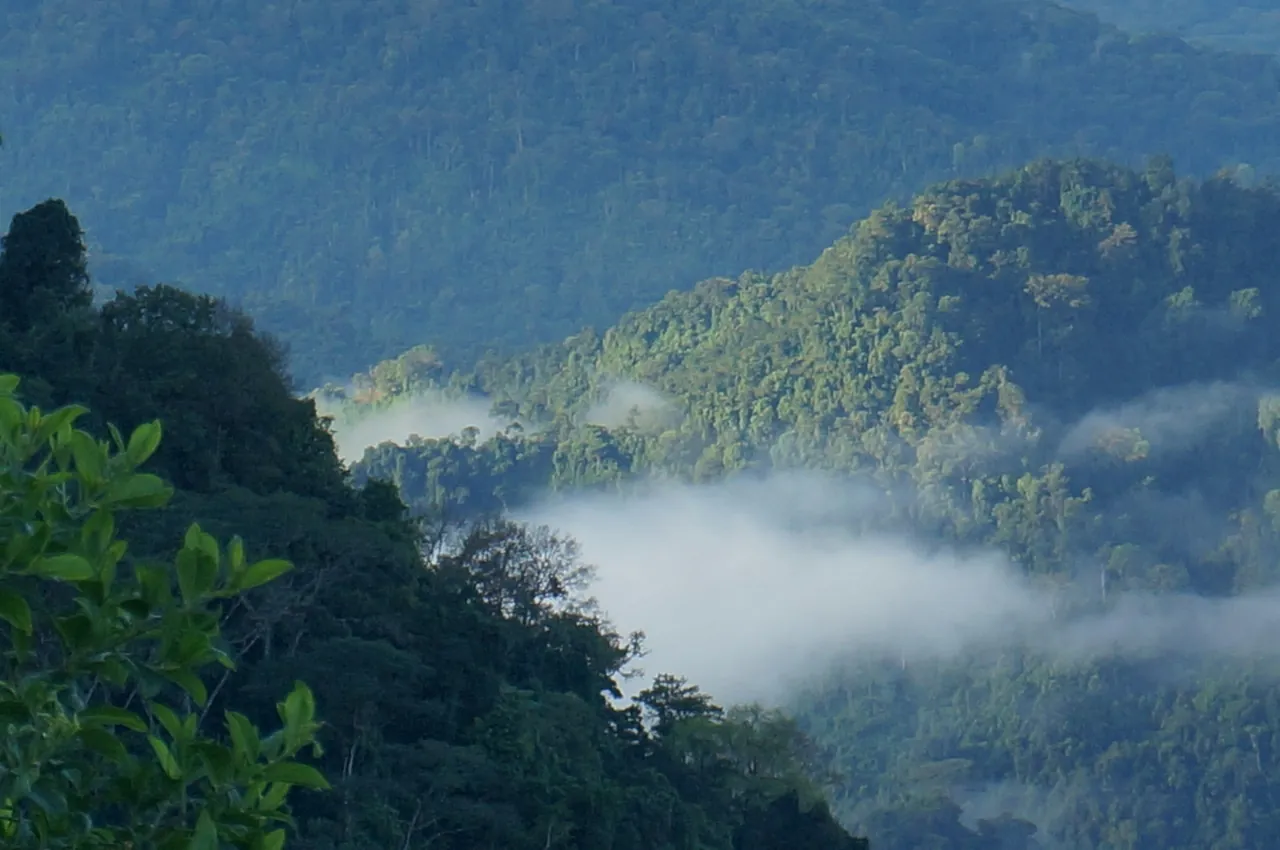
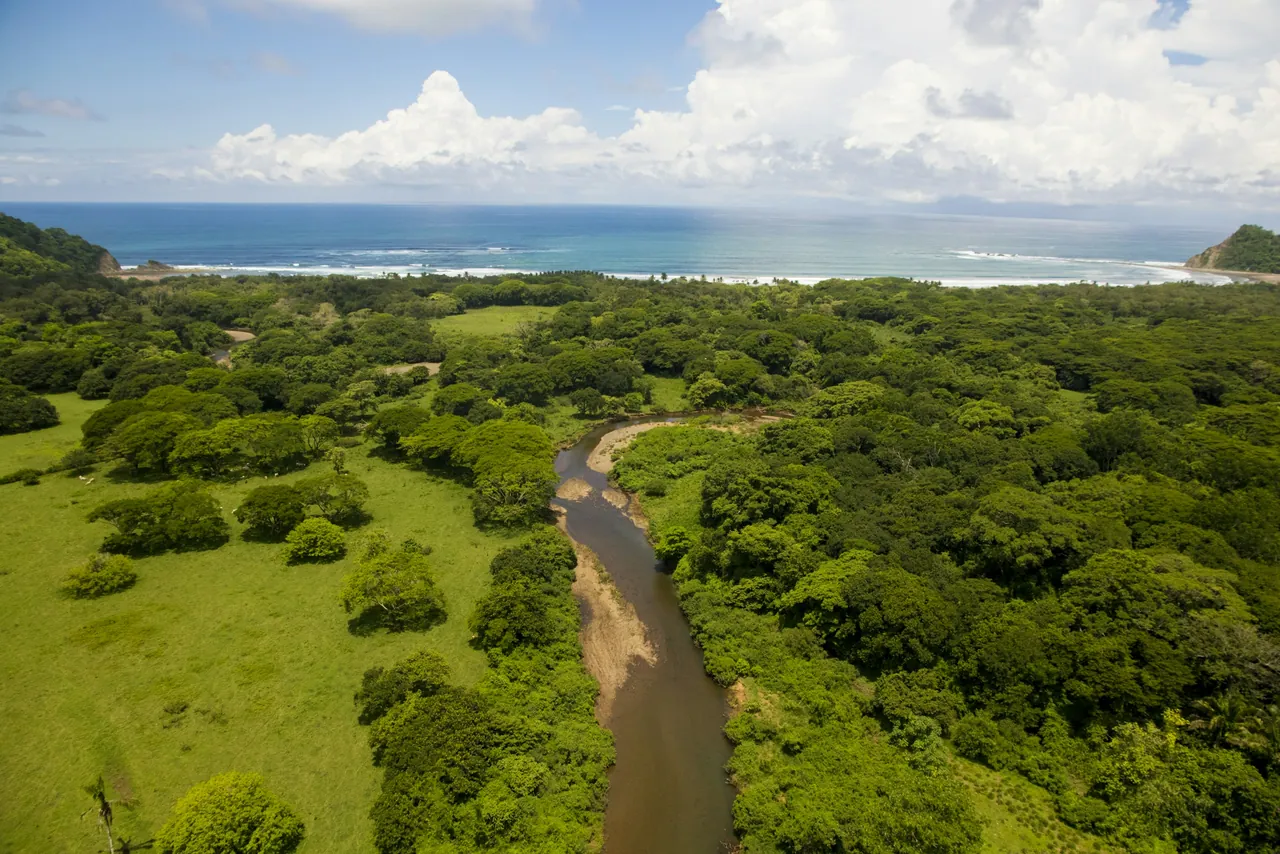
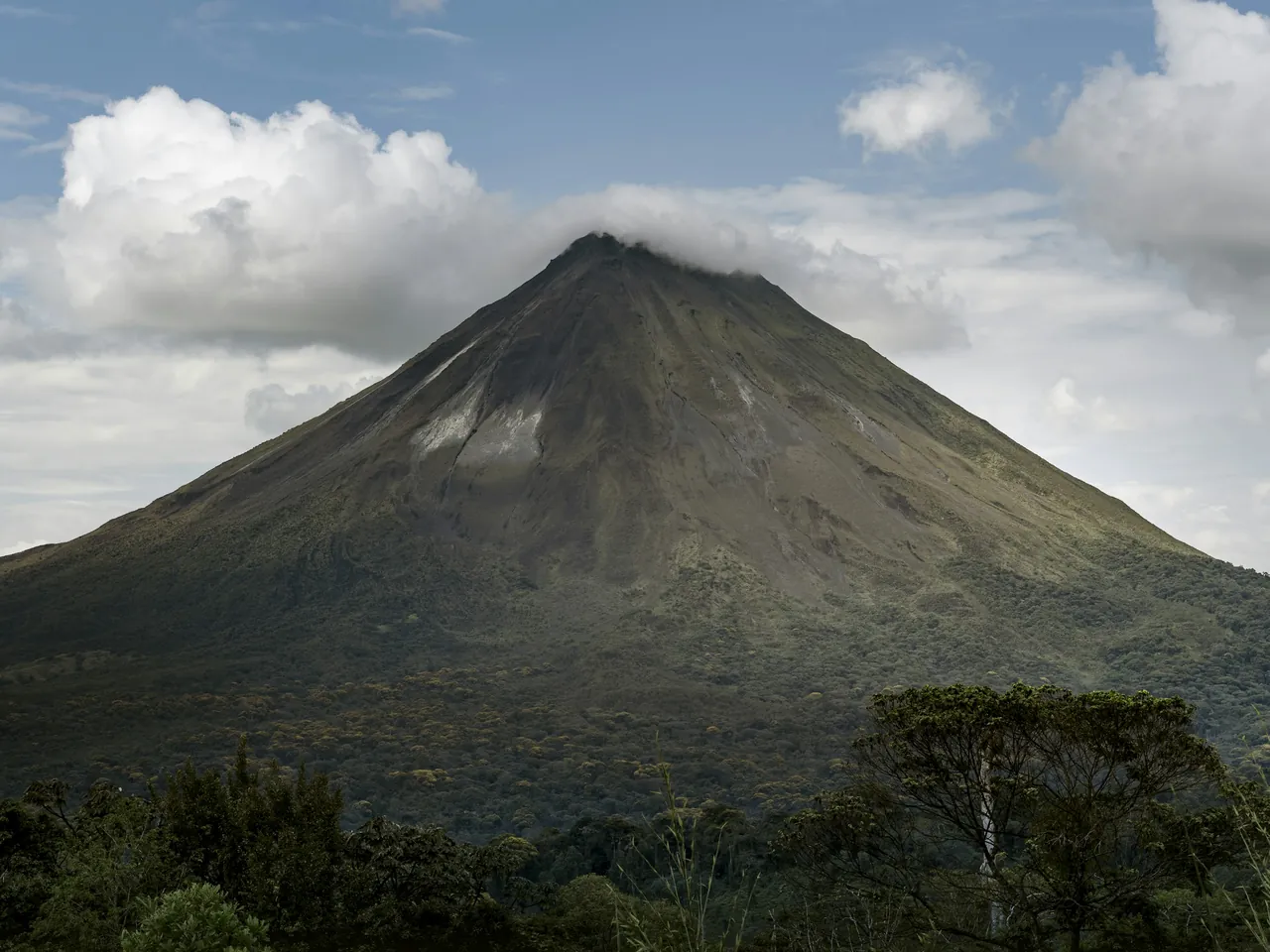
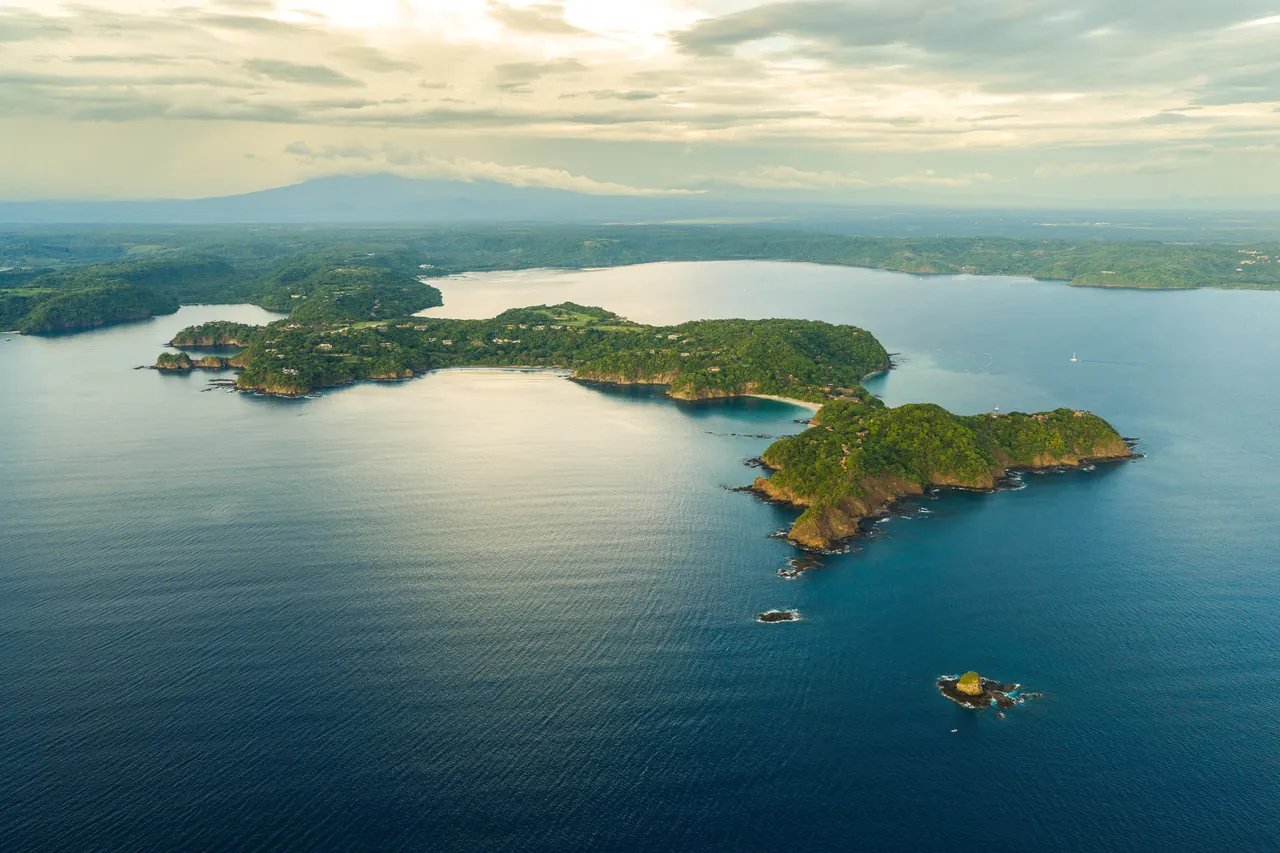
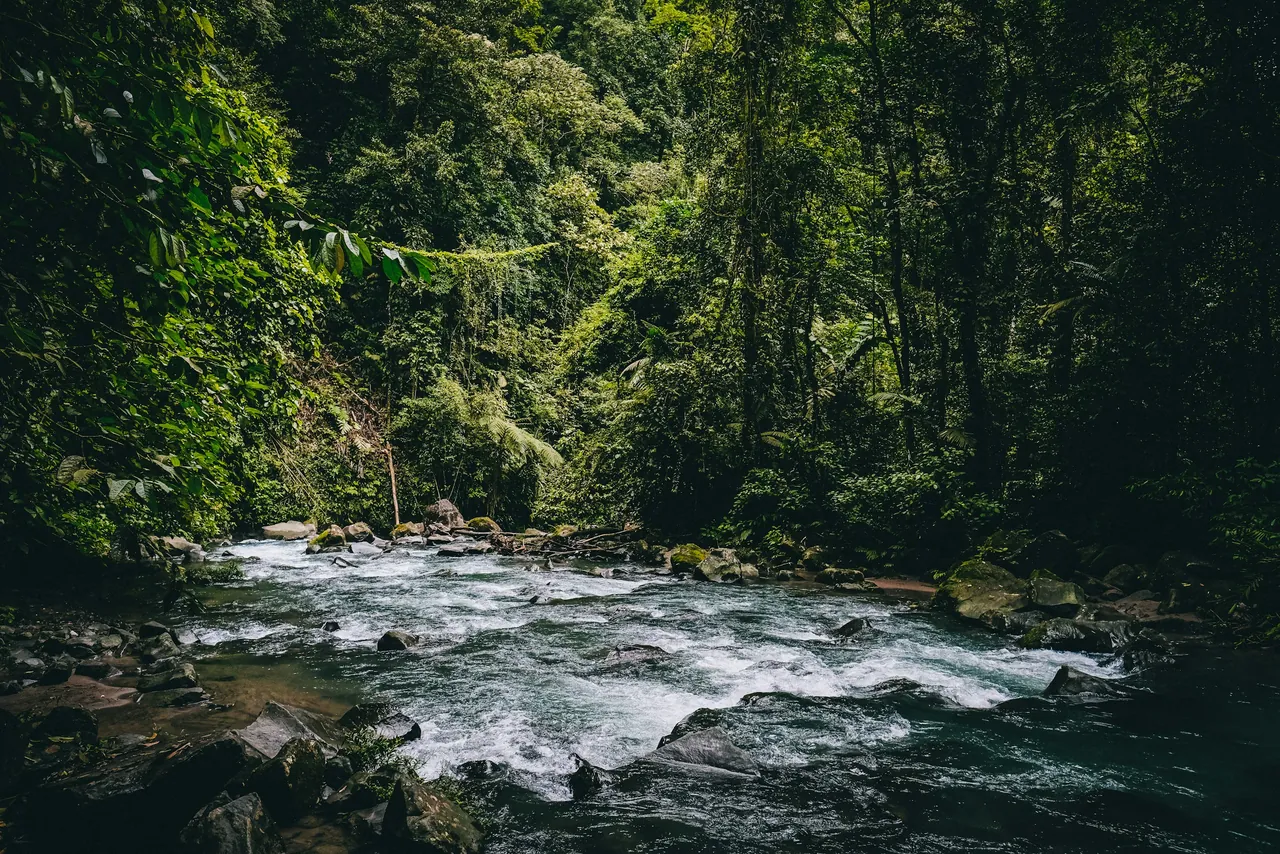
Costa Rica holds as much as six per cent of the world's species, and about a quarter of its land is set aside for conservation. It has a Caribbean coast and a Pacific one, with seven distinct regions between them. Arenal Volcano rises over the Northern Plains, and Monteverde, Tortuguero and the Osa Peninsula are names every itinerary weighs up. The beaches, around Guanacaste, Manuel Antonio and elsewhere, run to golden, pink and black sand. Pura vida is the national outlook, and most journeys combine two or three regions.
El Salvador
Best time: Nov to Apr
El Salvador is small and pairs coffee plantations in the hills with long Pacific beaches. Surf City has made its name with surfers, and Los Cóbanos and La Libertad are among the coastal stops. Inland, Suchitoto and Santa Ana are worth the drive, and there is plenty of nature and adventure. The past runs deep here: El Tazumal is a Maya archaeological park, and Joya de Cerén is a farming village buried by volcanic ash around AD 600, with homes, kitchens and fields preserved in place. San Salvador has its historic centre.
Guatemala
Best time: Nov to Apr
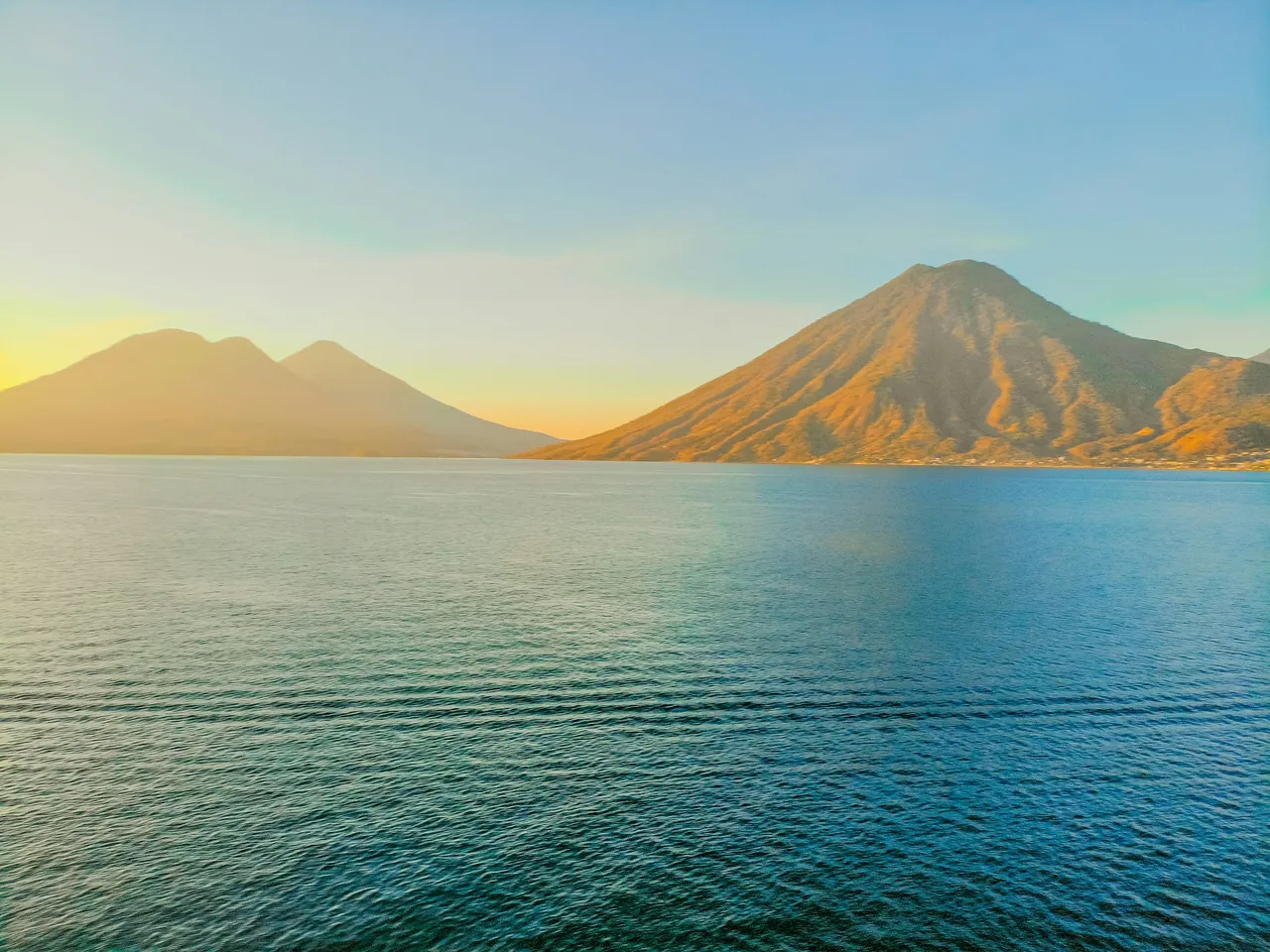
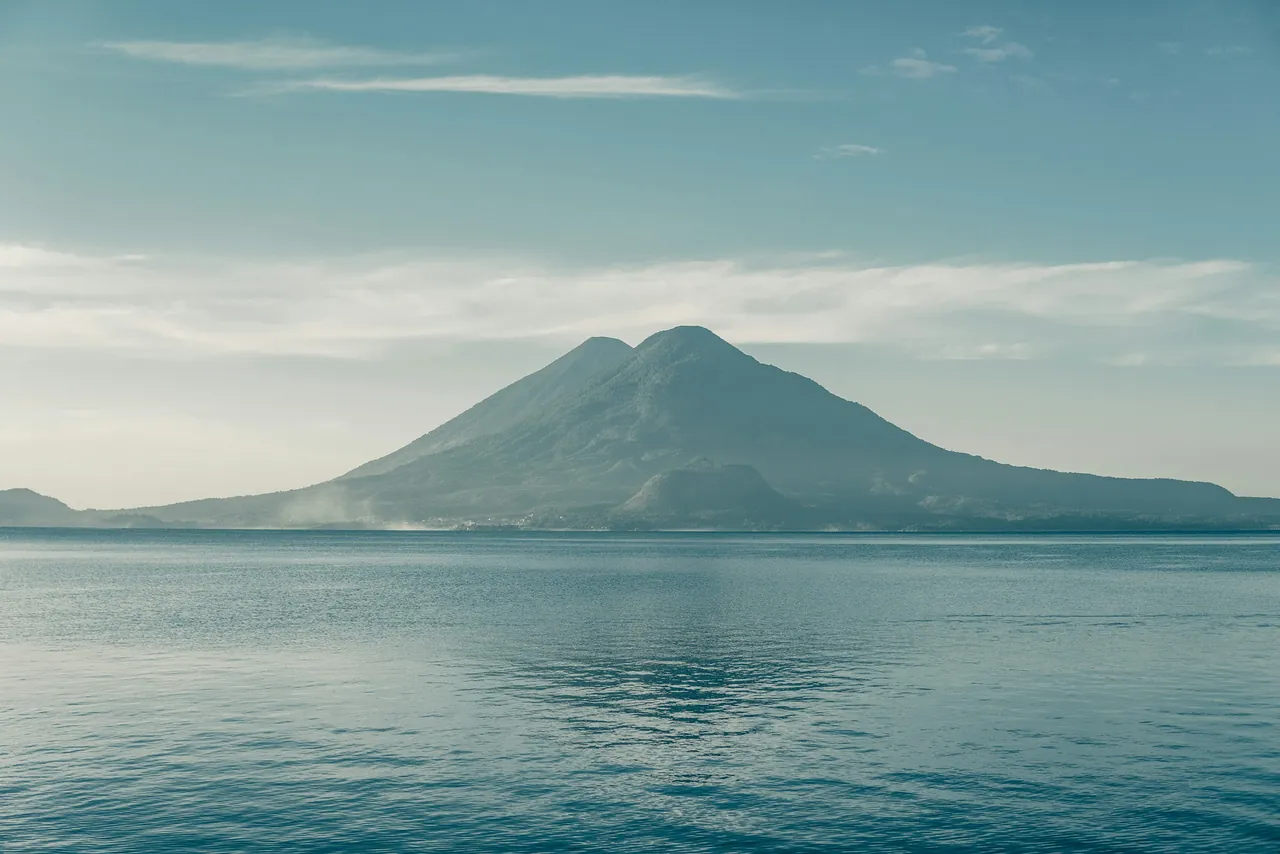
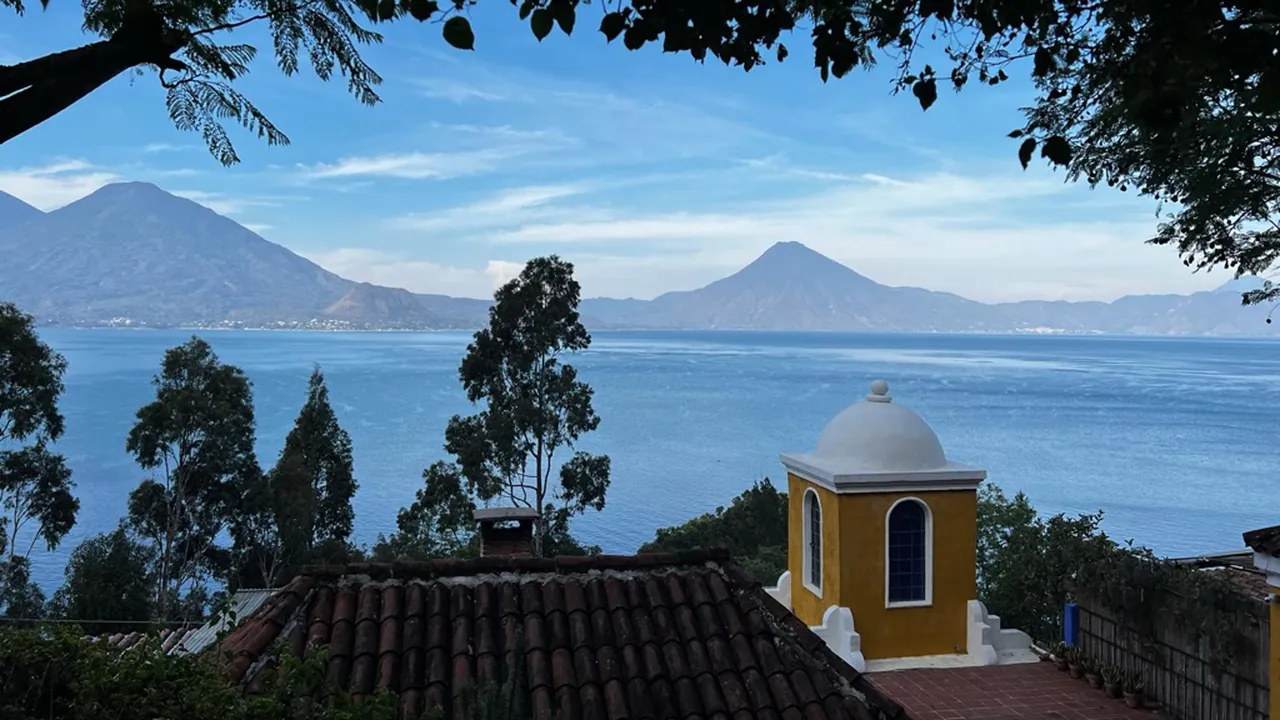
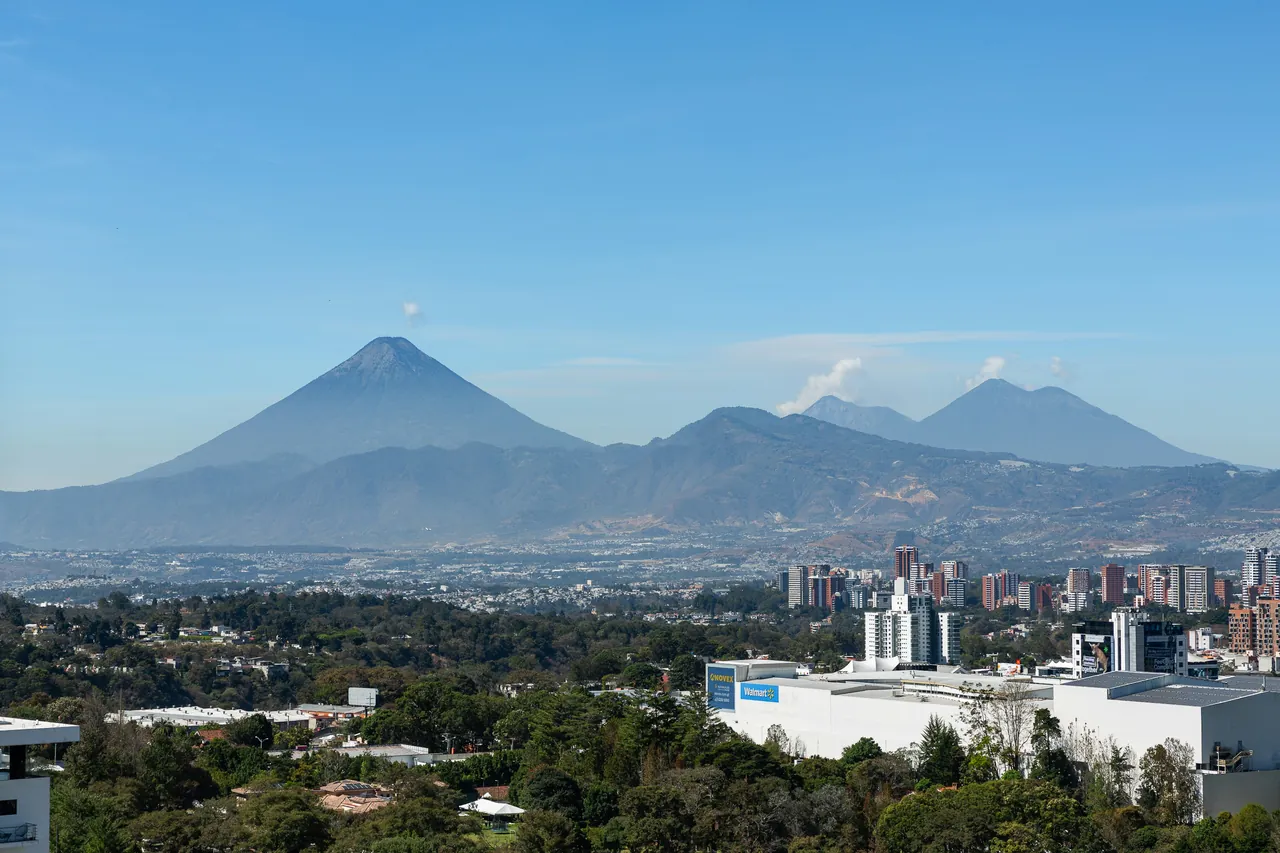
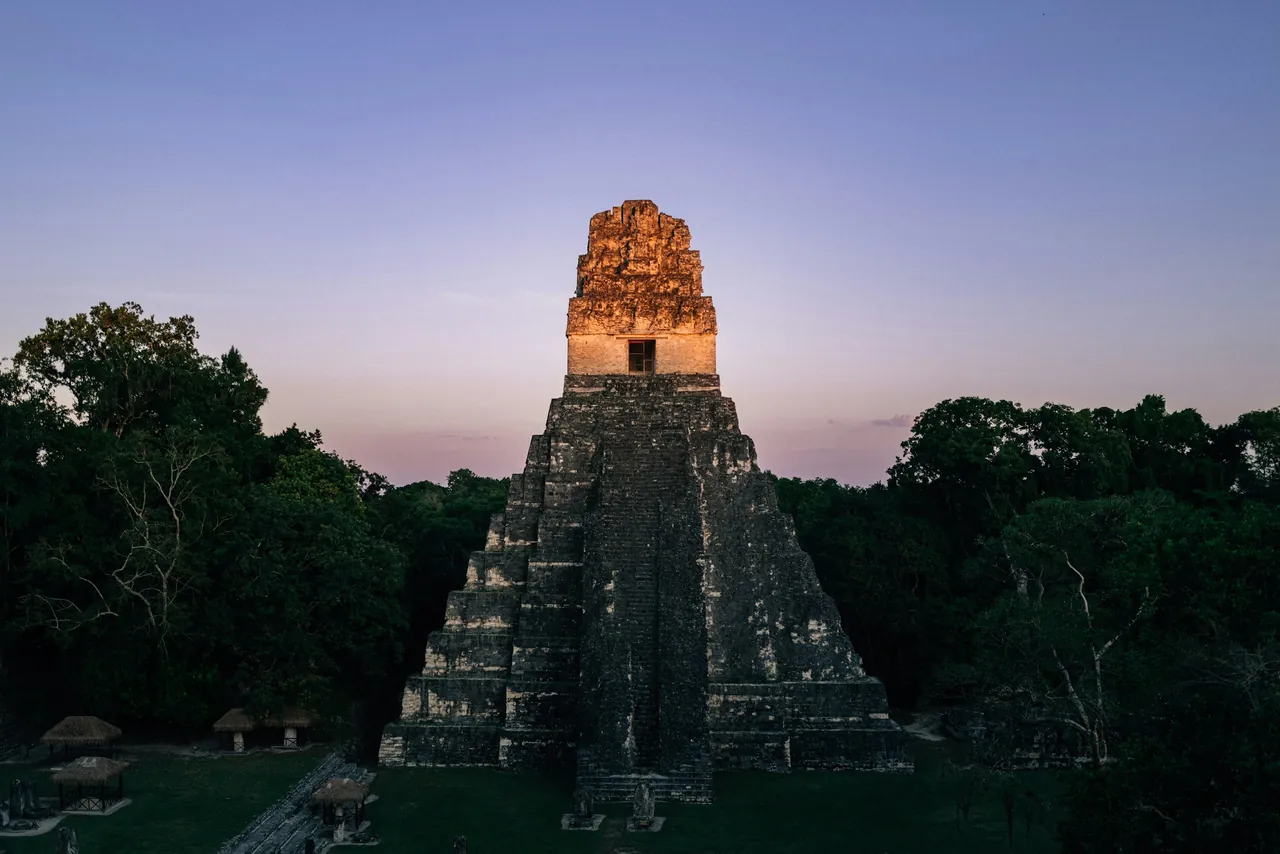
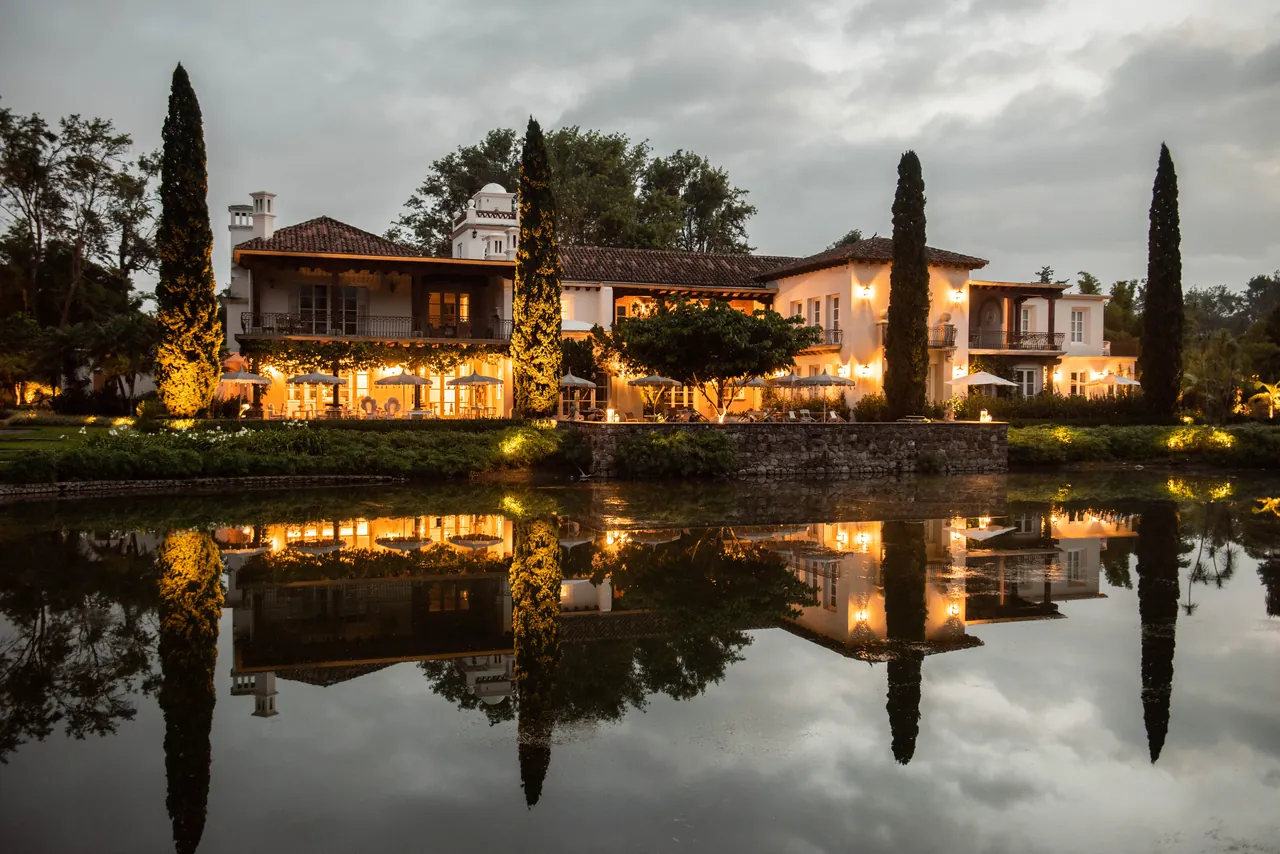
Guatemala is a country of volcanoes, lakes and Maya culture. Antigua, the old colonial capital, sits about 1,500 metres up in a valley ringed by volcanoes; after the earthquakes of 1773 the capital moved, leaving behind Baroque churches with low bell towers built to withstand the tremors. Lake Atitlán and Panajachel, Quetzaltenango and the Rio Dulce add more. In Petén, in the north, Tikal rises from the rainforest, a Maya city occupied for more than 1,000 years and now home to jaguars and more than 330 bird species.
Honduras
Best time: Nov to Apr
Honduras offers two very different trips. On the Caribbean side, the Bay Islands of Roatán and Utila sit on the reef and draw divers and snorkellers to some of the finest sites in the region. Inland, Copán is a Maya city on the UNESCO list and the cultural high point of a visit. Nature lovers have Pico Bonito National Park, the Pulhapanzak waterfall and Lake Yojoa for birdwatching. Most visitors focus on one side or the other, often pairing Copán with Guatemala.
Mexico
Best time: Dec to Apr
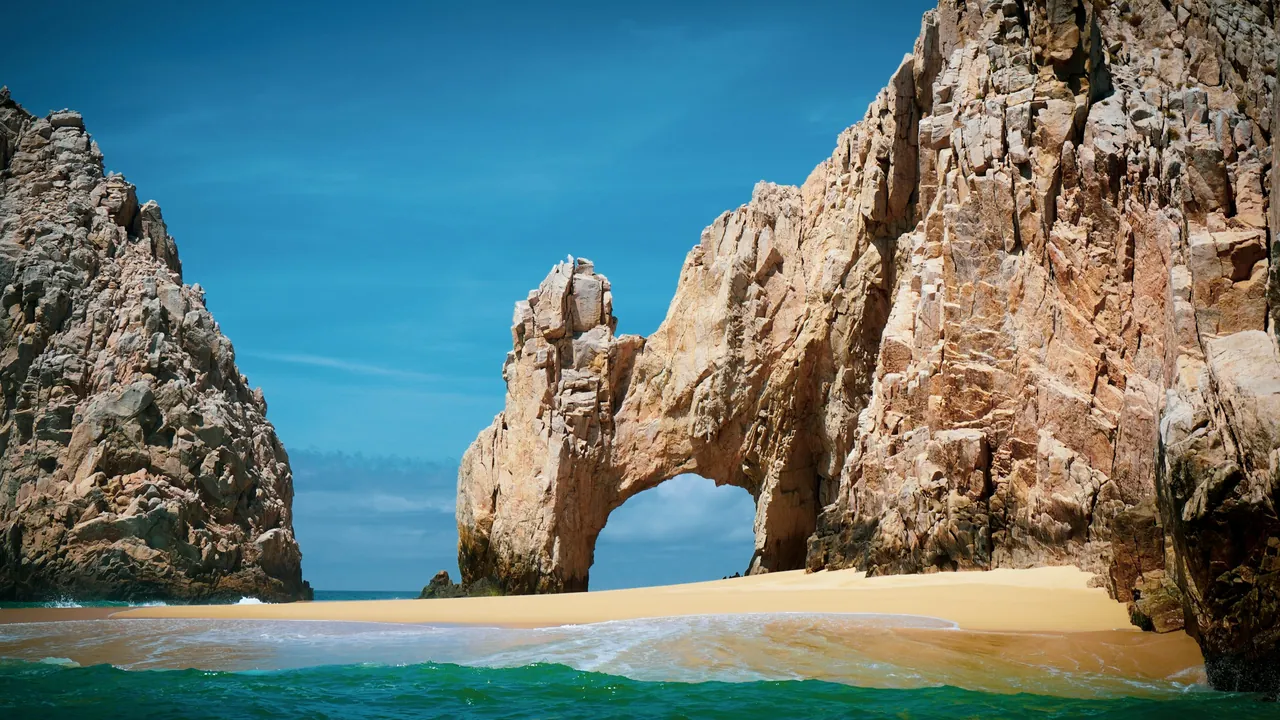
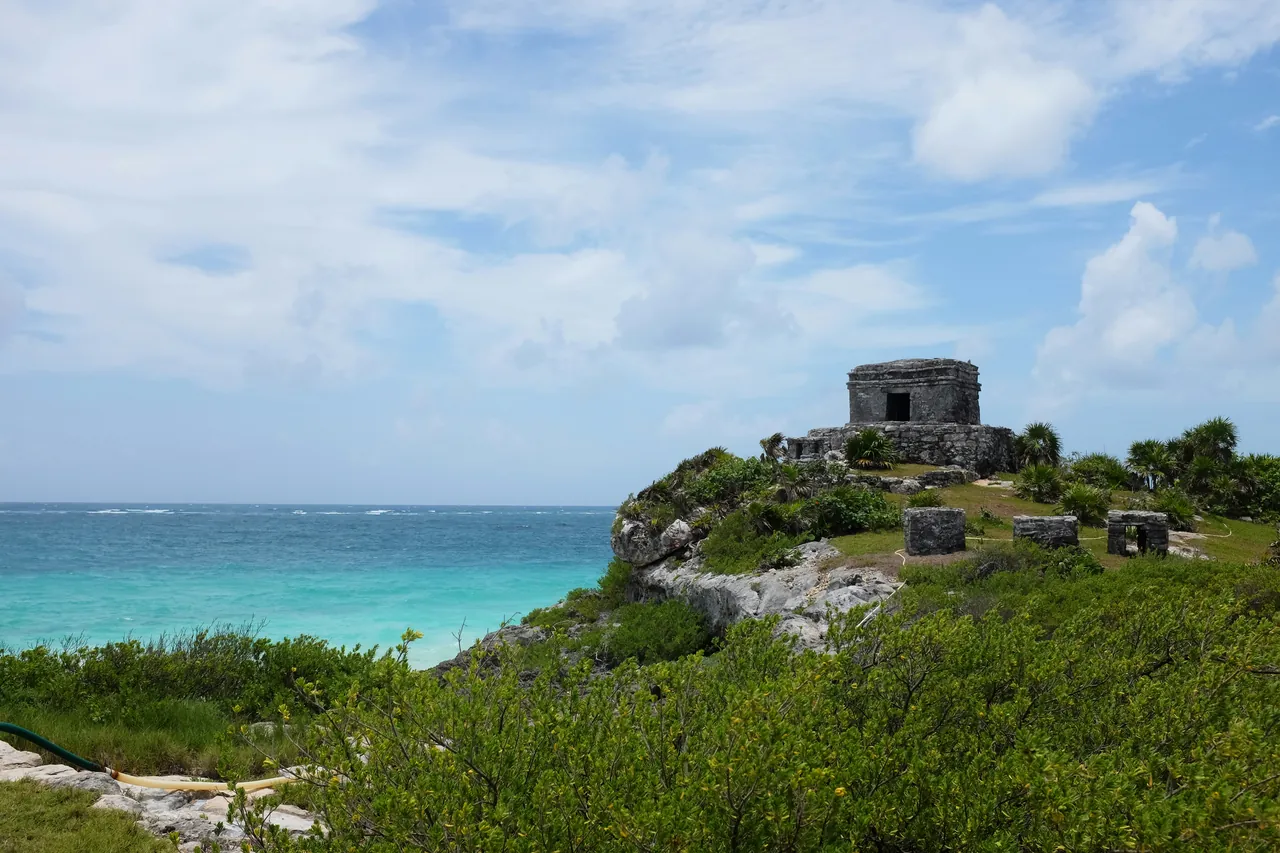
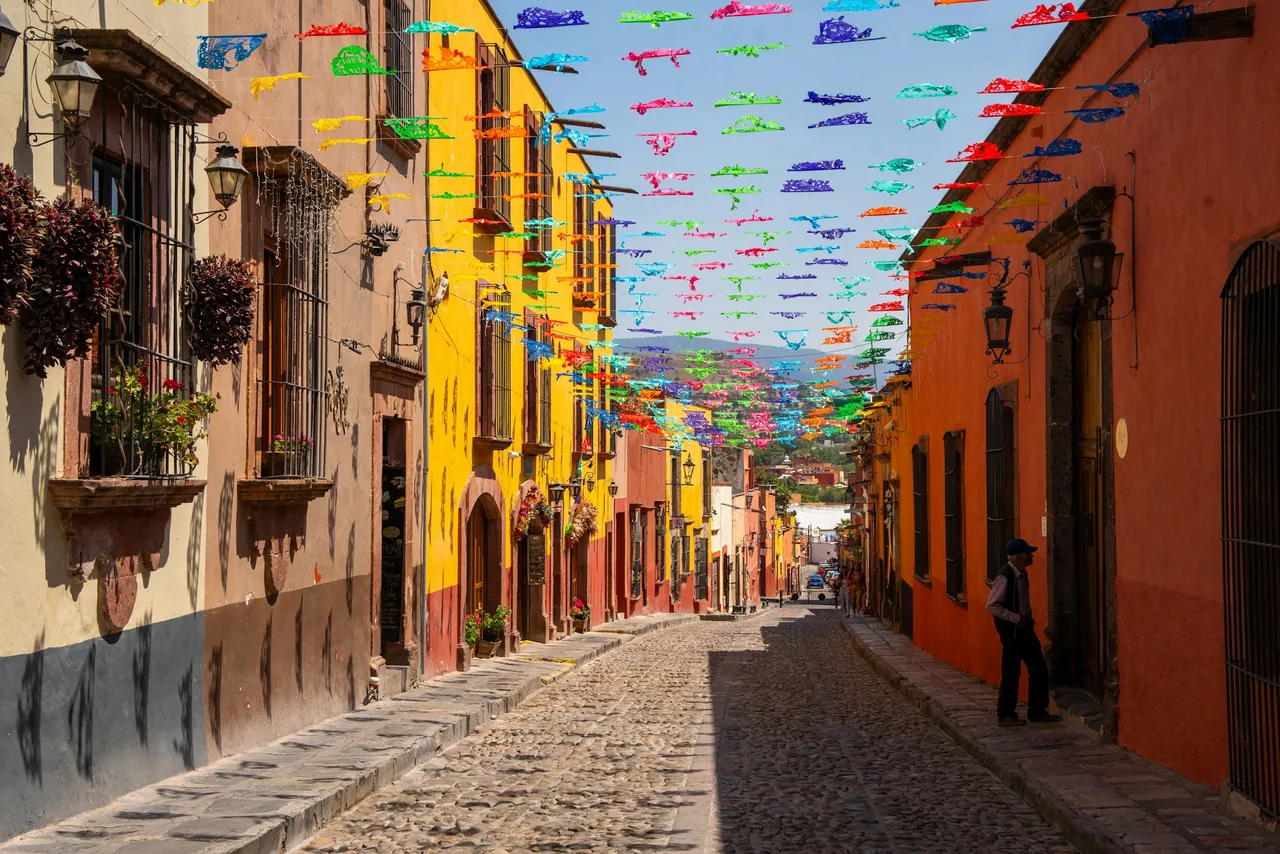
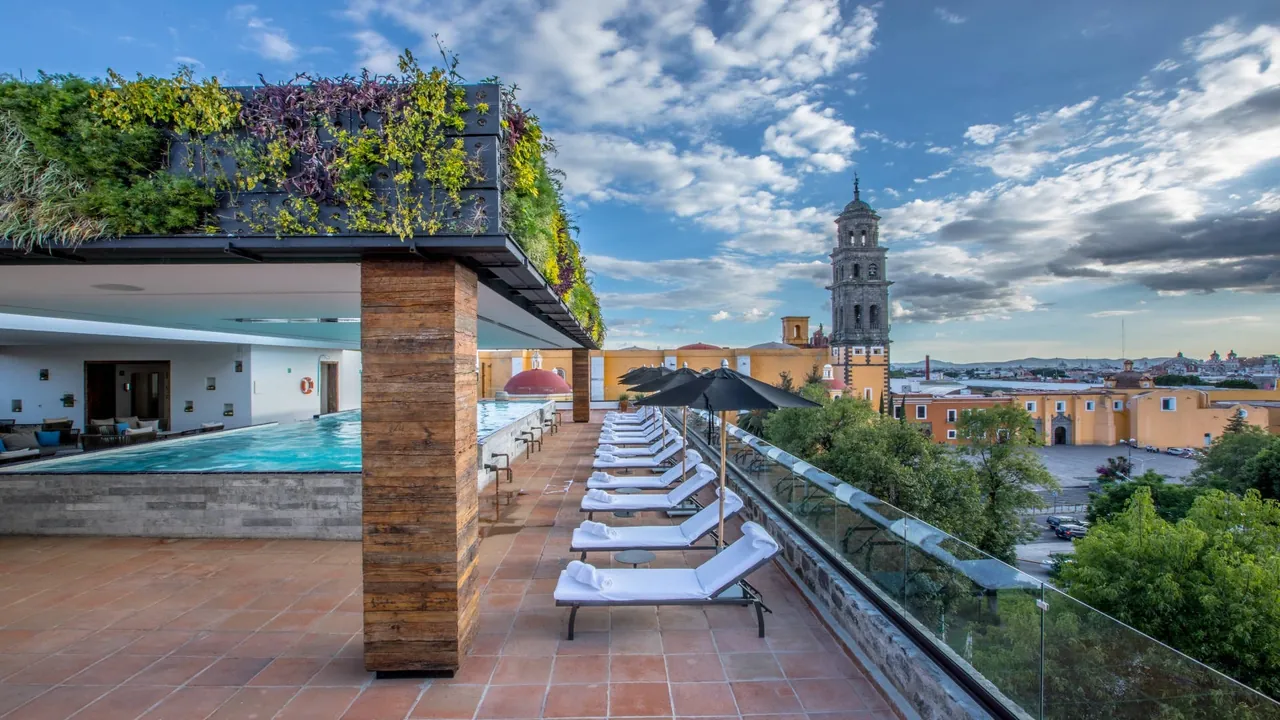
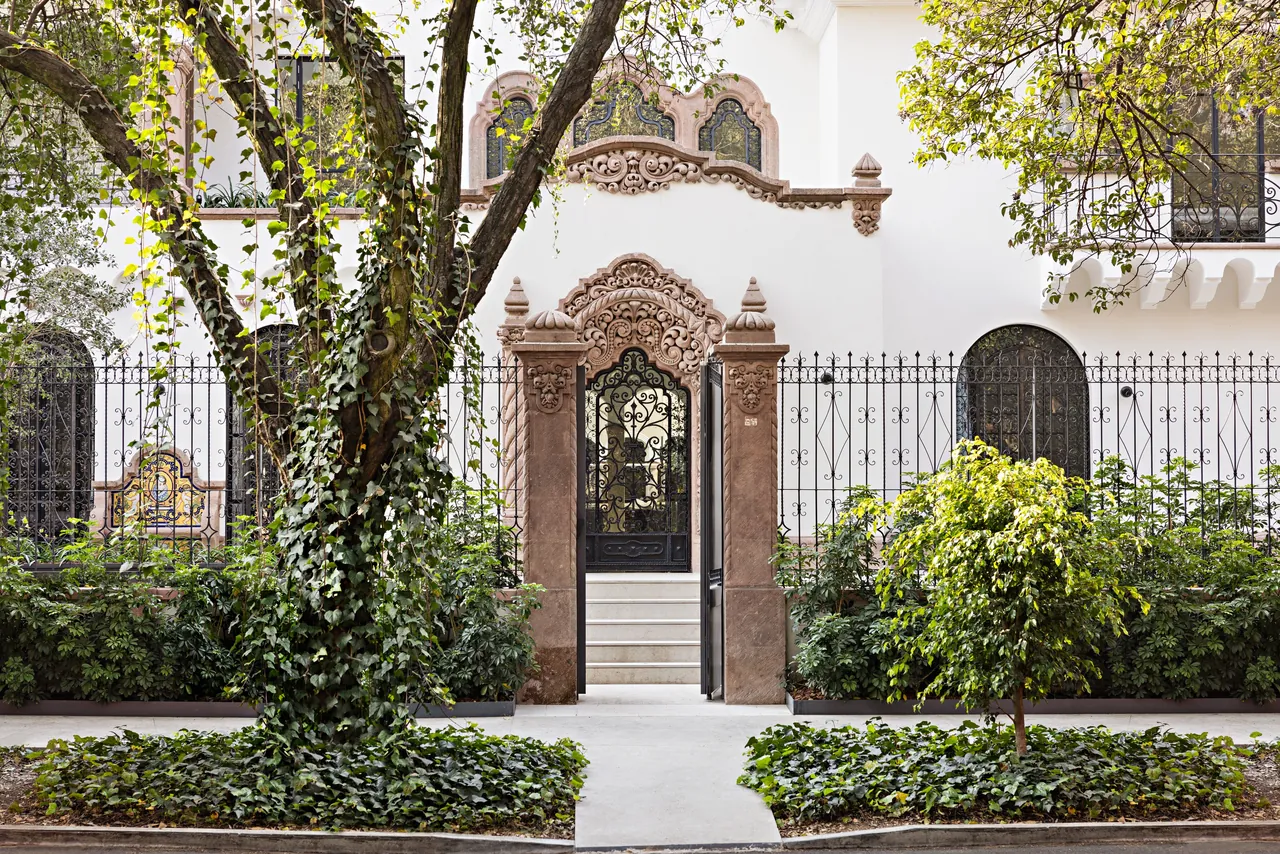
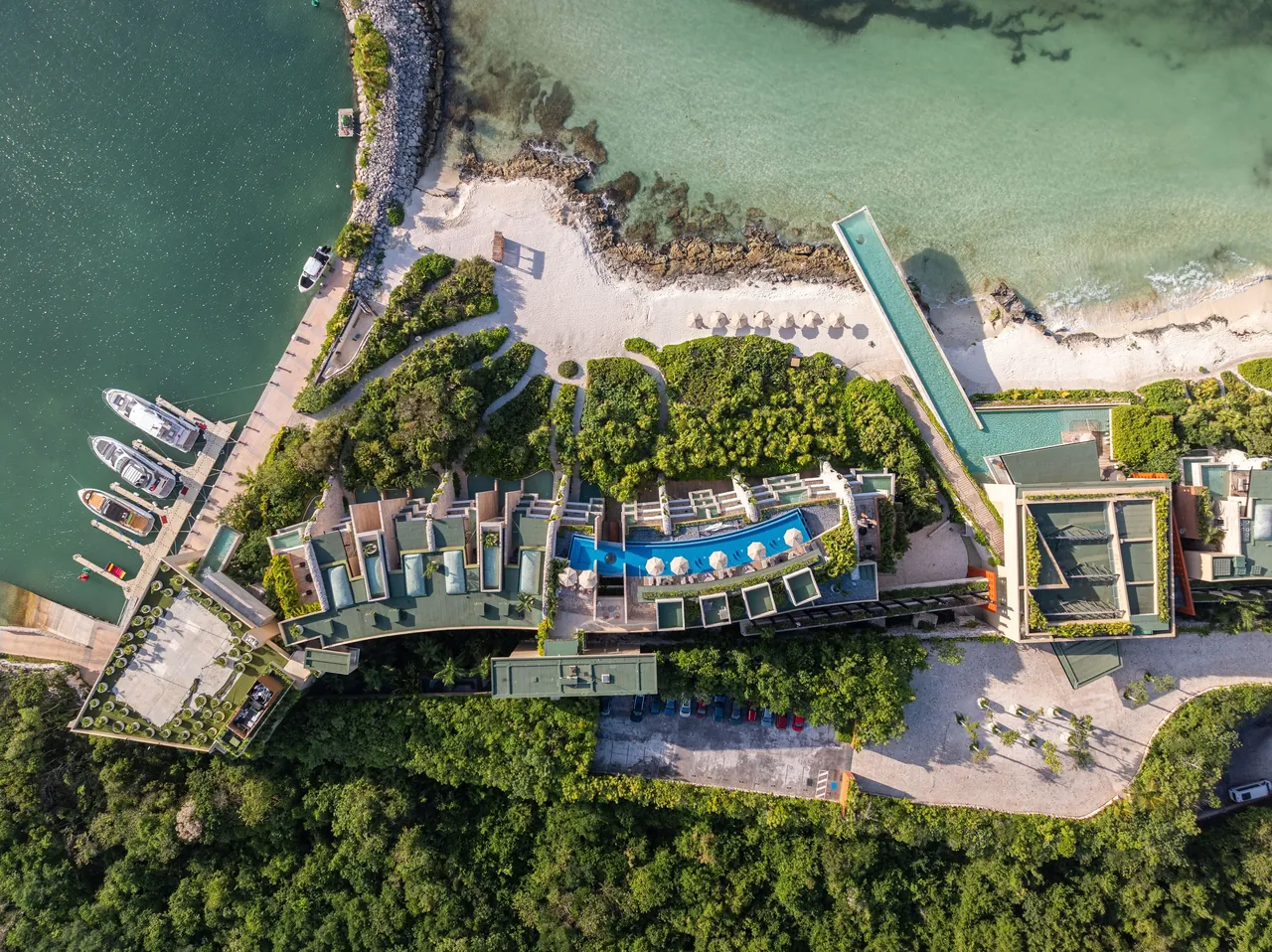
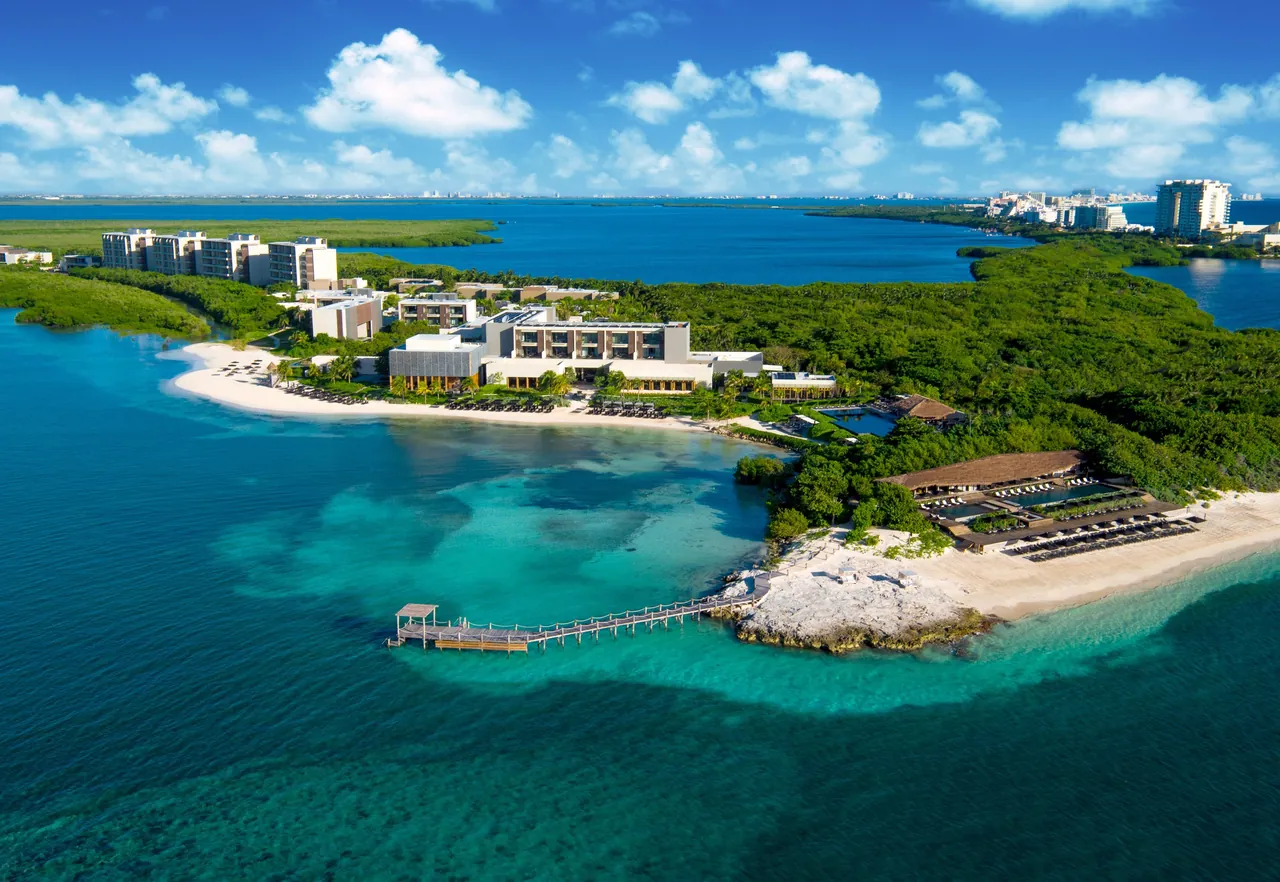
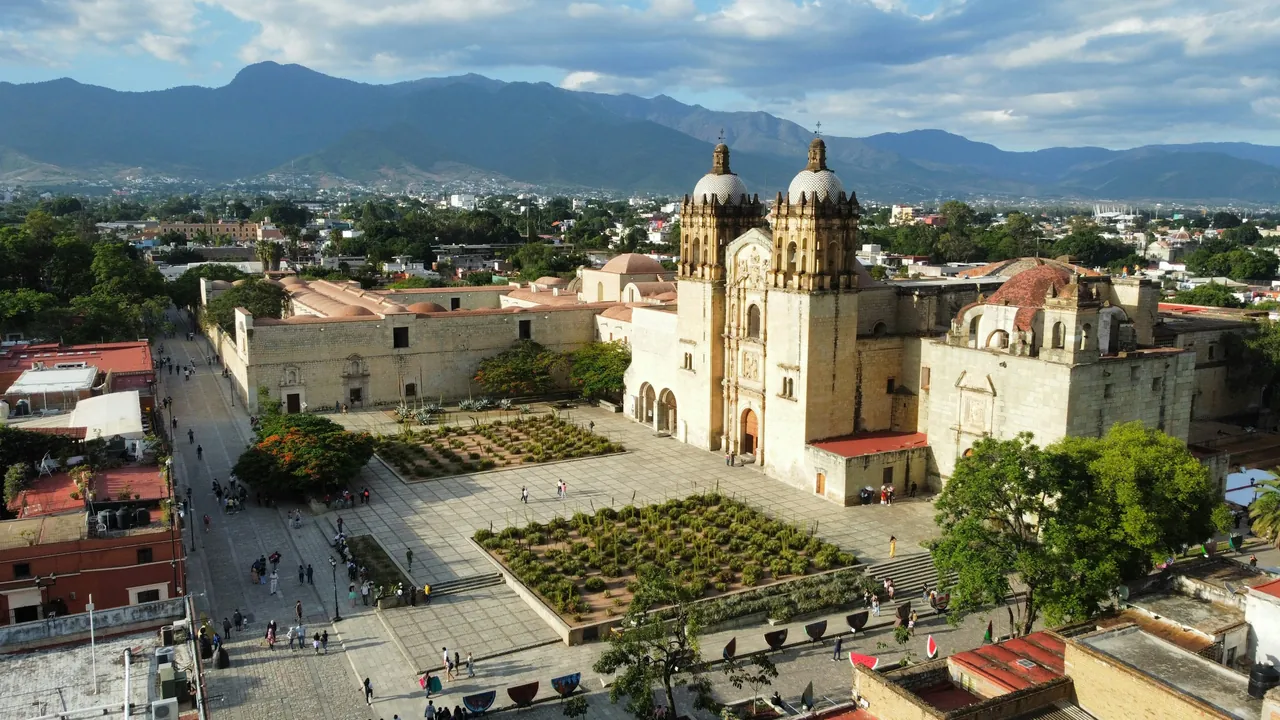
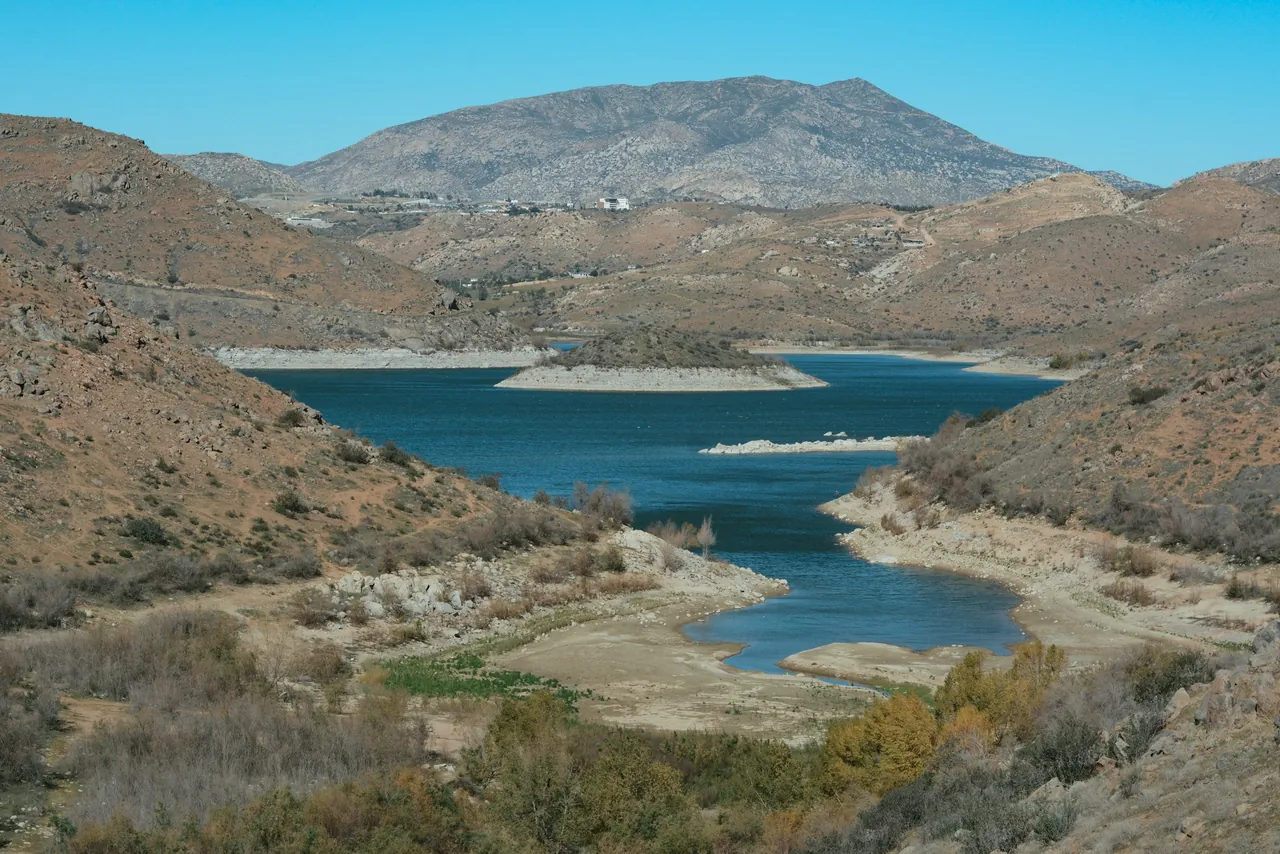
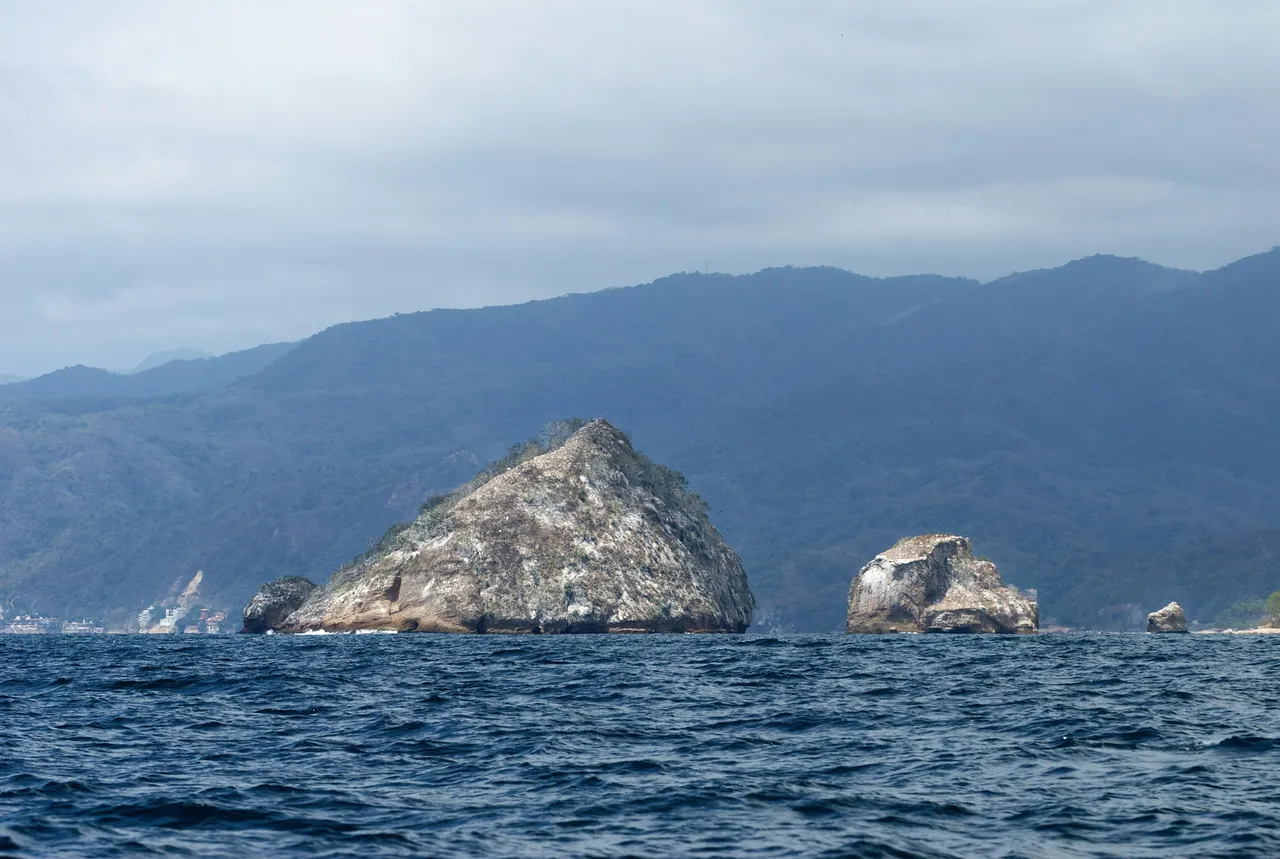
Mexico is large enough to hold several journeys. Mexico City, built on the ruins of Tenochtitlan, has Aztec temples, the largest cathedral on the continent and the canals of Xochimilco. Oaxaca, founded in 1529, has the Zapotec city of Monte Albán close by, and Mexican cooking, recognised by UNESCO, rests on corn, beans and chilli. The Yucatán has Chichén Itzá and Mérida, the Riviera Maya and Cozumel face the Caribbean, and Baja California looks onto the Gulf of California, with its islands and whales.
Nicaragua
Best time: Nov to Apr
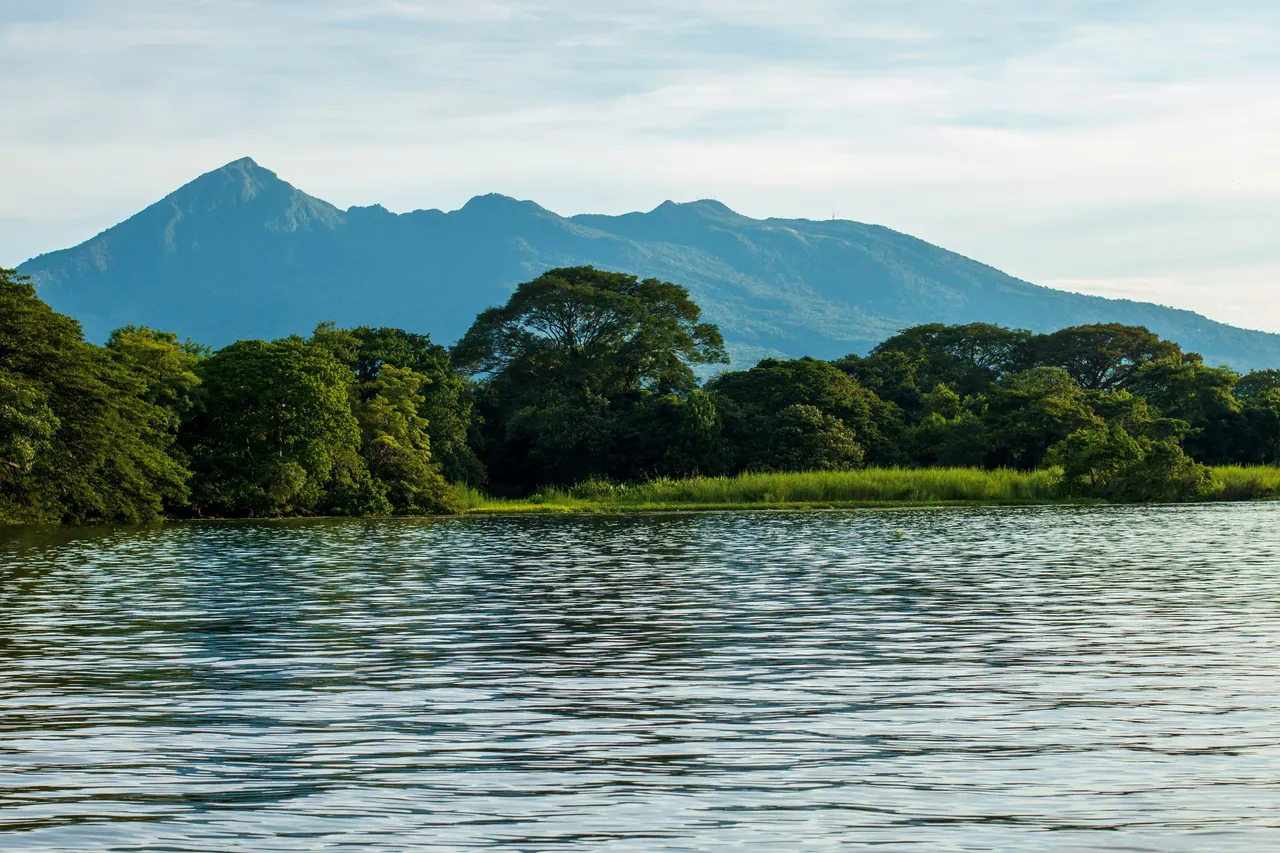
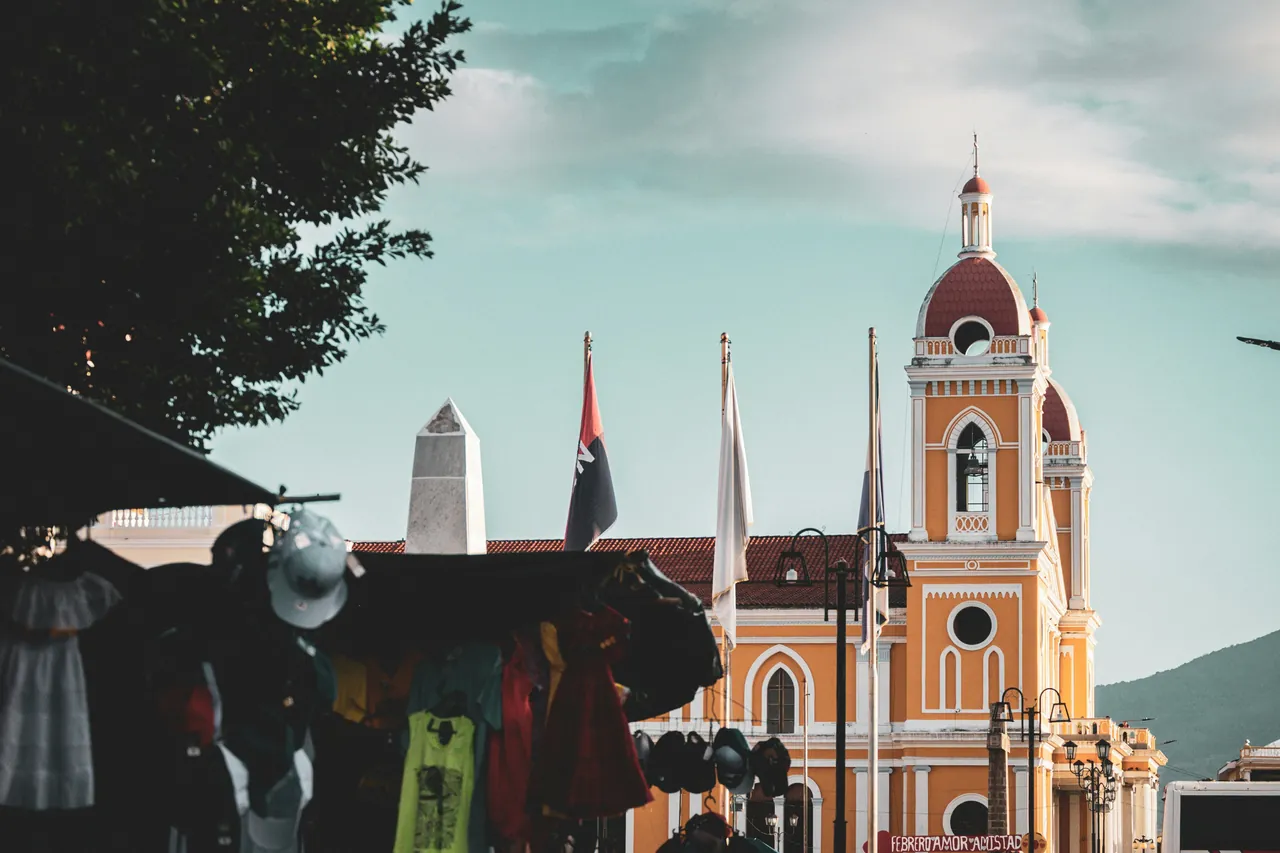
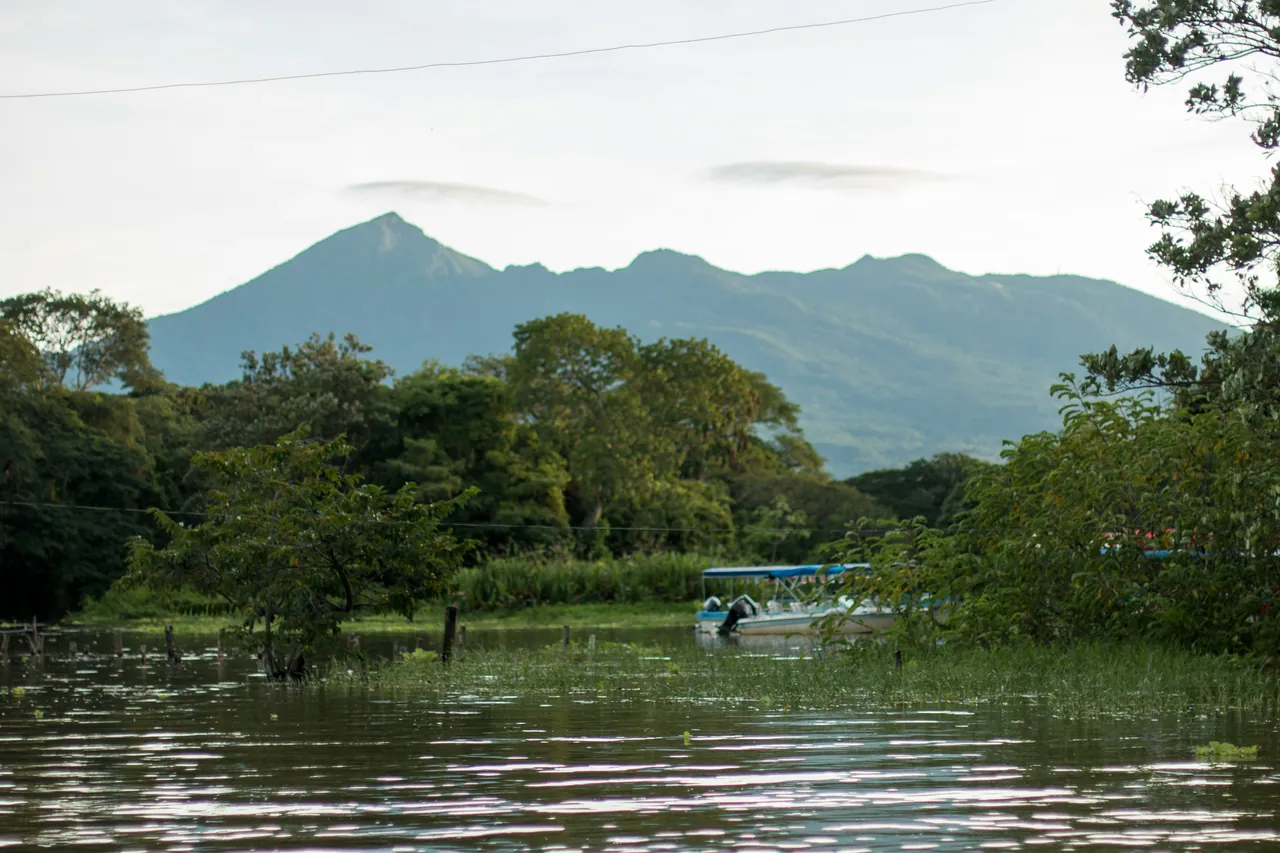
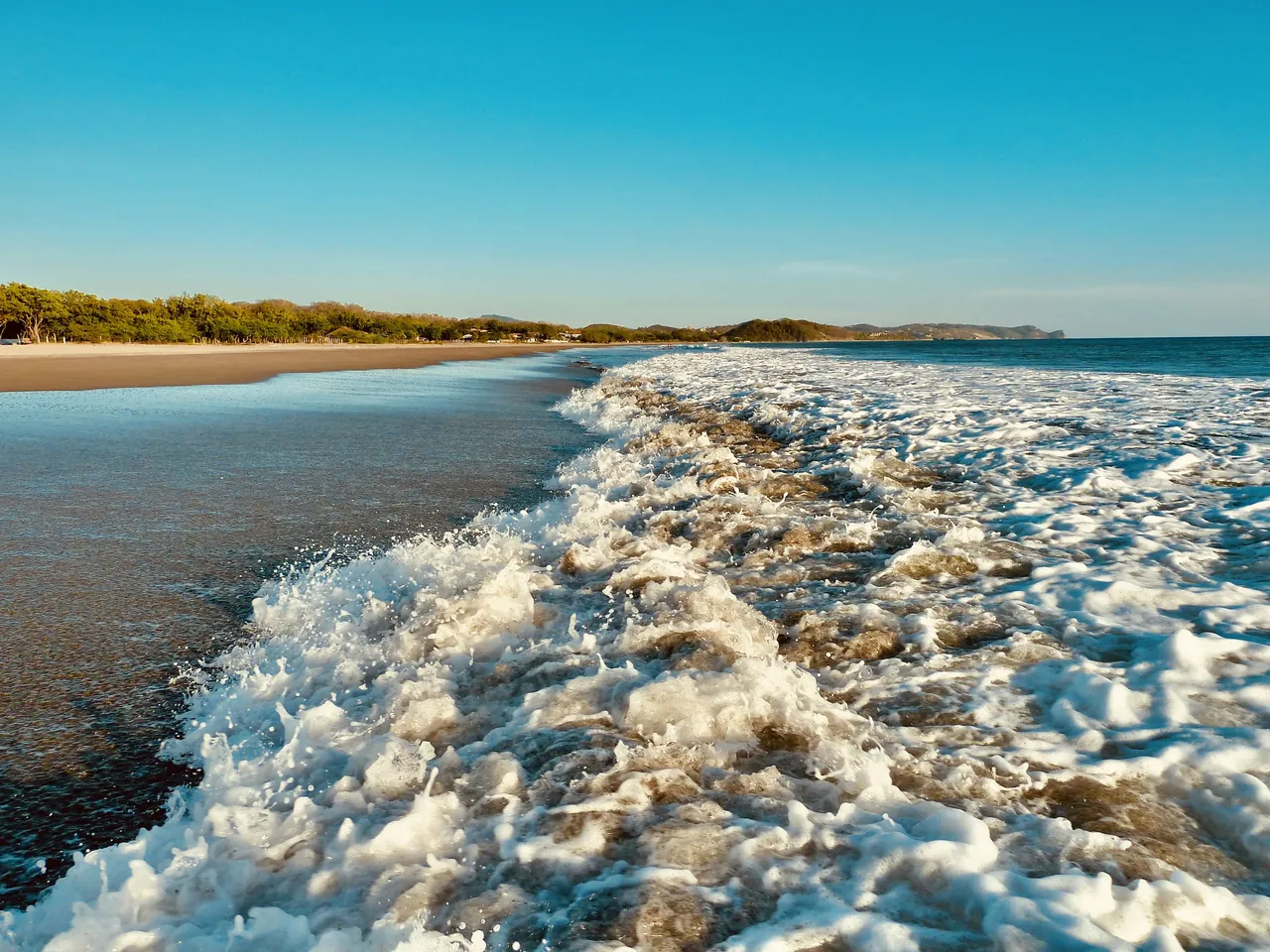
Nicaragua is the largest country in Central America, a land of lakes, rivers, wetlands and volcanoes between the Pacific and the Caribbean. Granada and León are its colonial cities, each with its own character, and Masaya and Managua complete the central circuit. The Pacific coast, around San Juan del Sur and Popoyo, is for surfing, and there is sandboarding, hiking and birdwatching inland. The northern hills around Matagalpa and Jinotega are cooler all year. The Caribbean coast, with its Indigenous and Afro-descendant communities, feels like another country again.
Panama
Best time: Dec to Apr
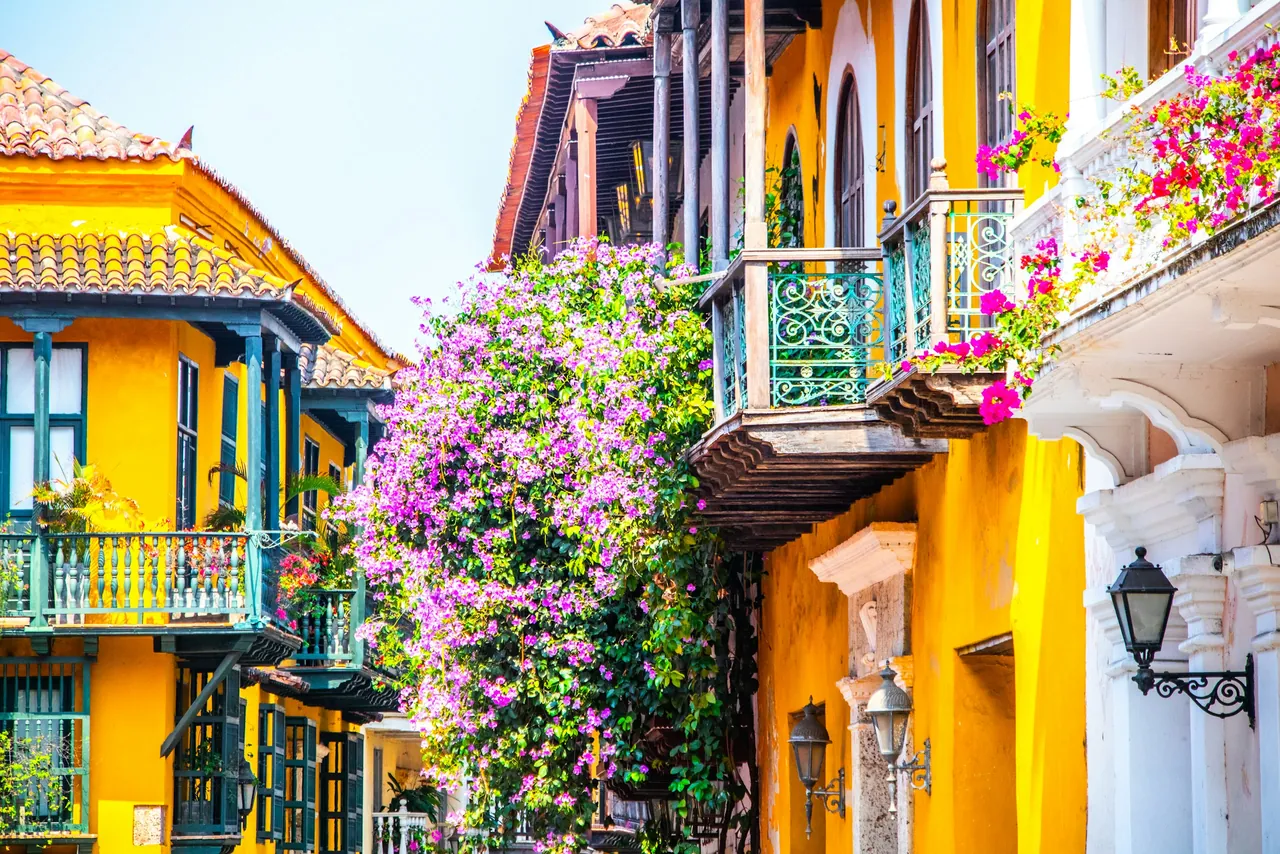
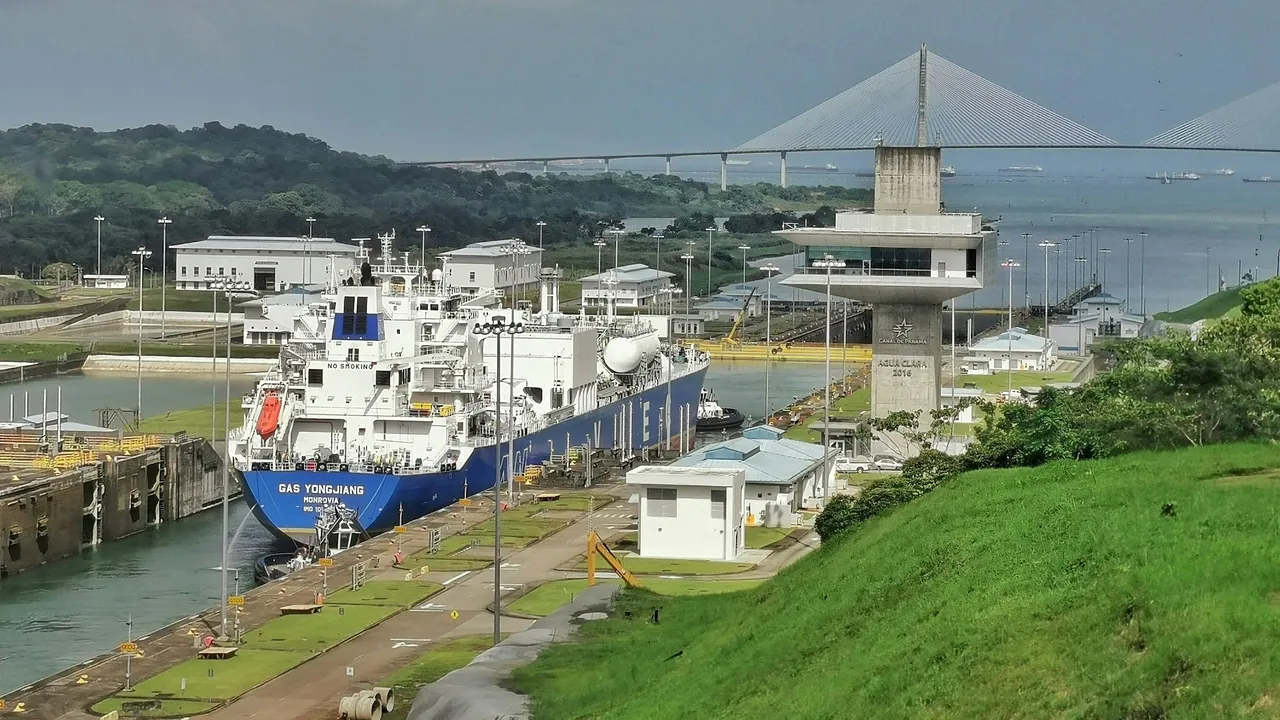
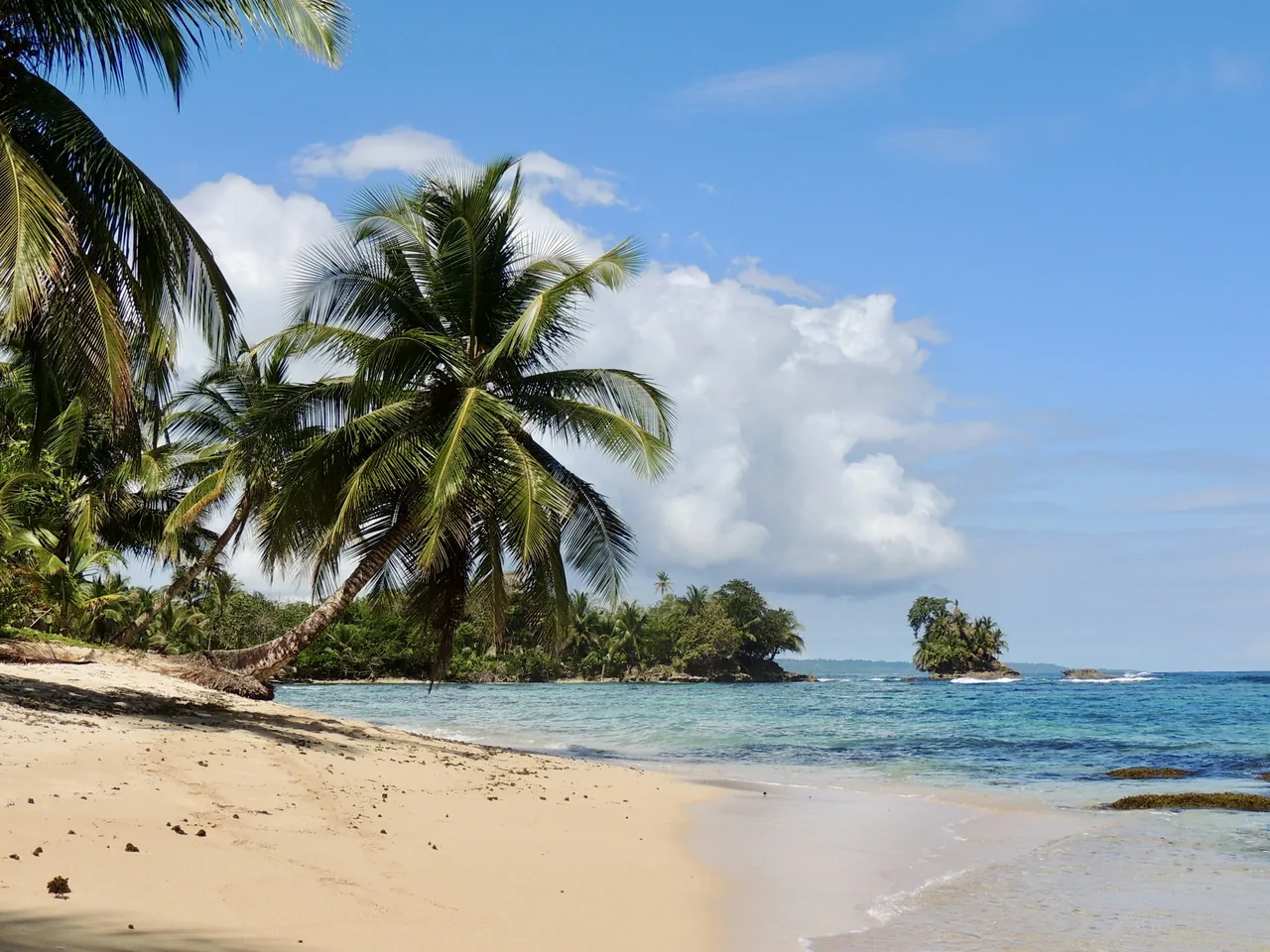
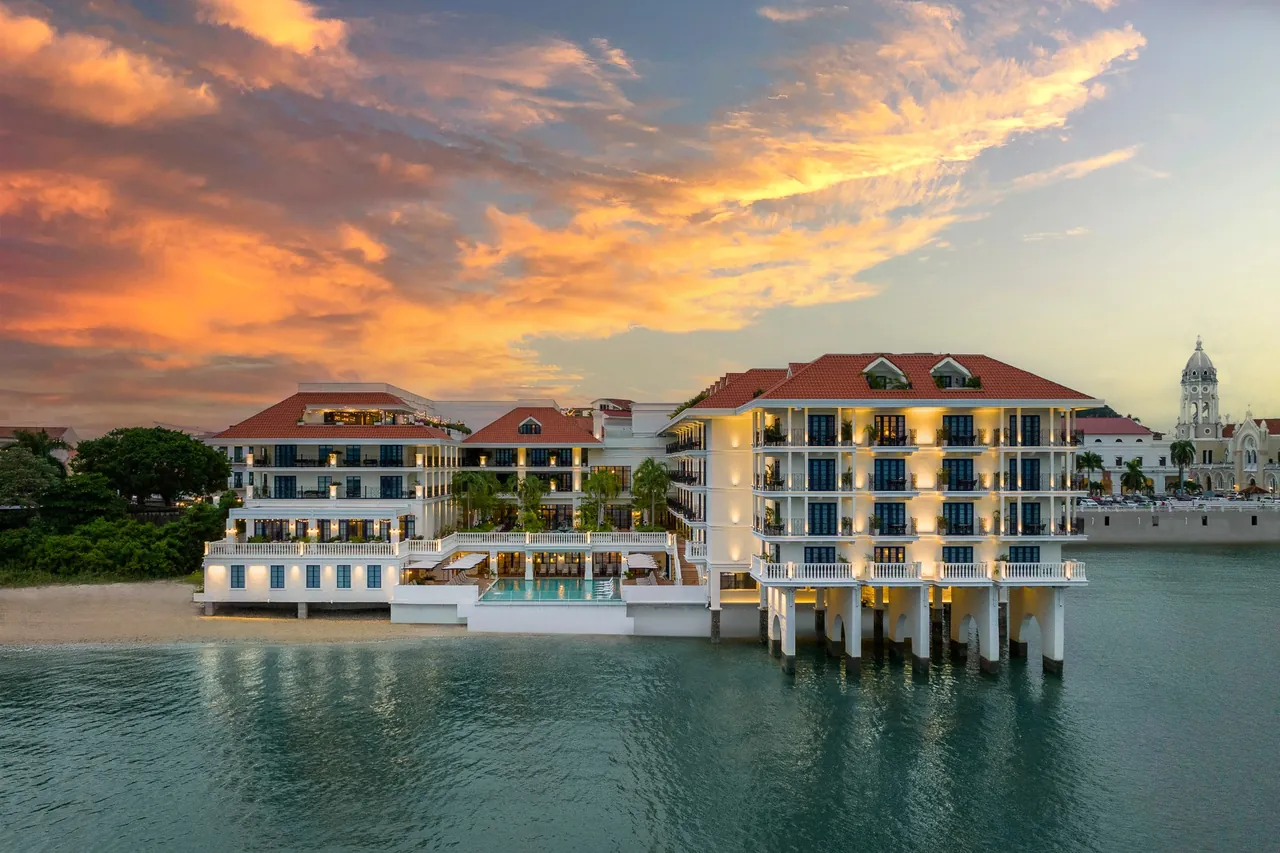
Panama is more than its canal, though the crossing from Pacific to Caribbean, in about two hours, is a fine way to start. Casco Antiguo, the old quarter of Panama City, has colonial streets and some of the country's heritage. Beyond the capital, the islands of Guna Yala, also called San Blas, are home to one of the seven Indigenous peoples of Panama; Bocas del Toro has turtles and a marine park; the Pearl Islands and Coiba sit in the Pacific. Boquete grows Geisha coffee in the highlands, and more than 1,000 bird species live here.