Bahrain
Best time: Late autumn to early spring
Bahrain is an island nation, small and easy to explore over a few days. Its history comes through at the Bahrain National Museum, Bahrain Fort, the Pearling Path in Muharraq and the old Manama Souq, and craft lives on in places such as the House of Basket Weaving. The Bahrain International Circuit draws motor racing fans, and beaches such as Marassi offer a quieter day. Autumn and winter average around 25 degrees, with occasional rain, while summers are very hot.
Jordan
Best time: Mar to May, Sep to Nov
Jordan has a strong claim to be the adventure capital of the Middle East. Petra, reached through the town of Wadi Musa at around 1,000 metres, has long walks and climbs to the Monastery and the High Place of Sacrifice. Wadi Rum offers desert camps under a dark night sky. Amman, Jerash, Madaba and Mount Nebo hold history, Ajloun and the Dana Biosphere Reserve give green walking country, and the Dead Sea and Aqaba bring water. Spring brings wildflowers, autumn clear light, and winter can bring rain and occasional snow.
Oman
Best time: Sep to Apr; mid-Jun to Sep for Dhofar
Oman has mountains, desert and a long coast within easy reach of each other. Muscat is the capital, and about two hours away Jebel Akhdar and Jebel Shams can be up to 15 degrees cooler than the lowlands, with views and clear night skies. Nizwa and its fort, Al Hamra and Wadi Bani Khalid lie inland, the Wahiba Sands offer desert camps, Sur and Masirah Island face the ocean, and Musandam has Khasab and Zighy Bay. In the south, Dhofar and Salalah turn green in the khareef, from mid-June to September.
Qatar
Best time: Nov to Feb
Qatar sits on the Arabian Peninsula, and Doha is the centre of most visits. Souq Waqif, the parks and the street art make the city good to explore on foot in winter, and the majlis, falconry and the Arabian oryx connect visitors with older traditions. Beyond Doha, Lusail, Al Ruwais and Dukhan show other sides of the country, and the desert offers glamping under clear skies. Winter, from November to February, brings days of 15 to 20 degrees.
Saudi Arabia
Best time: Nov to Apr
Saudi Arabia is large and has four real seasons. Riyadh and Diriyah are the usual starting points, and Jeddah has its waterfront for evening walks. AlUla holds ancient tombs, explored in the mild days and cool nights of winter, and the Red Sea, with Umluj and Al Wajh, is the place for diving, sailing and snorkelling. Taif and the southwestern highlands stay milder in summer, and Abha and Medina add further range. AlAhsa has desert springs, and the winter festivals in Riyadh and AlUla bring music and events.
United Arab Emirates
Best time: Nov to Mar; December especially
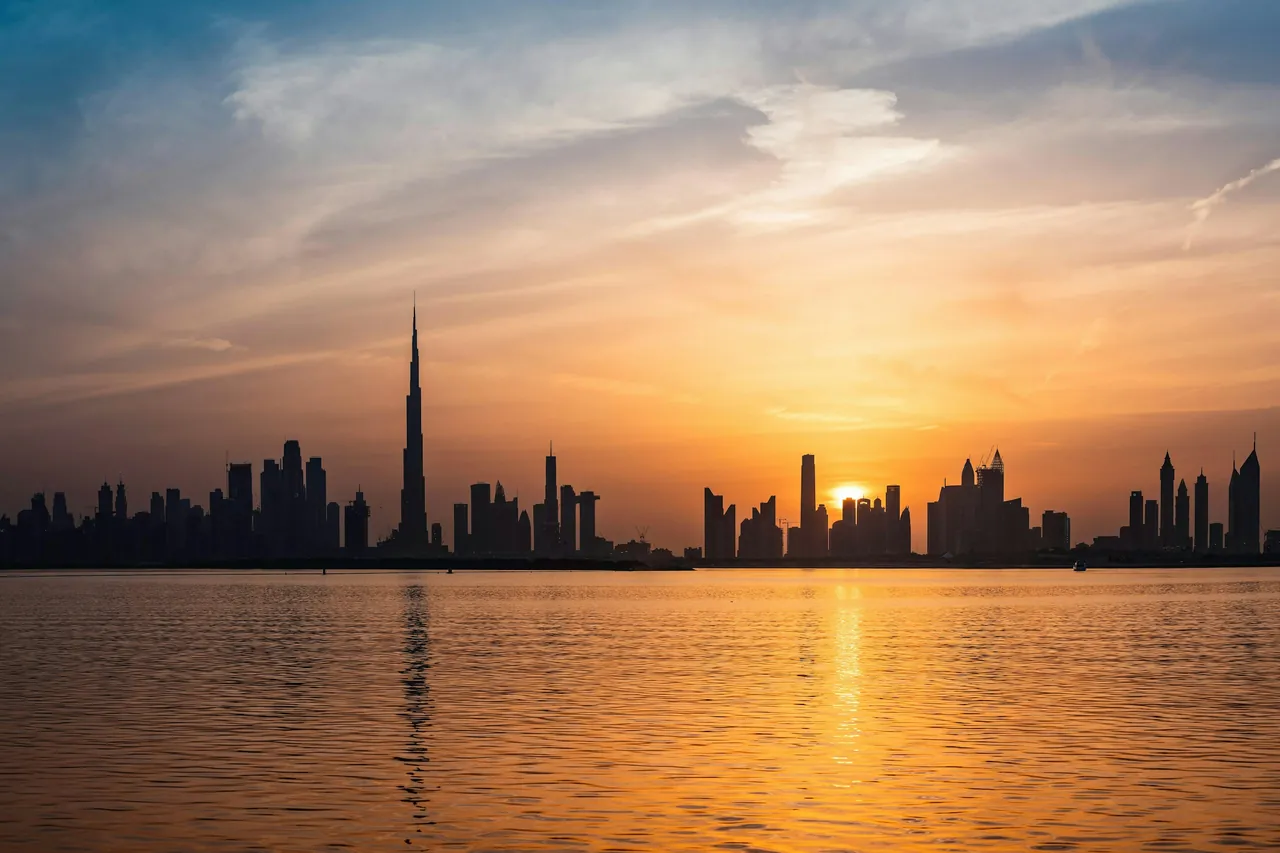
The United Arab Emirates are seven emirates with very different characters. Abu Dhabi has the Sheikh Zayed Grand Mosque, Qasr Al Watan and the museums of the Saadiyat Cultural District, Zayed National Museum and Guggenheim Abu Dhabi among them, and Sir Bani Yas and Saadiyat islands lie offshore. Al Ain has walkways shaded by thousands of palms, and Liwa and the Rub al Khali bring the deep desert. Dubai is the cosmopolitan face of the country, with the Dubai Desert Conservation Reserve on its doorstep, and Sharjah, Fujairah and Ras Al Khaimah complete the seven.