The Expedition
Places that are hard to get to and harder to do badly. Antarctica. Galápagos. Bhutan. Papua New Guinea. The trips you only do once, that have to be right the first time.
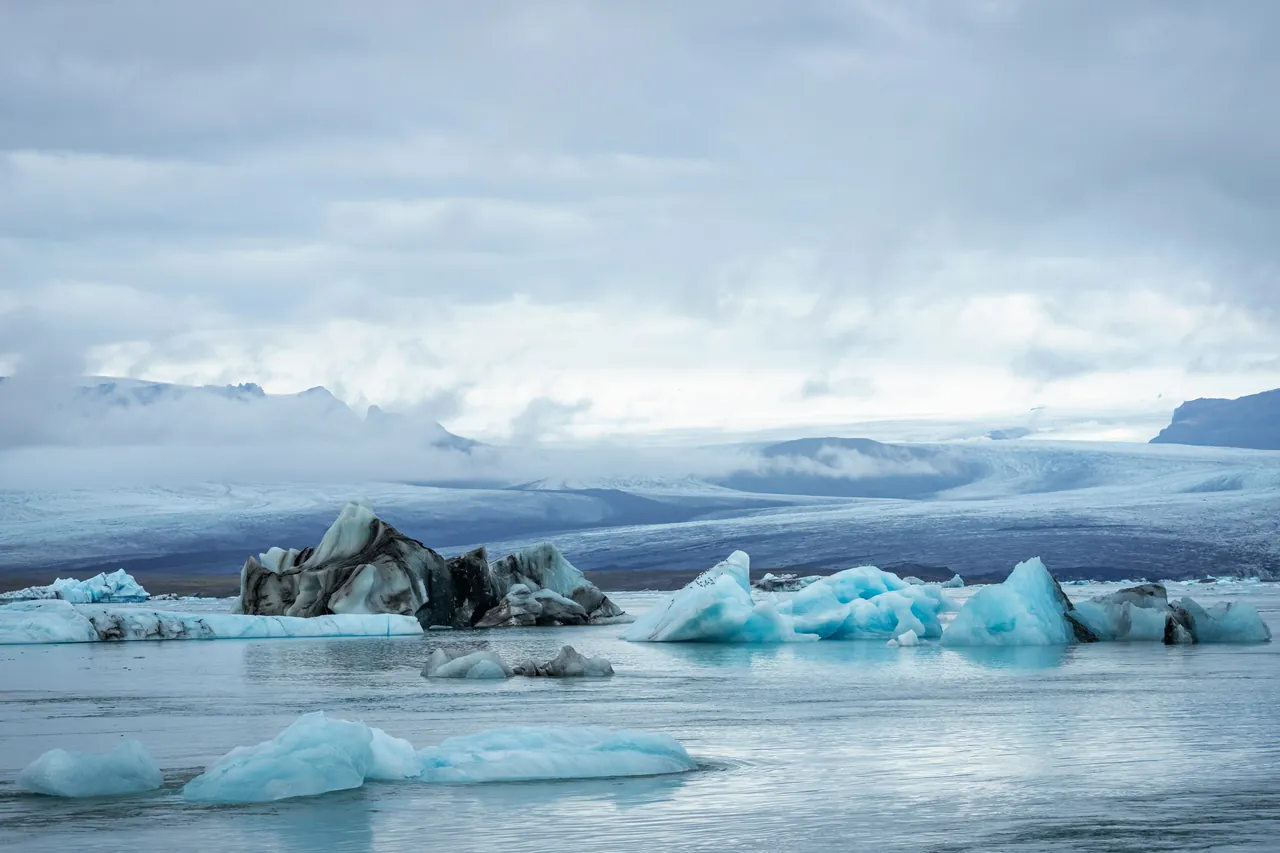
Expedition trips don't forgive a poorly chosen vessel, a wrong-season departure, or a guide who knows the route but not the place. The cost of getting them wrong is unusually high, partly financially, partly because most clients can't easily go again.
The work is unrelentingly specific. Which ship for Antarctica matters more than which itinerary; the small expedition vessels are not interchangeable. Galápagos by motor yacht versus catamaran versus larger cruise ship is three different trips, and the right answer depends on whom you're travelling with. Bhutan done in five days is a different country from Bhutan done in fourteen. South Georgia is the bit of the Antarctica trip most people get wrong by leaving out.
The properties on expeditions are often vessels rather than hotels, which puts even more weight on knowing the operator, the captain, the expedition team, the cabin choices. The hotels at the start and end of expedition trips matter disproportionately: the seventy-two hours either side of a hard journey are when most things go wrong.
The bookings happen long before the trip, sometimes eighteen months. The conversations begin earlier still.
How the design starts
The first questions are about the people, not the place. How far each of you is comfortable walking on uneven ground. How you take to a small boat in a swell. Whether a window in the cabin matters, or whether you will only sleep there. Who in the party has done something like this before, and who is coming because someone else wants to go. The answers decide the vessel, the season and the length of the trip more than the destination does.
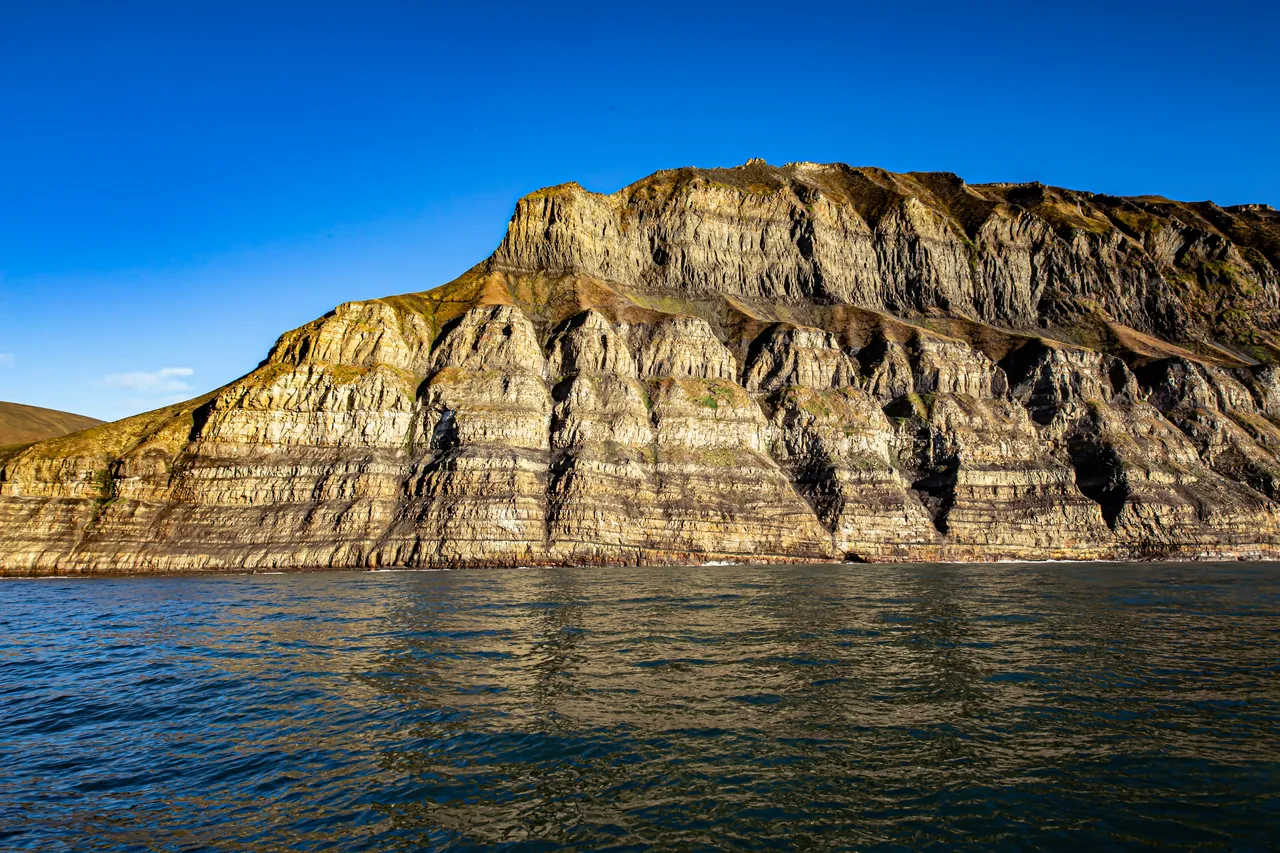
Then the calendar. Expedition seasons are short and they do not move. Antarctica is a southern summer trip and Svalbard a northern one; gorilla permits, the festival weeks in Bhutan and the clear months in the Himalaya each have their own window. The design works backwards from the right fortnight, rather than forwards from the dates you happen to have free.
The parts that are easy to get wrong
The days either side. A long-haul arrival into Ushuaia, Paro or Longyearbyen is not the moment to find out about a missed connection, because the ship and the permit do not wait. Where the route allows it, the trip starts with a night of slack and a hotel worth arriving at.
Fitness, said plainly. Where a journey asks something of the body, the proposal says so in words, not in a symbol. If anyone travelling has a medical condition or a disability that may affect the trip, I need to know before anything is booked, so the operator can confirm it is suitable.
Insurance that fits. Remote journeys need cover that includes medical evacuation and repatriation, and every activity you plan to do. It must be in place from the day the first deposit is paid, not from the balance date.
Documents. Most countries expect a passport to be valid for at least six months after you return, and some places need permits or visas arranged well ahead. I flag the ones I know about and point you to the official sources. Checking your own passport and visas is still yours to do.
Journeys to begin from
These are on the site in full, and each one can be reshaped around your dates and your party.
- The South Pole and Emperor Penguins, seven nights
- Oslo and Svalbard by Sea, nine nights
- Bhutan's Five Valleys, 14 nights
- Nepal, Mustang and Everest by Air, nine nights
- Rwanda, Forest and Volcano, six nights
Questions
Do I need to be very fit?
Not for most expedition trips, but you need to be honest about what you can do. Landings by small boat, uneven ground and long days in the cold ask more than a city break does. The proposal says what each part involves, so you can decide before anything is booked.
Is a bigger ship safer or more comfortable?
Not necessarily. On some routes a smaller ship can put everyone ashore at once while a larger one takes turns, and a larger ship may ride a rough crossing differently. The right answer depends on the route, the season and the people travelling, which is why it is the first decision rather than the last.
What happens if the weather changes the plan?
On an expedition it often does, and the captain and expedition leader decide. The design allows for it, with time in hand at the start and the end, so a changed landing is part of the trip rather than the end of it.
When to start
Earlier than for any other kind of trip. Small ships and permit-limited places fill first, and the cabins worth having go before the rest. A first conversation a year or more ahead is not too soon, and for the far south it is often about right.
The other five
When you're ready