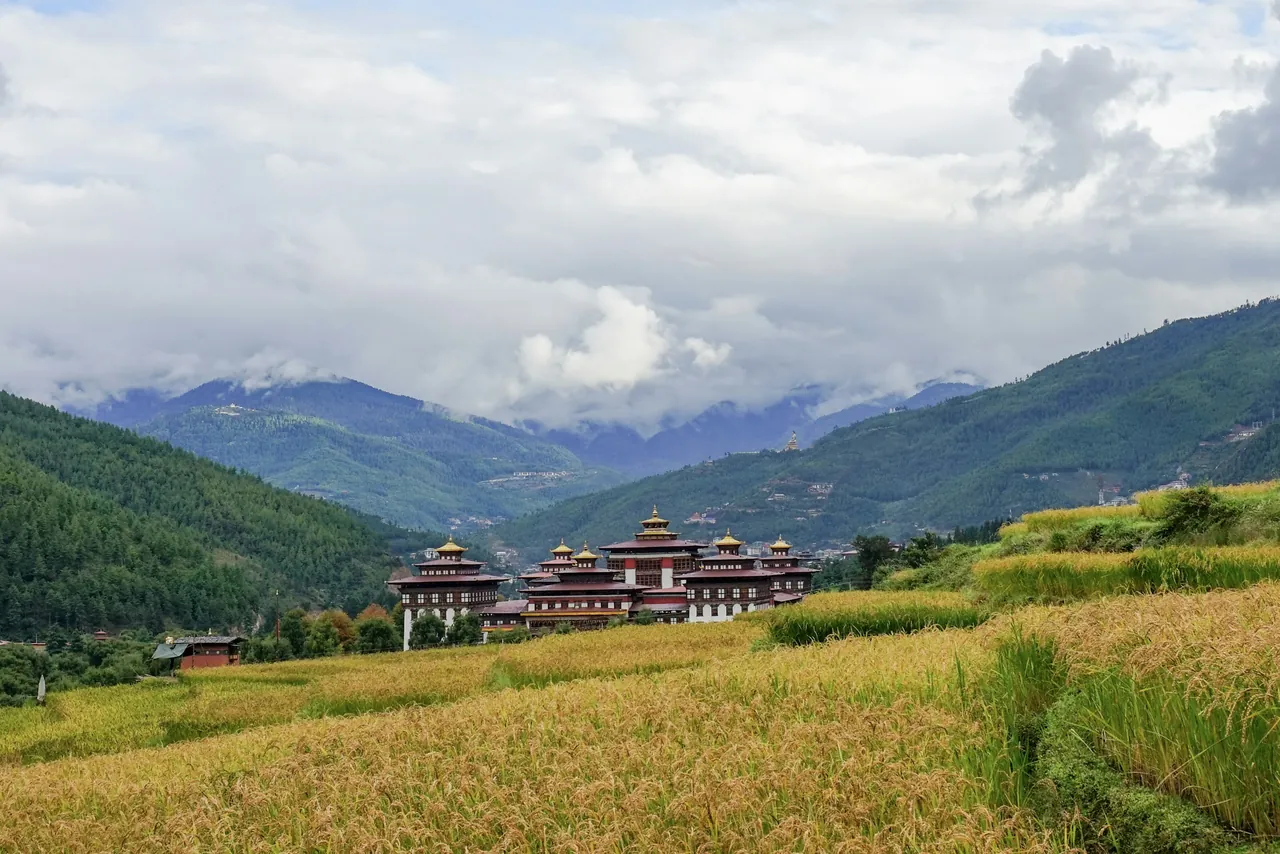
A talk with Mynak Trulku
In Thimphu, a conversation on Buddhism with Mynak Trulku, the 12th reincarnate lama of Mynak Rinpoche, who has lived in Bhutan for more than 30 years and once directed the National Museum and the National Library.
14 nights across Bhutan, lodge to lodge, from Thimphu to the Tiger's Nest.
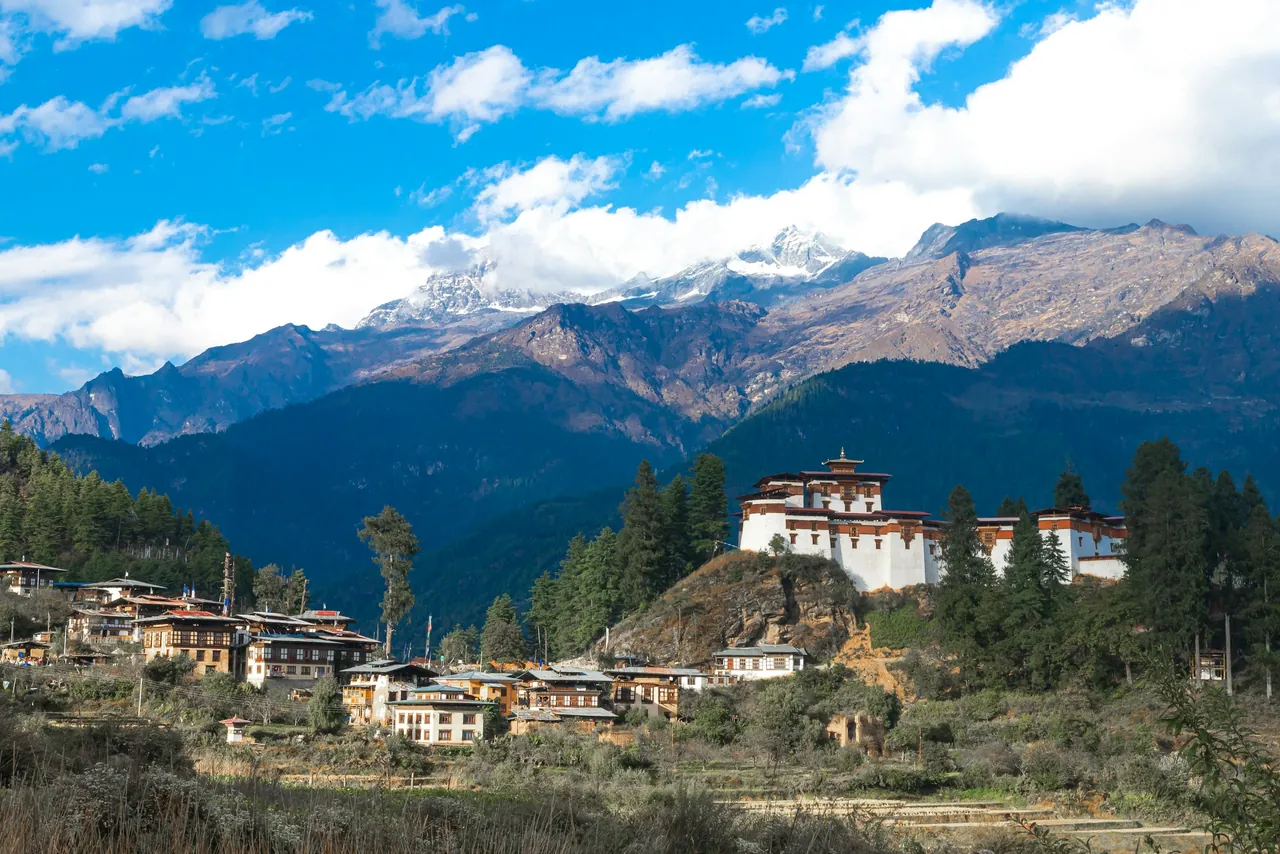
Five valleys and five lodges, joined by mountain passes and one short flight from east to west, with the monasteries opened through the people who keep them. A talk on Buddhism with Mynak Trulku, a reincarnate lama, lunch served to the monks of Gangtey Goemba, a Bhutanese name given in the private altar room at Sey Lhakhang, and the climb to the Tiger's Nest above Paro.
01
Days 1 to 4 · three nights
Met at Paro and driven to the capital. A talk on Buddhism with Mynak Trulku, the 12th reincarnate lama of Mynak Rinpoche and a former director of the National Museum and the National Library, can be arranged through the lodge. The Folk Heritage and Textile museums, the Buddha Dordenma and the National Memorial Chorten, a private painting lesson at an art school, paper making and incense rolling, walks to Cheri Goemba and to Phajoding, and dinner beside a forest stream. A temple stay can be arranged in a guest house within a temple or shedra compound, joining the monks in their daily rituals, prayer and meditation and sharing simple meals in quiet reflection. Natural dyeing can also be arranged at a Thimphu textile workshop, where fresh flowers, leaves and bark, in a technique handed down from the owner's grandmother, give each season its own colours.
Where you stay
Amankora Thimphu stands in a secluded pine forest above Bhutan's capital, its 16 suites built in dzong style with king-size beds, wood-burning stoves and terrazzo-clad bathtubs. Morning yoga among the pines is included, and the Forest and Stream Dinner is cooked over an open flame beside a stream.
02
Days 4 to 7 · three nights
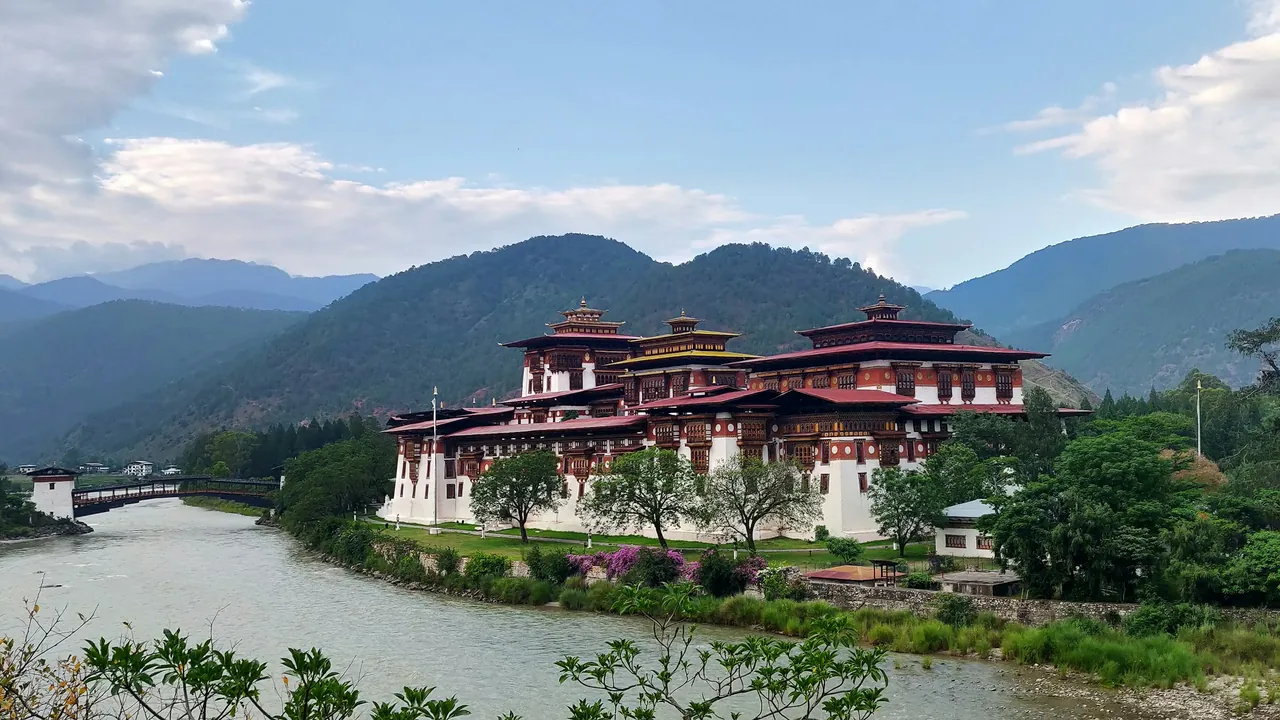
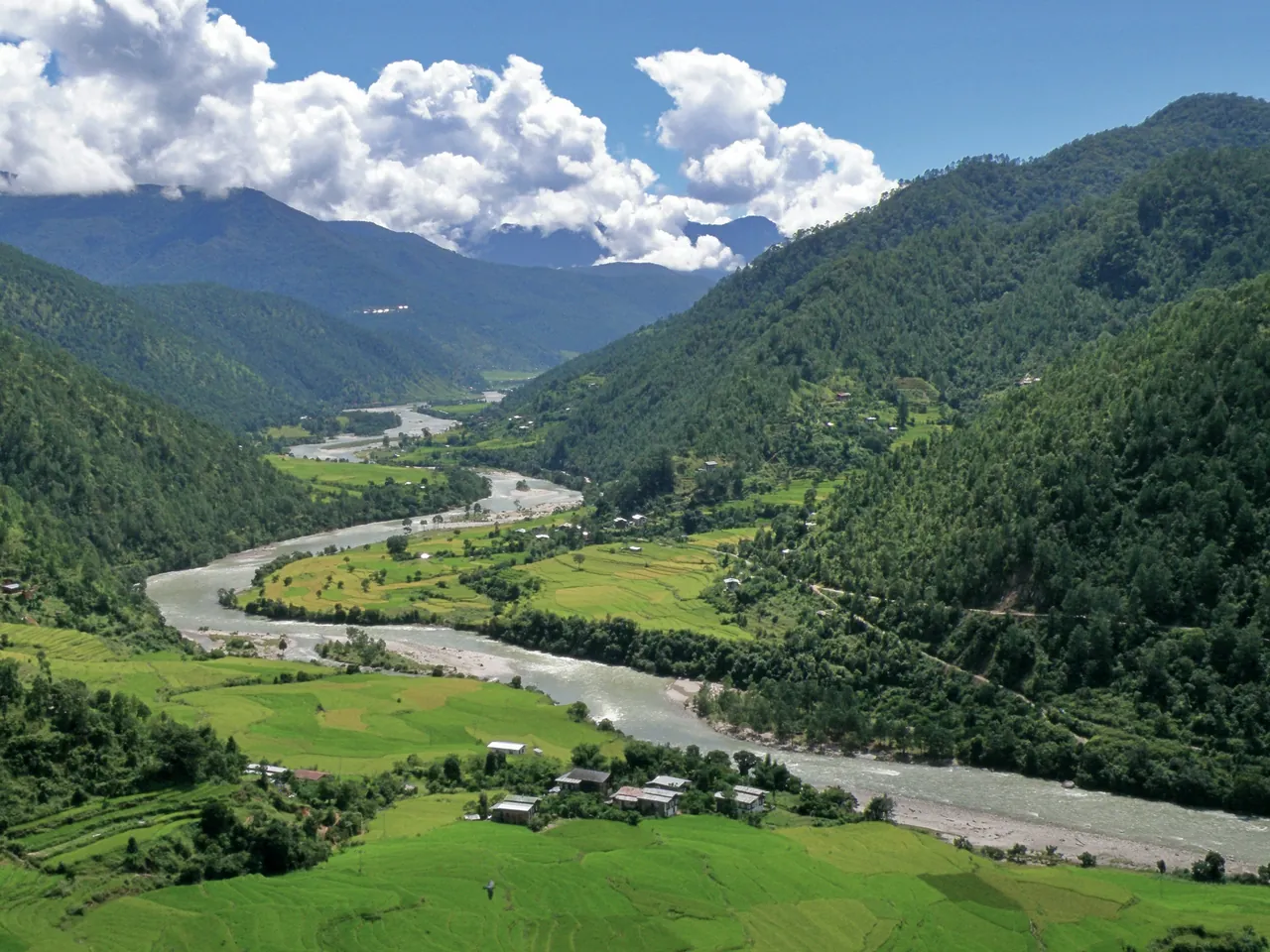
Over the Dochu La pass, with Simtokha Dzong, Hongtsho Goemba and Chimi Lhakhang on the way and a picnic en route. A walk up to Khamsum Yuelley Namgyal Chorten, a farmhouse lunch, the nunnery at Sangchhen Dorji Lhuendrup, and the valley on foot or by bike across a suspension bridge. Archery, the national sport, with traditional bows as well as modern ones, and one evening a private barbecue dinner by the river. A visit to a community school can be arranged.
Where you stay
Amankora Punakha is a 300-year-old farmhouse built by a former chief abbot, in the subtropical valley where Bhutan's royals spend their winters. Its 12 suites have wood-burning stoves and window seats, and a heated infinity pool looks out over the rice terraces below.
03
Days 7 to 9 · two nights
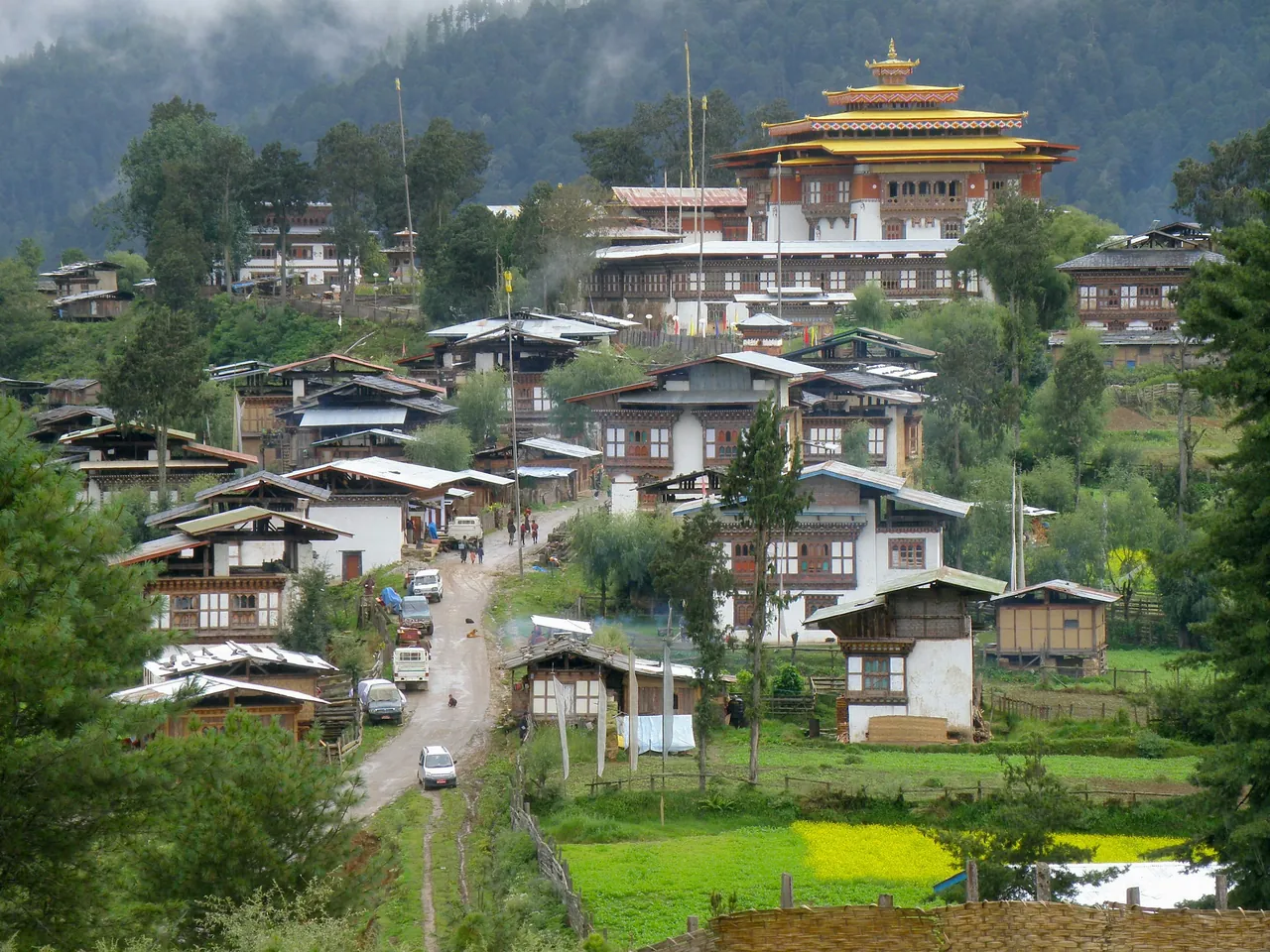
Two hours along the Mo Chhu to the Phobjikha Valley. At Gangtey Goemba, where nearly 270 monks study, you can buy the ingredients in the village shops, watch the meal cooked and serve the monks their lunch. Early one morning, a Tshewang prayer ceremony with the monks, lamas and teachers of the 17th-century goemba can be arranged, ending with butter lamps, a personal blessing from the Tulku, a reincarnate master, and a private tour of the shrine, then a Bhutanese breakfast inside the monastery complex. A walk from Longtey forest up to the ridge, a hot stone bath, and a private dinner by candlelight in a potato shed. An evening prayer at a monastic school can be arranged, as can a walk on the Gangtey Nature Trail with a black-necked crane conservation expert, on the cranes' migration, the monitoring programmes and the community's part in protecting their feeding grounds. From late October the black-necked cranes winter on the valley floor, and the goemba holds the Crane Festival on November 11.
Where you stay
Amankora Gangtey looks over the Phobjikha Valley floor to the 16th-century Gangtey Goemba, with eight suites surrounded by farmland and hiking and biking trails. A wooden hut above the valley holds a traditional hot stone bath, and dinner can be served in a local stone potato shed lit by hundreds of candles.
04
Days 9 to 12 · three nights
A long drive east, past Chendebji Chorten, Trongsa Dzong, the Yotong La pass, the weavers of the Chhume valley and Wandichholing Palace. Then Jambay and Kurjey Lhakhang, Tamzhing monastery, the Tang valley and the Burning Lake at Membartsho, and Ta Rimochen Lhakhang. In the private altar room at Sey Lhakhang a lama works out a Bhutanese name from your date of birth and explains its meaning, and an afternoon at Red Panda Brewery, the country's only Weissbier maker, ends with beer and local cheese in its garden.
Where you stay
Amankora Bumthang stands beside Wandichholing Palace in the town of Jakar, in a valley of 29 temples and monasteries that includes the ancient Jambay Lhakhang. Its 16 suites have king-size beds and wood-burning stoves, and evenings centre on a courtyard terrace with a firepit.
05
Days 12 to 15 · three nights
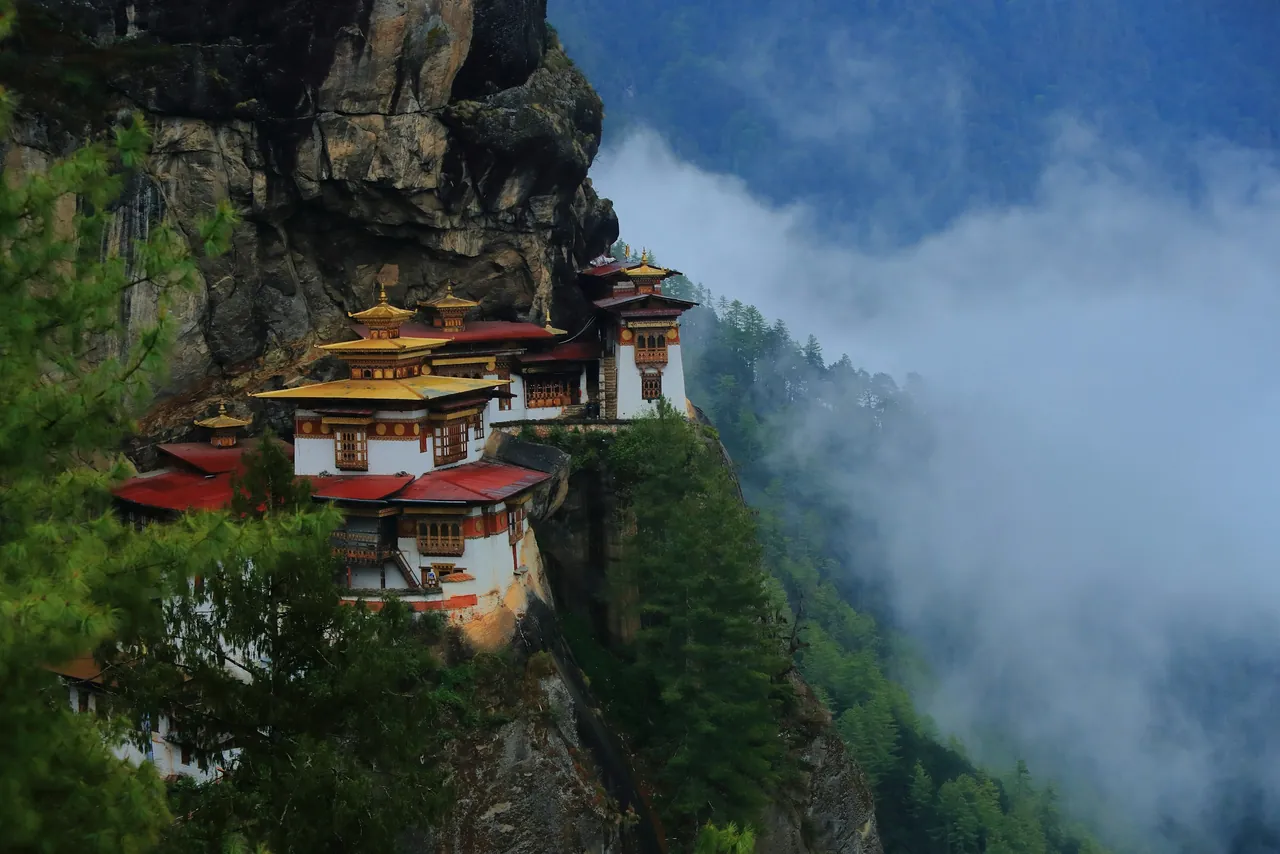
A 45-minute flight back west. The National Museum and Paro Dzong, a walk to Drukgyel Dzong and the old town, and at Kyichu Lhakhang, a 7th-century temple and one of the oldest in Bhutan, a blessing with butter lamps, white scarves and holy water, which the lodge arranges for couples as a vow renewal. Then the four-hour climb to the Tiger's Nest, 900 metres above the valley floor, and lunch afterwards at the lodge's log cabin facing the monastery. A helicopter flight can be arranged from Paro over Rinpung Dzong, Ta Dzong, the Tiger's Nest and Drukgyel Dzong and up the Paro River towards Jhomolhari, with the option of a champagne breakfast at Jangothang, a basecamp usually reached only by mountaineers. On request, you can watch monks with many years of training create a sand mandala and learn what it signifies. Prayer flags printed by hand on alternate evenings, a massage, and a farewell dinner in gho or kira.
Where you stay
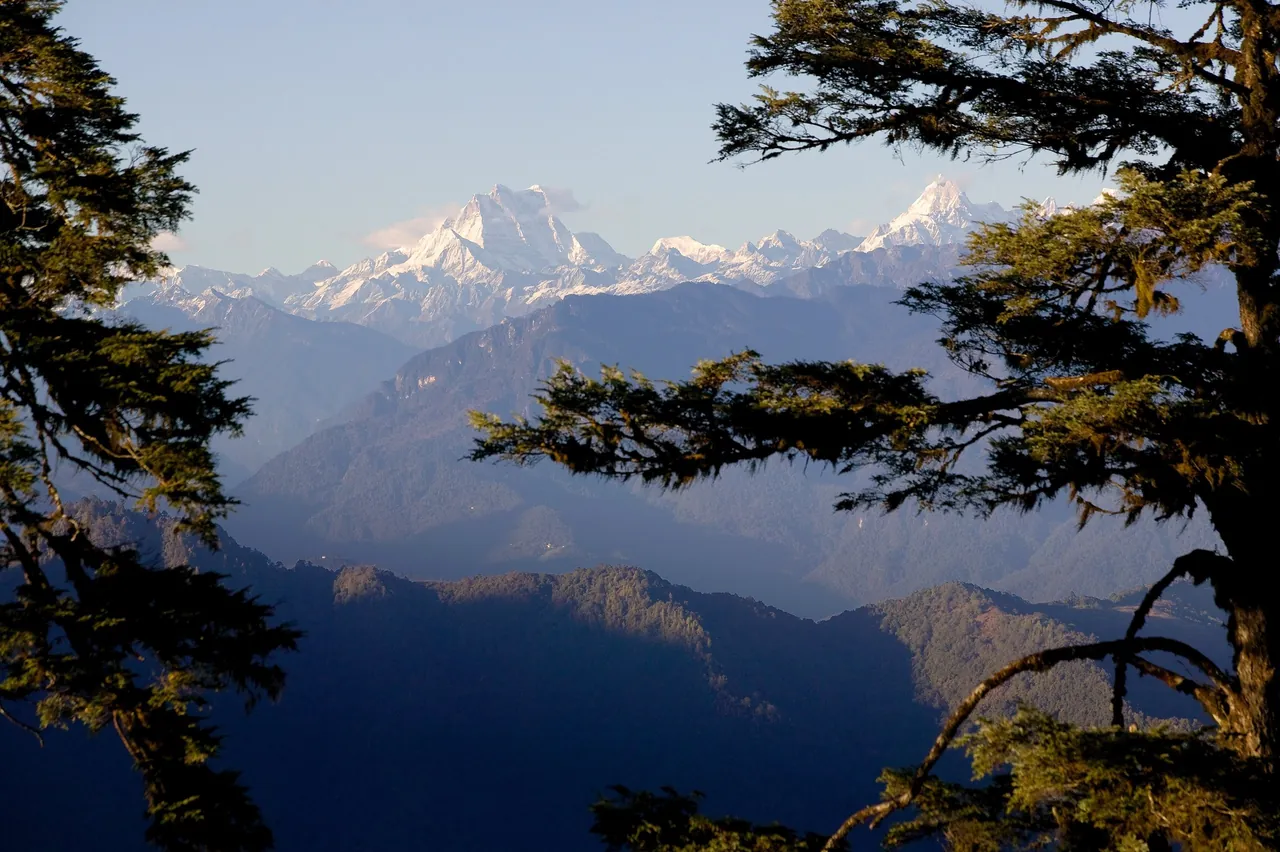
Amankora Paro sits in pine forest at 2,250 metres, with views of snow-covered Jhomolhari and a dining terrace facing the 17th-century Drukgyel Dzong. Its 24 suites have wood-burning stoves, and the spa adds a hot stone bath, sauna, yoga studio and separate hammam and banya houses.
In Thimphu, a conversation on Buddhism with Mynak Trulku, the 12th reincarnate lama of Mynak Rinpoche, who has lived in Bhutan for more than 30 years and once directed the National Museum and the National Library.
Buy the ingredients in the village, watch the meal prepared and serve lunch to the nearly 270 monks who study at the monastic school above the Phobjikha Valley.
In the morning, a Tshewang prayer ceremony with the monks, lamas and dharma teachers, closing with butter lamps, a personal blessing from the Tulku and a private tour of the shrine, followed by a Bhutanese breakfast within the monastery complex, by arrangement.
In the private altar room of the monastery in Bumthang, a lama calculates a Bhutanese name from your date of birth and explains what it means.
At one of Bhutan's oldest and most sacred temples, monks lead a ceremony of white scarves, butter lamps, cleansing and a holy water blessing, arranged by the lodge as a vow renewal.
A seven-seat helicopter from Paro passes Rinpung Dzong, the Tiger's Nest and Drukgyel Dzong on its way up the Paro River, and can set down at Jangothang, a basecamp usually reached only by mountaineers, for a champagne breakfast.
Subject to availability.
This is a sample. The hotels, the pace and the order are where we start, not where we finish: every journey is designed around the people taking it.
Most travel is bought. This is designed.
Before anything is booked, we talk: who is travelling, how you like to spend a morning, and the hotel preferences below the obvious, from the kind of bath you like to the time you wake and how much daylight you need in a room. You see options where options matter and clean recommendations where they don't.
The same person remains your point of contact from the first reply to the trip after next. No handovers. No team.
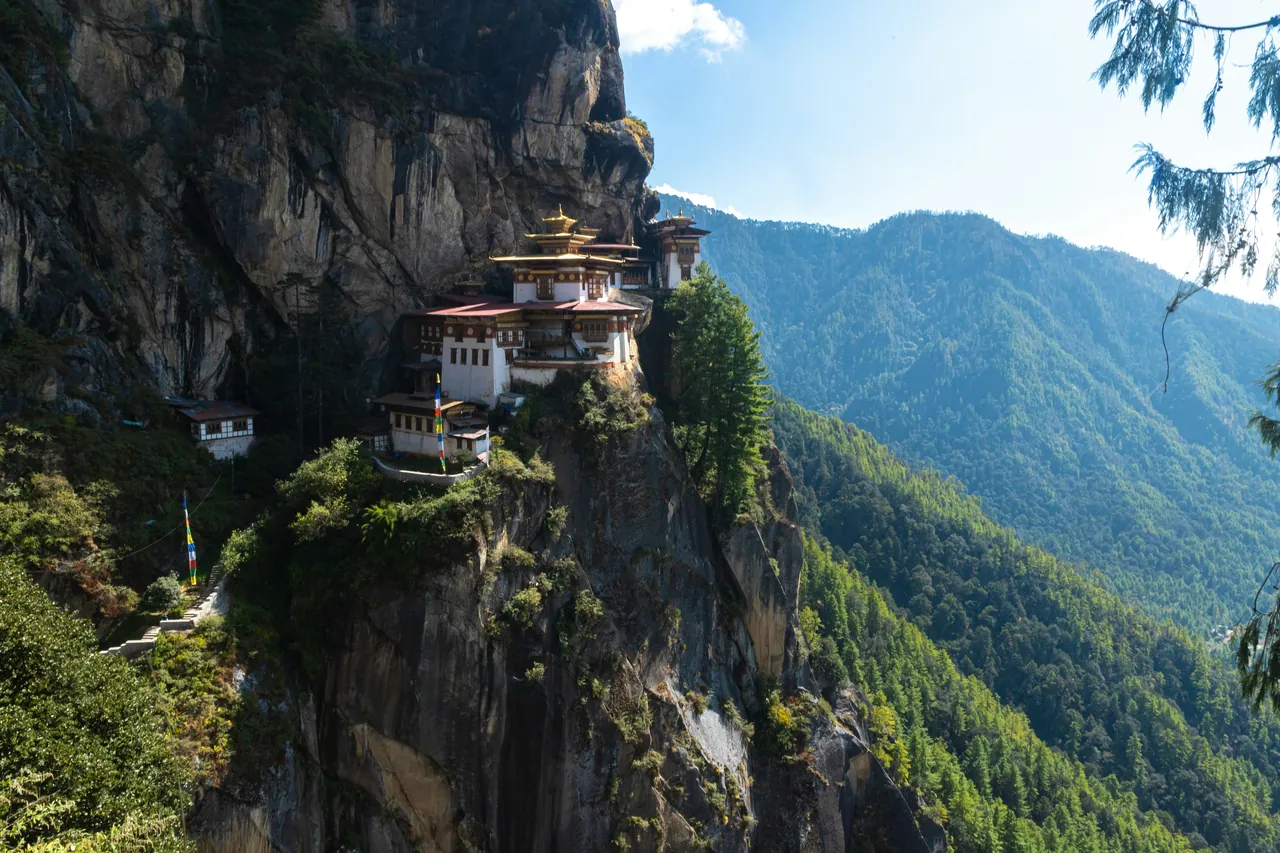
Nine days across western and central Bhutan, two nights each in Thimphu, Punakha, the Phobjikha Valley and Paro.
Eight nights · Bhutan
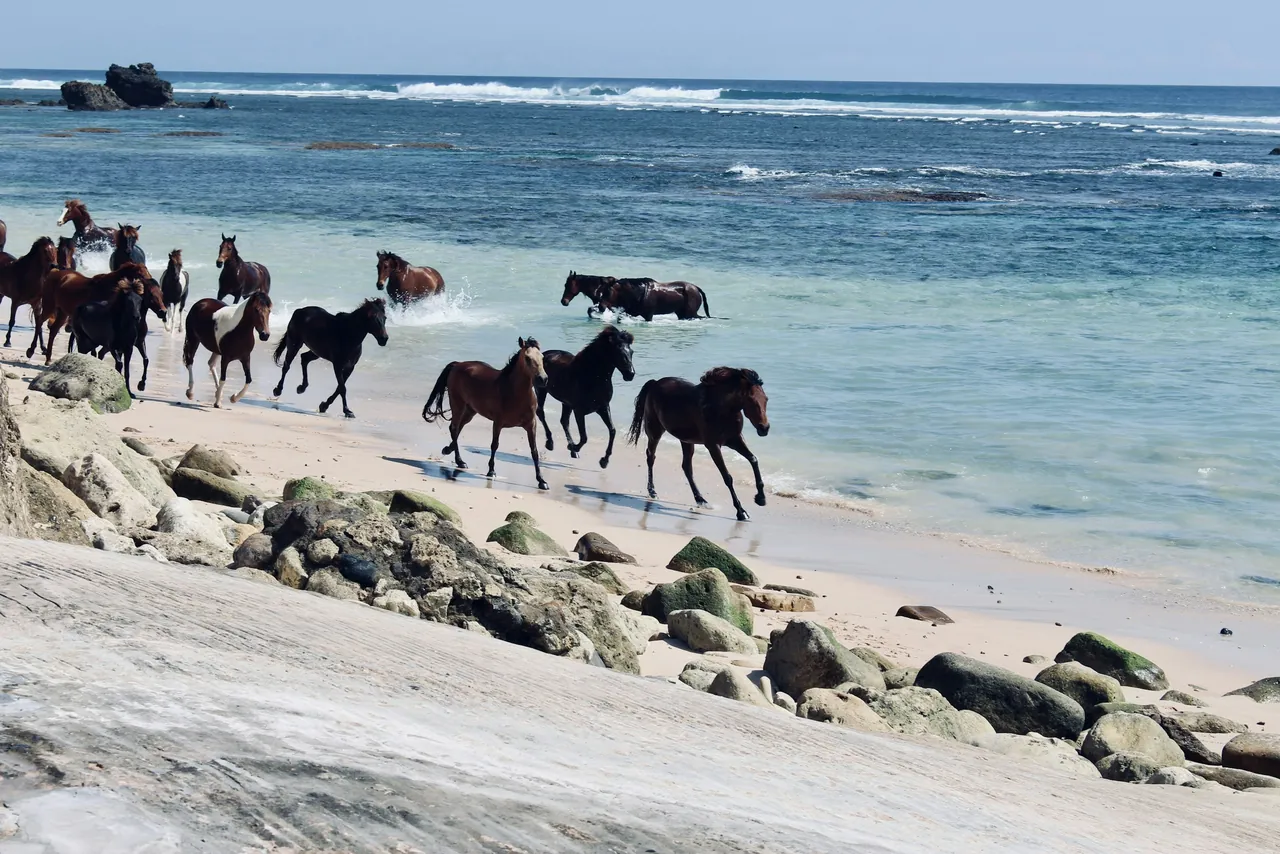
Four nights in Ubud's river valley, then four on Sumba's Indian Ocean shore.
Eight nights · Indonesia
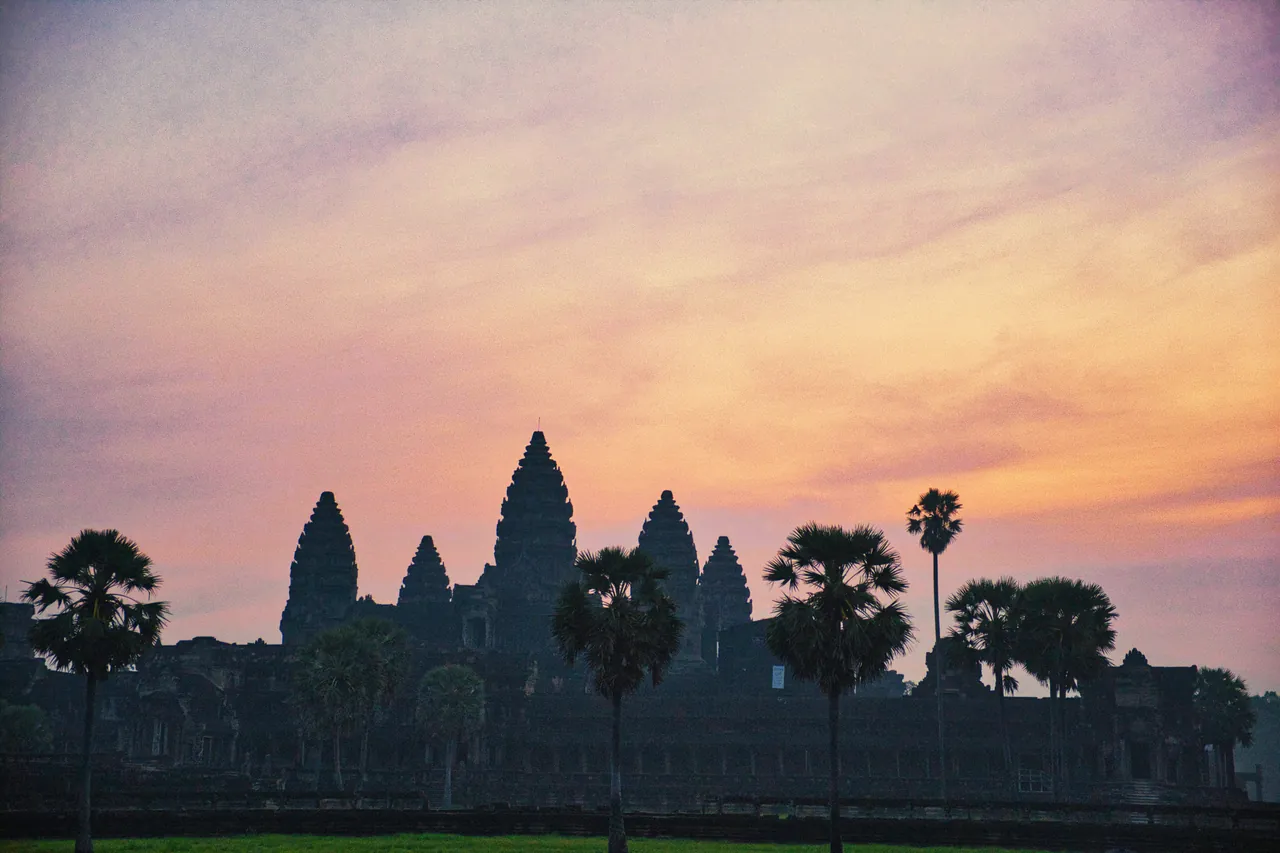
Three nights in Siem Reap for the temples of Angkor, then three in a tented camp in the Cardamom rainforest.
Six nights · Cambodia