The Generations
Three generations, sometimes four. Children, parents, grandparents, occasionally an in-law or two. Different energies. Different mobility. Different ideas of what a holiday is for.
The mistake on multi-generational trips is to plan for the lowest common denominator. The grandfather can't hike, so nobody hikes. The toddler needs a nap, so the afternoon goes quiet. By the end of the trip, three people are content and seven are politely restless.
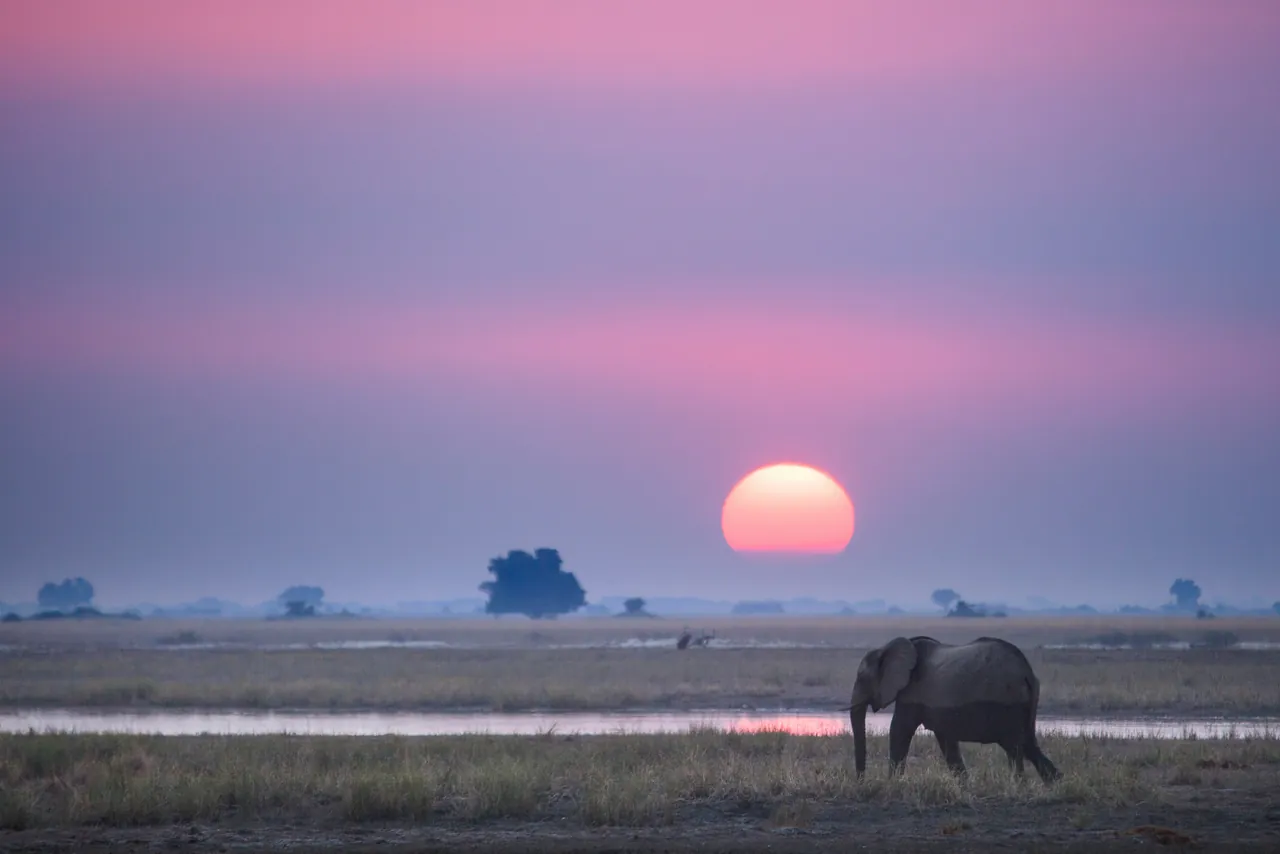
The work is in designing for parallel use. A villa with the right number of rooms, the right distance between them, the right shared kitchen. A safari camp that does both walking and game drives, so the energetic and the not-energetic can split. A cruise route with shore excursions tiered by intensity. The trip that works lets each generation have its own version of the holiday without the logistics requiring a second job from one of the parents.
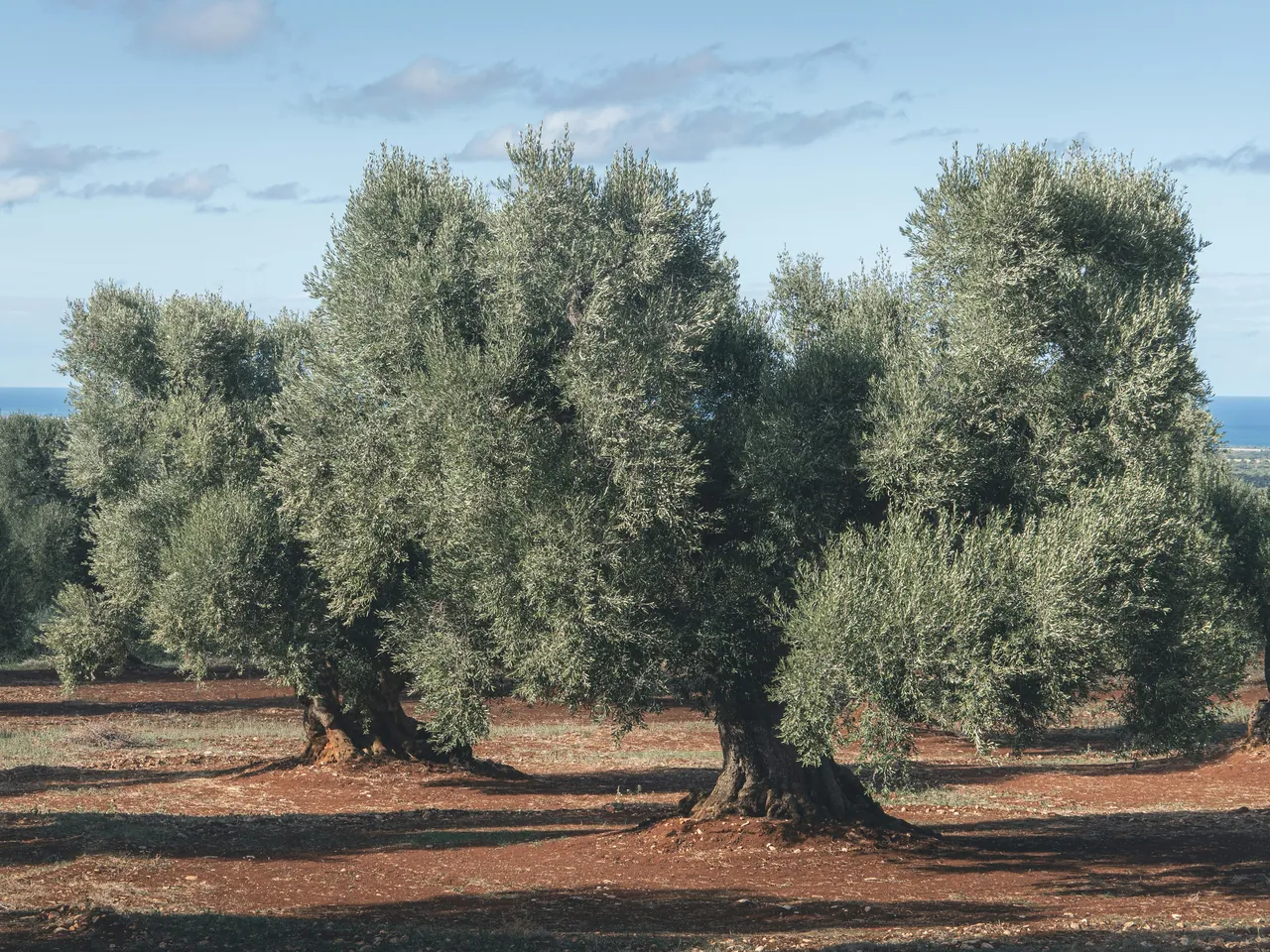
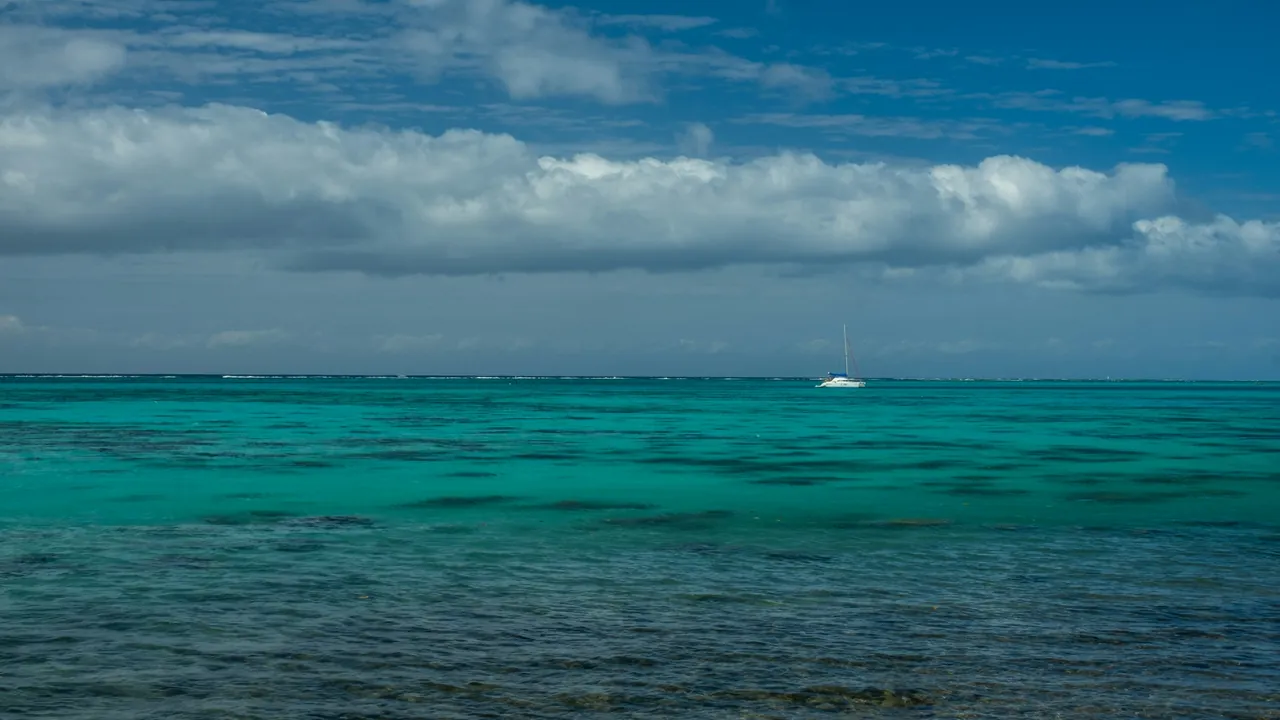
A villa in Tuscany for ten, with the right cook and the right local fixer, beats a hotel almost every time for this kind of trip. The Caribbean reunion done at a private island. A south Indian month split across three properties, with the older generation flying home a week early.
I have done enough of these to know the conversations to have at the design stage, not at the trip stage, when it's too late.
How the design starts
With a list of names and a sentence about each. Ages, of course, but more than that: who walks, who swims, who needs a nap after lunch and who needs a gym before breakfast. Who shares a room and who absolutely does not. Who is paying for what, if that is part of the picture, because it changes the conversations later. Most multi-generational trips go wrong on something that was known at the start and never said out loud.
Then the question of shape. Some families want one base for the whole stay, with the days built outwards from it. Others want to move, and need the moves to be gentle: short transfers, early check-ins, rooms close together. The answer is rarely the same for the grandparents as it is for the teenagers, and the design has to hold both.
What the design holds
Rooms that fit the party. A house or a residence inside a hotel is often the better answer than a run of suites: one front door, a kitchen, a table everyone fits round, and the hotel's spa and restaurants a short walk away. Where suites are right, I ask for them close together, and say in writing which requests the hotel has confirmed and which it has not.
Days in parallel. A guide for the walkers and a driver for those who would rather see the view from the car. A morning programme for children while the adults have breakfast in peace. One shared dinner a day, and freedom either side of it.
Arrivals in stages. Not everyone needs to land on the same day or leave on the same day. Grandparents who arrive two days early, or fly home a week before the rest, are easy to design for if they are planned from the beginning.
One booking, one lead name. The person who books agrees the terms on behalf of everyone named, so it helps to decide early who that is. Everyone travelling needs travel insurance from the day the first deposit is paid.
Journeys to begin from
These are on the site in full, and each one can be reshaped around your family.
- Scotland for Three Generations, 11 nights
- Sydney, the Southern Alps and Fiji, 12 nights
- Dominican Republic, a Private Peninsula, seven nights
- Florida With Children, eight nights
- London With Children, four nights
There are also villas and residences and houses let to one party at a time, which are often where a family trip begins.
Questions
Can different parts of the family pay separately?
Ask at the start. How a booking is split between households affects who is named as the lead, how payments are taken and which terms each person agrees to, so it is easier to settle before anything is booked than afterwards.
What if someone has to drop out?
Each component carries its own cancellation and change terms, set out in your proposal before you confirm. A house booked for 10 is still a house booked for 10 if eight arrive, so it is worth knowing in advance which parts can change and which cannot. Travel insurance with cancellation cover, in place from the day of the deposit, is the main safeguard.
Do you arrange things for children?
Yes, where the property or the place offers them: children's programmes, cooking lessons, guides who are good with younger travellers, cots and high chairs in the room before you arrive. Requests are passed to each property in writing, and you are told which ones it has confirmed.
When to start
School holidays set most family calendars, and they are the weeks that fill first. For a house that sleeps the whole family over Easter, summer or Christmas, a first conversation 12 months ahead gives the widest choice.
The other five
When you're ready