When money is not the constraint, the journey almost never fails on quality. Every hotel is good. Every guide is good. Every table was worth the table. It fails on density.
This is the counter-intuitive one, and it is counter-intuitive because it runs against how the trip was built. A generous budget removes the usual reason to say no. Something excellent is proposed, there is no financial argument against it, so it goes in. Repeat that thirty times across fourteen days and the result is a schedule where nothing is bad and the whole thing is exhausting.
The tell is easy to miss because it does not sound like a complaint. People come home and say it was wonderful, and then say they need a holiday. They struggle to name a favourite day. Their photographs are of places they can identify and moments they cannot. Asked what they would change, they say nothing, and mean it, and would still not do it again the same way.
Density does its damage in specific places.
The day with two good things in it. A morning that would have been the whole morning, and an afternoon that would have been the whole afternoon, on the same day, separated by a drive and a change of clothes. Each is diminished by the other. The second is experienced through the residue of the first, and the first is cut short to make the second.

The country that became a corridor. Four bases in ten nights. The arithmetic looks reasonable and the experience is not, because the last afternoon and the first morning of every stay are lost to moving. Four bases in ten nights is roughly six usable days, spent repeatedly arriving.
The early start that costs the afternoon. A six o’clock departure for something genuinely worth seeing, which is worth seeing, and which quietly removes the rest of that day and part of the next. The cost never appears next to the thing that caused it, so it never gets counted.
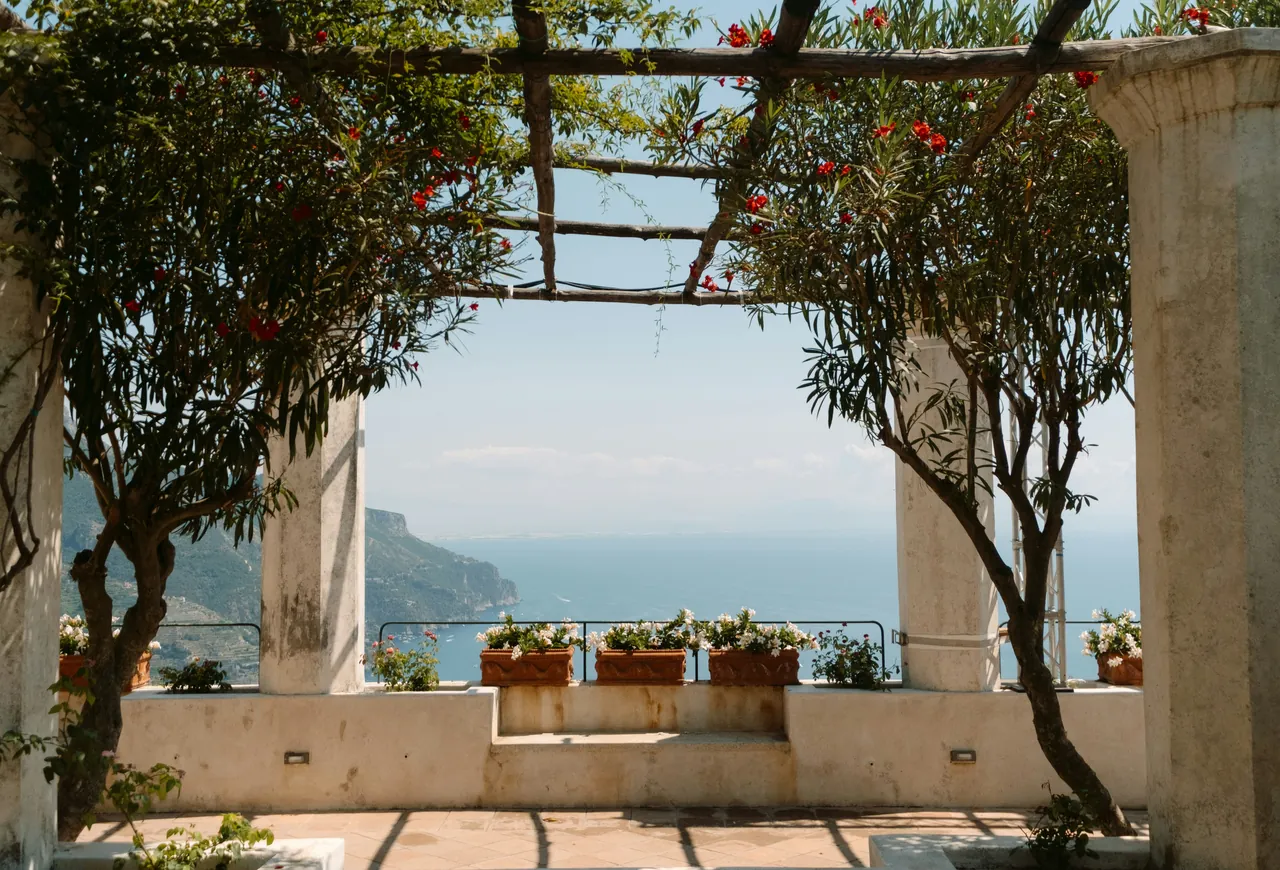
The empty afternoon that was filled. This is the one that does the most harm, because it was done with the best intentions. A gap appears in the schedule. Filling it feels like service. But an unstructured afternoon is not a gap in the journey. It is very often where the journey actually happens: the walk nobody planned, the long lunch that ran on, the shop, the nap, the hour of sitting still that makes the evening enjoyable rather than survivable. Fill every one of those and the traveller is a passenger in their own holiday.
The reason this happens is not laziness. It is fear of underdelivering. A schedule with white space in it looks thin on the page. A client who has spent significantly can look at a document with four free afternoons in it and wonder what they are paying for. So the afternoons get filled, and the document looks generous, and the journey gets worse.

Resisting that requires being willing to hand over something that looks less impressive. It also requires saying why, out loud, before anyone travels, because white space that has not been explained reads as an omission and white space that has been explained reads as a decision.
The craft is in subtraction, and subtraction is harder than it sounds, because everything on the list deserves to be there on its own merits. The question is never whether something is good. It is what it costs the day around it. A morning that will run long needs an afternoon that does not. Something that starts before dawn buys the following day off, not just the rest of the same one. Two exceptional things in one place are two visits, or they are one thing and a compromise.
Three nights somewhere is usually the floor. Two is a stop. Four is where a place starts to be somewhere you have been rather than somewhere you saw, which is a different thing entirely and the thing most people actually wanted.
All of it is uncomfortable to sell and easy to live with: a journey is not improved by adding to it past a point, and the point arrives earlier than anybody expects. What people remember, years later, is rarely the fullest day. It is usually the one with room in it.